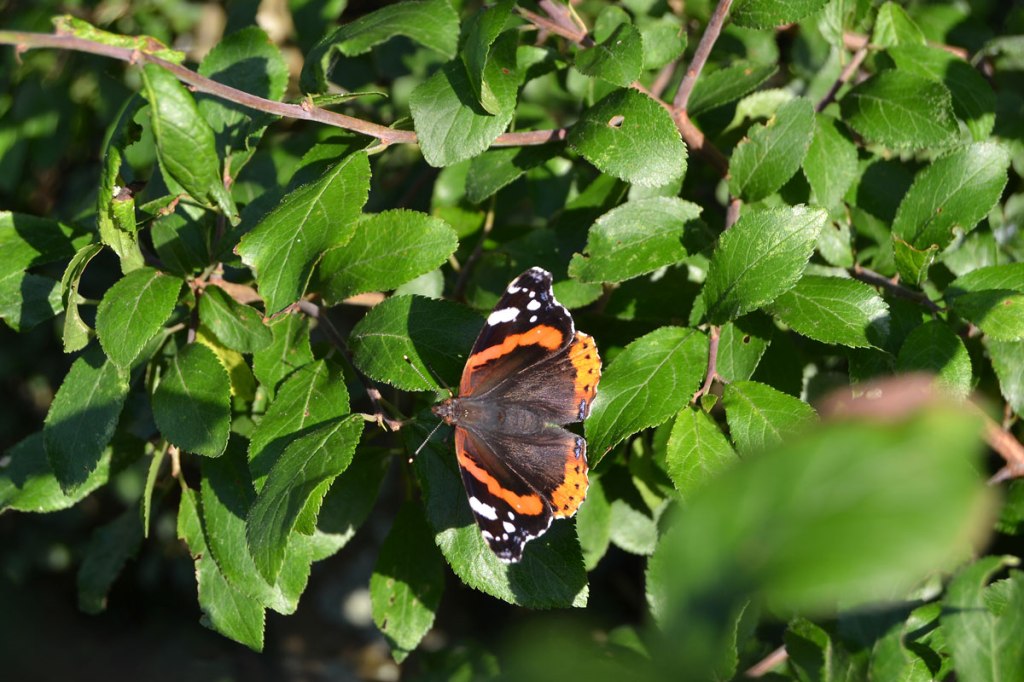
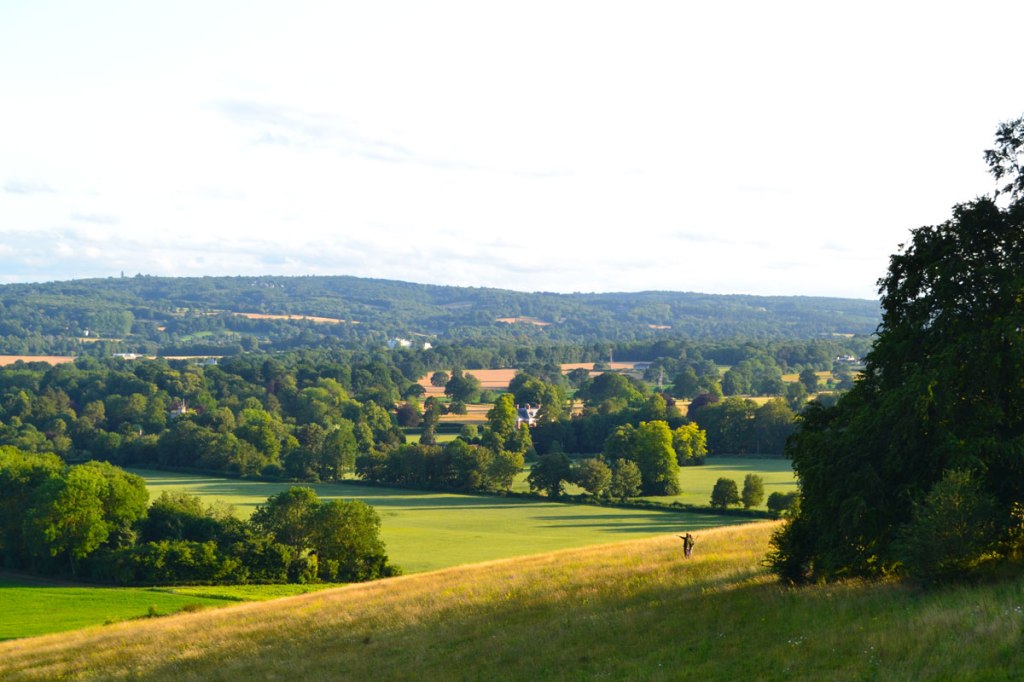
Late July, early August: it’s a slightly torporous time, and in most summers the countryside becomes gradually a bit tired and frazzled looking – rather like the Australian cricket team currently trying to play out the Ashes (now there’s a hostage to fortune). But this year, thanks to recent regular rain, there’s still a freshness about things. I particularly love the long grasses this year, so full of wildflowers – and such a contrast to last summer’s scorched earth. We’ve been lucky in 2023 in that respect, as other parts of Europe have literally burned. Nearly all the walks on this site feature beautiful grassy meadows at one point or another, the best being on the chalk North Downs at Downe, Shoreham (Eastern Valleys, Pluto, and Fackenden in particular, Knockholt and Cudham. Wild marjoram, wild carrot, ragwort, trefoil, knapweed, pyramidal orchids (still flowering) are among the common wildflowers all flourishing amid the grasses, creating a fetching spangle of purples, yellows, pinks, reds and creams among the greens. Anecdotally, butterflies have shown well this summer despite the mixed weather. At the moment it seems to me species such as comma, red admiral, marbled white and large white are the most commonly seen. In April and May, brimstones were a common sight, then peacock butterflies. I haven’t seen any silver fritillaries this year and hardly any orange tips or small tortoisehells, I’ve just been unlucky – others have seen them. Pictured below: red admiral butterfly, scarp view, knapweed in Chevening churchyard, a cleft in the North Downs scarp, a comma butterfly, the escarpment, a lonely path, all from Knockholt/Chevening short walk on a near-cloudless late July early evening.


 Kent walks near London