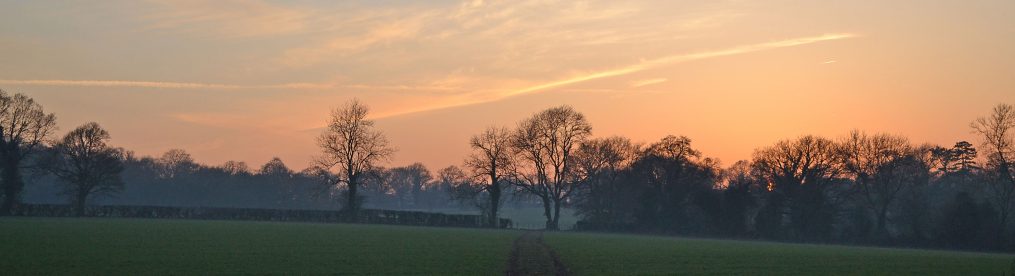
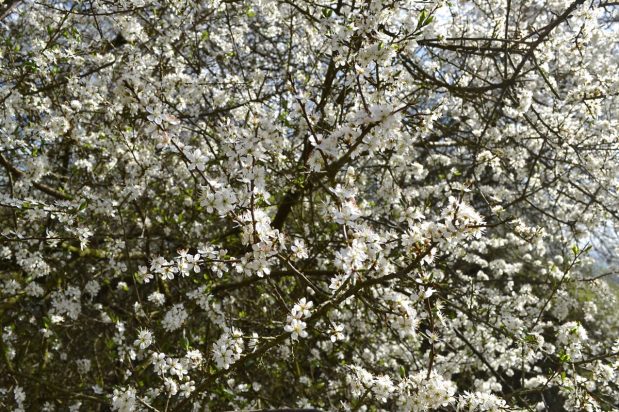
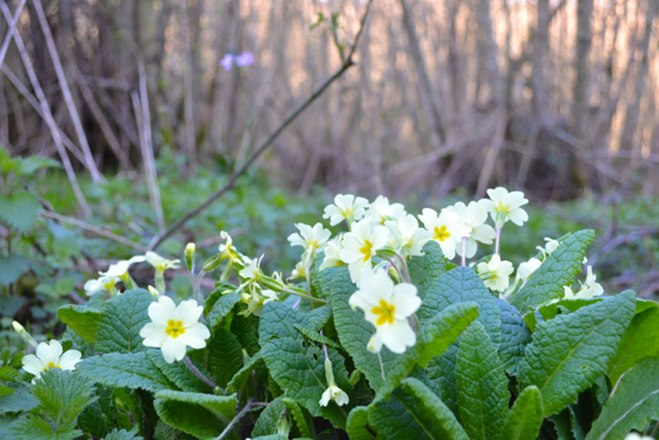
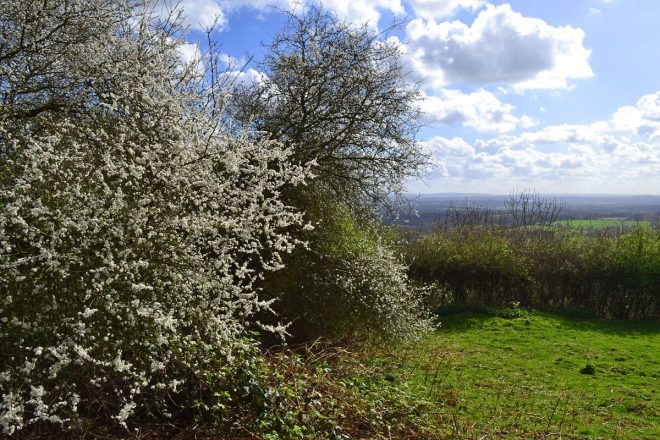
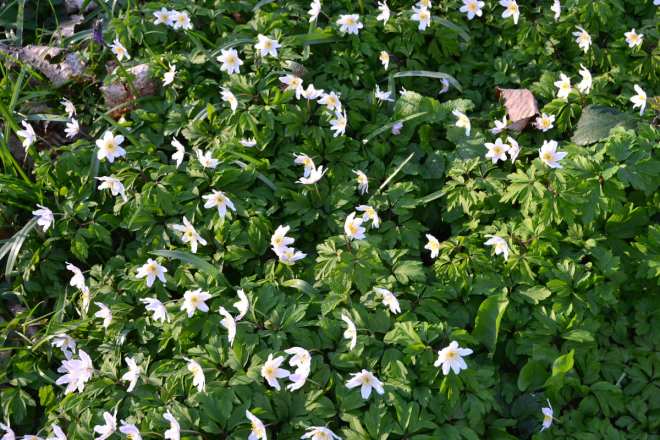
I write this on a dark Tuesday night with rain, driven by an angry, unpredictable wind, lashing down on to the roof of my conservatory. My little electric radiator is working overtime as I listen to the elements filling the sky above me. But I’m here to write about the onset of spring, about how the Kent walks near London have largely dried out rather well and how early bluebells, wood anemones, primroses and celandine are spangling woods and meadows with vivid colours. I also want to mention how great the blackthorn bushes and trees look this year. The snow-white flowers of blackthorn, the stalwart of early spring blossom, are a vital source of nectar and pollen for bees in spring. The Woodland Trust website says its foliage is a food plant for the caterpillars of many moths, including the lackey, magpie, swallow-tailed and yellow-tailed and that it’s also used by the black and brown hairstreak butterflies. Its thorny, dense thickets are great for birds to nest in too and of course its gorgeous sloe berries in autumn are a rich source of sustenance for a variety of creatures.
Blackthorn is seen on all the walks; take a close look, it’s definitely one of those sights we take for granted but the more you look, the more you are rewarded.
Yes, all this happens every year but it seems so miraculous each time, as long as you don’t forget to look. And right now we need to look, given the gloom visited on us by the horror of unwanted wars and fears over our livelihoods.

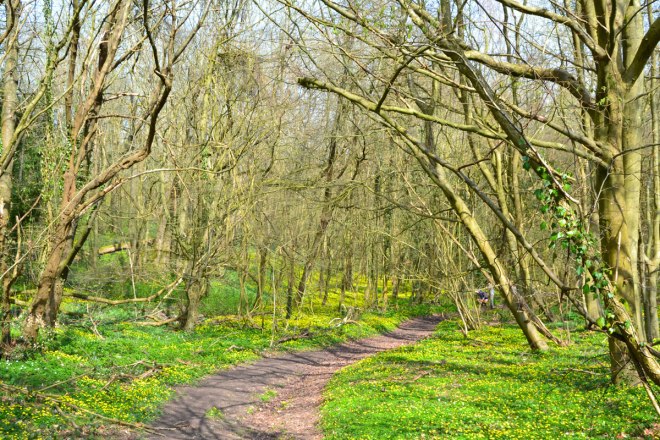
 Kent walks near London