Bluebells 2025 – the winner!

Bluebells 2025 – the winner!

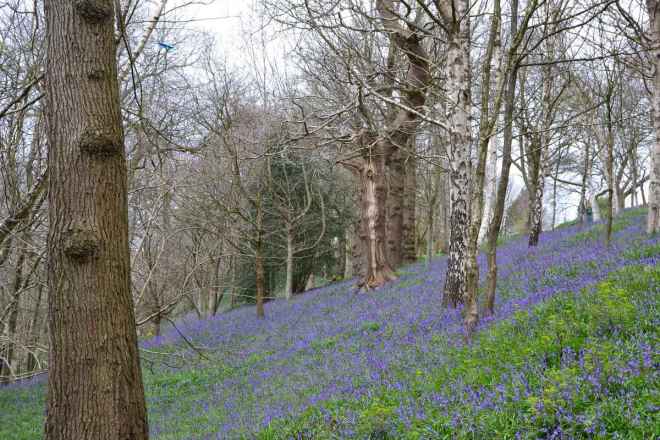
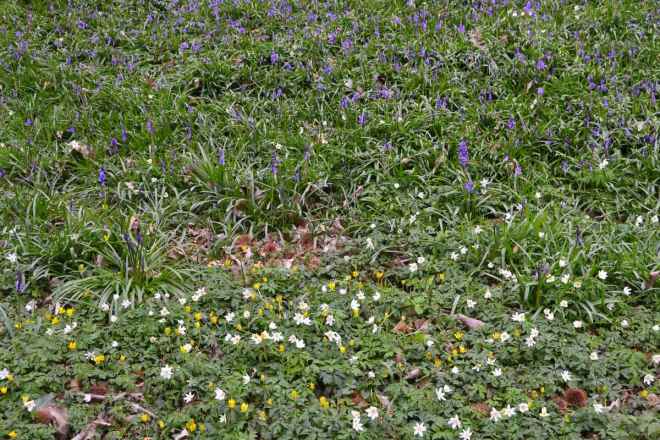
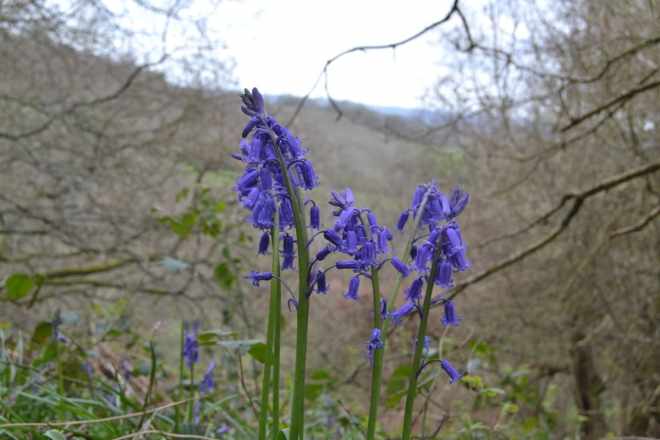
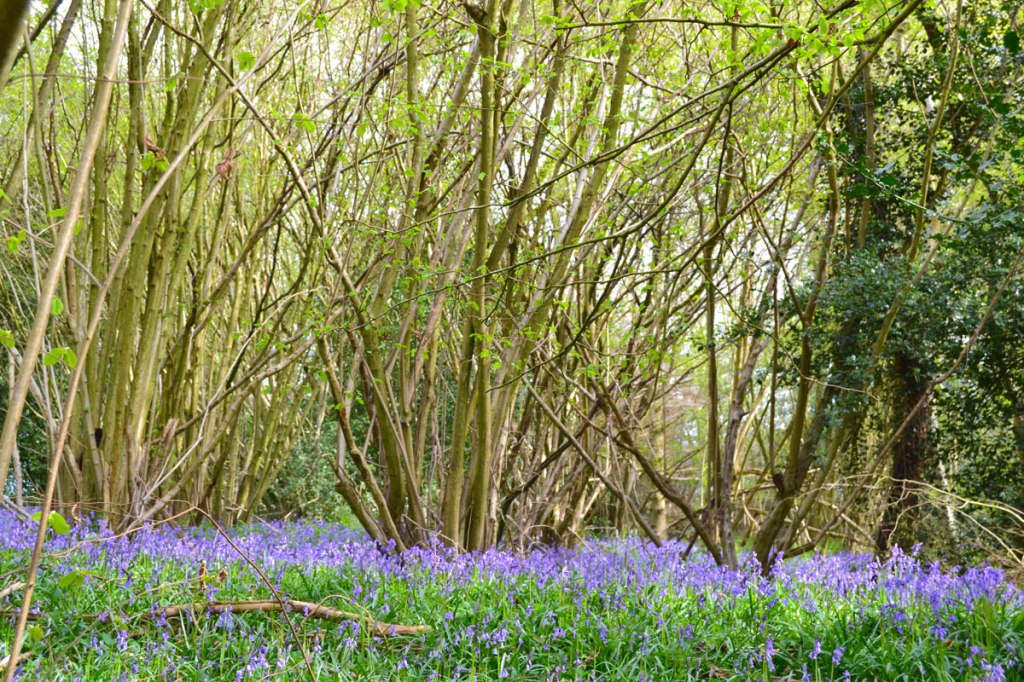
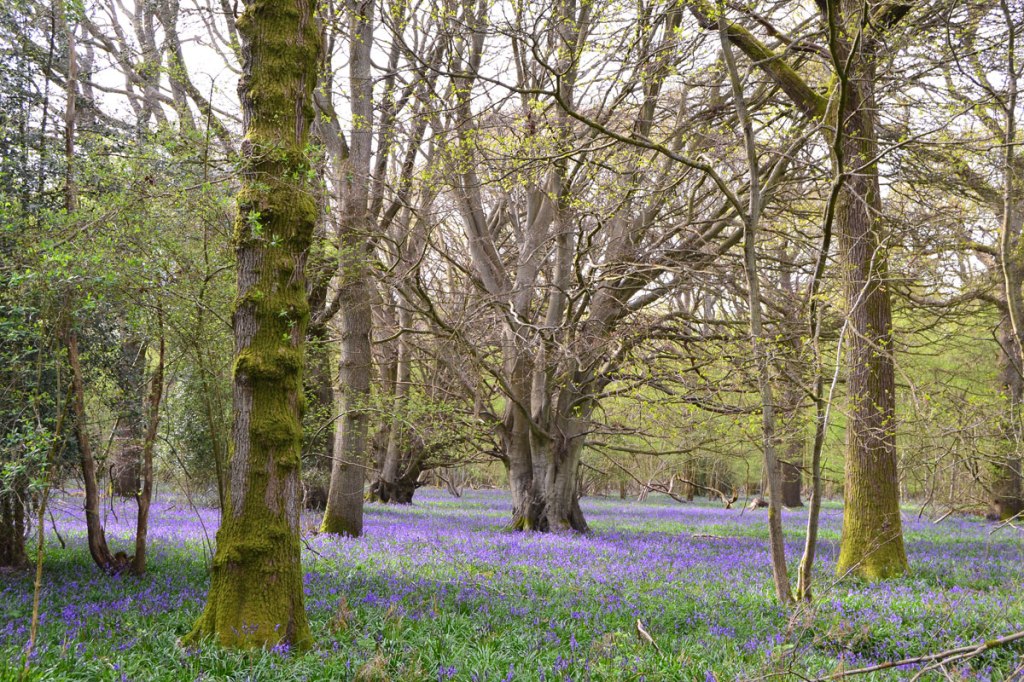
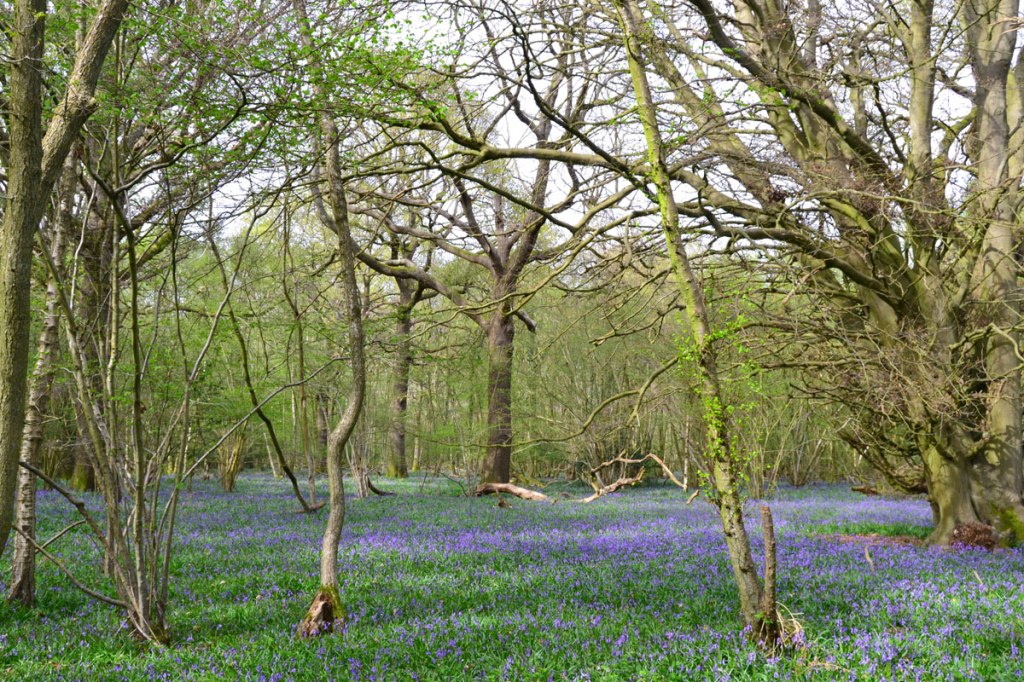
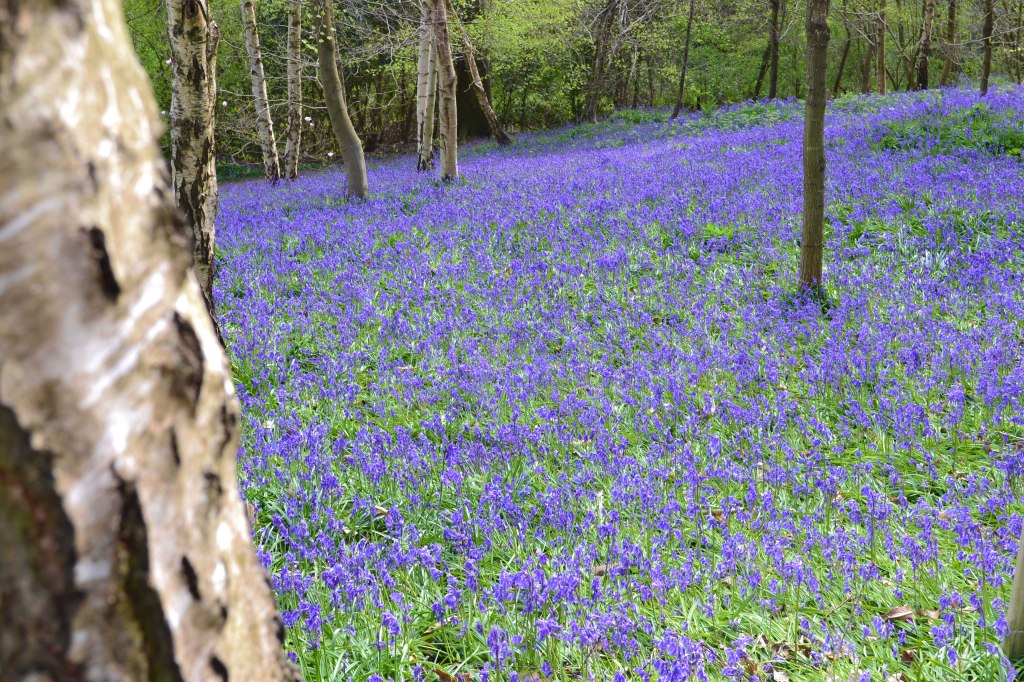
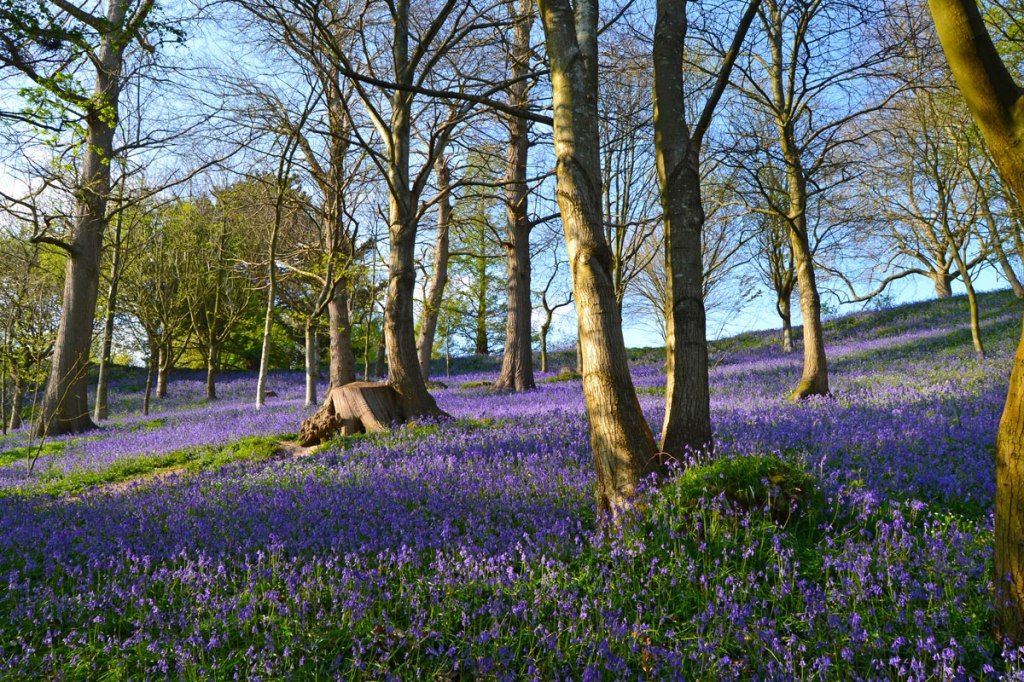
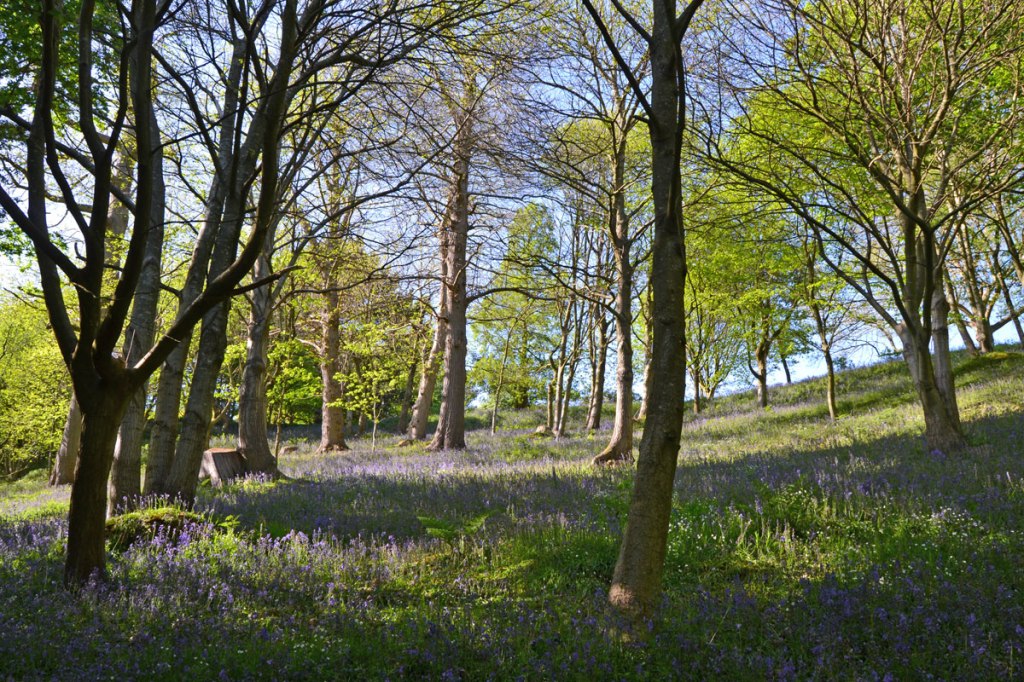
The season is now over. It was as beautiful as ever at its peak, but this year the dry weather and maybe the cold wind, were not conducive to the bloom’s longevity. Last weekend at Ide Hill and Emmetts Garden the bluebells were gorgeous but already well on the wane. In fact at Ide Hill, brambles have taken over some of the areas where once bluebells thrived. Some of my favourites this year were at the top of Wilmot’s Hill near Ightham Mote; but what has struck me in recent weeks is how pretty bluebells are when mingled with other flowers – notably cuckoo flowers, red campion and stitchwort – at the foot of hedgerows. The Bough Beech walk has some of my favourite examples, Underriver too. Oh yes, and below Polhill Bank on the path to Sepham Farm, where you are likely to be serenaded by yellowhammers (that’s a bird by the way, not a construction tool).

So, to the winner and runners-up of the annual Kent Walks Near London bluebell competition:

  1. New Year’s Wood, Cudham chalk paths walk
  2. Hedgerow bluebells, Bough Beech walk
  3. Top of Wilmot’s Hill, One Tree Hill figure of eight walk

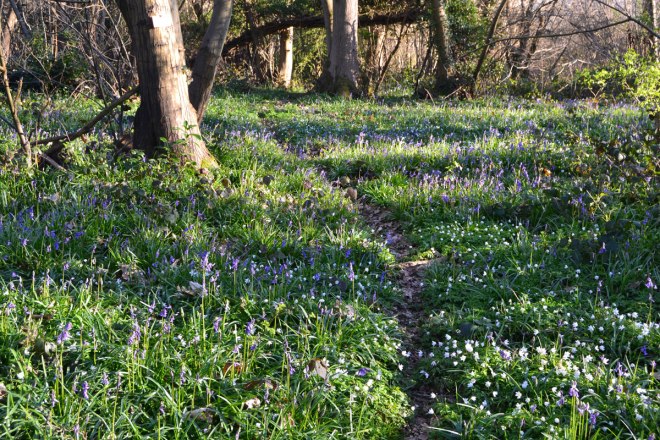
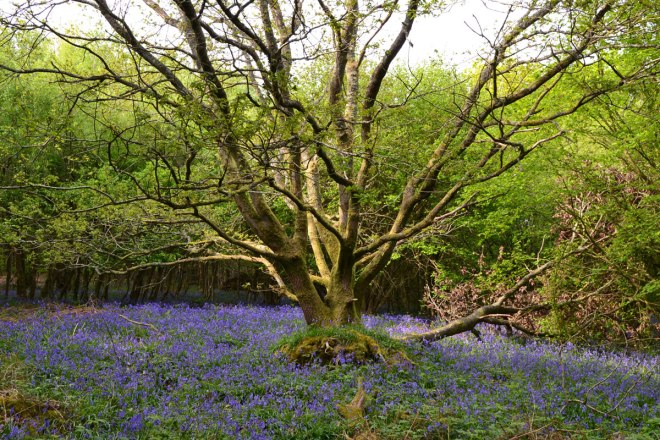
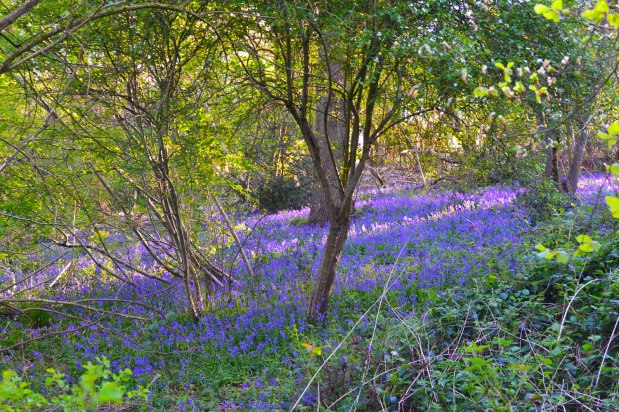
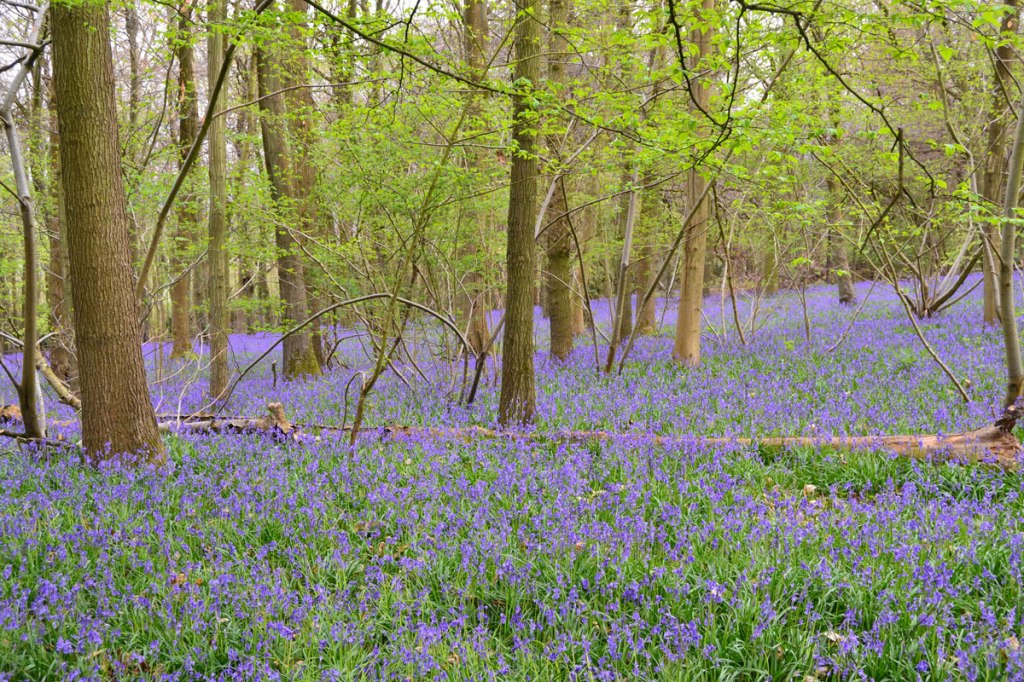
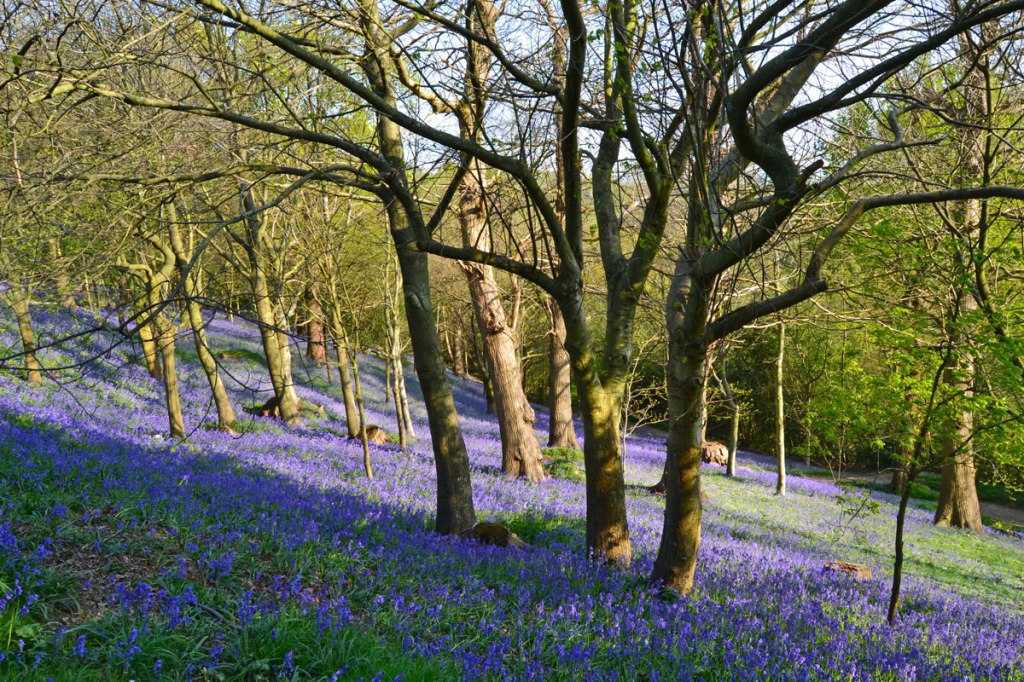
Last year’s winner, the Blueberry Lane meadow, at Knockholt was obviously utterly stunning but the rules state that the same location can’t win the following year. I actually visited New Year’s Wood very early in the bluebell season, before they’d quite found their colour, but the seas of young flowers in the late afternoon sunlight were truly beguiling in that quiet, mysterious wood.
Please contact me with any omissions in my not particularly extensive bluebell research. The season only lasts a couple of weeks so it’s not always possible to get around all the walks to view them – I didn’t go to High Elms, Oldbury, Petts Wood, Meenfield Wood (recently scarred by timber work) or Lullingstone over the past month so no idea how good they were.

Bluebells in north-west Kent: where’s best?

Bluebells in north-west Kent: where’s best?

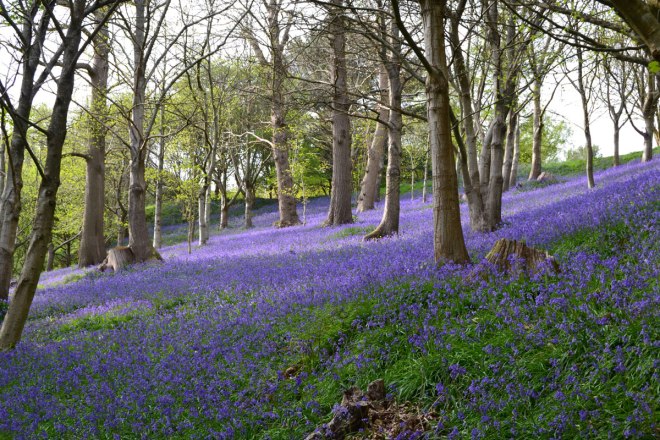
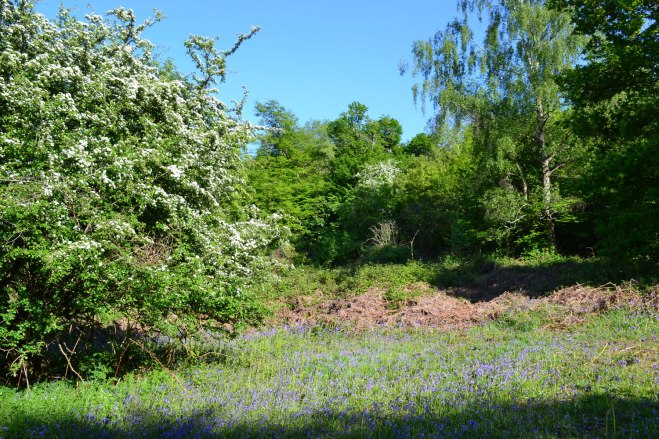
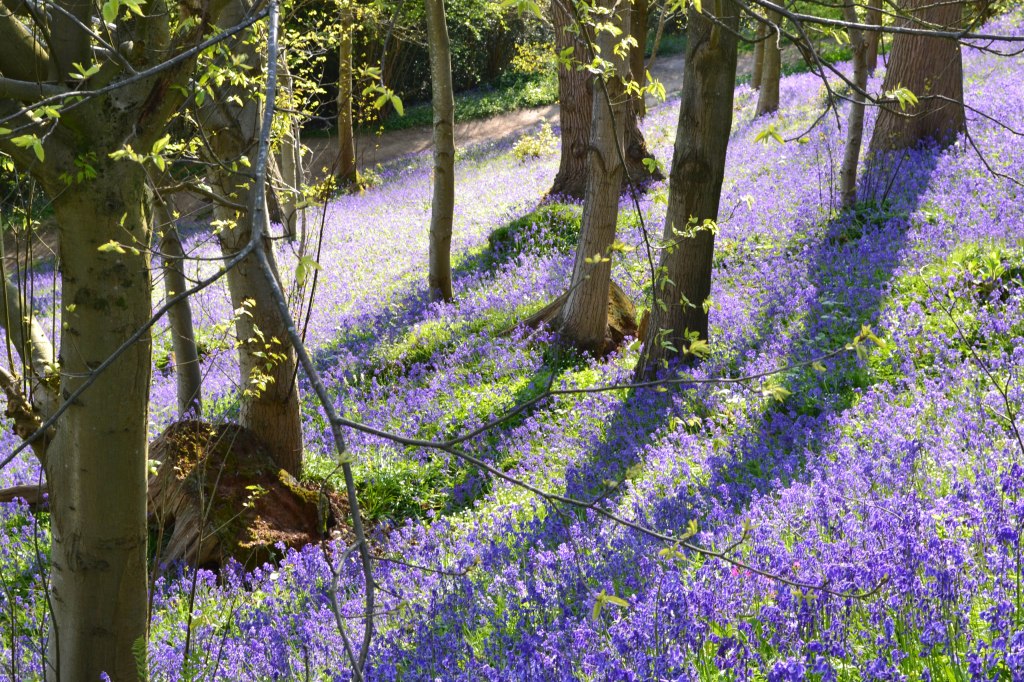
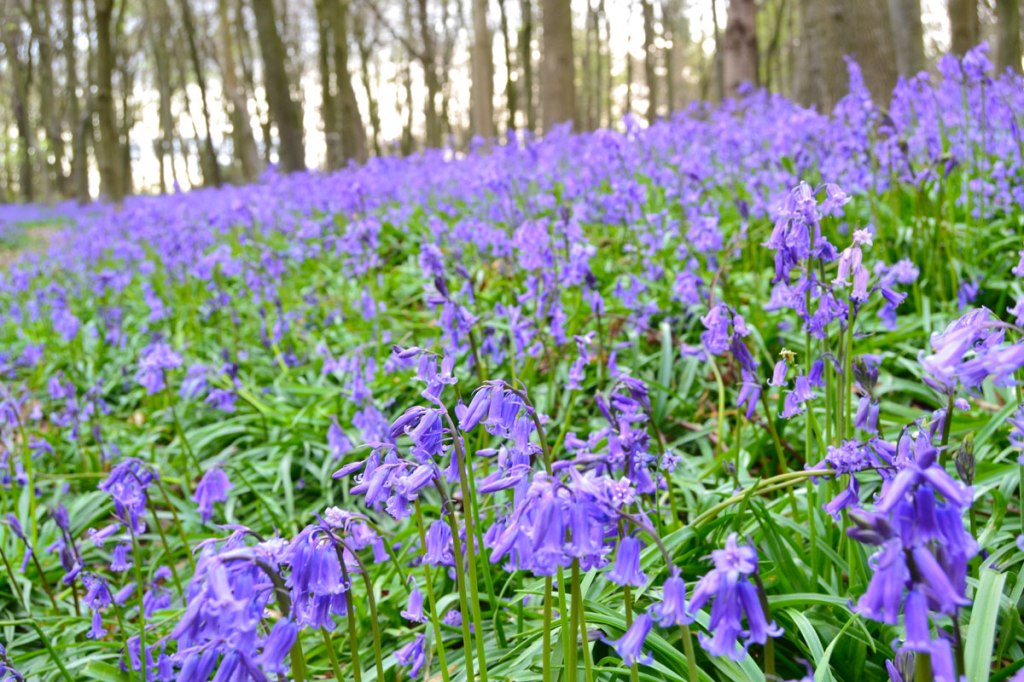
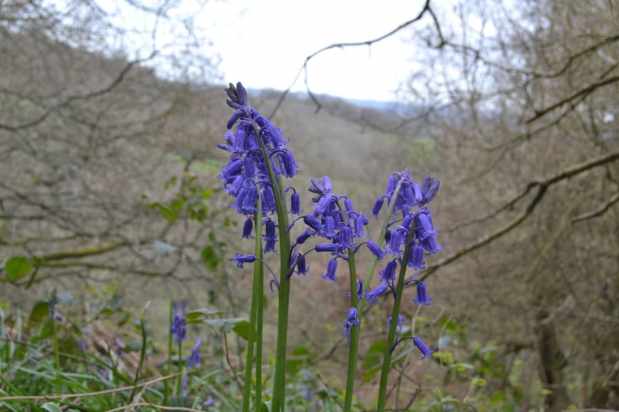
It’s fair to say the cobalt carpet has finally spread its magic in many of the woods covered in the KWNL area. Bluebells are now almost fully out on the North Downs chalk hills walks such as the Cudham stroll (in New Year’s Wood particularly), and the various Shoreham circular and Polhill routes. Alas, the timber work going on in Meenfield Wood above Shoreham (west side of valley) may hinder your enjoyment of bluebells there. Further south the Greensand Ridge walks at Underriver, One Tree Hill, Ide Hill (perhaps the best bluebells – so you won’t be alone), Oldbury and Hosey Common are awash with blue. Closest to south-east London, Beckenham Place Park, High Elms and Petts Wood-Hawkwood Estate (in the lower, damper parts) has several swathes too. The Downe walk mk1 doesn’t have a lot of bluebell action en route but a quick diversion down to Downe Bank (the west side of the Cudham valley) from point 3 or at the start of the walk should see you in the magical blue realm. Following the Downe Mk2 walk will be kind of blue too, particularly at Downe Bank and Blackbush and Twenty Acre Shaw woods. The Chiddingstone and Hever routes don’t have many bluebells I can confirm, not that this detracts from these superb strolls. (Pictured below: from 2022 and 2021 bluebells at New Year Wood on Cudham walk; Meenfield wood, Shoreham circular/Polhill routes; Ide Hill route)

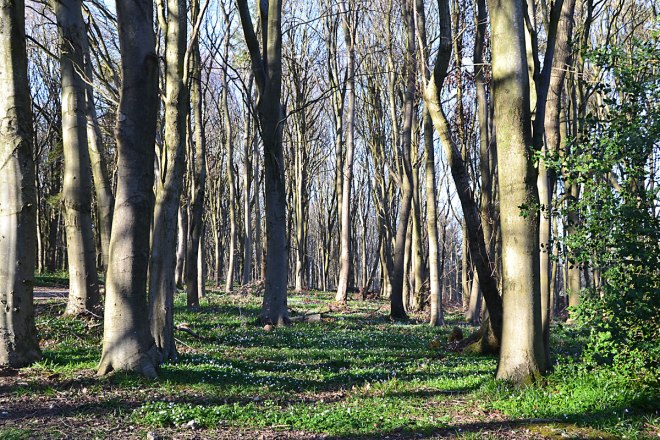
  • New Year's Wood: early bluebells
  • New Year's Wood bluebells 2022
  • Bluebells on the Ide Hill walk, April 25, 2015
  • Bluebells, Emmetts/Scords wood, 2017
  • bluebells Meenfield wood
  • bluebells

Anyway, here are some bluebell factoids gleaned from an excellent article with far more detail called Bloomageddon: seven clever ways bluebells win the woodland turf war at The Conversation website.

  • They are uniquely adapted to suited the multispecies ancient woodlands of the UK
  • Low temperatures trigger their growth (but might delay their blooming if in April). Bluebell seeds germinate when the temperature drops below 10°C.
  • Bluebells predominantly convert sunlight into fructose allowing them to photosynthesise at low temperatures.
  • They are supreme competitors with other plants, allowing them to carpet woodland floors. But they get help in the form of mycorrhiza, a symbiotic fungi.
  • Almost half the world’s bluebells are found in the UK, they’re relatively rare in the rest of the world.

But please be careful never to tread on any; it takes bluebells years to recover from damage. Digging them up – surely no one visiting this site would consider such a thing – is illegal, and please don’t let dogs trample them either – keep them on the lead.

Cuckoo birds and flowers on the Bore Place/ Bough Beech route

Cuckoo birds and flowers on the Bore Place/ Bough Beech route

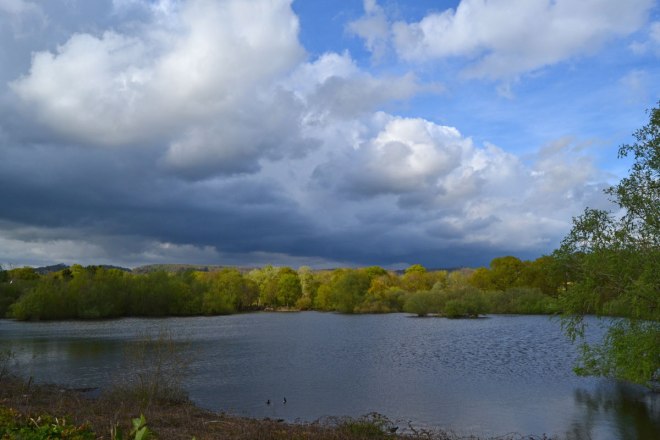
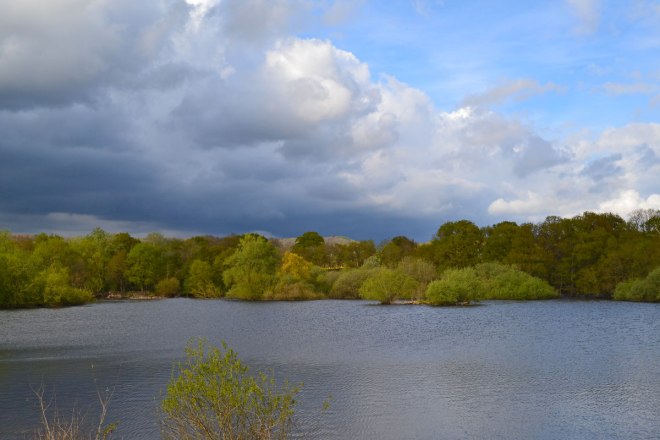
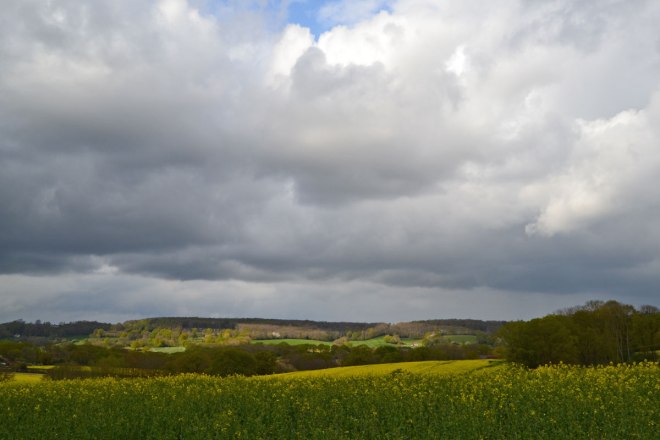
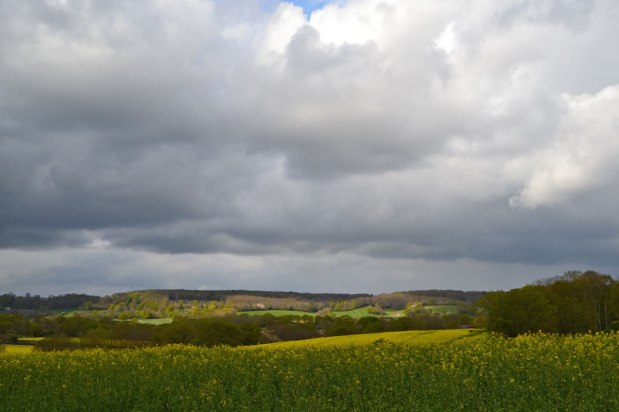
The little Bough Beech walk is one of those quiet ones: it doesn’t seem much but it creeps up on you and you realise you miss it if you haven’t done it for a while. The vast lake (described here) is a major spectacle at the beginning and end of the walk but doesn’t define the route; Bore Place, a delightfully hidden organic teaching farm and event venue, does. The walk is only two and a half miles (handy if you have a bad foot, as I do) to which you can add an hour‘s pop-in at the lovely nature reserve at the end, where there’s usually news of an interesting oiseaux or two keeping the friendly birders in the hide on their toes. Cuckoos (the star of this particular day), barn owls, kingfishers, migrating osprey are regularly seen here. On my recent walk here, as the fine pre-Easter weather started to break, interesting cloudscapes and shafts of sun reflected from the lake surface, while to the north the Greensand Ridge at Ide Hill and Goathurst Common were swept by very localised squalls. I was struck by how beautiful bluebells are when among cuckoo flowers; that was about as profound a thought I could muster while walking – which is how it should be. Back at home it was amazing to watch the simply incredible US Masters finale, though the football results did not bring me any comparable joy.

The inaugural ‘Bluebells of north-west Kent’ award goes to …

The inaugural ‘Bluebells of north-west Kent’ award goes to …

The inaugural KWNL bluebell award results are in, now that the bluebell season is drawing to a close. The judge (that’s me) has visited a number of sites renowned for their bluebells at this time of year and come to his decision, without seeking the opinions of others (I prefer it that way, for clarity of thought). First, let’s be honest, it’s been a slightly underwhelming field this year compared with previous years, when this competition wasn’t held. It’s pissed down with rain largely, the sun has generally refused to appear, and it’s been so windy that lots of branches have fallen in the woods disrupting the shimmering fields of azure and making the place look untidy generally.

4th PLACE – EMMETTS/SCORDS WOOD on the IDE HILL ROUTE

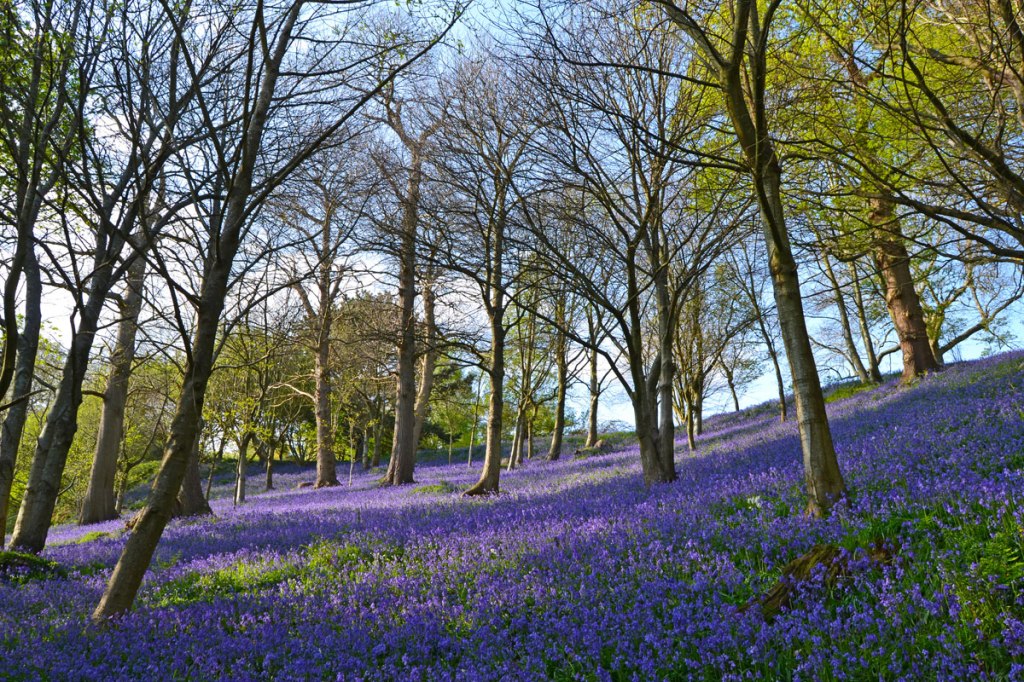
Emmetts Garden/Scord Wood was the strong favourite to be the winner given their popularity and reputation so it is something of a shock to see it down in fourth in 2024. The position of the flowers on the slope and the widely space trees help makes them easy to photograph nicely, especially with late afternoon sun casting long shadows – the perfect bluebell shot. However, it was grey and cold during my visit and there were a few too many bare patches – unlucky, but rather like an Ofsted inspection on the way day the usually impeccably behaved pupils have nicked the headmaster’s car and left it upside down on the cricket pitch. Beautiful of course, but somehow not quite up to usual levels of greatness. No trophy but Champions League nonetheless.

3rd PLACE – MEENFIELD WOOD ON SHOREHAM WEST ROUTES

Meenfield Wood on the various Shoreham/Polhill western Darent Valley routes was also expected to make the top two, but just fell short. The full inspection took place on a Saturday again heavy with cloud with approaching rain from the south. The lime green of the beeches coming into leaf contrasted with the blue flowers to make for a colourful sight despite the conditions. Splotches of stitchwort added to the jollity at times. Many might argue it was a worthy contender to win; and in another year it may have.

2nd PLACE – NEW YEAR’S WOOD, CUDHAM CHALK PATHS


Doing much better than expected this year was New Years Wood, on the Cudham circular route. A lovely, quiet woods without many paths to interrupt the swathes of blue. More mysterious feeling even than Meenfield and it was easier to imagine the bluebells somehow continuing for miles into the distance – you couldn’t see where they ended.

1st PLACE – BLUEBERRY LANE MEADOW, KNOCKHOLT POUND

Close to the Cudham circular and Chevening walks, this magical spot (view from the gate: no entry into field) was not considered a contender until the judge happened to cycle past it on Sunday 5 May. This grassy field dotted with outstanding oaks, one of which appears damaged by lightning or storm, had never previously attracted the judge’s attention. The flowers appeared a very dense dark blue instead of rather milky blue of the previous two entrants, perhaps because of some trick of the light. There was some consideration that it should not qualify because it’s not strictly speaking on one of the walks, but this was overruled eventually, as cycle routes at KWNL also count.

Submissions from One Tree Hill, Lullingstone, Ide Hill, Hever and Oldbury were received too late to be considered unfortunately. They also breached the judge’s criteria of “not too much mud”.

I think there’s good bluebell viewing until around 13 May, but the beginnings of the end are already visible, so good luck!
See my cycle routes at Plot A Route

Moody blues on the way out

Moody blues on the way out

The bluebells have faded a little earlier than usual this year. It seemed to me on the Ide Hill walk today that the south-facing slopes may be drier than normal for spring, which has affected bluebells’ longevity while those in more sheltered parts of the woods were still full of colour. There’s certainly been a marked lack of rain this year – last month just 18mm fell in north-west Kent, about one-third of the usual April total.
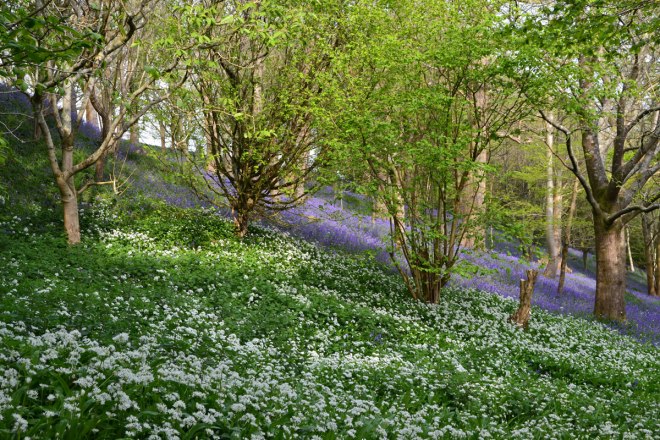
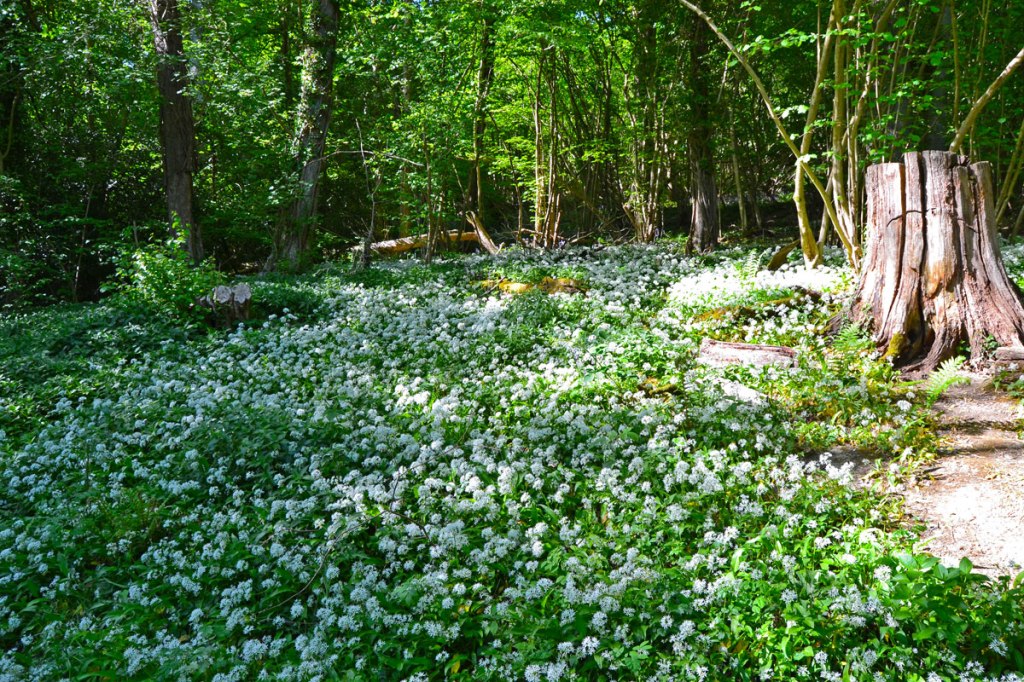
In Meenfield woods, on the Shoreham and Polhill walks, the bluebells, while fading, were still hanging on last weekend – perhaps those woods have retained a little more moisture. I’m no expert. Anyway, instead of bluebells, look out now for wild garlic (or ransoms) growing in profusion in woods on Kent Walks near London. Their brilliant white/cream flowers (pictured above at Rook’s Hill on the One Tree Hill walk) are a sight for sore eyes where there are damp woods and subterranean water close to the surface. The Ide Hill walk is quite unusual for KWNL in having plenty of gorse (near the walk’s start) which is looking brilliant in the spring sunshine, too.

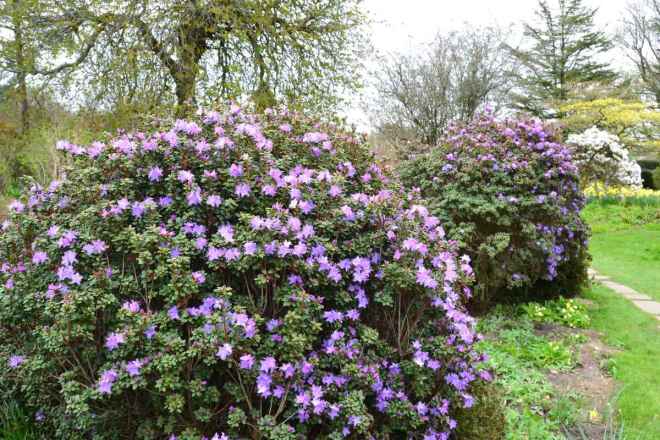
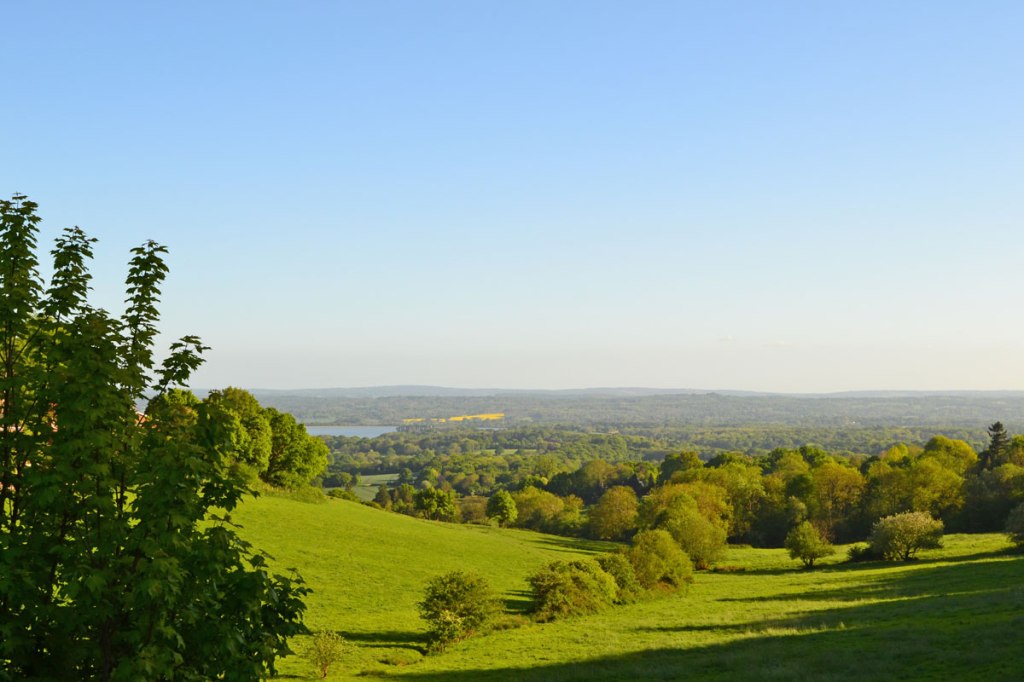
As for birds, things still seem a little quiet with few swallows, martins and swifts making it to the region so far, but I was delighted to see my first whitethroat of the year in one of the many superb country lane hedgerows between Shoreham and Well Hill, a great bird to watch for when on a country cycle. (Pictured in slideshow: whitethroat, Darent Valley view, faded bluebells, Ide Hill view, Scord’s wood, wild garlic in Scord’s wood, azalea in Emmett’s and faded bluebells of Meenfield Wood).