Stunning spring scenes on the Kent walks

Stunning spring scenes on the Kent walks

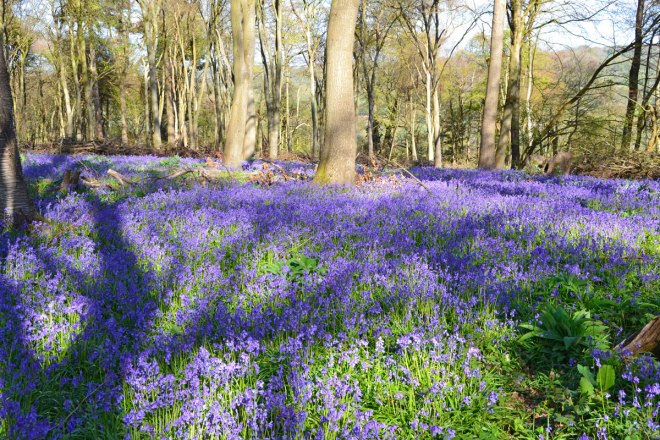
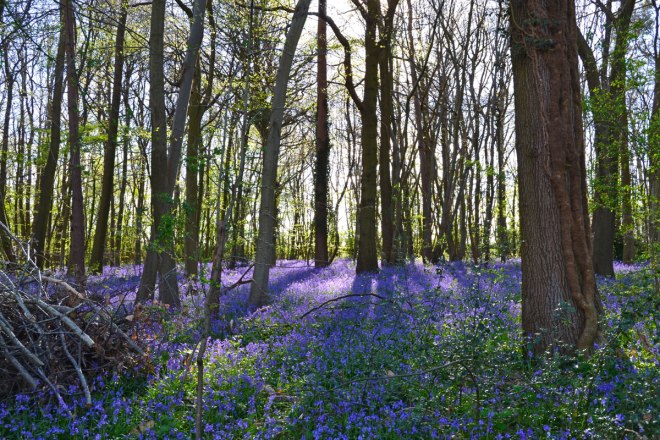
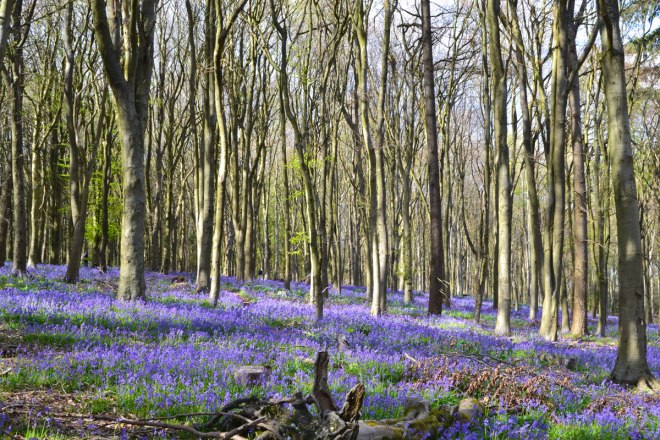
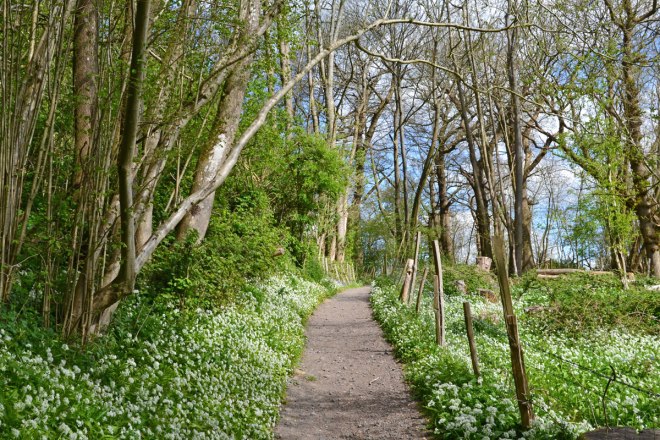
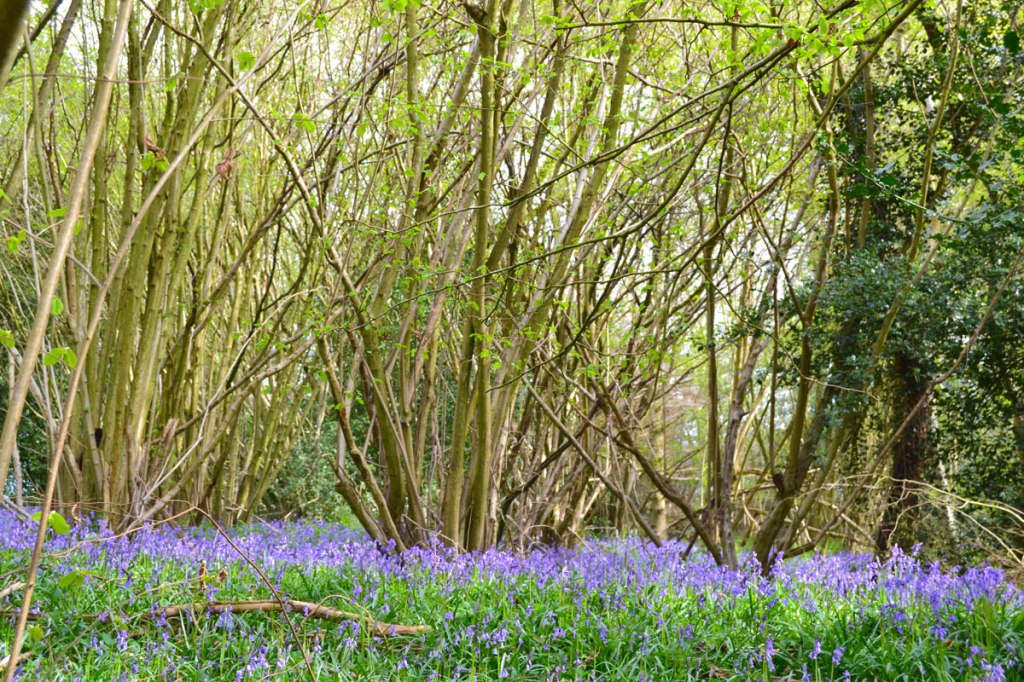
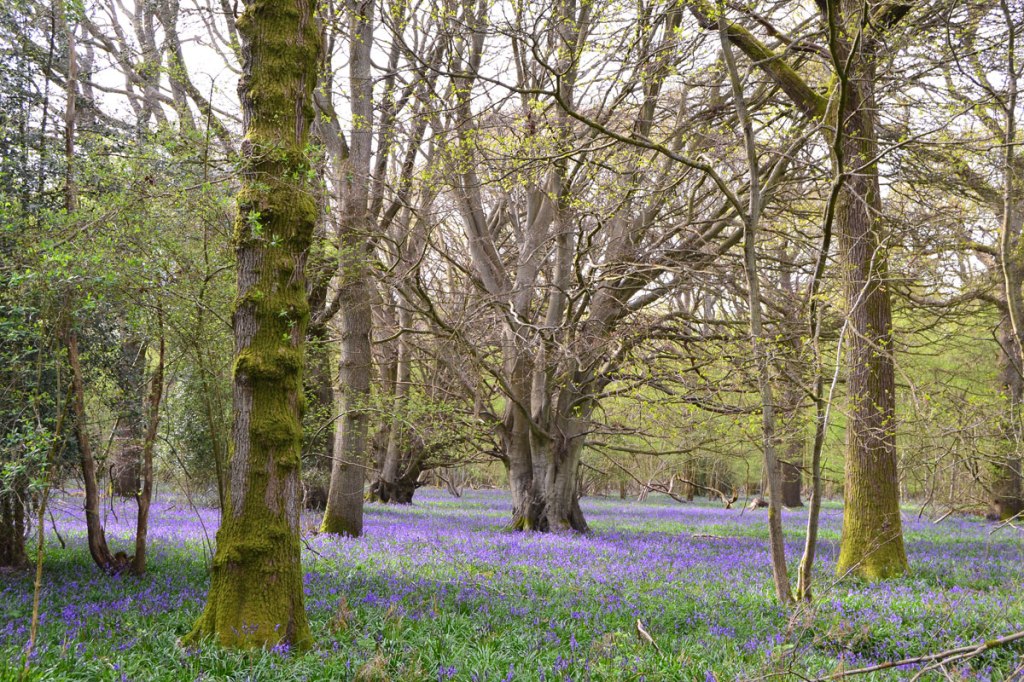
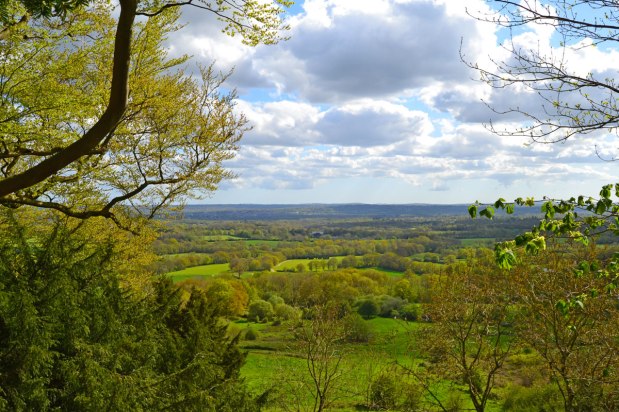
Conditions for Kent Walks near London this weekend have been ideal. The countryside looks amazing, all dressed in a cobalt carpet of bluebells. Meanwhile, wild garlic is beginning to bloom along with primrose, stitchwort, cuckoo flower and campion adding further brilliance to the colour palette. On the One Tree Hill figure of eight yesterday the scenery was sensational, and the hues of green, blue and white, dazzling. Birdsong was vibrant – goldcrest, nuthatch, blackcaps, whitethroats, ravens were all heard along with the more regular chiffchaffs, robins, song thrushes, wrens and blackbirds. No finches though, which was weird.

It was great to see so many people out on the walks yesterday; particularly groups of young people, many of whom were using this website (I took a sneaky peek at the pdfs being held). I absolutely love to see that.

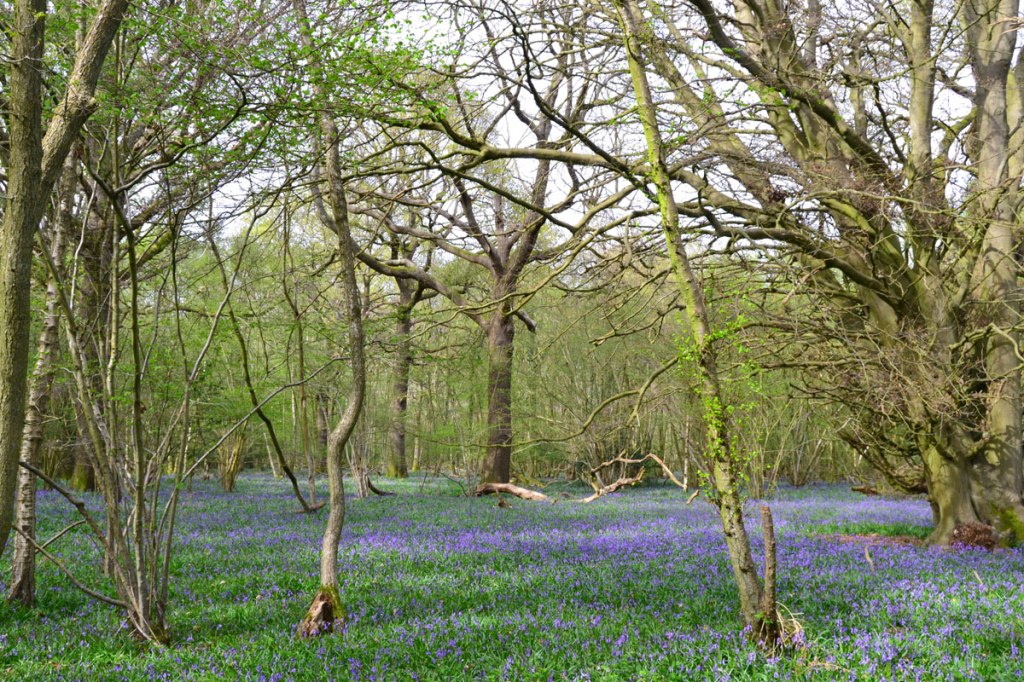
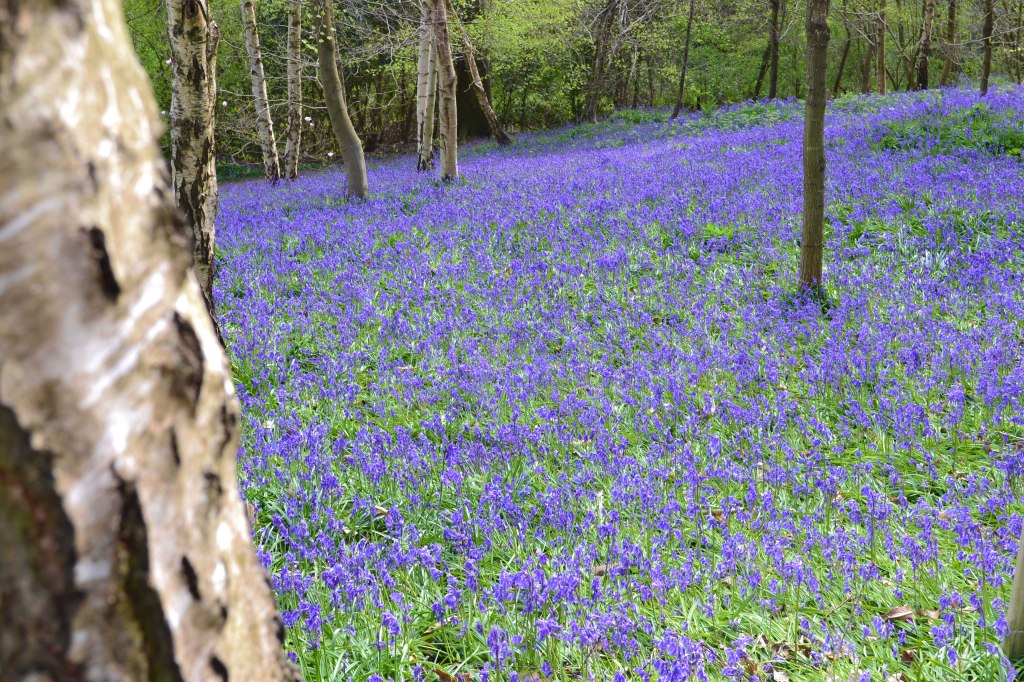
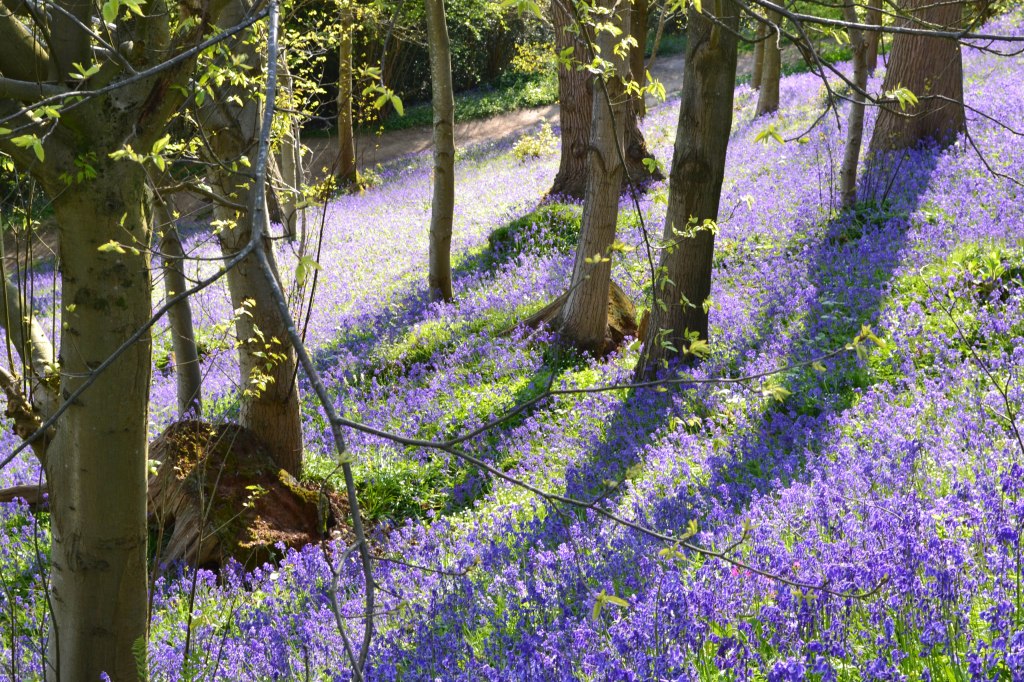
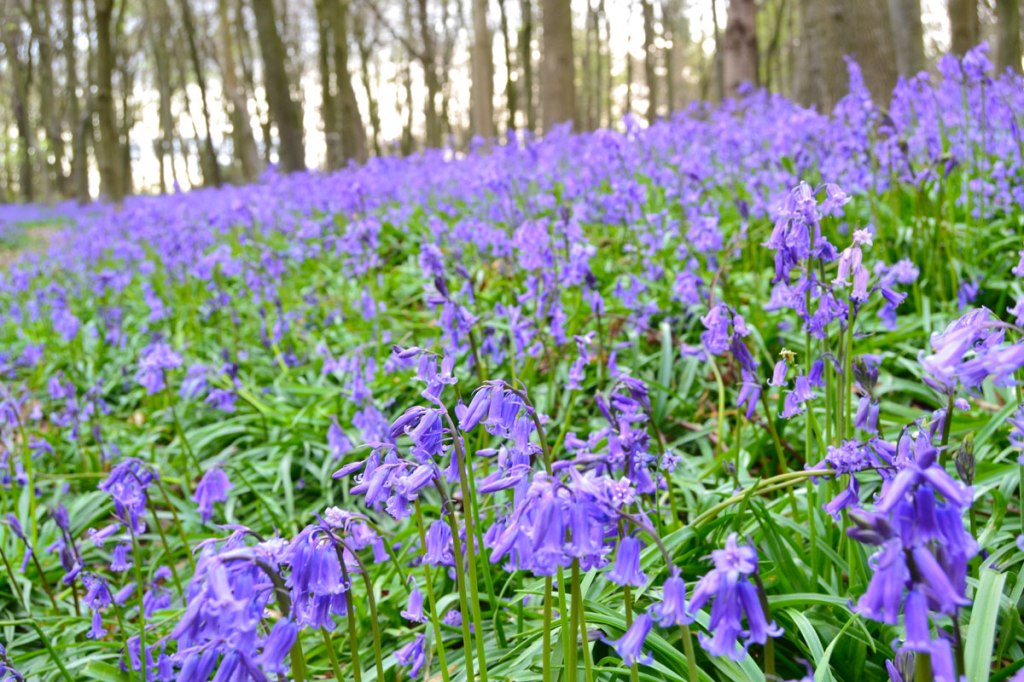
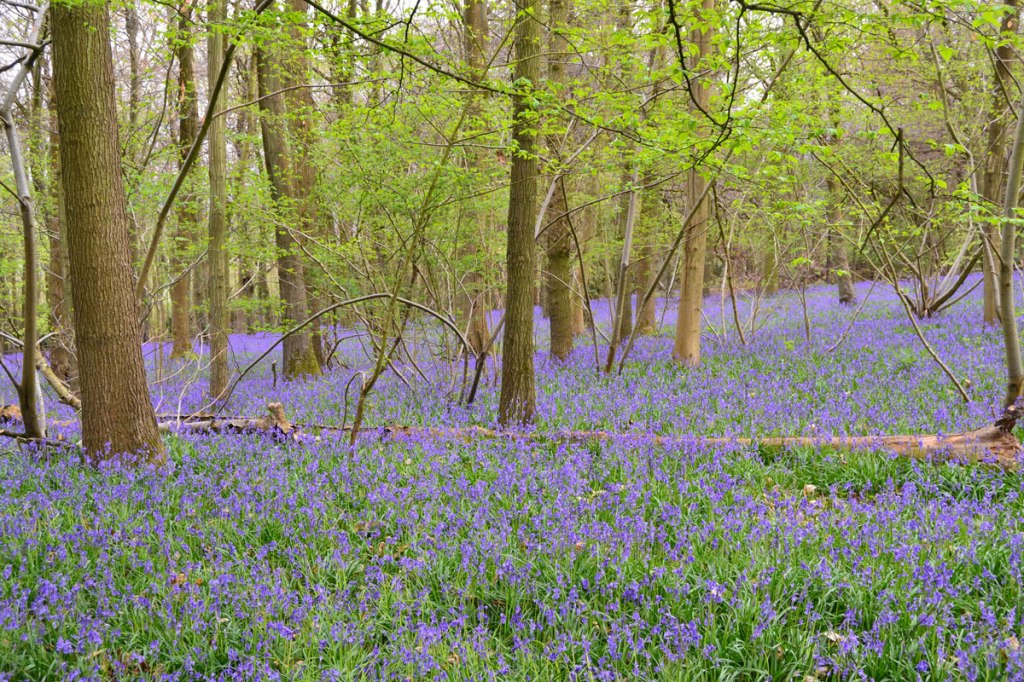
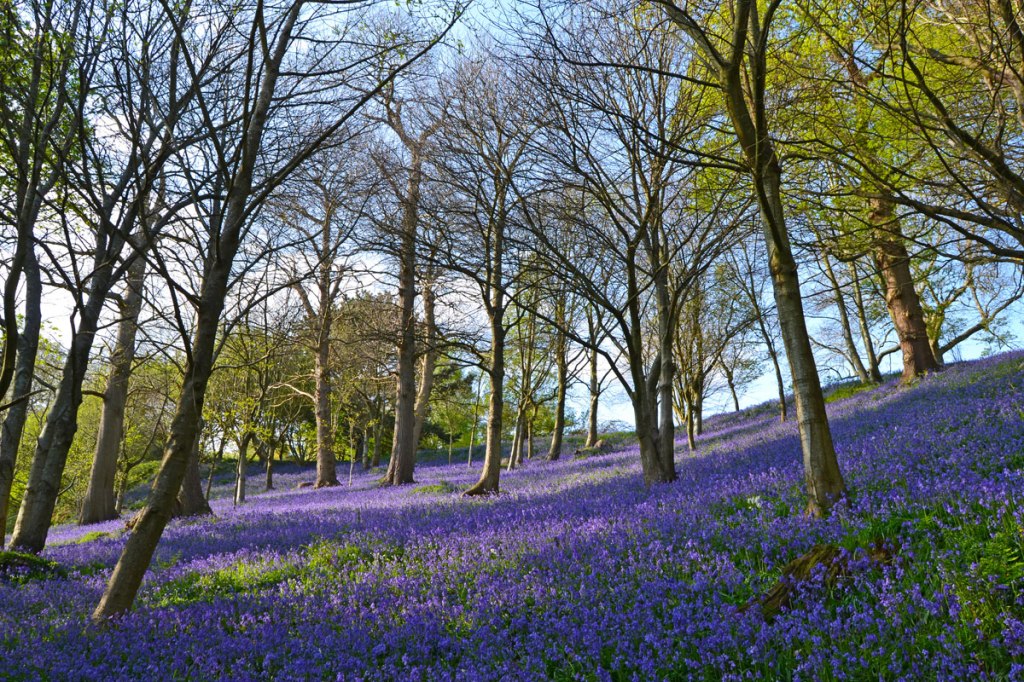
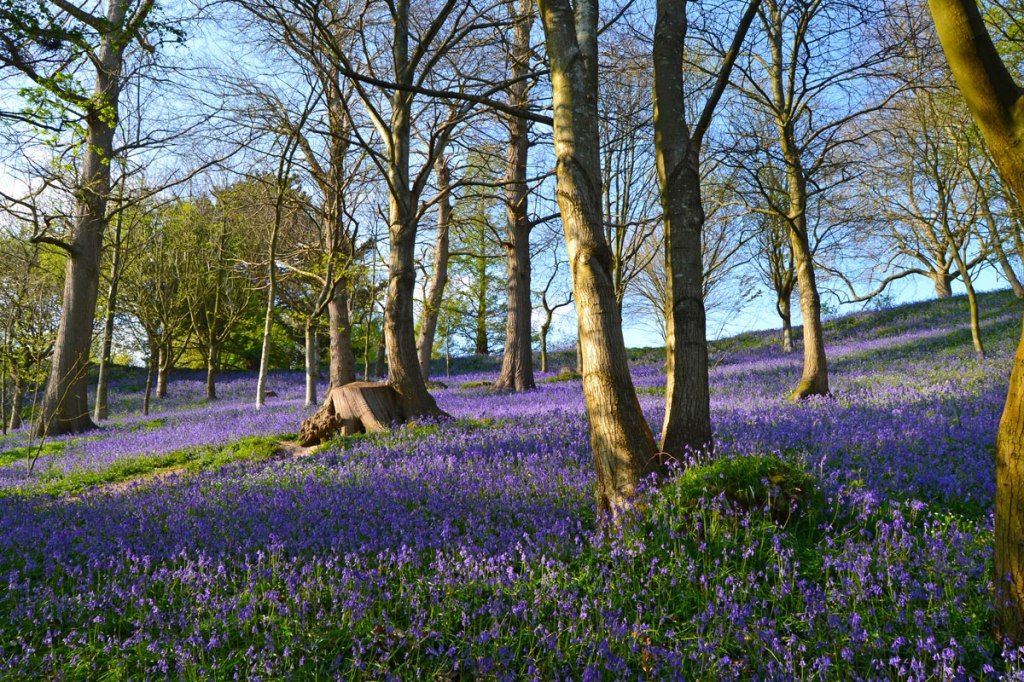
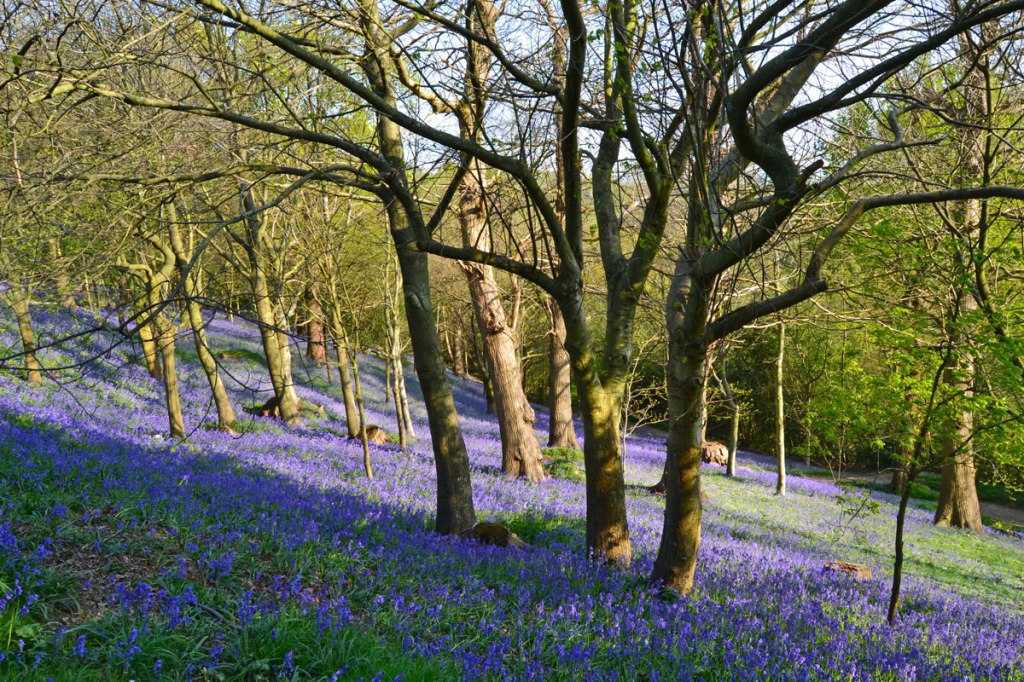
I’m collecting evidence for my annual bluebells of the year competition, a far from complete and completely absurd awards process. But at least there won’t be bow ties, chortling chumps, cheesy speeches and mercenary celebrity hosts at the ceremony. Well, there won’t be a ceremony at all! Pictured below are some of the contenders along with some images from yesterday’s strolling. The results will be announced this week.

Once again, apologies for lack of newsletter – I have done none at all this year. Time has been the biggest problem, but also the service provider has moved the goalposts and now wants too much money. I will have to find a solution because I have more than 1,000 subscribers. But when?
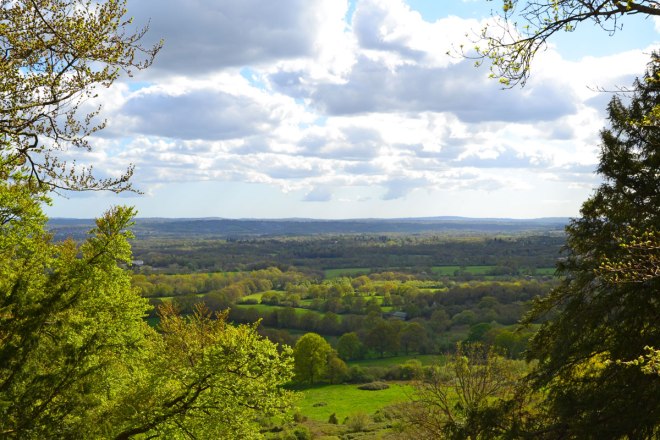
  • Wilmots Hill view on the One Tree Hill figure of eight walk. Looking towards Ashdown Forest
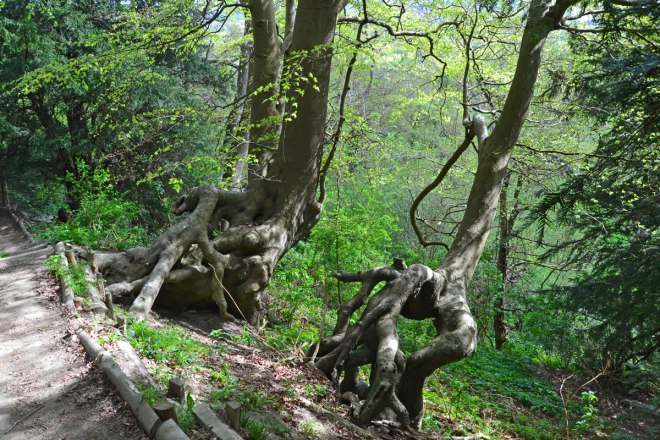
  • Beech trees
  • Meenfield Wood bluebells
  • Bluebells lullingstone
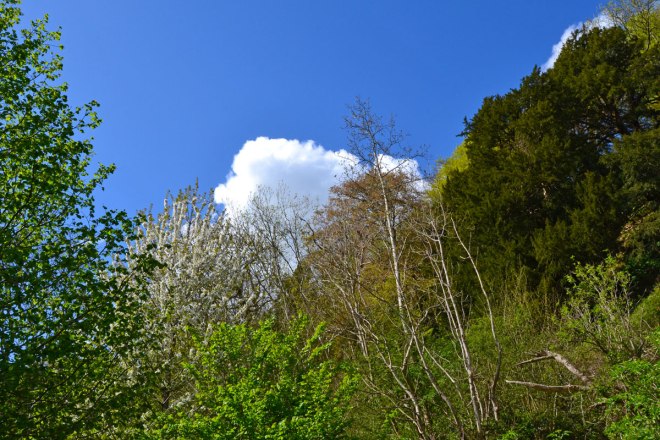
  • Foliage and cloud under the greensand escarpment on the One Tree Hill walk
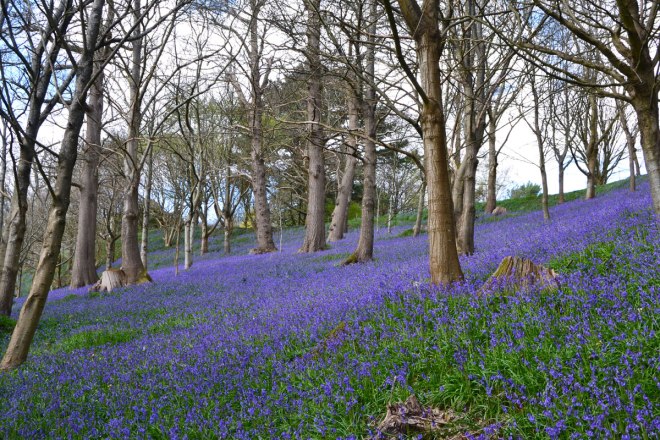
  • Emmetts bluebells April 2026
  • Andrews Wood bluebells April 2026
  • Wild garlic alongside the One Tree Hill path at Rooks Hill, Sevenoaks
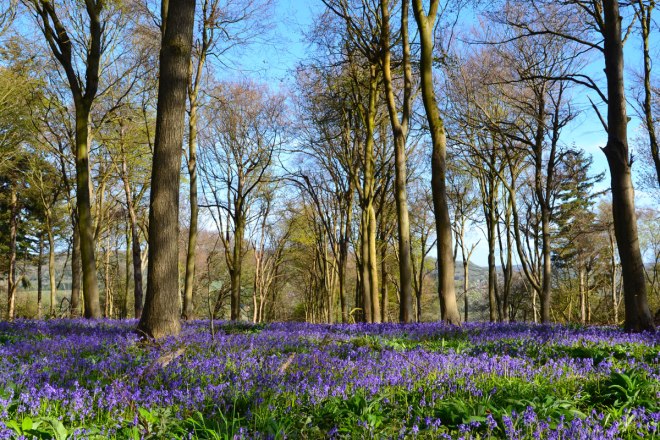
  • Meenfield Woods bluebells, April 2026
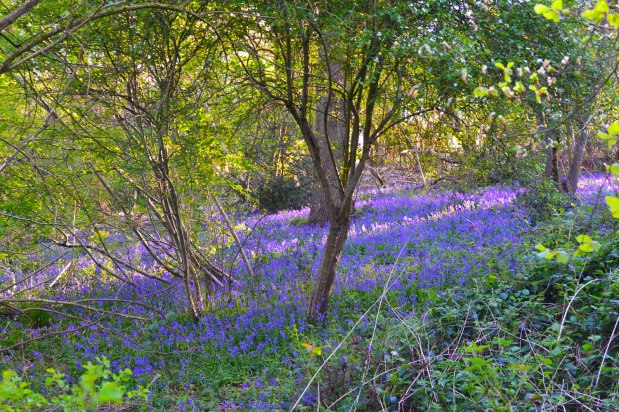
Bluebells in north-west Kent: where’s best?

Bluebells in north-west Kent: where’s best?

It’s fair to say the cobalt carpet has finally spread its magic in many of the woods covered in the KWNL area. Bluebells are now almost fully out on the North Downs chalk hills walks such as the Cudham stroll (in New Year’s Wood particularly), and the various Shoreham circular and Polhill routes. Alas, the timber work going on in Meenfield Wood above Shoreham (west side of valley) may hinder your enjoyment of bluebells there. Further south the Greensand Ridge walks at Underriver, One Tree Hill, Ide Hill (perhaps the best bluebells – so you won’t be alone), Oldbury and Hosey Common are awash with blue. Closest to south-east London, Beckenham Place Park, High Elms and Petts Wood-Hawkwood Estate (in the lower, damper parts) has several swathes too. The Downe walk mk1 doesn’t have a lot of bluebell action en route but a quick diversion down to Downe Bank (the west side of the Cudham valley) from point 3 or at the start of the walk should see you in the magical blue realm. Following the Downe Mk2 walk will be kind of blue too, particularly at Downe Bank and Blackbush and Twenty Acre Shaw woods. The Chiddingstone and Hever routes don’t have many bluebells I can confirm, not that this detracts from these superb strolls. (Pictured below: from 2022 and 2021 bluebells at New Year Wood on Cudham walk; Meenfield wood, Shoreham circular/Polhill routes; Ide Hill route)

  • New Year's Wood: early bluebells
  • New Year's Wood bluebells 2022
  • Bluebells on the Ide Hill walk, April 25, 2015
  • Bluebells, Emmetts/Scords wood, 2017
  • bluebells Meenfield wood
  • bluebells

Anyway, here are some bluebell factoids gleaned from an excellent article with far more detail called Bloomageddon: seven clever ways bluebells win the woodland turf war at The Conversation website.

  • They are uniquely adapted to suited the multispecies ancient woodlands of the UK
  • Low temperatures trigger their growth (but might delay their blooming if in April). Bluebell seeds germinate when the temperature drops below 10°C.
  • Bluebells predominantly convert sunlight into fructose allowing them to photosynthesise at low temperatures.
  • They are supreme competitors with other plants, allowing them to carpet woodland floors. But they get help in the form of mycorrhiza, a symbiotic fungi.
  • Almost half the world’s bluebells are found in the UK, they’re relatively rare in the rest of the world.

But please be careful never to tread on any; it takes bluebells years to recover from damage. Digging them up – surely no one visiting this site would consider such a thing – is illegal, and please don’t let dogs trample them either – keep them on the lead.