Muddy and miserable

Muddy and miserable

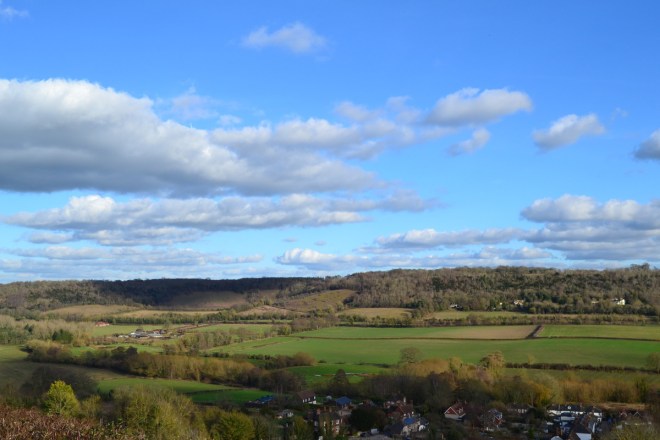
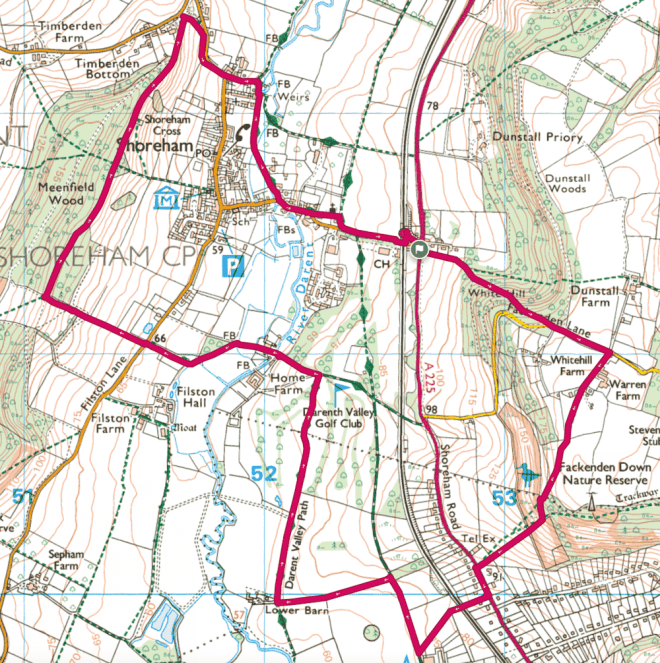
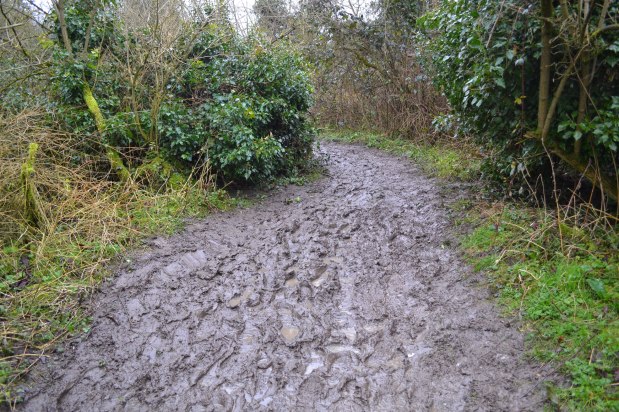
A cursory glance at this website may suggest that the north-west Kent walks are permanently sunny. Or snowy. Or bright and breezy. My choice of photographs suggest the routes exist in a world rich in colour, and one must only stride out purposefully with map in hand and trainers on foot to have a great time. Alas, it is not so. Walkers are squelching through giant puddles, inching their way around horrific mud patches and sliding back down liquid hillsides. They are arriving back at home dishevelled, slightly disorientated and in need of a good soak. As I write in mid-February, during one of the cloudiest and wettest winters I can recall, the truth is that unless your need is great, it might be better to abandon the notion of walking in the countryside for the time being. One friend terminated his walk at Westerham after a few hundred yards last week, while another KWNL reader informs me that Polhill and Meenfield woods (west of Shoreham) are impassable. Polhill is simply too steep to bear most humans’ weight in these slippery conditions, while Meenfield woods’ tracks are seas of horrific mud made worse by bulldozers and diggers being used for forestry work there (thinning some of the trees).

Mud, frost and snow
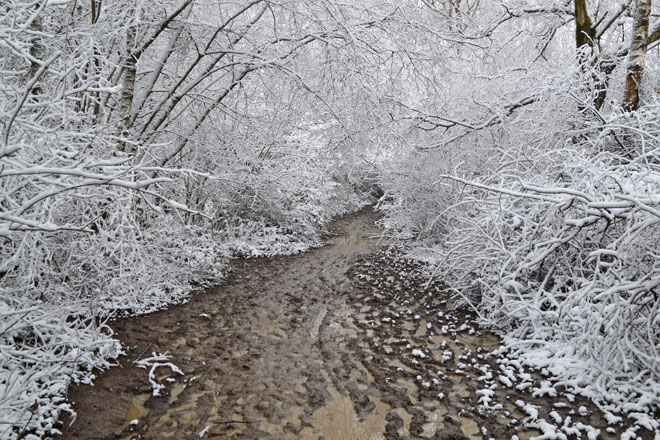
Path turned to mud, amid snow and frost at One Tree Hill, February 2021. I’ve never seen anything like this scene before or after

Has anywhere survived the mud?

If you must walk, I suggest: Knole Park in Sevenoaks, where there are solid, firm stone and tarmac paths; Lullingstone, where the chalk downs spirit away a lot of the surface water into aquifers (but avoid the busy, ridiculously muddy path alongside the Darent river); and perhaps High Elms, but don’t blame me if that proves a morass too. Avoid the Greensand Way walks, such as One Tree Hill, Hosey Common, Ide Hill and Underriver. Even the trusty old Downe walk, which once was dependable in all conditions, is in an appalling state now, partly because the ‘new’, hemmed-in paths around the children’s farm compress the footfall.

It’s wet on the Weald

It’s wet on the Weald

My wellies came in useful on the Hever walk on Saturday. I’ve never worn them in early summer before. But my hunch was right… there are still a few quagmires out there. Watching a young couple ahead of me try to negotiate the mud in lightweight trainers made me wince. There’s not really the same problem on the North Downs chalk walks, where the drainage is much better thanks to the geology. Except where there’s clay (Andrew’s Wood hillside I’m looking at you).

  • Bough Beech

In June it’s generally a good idea to stick a pair of secateurs or tough old scissors in your rucksack if you’re doing a Kent walk. It seems odd I know. One or two of the less well used paths become entangled in brambles, nettles etc this month and next. This is particularly the case this year because rain has kept hikers away and some of the paths have been left unused. The Eastern Valleys walk east of Shoreham definitely requires a bit of snipping as you walk along the fields on the Darent Valley rim. The diversion to the Percy Pilcher memorial viewpoint is in need of a trim at the best of times. And at Chiddingstone, near the start, the path leading into the swampy woods is nearly impassable. If you prefer, you can divert to walk along the field edge – it joins the main path as you enter the woods. The same thing happens later as you near the River Eden on the return leg. There are parts of the Hever walk, in Stock Wood and Newtye Hurst Wood where you might need to divert off the main path and it‘s easier to do a little judicious snipping than try to battle your way through. Especially if you’re wearing shorts!

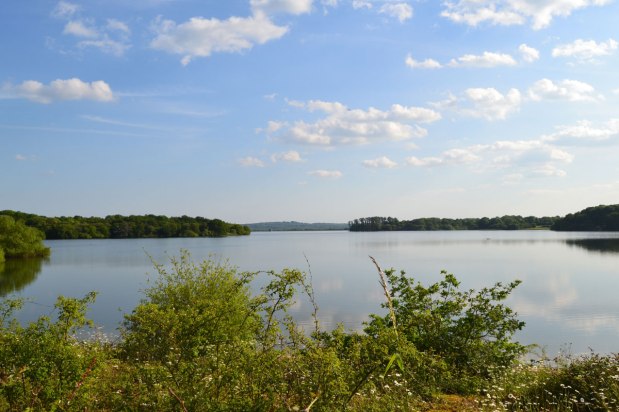
Overall the Weald of Kent is obviously wetter than normal for the time of year. Bough Beech reservoir is brimful for once and the mires and ponds in the woods of Hever and Chiddingstone are well topped up.

Farnborough village and High Elms circular

Farnborough village and High Elms circular

Here’s a ‘new’, pleasant two-hour, four-mile stroll that fits in to the Downe/Cudham/Knockholt suite of walks; ie, it’s on the chalk North Downs and not too far from Bromley – in fact it’s still within Bromley borough (about 30 mins’ drive from Forest Hill, 15 mins bus from Orpington Station, 20 mins from Bromley South). It’s quite a similar walk to the High Elms Estate route described in this informative leaflet but there are differences – my route is a mile and a half longer, goes further to the west initially and stays deeper in the woods in the long stretch to the High Elms visitor centre (Beeche).

Here are full instructions for the walk.

I’ll write it up and devote a page to it this week at some point but meanwhile here’s an Ordnance Survey GPX map for the route, and, below, a Google map of it. We started from close to the church in Farnborough village (Kent) but you could also start from the High Elms visitor centre car park (free, the last time I checked). If you’re not driving, you can take the 358 bus to Farnborough village from Bromley South, Orpington, Crystal Palace, Shortlands, Kent House, Eden Park, Anerley, Clock House stations etc (it’s a long and twisting route from Crystal Palace though!). The closest railway station is Orpington, just a mile or so from Farnborough village.

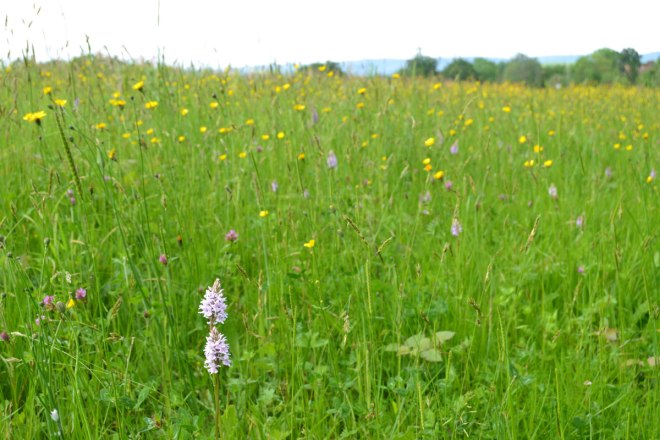
It’s not a spectacular walk with awe-inspiring vistas, unlike say the One Tree Hill, Ide Hill or Fackenden routes, but there’s some lovely woodland, views over shallow valleys, amazing conifers in the Lubbock estate next to Shire Lane at High Elms and lots of bluebells, orchids (pictured in Cuckoo Wood, lead image) and birds at various times of the year. Right now it’s a bit bleak of course but there’s still much to enjoy. The ‘home stretch’ as you reach Cuckoo Wood then get nearer the cafe and nature centre (called Beeche) at High Elms is quite busy with dog walkers, as are the initial fields after starting the walk in Tye Lane. In between though, it’s very quiet. There are no stiles so suitable for a hardy push chair (I think!). There are three roads to cross; the first – Shire Lane – is a notorious rat run where for some reason cars are often driven recklessly fast, so take care.

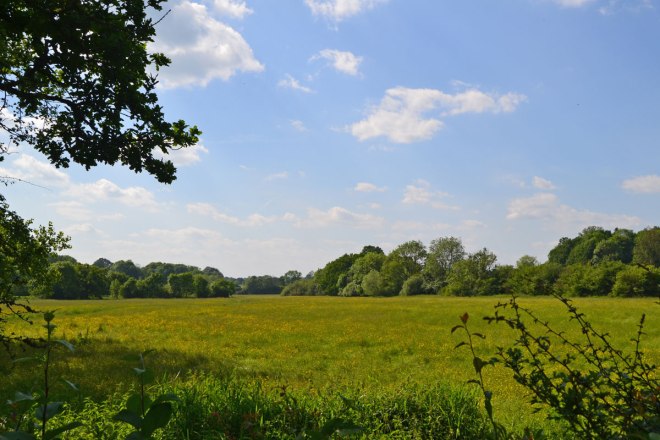
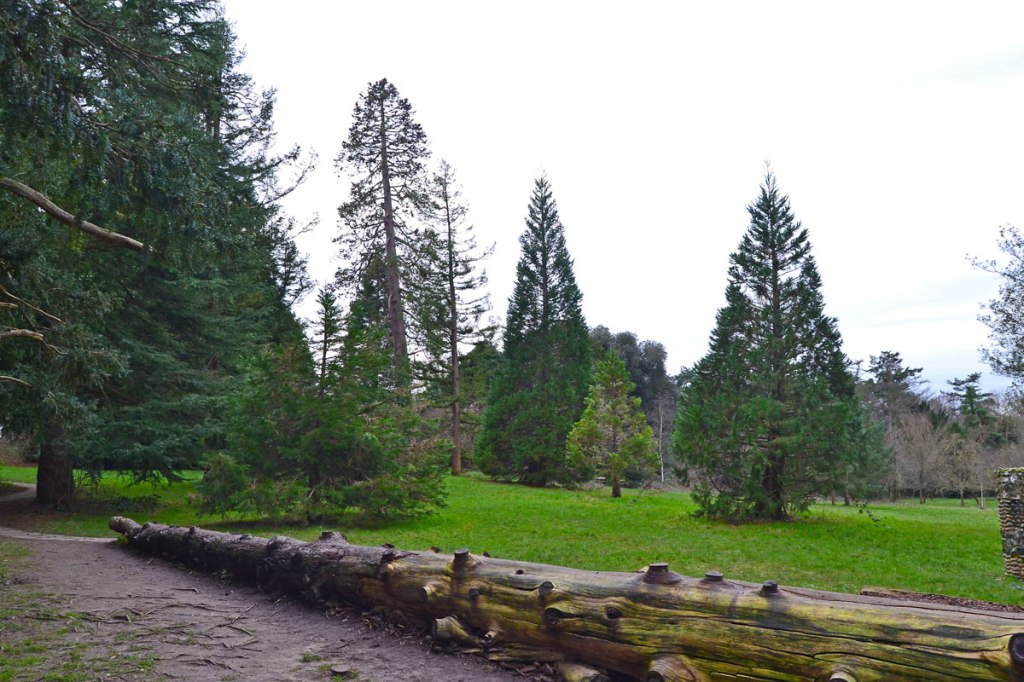
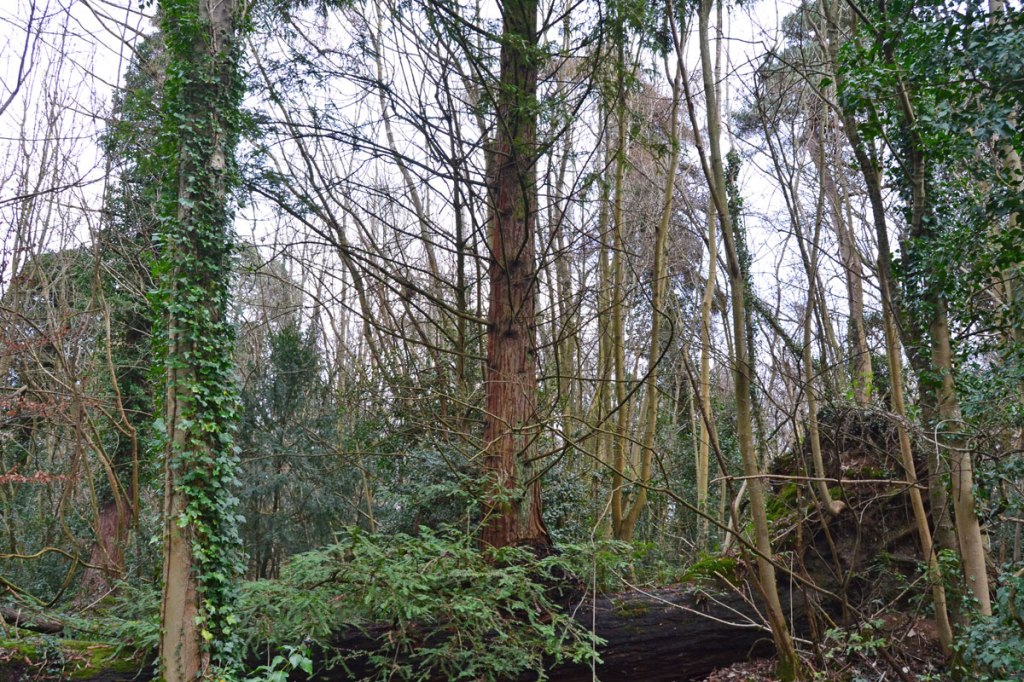
Pictured above in dull winter conditions: 1 Lubbock’s conifer plantation dating from mid-19th century; 2 the High Elms area near the cafe is popular with dog walkers; 3 A holm oak, an evergreen oak from southern Europe, offers winter cover in High Elms’s western woods; 4 New growth shoots from a fallen giant sequoia in the western woods close to the High Elms ‘nature field’; 5 Looking bleak in winter, this field close to the start of our walk is excellent for small mammals and their predators such as kestrel, owls and buzzards; 6 Church of St Giles the Abbot, Farnborough, has a nave dating from the 12th century; 7 Woodland meadow in High Elms woods – from April this patch is alive with wildflowers; 8 pine trees near the church at Farnborough

This walk was first tried on 7 January 2024 after weeks of rain. We revisited the following week in slightly better weather hence the appearance of blue sky in a couple of photos. The mud wasn’t too terrible by 14 January. The chalk beneath the thin soil has done its job well draining the water so it’s probably a safer bet for having less mud than the nearby Cudham walk.

If you have children it‘d probably be better to start and finish the walk at the High Elms car park so they can enjoy hide and seek and a picnic in the beautifully decayed old gardens of the Lubbock manor house (burned down in 1967 possibly by a discarded cigarette).

Muddy matters

Muddy matters

In my most recent newsletter there was a glaring omission. I listed the best walks on this site for mud avoidance but forgot to mention Knole. This was particularly remiss of me because not only does it deserve a place in any list of non-muddy winter walks it should actually be top of the list.

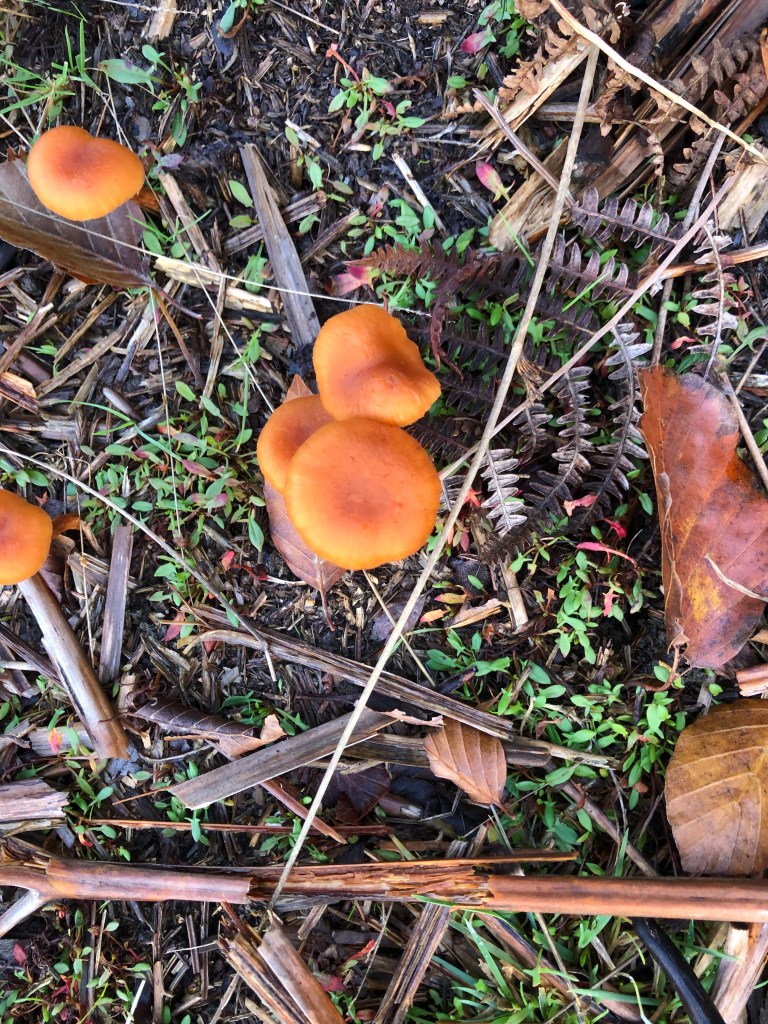
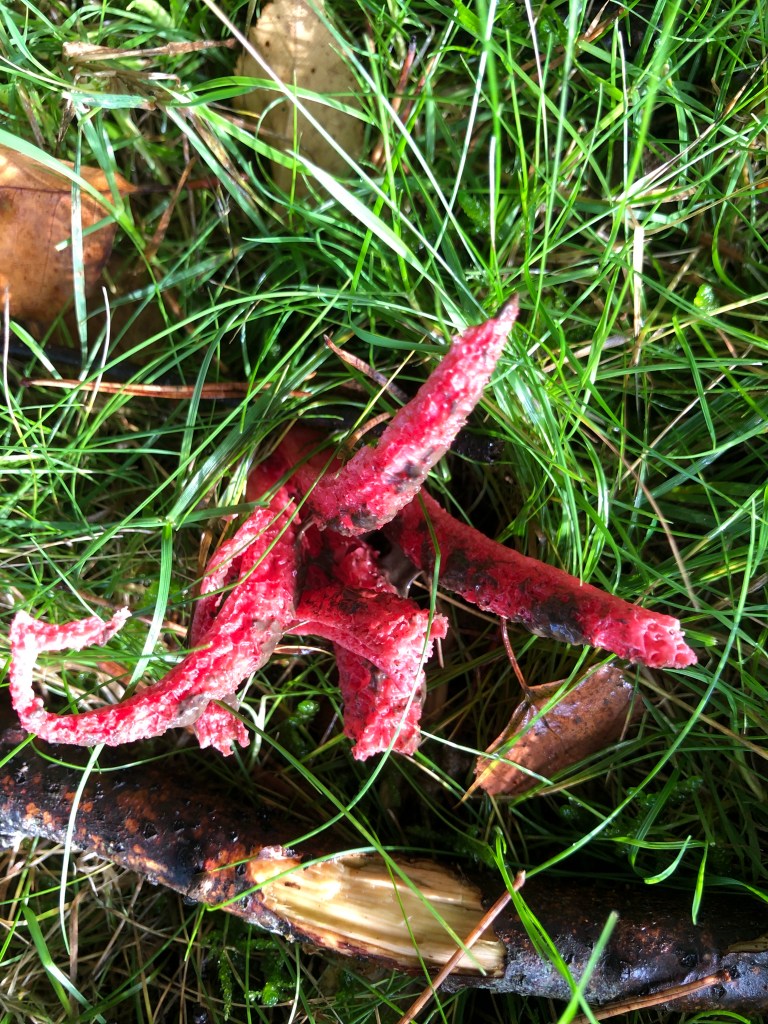
A walk there last week revealed only one properly muddy bit, in the conifer woods in the south east of the park near the beginning of the route as you cross the little stream. The park is brilliant at all times of year but I particularly love it in late autumn as small flocks of migratory birds hide in hawthorn shrubs, buzzards float high above and the deer develop enormous antlers. Fungi is also better here than on any other of the walks I think. I’m no expert, but the amethyst deceiver is among the most colourful, and there are other great species here such as saffrondrop bonnets and fairy fingers. We saw devil’s fingers on our most recent walk, very weird looking stuff.

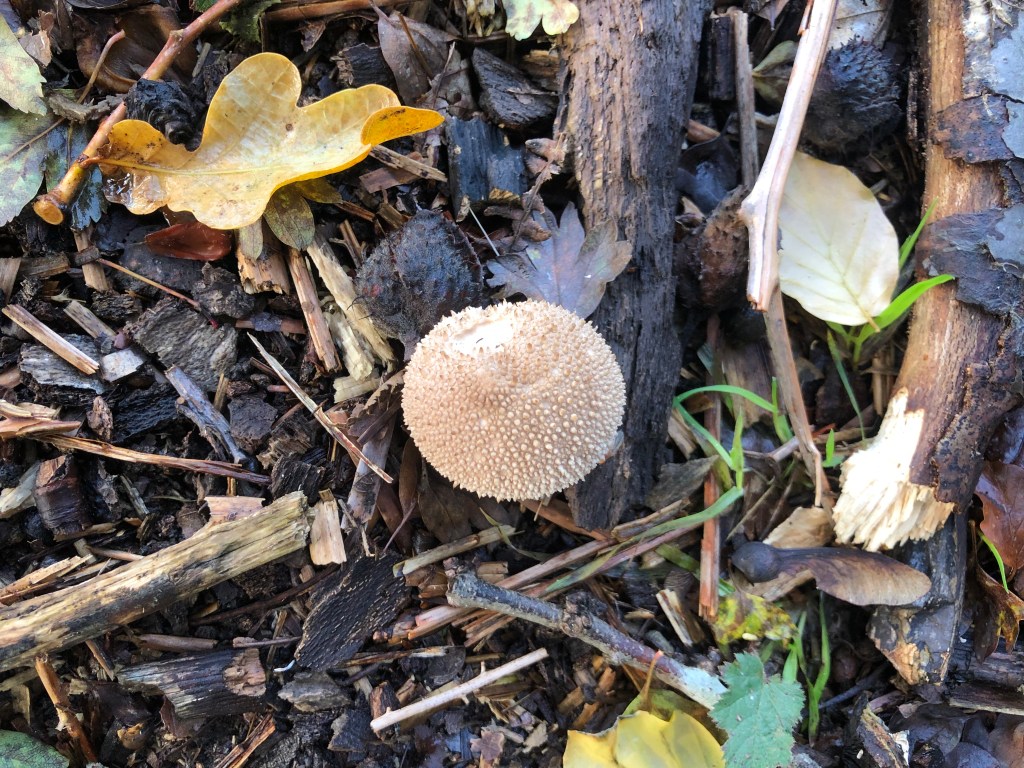
Knole in autumn, honey fungii, parasol, puffball, devils finger

Knole (click here for National Trust description) is quite a rare terrain: it sits just behind the Greensand Ridge and is mainly composed of acid grassland (click for Kent Wildlife Trust in-depth). In fact it contains about 35% of all the acid grassland in Kent, a terrain that provides habitat for lots of wildflowers and rare fauna including lizards and adders, and invertebrates such as deadwood beetles. The little hillocks in the grass are the nests of yellow meadow ants, and in turn their presence helps support a good green woodpecker population.

Knole House

Back to mud: I’d say the best routes for mud avoidance are:

1 Knole

2 Lullingstone – from the golf course entrance or from Eynsford station

3 Fackenden Down

4 Polhill and Shoreham

5 Ide Hill (now that the paths have been relaid – but can still get bad at points)

By and large the walks on the North Downs chalk are better for avoiding mud as water seeps through the thin soil into the porous walk quicker. Yet, to contradict this, Knole is sandstone and the worst spot for mud at KWNL is on the chalk Andrew’s Wood hillside on the way to Meenfield woods and Polhill/Pluto.

Mud, frost and snow at One Tree Hill, February 2021

Mostly, a pair of wellies and overtrousers will sort you out where things get really squelchy but I’ll be mostly avoiding Underriver (Ramshed Farm in particular), and the Low Weald walks at Hever and Chiddingstone for now. Where paths are hemmed in a bit and popular with walkers things also get very squelchy (like the path up into Lullingstone from the Roman Villa pictured in the leading image, for example). So ‘natural causes’ are not always responsible for mud, though I suspect the water table and a layer of clay might be responsible for Andrews Wood hillside. One Tree Hill is surprising to me – it’s not a place you’d think would get so bad. It could be footfall, or perhaps some water table-related reason is the reason. Another morass is on the popular Downe walk just before you re-emerge into the village right at the end. The popular Shoreham Circular is OK, though footfall on the path through the golf course can lead to horrendously swampy conditions!

So, worst for mud are:

One Tree Hill (at the top of the hill near the car park is horrendous if wet)

Underriver (aforementioned farm and waterlogged low weald fields)

Polhill/Pluto – Andrews Wood hillside and Polhill slope itself (too slippery in winter)

Hever – hemmed in paths create WW1-type conditions

Chiddingstone – waterlogged fields by River Eden

But you may disagree! Let me know your favourite and least favourite muddy zones at KWNL, email ammcculloch49@gmail.com