September walks

September walks

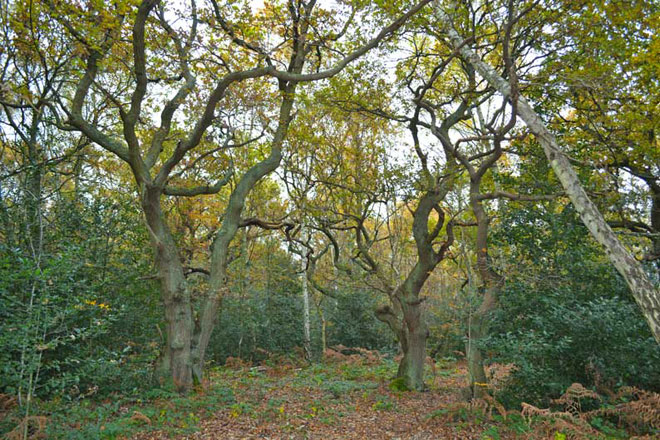
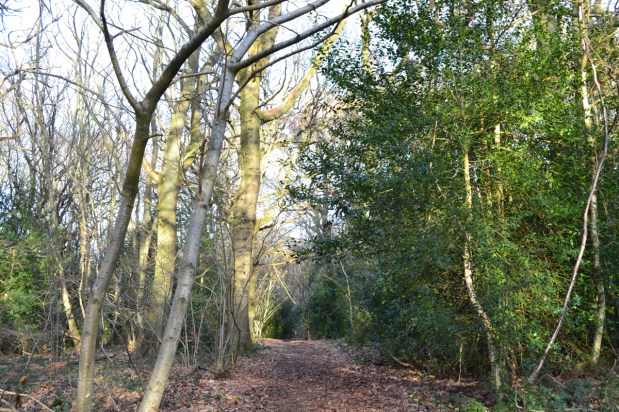
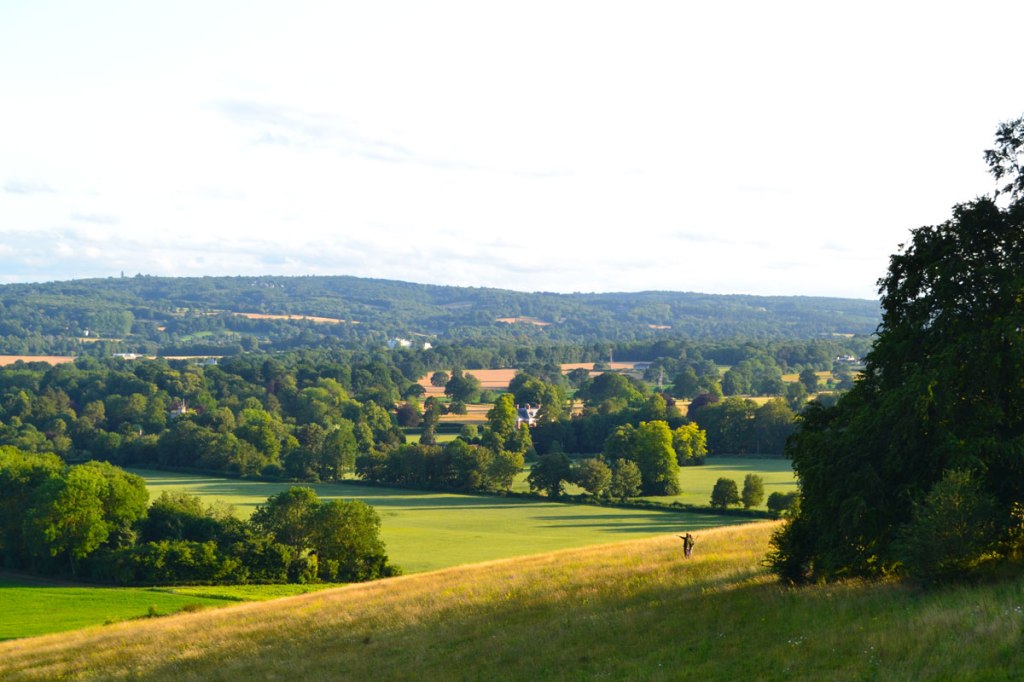
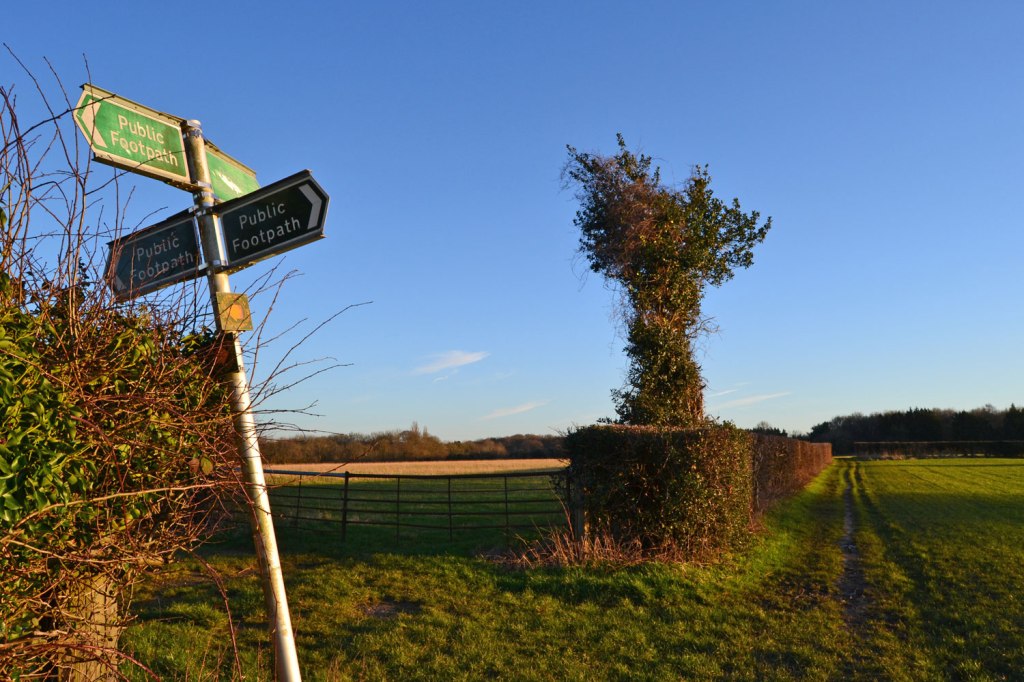
September and October are two of my favourite months for a stroll. Somehow the light seems sharper, the cloudscapes change more quickly, birds and other creatures are on the move and colourful, mysterious fungi appears. There may be mud to contend with of course so a comfortable pair of wellies may come into their own before too long. I wouldn’t rule out a return of summer yet though, just because it’s raining ferociously as I write. All of the walks sparkle at this time of year but I particularly enjoy the woody One Tree Hill routes, Oldbury and Petts Wood in September. Just an atmosphere thing really.

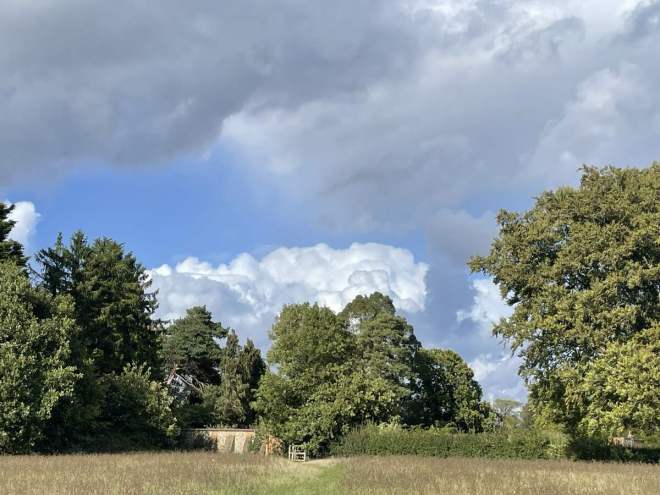
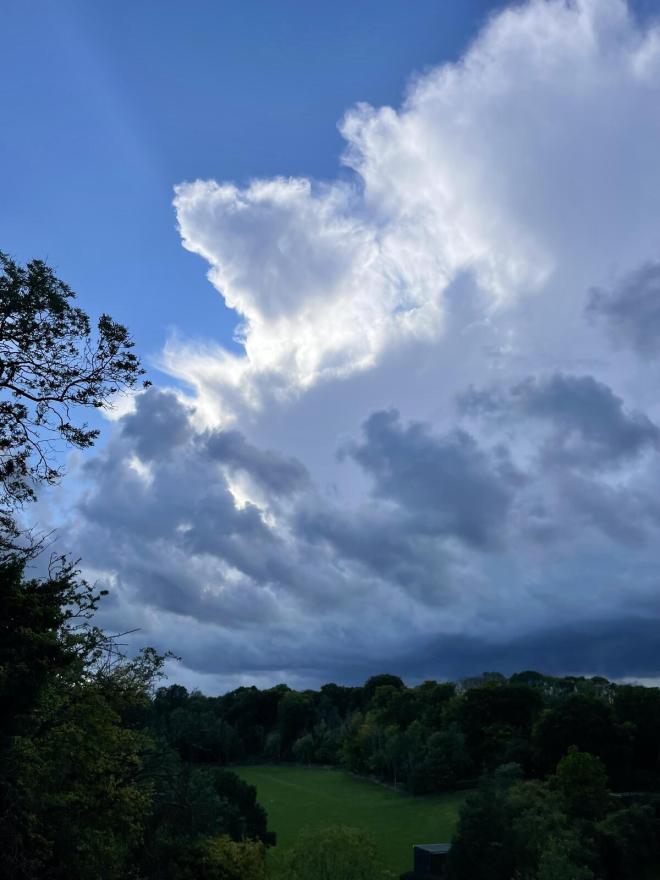
Talking of cloudscapes, my walk at Downe on Saturday was set to a backdrop of dramatic shower clouds. I was happy to see the worst of them pass to the north, only to discover with some alarm that it had grown a nasty looking limb that was heading my way. My alarm doubled on seeing three forks of lightning flicker to earth. Amid hailstones the size of… er… dried lentils, my swift walk turned into an undignified dash across the final field back to the car in fear of a big flash.

Muddy and miserable

Muddy and miserable

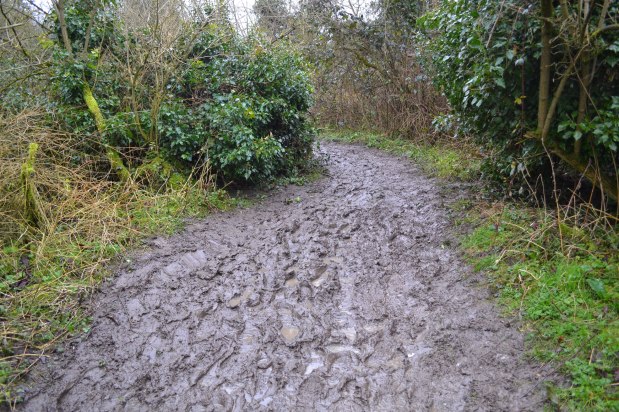
A cursory glance at this website may suggest that the north-west Kent walks are permanently sunny. Or snowy. Or bright and breezy. My choice of photographs suggest the routes exist in a world rich in colour, and one must only stride out purposefully with map in hand and trainers on foot to have a great time. Alas, it is not so. Walkers are squelching through giant puddles, inching their way around horrific mud patches and sliding back down liquid hillsides. They are arriving back at home dishevelled, slightly disorientated and in need of a good soak. As I write in mid-February, during one of the cloudiest and wettest winters I can recall, the truth is that unless your need is great, it might be better to abandon the notion of walking in the countryside for the time being. One friend terminated his walk at Westerham after a few hundred yards last week, while another KWNL reader informs me that Polhill and Meenfield woods (west of Shoreham) are impassable. Polhill is simply too steep to bear most humans’ weight in these slippery conditions, while Meenfield woods’ tracks are seas of horrific mud made worse by bulldozers and diggers being used for forestry work there (thinning some of the trees).

Mud, frost and snow
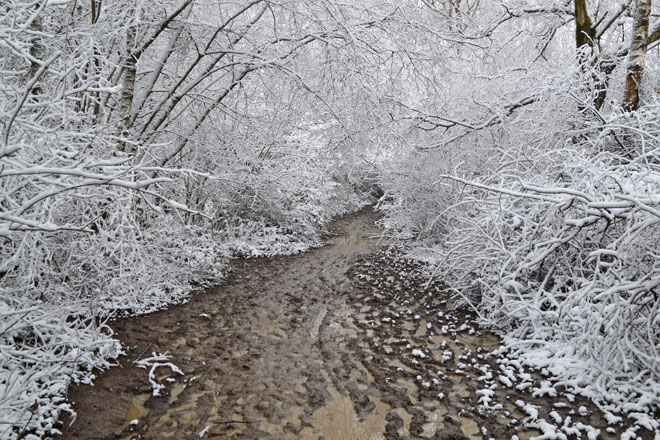
Path turned to mud, amid snow and frost at One Tree Hill, February 2021. I’ve never seen anything like this scene before or after

Has anywhere survived the mud?

If you must walk, I suggest: Knole Park in Sevenoaks, where there are solid, firm stone and tarmac paths; Lullingstone, where the chalk downs spirit away a lot of the surface water into aquifers (but avoid the busy, ridiculously muddy path alongside the Darent river); and perhaps High Elms, but don’t blame me if that proves a morass too. Avoid the Greensand Way walks, such as One Tree Hill, Hosey Common, Ide Hill and Underriver. Even the trusty old Downe walk, which once was dependable in all conditions, is in an appalling state now, partly because the ‘new’, hemmed-in paths around the children’s farm compress the footfall.

Golden light at the end of a grey day

Golden light at the end of a grey day

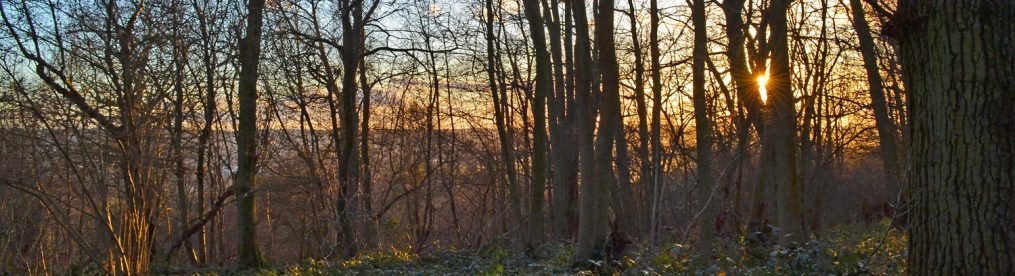
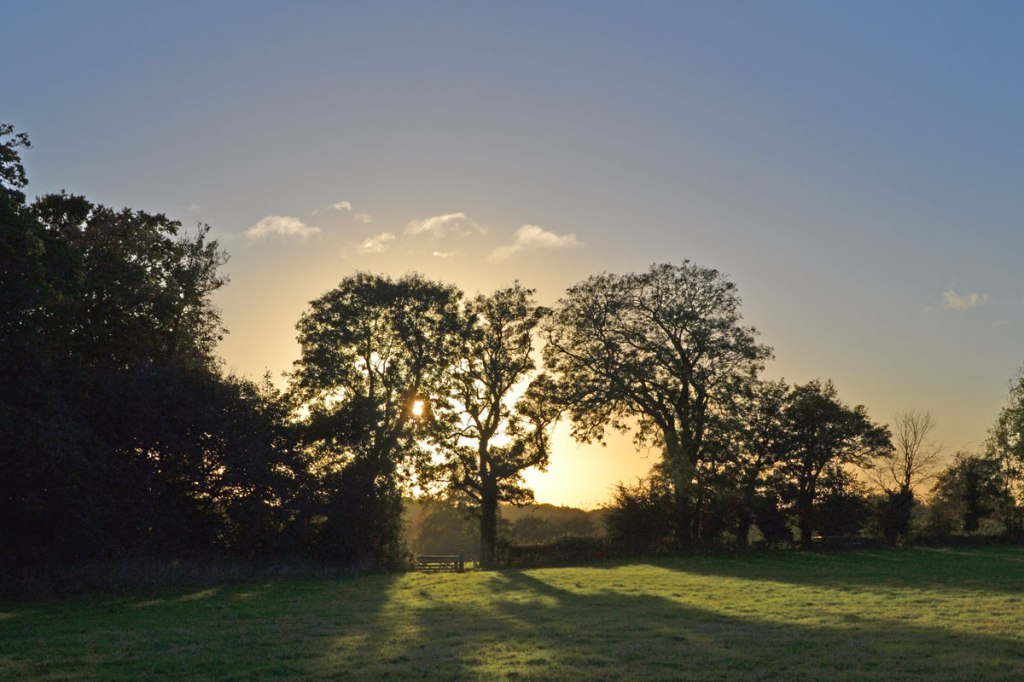
It’s been a bit of a classic autumn so far; lots of rain but also some great sunny windows of walking opportunity. If you’re keen on getting out for a walk but prefer to stay dry it means checking your weather apps and staying agile. Lately these windows have come at the end of the day and have rewarded those able to dash off on a Kent saunter late in the day with some brilliant light. On Saturday, the Downe walk at 5pm was a winner. As well as a beautiful sky, saturated colours and a sense of perfect tranquility, there were interesting birds around: kestrel, sparrowhawk, three yellowhammers, redwing and mistle thrush. Migrations are happening. Some of these birds may have travelled from Scandinavia, from eastern Europe, Yorkshire or a few miles over the border of Surrey. We’ll never know.

Rain set in overnight and for much of the next day. I’m drawn to wooded areas for walk in bad weather and few woodlands are better than Petts Wood, maintained by the National Trust. Scots pines, chestnut groves, heather glades, oak, ash, and sycamore surround a labyrinth of paths with a railway line and a couple of arable fields and streams helping navigation in the middle of the wood. A great place.

Encounter with a kite

Encounter with a kite

Two weekends of truly muddy conditions have passed; both have been very mild and reasonably bright (well, the Sundays anyway) but with heavy rain overnight only the most hardy, dedicated walkers have taken to the squidgy, squelchy paths. Last week we splashed around the 3.5-mile version of the Knockholt Pound/Chevening route; today, with a bit less time available we took to that old staple the Downe walk, with a couple of variations. The final field once heading back to the village was a glutinous saturated sea of clay, as it usually is after heavy rain. Oh for the days when this was a wildflower and hawthorn meadow left to its own devices, alive with the calls of yellowhammer and skylark. The Downe walk has lost two delightful wildflower meadows in recent years – one to a scraggy looking crop rotation, the other to grazing by a non-existent sheep flock.

  • Red kite, Downe, February
  • final woods, Downe
  • Chevening
  • Chevening
  • Beech trees, Downe, February
  • Knockholt Pound

Anyhow, never mind, there we go. Let’s focus on the positives: bright skies, great colours, a sudden crescendo of bird song including skylarks after a silent winter, a Spitfire taking off from Biggin Hill – what a brill din! – and a few snowdrops to admire. Best of all there was some wonderful bird of prey sightings. On the Knockholt route we were checked out by a low flying red kite and were given a private buzzard show. At Downe this Sunday I’ve rarely seen so many buzzards gliding and soaring. A hovering kestrel joined the party at one point, while on the return leg of the walk, on the hillside above the golf course, a red kite seemed to follow me along, drifting, sideslipping and wheeling on the breeze. These incredible birds have only been regularly seen on these walks in the past 10 years or so. They are a most welcome addition – along with the buzzards, themselves a relatively new bird to this part of Kent in these numbers. On entering the final beech woods I heard a tawny owl call, despite it being only 2.30pm.

Cudham walk advice

Cudham walk advice

Thought it worth mentioning. The heavy rains this winter (until recently) have damaged the chalk path between points 2 and 3 and displaced a lot of stones on the Cudham route. There’s now a mini ravine for some of the path and a lot of bits of rock. Only a minor inconvenience really but worth knowing. I don’t see how it gets ‘fixed’ in the short term and will probably get worse as we’re not out of the woods yet (pun intended).

Erosion on Cudham chalk path

Even more worth knowing is that soon after Point 4, the stile leading into the wood adjoining Newyears Wood, where a lot of chopping goes on, has gone missing. Now you have to climb over the low wooden fence to use the public footpath there. The yellow waymarker sign for the public footpath remains in position. No sign has been erected saying that this stretch of path is temporarily out of bounds has so I say you are totally entitled to carry on using the path. I hate it when landowners don’t take care of path access – it’s just disrespectful and careless.

Cudham short version (3.3 miles)

There is a short cut version to avoid this hopefully temporary missing stile bore. It takes just a mile off the route but misses out on the nicest bit of woodland at Birches Croft, on the edge of New Years Wood.

Still, the stile issue is not as serious a problem as the idiots who have literally cut down the traffic lights on the Hayes to Keston road at the junction of the A232 – yes, it looks to me as though an angle grinder has been used to cleanly chop all four traffic lights at this now dangerous crossing point. I guess it’ll be quickly remedied.

Grass and butterflies

Grass and butterflies

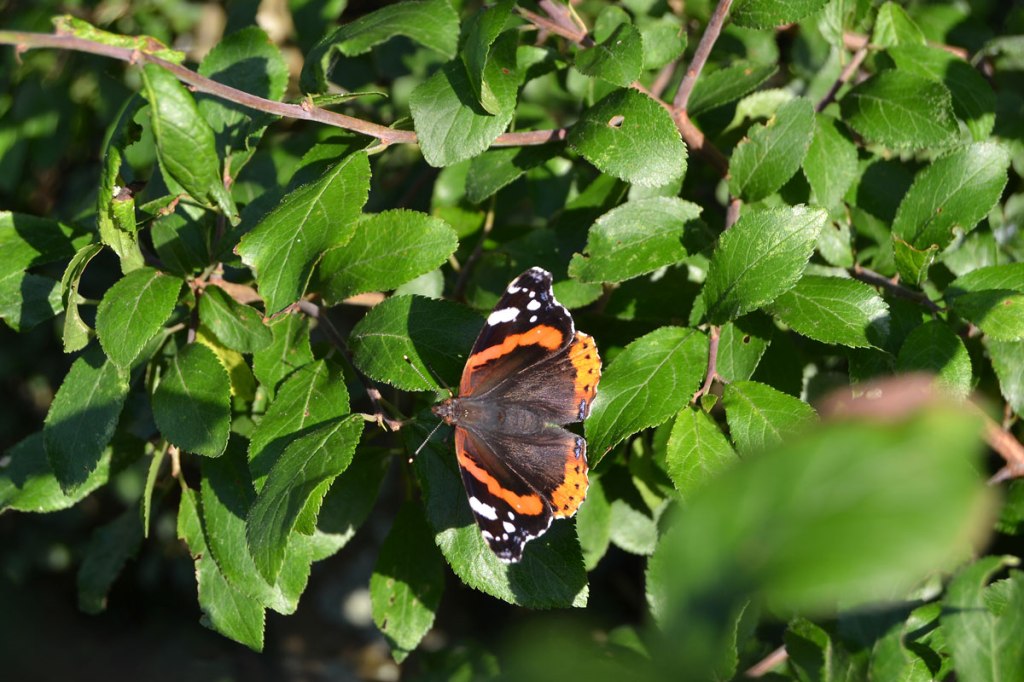
Late July, early August: it’s a slightly torporous time, and in most summers the countryside becomes gradually a bit tired and frazzled looking – rather like the Australian cricket team currently trying to play out the Ashes (now there’s a hostage to fortune). But this year, thanks to recent regular rain, there’s still a freshness about things. I particularly love the long grasses this year, so full of wildflowers – and such a contrast to last summer’s scorched earth. We’ve been lucky in 2023 in that respect, as other parts of Europe have literally burned. Nearly all the walks on this site feature beautiful grassy meadows at one point or another, the best being on the chalk North Downs at Downe, Shoreham (Eastern Valleys, Pluto, and Fackenden in particular, Knockholt and Cudham. Wild marjoram, wild carrot, ragwort, trefoil, knapweed, pyramidal orchids (still flowering) are among the common wildflowers all flourishing amid the grasses, creating a fetching spangle of purples, yellows, pinks, reds and creams among the greens. Anecdotally, butterflies have shown well this summer despite the mixed weather. At the moment it seems to me species such as comma, red admiral, marbled white and large white are the most commonly seen. In April and May, brimstones were a common sight, then peacock butterflies. I haven’t seen any silver fritillaries this year and hardly any orange tips or small tortoisehells, I’ve just been unlucky – others have seen them. Pictured below: red admiral butterfly, scarp view, knapweed in Chevening churchyard, a cleft in the North Downs scarp, a comma butterfly, the escarpment, a lonely path, all from Knockholt/Chevening short walk on a near-cloudless late July early evening.

In the depths of springter

In the depths of springter

Of all the seasons-within-seasons, the end of winter, or springter, is one of the least enjoyable for walking I find. That doesn’t mean I don’t enjoy getting out into the countryside; it just means that when I do, I look around and think “meh” quite a bit. There’s still a lot to look out for in early March: old man’s beard (clematis vitalba), hazel and alder catkins, blossoming blackthorn, the vigorous growth of bluebell shoots, redwings and fieldfares flocking to migrate east, small birds breaking into song, the passage of gulls at high level etc, but the predominant colours are grey and brown, the air is still harsh and raw, mud clings to your boots and you slip on steep paths.

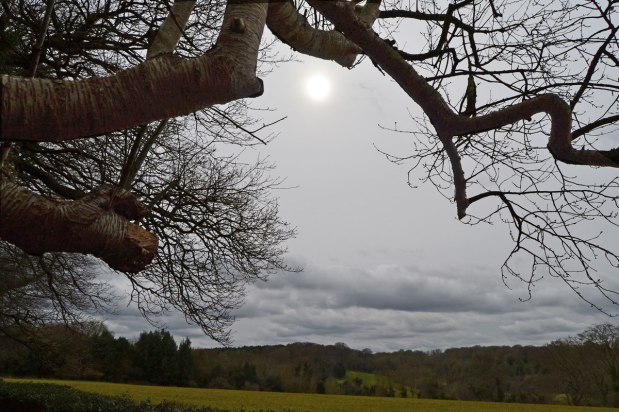
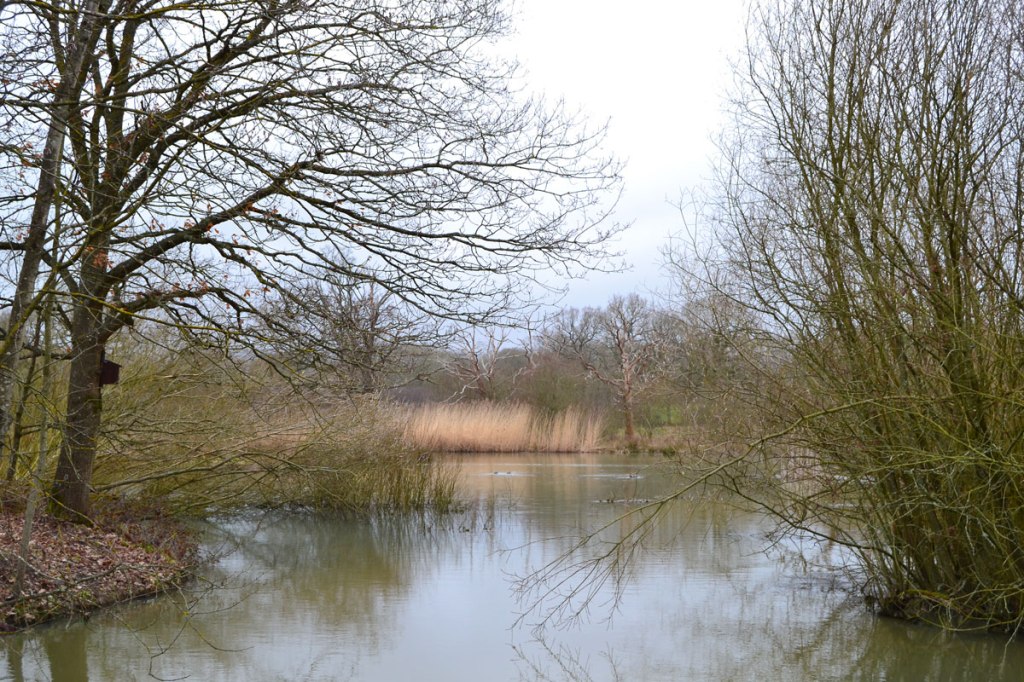
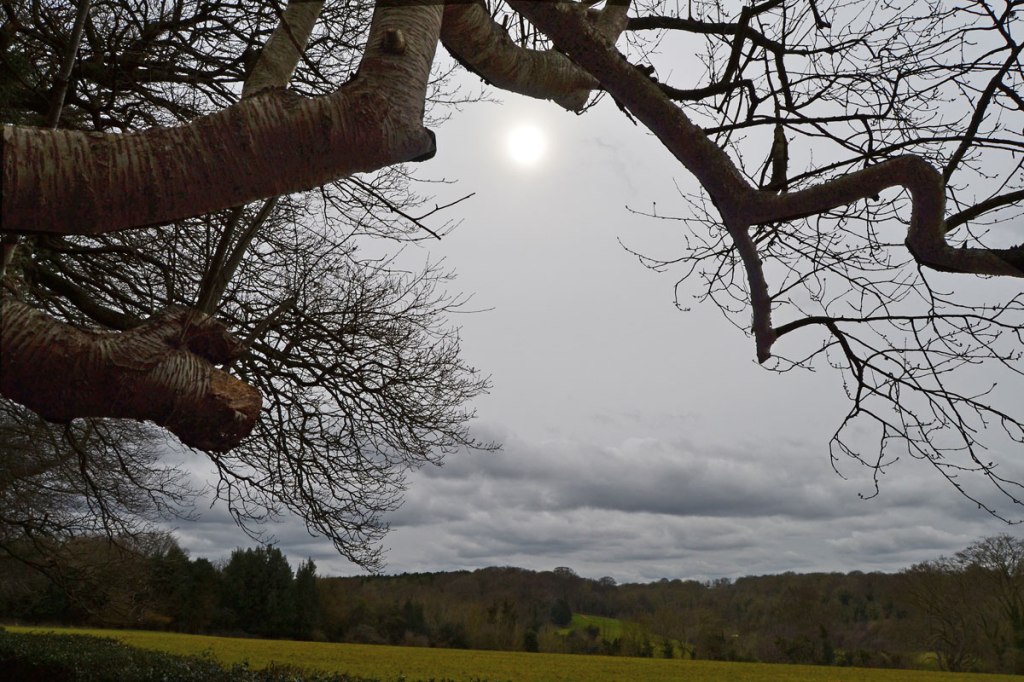
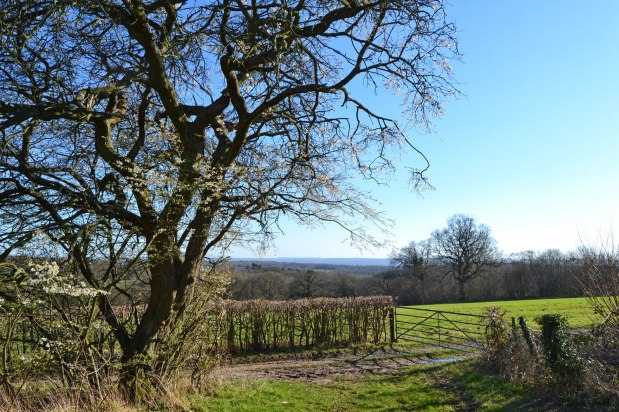
On recent walks to Hosey, Fackenden Down, Bough Beech and Downe, I found plenty to like but not much to inspire. This was partly because, apart from at Fackenden where there was an eyecatching sunset, the sky was unyielding and grey. Drama is needed in the sky at times like these, and springter often provides it as great air masses come into conflict, showering us with rain, hail, snow and sleet and producing fascinating aerial vistas. But at Hosey, all was monotone, at Bough Beech a thin Sunday drizzle dampened down any sense of vitality and at Downe, the morning brightness was consumed by a blanket of altostratus – the precursor to an approaching front – which had stealthily taken over the day as I was en route. But everyday is different if you look closely enough and the sun, a white ball behind the veil, did its best to make the stroll memorable.

  • View over Chartwell, Hosey walk
  • Bough Beech nature reserve
  • View over Bough Beech reservoir from the Bore Place chair
  • Downe walk under altostratus cloud
  • View from Fackenden Down

That terrific birder Dave accompanied me at Bough Beech, educating me as we went on the courtships of goldcrests, the behaviour of gadwall – a much underappreciated duck, he said – West Ham’s unsatisfactory season, the calls of marsh tit and treecreeper (I’d forgotten, again), and the distribution of local chaffinch populations. Although we made it to 39 species we saw no snipe, barn owl, brambling, kestrel or even buzzard as we hoped. The bird of prey fraternity was represented only by a solo red kite who lazily loitered above the low weald landscape for nearly half the walk, sometimes close, sometimes distant – an almost spectral presence so unfettered was it by the subdued, squelchy land below.

Thinking back to that red kite (which by the way would have been an extraordinarily rare sight in this part of the world until about 10 years ago) my springter moans and groans appear misplaced; these grey walks were brilliant.

Photographs by AMcCulloch

Biggin Hill airshow

Just a heads up that the Biggin Hill airshow is back next weekend (19-20 August). This year’s event is a bit bigger than the recent ones and features on Sunday the French air force’s display team, the Patrouille de France (and the Red Arrows). Very spectacular. There will also be three extremely noisy modern jet fighters performing as well as Spitfires, Hurricanes, Lancaster and various stunt and biplanes, some of first world war vintage. Worth getting tickets for, or at least taking the Downe circular walk for a peek. If you don’t like that kind of thing then take a walk a long way away!

Update: 26 August. Well the airshow proved a great success with brilliant displays and a very supportive crowd. The weather behaved too, despite being a little cold on the Saturday – although as you can see from my pix cloud cover was variable. The Red Arrows and Patrouille de France were extraordinary – amazing skill and training. The jet fighters (Typhoon, F-16, Gripen) all splendidly noisy and rapid and the solo Spitfires’ aerobatics quite moving considering the history of the location. The sight of Hurricanes, Spitfires and the B-17 over the Kent countryside was very evocative as always. For some truly epic photographs of the event by a pro, take a look here.

This slideshow requires JavaScript.

Three classic cycle routes around Downe and Cudham

Cyclists from all over south-east London head off for the nearby North Downs lanes on weekday evenings and at weekends, often en masse as part of clubs. A lot of popular routes (like this one) leave from Crystal Palace/Elmers End and involve Westerham, Downe, Brasted and Cudham with some testing climbs, great scenery and relatively car-free lanes. You can do one of these routes on an old hybrid or mountain bike… you don’t need the latest road bike. There are hills, of course, though so a smidgeon of fitness is required. And although the lovely green lanes are nearly car-free at times, always bear in mind a Range Rover is about to come round the corner.

I’m partial to a good cycle too, along with various members of the fam, but we don’t think heading out on the busy ‘A’ roads is a lot of fun, so we plonk the bikes on a rack and drive to Downe or Cudham, park up, shed the bikes and off we go.

This slideshow requires JavaScript.

Here’s route one (Downe, Knockholt Cudham, Downe):
https://www.plotaroute.com/embedmap/432060

Route map for Downe/Cudham Cycle, 1 Hour by Adam McCulloch on plotaroute.com

Go to menu (top right) and click on ‘hills’ to get a profile view of the route with terrain guide, gradients and heights above sea level. The second half of the route, after Hawley’s Corner, is remarkably traffic free but at all times, however quiet, you should anticipate a Range Rover swinging round the corner ahead of you. There are some fabulous downhill sections later in the ride (Shelley’s Lane, Knockholt and Downe Rd on leaving Cudham) where really high speeds can be built up quickly but please just imagine a car pulling out (there’s one or two driveways) or coming round a corner quickly. The final (steep) hill, back up to Downe village (Cudham Rd), is through Downe Bank, one of Charles Darwin’s research zones. Some massive history right there in those woods.

Here’s a link to a topographic view of the route; there’re more uphills than down but don’t be misled; most of the uphills are gentle whereas the downhills are sharper.

This slideshow requires JavaScript.

Route 2 (via Chevening): Downe, Horns Green, Chevening hamlet, Knockholt, Cudham, Downe
https://www.plotaroute.com/embedmap/432067

Route map for Downe/Chevening/Cudham by Adam McCulloch on plotaroute.com

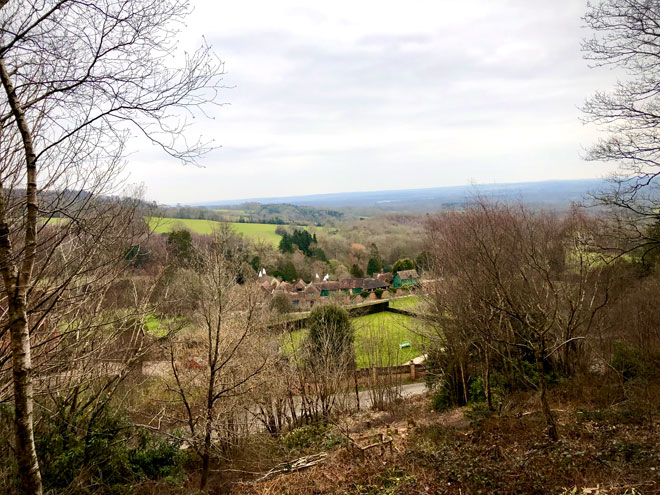
This one’s a bit longer at 16 miles (say 90 mins) and adds in one gorgeous downhill (Brasted Hill) and one strenuous uphill section (Starhill Rd). The route is easy to extend to Brasted and Ide Hill, even Hever, if you like, but those roads tend to be a bit busier. On the map it looks as if you have to double back at Chevening but in fact you can take your bike on a footpath behind the church to join the road and crack on up Starhill Rd. Oh yes, Chevening House is where Boris Johnson, Liam Fox and David Davis periodically hang out. The church and houses there are very nice though. A third Downe variation, taking in the very quiet but taxing Sundridge Hill (rather than the busier Starhill Rd) is here:https://www.plotaroute.com/embedmap/447637
This slideshow requires JavaScript.
Route map for Downe/Knockholt Pound/Cudham by Adam McCulloch on plotaroute.com

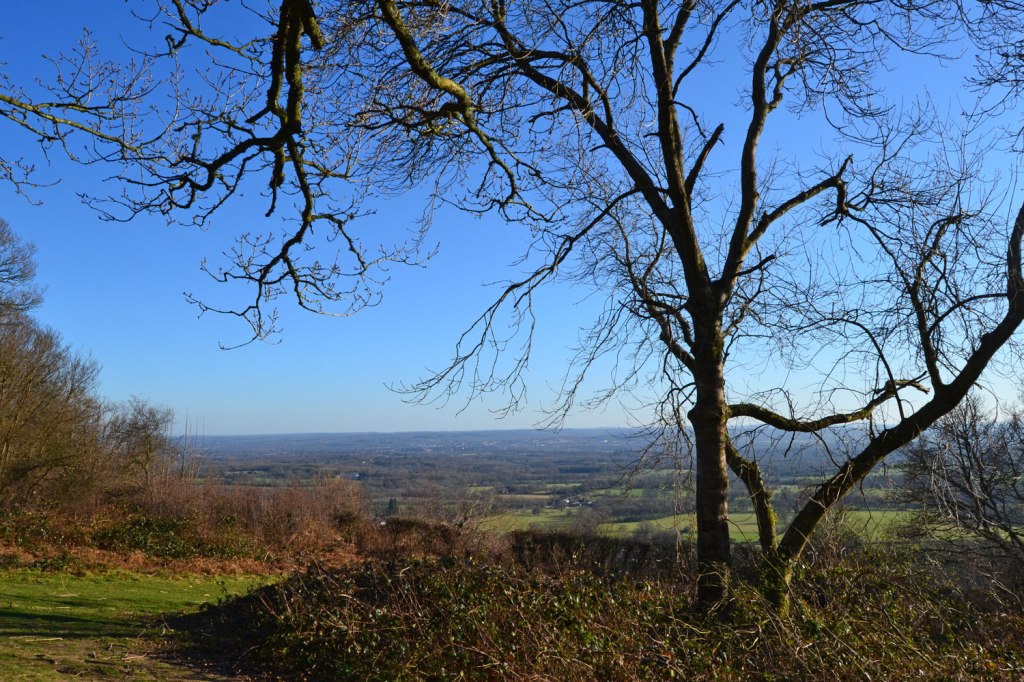
Route 3: (Downe, Knockholt, New Years Lane, Cudham, Downe). This third route is very quiet traffic-wise and, at 14 miles, is a good little work out with a couple of steep hills. A nice road to cycle down is Blueberry Lane just before Knockholt Pound.

If you don’t fancy parking on the street at Downe (sometimes awkward) there is the car park at High Elms country park a mile to the north and the car park at Cudham recreation ground. Or just cycle all the way from Peckham/Lewisham or wherever. Or get the train to Orpington or Hayes and cycle from there. Take care on the busy roads though.