Thoughts of spring

Thoughts of spring

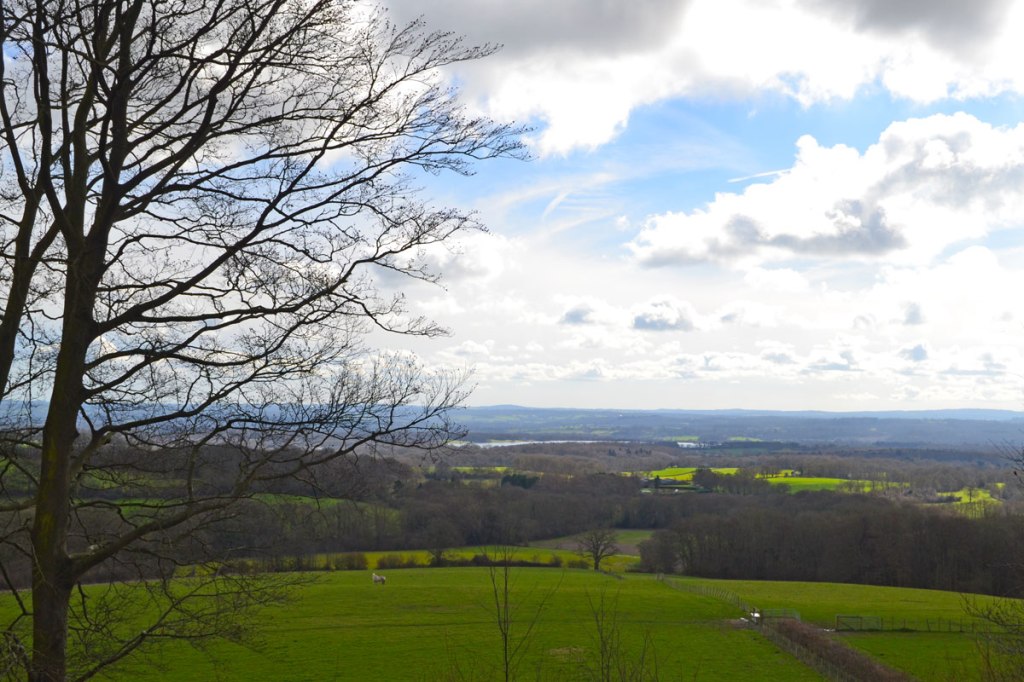
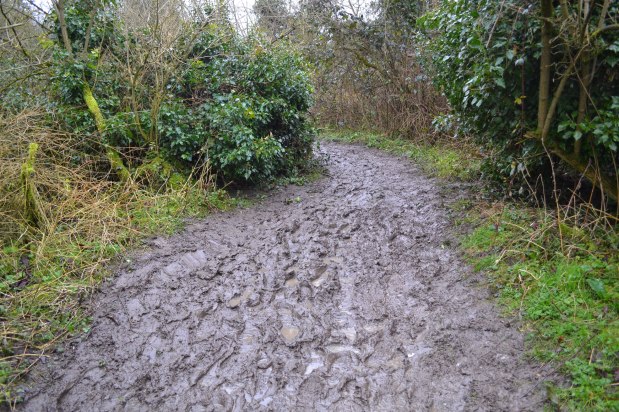
Spirits have fallen almost as steadily as the rain as we slipped mildly and humidly from winter to spring . The Met Office have gloomily talked of precipitation records being broken, and a sense of oppressive drudgery has undeniably taken root as indoor life seems the only option. Still, I’ve been impressed by the amount of runners and cyclists still out in the lengthy downpours, clocking up the miles. Me, I’m a fair weather fitness fan. A lot of the rain has been too heavy for walks; I’m happy in drizzle but the stuff that stings your face definitely takes the pleasure away at this time of year, though can be fun in summer. But hey, spring is around the corner somewhere, the temperatures are mild, the crocuses are out in the park and the daffodils gaily wave in the breeze. I love to walk on the Greensand Ridge at this time of year, to see signs of spring seeping into the colours of the miles of countryside stretching before you as far as the Ashdown Forest. It’s muddy, sure, but there’s also optimism in the snowdrops, primroses and sudden uptick in birdlife among the skeletal trees. Toy’s Hill south of Westerham has been fertile ground for walking.

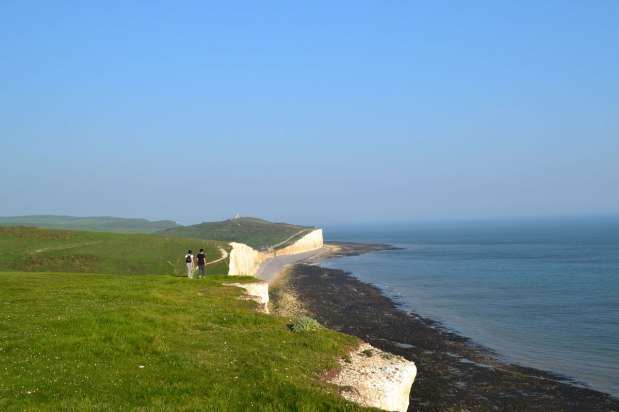
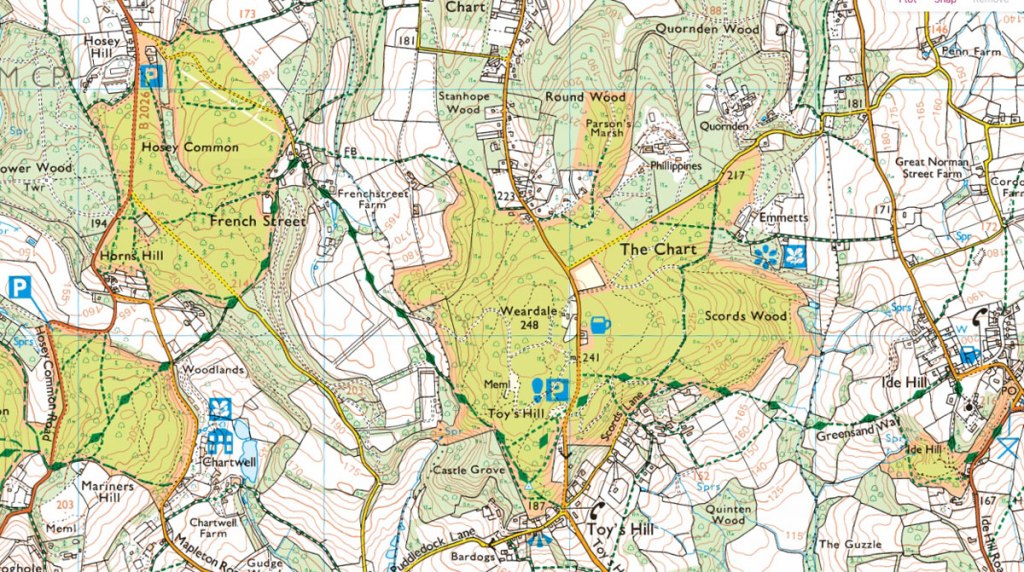
I haven’t got a Toy’s Hill walk on KWNL but there are several routes from the NT car park (the map above shows the car park, lower centre, and Toy’s Hill’s proximity to Hosey, Chartwell and Ide Hill) that are well signposted, such as the shortish Red Route, which will take you to Emmetts Garden and back. You can do my Ide Hill walk from Toy’s Hill easily enough, or even the Hosey Common route, but obviously you’ll be adding on a few miles. I really like the spot near the NT car park where the old mansion used to stand. From here you can see four counties including Leith Hill and even the South Downs on a fine day. The photos below were taken in early March; appearances change quickly at this time of year so expect less bleakness in the days ahead!

  • Toy's Hill
  • Ram Pump pond
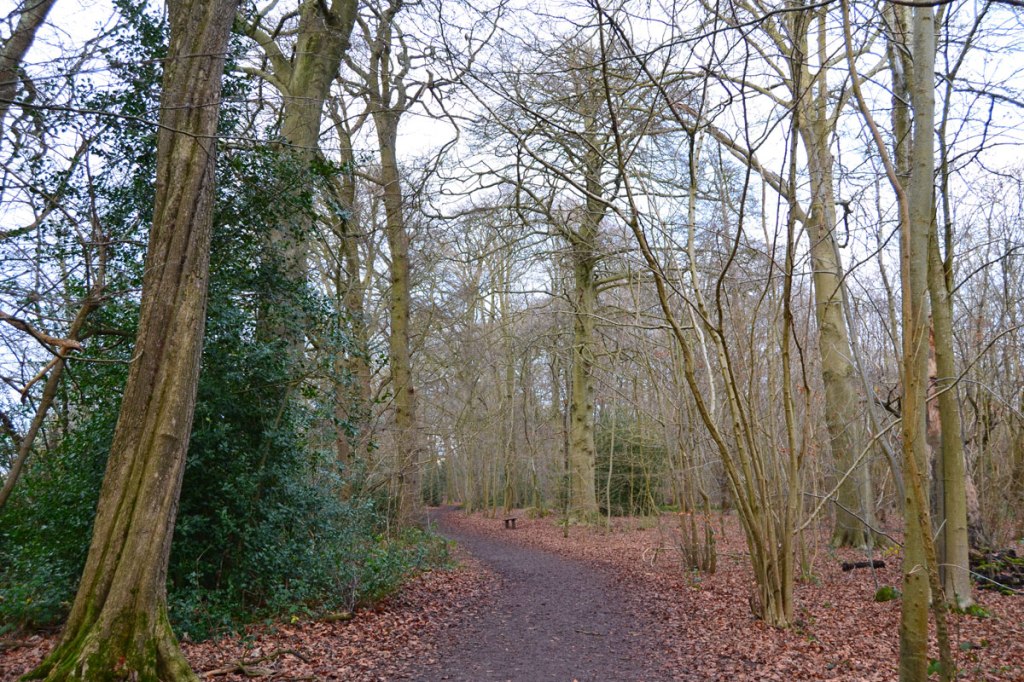
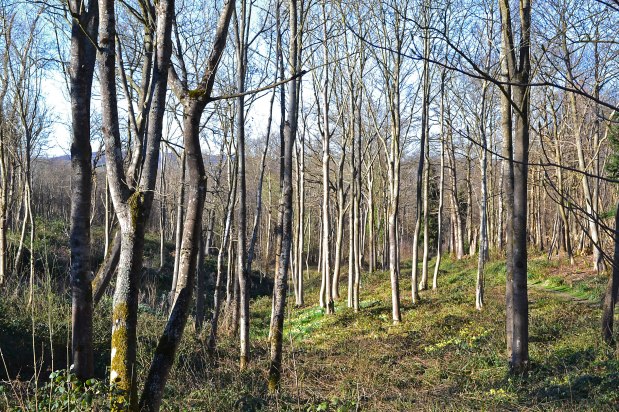
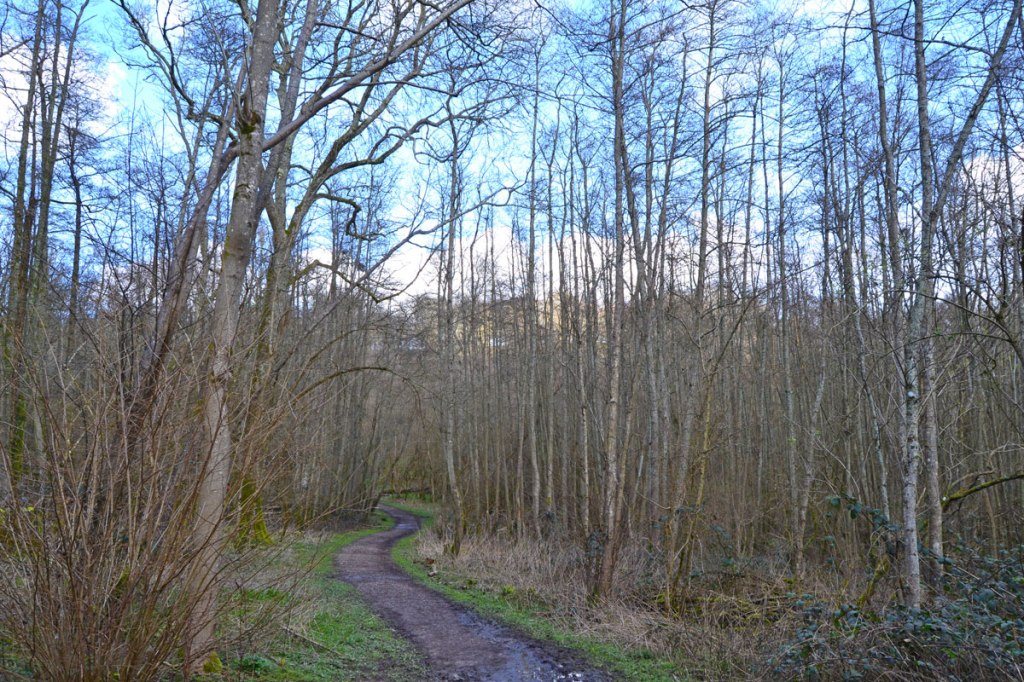
  • Scords Wood, awaiting signs of spring
  • Scords Wood view

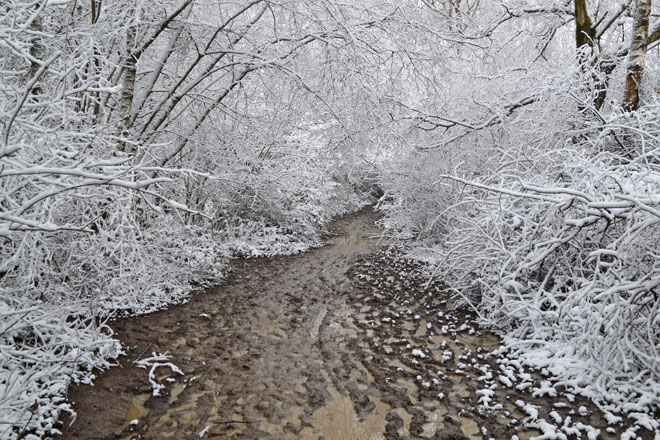
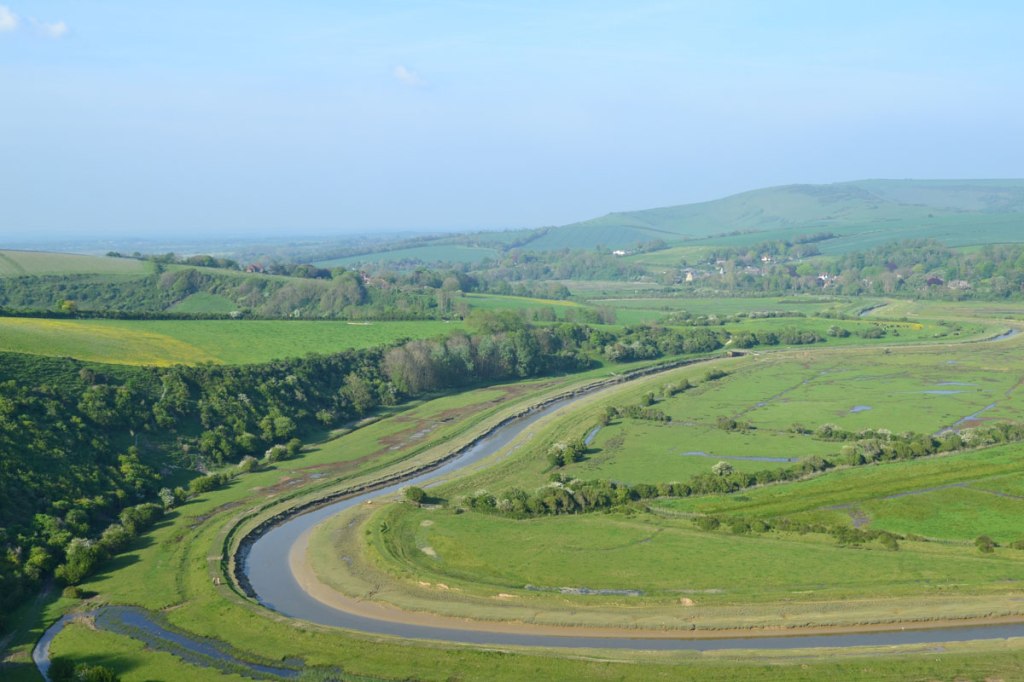
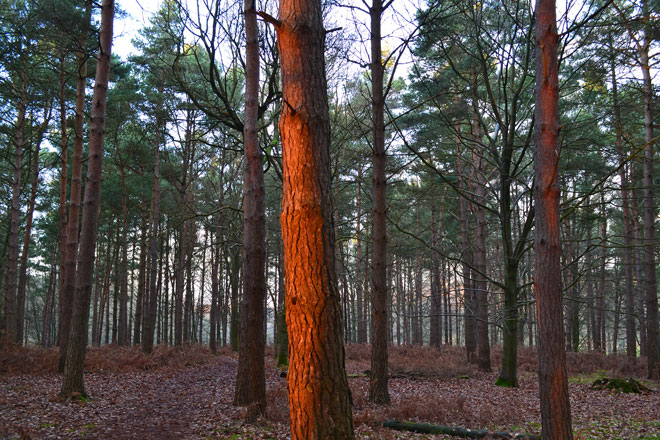
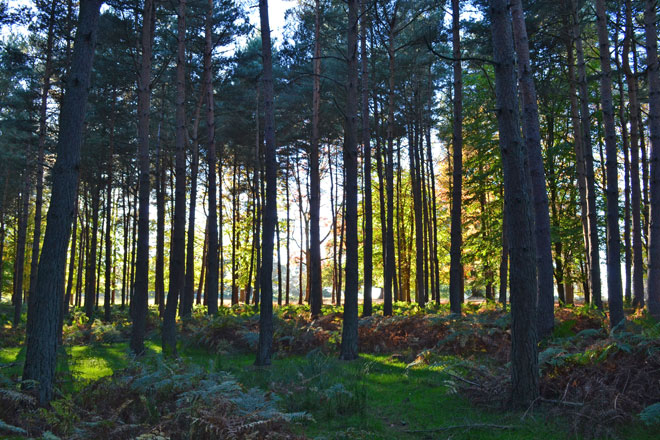
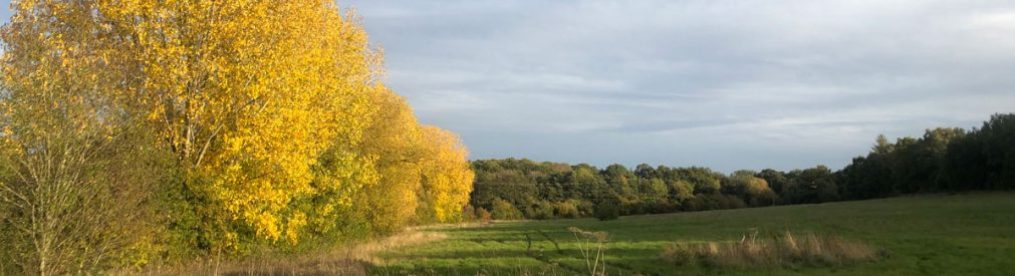
As for colour, look out for yellow lesser celandines, very spectacular at this time of year on the Fackenden Down walk in the woodland between the Down itself and Magpie Bottom. One of my favourite places for wildflowers in late March is on the Hever walk in the woods between Points 1 and 2, close to Hever Castle gardens (headline photograph). A yellow and white sheen seems to rise from the mossy forest carpet ushering in better days. But look if you want to keep your powder dry on the walking front, and not go out until mid-April and the blooming of the bluebells, that’s perfectly understandable.

.

A Christmas trudge – then some fudge

A Christmas trudge – then some fudge

We chose Lullingstone for our Christmas morning walk. Well, I didn’t actually. It was the family choice, and a surprise one because I was, for once in my life, all for staying in and wrongly assumed my partner would be. I’m glad we did though: staying in all day and not walking anywhere is hardly ever the right choice, even with a turkey to roast and fudge to finish.

There’s no denying that in the mild, grey, mizzly, boring weather the Darent Valley landscape seemed to have lost a bit of its lustre. It felt as if we’d taken it by surprise – it’s usually ready for us and induces an inward gasp of delight as we get our first view of it. On Christmas Day it looked a bit bleak, a bit ‘meh’. It seemed to be saying, “oh it’s just them again – I can’t be bothered frankly.”

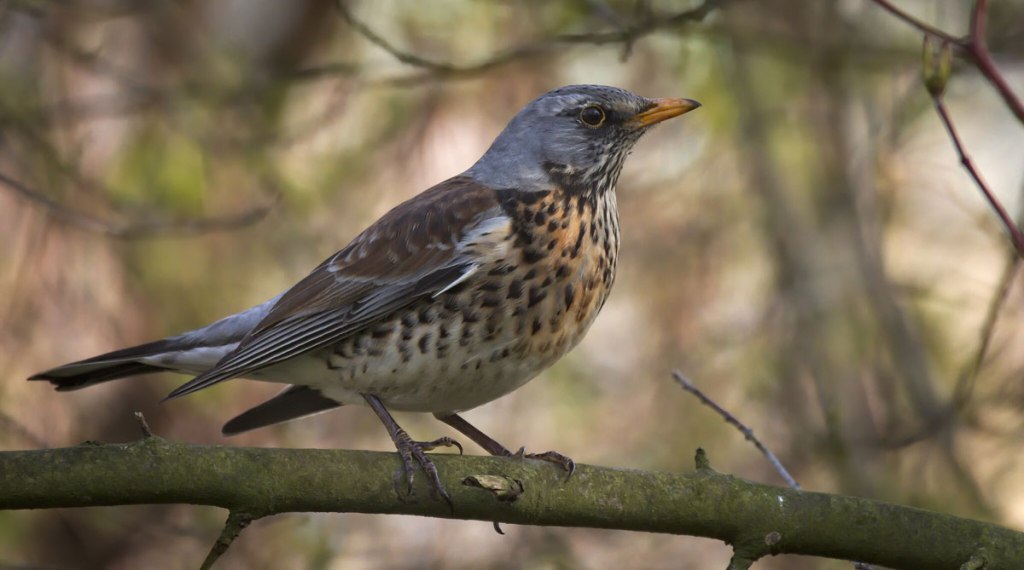
Fieldfare profusion

But on closer examination there was a lot to enjoy: huge groups of fieldfare (a winter thrush visitor from north-east Europe); a few chaffinch (relatively scarce nowadays in these parts) in brilliant winter plumage; loads of berries – haws, rosehips, elderberry in the main – and long-tailed tits flitting through open woodland. The profusion of berries was the attraction for the fieldfares. My regular Lullingstone kestrel did not appear, nor did the almost tame goldcrest I’ve encountered previously in Upper Beechen Wood. (Fieldfare photo: hedera.baltica/Wikimedia Commons)

Oh, that tree!

I’m often astonished at myself for not noticing things – I’ve been known to sit on sofas at home without realising they are brand new, turn on TVs that someone has just delivered and installed, and fail to remark on a room‘s entire renovation. I exaggerate, but it amazes me that I’ve walked past the extraordinary old oak at Lullingstone pictured below at least 200 times without really clocking it; a memory of it must have been lodged in my brain somewhere since childhood, but in the subliminal part. In a similar vein there’s an elegant art deco building opposite Brixton station that’s very familiar to me but it was only last week, on returning from the Ritzy, that I actually looked at it and saw it for what it was. I’ll never ignore it again, and the same goes for this incredible oak.

To be fair, there are several of these oaks at Lullingstone, mostly up towards the golf clubhouse in the west of the park (unlike this one). With some I’m not quite sure if they’re dead or alive. There’s one that you could actually hide inside. This one, which is maybe 300 years old, has a kind of elephant’s face embedded, is indicated on the map below. I’m going to try to keep eyes and brain a bit more joined up from now on. Probably means less daydreaming – let’s see!

Click on the link for a ‘live’, gpx version of this 4-mile Lullingstone route at OS Maps.

Festive walks in Kent

Festive walks in Kent

The true purpose of this website is to inform newcomers to south-east London from other parts of the UK, or from abroad, that great walks are to be had by just taking a train or driving for half an hour or so into Kent, where there are loads of paths to explore. So to all those who think “why’s he going on about Knole/Darent Valley/One Tree Hill/Hosey Common again – can’t he just go to Namibia or Baja California or somewhere interesting” – shut it!

Christmas and New Years’ strolls

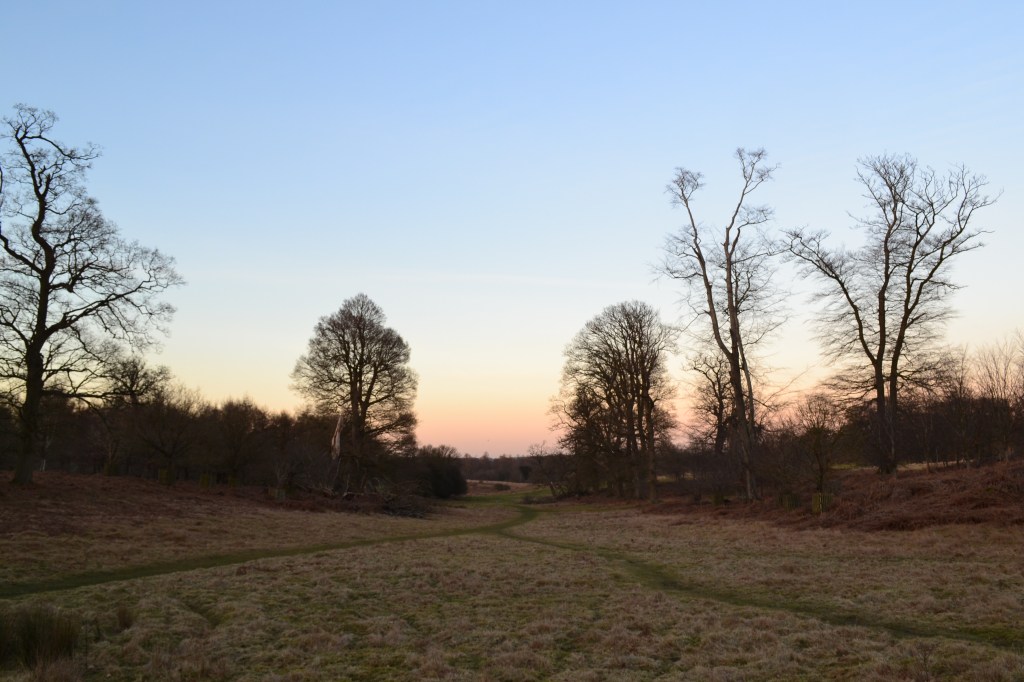
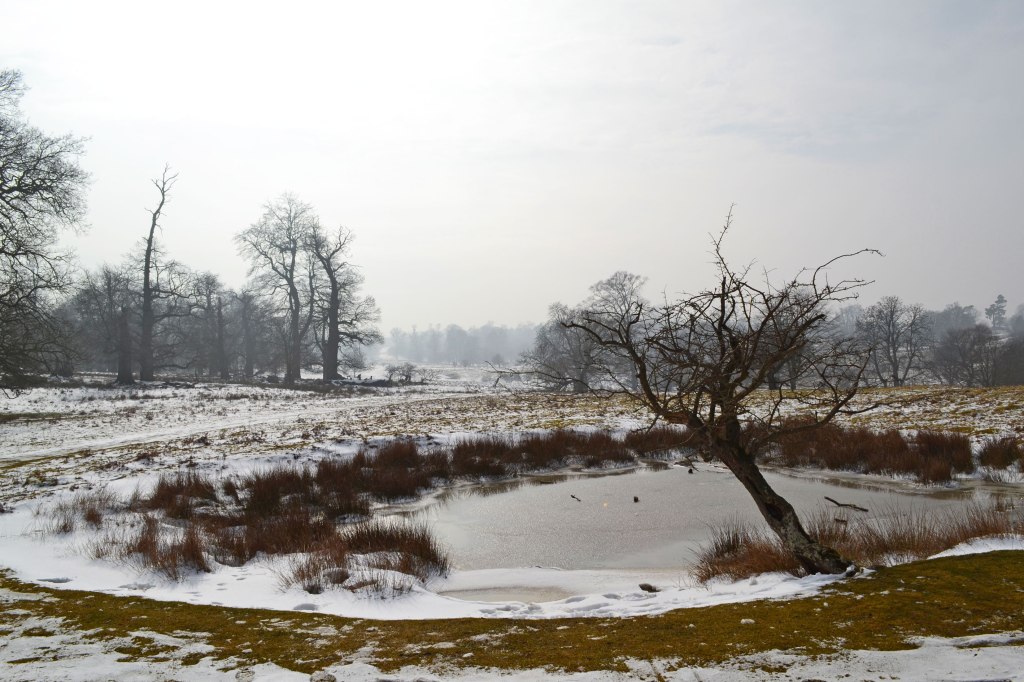
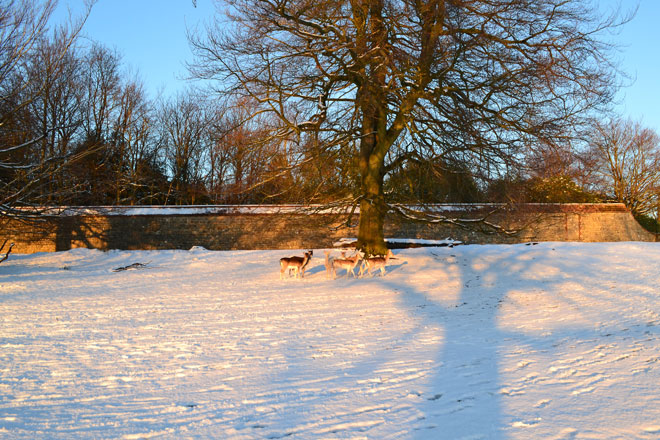
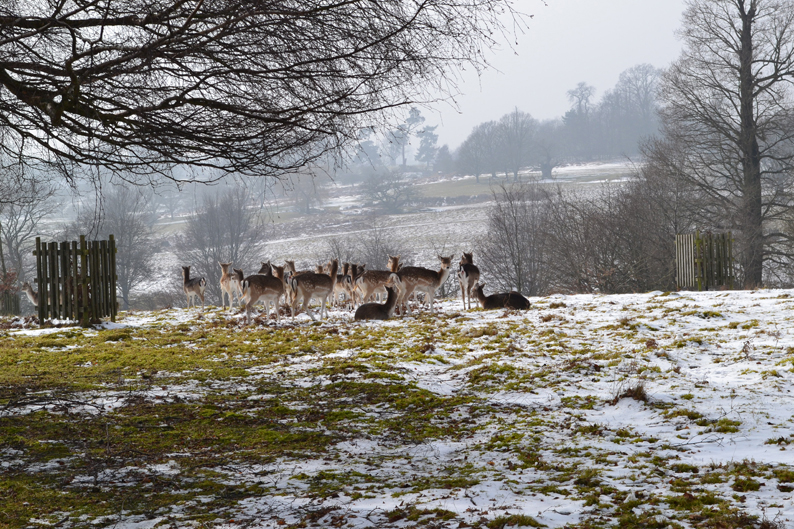
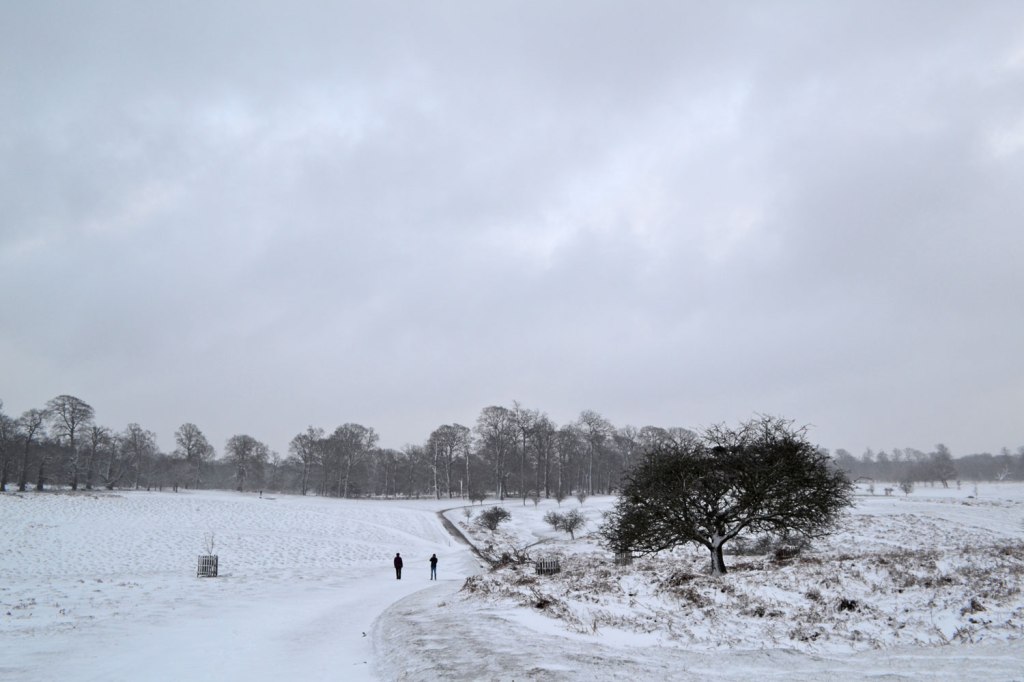
The relatives have come around. After a couple of days milling about in the house you all fancy going for a decent walk and getting some fresh air. No one has proper hiking footwear. The answer: Knole (Sevenoaks) Why? Because many of the paths have hard surfaces and you can walk for 4 miles without leaving this wonderful park if you pick your route carefully. There are secluded dry valleys to explore, an igloo-like 18th century ice house to find, some lovely woodland and a massive medieval/Tudor house – the largest in the UK in fact. You can’t take dogs because huge deer herds roam around the place. But you can take buggies, even wheelchairs. On a winter’s afternoon, with the last rays of the sun setting the house aflame it’s a magical place. And if there’s any snow it’s ludicrously brilliant. Among the photos below are reminders of some of the coldest walks I’ve ever experienced!

  • Knole, winter sundown
  • Pond at Knole in snow; March 2018
  • Knole Park

My 3.5-mile route leaves the hard path (the Chestnut Walk) immediately to take in the south-eastern open woods, part of Fawke Common, comprising fantastic oaks and beeches (you don’t have to park in the NT pay car park; you can leave the car in St Julian’s Rd and enter free, to the south of Knole, but this road can get a bit busy). Things then get a little darker as a fir plantation takes over and you dip down amid the high pitched calls of goldcrests to cross a little stream then emerge into the open by an ancient pond. Follow the route as it twists high and low before rejoining the hard path (the Duchess Walk) and heading to the house and around it before turning east back towards your arrival point. Know that you have been walking on acid grassland; a rare terrain type distinct from any of the other walks on this site. Fungi and lichen thrive here, not least because of the rotting wood from the arboreal victims of the 1987 ‘hurricane’. Birdwatching isn’t too bad either with buzzards, kites, sparrowhawks and tawny owls in attendance among the more common long-tailed tits, goldcrests, goldfinches, song thrush, wrens, robins and redwings. You don’t have to do my route – you can still do a fine walk by sticking to the hard paths (Chestnut, Broad and Duchess Walks), or you can extend my route by taking in the long south-west valley. Best just to wander and get a bit lost.

Lullingstone and the southern end of the Darent Valley around Shoreham in winter

Also recommended for a winter stroll – and closer to SE London than Knole – is the Shoreham circular, which may offer the added attraction of the smell of woodsmoke and a welcoming pub. Lullingstone is also highly atmospheric: I particularly recommend walking from the public golf club entrance, not the country park entrance – it’ll be less busy for one thing (note that the car park at the golf entrance is closed on New Year’s Day usually but you can usually park in the approach road). Closer to SE London, Beckenham Place Park and Petts Wood offer a couple of hours escape into the ‘Kent’ (London) wilderness. I haven’t checked the trains to Shoreham or Sevenoaks for these walks over this holiday period, so do find out whether they’re running – I don’t wish to encourage you all out only to have you waiting interminably for a replacement rail bus service, might still be fun though!