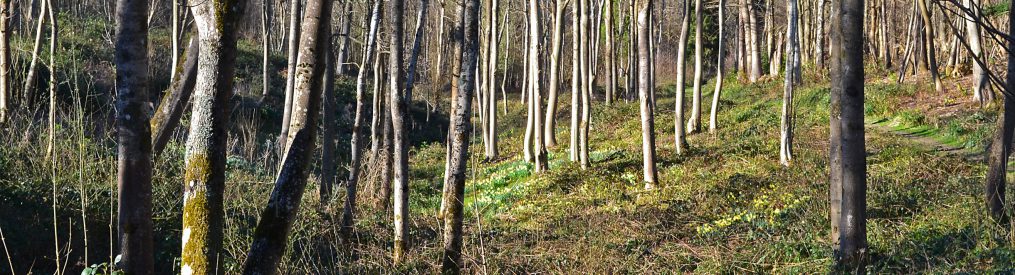
Ashdown Forest – great even on rainy days

Ashdown Forest – great even on rainy days

Just a one-hour drive from south-east London or train journey from London to Tunbridge Wells, Crowborough (nearest station), Uckfield or East Grinstead then bus/taxi/cycle. More info on public transport options here

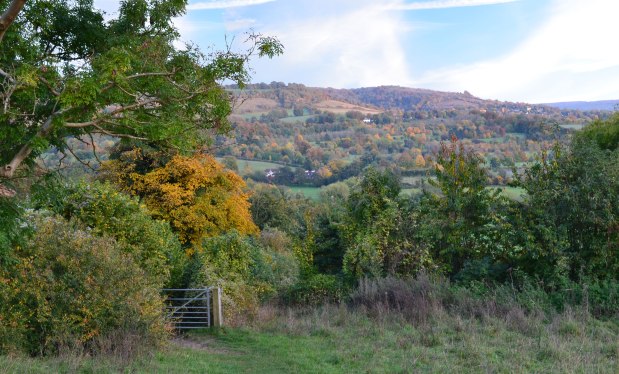
Further afield than the walks on this site, but not inaccessible from London by train/bus/taxi/bike, is the extraordinary Ashdown Forest (map here) in East Sussex. ‘Forest’ is a misnomer; the word did not originally mean just woodland, it referred to areas where deer were kept for hunting – often in a mixed habitat.

The Ashdown Forest lies on the high weald of sandstone between the chalk of the North and South Downs. It’s a great place for walking – you can wander anywhere, there are few fences and loads of paths. There is scots pine, heather, gorse, rare birds like the dartford warbler, lizards and snakes, many varieties of butterfly, moth and dragonflies. There’s also a lot of history – the area was a favourite hunting ground for Henry VIII (useful for nipping into Hever Castle on the way back too or, if Anne wasn’t in, Bolebrooke Castle), and there was a medieval iron industry in the forest too. On a misty, drizzly, murky day like Monday this week it really resembles parts of Scotland (you wouldn’t be able to see any mountains on such a day anyway).

The pictures here were taken around Gills Lap – a place immortalised by AA Milne in Winnie the Pooh – and Wren’s Warren Valley (Eeyore’s gloomy place in Milne’s stories).

Where to go: Parking is easy in the Ashdown Forest. There are many little car parks from which paths meander off. My favourites are King Standing, Gills Lap, (both off the B2026 from Hartfield and great for high level walks between the clumps of pines), Hollies (off the Nutley Rd near Duddeswell), Lintons (ideal for the Tabell Ghyl walk), and Broadstone (close to the excellent visitors’ centre).

• Mapped walks in the Ashdown Forest from the Ashdown Forest Centre
• Guided walks
• Map of walking routes and carparks
Forest Row bike hire

Near the Ashdown Forest is a flat off-road cycle route called the Forest Way running 6 miles from Groombridge to Forest Row (bikes for hire in Forest Row). Groombridge (home of the superb manor house, gardens and woodland, Groombridge Place) is on a steam train line – the Spa Valley Railway – between Tunbridge Wells and Eridge, on the edge of the Forest.

This slideshow requires JavaScript.

Summer dusk walks

Summer dusk walks

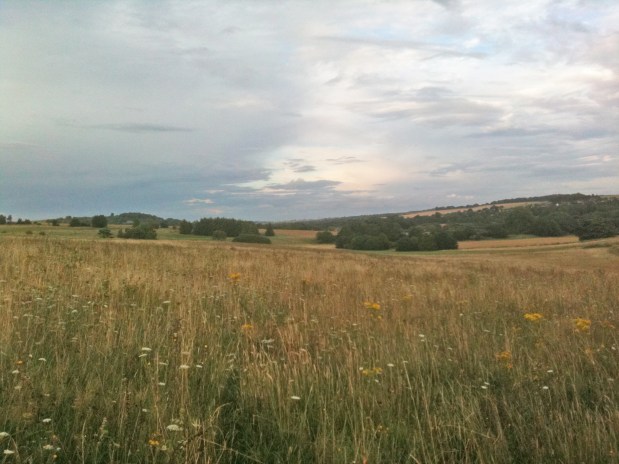
The extra hours of daylight means you can even get out into the countryside from south London after work if so inclined. Worth the effort I’d say. Pictured is Darwin’s house from the adjacent field, June 2015 at about 8.20pm; the others are of various fields on Walk 1.

This slideshow requires JavaScript.

Bluebells 2015

Bluebells 2015

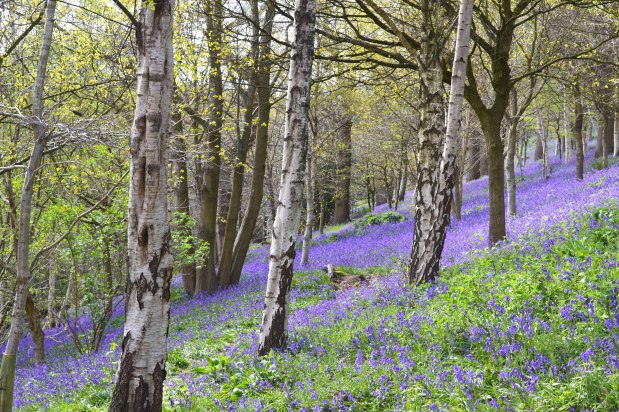
(Read latest bluebell piece for 2020, here) The bluebells, as I write on April 26, are in full swing. They generally love moist, even swampy ground in sun-dappled woodland (so coppiced trees are very good) and south-facing slopes where the drainage isn’t great. The best places for walking amid bluebells – of the walks on this website – are:

1 Ide Hill-Toy’s Hill circular walk via Emmett’s Gardens. Here, bluebells are everywhere. Especially brilliant on the south-facing slope of Emmett’s Gardens.

2 Shoreham circular – extend the walk into the woods above Shoreham to the west, as far as Andrews Wood for great bluebell vistas.

3 Downe circular – at Point 3, instead of turning right towards Downe House, turn left on the path that heads down into woods (in to the valley between Downe and Cudham – an area called Downe Bank, which also contains some orchid varieties). The bluebells here are amazing. In fact every little copse around Downe, Biggin Hill and Cudham has spectacular seas of blue.

Other superb displays can be seen at One Tree Hill (1km south east of Knole Park), near Sevenoaks. Then, and closest to SE London, there is Petts Wood/Hawkwood. For the latter, enter the wood from the entrance under the railway line at the intersection of Towncourt Crescent and Birchwood Road and take the second path on the left and you’ll soon be in the realm of the bluebells (in Edlmann Memorial wood) after passing through a grove of chestnuts.

A weather lesson

The viaduct at Eynsford from the latter stages of walk 3, in awful weather

The viaduct at Eynsford from the latter stages of walk 3, in awful weather

I went out this afternoon with my older son for a decent walk around Lullingstone/Eynsford. I hadn’t checked the weather, in fact I hadn’t glanced outside all day (football was on). I was dimly aware of it being windy but somehow had thought it would be mild. We considered going to see Whiplash at the cinema but decided some fresh air would do us good. Fresh?! Horizontal, freezing rain; a wind chill of -3C… well, it shows that even the North Downs have their wild side. The picture above just looks dull; doesn’t do justice to the sheer pain the elements inflicted on us today.

Mud

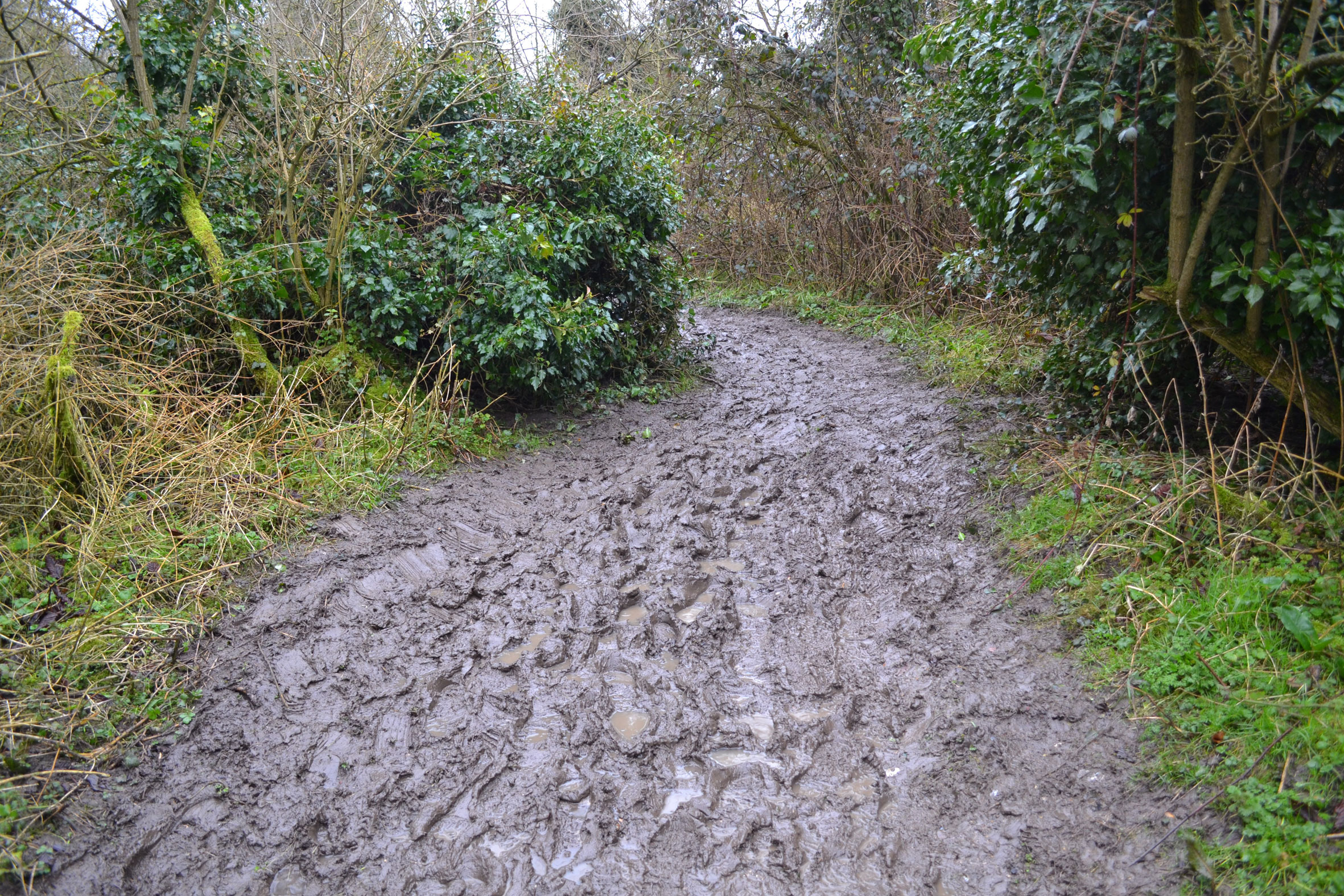
Mud near the Roman villa (walk 3)

Mud near the Roman villa (walk 3)

In February the mud league table needs publishing, especially with some quite big rainfalls this past week.

So, from the driest to the wettest and muddiest walk (I haven’t loaded all these walks yet)

1 Knole (where does the water go?)
2 Downe (nothing too serious but popular stretches of paths quite squelchy)
3 Lullingstone river path (nasty, but the river distracts you – and the danger of sliding in)
4 Shoreham (some bad spots, particularly by the river on the way to Eynsford)
5 Toys Hill (soul-sapping seas of mud)
6 One Tree Hill (detours into the brambles will leave your clothes in tatters and your arms bleeding!)
7 Lullingstone path by Roman villa (pictured; after the steps the path is a morass of vile goop with no escape; mercifully short)
8 Andrews Wood slope (you’ll be on your arse in no time at all)

Knole Park tips

Knole Park tips

Knole, in Sevenoaks, is wonderful in all seasons and weathers, though hardly an undiscovered gem. And it’s the best option for a mud-free(ish) walk in winter. If you are driving there from south east London for a walk (rather than to visit the National Trust Tudor house), park the car in St Julian Road for free access and enter one of the many gates. The best gate, from the walk point of view and ease of plonking your motor somewhere, is at the junction of St Julian Rd and Fawke Wood Rd, by the little pond. Once in the park it’s about a mile and a bit to Knole House. I recommend going ‘off-piste’ on one of the smaller paths around the edge of the park (go in the gate and fork right, for example). You’ll always eventually come out somewhere where it’s open and you can get your bearings from a distant sight of Knole’s high chimneys. There’s a rarely visited conifer plantation close to this gate which is really rather atmospheric – if you like birds watch out for goldcrests at this point. If you are going by train, you can enter Knole from Sevenoaks High St, after a 15-minute walk from the station. Above is a picture taken just to the south of Knole House in the late afternoon of February 17.

A bucolic welcome to you

A bucolic welcome to you

Sometimes you just need to get out of the city. Even in good ol’ south east London, with its verdant parks and Victoriana, the urge to swan around in ancient landscapes, free of the roar of traffic, does sometimes come to us all of a weekend. The good news is that there are beautiful fields, woods and villages to walk in just 30 minutes out of town by car or train.

Whether you’ve moved to south east London for work purposes or whether you are from these parts and just haven’t felt the urge to shift your butt into the woods and fields, my aim with this site is, without wishing to be rude, to tell you where to go. I want to share with you the great places you can walk in without much planning and without dedicating too much time to it. Many of the routes are great to take children on, too.