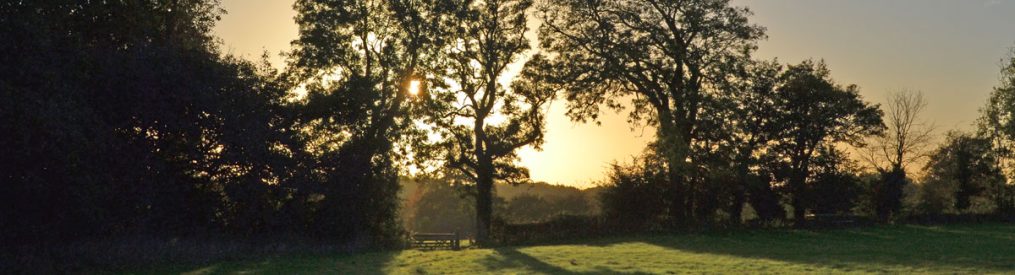
Oldbury’s trees make for a cool heatwave stroll

Oldbury’s trees make for a cool heatwave stroll

The recent heatwave was great for a short Kent walk – especially under a tree canopy. Last week I headed to Oldbury, near Sevenoaks for the Iron Age Fort walk. It is the shorter of the two Oldbury walks, at 4.2 miles; the longer one is more like 7 miles and takes in Ightham Mote and Stone Street. I didn’t have time for that, great though it is, having set off mid-afternoon.

Check out the interactive OS map of this walk here

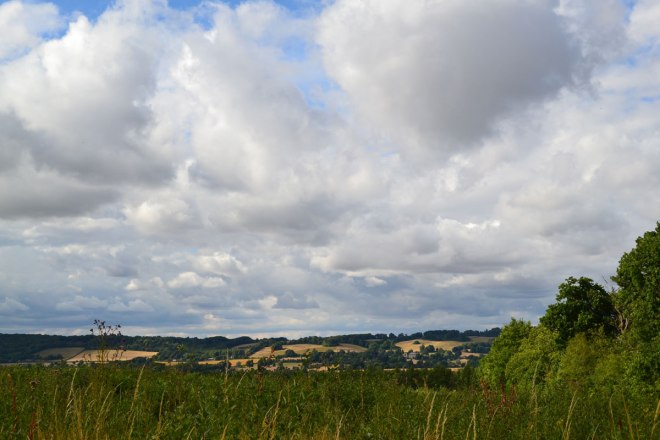
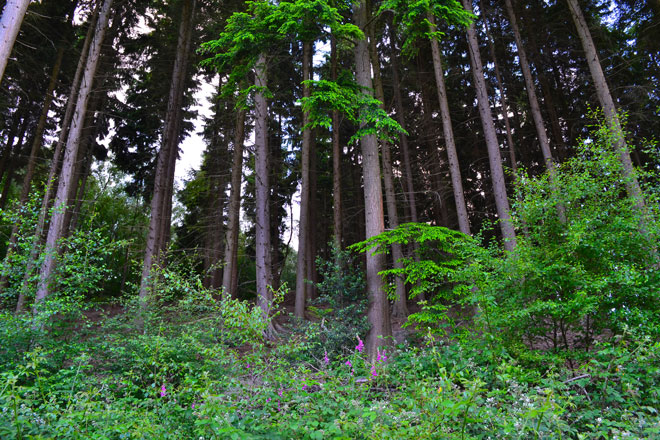
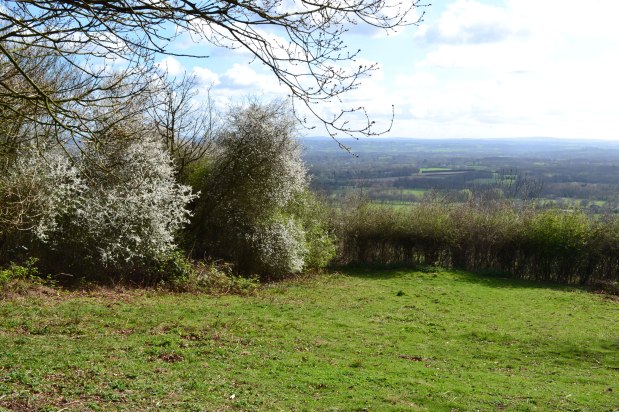
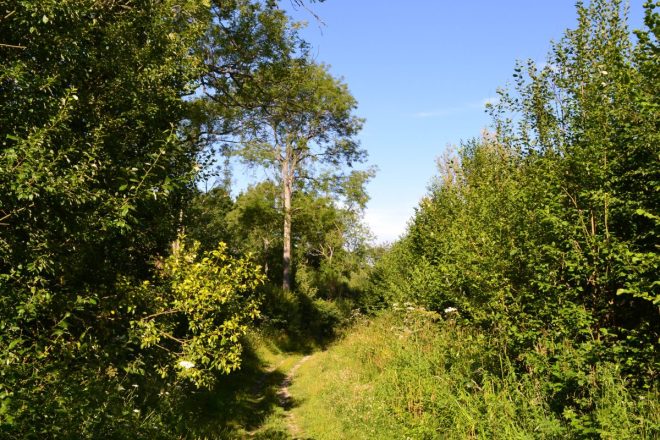
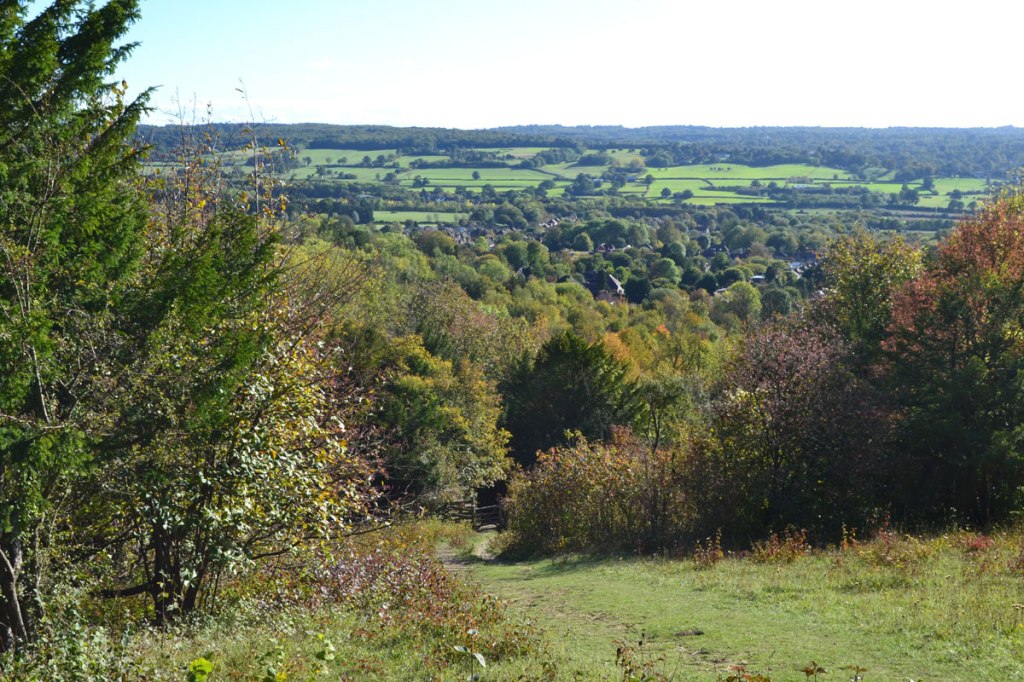
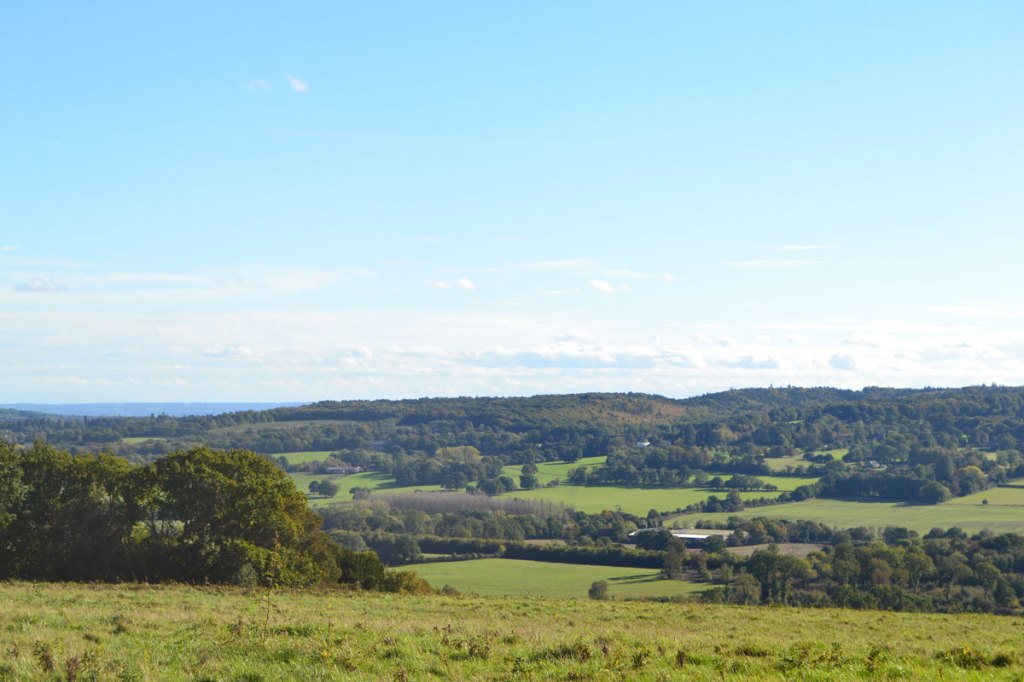
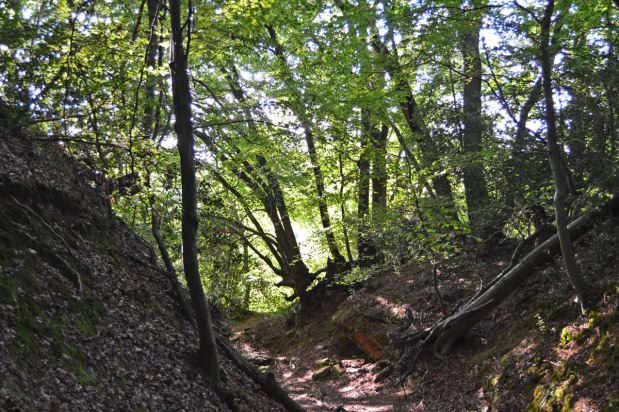
Both Oldbury walks take in two wonderful, contrasting woods: Oldbury woods (and its adjoining Styants wood), on the iron age fort; and sandy Fishpond woods behind the steep cliff of Raspit Hill. The fort – one of the largest in Britain – is clearly defined. It has a deep ditch round it, a flat top and holloway paths through the sandstone. Its woodland is a site of special scientific interest and is mostly of oak, birch, rowan and beech. The ramparts of the 2,100-year-old fort – 2.5 miles long and enclosing an area of 124 acres – are really impressive and apparently built by the Celtic ‘Wealden’ people who spoke the common Brittonic language. The National Trust looks after the woodland and reckons it’s possible that the hill was the site of a battle against Roman invaders around 50BC. It may not have been Celts fighting against Romans but Belgae, the old foe of Julius Cesar in Gaul, who had displaced Celts in the region a few years earlier. Anyway, it’s easy to appreciate the strategic value of the fort as you look out across the Vale of Holmesdale and Heaverham/Kemsing on the chalk escarpment to the north and towards the Weald to the south. Saxons took over the area after the Romans left and began coppicing the trees – a practice that has continued to this day.

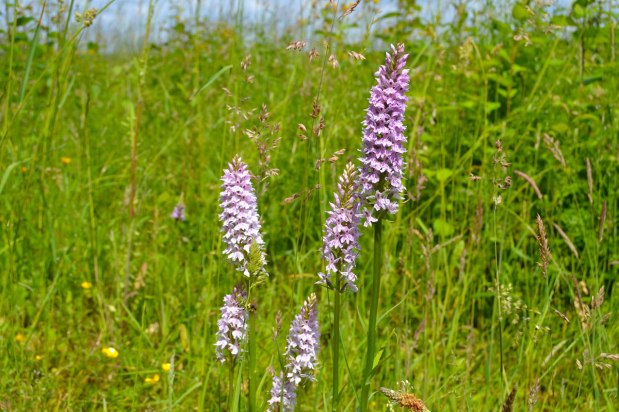
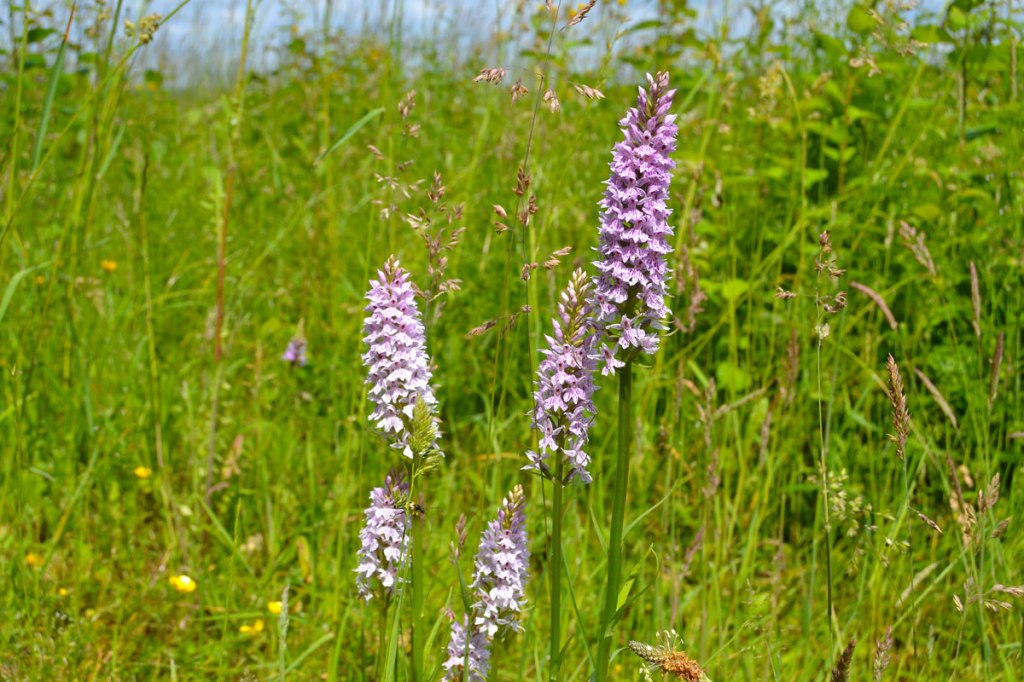
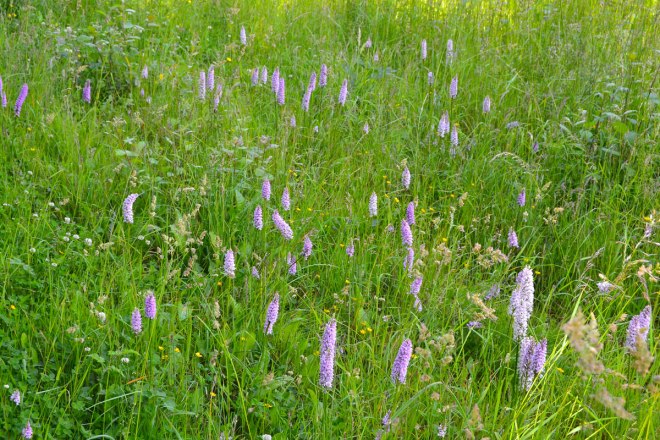
It’s natural attractions, away from the arboreal wonder, include plenty of orchids in the grassy wild meadows just north of the fort, wheeling buzzards and red kites, song thrushes, chaffinches and amphibians.
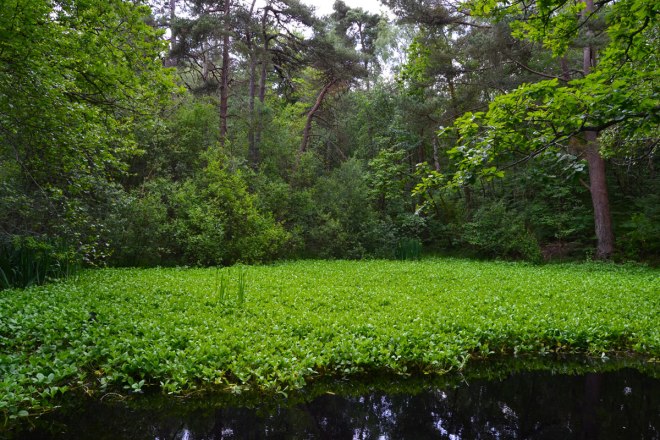
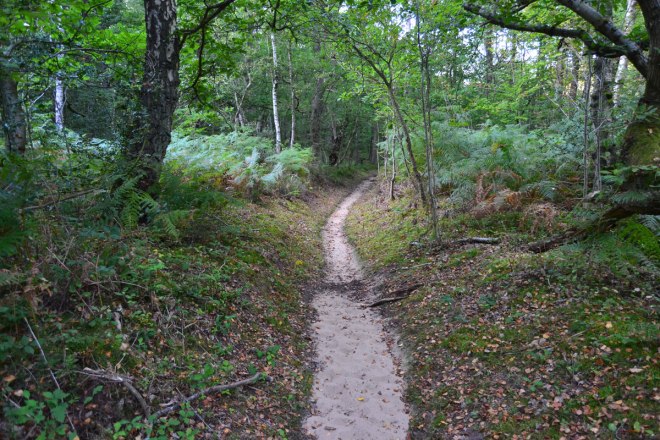
  • Sand path through Fishpond Woods, Oldbury

My walk was made even more interesting by my encounter with Long Distance Walkers’ Association hikers on their annual 48-hour 100-Mile Challenge (a circular route via Meopham to Crowborough). One them told me they had to walk through the night and would just take a few minutes’ sleep by the path. They were complaining a bit about the heat, having walked 18 miles already. It didn’t look like fun or even particularly companionable with many walkers seeming to stagger slightly. I’m sure it will have felt good when they finished though – 82 miles later! Perhaps a good bath may be on the agenda … I’ll never know.

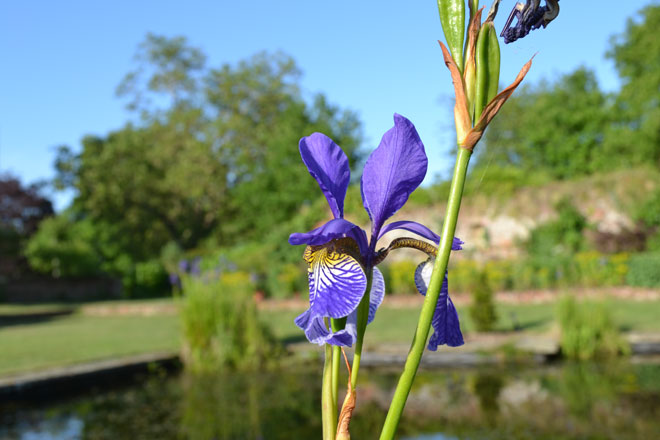
I left the brave LDWA walkers close to the picturesque school and church above Stone Street. I turned east, along the cliff top to Raspit Hill then down through Fishpond woods. There are more conifers here than at Oldbury, which make them popular with goldcrests and coal tits, I noticed. A small frog hopped out of my way on the sandy path, alerting me to the ponds themselves, shrouded in lily pads, reeds, irises and fallen logs. The first two, as you head north back to the Styants car park, are particularly beautiful, the final one more of a muddy pit. Overall, it’s a fantastic woody walk – up there with Chislehurst/Petts Wood, Ide Hill and the nearby One Tree Hill figure of eight route as my favourite tree strolls.
Bluebells are over – what’s next?

Bluebells are over – what’s next?

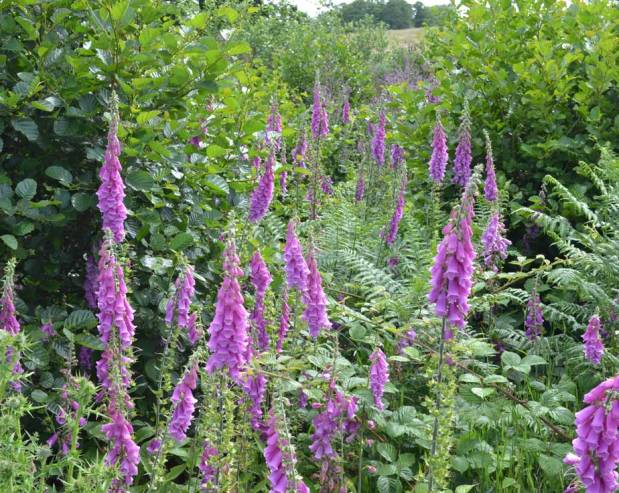
The bluebells are truly finished. They won’t be mentioned again until next year. So what’s replacing them? Well, don’t expect such fantastic sheets of colour in the woods themselves, now they’re becoming increasingly shady but around the fringes and in the glades foxgloves will begin to bloom. Some of the best are on the Oldbury, Ide Hill, Hosey Hill, One Tree Hill and Underriver walks. Red campion, stitchword, wild garlic (brilliant on the One Tree Hill walks on the path to Ightham Mote) and soon orchids are the other main contenders. If you missed the bluebells, don’t worry – there are plenty of vivid hues to come on the walks but they’ll be more dotted about a bit. The orchids are my favourites – but we’ll talk about that later. Having said all that, we will need some rain …

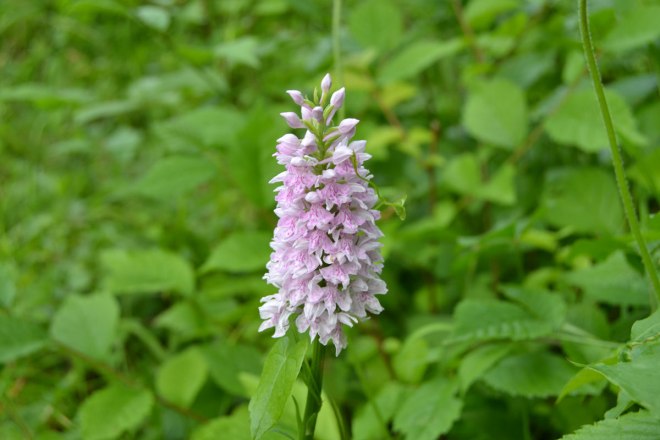
  • Common spotted orchid
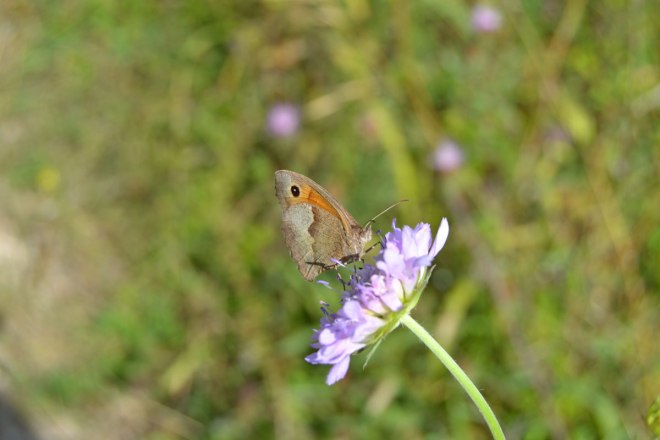
  • Meadow Brown butterfly on scabious
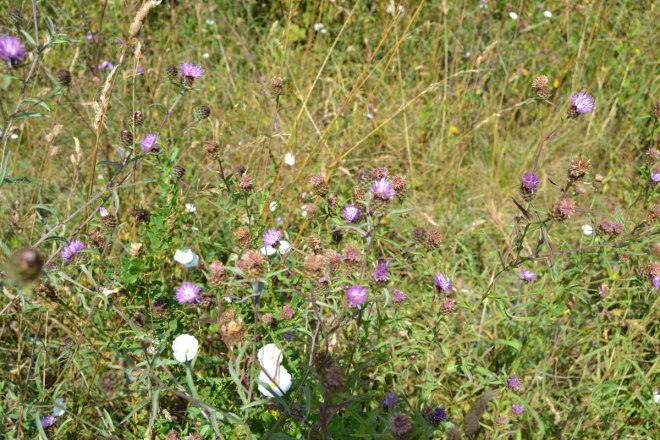
  • Knapweed and wild carrot
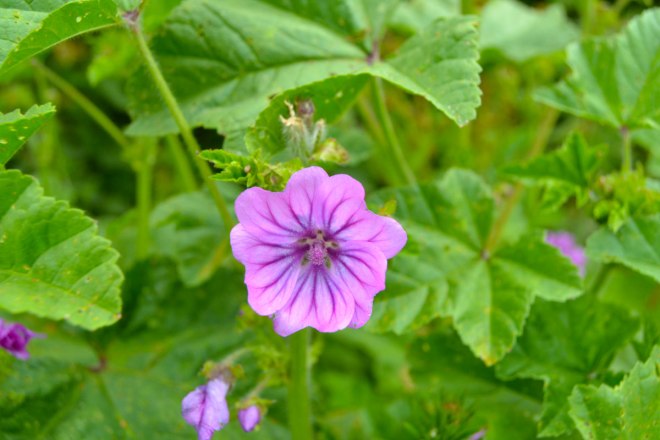
  • Mallow, Chevening.
Early bluebells and owl on a British Summer Time stroll at Ide Hill

Early bluebells and owl on a British Summer Time stroll at Ide Hill

The clocks have gone forward, the hurly-burly months are upon us. Hibernation is over. I marked this momentous day with a stroll on the Ide Hill route on the Greensand Ridge. The promise of early sun had vanished as altocumulus set in with scudding lower clouds driven by a decidedly sharp, brisk westerly. I was later than I hoped because I had overslept and then, after chores, decided to put on some music – mostly jazz, predictably enough. I drove out past Hayes and Keston listening to an interview with Miranda Hart on Radio 3. All very interesting; the programme was called Private Passions and Miranda discussed her various TV shows, where she was at and so forth. Her musical choices were interesting; there was some Grieg – as featured in a famous Morecambe and Wise sketch with Andre Previn – a haunting choral piece called O Magnum Mysterium by Morten Lauridsen and Stephane Grapelli’s take on Sweet Georgia Brown featuring Yehudi Menuhin. What a good set-up for a walk I thought, better than the usual football commentary.

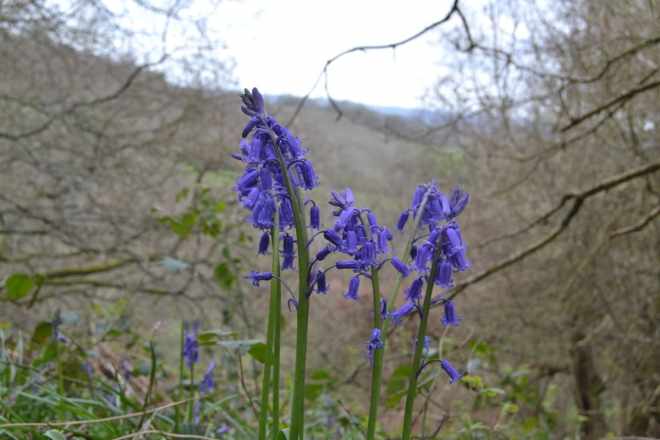
I decided to park by the Ide Hill Community Store, just round the corner from the village (Kent’s highest allegedly) – it’s a fantastic spot with a great view of the weald and Bough Beech reservoir. I walked up through the woods to the Octavia Hill seat amazed at the number of bluebells in bloom considering we were still in March. A nuthatch called stridently and seemed to dart at me, while tits tittered and greater spotted woodpeckers thrummed away in the background. What with the slightly odd weather and the clocks going forward it all seemed strangely out of synch; an impression reinforced by the sudden woo-wooing of a tawny owl – at 2pm for heaven’s sake.

  • Early bluebells in March at Emmetts Garden/Scord's Wood
  • Early bluebells

Later, in Scord’s, a wonderful wet woodland with lots of mossy old alder trees, my Merlin app picked up the sound of a marsh tit, quite unusual and another first for me. More nuthatches zoomed around purposefully and a pheasant joined in the tumult of bird song with its ridiculous rasping call that must alert every fox for miles around. I was hoping for a redpoll, a siskin or a treecreeper – all of which I’d seen here previously, but didn’t see any. The bluebells should be out in full within 10 days or so… they seem earlier this year than ever before. Is that just me? The National Trust’s Emmetts Garden was superb as ever with its cafe serving great coffee and cake.

All in all a memorable walk despite dull weather and not particularly muddy at all. No sheep or cattle encountered unlike last week at Fackenden Down when the highlanders surrounded the stile at the top of the Down itself. It just lacked a pint at the end; I was on my own so felt like heading off sharpish when back to the car.

Chalk in an early spring walk

Chalk in an early spring walk

After such a rainy winter it’s likely this weekend will see a mass exodus to our Kent footpaths, some of which have taken on a rather liquid quality in recent weeks. Sunday looks as if it’ll be the better of the two days but Saturday will be dry and mild – maybe the better bet if you want a bit of peace and quiet.

I recommend to bide your time… wait until things have dried out a bit, especially if you are thinking of a Greensand Ridge walk around Sevenoaks or Westerham. I’m no expert but the soil and geology of the walks on the sandstone and on the clay of the Weald tend to get very boggy at this time of year; the soils are thicker and water sits a lot more. Add into that the popularity of One Tree Hill, for example, and you find churned up paths and impassable stretches without detours into the brambles.

However, up on the chalk hills the surface water drains away pretty well through the thin soil into the porous chalk – generally speaking that is. Downe has got very squelchy despite having a chalk foundation. This is partly because of the silly fenced in path around the initial fields and the farming-induced quagmire at the end of the final field by the bus stop as you come back into the village. I’ve gone off it a bit out of season I’ve got to say.

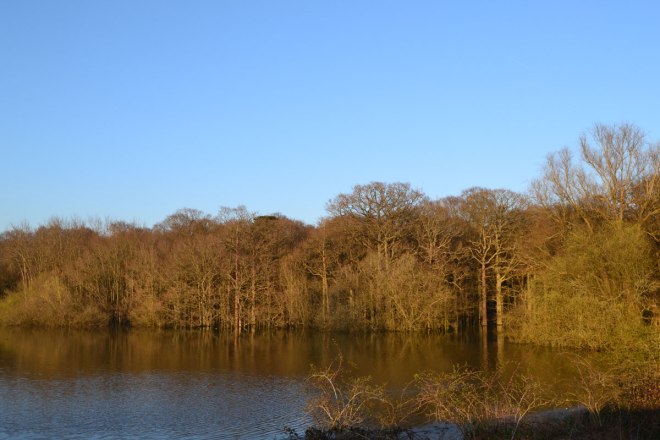
  • Flooded woods, Bough Beech
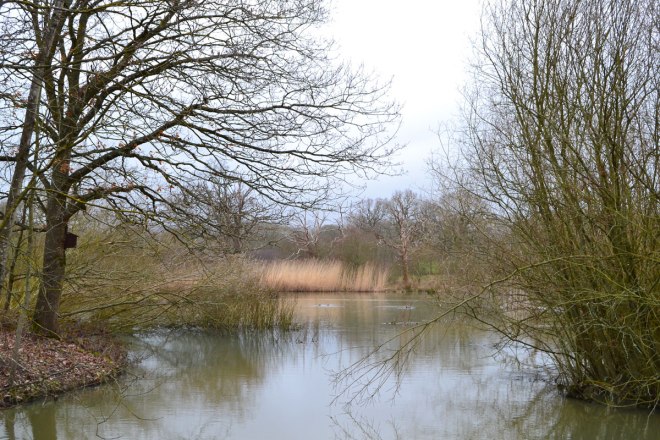
  • Bough Beech nature reserve
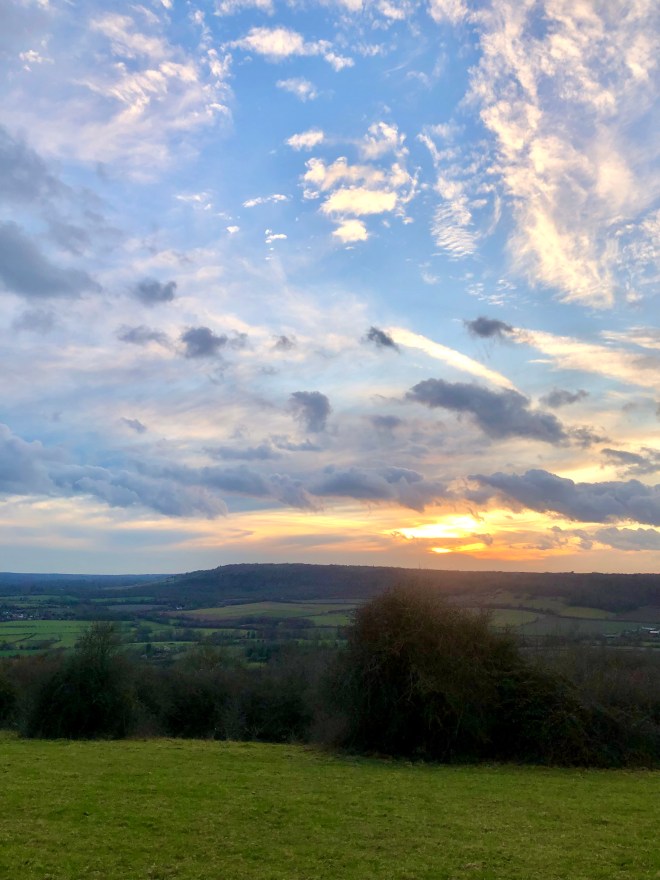
  • View from Fackenden Down
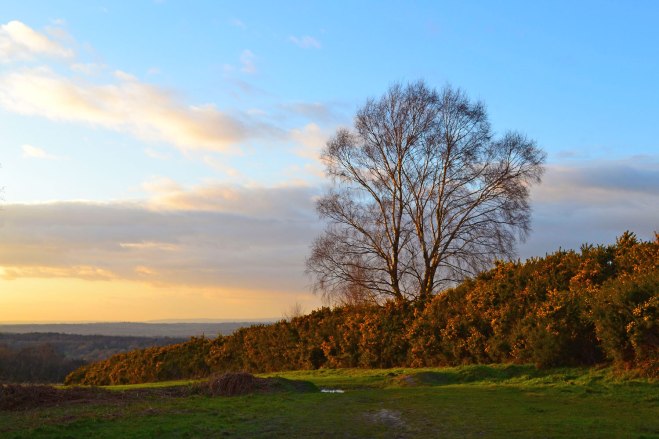
  • Gills Lap, Ashdown Forest

If you’re in doubt which kind of walk is which, the chalk walks are numbers 2, 3, 5, 12, 14, 16, 18, 19, 23, 24, 25, 27, 28, 30 (see top of the page to click on the links – I can’t be bothered to link these here!)

There are also tracks when you can get out of the mud – on the Chiddingstone, the Underriver, Knole and Bough Beech routes there are hardened paths to give relief. I’ve written about the tiny, quiet lanes here.

But there’s another factor to encourage you to walk on the chalk walks – the train. Eynsford, Shoreham (Kent), Otford are all on the Thameslink line down from Blackfriars. Kemsing is served by Victoria trains (but not Sundays sadly) and you can just about use Knockholt on the London Bridge line for walks starting in Andrews Wood (like Polhill and Pluto) if you don’t mind a walk to the start of the walk. There’s also the Hayes (not Middlesex!!) line from London Bridge via Lewisham for walks to Keston Ponds and Downe via Hayes Common.

Secret valleys on these NW Kent walks

Secret valleys on these NW Kent walks

Kent Walks Near London can offer several lovely, lonely little valleys with their own microclimates, special flora, shelter and that precious sense of seclusion. Here are four of the best on the walks here.

1 The Darent… but not as you know it

Tower Hill, Westerham viewed from the ‘secret‘ valley of the infant Darent stream

On the Hosey and Westerham walks I love the little south-north valley that winds its way from the sandstone ridge at Mariner’s Hill down to Westerham. It’s actually the valley of the River Darent just after it rises from a spring just behind the Greensand Ridge. I was delighted to realise this was where the Darent started, the stream is more associated with the chalk of the proper Darent Valley of Samuel Palmer fame – Shoreham, Otford and so on – not this obscure place near Chartwell.

Harebells
Harebells in the shadow of Tower Hill, Hosey walk

The river is bounded by beech and conifer (with Tower Hill a dark bump just to the east) and initially runs through a delightful meadow of wild grasses, unseen from the path. It suddenly broadens into large shallow pools as it heads to Westerham before turning east and making its way to its ‘proper’ valley. Autumn colours here are wonderful.

2 Magpie Bottom – great name, great valley

Magpie Bottom viewed from Austin Spring on the Fackenden walk

This stunning little rift in the landscape features on the Fackenden Down, Otford/Romney Street/Shoreham and the Eastern Valleys walk in different guises. It is so secluded that only walkers know of it. And the few residents of the curious hamlet I think called Upper Austin Lodge on the OS map.

Magpie Bottom is a classic steep-sided chalk dry valley (similar to but more dramatic than the ones on the Downe, Polhill and Cudham walks) running north to south from behind the escarpment. These are caused by glacial meltwater long departed. The valley’s head at Great Wood and Eastdown just behind the chalk escarpment of the North Downs to Rose Cottage farm is a series of wonderful spots unreachable by car, but really it’s gorgeous all the way down past Romney Street, Round Hill, Upper Austin Lodge and Eynsford where it meets the Darent Valley. Possibly my favourite place on all the walks, and all the better for no longer having a golf course in it!

3 A verdant vale on the way to Ightham Mote

Hidden valley behind Wilmots Hill, Ightam Mote
Broadhoath woods in the hidden valley behind Wilmots Hill, near Ightham Mote

My final Kent canyon (it’s not a canyon) features on the longer version of the Oldbury/Ightham Moat route and is mentioned as a route alternative on the One Tree Hill figure of eight walk (see the blue line on the Google map at the KWNL page). So on the One Tree Hill routes it’s a diversion, a short cut that you’ll have to check your maps to include. But on the longer Oldbury walk it’s part of the deal. What shall we call it? It’s round the back of Ightham Mote and passes through a wood called Broadhoath behind Wilmot Hill (which has some of the greatest views in Kent). It has a lively little stream that rises just behind the Greensand Ridge, a terrific pond with viewing platform and interesting flora as it descends west to east to Ightham Mote itself, passing a shed built to house early 20th century hop pickers (you’d think hop pickers were in fact horses judging by the design of the housing – the landowners obviously weren’t too bothered by other people’s comfort levels). Like the other little valleys it’s good for birds: marsh tit and bullfinch have been seen here. It’s another totally secret dip, accessible only to walkers, that’s like an entry to another realm; a world away, but its paths are only 55 minutes from Sydenham.

Take secateurs on your Kent walk!

Take secateurs on your Kent walk!

Things have got a bit overgrown on some of the more neglected paths. Despite the lack of rain, brambles have been getting busy and are giving their full attention to any bare legs they come across. Nettles too. The brilliant Eastern Valleys of Shoreham walk is the worse offender here… along the field edge coming up to point 3 in particular. That path is little used and things have got a little wild (there could well be an alternative route on a path within the woods, not along the field but I’m a little hazy on the details, it’s hot and I’ve been watching Glasto). I say secateurs, but a sickle or shears wouldn’t go amiss – whatever your implement, it’ll help keep things civilised. Obvs, don’t go crazy, just a little snip here and there to clear your path, we don’t want anything apart from brambles, the odd nettle and dogwood being snipped. Even on my brief Bough Beech stroll today I was assailed by prickles while on the pavement walking back towards the nature reserve (the kingfisher was showing well if you must know). Still, I survived; I always seem to, whatever terrible hazards the Kent walks near London throw at me.

The orchids of Oldbury, Kent

The orchids of Oldbury, Kent

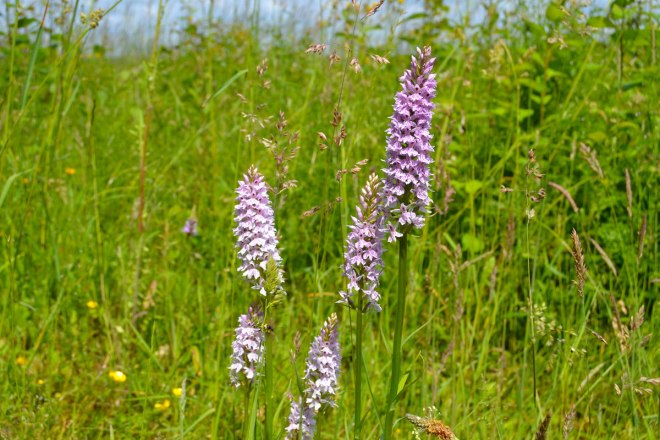
Orchids are in full flower across almost all the Kent Walks Near London. They particularly like the chalky North Downs routes, such as Heaverham, Chevening, Fackenden Down, Polhill, Lullingstone, Eastern Valleys etc (see list of walks above) but I’ve found great clusters at Hever and meadow fringes at Oldbury too, on the sandstone/clay of the weald and Holmesdale Vale. We unexpectedly came across the pictured common spotted orchids (the UK’s most often seen variety) on the Oldbury walk this week. This is one of the routes I’ve walked the least often; in fact I can count the times I’ve hiked the long and short versions on the fingers of one hand. I don’t know why, they are both brilliant strolls. The shorter version is mainly through woods and is one of the quietest walks on this website (apart from the bit near the A25). It takes in an enormous Iron Age fort, meadows facing the North Downs escarpment and a sandy trail past beautiful old fish ponds in rich woodland. I really recommend it – it’s got a special atmosphere, some might say even a bit spooky.

See the best places to see orchids on these routes.

Where’s best for orchids in Kent (but near London)?

Where’s best for orchids in Kent (but near London)?

Us south-east Londoners are blessed with proximity to great places to see orchids at this time of year. The chalk hills from Downe to Heaverham, along the North Downs escarpment are full of them, splashing vivid purple, pink and cream among the whites and yellows of ox-eye daisies, trefoil and buttercups. They are beautiful flowers and vital in the lifecycles of loads of insects.

They can be found on all the walks from May to July, but here are the best routes that feature them:

1 Fackenden Down
2 Eastern Valleys walk – the hillside that runs into Magpie Bottom from the south
3 Lullingstone
4 Downe (extend the walk to Downe Bank). Also should be a few on the Cudham walk.
5 High Elms (mostly in the woodland glades near the visitor’s centre)
6 Polhill

I also hear the water meadows just north of Keston ponds are a good spot. Perhaps southern marsh orchids there. I’d better go…

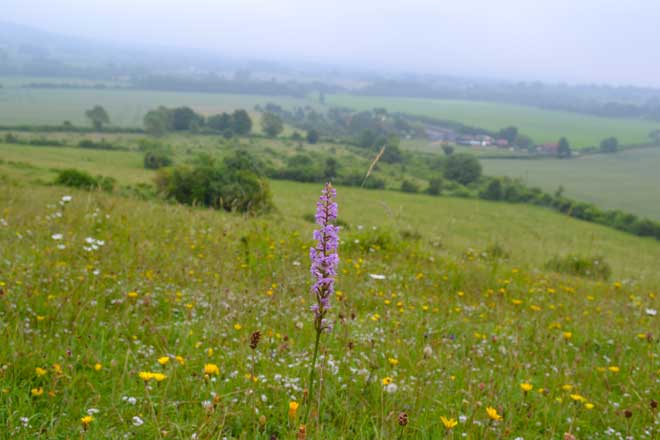
Various orchids pictured below include southern marsh, bee, fragrant, common spotted and pyramidal orchids at Hever, White Hill (Fackenden Down), Magpie Bottom, Polhill, Pilot Wood, and Downe.

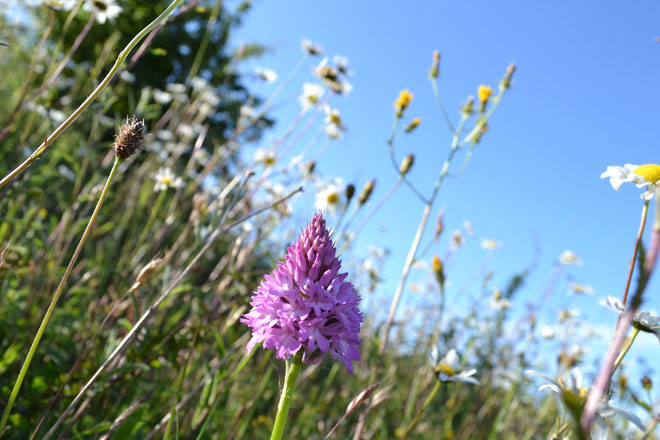
  • Pyramidal orchid

I’m sure you can see loads too on the Knockholt/Chevening route, all the Otford/Shoreham routes and Kemsing or Otford to Heaverham trail too – I just haven’t been on those recently to check. On the Greensand and the Weald they can also be seen in certain meadows and along hedges on the Bough Beech, Hever and Chiddingstone routes. But not quite as many as on the the chalk of the North Downs.

  • Pyramidal orchid, Downe

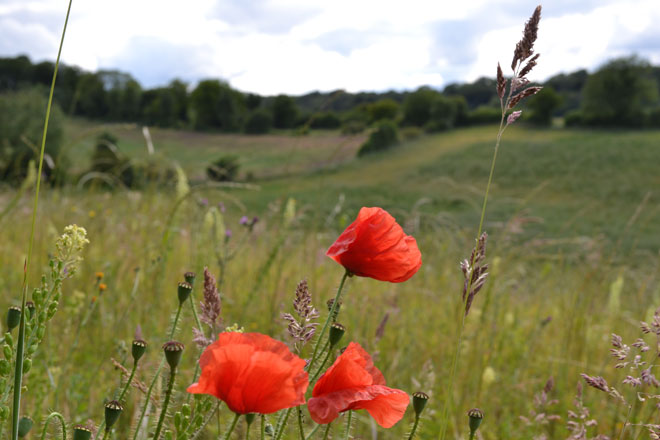
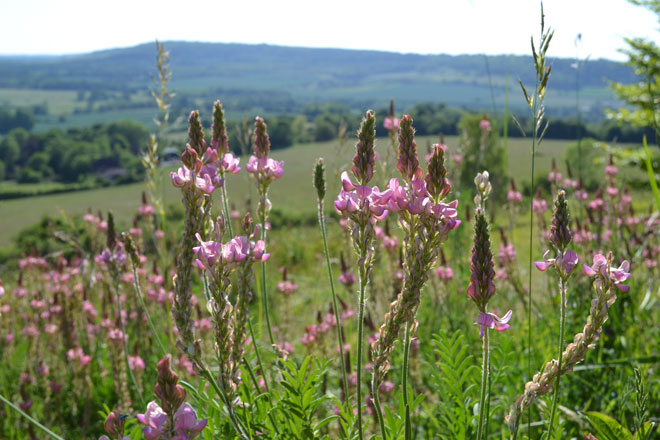
There are so many other great wildflowers to enjoy at this time. Sainfroin, for example, poppy, bugle, ox-eye daisy, and the lovely milkwort. Some are pictured below.

New route: Heaverham/Kemsing circular

New route: Heaverham/Kemsing circular

This route, no 28, is similar to walk 27, but is better for people walking on Sundays, when there is no train service. You can start it from the lovely Chequers Inn, Heaverham (if you buy a drink/meal); Kemsing village car park; or Mon-Sat from Kemsing station. Rather like the Chevening/Knockholt walk it’s another chalk escarpment route that drops down into the Vale of Holmesdale, and uses short stretches of the North Downs Way. The link below includes the usual Google map and the more useful OS map, plus written directions. PDF to download will follow in a few days!

Click here for full description and maps

Here’s something I’ve never seen before …

Here’s something I’ve never seen before …

Walking on the path through the scabious, ragwort, marjoram, yew trees and grasses on the chalky west-facing slopes of White Hill/Fackenden Down last Saturday I spotted a wasp spider – a creature I’d never seen personally. It’s a spectacular arachnid, one that has been increasing its numbers in the south-east over the past 15 years. I guess a powerful orb weaver like this will be snaffling up drowsy late summer insects in the coming weeks. The walk itself was as beautiful as ever but quite bereft of bird life, which isn’t unusual for late August just prior to the large migrations. Only a solitary buzzard and a charm of goldfinches being of note, though we weren’t being particularly observant. Oddly, not a single swallow was noted – unlike during the walk at Cudham the following day, where a red kite was also seen. My friend Teri took the spider photos.