Oldbury’s trees make for a cool heatwave stroll

Oldbury’s trees make for a cool heatwave stroll

The recent heatwave was great for a short Kent walk – especially under a tree canopy. Last week I headed to Oldbury, near Sevenoaks for the Iron Age Fort walk. It is the shorter of the two Oldbury walks, at 4.2 miles; the longer one is more like 7 miles and takes in Ightham Mote and Stone Street. I didn’t have time for that, great though it is, having set off mid-afternoon.

Check out the interactive OS map of this walk here

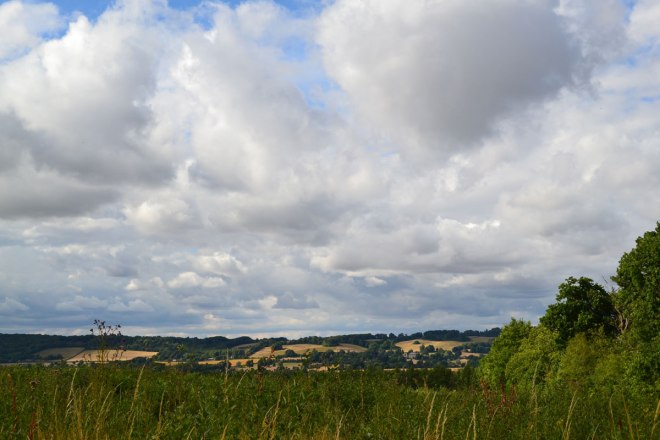
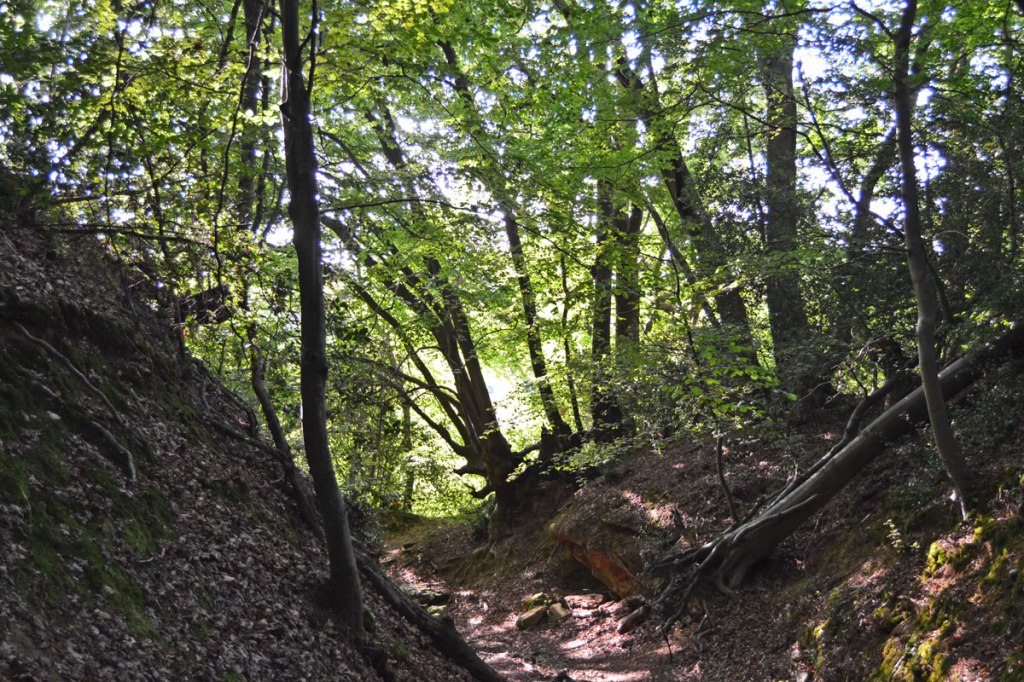
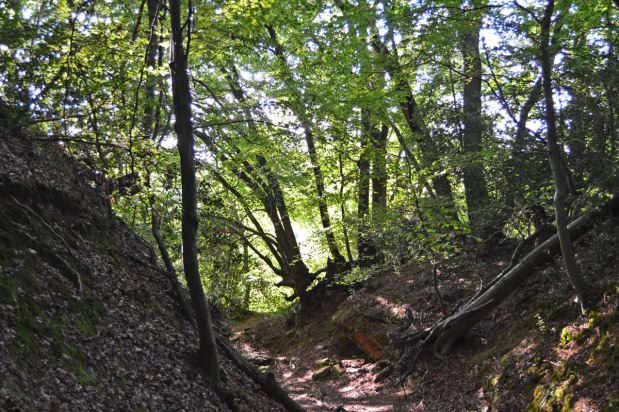
Both Oldbury walks take in two wonderful, contrasting woods: Oldbury woods (and its adjoining Styants wood), on the iron age fort; and sandy Fishpond woods behind the steep cliff of Raspit Hill. The fort – one of the largest in Britain – is clearly defined. It has a deep ditch round it, a flat top and holloway paths through the sandstone. Its woodland is a site of special scientific interest and is mostly of oak, birch, rowan and beech. The ramparts of the 2,100-year-old fort – 2.5 miles long and enclosing an area of 124 acres – are really impressive and apparently built by the Celtic ‘Wealden’ people who spoke the common Brittonic language. The National Trust looks after the woodland and reckons it’s possible that the hill was the site of a battle against Roman invaders around 50BC. It may not have been Celts fighting against Romans but Belgae, the old foe of Julius Cesar in Gaul, who had displaced Celts in the region a few years earlier. Anyway, it’s easy to appreciate the strategic value of the fort as you look out across the Vale of Holmesdale and Heaverham/Kemsing on the chalk escarpment to the north and towards the Weald to the south. Saxons took over the area after the Romans left and began coppicing the trees – a practice that has continued to this day.

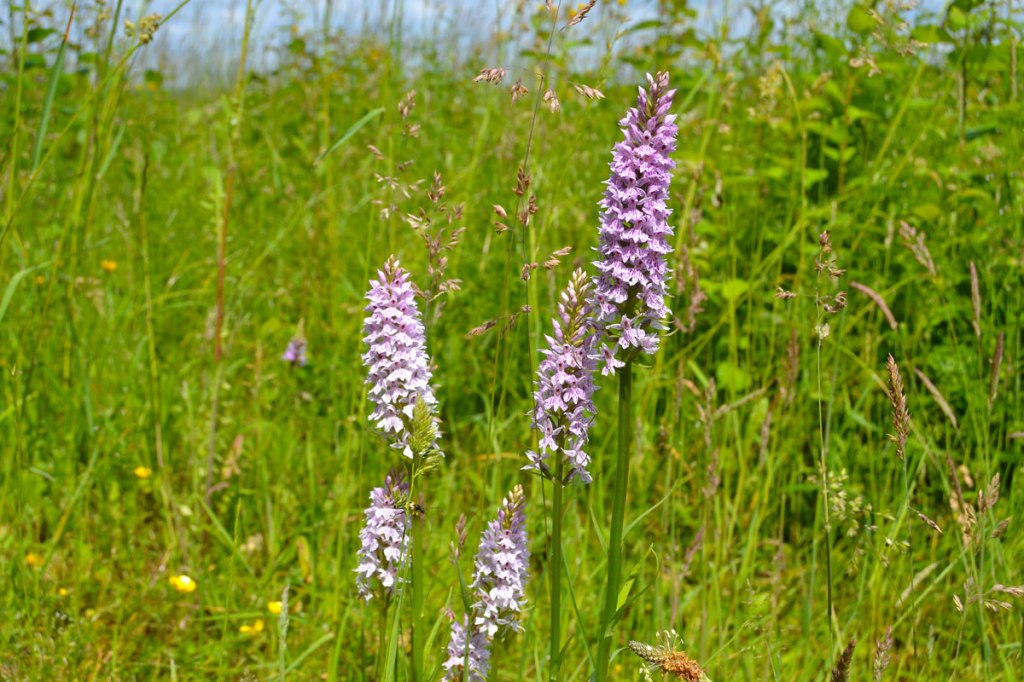
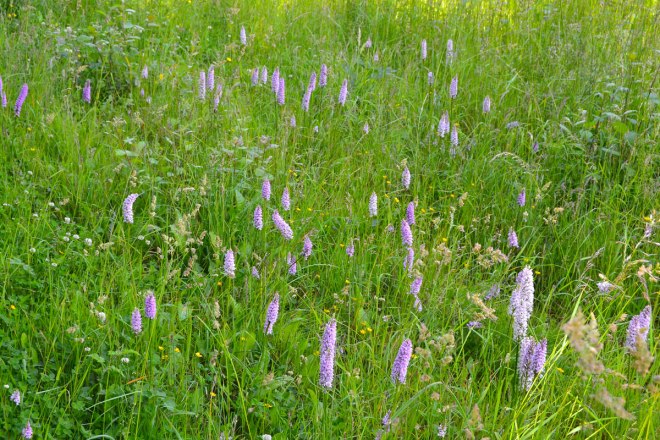
It’s natural attractions, away from the arboreal wonder, include plenty of orchids in the grassy wild meadows just north of the fort, wheeling buzzards and red kites, song thrushes, chaffinches and amphibians.
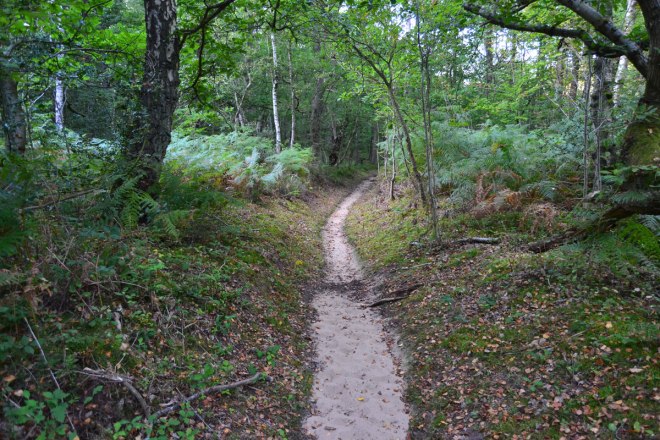
  • Sand path through Fishpond Woods, Oldbury

My walk was made even more interesting by my encounter with Long Distance Walkers’ Association hikers on their annual 48-hour 100-Mile Challenge (a circular route via Meopham to Crowborough). One them told me they had to walk through the night and would just take a few minutes’ sleep by the path. They were complaining a bit about the heat, having walked 18 miles already. It didn’t look like fun or even particularly companionable with many walkers seeming to stagger slightly. I’m sure it will have felt good when they finished though – 82 miles later! Perhaps a good bath may be on the agenda … I’ll never know.

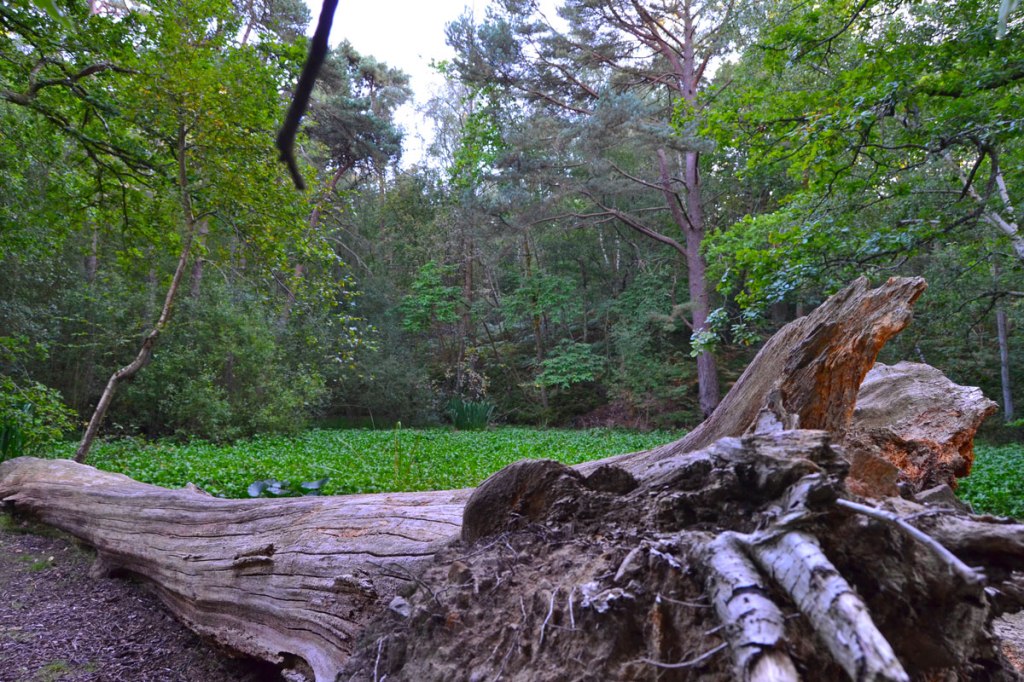
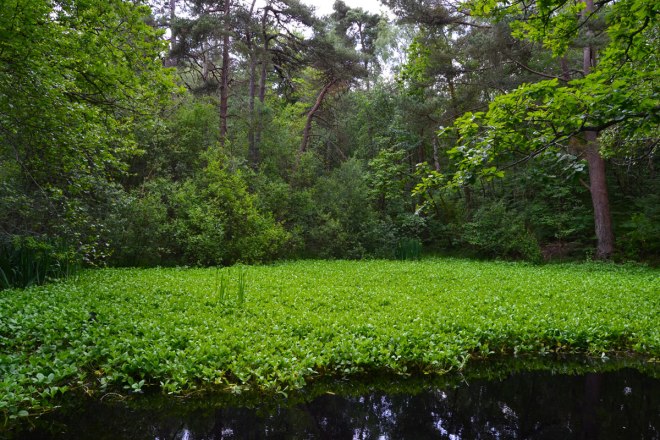
I left the brave LDWA walkers close to the picturesque school and church above Stone Street. I turned east, along the cliff top to Raspit Hill then down through Fishpond woods. There are more conifers here than at Oldbury, which make them popular with goldcrests and coal tits, I noticed. A small frog hopped out of my way on the sandy path, alerting me to the ponds themselves, shrouded in lily pads, reeds, irises and fallen logs. The first two, as you head north back to the Styants car park, are particularly beautiful, the final one more of a muddy pit. Overall, it’s a fantastic woody walk – up there with Chislehurst/Petts Wood, Ide Hill and the nearby One Tree Hill figure of eight route as my favourite tree strolls.
The orchids of Oldbury, Kent

The orchids of Oldbury, Kent

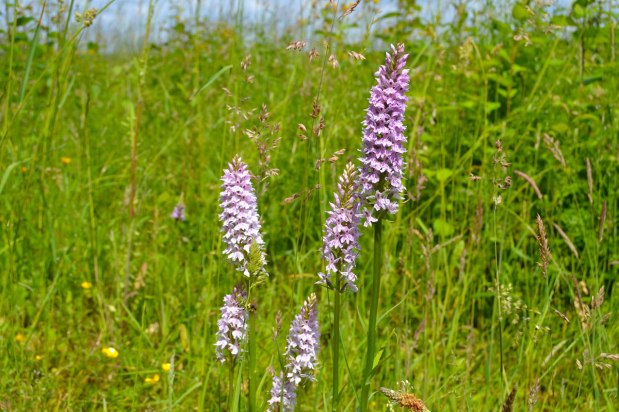
Orchids are in full flower across almost all the Kent Walks Near London. They particularly like the chalky North Downs routes, such as Heaverham, Chevening, Fackenden Down, Polhill, Lullingstone, Eastern Valleys etc (see list of walks above) but I’ve found great clusters at Hever and meadow fringes at Oldbury too, on the sandstone/clay of the weald and Holmesdale Vale. We unexpectedly came across the pictured common spotted orchids (the UK’s most often seen variety) on the Oldbury walk this week. This is one of the routes I’ve walked the least often; in fact I can count the times I’ve hiked the long and short versions on the fingers of one hand. I don’t know why, they are both brilliant strolls. The shorter version is mainly through woods and is one of the quietest walks on this website (apart from the bit near the A25). It takes in an enormous Iron Age fort, meadows facing the North Downs escarpment and a sandy trail past beautiful old fish ponds in rich woodland. I really recommend it – it’s got a special atmosphere, some might say even a bit spooky.

See the best places to see orchids on these routes.

The woody wonder of ancient Oldbury: a shorter route

The woody wonder of ancient Oldbury: a shorter route

Click here for full directions for Walk 29 at KWNL.

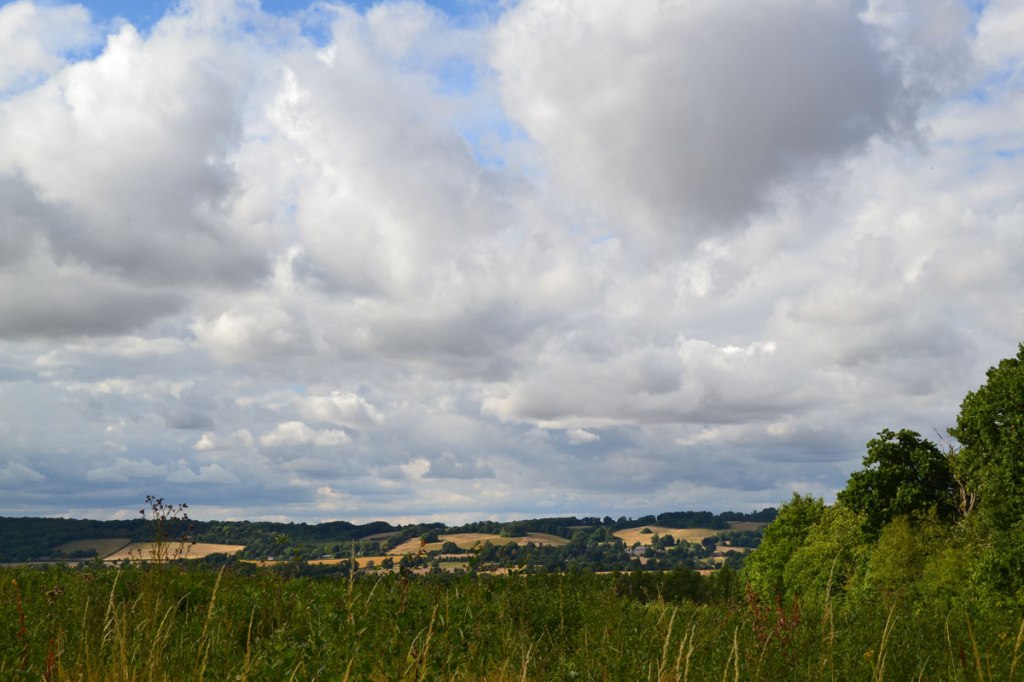
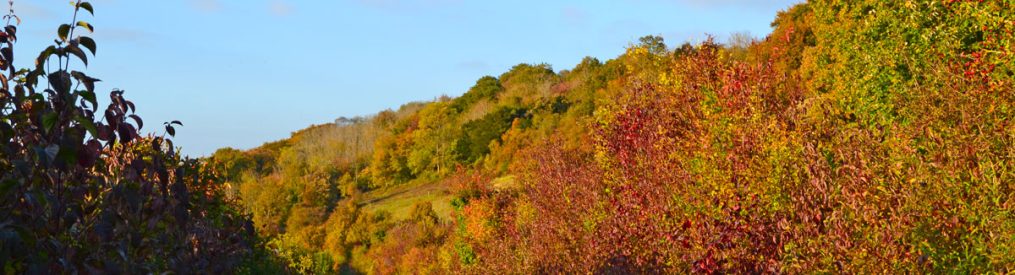
This is a shorter version of a really great woodland autumnal route. The Oldbury walk comes in at around seven miles once you wander around a bit. That may be a bit offputting for some, who prefer a 90-minute-2-hour stroll, no more, no less. So click here for a clipped version (Ordnance Survey GPX map). On this shorter 4.2-mile version you miss out on Ightham Mote and its secret valley but other walks on this site include these superb spots, such as the two One Tree HIll walks (walk 6 and 7). So, starting in the Styants Bottom Rd car park the new walk sets off east and around the Iron Age Fort of Oldbury Hill. On the fort’s northern side there are great views to Kemsing Down and the St Clere estate at Heaverham if you walk along the field edge. Then it’s back into the woods, crossing the A25 at Crown Point and walking up towards St Lawrence church above Stone Street. Just before reaching the church turn sharp left and follow the path along a cliff edge set back from the main greensand ridge before turning left down giant steps and following the sand path north through mysterious Fishpond Wood back to the A25 then on to the car park.

  • Oldbury Hill Fort
  • A log looking like the remains of a prehistoric creature
  • fish ponds
  • Sand path through Fishpond Woods, Oldbury

I’ve added some waypoints to the GPX map mentioned above to help you navigate. Some have labels (church, for example) others have Ordnance Survey grid references (TQ 5764 5613 etc) to help you pinpoint location on your smarphone (if you have one). I recommend using the GPX map because being mostly in woods it’s hard, otherwise, to know what path you’re on; however, walking around a bloody great lump in the form of south-east England’s largest iron age fort should help! Here’s the NT page, and here’s more about the history of the place here.

There’s also a Google map of the route here, but this isn’t GPX so not as useful.

One more thing about this walk: it’s a bit spooky. The woods, the ancient fort, the hidden cliff, the mysterious ponds in the woods. It’s … atmospheric let’s say.