Hosey heights

Hosey heights

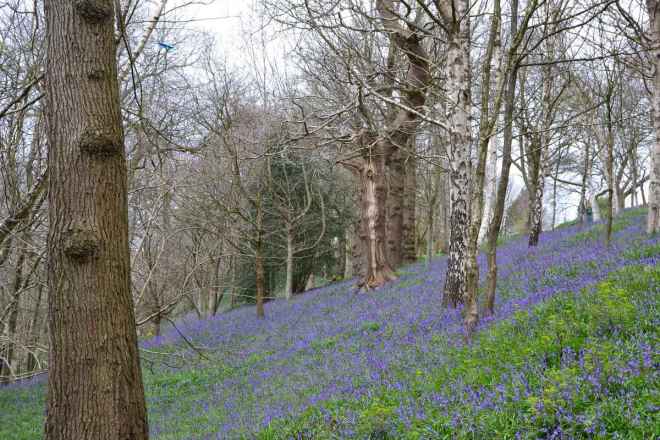
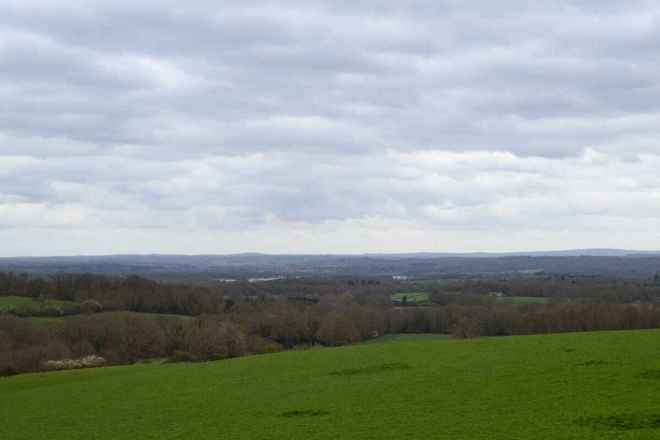
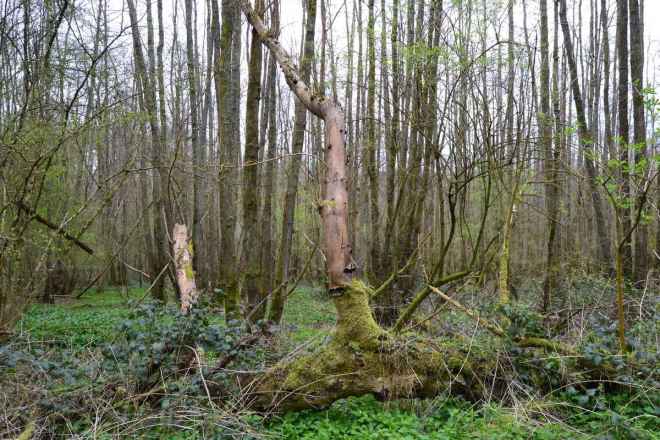
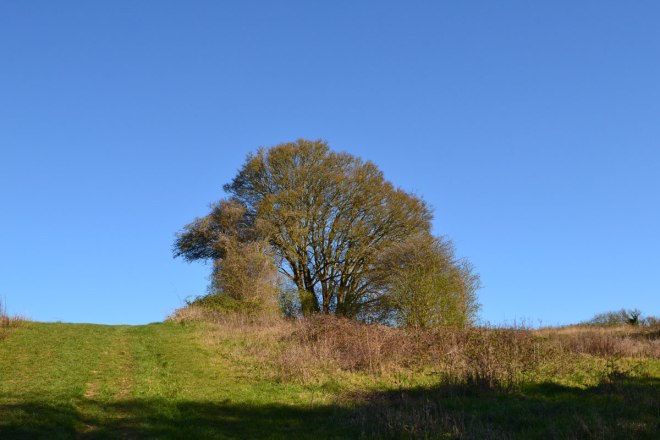
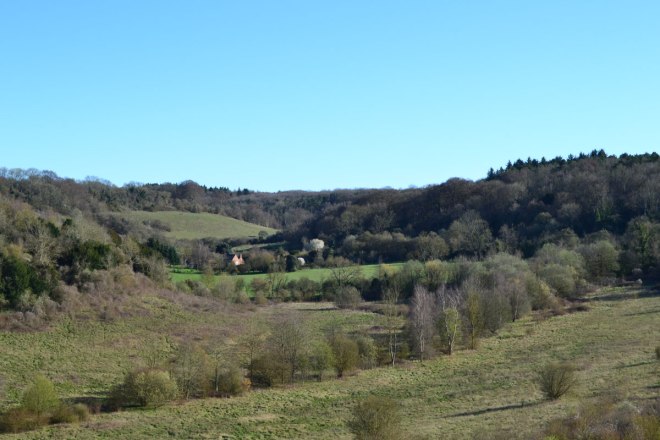
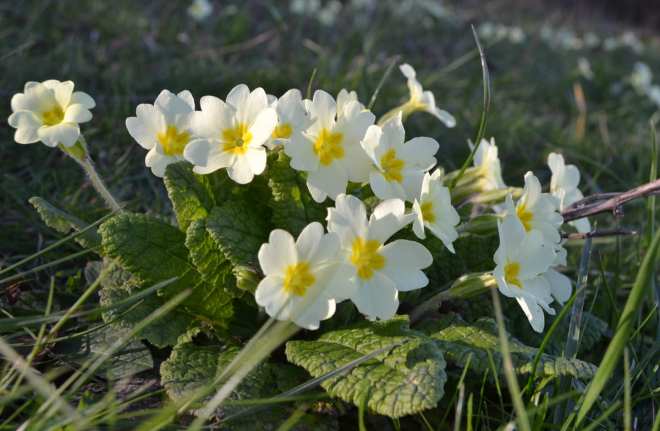
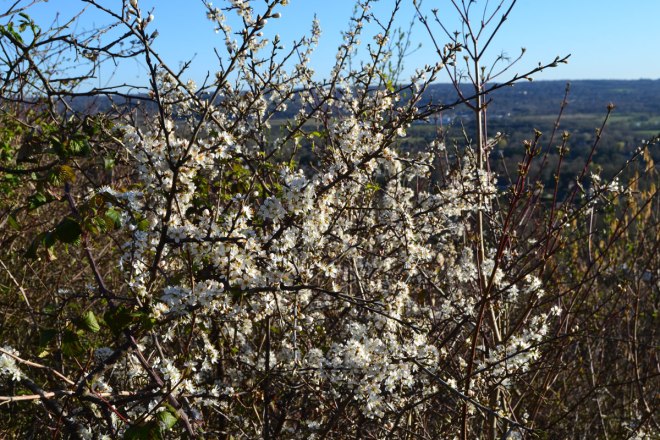
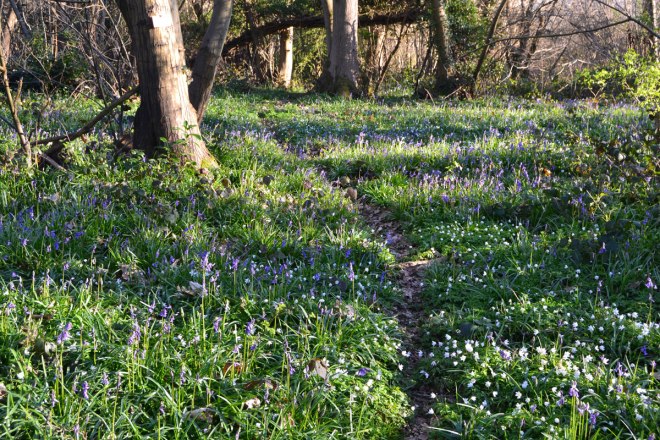
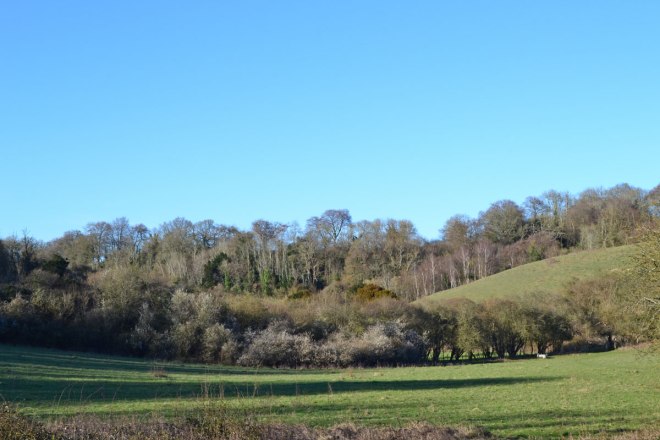
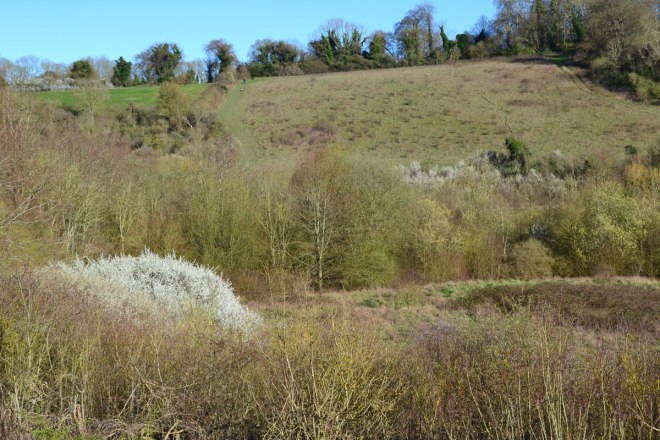
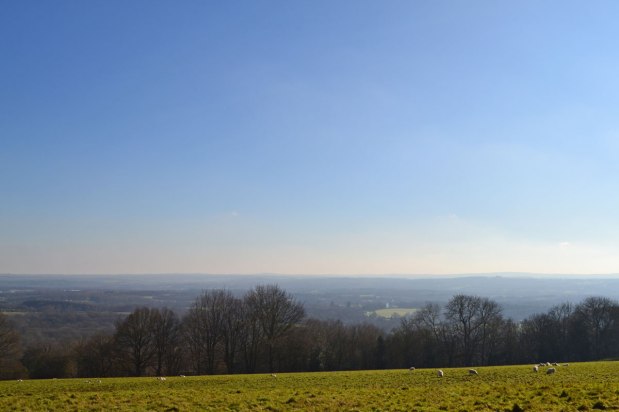
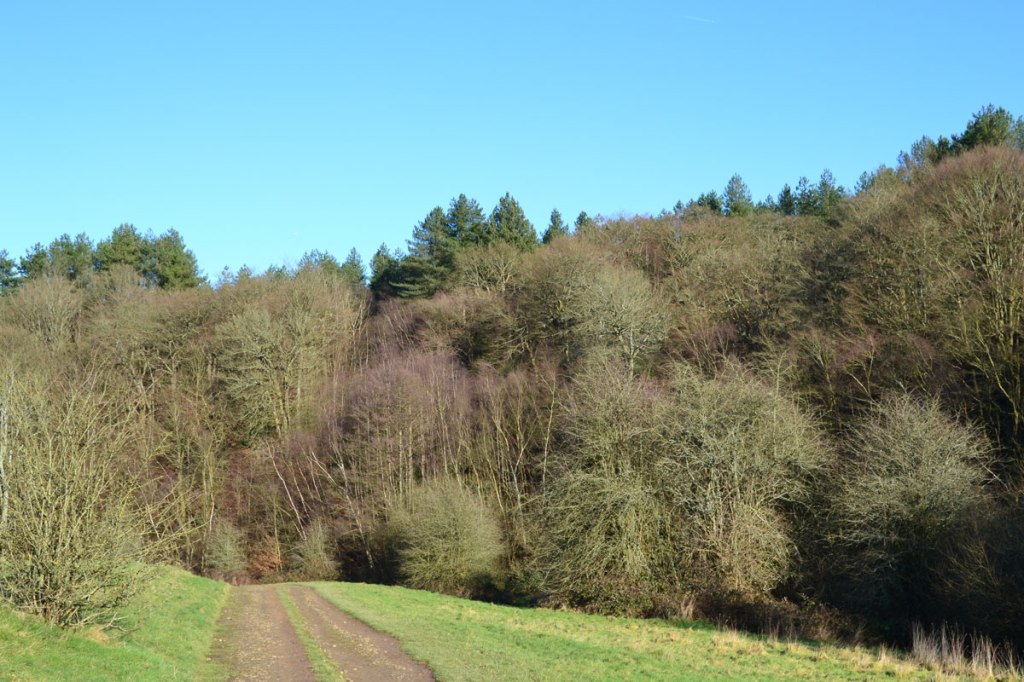
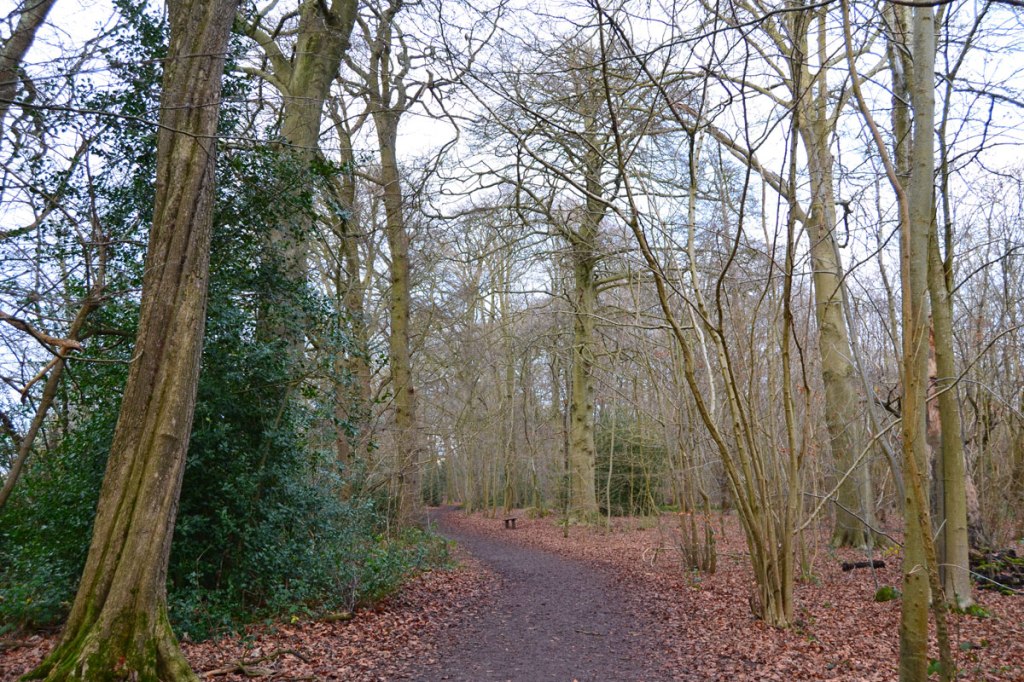
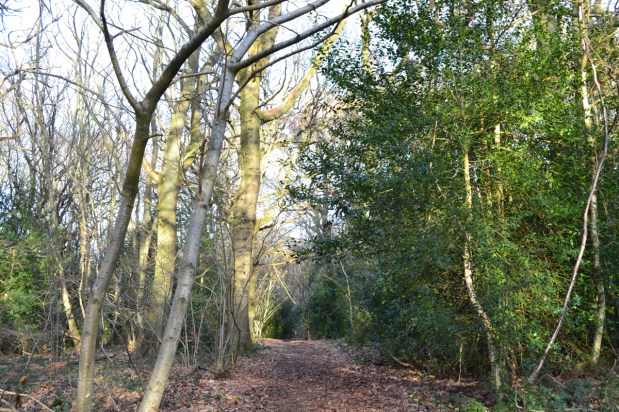
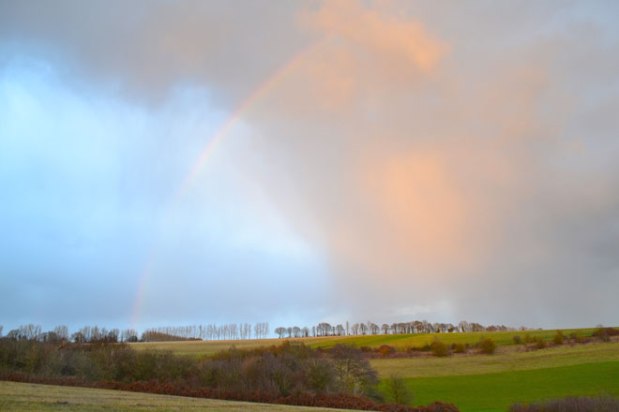
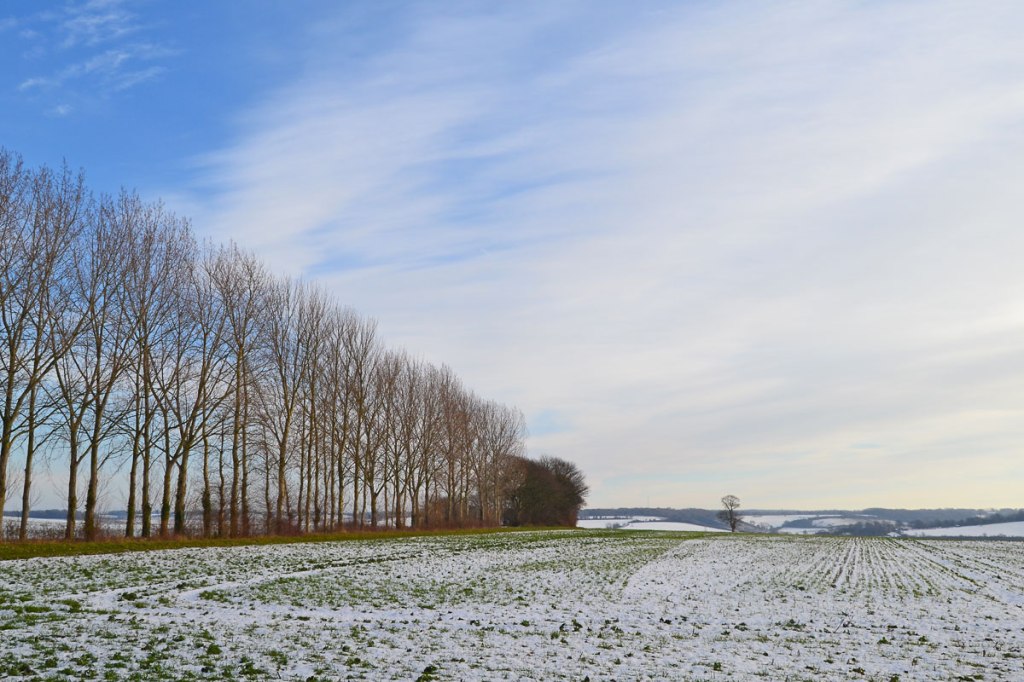
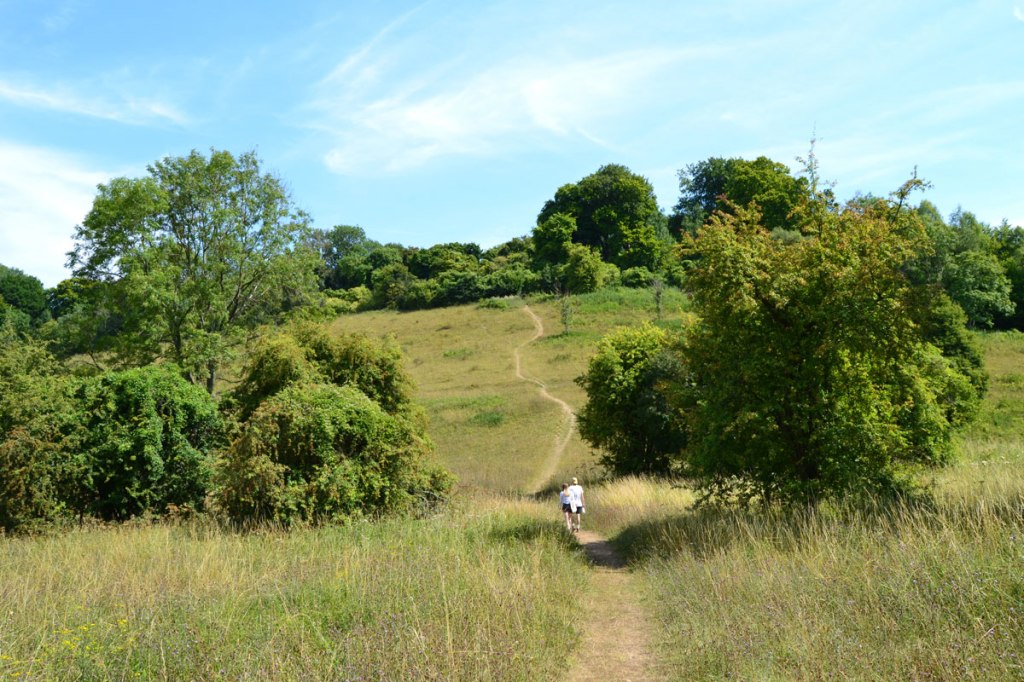
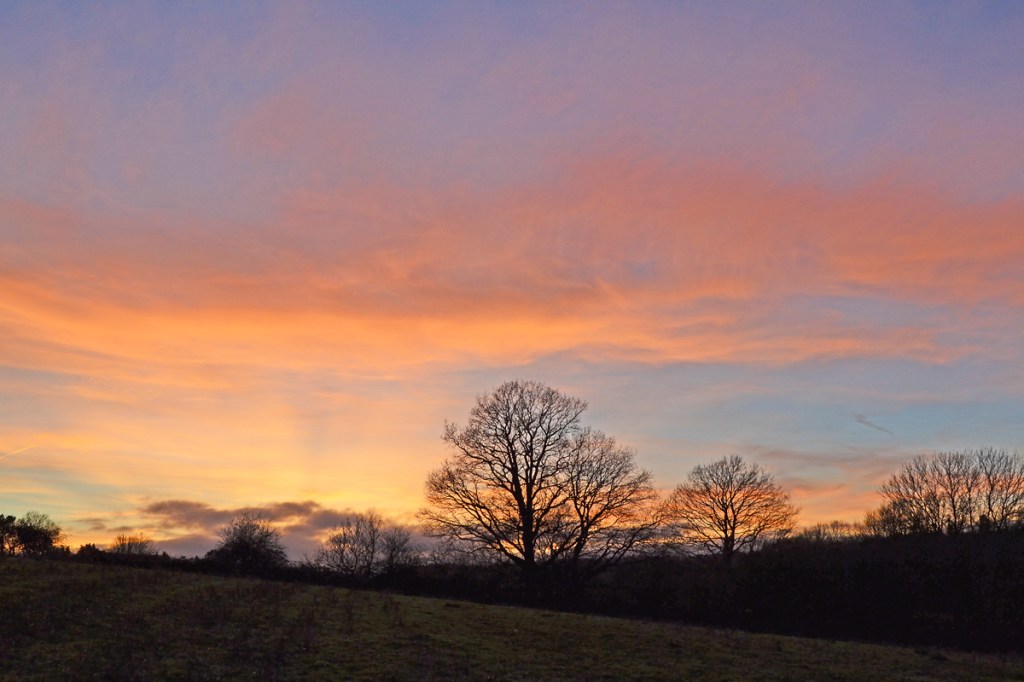
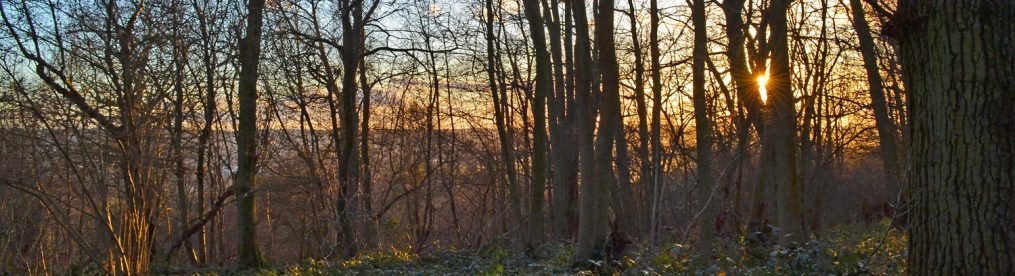
Three weeks after the previous perfect winter’s day – and another grey, wet interlude – another stupendous afternoon drew me out of SE London for a walk. I resisted the winter allure of Fackenden Down and chose Hosey Common for my pre-football walk. The early morning frost had gone, leaving the ground horrendously squelchy in places – many places – but the cloudless sky and sharp light were dazzling. The temperature was around 7C but somehow felt warmer; the lack of breeze meant you felt the sun and I reckoned a t-shirt was all I needed, though I had committed to a puffa jacket. As you can see from the photos, in this kind of light even the skeletal trees of February in England lose their bleakness; colour came back in to the countryside.

Using the OS Map app on my phone I came across OS Locate Me which displays a digital compass and an altitude reading. I’d never have guessed the Hosey walk reaches 715 feet above sea level (just after crossing Hosey Common Lane before the descent into Chartwell) making it probably the most lofty route at Kent Walks Near London (maybe the Ide Hill route near Emmett’s Garden pips it, as do routes starting from nearby Toys Hill). The OS site is great, not just for pinpointing your location but for lots of other stuff – if you pay, you get the 3-D ‘fly through’ feature, which is really great for getting a sense of the terrain and slopes you’ll encounter on the walk.

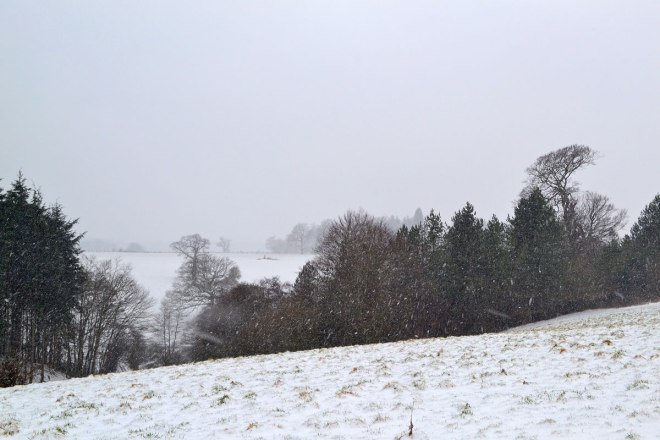
With my boys I once did the Hosey/Westerham walk in rather different winter weather. It was early 2018 and the Mini-Beast from the East was about to strike in earnest, but we didn’t realise this having not watched a weather forecast. The photo below reveals the conditions we faced near the end of the walk.

snow in Kent
Nearing the end of the Westerham walk in snow, 3 March 2018
Dank you very much 2024!

Dank you very much 2024!

Happy Christmas and New Year everyone! Great to see so many people use Kent Walks Near London for their end-of-year outings once again – particularly as yet again the festive season has failed to produce those ‘crisp’, ‘frosty’, ‘bracing’ walks the Sunday supplements are so fond of telling us about. But we plough on regardless… learning to enjoy the dankness and the shades of grey, the browns and blacks of the Kent countryside at this time of year. Well we would have ploughed on if it hadn’t been for horrendous bouts of cold and flu that has grounded even this most militant of militant Kent walkers. I’ve barely managed a foot-foray in the past couple of months.

Yesterday, though, I took on the mighty High Elms loop – adventure is guaranteed once you’ve got past the social dog walkers, many of whom don’t seem to get more than few hundred yards from the car park. I really enjoy the woods on this walk, one huge holm oak particularly commanding attention on the quiet side of the loop away from the High Elms centre. There are also pines, and some larches, and an unlovely but wildlife-friendly scrubby field on the opposite side of Shire Lane that always attracts kestrels (perhaps owls too, late in the dusk) hunting for mice etc. Birds were thin on the ground. I heard a thrush, but other than a solitary kestrel and the usual robins, great tits and parakeets there was nothing to report. I thought I heard an owl, but I suspect it was just some bloke putting on a silly voice while calling his dog.

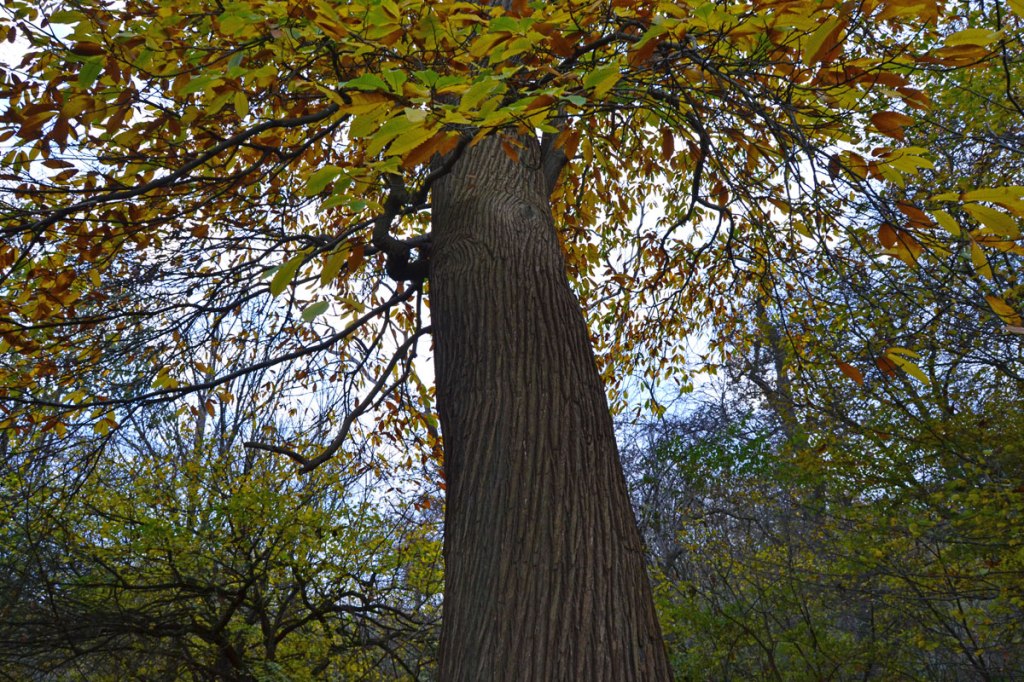
Photographs: A kestrel wheels away after hovering over the scrubby field between Farnborough and High Elms; winter dusk in the woods; one of High Elms’ many paths; a sweet chestnut in late November at Lullingstone’s Beechen Woods.

The area around the Beeche centre and cafe at High Elms – the old Lubbock gardens – are great to explore, especially with kids. The walk is pretty gentle, with no steep sections and it’s easy to shorten it if you need to. I needed to as dusk and a bout of sneezing settled in. Parking in the car park at High Elms is ideal but it gets very busy, which is why my route suggests parking in Farnborough village near The Woodman or the church and starting/ending there.

Encounter with a kite

Encounter with a kite

Two weekends of truly muddy conditions have passed; both have been very mild and reasonably bright (well, the Sundays anyway) but with heavy rain overnight only the most hardy, dedicated walkers have taken to the squidgy, squelchy paths. Last week we splashed around the 3.5-mile version of the Knockholt Pound/Chevening route; today, with a bit less time available we took to that old staple the Downe walk, with a couple of variations. The final field once heading back to the village was a glutinous saturated sea of clay, as it usually is after heavy rain. Oh for the days when this was a wildflower and hawthorn meadow left to its own devices, alive with the calls of yellowhammer and skylark. The Downe walk has lost two delightful wildflower meadows in recent years – one to a scraggy looking crop rotation, the other to grazing by a non-existent sheep flock.

  • Red kite, Downe, February
  • final woods, Downe
  • Chevening
  • Chevening
  • Beech trees, Downe, February
  • Knockholt Pound

Anyhow, never mind, there we go. Let’s focus on the positives: bright skies, great colours, a sudden crescendo of bird song including skylarks after a silent winter, a Spitfire taking off from Biggin Hill – what a brill din! – and a few snowdrops to admire. Best of all there was some wonderful bird of prey sightings. On the Knockholt route we were checked out by a low flying red kite and were given a private buzzard show. At Downe this Sunday I’ve rarely seen so many buzzards gliding and soaring. A hovering kestrel joined the party at one point, while on the return leg of the walk, on the hillside above the golf course, a red kite seemed to follow me along, drifting, sideslipping and wheeling on the breeze. These incredible birds have only been regularly seen on these walks in the past 10 years or so. They are a most welcome addition – along with the buzzards, themselves a relatively new bird to this part of Kent in these numbers. On entering the final beech woods I heard a tawny owl call, despite it being only 2.30pm.

Cudham walk advice

Cudham walk advice

Thought it worth mentioning. The heavy rains this winter (until recently) have damaged the chalk path between points 2 and 3 and displaced a lot of stones on the Cudham route. There’s now a mini ravine for some of the path and a lot of bits of rock. Only a minor inconvenience really but worth knowing. I don’t see how it gets ‘fixed’ in the short term and will probably get worse as we’re not out of the woods yet (pun intended).

Erosion on Cudham chalk path

Even more worth knowing is that soon after Point 4, the stile leading into the wood adjoining Newyears Wood, where a lot of chopping goes on, has gone missing. Now you have to climb over the low wooden fence to use the public footpath there. The yellow waymarker sign for the public footpath remains in position. No sign has been erected saying that this stretch of path is temporarily out of bounds has so I say you are totally entitled to carry on using the path. I hate it when landowners don’t take care of path access – it’s just disrespectful and careless.

Cudham short version (3.3 miles)

There is a short cut version to avoid this hopefully temporary missing stile bore. It takes just a mile off the route but misses out on the nicest bit of woodland at Birches Croft, on the edge of New Years Wood.

Still, the stile issue is not as serious a problem as the idiots who have literally cut down the traffic lights on the Hayes to Keston road at the junction of the A232 – yes, it looks to me as though an angle grinder has been used to cleanly chop all four traffic lights at this now dangerous crossing point. I guess it’ll be quickly remedied.

Watery winter walks

Watery winter walks

I should apologise. For the past couple of months I have been enticing people out into the local countryside with flattering photos of the atmospheric woods and hills of north-west Kent in winter. I have depicted frosty and snowy scenes, blue skies and wonderful sunsets. I have described hearty, bracing walks finished off at a village pub with a warming fire. Worse, I even encouraged people to go on strolls over the festive period. In mitigation I have mentioned the risk of mud patches and even suggested that rainy walks in murky conditions aren’t necessarily a bad thing, but there’s no getting round it: anyone following my advice of late has probably been soaked to the bone, slid over in puddles, muddied their entire wardrobe, and not received anything in the way of “bracing winter walk” vibes. On a drizzly stroll with friends in Richmond Park last week under prematurely darkening skies I actually fell headfirst into a ditch that houses a tributary of the Beverley Brook. Usually, hilarity would have ensured, but my comrades were too immersed in the perils of having to cross the stream themselves to laugh at my misfortune. Unlike me they took the flying leap option, whereas I had attempted to span the abyss with a long stride.
A lovely path on the Cudham walk nearing point 3 is not so lovely after weeks of rain

Anyway, conditions are terrible out there. Mild temperatures and high rainfall totals have created a dreadfully slippery environment. Playing golf at High Elms on New Year’s Day (the morning and early afternoon offered respite from the rain) we found it hard to hit the ball properly on the muddy fairways. We saw walkers, inevitably brandishing sticks with which they tried to scrape vast clods of clay mud weighing down their boots.

More heavy rain is forecast for Thursday and Friday of this week. The weekend should be drier but cloudy with lower temperatures of about 4C. Time to get going on those Christmas books I reckon …

A Christmas trudge – then some fudge

A Christmas trudge – then some fudge

We chose Lullingstone for our Christmas morning walk. Well, I didn’t actually. It was the family choice, and a surprise one because I was, for once in my life, all for staying in and wrongly assumed my partner would be. I’m glad we did though: staying in all day and not walking anywhere is hardly ever the right choice, even with a turkey to roast and fudge to finish.

There’s no denying that in the mild, grey, mizzly, boring weather the Darent Valley landscape seemed to have lost a bit of its lustre. It felt as if we’d taken it by surprise – it’s usually ready for us and induces an inward gasp of delight as we get our first view of it. On Christmas Day it looked a bit bleak, a bit ‘meh’. It seemed to be saying, “oh it’s just them again – I can’t be bothered frankly.”

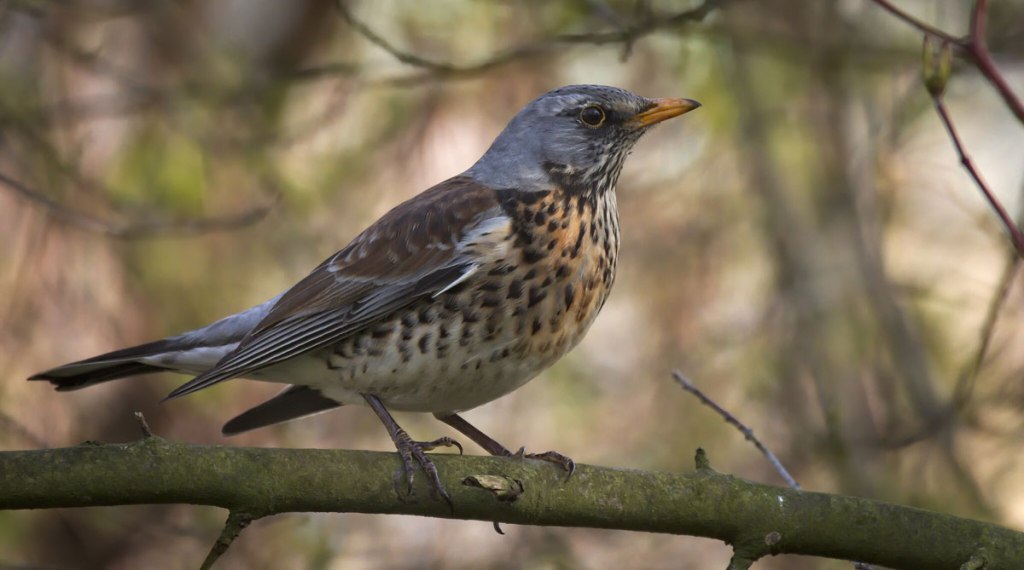
Fieldfare profusion

But on closer examination there was a lot to enjoy: huge groups of fieldfare (a winter thrush visitor from north-east Europe); a few chaffinch (relatively scarce nowadays in these parts) in brilliant winter plumage; loads of berries – haws, rosehips, elderberry in the main – and long-tailed tits flitting through open woodland. The profusion of berries was the attraction for the fieldfares. My regular Lullingstone kestrel did not appear, nor did the almost tame goldcrest I’ve encountered previously in Upper Beechen Wood. (Fieldfare photo: hedera.baltica/Wikimedia Commons)

Oh, that tree!

I’m often astonished at myself for not noticing things – I’ve been known to sit on sofas at home without realising they are brand new, turn on TVs that someone has just delivered and installed, and fail to remark on a room‘s entire renovation. I exaggerate, but it amazes me that I’ve walked past the extraordinary old oak at Lullingstone pictured below at least 200 times without really clocking it; a memory of it must have been lodged in my brain somewhere since childhood, but in the subliminal part. In a similar vein there’s an elegant art deco building opposite Brixton station that’s very familiar to me but it was only last week, on returning from the Ritzy, that I actually looked at it and saw it for what it was. I’ll never ignore it again, and the same goes for this incredible oak.

To be fair, there are several of these oaks at Lullingstone, mostly up towards the golf clubhouse in the west of the park (unlike this one). With some I’m not quite sure if they’re dead or alive. There’s one that you could actually hide inside. This one, which is maybe 300 years old, has a kind of elephant’s face embedded, is indicated on the map below. I’m going to try to keep eyes and brain a bit more joined up from now on. Probably means less daydreaming – let’s see!

Click on the link for a ‘live’, gpx version of this 4-mile Lullingstone route at OS Maps.

Most memorable walks of the year 2023

Most memorable walks of the year 2023

This time last year there was snow in the North Downs; not a lot but certainly enough for bleak midwinter atmosphere, providing one of 2022’s most memorable walks: a saunter around the whole of Lullingstone (pictured below).

By contrast, this year’s winter walks have so far been muddy wet trudges in the gathering gloom. I did really enjoy Hosey Common the other week (see previous blog post) in atrocious conditions, because it reminded me of Scotland, I was with an old friend and family, and quite frankly I needed to get out – so it was great. Walking in uninspiring weather and finding pleasure is a challenge, a task that one must learn to relish, especially if one runs a walks website, which one does.

So looking back over the year none of my most recent strolls will make it into my most memorable top three and I’m gambling that my Christmas walks won’t top those this selection. An “out of town“ sortie to Hastings country park was among the best but was disqualified on obvious grounds.

This leaves my favourite walks in 2023 as:

  1. Chiddingstone, 15 September: scorching late summer sunshine heavy with humidity; dragonflies and damsels over the River Eden; soaring buzzards, long grasses shimmering, a great pint in the Castle Inn with family. Blissful.
  2. Fackenden Down, 26 August: old friends visiting from abroad joined us. They were more used to the chaparral of southern climes than the moist beech woods, scabious meadows and brambly hedgerows of the North Downs. They had read my piece in the Guardian about this walk and fancied a good old saunter. Iffy weather but delightful company and a lovely sesh at the Mount Vineyard and Samuel Palmer pub afterwards.
  3. Ide Hill, 3 February: an incredible multicoloured winter evening sky and rare close-up sightings of treecreepers in mysterious Scord Wood really made it. The ram pump pond was perfectly still and there were timeless frozen views over the wintry weald to enjoy. Again, great company – an old friend joined me. We finished in darkness with a bright moon picking out the gathering mist.
  • Tudor houses, Chiddingstone
  • Kent walk
Dull, damp and delightful

Dull, damp and delightful

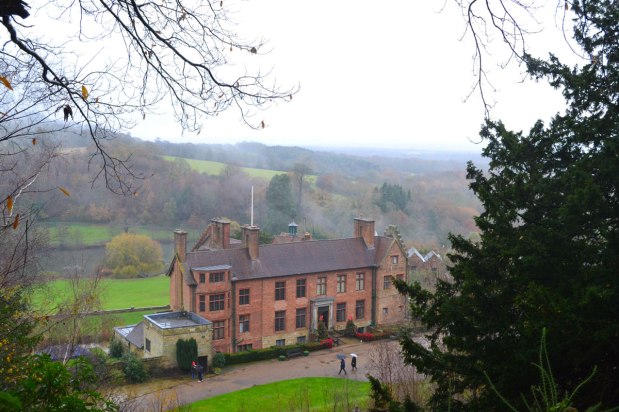
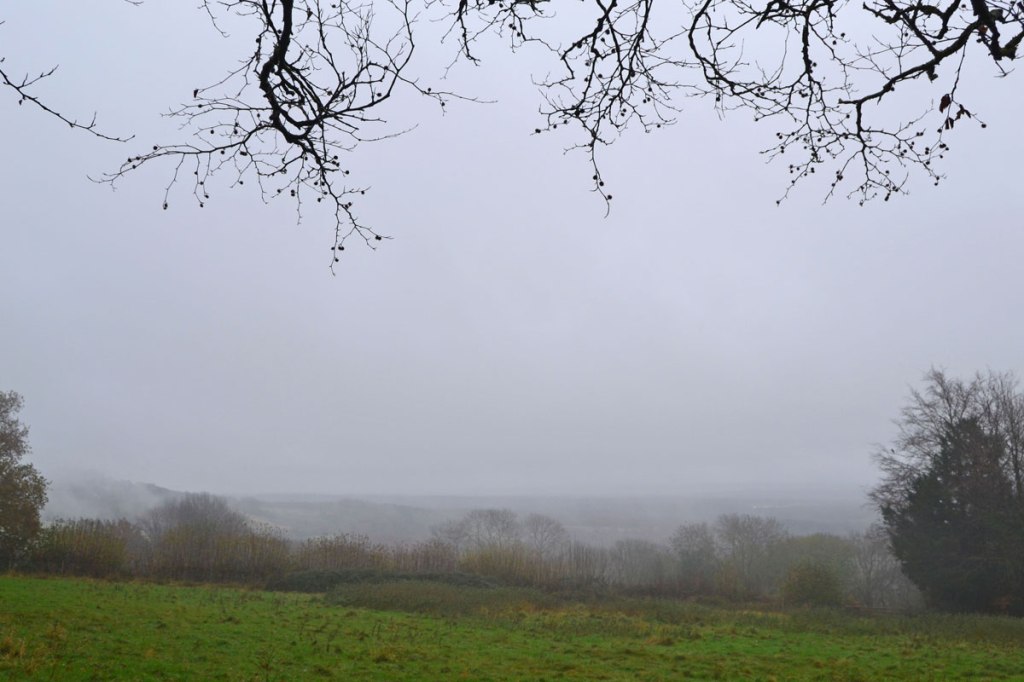
I love to walk the Hosey and Westerham routes in late autumn because of the views of the Low Weald woods from Mariner’s Hill and the hues of the trees on the lower slopes of Tower Hill along the infant River Darent. I missed out on those treats this year but last Sunday we took the Hosey route despite persistent rain and cloud so low it scudded into the hollows of the Greensand Ridge and draped itself over NT attractions such as Chartwell and nearby Emmett’s Garden. We did the walk in reverse, which made life a little less predictable but also disoriented us on a couple of occasions. Even the familiar can confuse when approached from a different direction (wise words indeed ha ha). Despite the rain and mud it was a lovely atmospheric stroll and further proof that, as the great walker Alfred Wainwright said, “there is no such thing as bad weather only the wrong clothing”. I can’t say I had the right clothing, given the fact that my jeans were covered in mud by halfway through and the skin on my bare hands had shrivelled, but these minor discomforts were dwarfed by the pleasure of being out in the countryside. Small birds, including three bullfinch – a rare sight – flittered in many of the hedgerows, a sign that recent frosts have softened and sweetened the berries enough to be gulped down. (Pictured below: Mariner’s Hill views in cloud and rain; water meadow of infant River Darent – a good spot for bullfinch. Above: Chartwell)

Frisson in the North Downs freeze

Frisson in the North Downs freeze

There’s a real pleasure to walking in very cold conditions and not only because you’ve bought some hot chocolate with you with a shot of rum in it. The light, the clouds, the wonder of winter and the sudden dusk all bring an edge of adventure. It’s a great time for a walk. Often the mud is hardened by frost too so you can stride without getting bogged down. We don’t often get snow in these parts but remember that if there’s a hint of the white stuff in south east London there’s a good chance there’s a lot more of it on the North Downs. So if you have children pining for snow larks, there’s always a chance that by heading to say Fackenden Down, Polhill or Knockholt you might have a bit of luck. It’s worked for me over the years. I particularly love the atmosphere of Knole in winter – the frosty hollows and rich (ish) bird life coupled with that huge medieval home that is lit so beautifully by the setting sun and from within as twilight comes on, are an essential part of my mid-winter wanders. This little cold snap will be over by tomorrow evening but there’ll be more to come.

  • Downe, Kent, England
Early February sun, then gloom. But let there be jazz!

Early February sun, then gloom. But let there be jazz!

Last week, the Cudham walk was terrific with sunshine and wisps of high cirrus stippling the sky. The medieval flint church (pictured), shaded by ancient yews was beautifully lit as was the wonderful New Year’s Wood. There was little in the way of mud, but also few birds for some reason, even among the hedgerows. This drop off in the numbers of birds is something I’ve seen right across the walks lately. It seems to me that rich, well kept woodland areas such as Scords Wood and Petts Wood aren’t doing quite as badly as farming and pasture areas. This is what worries me about those new fences at Downe – does it mean more grazing and less space for wildflowers? Steve Gale’s blog North Downs and Beyond has some more on the drop off in bird populations. Steve is an expert observer of fauna and flora and has the experience to observe and record changes in numbers.

Unlike that sparkling Sunday in Cudham, the weekend just past was so gloomy that I only managed a brief cycle to Beckenham Place Park and back. I found little to inspire to be honest. Let’s hope for better in the weeks ahead.

Come along and enjoy top quality live jazz

Not venturing out at the weekend actually suited me as I needed to practise my saxophone (and watch some sport) in readiness for a gig tonight (Monday 13th). So if big band jazz is your thing come along to Sundridge Park WMC at 134 Burnt Ash Lane, BR1 5AF. It’s £6 to get in and the band starts at 8.30pm and finishes at 10.30 with a short break. There’s no need to book (you can’t anyway!) but there’s a decent bar at hand and lots of seating in a large room with good acoustics. The next performance after this is on 6 March at the same venue. The music we play is by arrangers and composers such as Thad Jones, Bob Florence, Gil Evans, Kenny Wheeler and Mike Gibbs, the sort of material performed by the Woody Herman, Stan Kenton, Count Basie bands etc. What else can you do on a bleak Monday night that’ll be as uplifting? Don’t answer that!