A pleasant walk at Clare, south-west Suffolk

A pleasant walk at Clare, south-west Suffolk

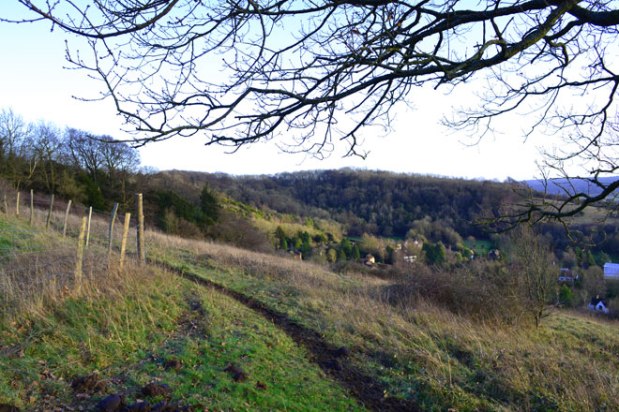
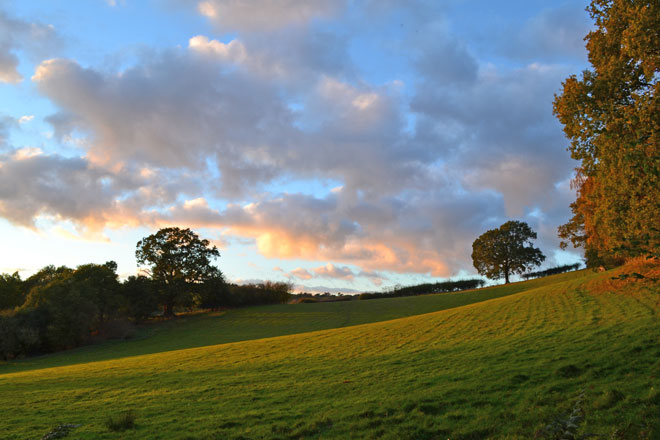
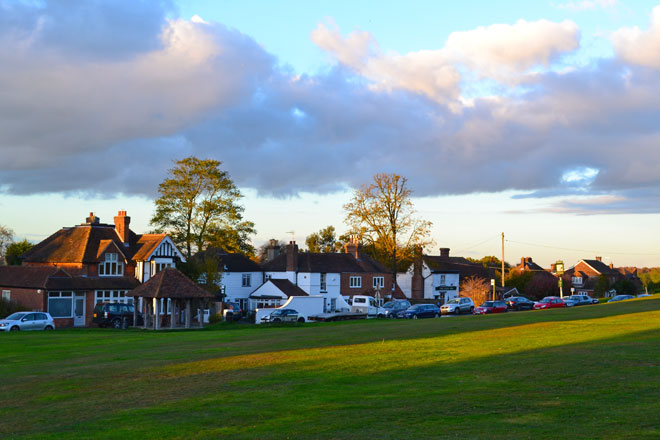
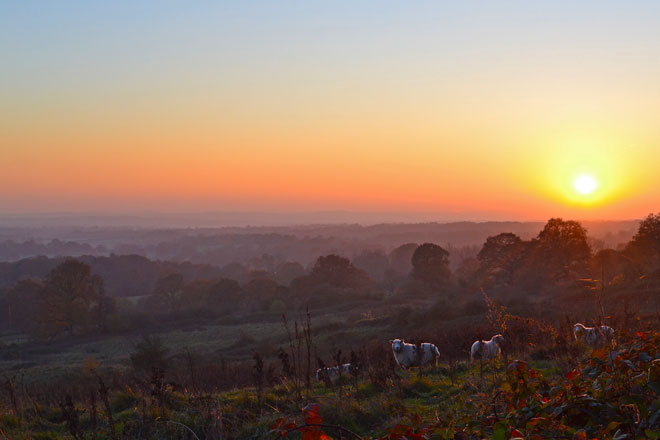
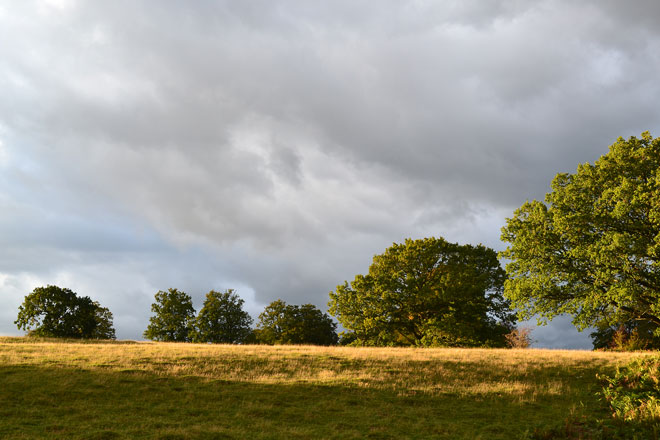
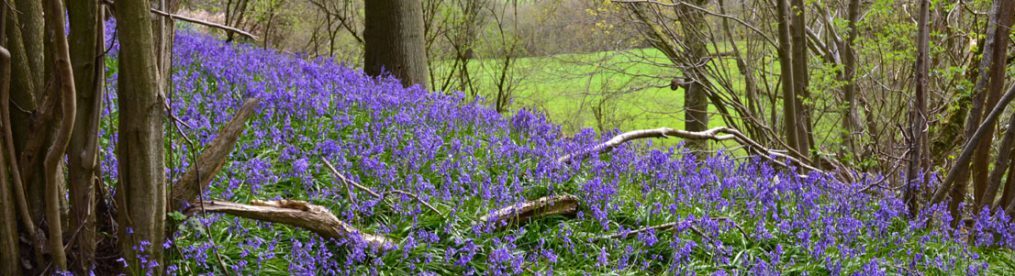
The Guardian Travel website and newspaper recently asked me to contribute to its ’10 of the best winter walks’ article, which was published on Saturday. I duly obliged but since Kent was already covered decided to head north to the Essex/Suffolk border, and a seven-mile circular walk between Clare and Cavendish taking in part of the River Stour long distance footpath. Both villages are lovely and the countryside quietly alluring. You can read my description here. Clare is two hours’ drive from south east London; sadly there is no train option, thanks to Beeching. There are other great walks in the area too, at this excellent website put together by local rambing enthusiast Derek.

This slideshow requires JavaScript.


Christmas and New Year’s walk choices

Christmas and New Year’s walk choices

Family walks are a fab tradition at this time of year. They often entail waiting for Grandpa to catch up and the kids to finish in the playground, dogs rolling in something unmentionable, and departing so late (because everyone’s trying to find suitable footwear) you arrive at the walk in time for dusk. No, of course, they are much more fun than that. But given all the rain and resultant mud it would be best not to go out in your festive season finery this week. A flask with some hot chocolate and perhaps a wee dram aren’t a bad idea either.

These are the walks I reckon are best for families this Christmas. My choice has been limited by all the rain – I’d love to recommend the Fackenden Down and One Tree Hill routes but the footpaths on the thin chalky soil of Fackenden could be treacherous and easily damaged, and One Tree Hill is a winter a mudbath for reasons not entirely clear to me. Anyway those walks have more strenuous sections not entirely appropriate or the ‘whole’ family. So my top five are:

1 Shoreham Circular (good pubs in Shoreham, not too muddy, one steep hill)
2 Lullingstone (visitors’ centre cafe, pubs in Eynsford, not too muddy; also can park at golf club or visitors’ centre for DIY walks – my route is just one of many variations)
3 Knole Park (best for lack of mud, cafe closed Christmas Day, shuttle available from Sevenoaks station Sunday 29th and 5th Jan) 
4 Downe short and long (a bit muddy in places but relatively good, one steepish hill stretch on the long version, two pubs in Downe) 
5 Otford and Shoreham (pubs in Otford and Shoreham; easy to make a good train walk with stations in both villages).

Another recommendation if you don’t want to travel out so far is Beckenham Place Park with its lovely new cafe, playgrounds, woodland, lake and gardens; it’s easy on the train too with three stations (Beckenham Junction, Beckenham Hill and Ravensbourne) on the doorstep. A little further out is Petts Wood (a bit muddier but beautiful woods), also easy by train (my route starts at Chislehurst station and finishes at Petts Wood station.

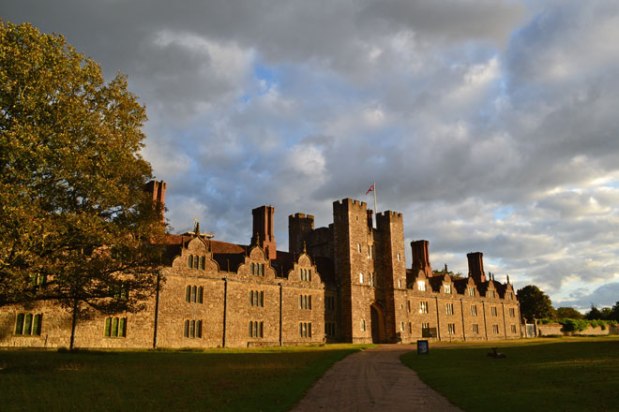
Of course it won’t be snowing but the picture above shows Knole in Sevenoaks on a particularly atmospheric winter’s day.

Lullingstone – winter walking wonderland

Lullingstone – winter walking wonderland

The walks through Lullingstone country park (nos 3 and 12) take in superb chalk grassland, rewilded areas of scrub, wonderful beech woodland and long views of the Darent Valley. Walkers don’t truly need to follow the prescribed routes; you can take off in whatever direction you fancy, just don’t walk straight across a golf fairway if there are golfers visible. If you have time it’s great to wander in Beechen Wood, a site of special scientific interest, with 500-year-old oaks, hornbeams, towering beeches and ash.

The park is great for winter walks, not being quite as muddy as some of the routes on this site (One Tree Hill you have been warned) and dusk brings excellent sunset views. There’s adventure playground stuff dotted around too, if you have kids you want to bring. Buzzards and kestrels are usually seen at all times of the year and field birds such as yellowhammer, corn bunting and skylark are often spotted despite the decline in their numbers. And it’s easy to get there to on public transport: it’s just 20 minutes’ walk from Eynsford station with its trains to south-east London (Peckham Rye/Catford line). Throw in the terrific Roman Villa and Lullingstone Castle you have a great day out.

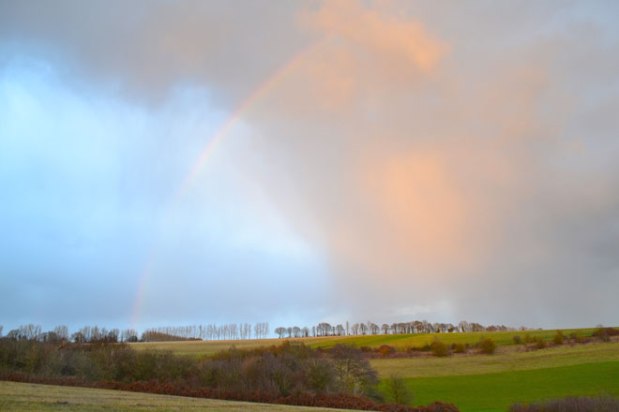
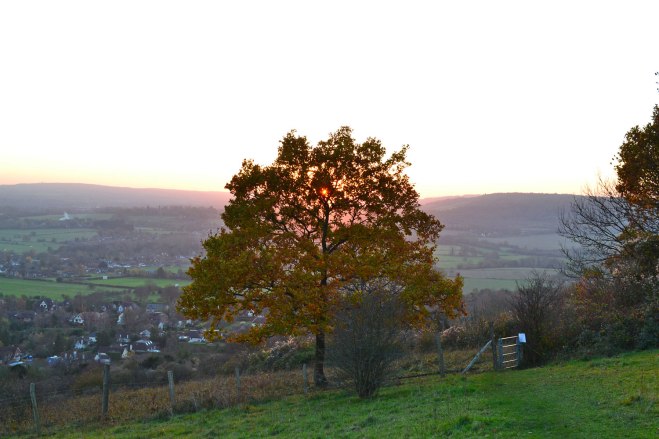
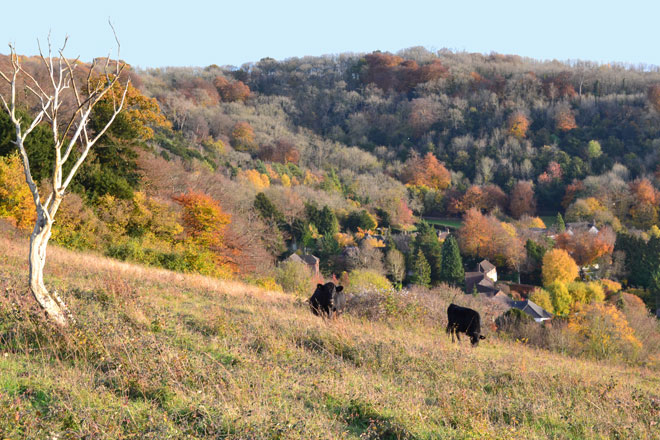
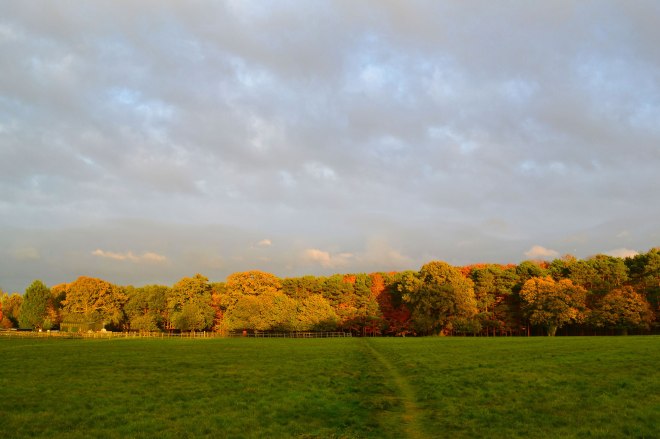
Here are some winter pix over the years, two from yesterday and a passing rain squall.

This slideshow requires JavaScript.

At last, a sunny weekend

At last, a sunny weekend

The weekend promises to dry and fairly sunny. This is highly novel and should not be ignored. I recommend a walk. For the mud averse I’d suggest a Lullingstone or Knole Park expedition. I regretfully add that One Tree Hill and Hever are quagmire-atic at present. Overtrousers, perhaps full body armour, would be required, along with thigh-length boots, which I doubt many Kent walkers possess. The other walks should be passable if distinctly squelchy.

I have been walking in Suffolk today, in search of pastures new. And yes, the pastures are very large there. More of that later. In the meantime here are some pictures of sunny scenes in late autumn on Kent walks … scenes that many of us have almost forgotten ever happened.

Why be the Fall guy?

When autumn gets it right these walks can be rather picturesque. Golden light, a fresh breeze, vibrant colours under a cobalt sky. And a pint of Harvey’s in the pub. But such days have been scarce for most of October and November I think we can agree. Autumn is great for cliches too (golden light, vibrant colours), which I am too readily resorting to. So I’ll shut up.

This slideshow requires JavaScript.

Inspiring words from Bill Bryson

Inspiring words from Bill Bryson

I love how Bill Bryson always homes in on the essentials: he’s a writer who’s really connected to what’s best about people and our environment and he doesn’t bother too much with noise. These are troubling times in the UK, certainly relative to the past 25 years or so. But here’s Bill, helpfully retweeted by broadcaster John Simpson:

This is still the best place in the world for most things – to post a letter, go for a walk, watch television, buy a book, venture out for a drink, go to a museum, use the bank, get lost, seek help, or stand on a hillside and take in the view.

I read that and immediately felt better about the currency crashing, the divisions stoked up by the B word, the erratic leadership of the current prime minister, the inadequacy of the official opposition, the possibility of a national crisis. It’s a great quote and I like to think it kind of sums up why I put this website together. And here’s a picture from a recent stroll at Knole Park of nothing much – just late afternoon autumnal light. (Top picture is of Knole House, of course, catching the rays as it does so beautifully at this time of year.)

Itchy feet and wings

Itchy feet and wings

It’s the time of year when birdwatchers start getting itchy feet… the autumn migration is revving up. Swifts, swallows and martins will be heading back to Africa along with yellow wagtails, chiffchaffs and the like. Some birds travel, some stay. Some species are split between resident populations and visitors; even blackbirds that hop on your lawn can be either from your hedge, or Belorussia. Soon redwing and fieldfare will begin to arrive from the east, maybe, later, waxwing too. I find it all a bit confusing to be honest and hard to remember the whys and wherefores. My friends Dave and Steve (check out the extraordinary North Downs and Beyond blog) are supremely accomplished in this area and languidly reel off reports such as ‘Box Hill 7am: 40 sand martins, 13 flycatchers, a honey buzzard, two cuckoos, 12 common buzzards and a female goshawk.’ Apparently, these birds, rarely seen by the layman, are all there just waiting to be spotted if you bother to wait and look.

Migrating birds can crop up anywhere but some maintain there are certain routes that are followed more than others. River valleys cutting through the downs make sense as a visual guide to birds but also as a way of keeping out of low cloud. You might imagine a warbler saying to another… you just head down the Darent Valley, then when you get past Fackenden Down chuck a left and you’ll eventually hit the Medway. When that gets wide you hit the Thames then spin right and soon you’ll be in Belgium, God’s own. So my tip for birds on the wing would be Shoreham, Lullingstone, Polhill and Fackenden walks. The Darent is, like the Mole and Wey further west in Surrey, a fine cut through.

This weekend will be a glorious opportunity to walk and get the binoculars out. The weather looks great, although the cricket and football’s on…

I’m not great at observing birds although I’m always seeing kingfishers out of the corner of my eye when near water. However, I did see a red kite last week on the chalk escarpment south of Cudham on my regular cycle route. It glided right over me at a height of no more than 50 feet. A sight like is not something you can forget easily.

I’ve heard some bull in my time…

I’ve heard some bull in my time…

Bulls and cows in fields can be unnerving to walk past, particularly if calfs are involved and they all start following you. This situation is encountered rarely on these walks. The Chiddingstone Walk’s latter stages often features a herd, however, made up of a benign group of individuals. Not so the bunch encountered on Tuesday evening in one field on the Romney Street walk. This was in a field between points 5 and 6. You might also blunder into them on the Fackenden Down walk if you choose to take the higher route after Magpie Bottom rather than walk along the valley floor. There is a yellow sign by the stile that says ‘Beware bull in field, keep dogs in the lead’. I’ve been this way many many times before without an issue but this time the herd was in the field and disconcertingly close to the stile. We passed determinedly and swiftly but one bull calf decided to follow us to the stile. Fine, just curious.

This slideshow requires JavaScript.

What we hadn’t bargained for was that, behind us, in the woodland above the eastern rim of Magpie Bottom was another herd… a historic variety I guessed, noticing their impressive horns. They blocked the route down. There was nothing for it but to hop over a barbed wire fence and get down the hill through thick protected woods and hope they didn’t follow us on their side and meet us at the bottom. As it turned out they were not there for us but for a face-off with the field herd above. The ensuing bellowing was positvely primeval – I was reminded simultaneously of Jurassic Park and of angered elephants in the savannah. It was a situation to be avoided, although my boys enjoyed it hugely, and I wonder if farmers should do their best to keep mixed herds with bulls and calfs away from footpaths when possible.

This was a beautiful evening’s walk though, with bats and the odd hoot of an owl, followed by a pint at the Olde George where we relived that barbed wire leap and blunder down the hill.

In other news, check out the Travels page for news of this week’s foray to the Brecon Beacons, where southern Britain’s highest peak was conquered heroically by yours truly in conditions that were more January than August.

Awkward August with a sting

A distinctly autumnal tinge to the air this month. But I suppose when you have summer start in April it’s not surprising. There has been some welcome rainfall… though not so welcome if you were on holiday in the UK. There are still some interesting wildflowers aplenty in the margins, though not the spectacular vistas we saw in June on walks such as Fackenden Down. On a recent stroll at Ide Hill the vistas were as beautiful as ever but the woods had taken on that rather careworn look of late summer. Emmetts Garden though… wow, what beautiful blooms are still displaying there.

In terms of birdlife it’s a quiet time of year with few migrations taking place as yet, but anyone with a good eye and ear will notice increasing flocking of small birds in multi-species groups, flitting through woodland margins in search of seeds and insects. Often they include finches, tits, goldcrests and firecrests. Large flocks of woodpigeons and starlings will also be seen.

European hornet.

The Biggin Hill airshow, a far more modest affair than in pre-2008 financial crisis days, took place over the weekend just gone. There were wonderful sounds and sights, particularly of second world war aircraft and astonishing displays by the Typhoon fighter jet which certainly does not lack for power and speed. While enjoying the show, beer in hand, I had a most interesting encounter with a hornet (or large wasp) which stung me repeatedly between thumb and forefinger before being persuaded to fly off. It was a close-run thing between hornet and jellyfish (see previous Camber Sands entry) as to which was the most painful initially. The jellyfish imparted an electric shock-like sensation that the insect could not muster. But there is no question that for swelling and temporary unforeseen side-effects the hornet is the clear winner. I was able to finish my beer, however.

Walking is brain food and so is Camber Sands

Walking is brain food and so is Camber Sands

A new article on walking has popped up at The Guardian‘s website. It’s a Superpower: How Walking Makes us Healthier, Happier and Brainier by Amy Fleming is in the form of a chat with neuroscientist Shane O’Mara while strolling around Dublin. O’Mara makes a great case for walking’s mental benefits; even why strolls are superior to going to the gym or running. I particularly like this quote: “My notion – and we need to test this – is that the activation that occurs across the whole of the brain during problem-solving becomes much greater almost as an accident of walking demanding lots of neural resources.” I have to say I often feel my own brain is emptying during a walk rather than becoming more powerful – perhaps that’s what he means!

O’Mara seems to walk around cities mostly – Dublin, Oxford etc – and there’s no mention of nitrogen dioxide and low level ozone and their possible negative effective on our health. I reckon he needs to hit the countryside, where he’ll find the mental benefits even more striking … I recommend the Fackenden Down walk in late summer sunshine, the ultimate brain nutrition.

Camber canter

Meanwhile, we chose another daytrip to south-east Kent and East Sussex on the hottest day of the year last Thursday. Once again we took in the RSPB reserve at Dungeness, the Britannia pub nearby, Camber Sands and glorious Rye, all of an afternoon. We hit the dunes at Camber at about 3.30pm amid blazing 35C sunshine and air as thick and moist as treacle. Visibility on the southern horizon was curiously murky, however. I noticed gleaming white pinnacles of cloud and the ragged whispy fringe of a cumulus nimbus, towering above northern France I guessed. By 5pm the whole southern sky was black, yet miraculously the coast was still bathed in scorching sun. Lightning flickered horizontally over the English Channel and a regular deep rumbling marked the end of the heatwave. I lay back in the sea enjoying the unusual scene, paddling softly, and got a tremendous sting off a jellyfish.

At 6.30 we set off for Rye pursued by hail, huge raindrops and a wonderfully warm wind. Walking through the beautiful town the sky went orange, a huge rainbow spanned the Romney Marsh to the east and lightning continued to sear through the heavens. Quite a day.