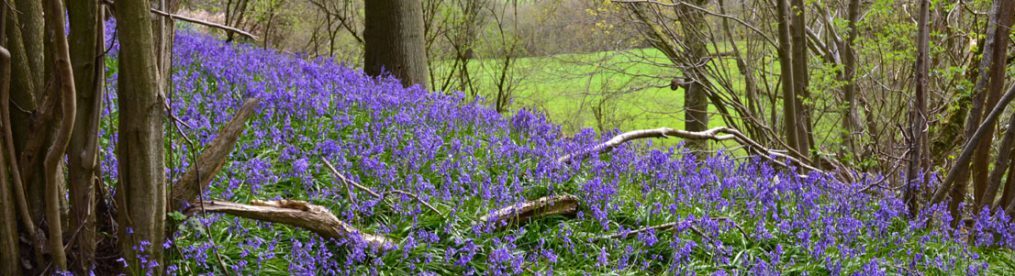
Autumn in these parts is spectacular. I know people talk in hushed tones about the colours of New England, Canada and Italy’s Apennines in the fall, but really the effect is pretty similar wherever there are trees! Once again, don’t overlook what’s on one’s doorstep in favour of an expensive and laborious trip. The November views of the Weald from Wilmot’s or Mariner’s Hill, or across the Darent Valley and the beech woods of Lullingstone are undeniably amazing. The ever-changing wide skies of Kent are a big factor in teasing out colours and optimising certain tones with the lower sun offering saturated reds, yellows and pinks. And greys, let’s not gloss over.
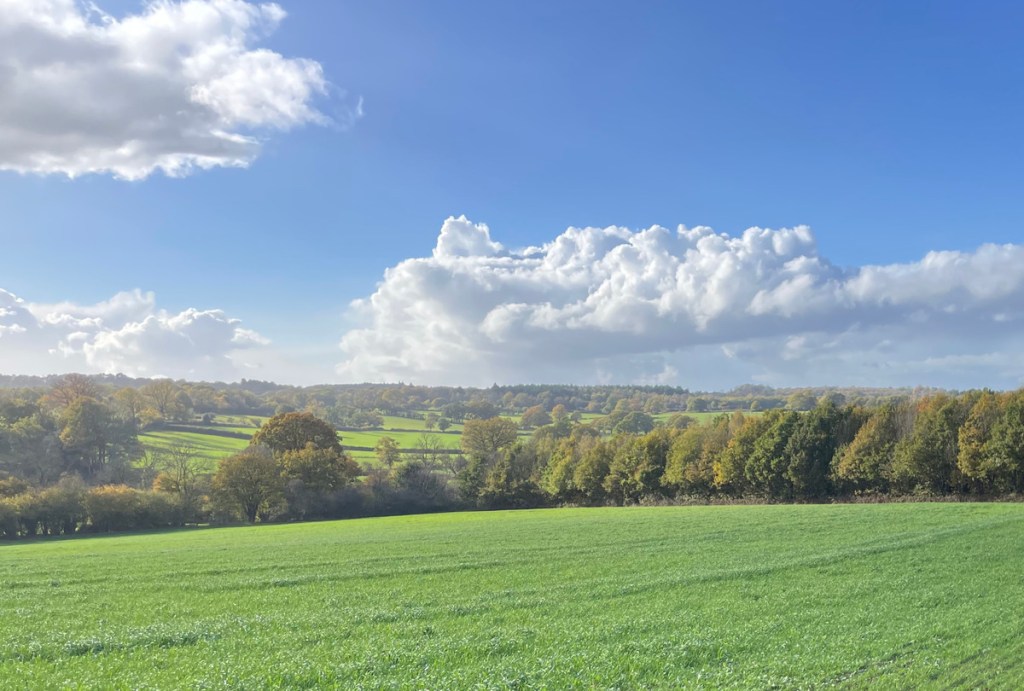
What’s surprising to me looking at the photos below is how green the countryside is in the Penshurst photo compared with those from elsewhere, yet it was taken on 1 November one week before this weekend’s Hosey walk, and a week after the trip to Shoreham represented here. Strange… could be sunshine and time of day I suppose.
I have lots of great autumn photos from over the past nine years of operating this website. But a selection from the past two weeks (mostly – the Downe and Ide Hill photos are from previous years) is enough to make the point – autumn is a terrific time for a hike on any of the routes at KWNL.
Mariners Hill view across the Weald on the Hosey walk
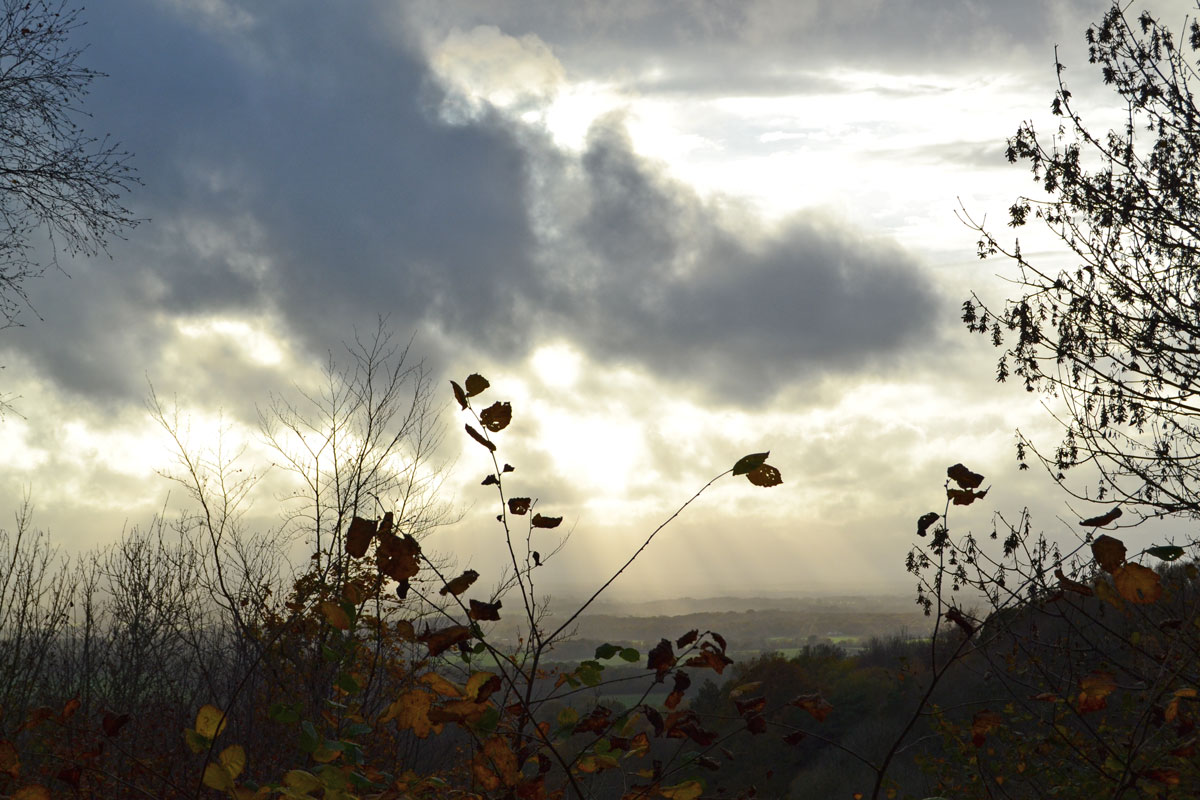
Sunbeams and silhouettes looking west from Mariner’s Hill on the Hosey/Westerham walks
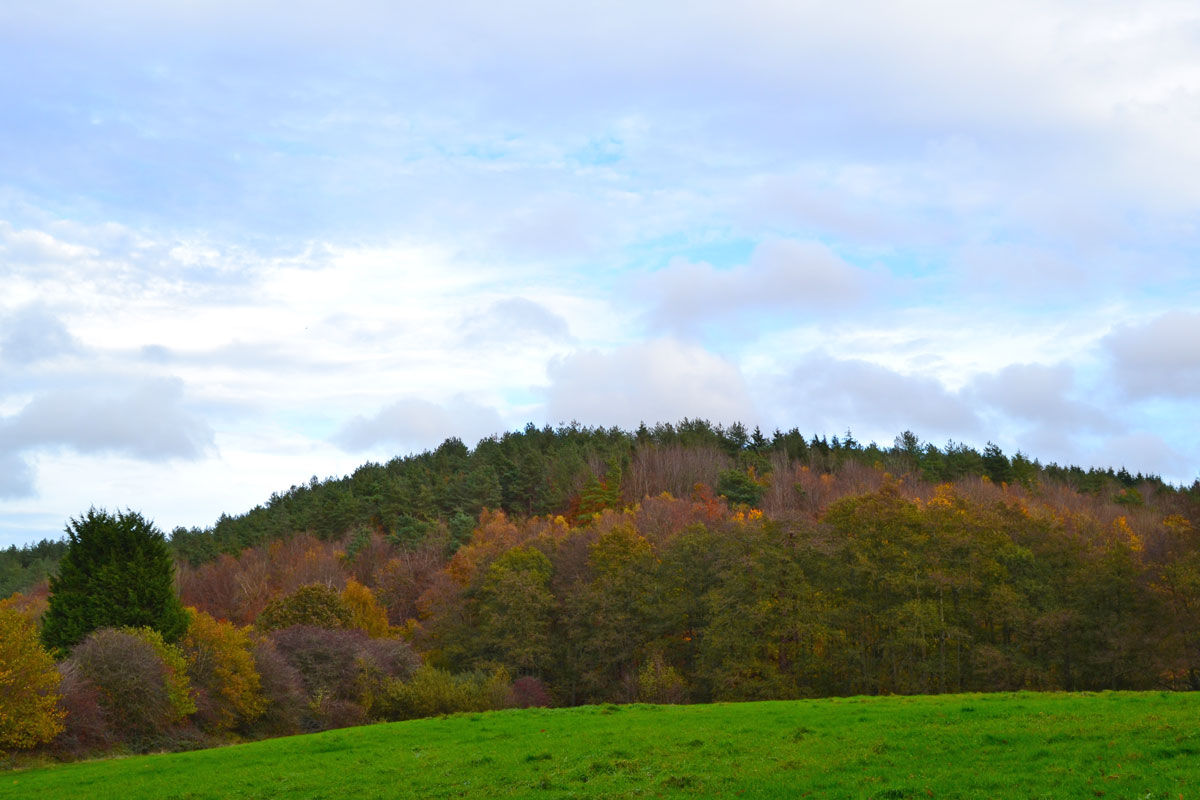
Tower Hill, near Westerham, on the Hosey/Westerham walks
A view across the Darent Valley looking east from between Eynsford and Shoreham.
Infant Darent River from the Hosey path
Near Penshurst on the Chiddingstone walk
Mariners Hill
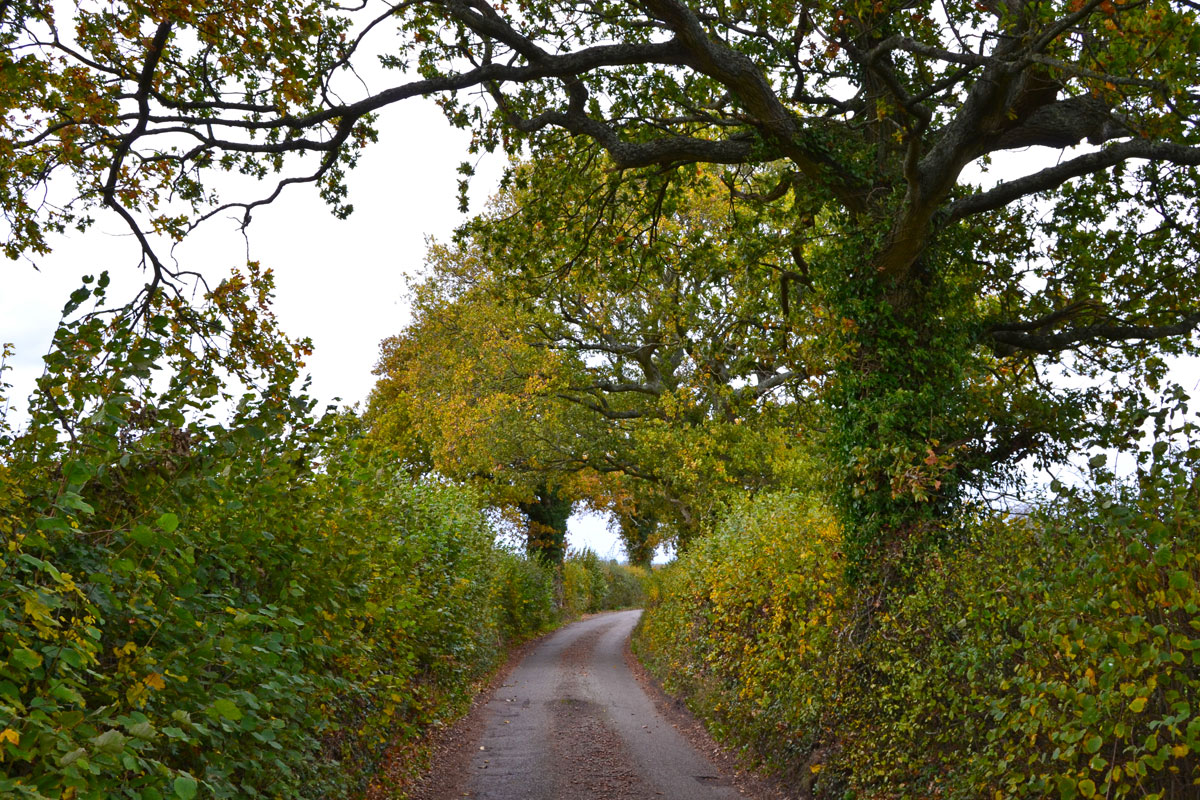
Country lane near Romney Street
View from Shoreham station bridge
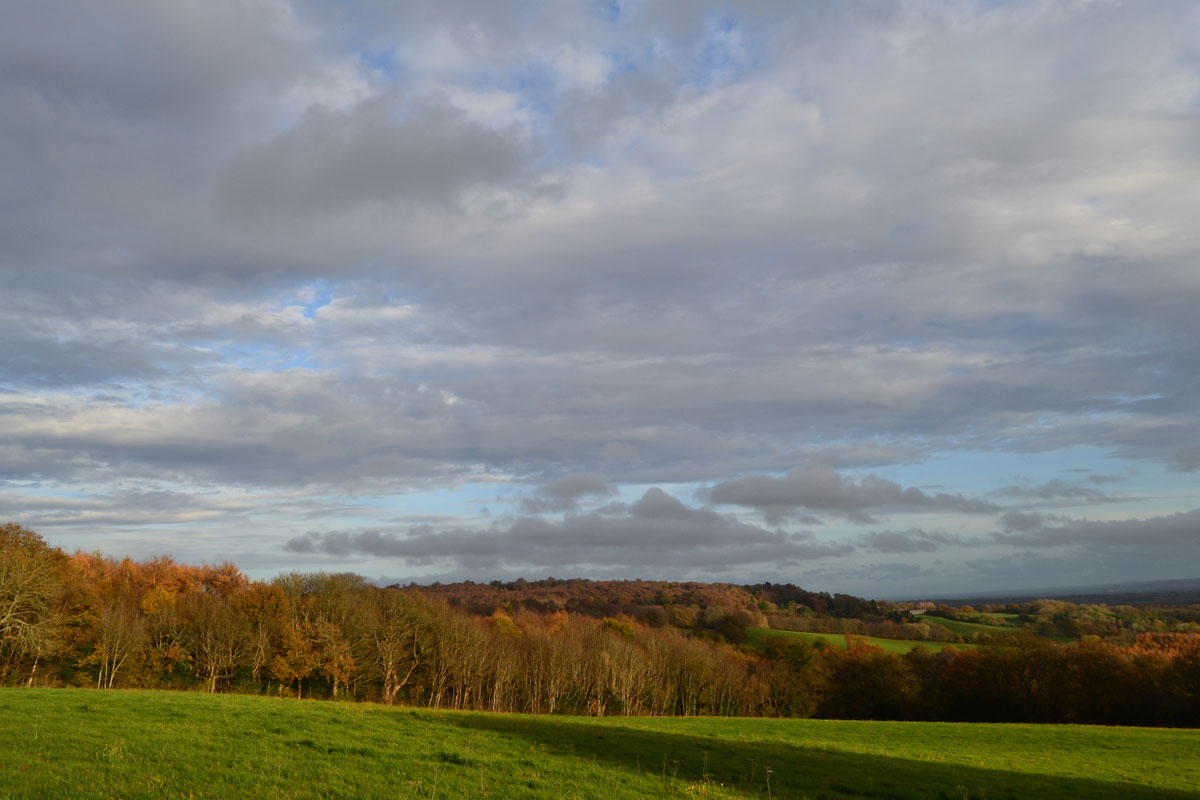
Mariners Hill view again
Wilmot’s Hill, One Tree Hill figure of 8 walk, at dusk
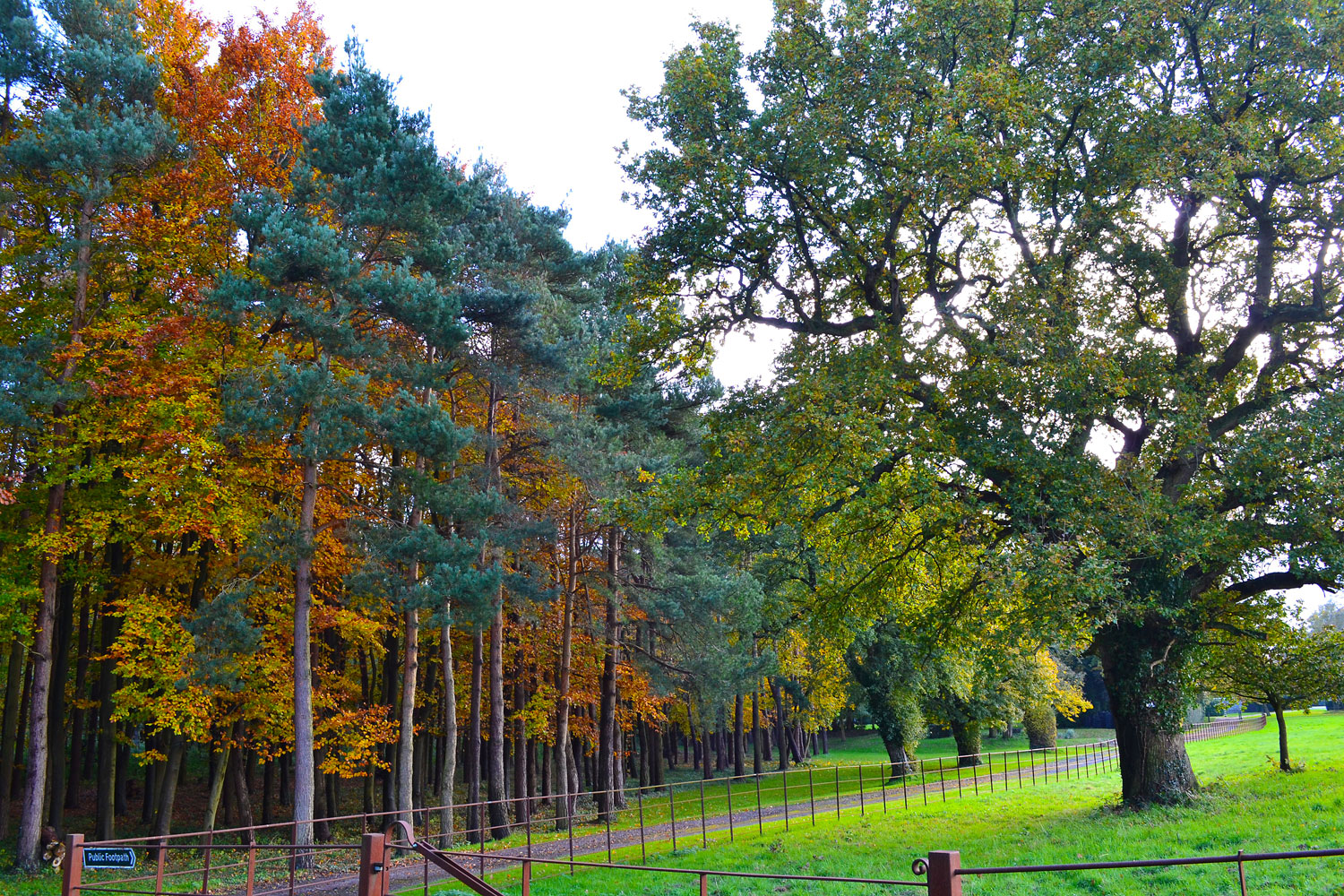
Downe walk
A deer in Downe, autumn
Fackenden Down view
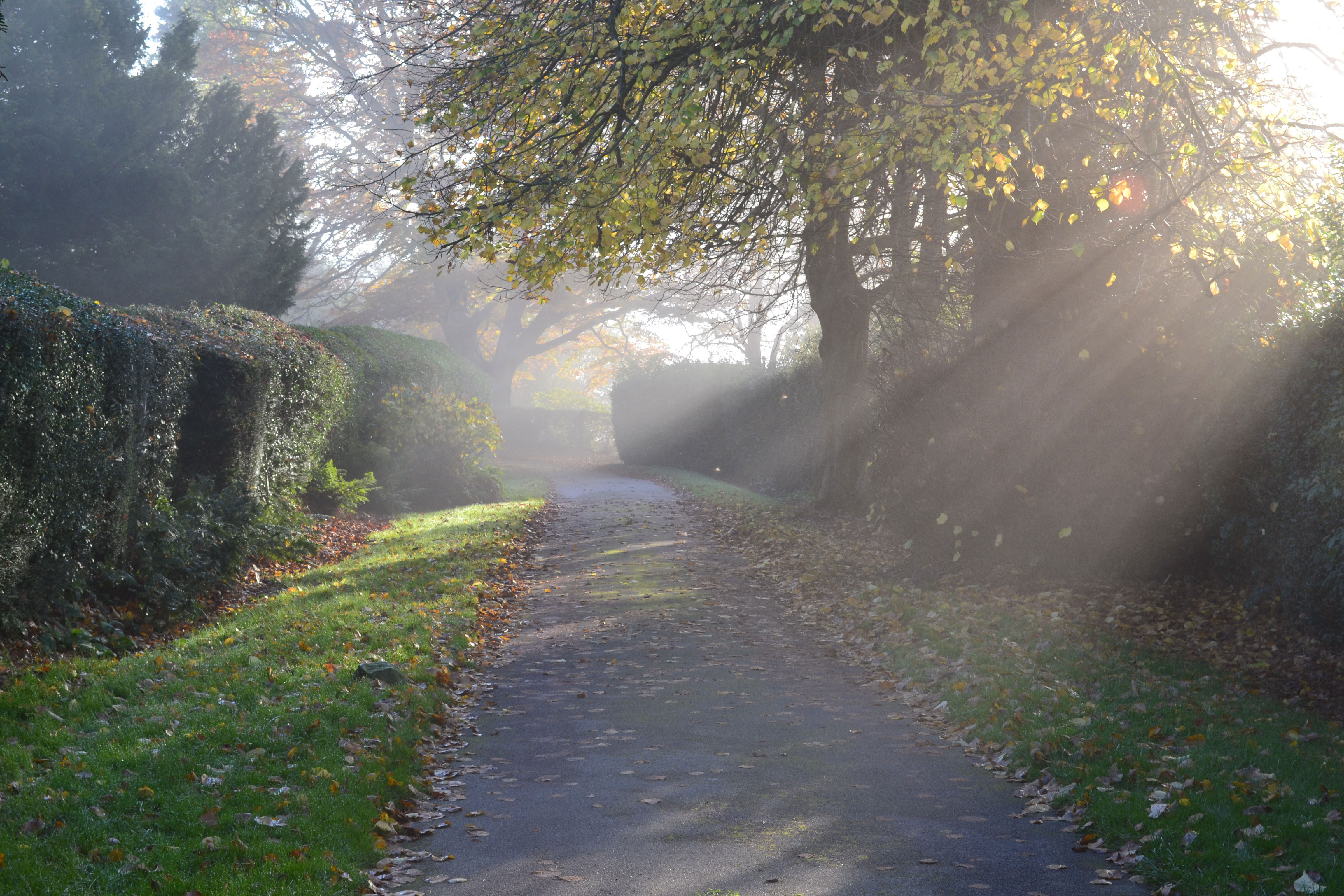
Start of Ide Hill walk. Autumn
Classic autumnal Kent view from Emmett’s Garden looking across Bough Beach to Chiddingstone and the Weald
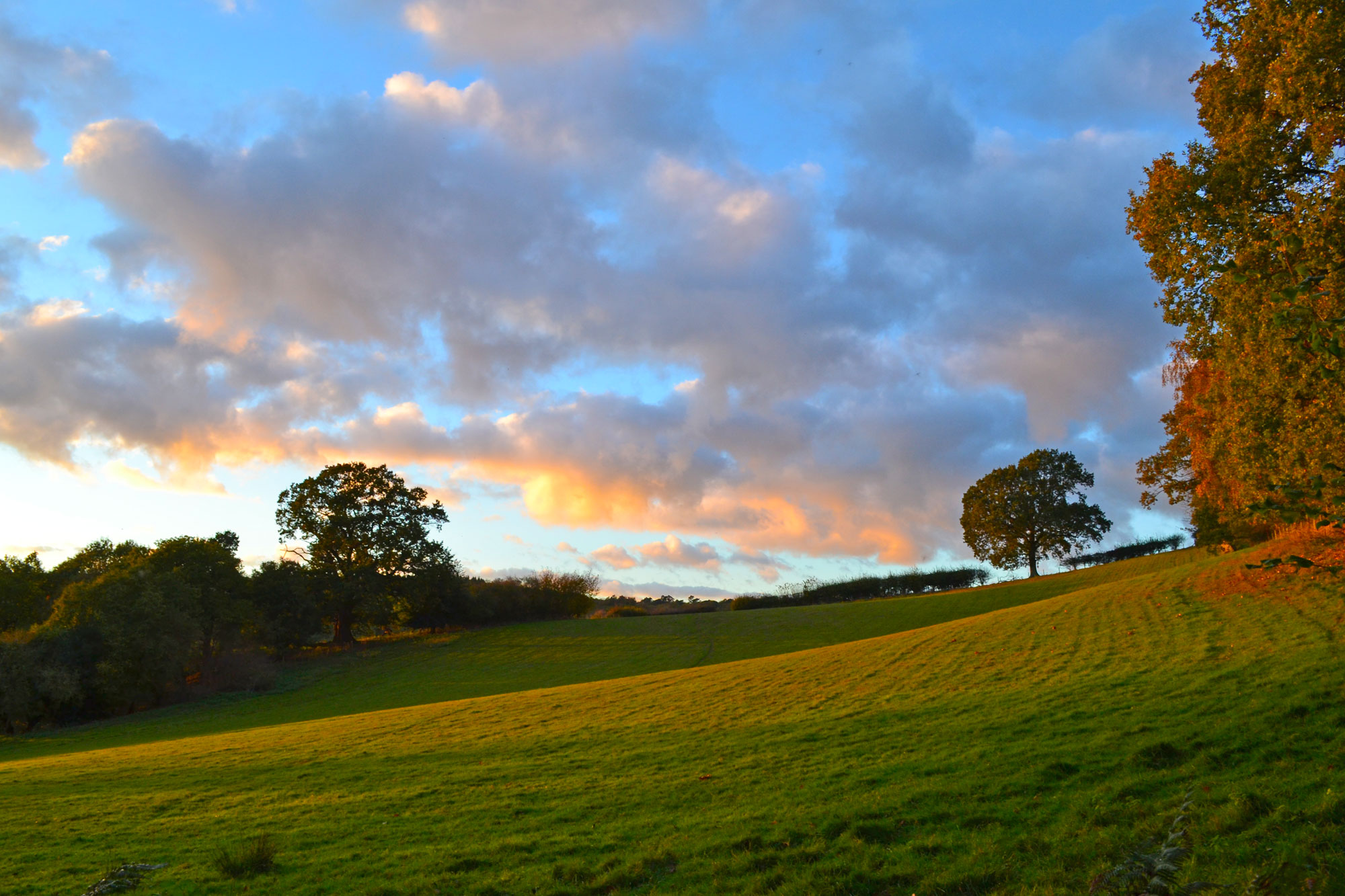
Ide Hill field, dusk, autumn
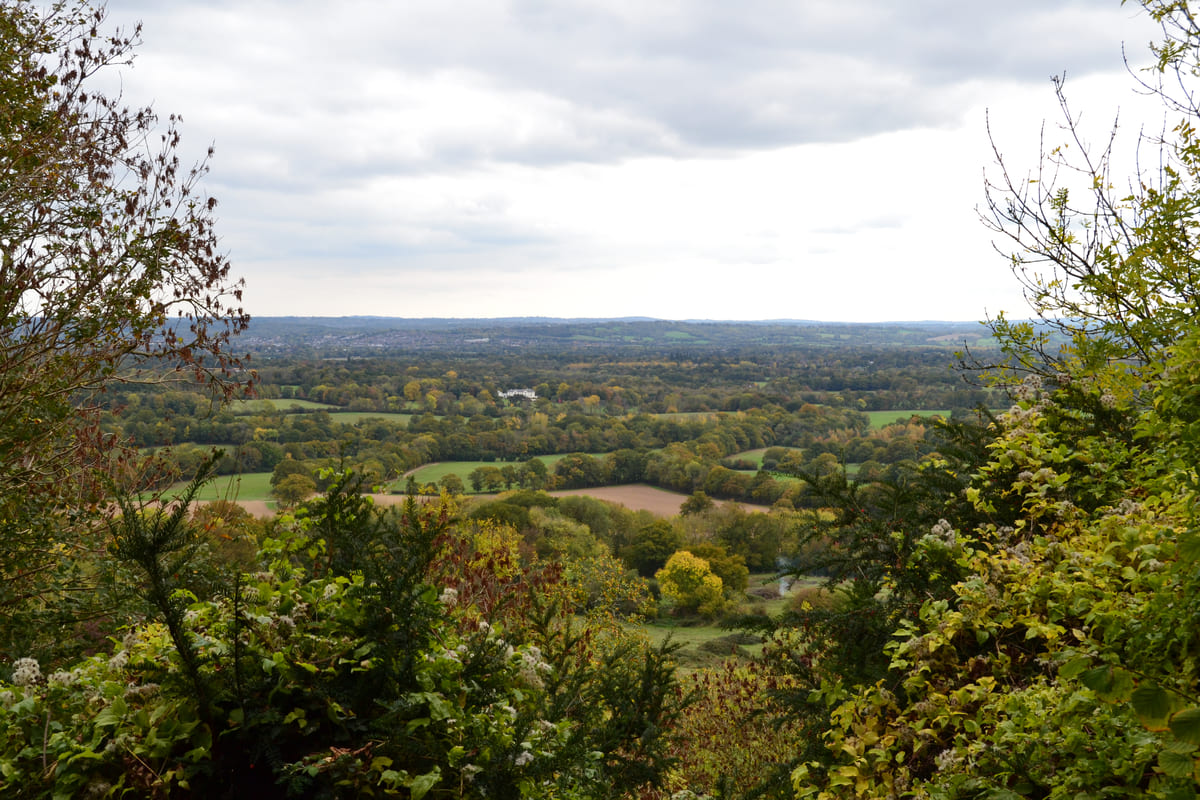
Wilmot’s Hill, late October 2025. One Tree Hill – Ightham walks
Despite recent heavyish bursts of rain the walks here are still relatively mud-free. With friends I wielded together two Kent Weald walks on Saturday, the Chiddingstone and Hever circulars, making a pleasing figure-of-8 route of about 11 miles throughout the heart of Tudor Boleyn country. We stopped at two pubs, the Leicester Arms in Penshurst, a really lovely place I hadn’t been to for ages, and the good ol’ Castle Inn in Chiddingstone. The original plan was to include the excellent Henry VIII too, at Hever, but we needed to make up time for a rendezvous in Penshurst. But we did manage to pop in to St Peters church for a look at the wonderful medieval effigy of Margaret Cheyne. Larkins beer was served at both pubs and we tucked into a superb chilli con carne at the Castle Inn. Autumn colours were exceptional and the paths still very solid, with a few decent puddles dotted around. Rain slashed down towards the end of the walk but there were still plenty of leaves still attached to branches to help keep us dry. There were a few buzzards and red kites around but we didn’t see any redwings which we had hoped had arrived from the near continent by now. And yes, I still can’t believe Penshurst Place hasn’t set up a footpath along its southern edge to meet the Eden Valley Path and so avoid hikers having to walk up/down that terrible road.
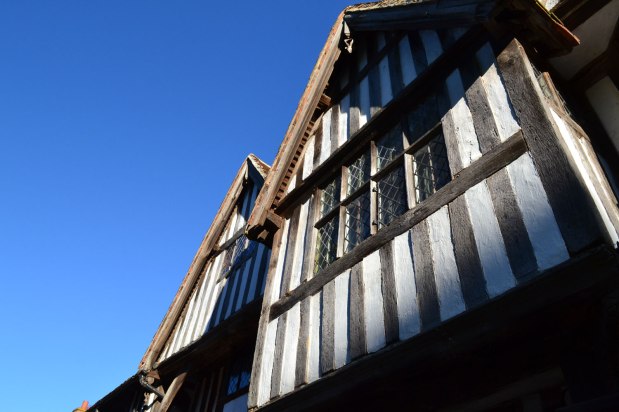
Hever church (St Peters)
Things will get muddier fairly quickly once we get to the end of the month so it will be wellies before long, or stout waterproof hiking shoes.
I’ve updated all the URLs of the OS GPX maps listed for the walks for easier access (somehow the OS had sort of rerouted them or altered the hyperlinks). They should all work much better now.
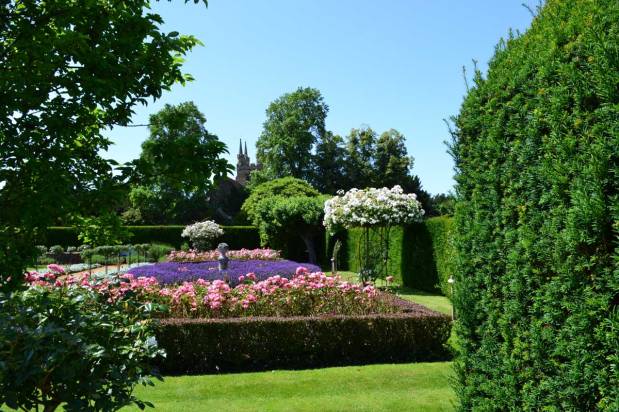
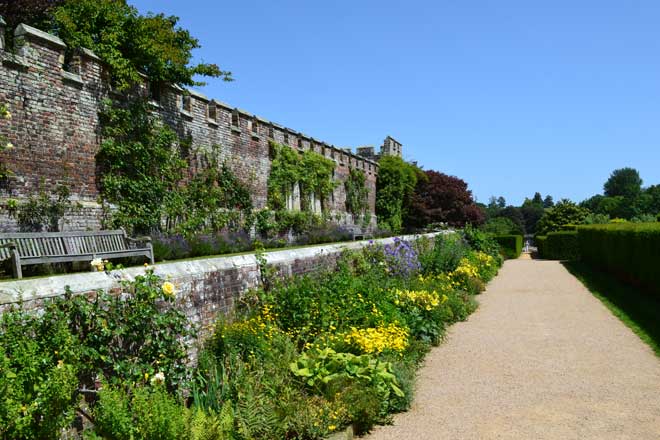
The planned long sultry walk at Oldbury failed to materialise on Sunday – like a mirage it shimmered but gradually receded from view as the unaccustomed warmth altered rhythms and weakened resolve. A midday family cycle from Tonbridge to Penshurst Place along the River Medway formed Saturday’s low weald excursion, coupled with a wander around the Tudor mansion’s sumptuous gardens. It was a gloriously warm day but not as energy-sapping as what was to come. On Sunday morning I did a bit of gardening at home in SE London – Penshurst’s vivid borders had inspired me to cut back some of the long grass and weeds to show off what flowers were growing in our sun-bleached south-facing front garden. But as the temperature roared past 30C by 11am it all felt like too much hard work; by noon I withdrew to a book and a cold drink, reflecting on how physical gardening actually is. I also pondered how sad it was that the once common municipal open air pool has largely disappeared from London apart from busy lidos at Tooting, Charlton and Brockwell Park. Nearby, the River Pool near Bellingham Play Park had become a paddling pool – I just hope its clean enough for that.
House martin. Photo by Av Thomas Landgren/Creative Commons
At Penshurst Place I saw more house martins than I’d seen anywhere this year; I’d seen some in the distance at Chartwell from the Westerham/Hosey walk a few weeks previously and a few on the Thames west of London. Among their merry throng, swallows and swifts also proliferated. Finches – green and gold – called and flitted from fruit trees and up at the house itself a very keen spotted flycatcher darted out from its vantage point on top of a wall to catch flying insects with elegant and accurate pirouetting manoeuvres. What an amazing bird that is; it seems so improbable that they make their way here every year from southern Africa to breed. What a journey for a small perhaps nondescript looking bird. At least the martins, swallows and swifts make their epic journey each year in huge clumps and look capable of incredible feats of airmanship, staying airborne for weeks on end. Birds like that perky flycatcher and its musical warbler fellow travellers look incapable of such a trip, but thankfully they make it every year. They clearly feel at home in the manicured grounds of Penshurst.
I’ve also seen notable birds also at Emmetts Garden, around Darwin’s garden at Downe, Hever and Chartwell, despite the heavy footfall. That seems counterintuitive. My guess is that despite the constant pruning and tidying, these birds find more nesting places in the medieval buildings than in neighbouring areas. They are also drawn by these historic plots’ long-established water features. Then there are the old fruit trees that are maintained out of respect for tradition. Certainly Penshurst does a good job of keeping some of its superb garden quite wild with an orchard and unkempt grasses. Its lovely ancient brick walls must also attract a lot of insects. Neighbouring farms may also use pesticides and over-trim hedges.
So perhaps the heritage gardens, despite their topiary and cultivated blooms, may actually be wildlife oases doing their bit for biodiversity alongside the rewilding projects. Maybe.
I haven’t described it yet but there’s an excellent walk between Tonbridge and Penshurst Place, on a separate path mainly to the bicycles. It would be easy to join with the Chiddingstone route. I must investigate further; there are some beautiful stretches.
Just before the great May weather ended we headed down to the Kent low weald, to Chiddingstonefor a walk. Usually there are quite a lot of tourists and daytrippers (like myself) in the Tudor one-street village which has the air of a film set (it was used in Room with a View among other films). But under lockdown restrictions very little stirred beneath the cloudless sky; the lovely Castle Inn was closed of course and there was rather an enchanting air of abandonment. The walk itself was subdued too; I had been hoping for cuckoos calling and sightings of house martins, bullfinches and swallows. But the restrictions seemed to have spread to the wildlife too and there was little to be seen or heard. One of the best things about walks at this time of year though was in full swing… groves of flowering foxgloves. I love ’em.
I’ve always wanted to find a way of avoiding walking along the road between points 6 and 7, so we took a detour into the parkland at Penshurst Place to examine the possibilities. Alas there is no side path that connects with the footpath at point 7. It’s a shame because it wouldn’t be too hard to set up a gate in the metal fence at that point and establish a little path. Still, it is possible to walk in the parkland for a couple of hundred metres before you have to rejoin the road; it’s something I suppose, and there was a nice view of the ancient manor house from there. We also did the Bough Beech walk nearby which despite its brevity always surprises me with how much beauty it packs in.