Early bluebells and owl on a British Summer Time stroll at Ide Hill

Early bluebells and owl on a British Summer Time stroll at Ide Hill

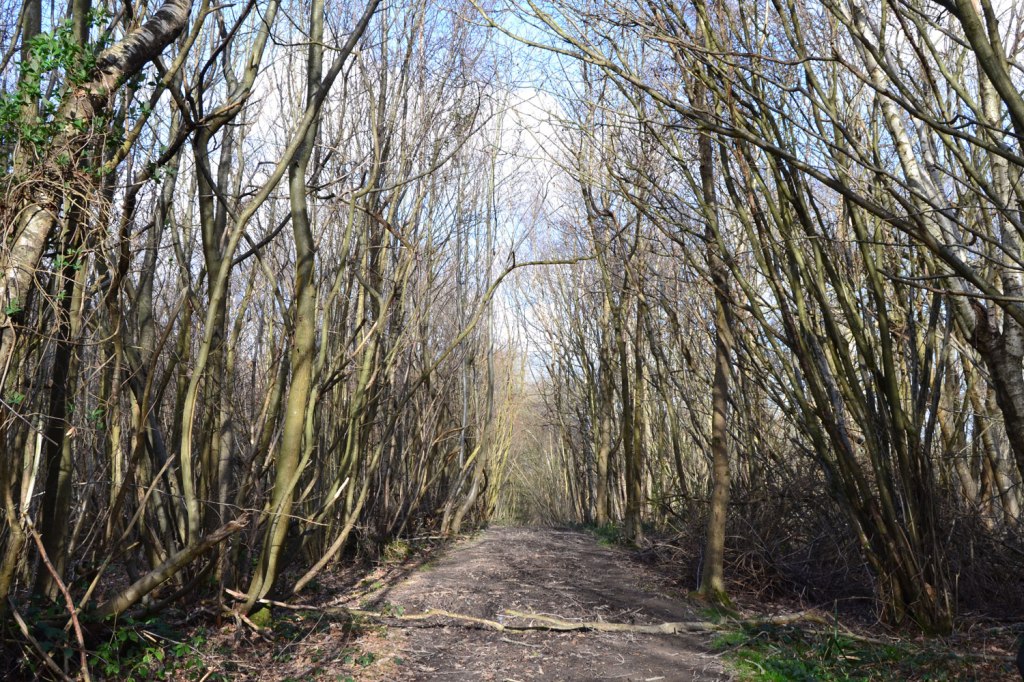
The clocks have gone forward, the hurly-burly months are upon us. Hibernation is over. I marked this momentous day with a stroll on the Ide Hill route on the Greensand Ridge. The promise of early sun had vanished as altocumulus set in with scudding lower clouds driven by a decidedly sharp, brisk westerly. I was later than I hoped because I had overslept and then, after chores, decided to put on some music – mostly jazz, predictably enough. I drove out past Hayes and Keston listening to an interview with Miranda Hart on Radio 3. All very interesting; the programme was called Private Passions and Miranda discussed her various TV shows, where she was at and so forth. Her musical choices were interesting; there was some Grieg – as featured in a famous Morecambe and Wise sketch with Andre Previn – a haunting choral piece called O Magnum Mysterium by Morten Lauridsen and Stephane Grapelli’s take on Sweet Georgia Brown featuring Yehudi Menuhin. What a good set-up for a walk I thought, better than the usual football commentary.

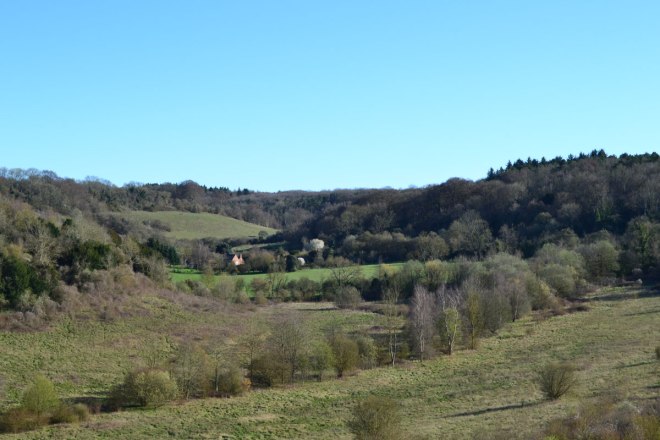
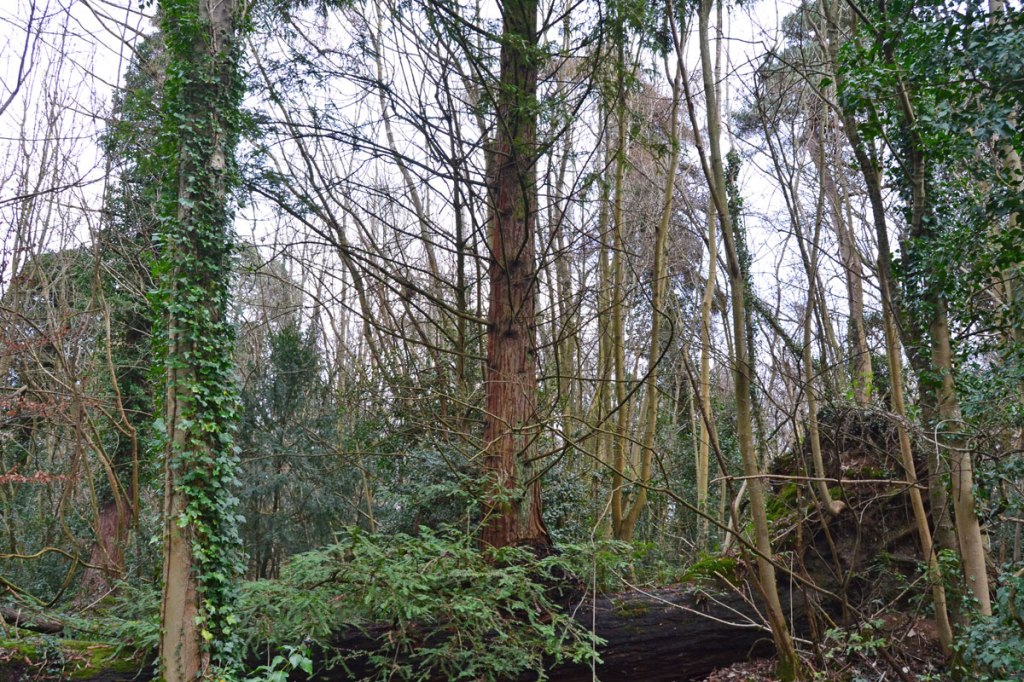
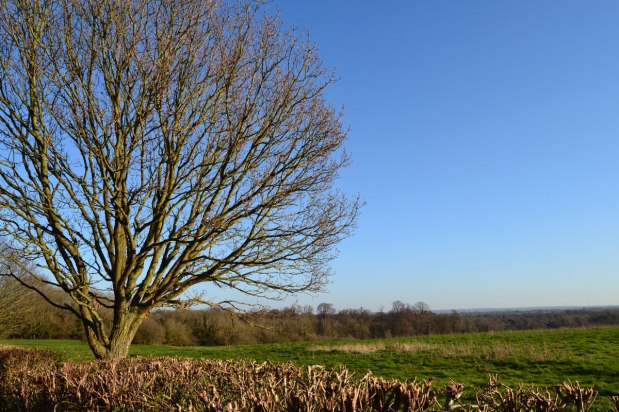
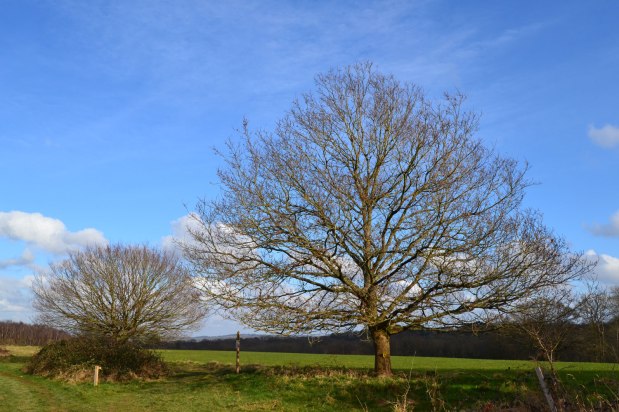
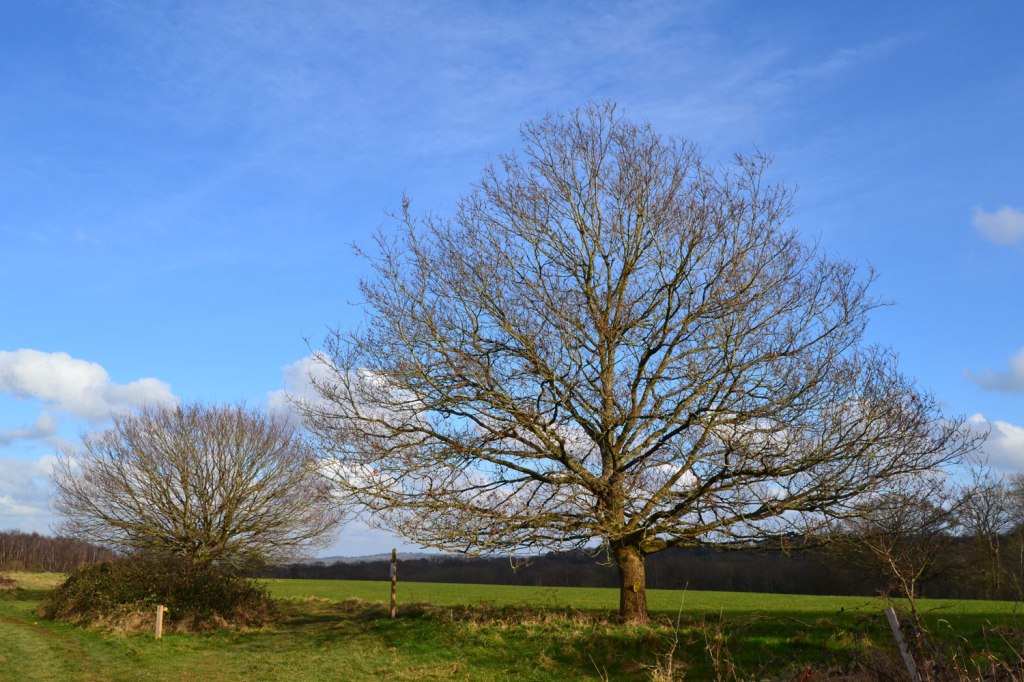
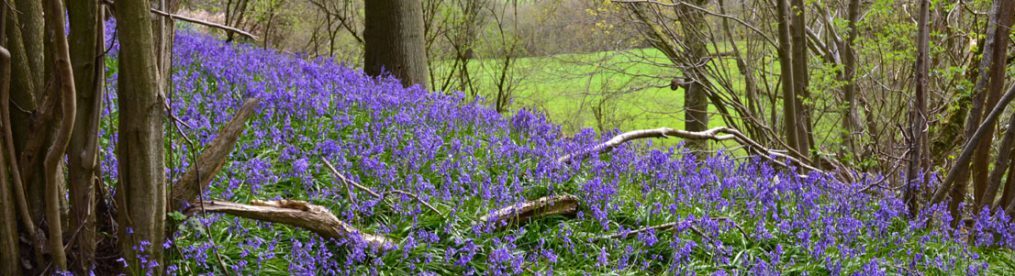
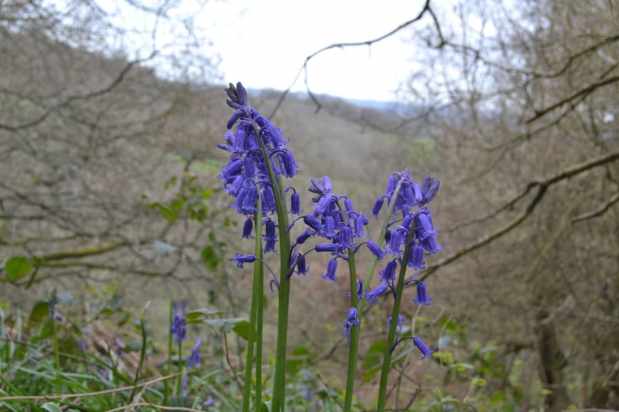
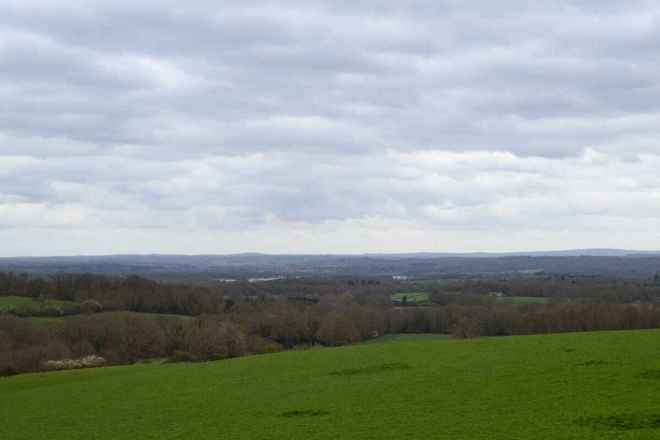
I decided to park by the Ide Hill Community Store, just round the corner from the village (Kent’s highest allegedly) – it’s a fantastic spot with a great view of the weald and Bough Beech reservoir. I walked up through the woods to the Octavia Hill seat amazed at the number of bluebells in bloom considering we were still in March. A nuthatch called stridently and seemed to dart at me, while tits tittered and greater spotted woodpeckers thrummed away in the background. What with the slightly odd weather and the clocks going forward it all seemed strangely out of synch; an impression reinforced by the sudden woo-wooing of a tawny owl – at 2pm for heaven’s sake.
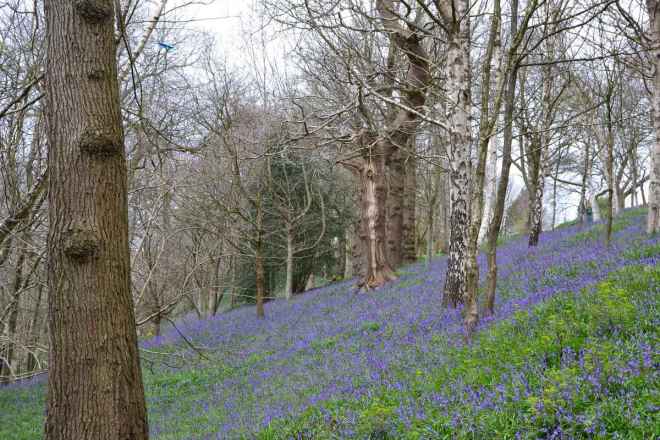
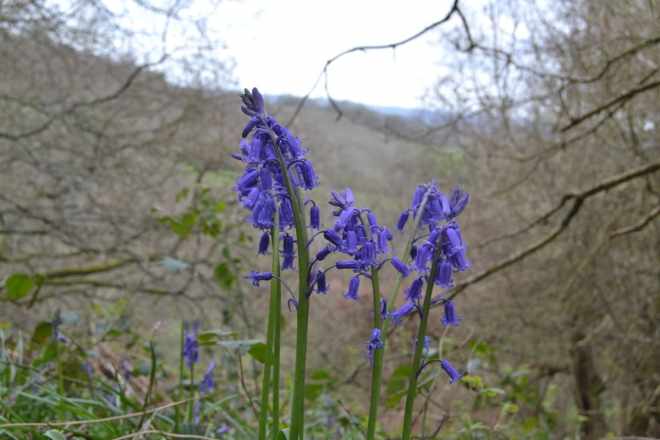
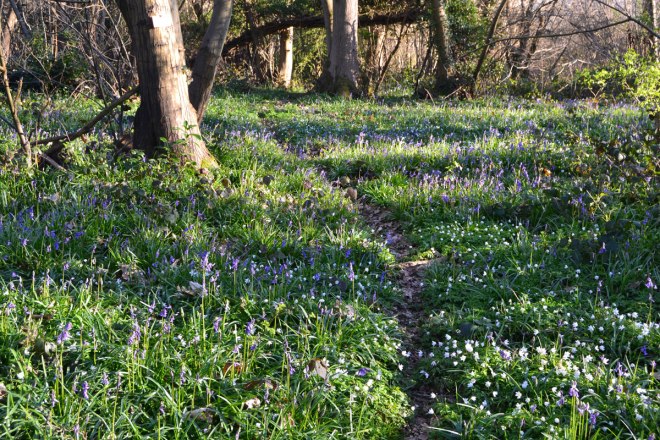
  • Early bluebells in March at Emmetts Garden/Scord's Wood
  • Early bluebells

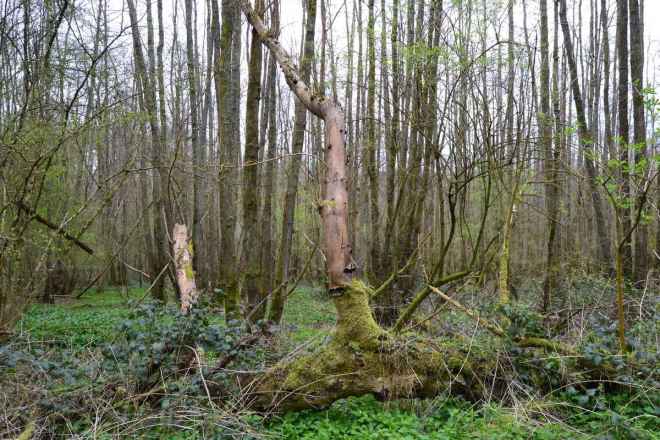
Later, in Scord’s, a wonderful wet woodland with lots of mossy old alder trees, my Merlin app picked up the sound of a marsh tit, quite unusual and another first for me. More nuthatches zoomed around purposefully and a pheasant joined in the tumult of bird song with its ridiculous rasping call that must alert every fox for miles around. I was hoping for a redpoll, a siskin or a treecreeper – all of which I’d seen here previously, but didn’t see any. The bluebells should be out in full within 10 days or so… they seem earlier this year than ever before. Is that just me? The National Trust’s Emmetts Garden was superb as ever with its cafe serving great coffee and cake.

All in all a memorable walk despite dull weather and not particularly muddy at all. No sheep or cattle encountered unlike last week at Fackenden Down when the highlanders surrounded the stile at the top of the Down itself. It just lacked a pint at the end; I was on my own so felt like heading off sharpish when back to the car.
Early spring flowers on Kent walks near London

Early spring flowers on Kent walks near London

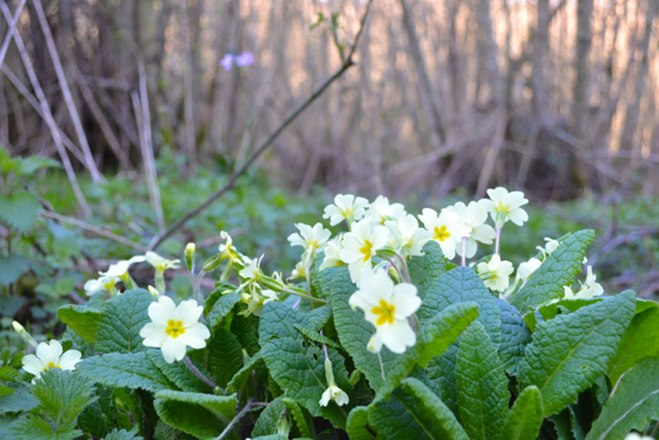
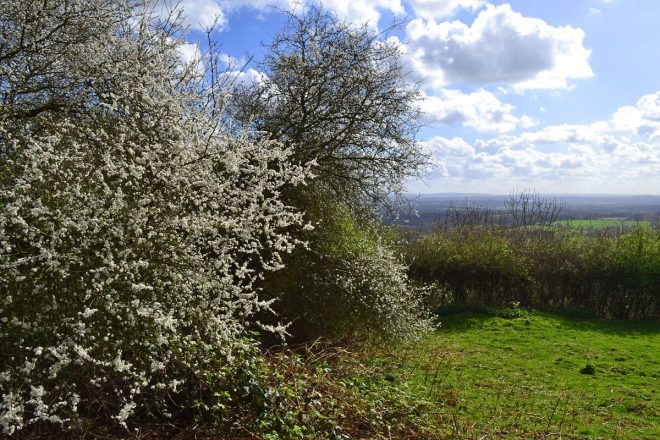
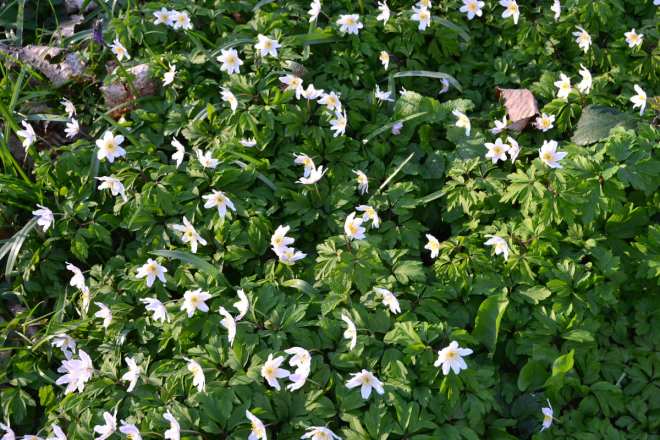
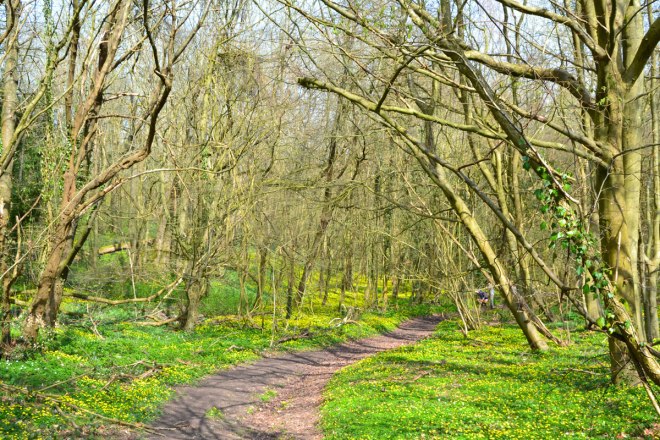
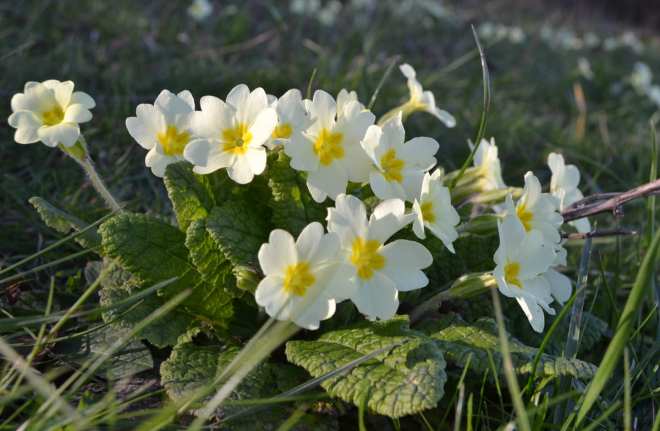
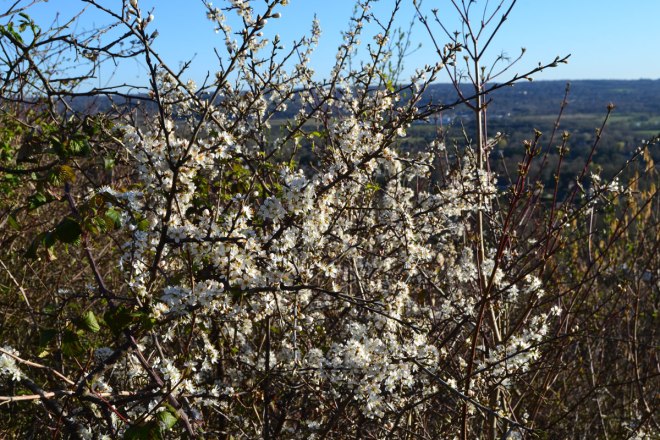
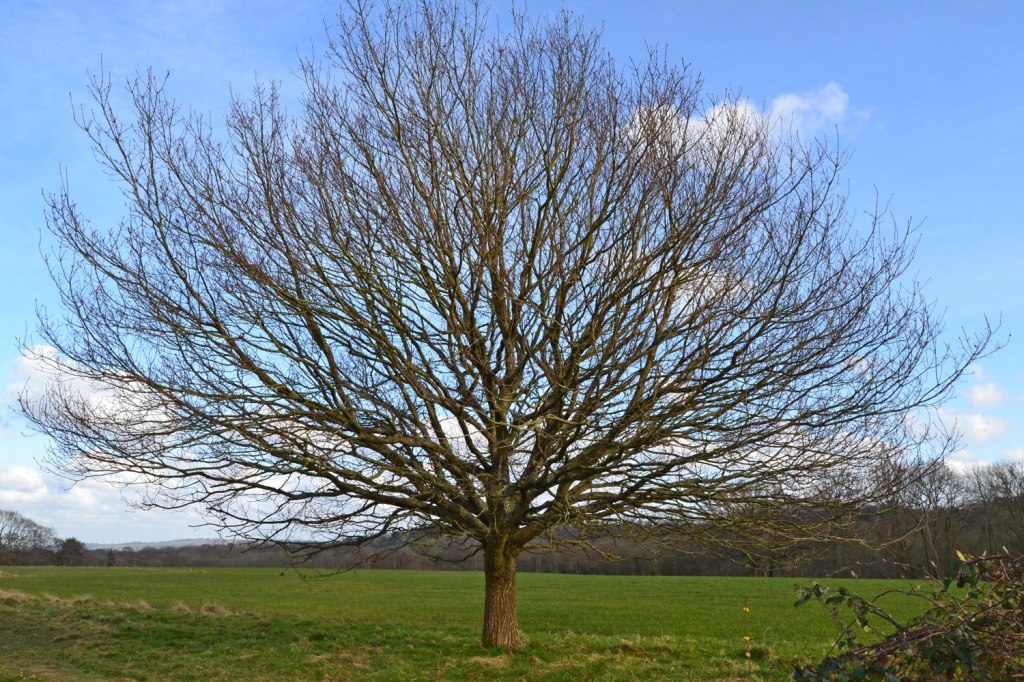
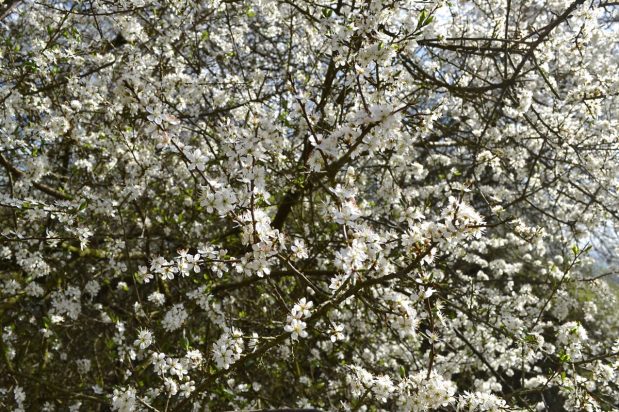
I write this on a dark Tuesday night with rain, driven by an angry, unpredictable wind, lashing down on to the roof of my conservatory. My little electric radiator is working overtime as I listen to the elements filling the sky above me. But I’m here to write about the onset of spring, about how the Kent walks near London have largely dried out rather well and how early bluebells, wood anemones, primroses and celandine are spangling woods and meadows with vivid colours. I also want to mention how great the blackthorn bushes and trees look this year. The snow-white flowers of blackthorn, the stalwart of early spring blossom, are a vital source of nectar and pollen for bees in spring. The Woodland Trust website says its foliage is a food plant for the caterpillars of many moths, including the lackey, magpie, swallow-tailed and yellow-tailed and that it’s also used by the black and brown hairstreak butterflies. Its thorny, dense thickets are great for birds to nest in too and of course its gorgeous sloe berries in autumn are a rich source of sustenance for a variety of creatures.

Blackthorn is seen on all the walks; take a close look, it’s definitely one of those sights we take for granted but the more you look, the more you are rewarded.

Yes, all this happens every year but it seems so miraculous each time, as long as you don’t forget to look. And right now we need to look, given the gloom visited on us by the horror of unwanted wars and fears over our livelihoods.

  • Blackthorn blossom on One Tree Hill, Sevenoaks, Kent
  • Primroses on the chalk downs of Kent
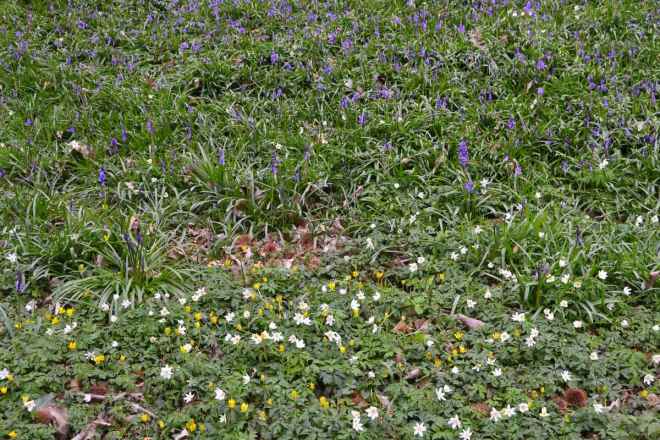
  • Wood anemones and bluebells
  • Blackthorn clump on between Austin Spring and Romney Street, Fackenden walk
Farnborough village and High Elms circular

Farnborough village and High Elms circular

Here’s a ‘new’, pleasant two-hour, four-mile stroll that fits in to the Downe/Cudham/Knockholt suite of walks; ie, it’s on the chalk North Downs and not too far from Bromley – in fact it’s still within Bromley borough (about 30 mins’ drive from Forest Hill, 15 mins bus from Orpington Station, 20 mins from Bromley South). It’s quite a similar walk to the High Elms Estate route described in this informative leaflet but there are differences – my route is a mile and a half longer, goes further to the west initially and stays deeper in the woods in the long stretch to the High Elms visitor centre (Beeche).

Here are full instructions for the walk.

I’ll write it up and devote a page to it this week at some point but meanwhile here’s an Ordnance Survey GPX map for the route, and, below, a Google map of it. We started from close to the church in Farnborough village (Kent) but you could also start from the High Elms visitor centre car park (free, the last time I checked). If you’re not driving, you can take the 358 bus to Farnborough village from Bromley South, Orpington, Crystal Palace, Shortlands, Kent House, Eden Park, Anerley, Clock House stations etc (it’s a long and twisting route from Crystal Palace though!). The closest railway station is Orpington, just a mile or so from Farnborough village.

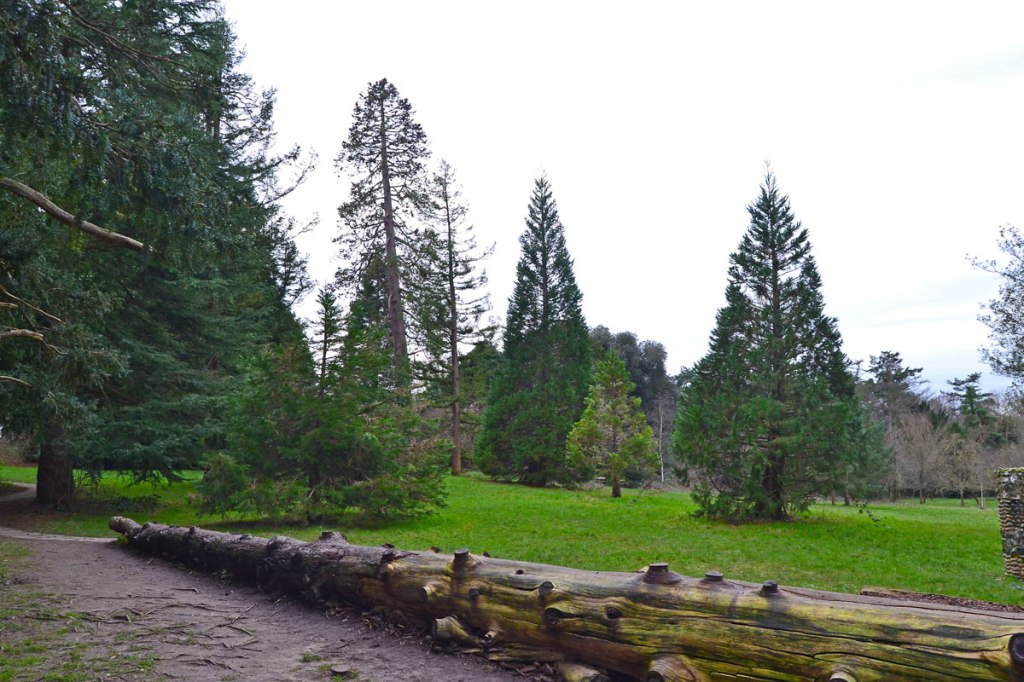
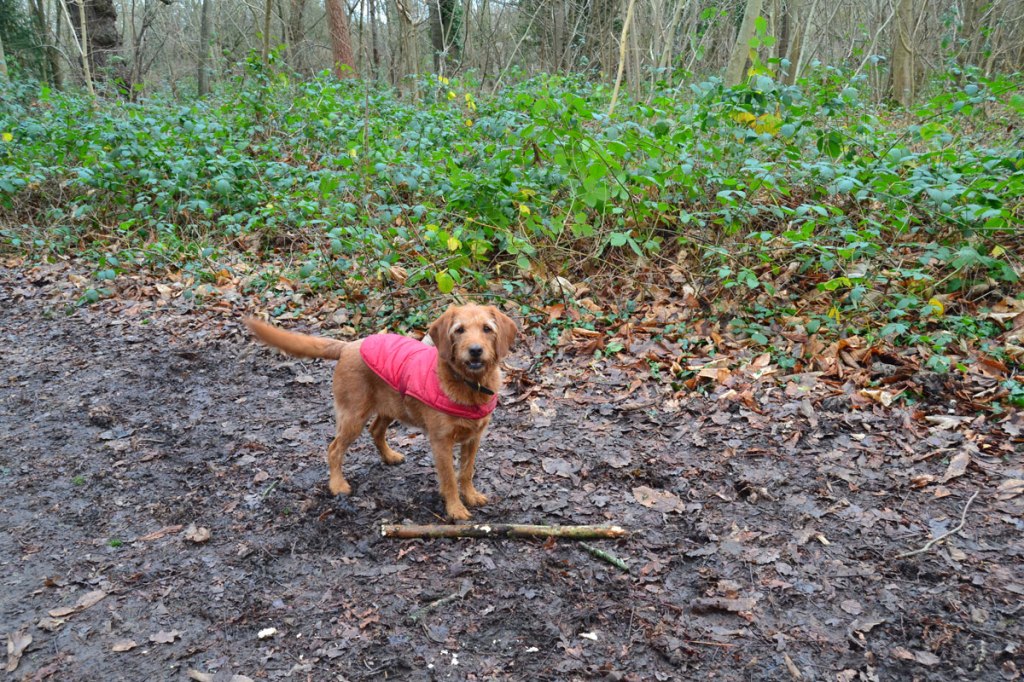
It’s not a spectacular walk with awe-inspiring vistas, unlike say the One Tree Hill, Ide Hill or Fackenden routes, but there’s some lovely woodland, views over shallow valleys, amazing conifers in the Lubbock estate next to Shire Lane at High Elms and lots of bluebells, orchids (pictured in Cuckoo Wood, lead image) and birds at various times of the year. Right now it’s a bit bleak of course but there’s still much to enjoy. The ‘home stretch’ as you reach Cuckoo Wood then get nearer the cafe and nature centre (called Beeche) at High Elms is quite busy with dog walkers, as are the initial fields after starting the walk in Tye Lane. In between though, it’s very quiet. There are no stiles so suitable for a hardy push chair (I think!). There are three roads to cross; the first – Shire Lane – is a notorious rat run where for some reason cars are often driven recklessly fast, so take care.

Pictured above in dull winter conditions: 1 Lubbock’s conifer plantation dating from mid-19th century; 2 the High Elms area near the cafe is popular with dog walkers; 3 A holm oak, an evergreen oak from southern Europe, offers winter cover in High Elms’s western woods; 4 New growth shoots from a fallen giant sequoia in the western woods close to the High Elms ‘nature field’; 5 Looking bleak in winter, this field close to the start of our walk is excellent for small mammals and their predators such as kestrel, owls and buzzards; 6 Church of St Giles the Abbot, Farnborough, has a nave dating from the 12th century; 7 Woodland meadow in High Elms woods – from April this patch is alive with wildflowers; 8 pine trees near the church at Farnborough

This walk was first tried on 7 January 2024 after weeks of rain. We revisited the following week in slightly better weather hence the appearance of blue sky in a couple of photos. The mud wasn’t too terrible by 14 January. The chalk beneath the thin soil has done its job well draining the water so it’s probably a safer bet for having less mud than the nearby Cudham walk.

If you have children it‘d probably be better to start and finish the walk at the High Elms car park so they can enjoy hide and seek and a picnic in the beautifully decayed old gardens of the Lubbock manor house (burned down in 1967 possibly by a discarded cigarette).

A suburban saunter around Petts Wood

A suburban saunter around Petts Wood

The Chislehurst station to Petts Wood station walk via the Hawkswood Estate might be ‘just’ a suburban saunter surrounded by 1930s mock Tudor, but it has loads going for it: it’s obviously great for public transport being between two stations with links to inner SE London; it’s near to London; it has surprisingly good views at points as far as Biggin Hill and Croydon; the woodland is beautifully managed by the National Trust with a huge variety of trees and restored patches of the heathland that was once common here; there are loads of paths to explore often crossing mysterious little streams running down to the lovely Kyd Brook river (which later becomes the Quaggy and joins the Ravensbourne); and it’s big, so makes for a decent workout. You can go off piste without really getting truly lost because the extensive woods are enclosed by suburbia. On the other hand you can adapt it into a much longer walk taking in Scadbury Park nature reserve and Jubilee country park, both adjacent to the Petts Wood/Hawkwood hub. There are usually plenty of people around, in my experience mostly very friendly and with docile pooches. Owls can be seen and heard at dusk and woodland birds proliferate here.

Today, in glorious late March weather, it was a picture. My route is intended as a guide to some of the best bits: the heather areas with their raised path embankments; the central fields with their long views; hidden ponds and mires; chestnut groves; the Willett Memorial glade; pine clumps and bluebell vistas. And once you leave the woods to get to the station, there are quite a few interesting inter-war houses and gardens, and the town of Petts Wood doesn’t disappoint when it comes to food and beverages.

Tudor trails and tales from Hever

Tudor trails and tales from Hever

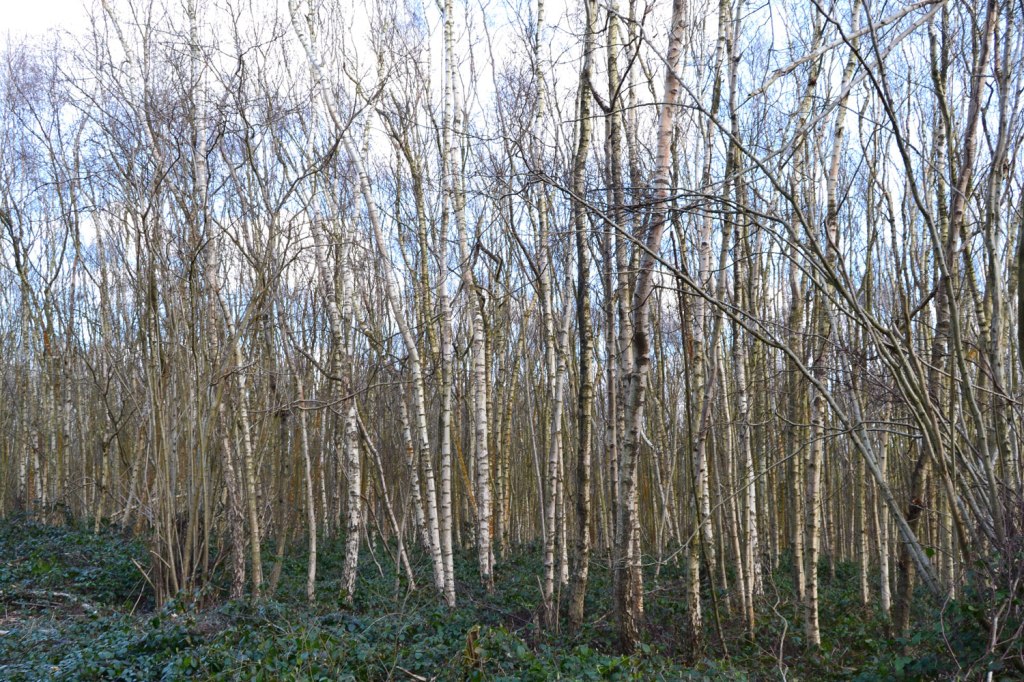
The Hever walk isn’t the most spectacular of the routes in terms of views but its unspoilt, remote-feeling woods, undisturbed meadows, and clay-tiled houses melding into the countryside give it a rare charm. Its position on the Weald of Kent between the high Ashdown Forest to the south and Greensand Ridge to the north means its topography is dotted with mires (woodland bogs) and ghylls (mini-ravines concealing vigorous little streams), each with its own distinct character and sense of mystery. Throw in the area’s prominent place in English history, what with the Boleyns’ fantastic castle and the area being a stamping ground of Henry VIII in the 16th century, this route has a special atmosphere. A wonderful holloway through the middle of a sandstone outcrop comes as a surprise after the gently sloping serenity of the rest of the walk. But a warning: the mud is horrendous at points until about mid-April. This is compensated by the walks’ multitude of wildflowers beginning to stir, the colours of silver birches in the wan late winter sun, the beautiful Hever church with its medieval tombs and brasses, and the Shepherd’s Neame Masterbrew in the excellent Henry VIII pub, now adorned with the flag of Ukraine.