Quiet North Downs, busy South Downs; all good

Quiet North Downs, busy South Downs; all good

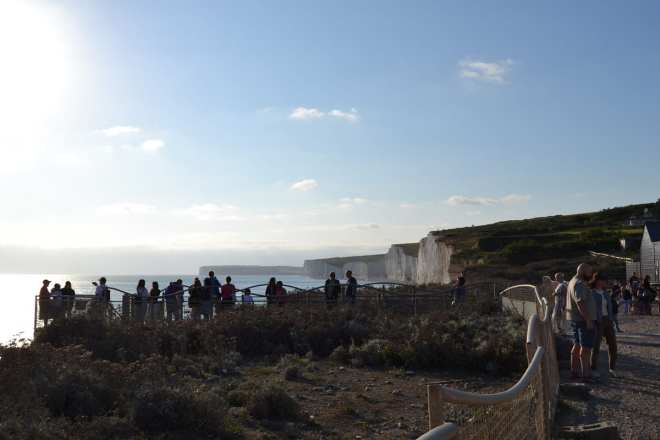
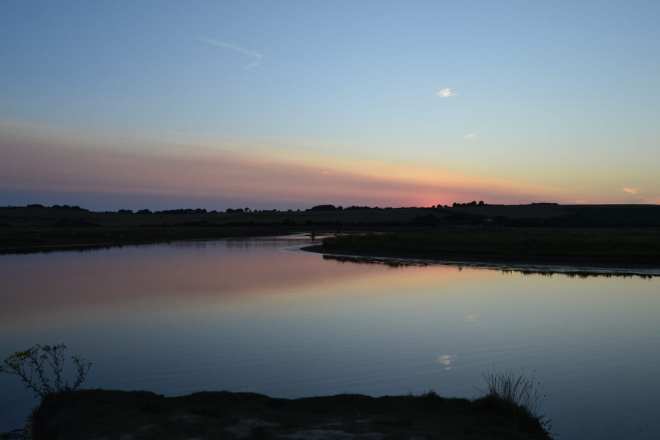
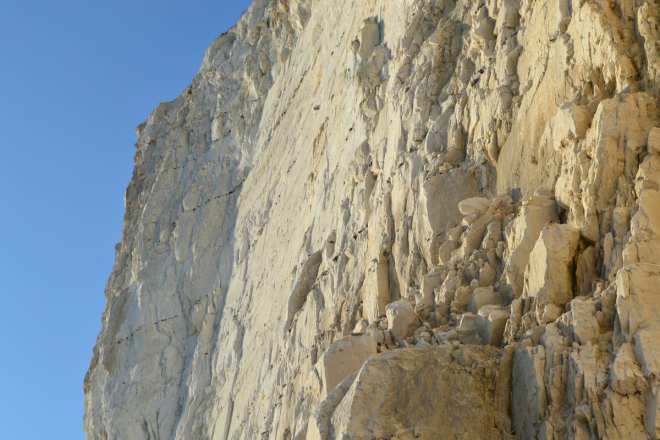
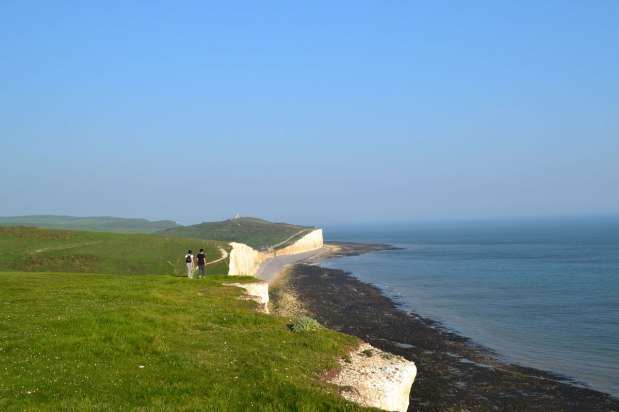
A walk around Birling Gap in East Sussex amid the famous Seven Sisters chalk cliffs was just the tonic for a dreamy August last afternoon. It’s a brilliant trip that we do fairly regularly. We started on the beach at Eastbourne with a picnic while enjoying the August airshow, before hitting Beachy Head and the Gap. After a pint at the superb Tiger Inn in ancient East Dean, we topped off the adventure with a 45-minute sunset stroll along the lower Cuckmere river from the Seven Sisters visitor centre to the sea. It was blissful but busy with tourists and folk down from London … which is just fine with me; it’s great to see everyone out enjoying the beautiful countryside, and the joy people were feeling in the sea air was kind of infectious. It felt a bit like going to the cinema – the pleasure of a shared experience of wonderful scenes is a great thing. Sussex by the Sea is a special place.

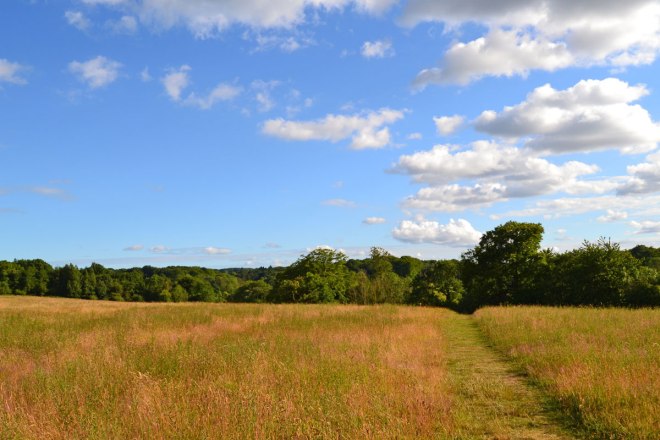
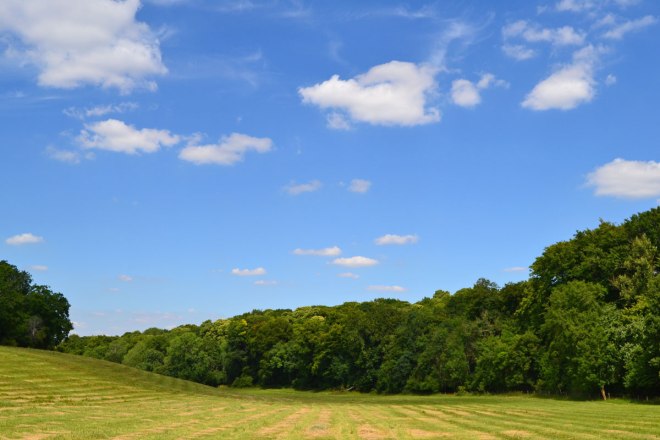
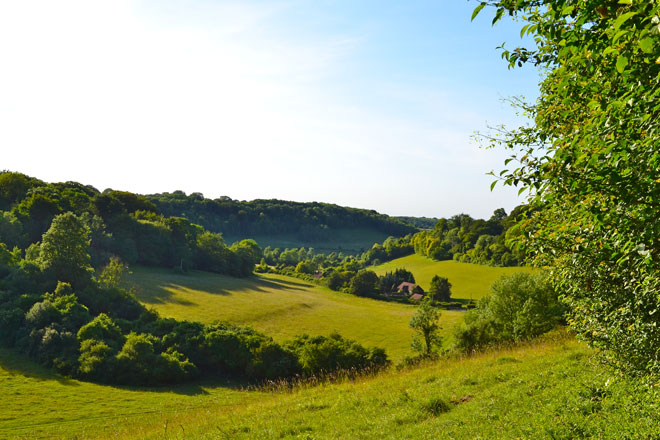
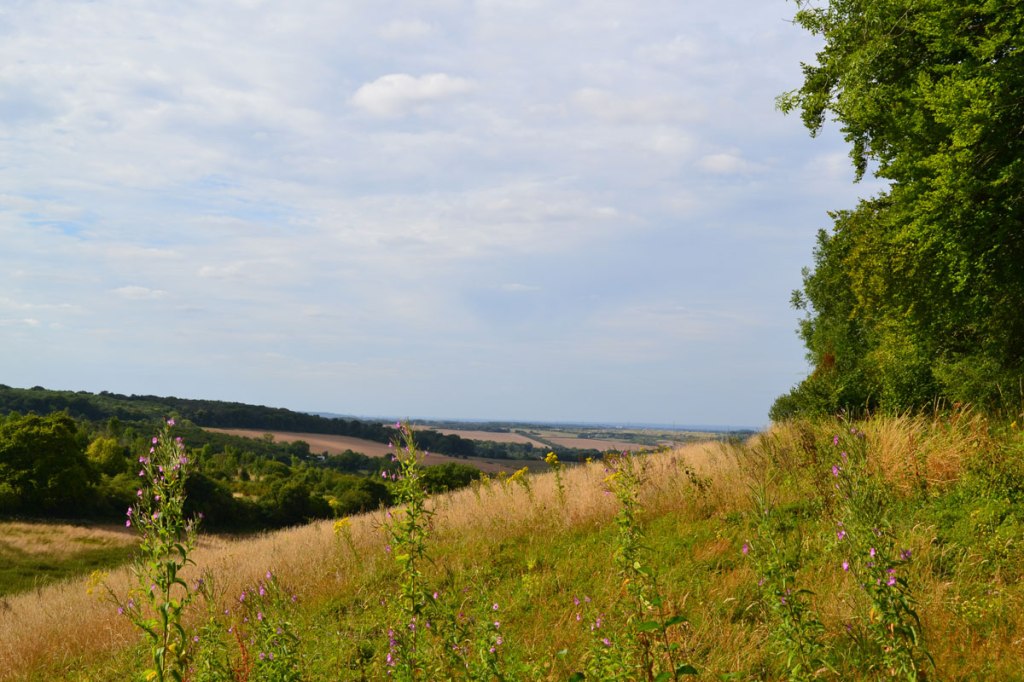
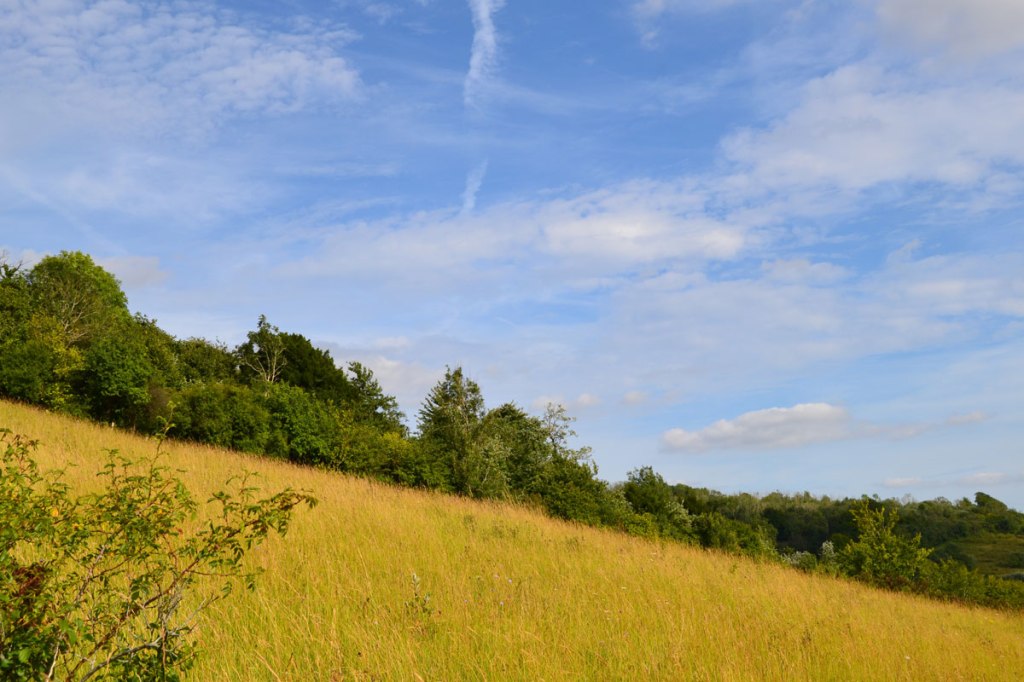
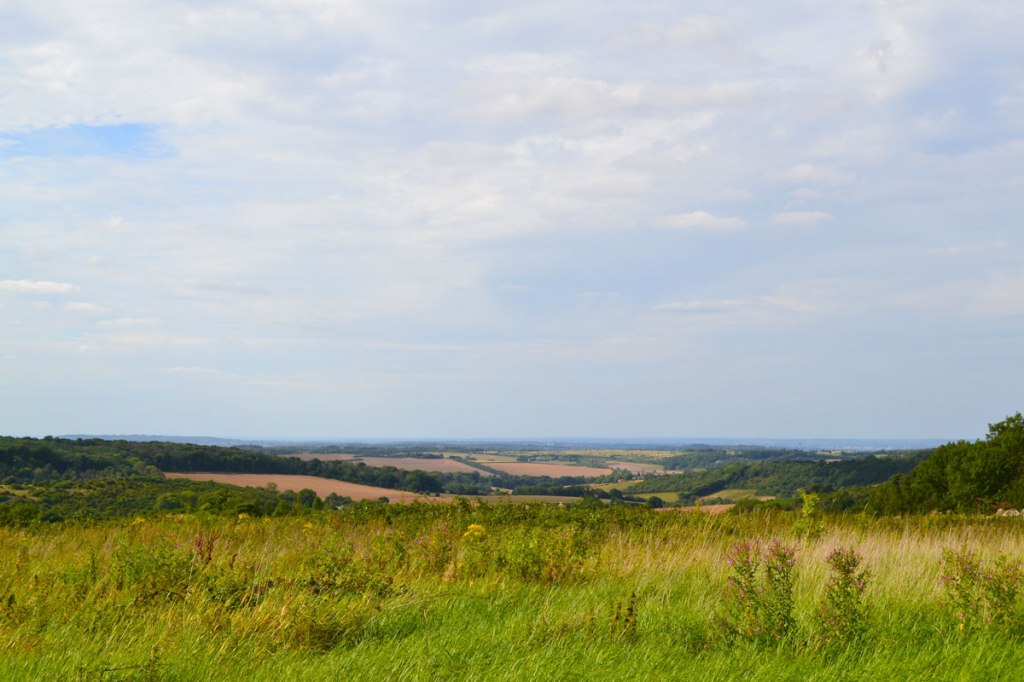
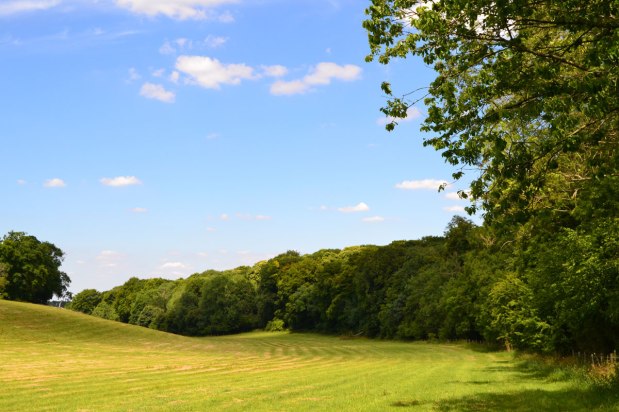
  • North Downs view
  • An egret at dusk in the Cuckmere river

The following day it was back to the North Downs for the Knockholt / Chevening route; the first time this year I reckon. As mentioned in my previous post I was tipped off by a helpful KWNL’er that there was a useful diversion at the Point 5 which means you don’t have to walk on Sundridge Road anymore. And so there was. It was great. Very sleepy, dry, Augusty, quiet. And so few people! I missed the crowds at Birling Gap. Well, I didn’t reeeeeally; I love solitude too. Without the waves, gleaming chalk, and sea breeze, the western North Downs don’t have quite the easy allure of their southern counterparts; but for quiet, great views, glimpses of the medieval past and atmosphere they are wonderful. But so few south-east Londoners seem to quite know what’s on the doorstep – which is the point of this website I suppose.

Take secateurs on your Kent walk!

Take secateurs on your Kent walk!

Things have got a bit overgrown on some of the more neglected paths. Despite the lack of rain, brambles have been getting busy and are giving their full attention to any bare legs they come across. Nettles too. The brilliant Eastern Valleys of Shoreham walk is the worse offender here… along the field edge coming up to point 3 in particular. That path is little used and things have got a little wild (there could well be an alternative route on a path within the woods, not along the field but I’m a little hazy on the details, it’s hot and I’ve been watching Glasto). I say secateurs, but a sickle or shears wouldn’t go amiss – whatever your implement, it’ll help keep things civilised. Obvs, don’t go crazy, just a little snip here and there to clear your path, we don’t want anything apart from brambles, the odd nettle and dogwood being snipped. Even on my brief Bough Beech stroll today I was assailed by prickles while on the pavement walking back towards the nature reserve (the kingfisher was showing well if you must know). Still, I survived; I always seem to, whatever terrible hazards the Kent walks near London throw at me.

Not too hot to trot in Kent

Not too hot to trot in Kent

When the temperature hits 30C a lot of us prefer to sit in the shade, sip a drink, maybe head to the park cafe, try to keep cool. But Kent Walkers Near London are rather like mad dogs and Englishmen – they go out in the midday sun and hit the trails of the North Downs and Greensand Ridge and anything in between. My cut off is closer to 35C when it comes to walking – I once did a few miles in Joshua Tree national park in the Mojave desert (not a Kent walk near London) at about 38C. It was great! No problemo. Just bring water and don’t get too lost and you’ll be fine! In fact doing the Kent walks are a better way of keeping cool than hanging in SE London – there’s usually a breeze on the downs and trees for shade. Plus they’ll be butterflies and wildflowers to enjoy. And unlike Joshua Tree there’s a decent pub never much more than a mile away. In terms of distance, as long as you’re feeling good there’s no problem with doing a walk up to 6 miles in high temperatures. One little tip though: if you do the Eastern Valleys route (quite taxing on a hot day as the valley kind of magnifies the heat) take secateurs as one of the paths gets overgrown a bit at this time of year and you don’t want want those pristine bare legs to be ripped to shreds! Enough. Enjoy!!

  • Magpie Bottom in the August heat
A bike’s eye view of faded August beauty

A bike’s eye view of faded August beauty

The dusty torpor of late August is upon us. Birdsong has dwindled and the countryside looks faded and a bit tired. The late afternoon sunlight on Sunday was filtered through a layer of dust and smoke particles from wildfires across the Atlantic giving an oddly melancholic tone to our cycle ride around Cudham, Brasted and Knockholt. The silence was only punctured by the breeze on the beautiful hedgerows, and dry, long grasses and wildflowers of the verges and fields left to fallow. Swallows seemed to be clustering together in a few places as they contemplate their epic journey south. We stopped to pick blackberries at Letts Green, having for once remembered to bring some tupperware with us. Later a ruddy moon rose to the south emphasising the odd atmospheric conditions. My cycle route takes in the Pilgrim’s Way and the daunting Sundridge Hill, having sped down Brasted Hill. We’ve done it so often now that our legs have acclimatised to the steep sections that we used to have to walk up. Another cycle, the next day, took us from Tonbridge to Penshurst Place, a beautiful medieval manor house with a wonderful walled garden, on a route close to the Medway and its offshoots that’s mostly off-road.

  • Penshurst gardens
Into the hot valleys of the North Downs

Into the hot valleys of the North Downs

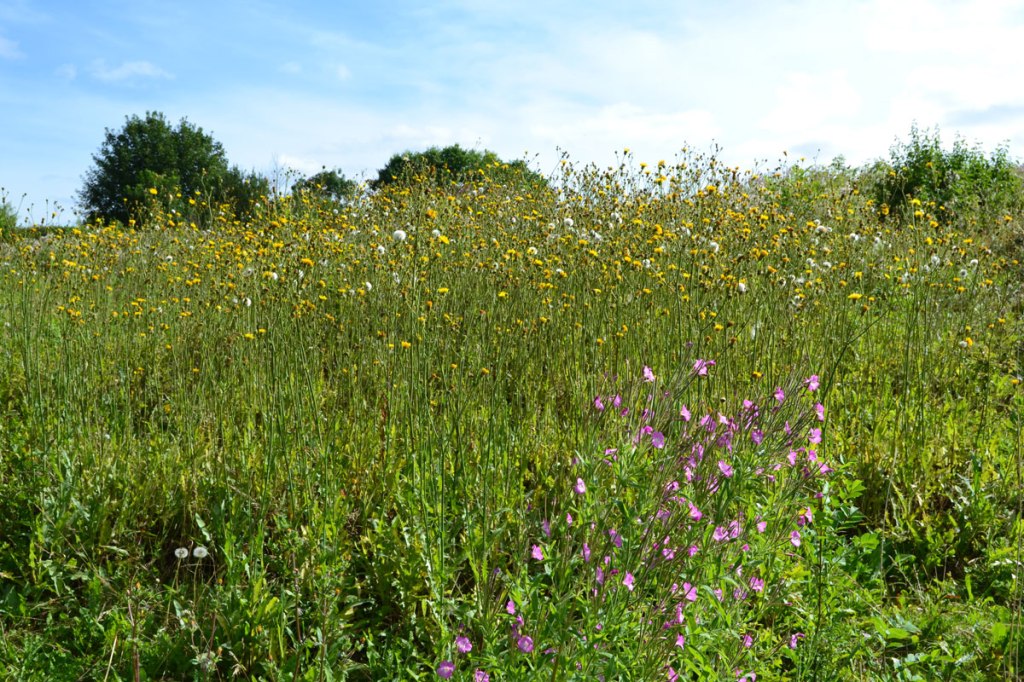
Sunny weekends have been in short supply this year. Hopefully we are overdue some. It’s a great time for butterflies and wildflowers like scabious, particularly in the chalky North Downs walks. I also love the displays of rosebaywillow herb… so colourful alongside ragwort. And there’s the wild marjoram and thyme to enjoy. It’s a great time of year, though look carefully and you’ll notice the grass is yellowing, the trees looking a little tired in places as August continues. I love a hot walk, and nothing beats the Mysterious eastern valleys and Fackenden Down walks for trapped heat and big-time humidity. These walks can be combined for a 7-mile epic, as can all the Shoreham, Otford and Eynsford routes. And they are only a 40-minute train journey away from Peckham Rye/Crofton Park/Catford etc. I’ll be setting off shortly …

Vibrant colour in Shoreham’s eastern valleys

Vibrant colour in Shoreham’s eastern valleys

Great to see so many people enjoying walks this weekend, a fair few using the KWNL routes and following the GPX from the look of the WordPress dashboard. I’ve helped a few out with directions from time to time – people are always tickled pink when they realise they’re talking to the actual bloke who wrote this site.

Today I walked the ‘mysterious eastern valleys of Shoreham‘ route. The path by the field is very overgrown. I was prepared for it so brought secateurs. Despite my snipping that path will still be daunting and slow going. I advise a diversion: check out the map on the route’s web page to see it – it involves walking down to Shoreham church from the station then taking the path heading north and eventually crossing the railway line and the A225 before heading east, steeply uphill and joining at Point 3. It’s not difficult, honest.

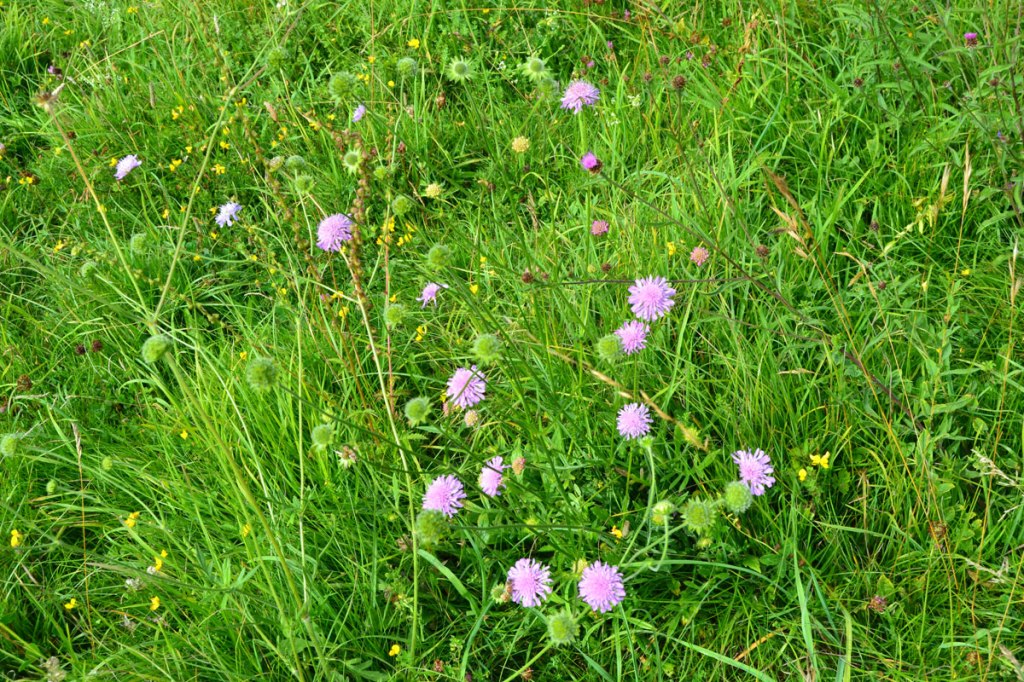
And it’s worth it. Right now this is a brilliant route. From the hamlet at Austin Lodge up to Romney Street the wildflowers are fantastic: wild marjoram and scabious; mauves, lilacs and purples with knapweed, devil’s bit scabious, the yellows of trefoil and ragwort, the deep pink of rosebay willow creating a sheen of vibrant colour. I walked with clouds of meadow brown and gatekeeper butterfiles with the odd brimstone and chalk hill blue thrown in. As ever in summer, the Magpie Bottom valley – between Knatt’s valley and the Darent valley – was humid, still and quiet. A little owl called, buzzards soared. I decided to extend the walk past Romney Street to Magpie Bottom and over Fackenden Down, bringing me out at Shoreham station just in time for the 5:38pm Blackfriars service. Perfecto.

Bough Beech wildlife and ice-cream

A lovely summer’s day coincided with a planned outing to Bough Beech for the shortish walk and a stroll around the former Kent Wildlife Trust nature reserve with its fine bird hide overlooking a lush and large pond. Birder Dave was in attendance and was ably assisted by the Merlin app, although Birder Dave is the more accurate judge of bird calls and songs. We heard spotted flycatcher, saw three marsh tits, a hobby, kingfishers, grass snakes, heard raven (could it be that noisy individual who ‘lives’ in the Douglas fir by Chartwell?), saw green sandpiper, flocks of lapwings (once a common site in all parts of Kent, but now no longer) and the usuals. Better still was the fine company and the encounters with friendly birders who were very familiar with the site and knowledgeable. The Bough Beech is the only walk at KWNL where you can buy an ice cream half way through. And a top quality one too. At Bore Place farm there’s a sort of little barn round the back with freezers full of top notch organic lollies and tubs. You pay with via a card reader or QR code thingy – it took me a while to work out how to pay because I couldn’t be arsed to find my glasses so kept misreading ‘charge’ as ‘change’. Duh.

Suddenly summer

Suddenly summer

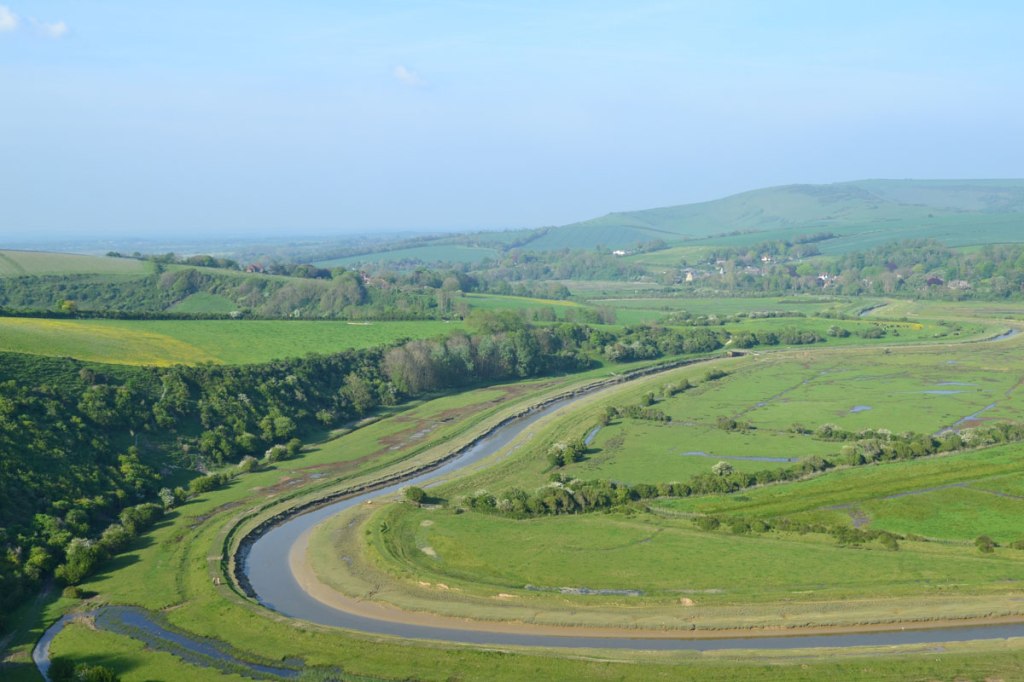
The unexpected arrival of a summer that seemed so distant on the bank holiday and the even more unexpected appearance of the aurora borealis in the skies of south-east England (has this ever happened to such an extent before?), were the backdrop to full-on weekend of walking for yours truly. Family wanted a walk in the Seven Sisters country park, East Sussex. My offer of the Hever walk, great in May, was turned down. So we headed down the merry old B2026, A26 and A27 turning off towards Afriston soon after Lewes. We improvised a walk starting in the downs above the Cuckmere valley at High and Over, then steeply down to the river to the country park visitors centre. From here, we decided to walk through Westdean (beautiful!) and Friston Forest then back to the Cuckmere via New Bridge and steeply up High and Over (though an inquisitive herd of goats). About seven miles.

Pictured: view of Cuckmere river from High and Over; the Cuckmere river nears the sea; looking towards Friston Forest from High and Over

Cliffs were the next item on the agenda so we drove to Birling Gap where the happy ice-cream ensonced throng was beginning to thin and walked a mile or so along the tops of the Seven Sisters and back. This was followed by a great dinner at the gorgeous Tiger Inn in East Dean and another walk from the Seaford Head car park down to the Coastguard Cottages (think Atonement and a million photos of the cottages, the beach and the cliffs). During this walk a fox crossed our path with a rabbit in its mouth. Another rabbit bounded past in the opposite direction. By now it was pushing 9pm and crowds were arriving at the car park hoping to see another great aurora.

Thinking ahead we drove back to SE London via the Ashdown Forest, parked up in darkness at the Piglets car park and made our way to the AA Milne memorial with its great north-facing view. By now it was about 10pm. Lots of others had the same idea … good humoured groups of people lingered with their phone lights pointing at the ground round every corner. Of course there was no aurora borealis, underlining what a one-off Friday night had been. But we saw a decent starscape, a few satellites, and that was it. I was hoping for an owl and the song of a nightingale, but alas …

Sunday saw a more familiar path taken: the High Elms/Farnborough walk (pictured above). Sun-dappled paths, fantastic fresh foliage, an air of bonhomie from fellow walkers – what a difference a spell of sunshine can make. This route lacks great views but it’s far from ordinary because of its associations with Darwins and Lubbocks, and star-studded arboreal content – from sequoias to holm oak, beech to corsican pine. I fiddled with the Merlin app a few times to try to identify warblers and other migrant birds calling from thickets. But it didn’t work. I guess they were all common whitethroats and blackcaps anyway. One highlight was was the clearing in the woods a mile north of the Beeche cafe. It was full of bugle and cowslip; dark blue and yellow splashes. This season’s bluebells are already largely a memory. Here’s a very good blog about High Elms and other places covered on KWNL by Bill Welch.

The difference a bit of rain makes

The difference a bit of rain makes

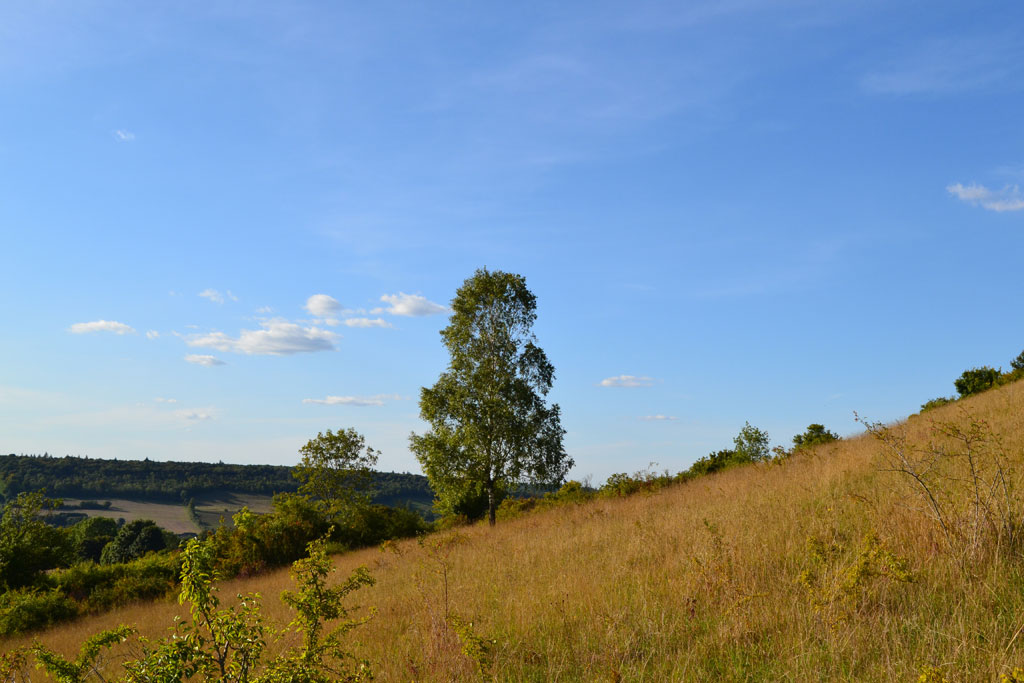
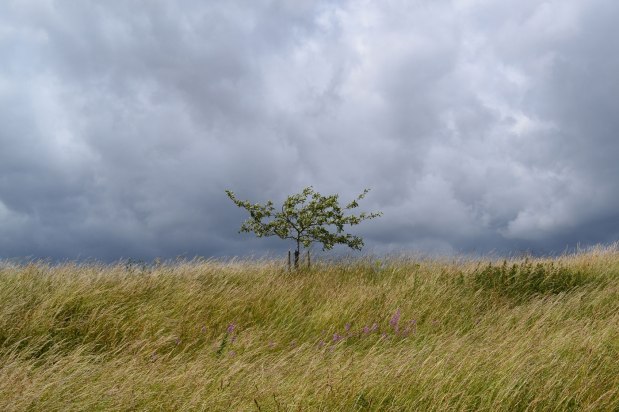
Interesting to see the effect of normal weather on the colour of the landscape. The first picture was taken on 15 August on the Fackenden Down route with the summer drought at its peak; the second picture on 17 September. It had rained during the week of 4-11 September.

Parched grass, Dunstall Farm
Parched ground near Dunstall Farm – the tree branch was dead years ago
Back to normal after the early September rains – and, below, a silver birch tree on Fackenden Down photographed on the same days
The sand paths of Oldbury

The sand paths of Oldbury

What a wonderful walk today. The Oldbury-Ightham-Stone Street jaunt is a bit of an epic by KWNL standards at 6 miles, but every metre is worthwhile. I started badly, however, by telling a group of mountain bike riders they were wrongly cycling on a footpath. I was sure I was right but it turned out I was wrong. It was a bridlepath and they were fully entitled to ride on it. It wasn’t an unpleasant exchange and it was quite funny that I had to admit I was wrong after being shown the map. I ended up saying “Well I haven’t seen any horses, have you?” but I was trying not to laugh. I’m a country lane cyclist myself; I can’t understand cycling down paths and bumping over roots and being brushed by nettles. And I can’t understand cyclists steaming or wobbling down main roads with queues of nervous car drivers behind them. For me, the whole point is a bit of peace and quiet. But that’s me. Live and let live I say; each to their own.

I hadn’t done this walk since Covid. My friend Steve introduced me to it in July 2020. The lavender has been largely harvested but as a result, on that section of the walk I didn’t pass a soul. Interestingly the springs of the Greensand Ridge seemed to be unaffected by the dry and hot weather, so ponds were looking healthy-ish, and the little streams near Ightham tinkled beautifully.

One of the oddities of the walk is that despite being on the Greensand Ridge you don’t get the same extensive Weald of Kent views that you do further west, at One Tree Hill and around Ide Hill. There are just too many trees in the way! But I did get great views of the Spitfires from Biggin Hill on their joyride flights; they seem to use this area to break away from the accompanying photo plane.

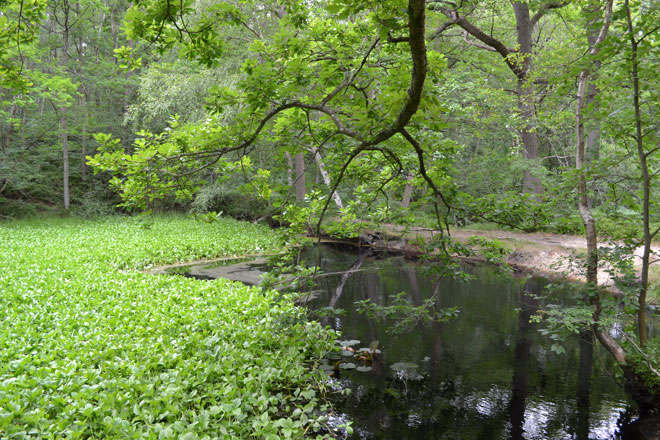
Pond at Point 1-2

Oldbury woods cover an iron age fort. It’s easy to see how this would have been a fortification in the centuries leading up to the Roman invasion but surely the Britons must have chopped down loads of trees to give themselves a field of view.

There is a similar feature at Keston, just south of the ponds. Navigation is not so straightforward at two points: between Stone Street hamlet and St Lawrence’s Church, and on Oldbury Hill itself, so check the GPX. Despite going slightly wrong twice (but quickly getting back on track thanks to the OS GPX) I was back home for the very enjoyable England v Germany football final – an excellent end to the afternoon. It’s a great walk, I really recommend it.

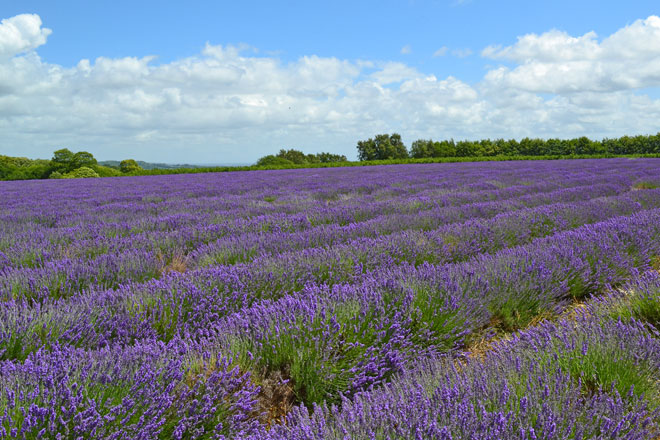
Mitchell and Peach lavender, point 3-4 pictured in early July 2020 – it’s harvested by August (earlier, if it’s been hot)