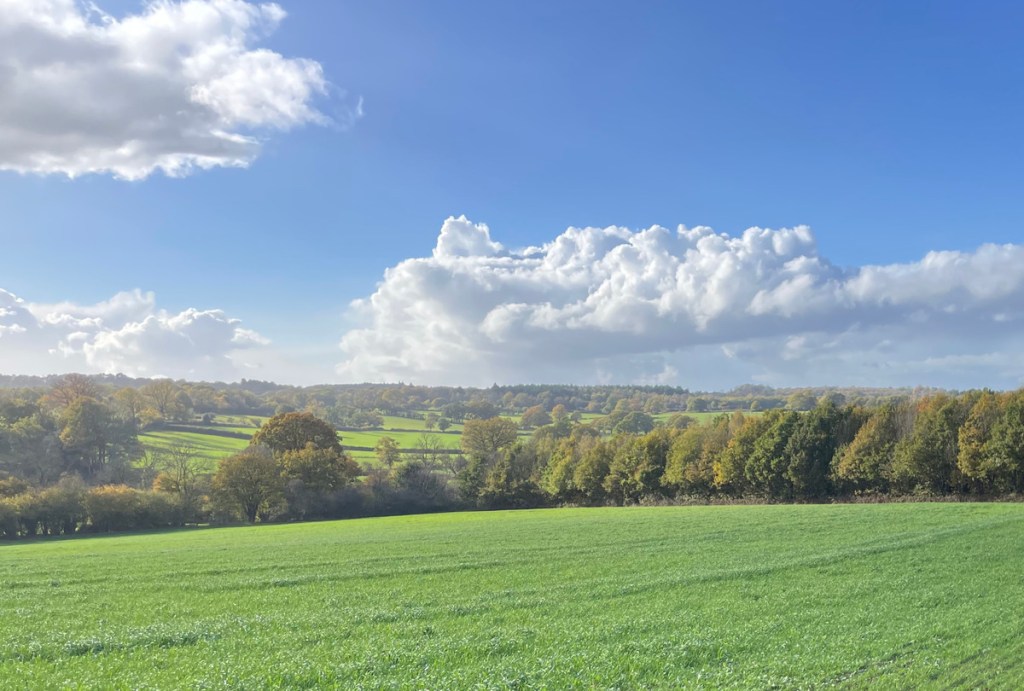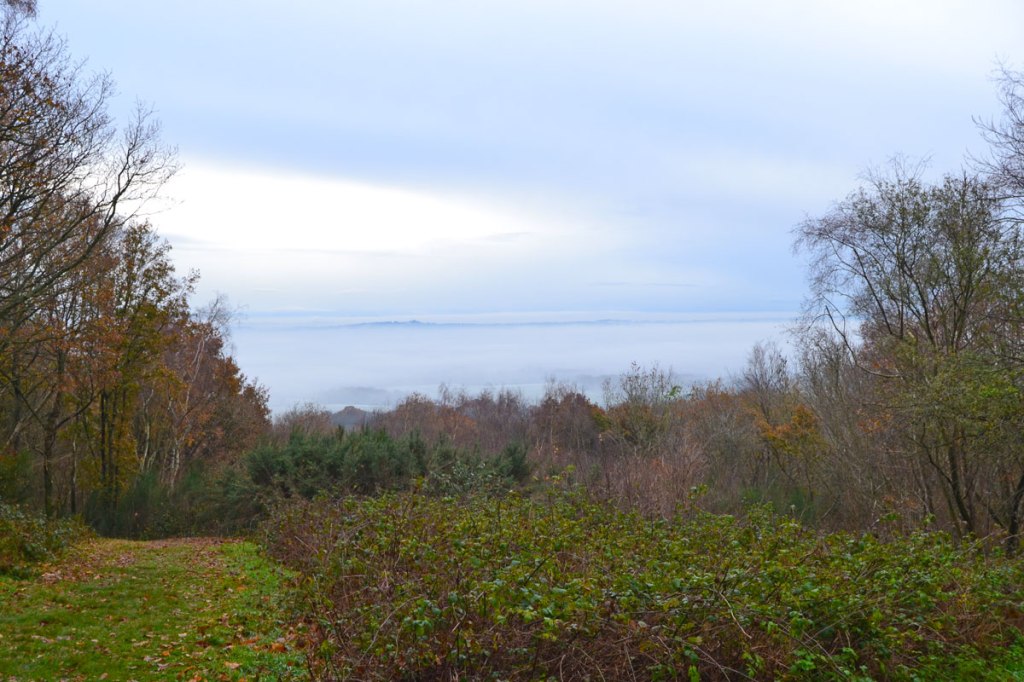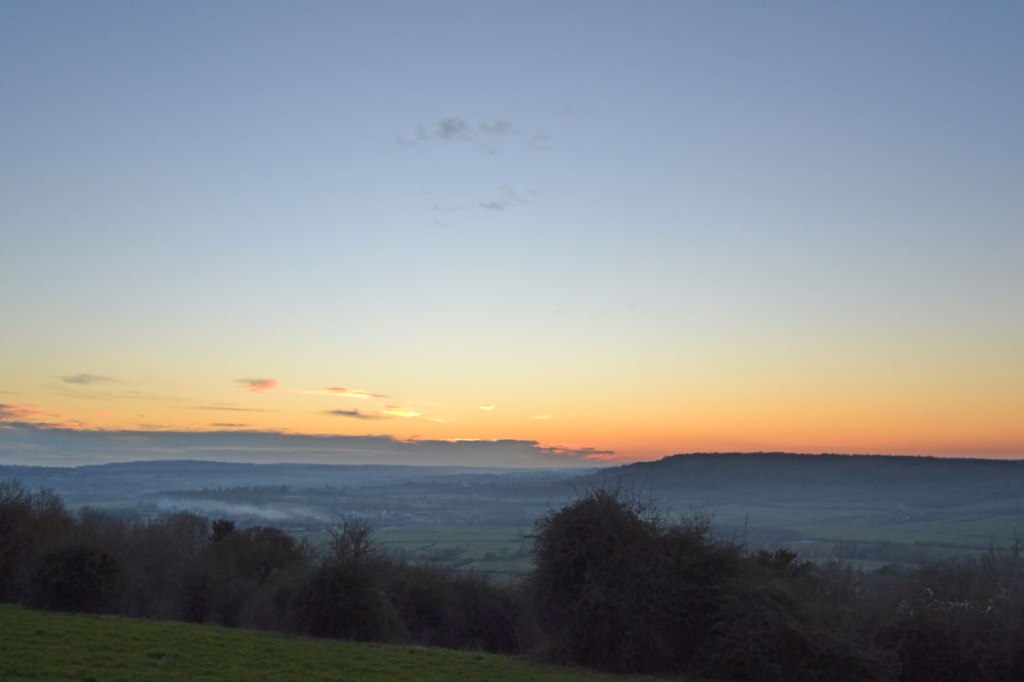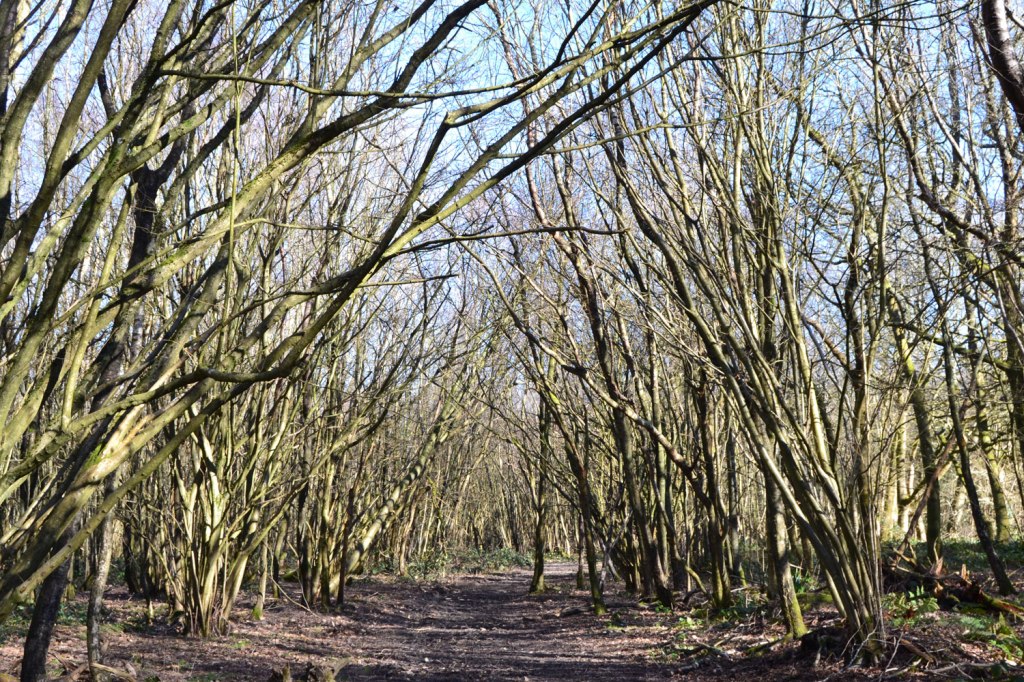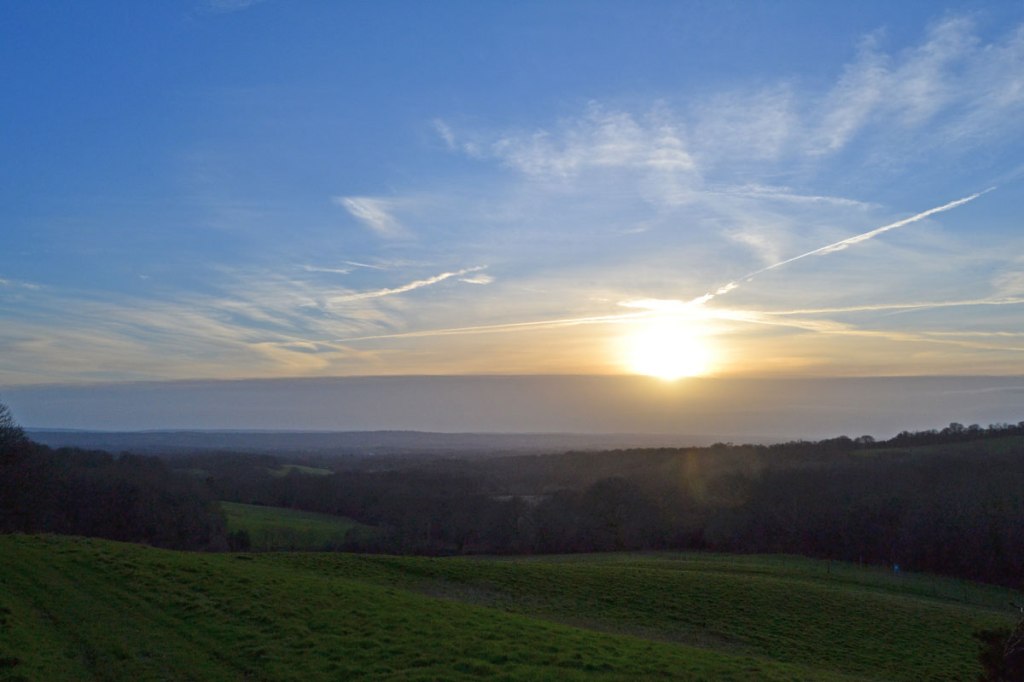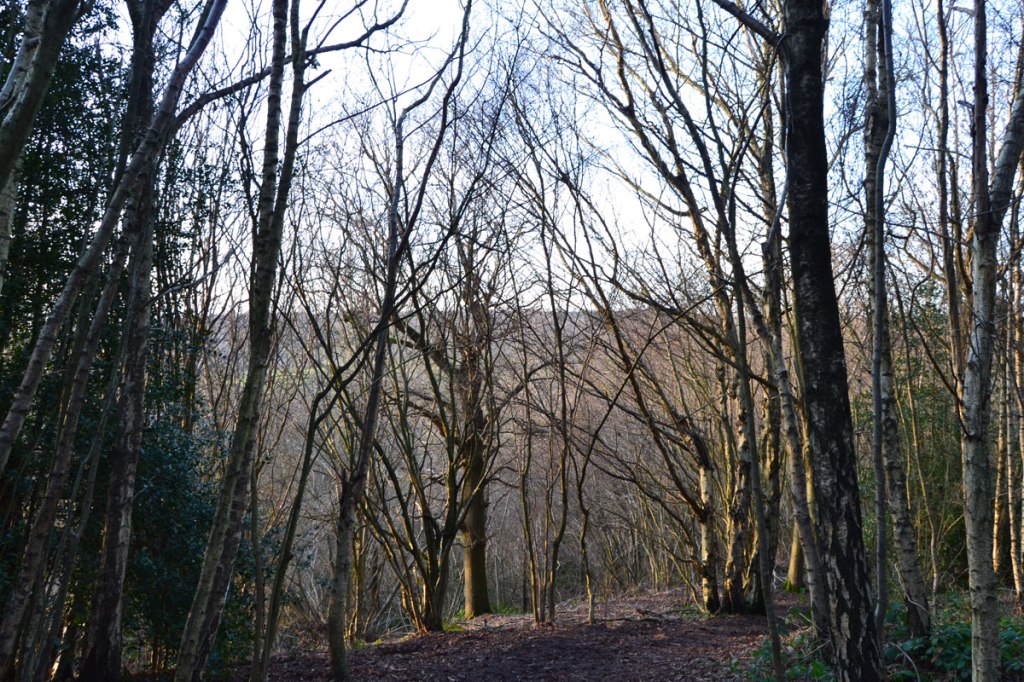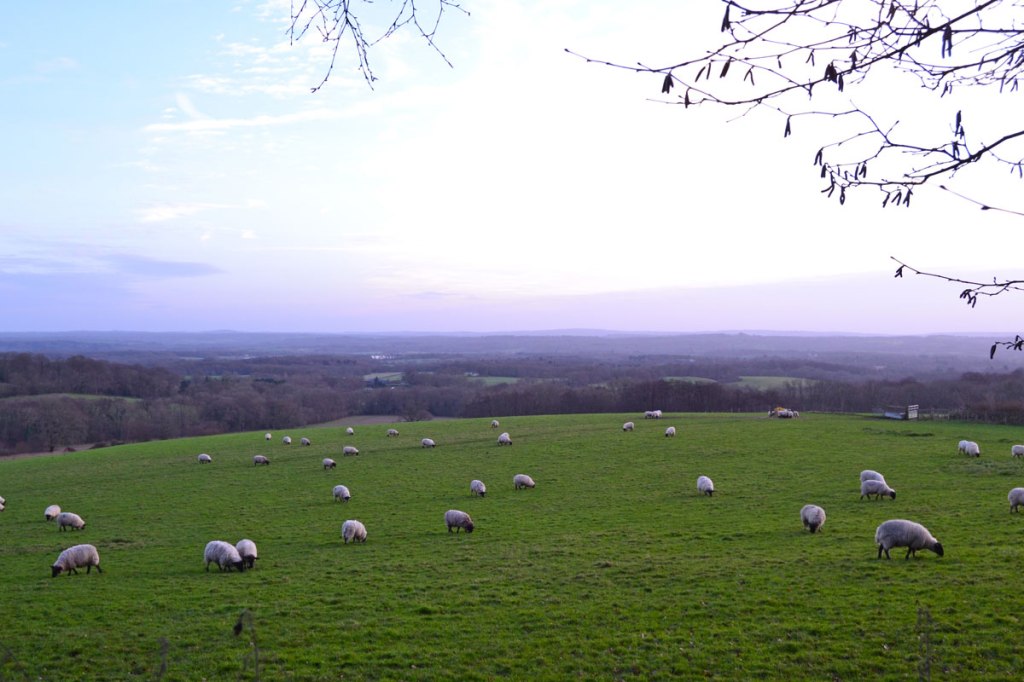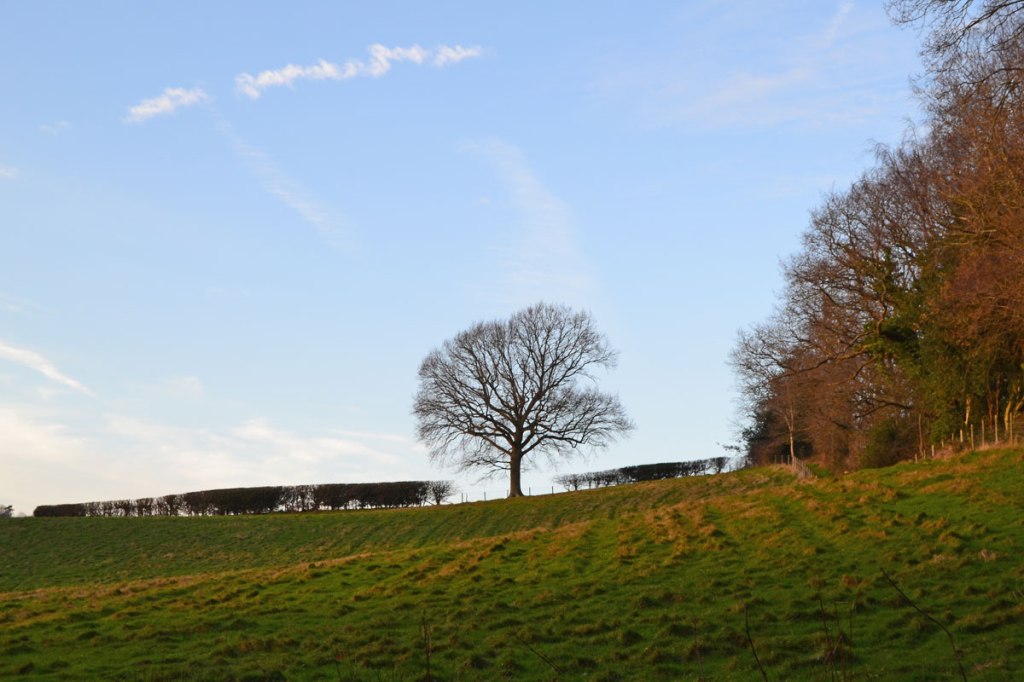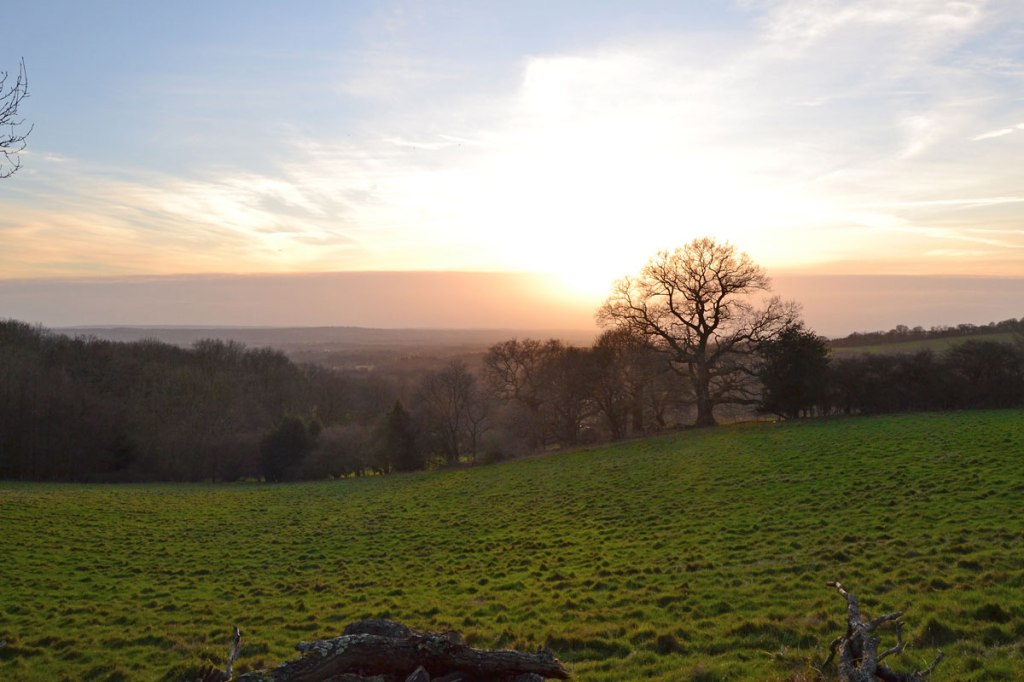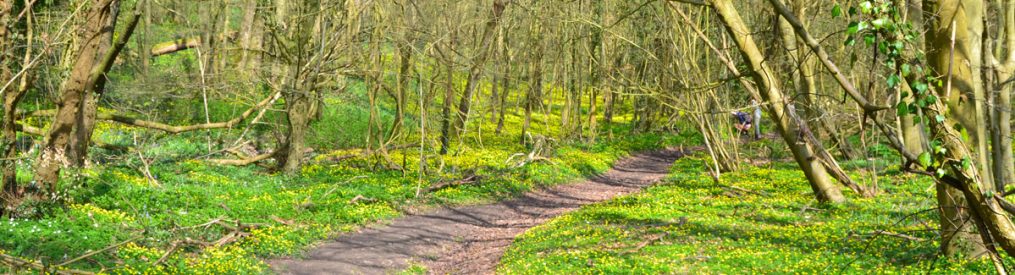
Autumn in these parts is spectacular. I know people talk in hushed tones about the colours of New England, Canada and Italy’s Apennines in the fall, but really the effect is pretty similar wherever there are trees! Once again, don’t overlook what’s on one’s doorstep in favour of an expensive and laborious trip. The November views of the Weald from Wilmot’s or Mariner’s Hill, or across the Darent Valley and the beech woods of Lullingstone are undeniably amazing. The ever-changing wide skies of Kent are a big factor in teasing out colours and optimising certain tones with the lower sun offering saturated reds, yellows and pinks. And greys, let’s not gloss over.
What’s surprising to me looking at the photos below is how green the countryside is in the Penshurst photo compared with those from elsewhere, yet it was taken on 1 November one week before this weekend’s Hosey walk, and a week after the trip to Shoreham represented here. Strange… could be sunshine and time of day I suppose.
I have lots of great autumn photos from over the past nine years of operating this website. But a selection from the past two weeks (mostly – the Downe and Ide Hill photos are from previous years) is enough to make the point – autumn is a terrific time for a hike on any of the routes at KWNL.
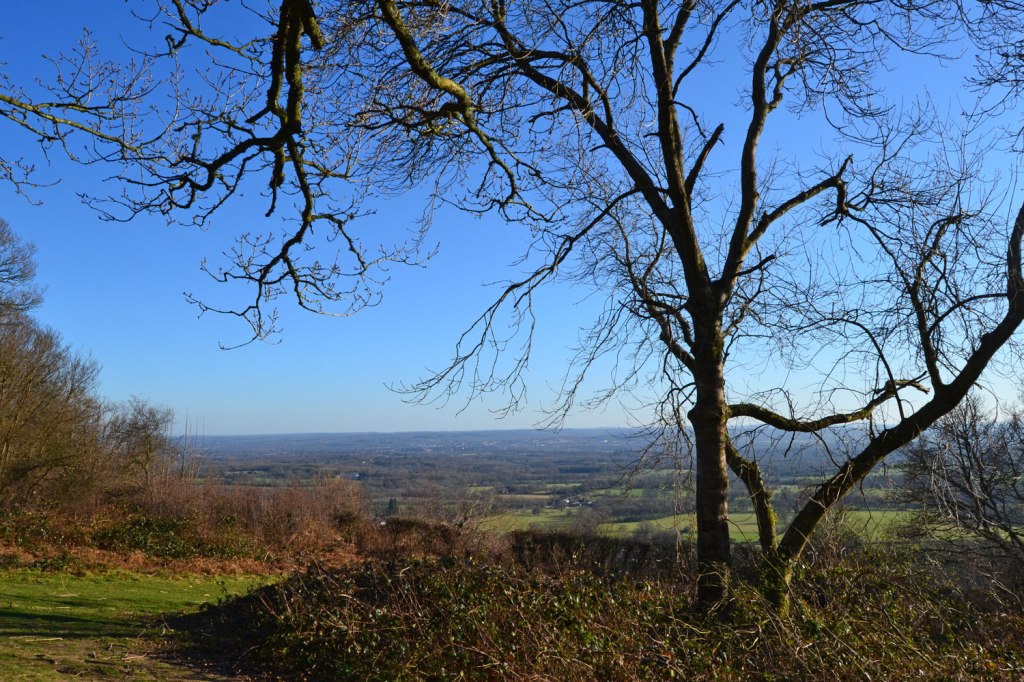
Mariners Hill view across the Weald on the Hosey walk
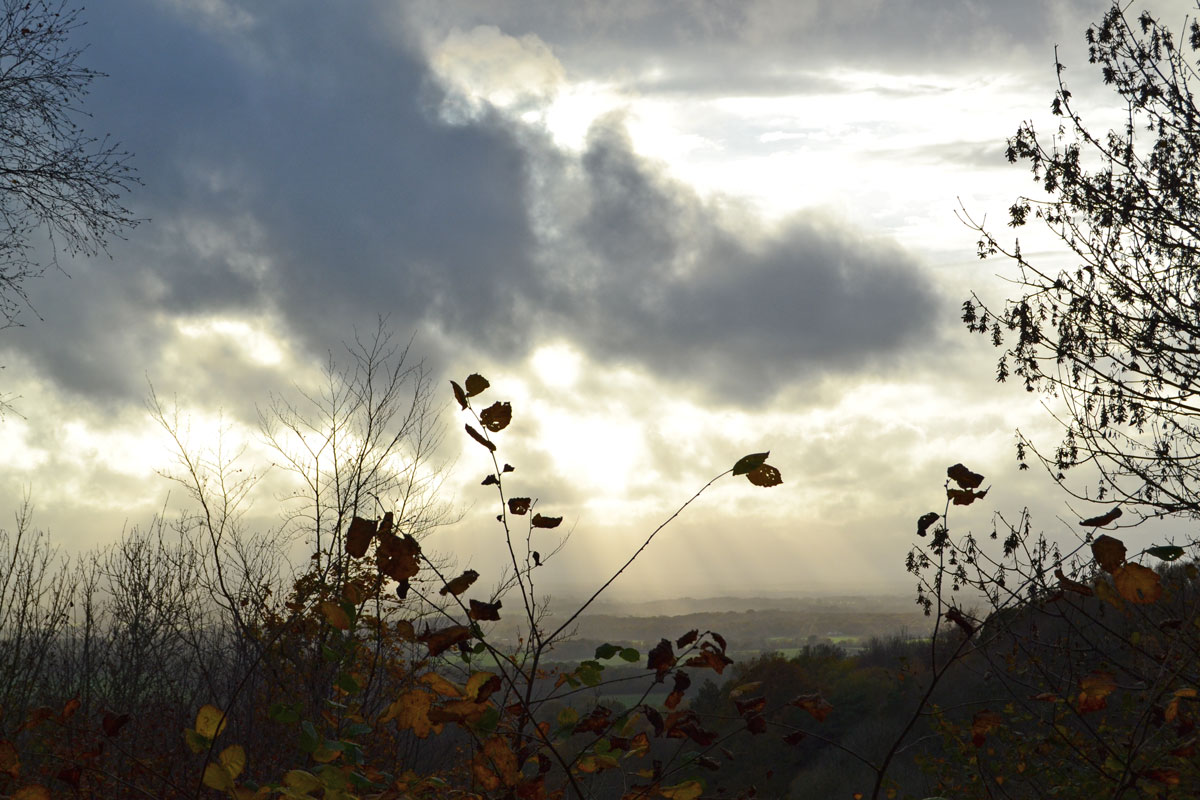
Sunbeams and silhouettes looking west from Mariner’s Hill on the Hosey/Westerham walks
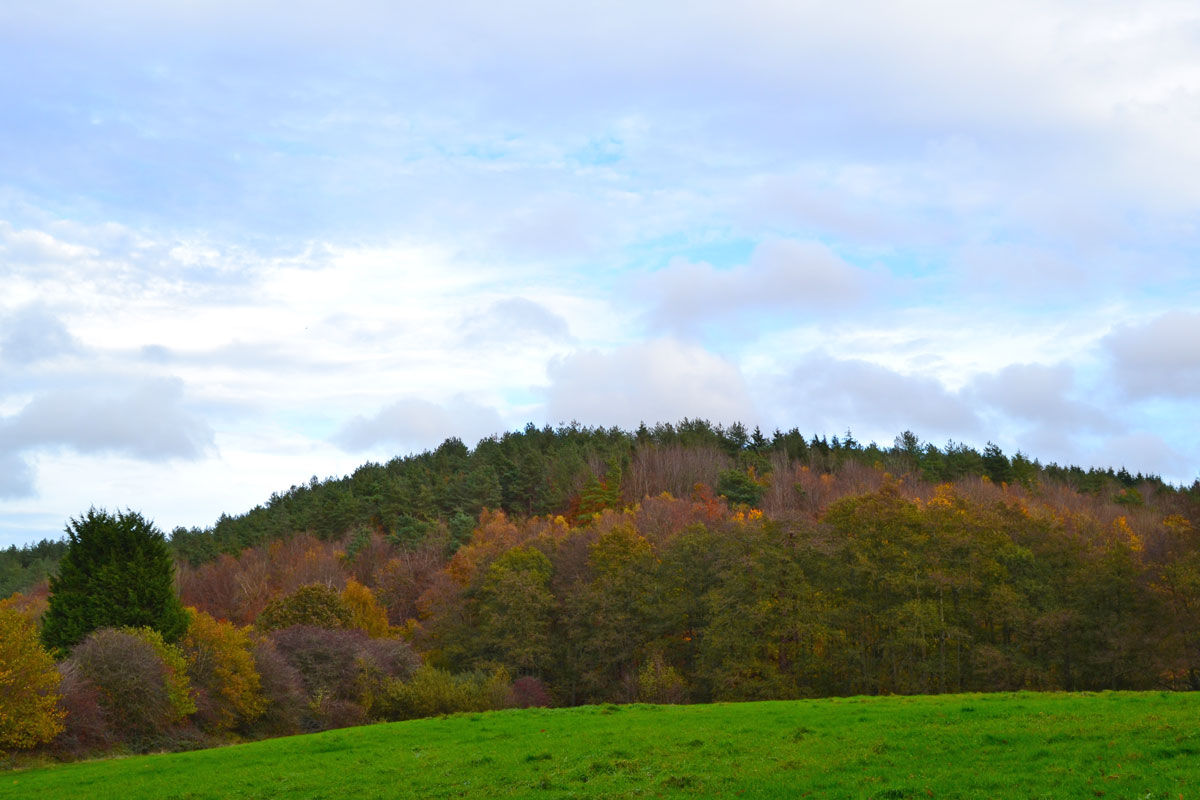
Tower Hill, near Westerham, on the Hosey/Westerham walks
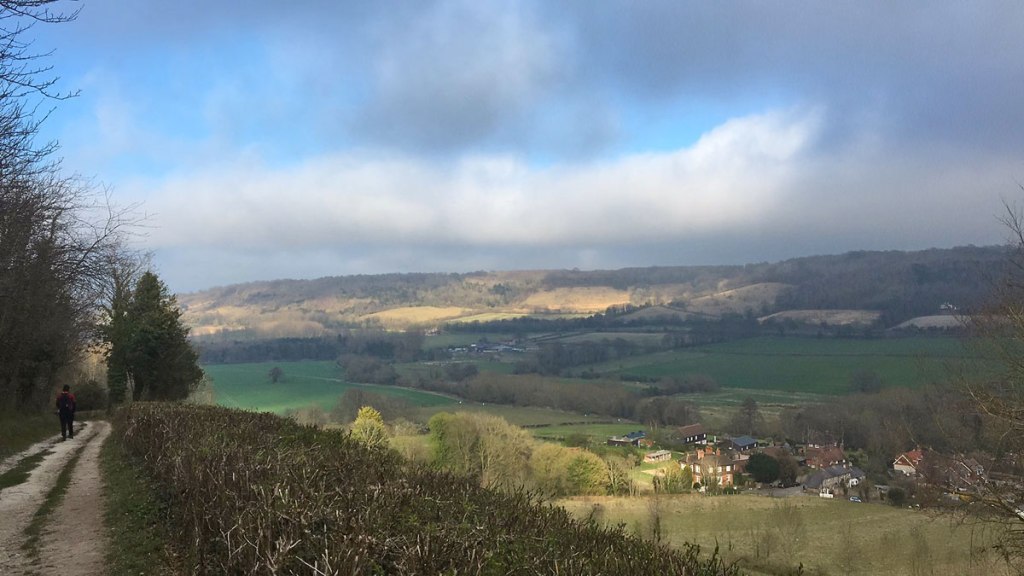
A view across the Darent Valley looking east from between Eynsford and Shoreham.
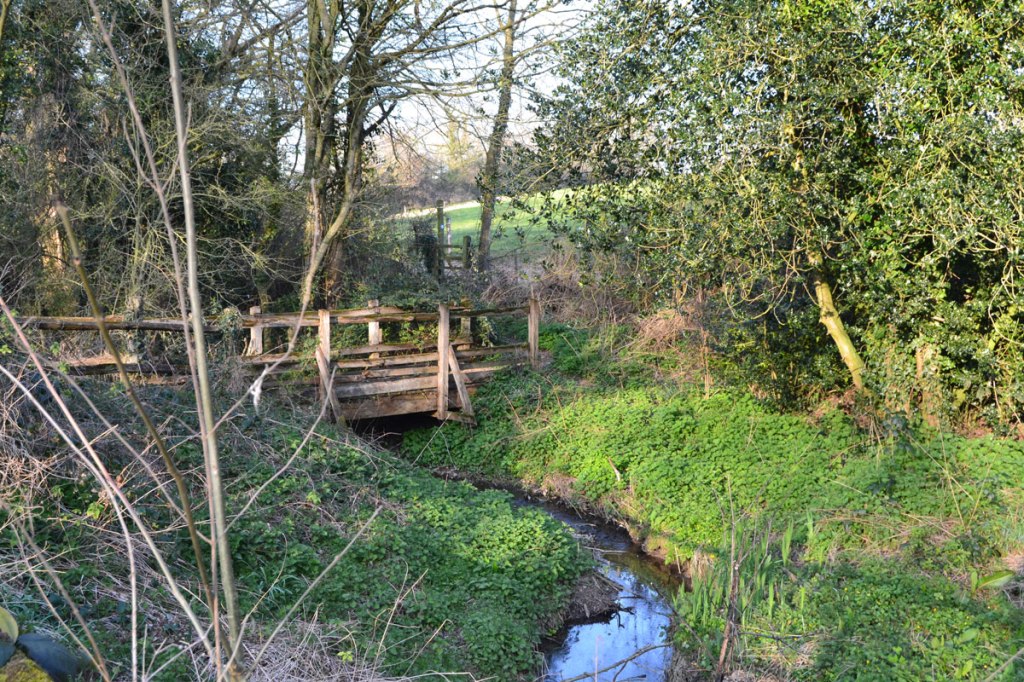
Infant Darent River from the Hosey path
Near Penshurst on the Chiddingstone walk
Mariners Hill
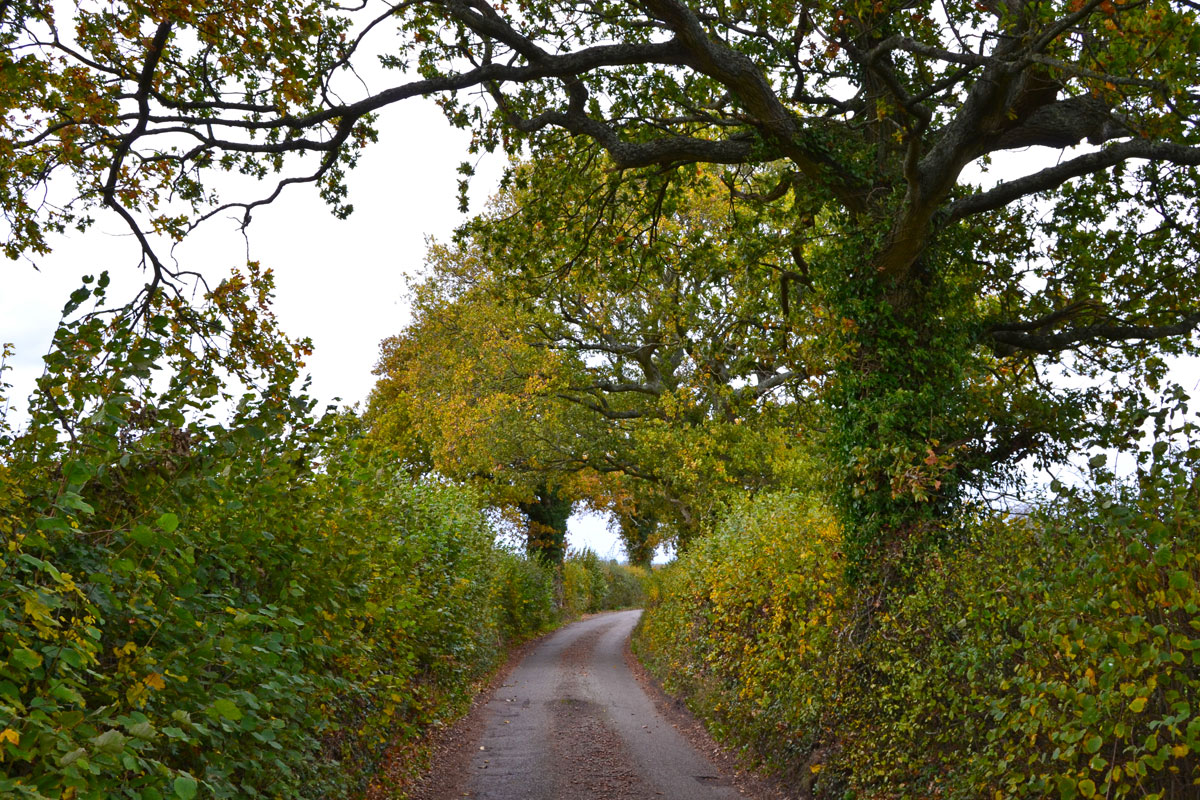
Country lane near Romney Street
View from Shoreham station bridge
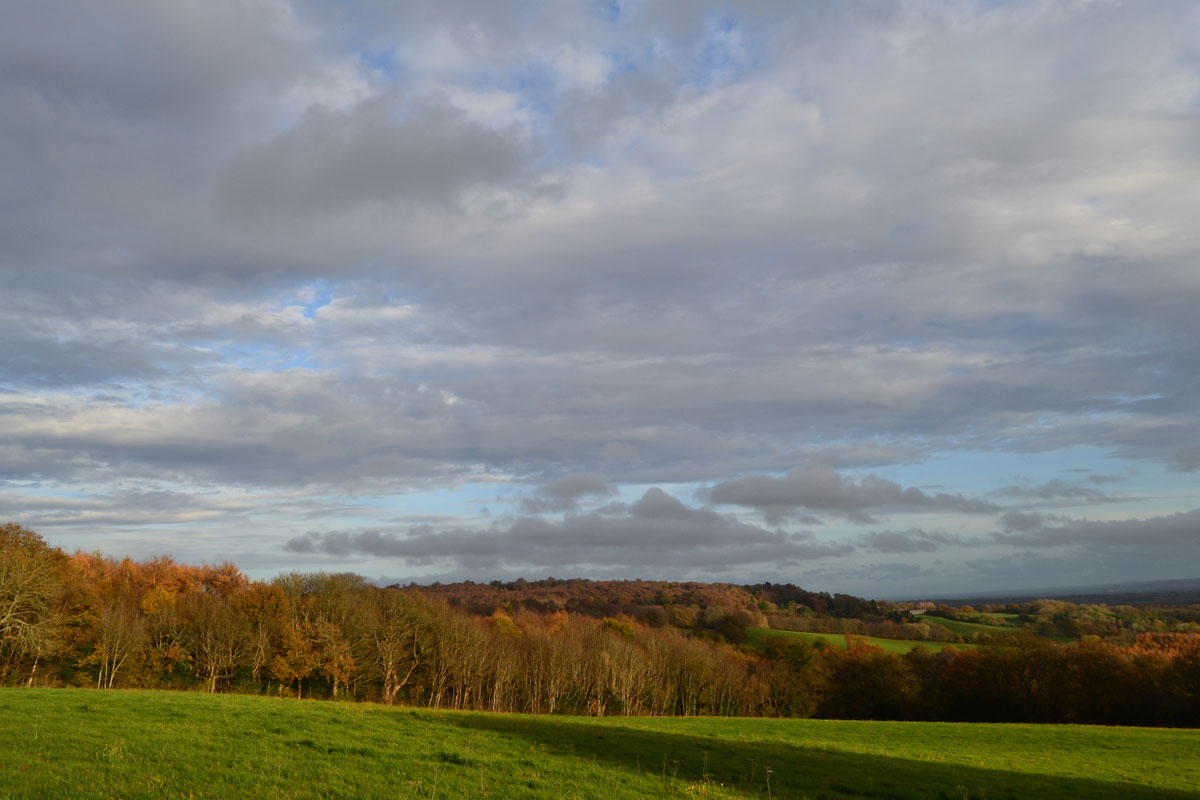
Mariners Hill view again
Wilmot’s Hill, One Tree Hill figure of 8 walk, at dusk
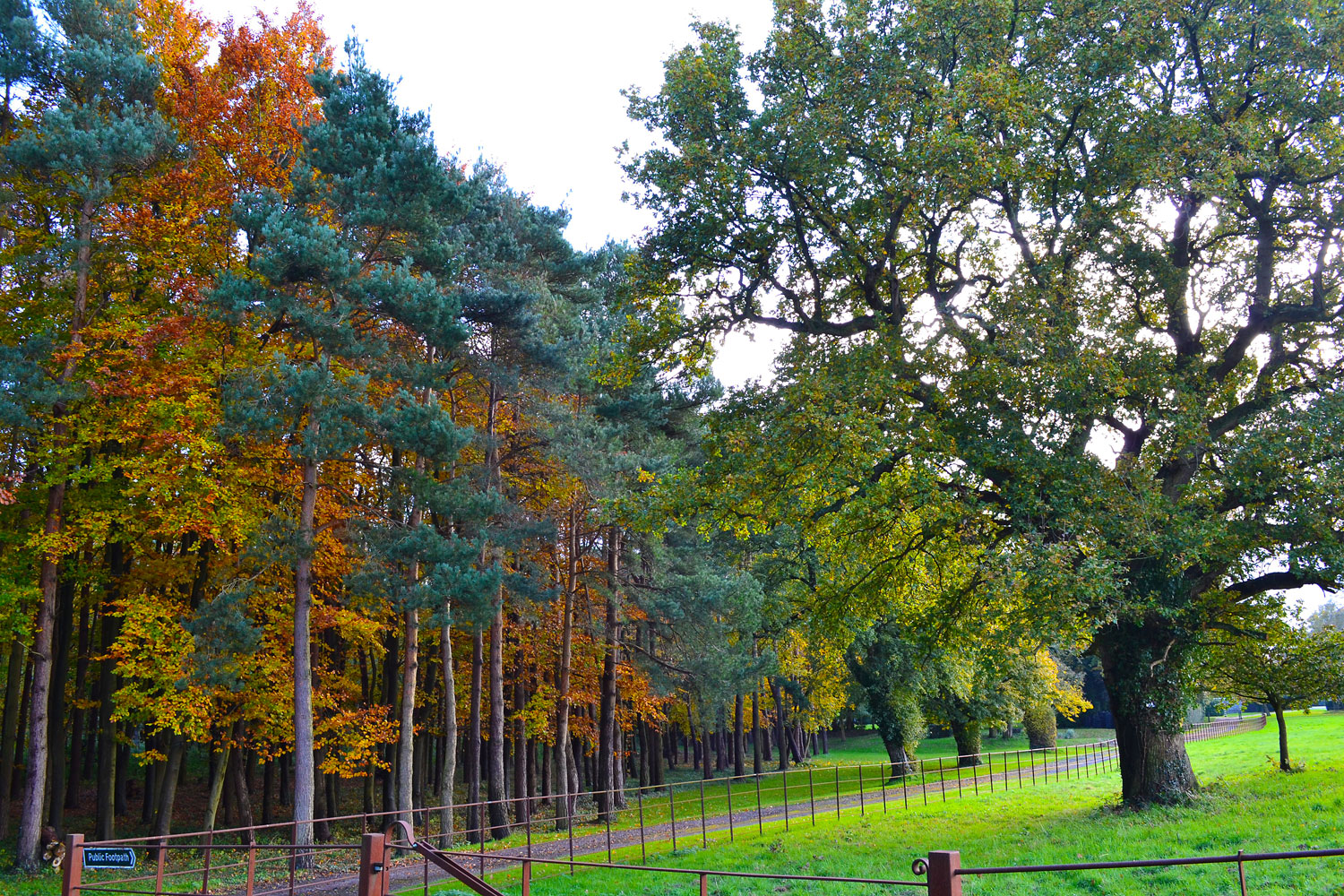
Downe walk
A deer in Downe, autumn
Fackenden Down view
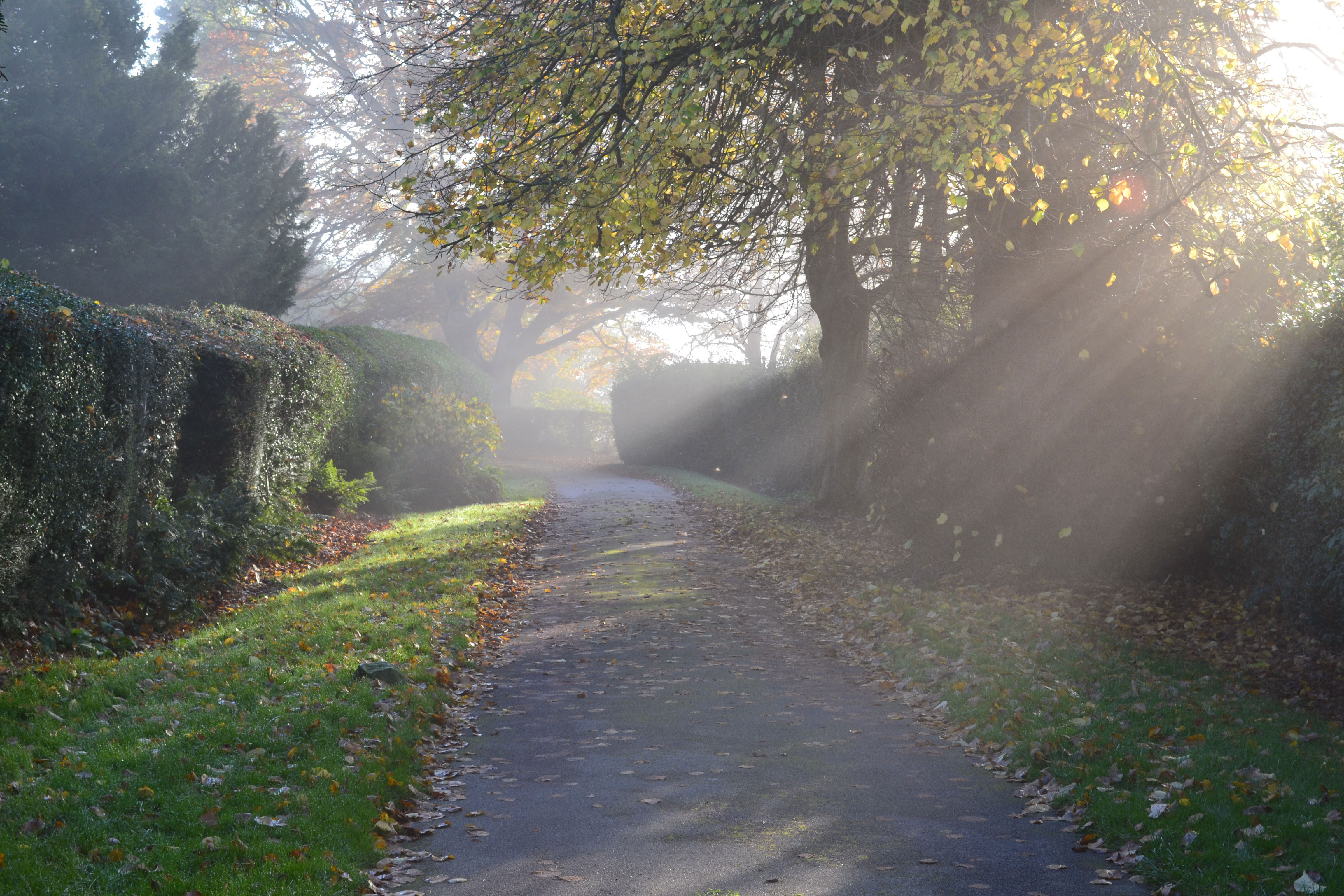
Start of Ide Hill walk. Autumn
Classic autumnal Kent view from Emmett’s Garden looking across Bough Beach to Chiddingstone and the Weald
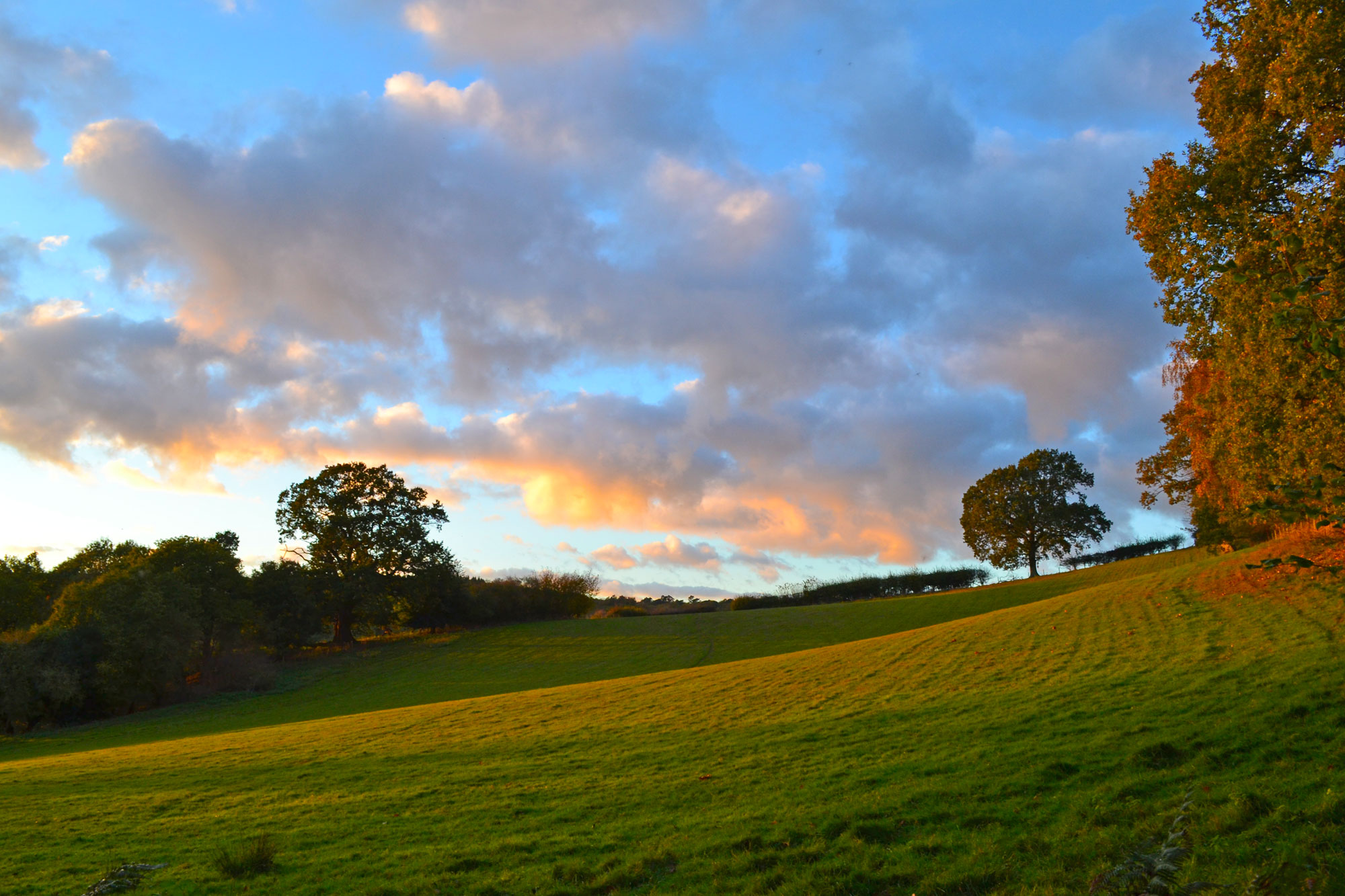
Ide Hill field, dusk, autumn
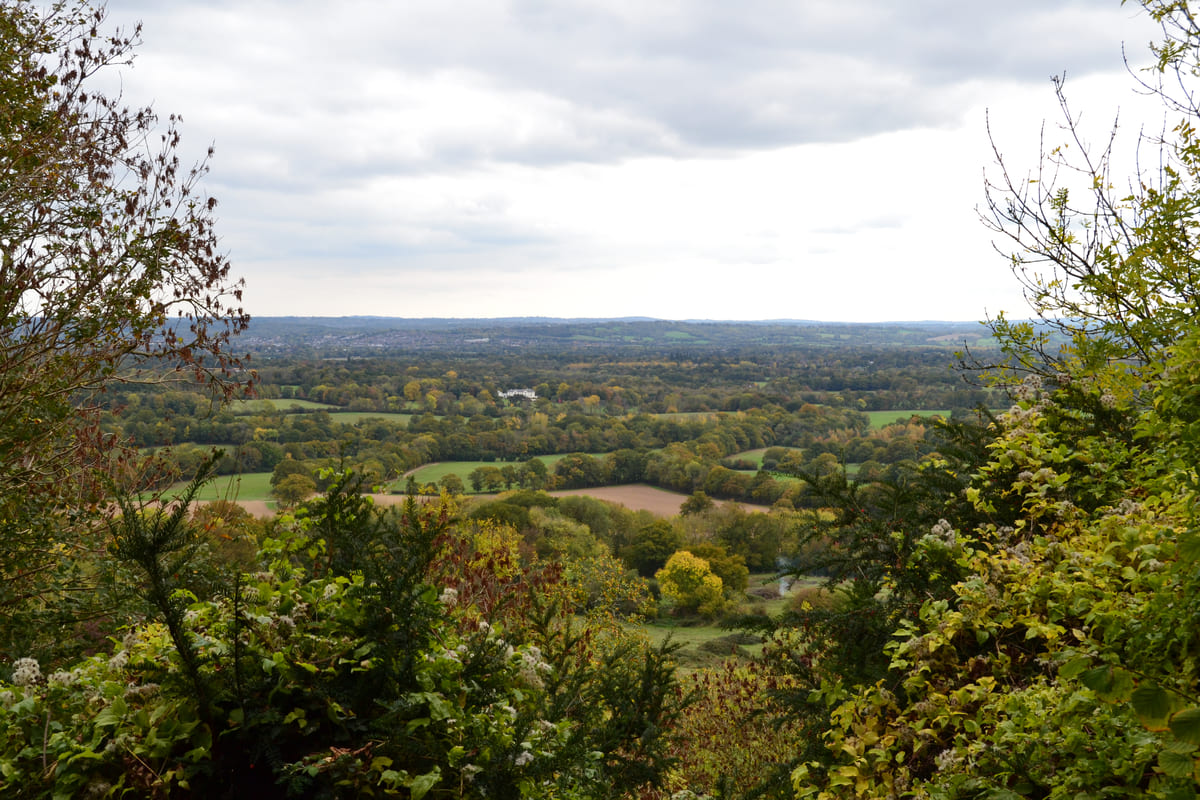
Wilmot’s Hill, late October 2025. One Tree Hill – Ightham walks
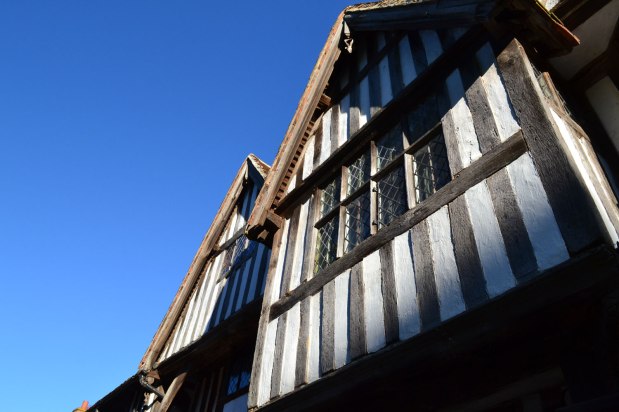
Despite recent heavyish bursts of rain the walks here are still relatively mud-free. With friends I wielded together two Kent Weald walks on Saturday, the Chiddingstone and Hever circulars, making a pleasing figure-of-8 route of about 11 miles throughout the heart of Tudor Boleyn country. We stopped at two pubs, the Leicester Arms in Penshurst, a really lovely place I hadn’t been to for ages, and the good ol’ Castle Inn in Chiddingstone. The original plan was to include the excellent Henry VIII too, at Hever, but we needed to make up time for a rendezvous in Penshurst. But we did manage to pop in to St Peters church for a look at the wonderful medieval effigy of Margaret Cheyne. Larkins beer was served at both pubs and we tucked into a superb chilli con carne at the Castle Inn. Autumn colours were exceptional and the paths still very solid, with a few decent puddles dotted around. Rain slashed down towards the end of the walk but there were still plenty of leaves still attached to branches to help keep us dry. There were a few buzzards and red kites around but we didn’t see any redwings which we had hoped had arrived from the near continent by now. And yes, I still can’t believe Penshurst Place hasn’t set up a footpath along its southern edge to meet the Eden Valley Path and so avoid hikers having to walk up/down that terrible road.
Hever church (St Peters)
Things will get muddier fairly quickly once we get to the end of the month so it will be wellies before long, or stout waterproof hiking shoes.
I’ve updated all the URLs of the OS GPX maps listed for the walks for easier access (somehow the OS had sort of rerouted them or altered the hyperlinks). They should all work much better now.
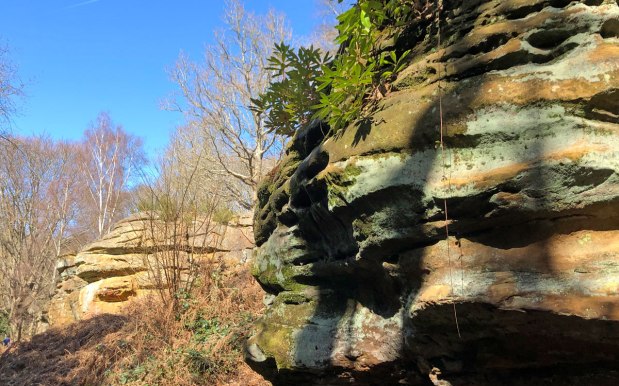
The sandstone outcrops in and around Tunbridge Wells on the Kent High Weald are little remarked on yet are the most climbed rock formations in the country, given their proximity to London. A great walk can be done from Tunbridge Wells station out past Wellington Rocks on the common, through Happy Valley as far as High Rocks, taking in all of these wonderful, alien-looking formations that appear strangely out of place within the smooth contours of south-east England. Perhaps come back via Rusthall Common, and its Toad Rock. A bit further away, at Groombridge are Harrison’s Rocks, perhaps the most striking of all and easily reached from Tunbridge Wells by taking the Spa Valley railway.
The sandstone here is Ardingly sandstone – a different type of rock to the greensand (glaucite) further north on the ridge south of Sevenoaks (see Ide Hill, Underriver, Oldbury and One Tree Hill walks). There are also outcrops, though much smaller, on the Hever and Chiddingstone walks. Our walk last week, in delightful weather (sadly not available this weekend) took in the Cheesewring rocks south of Rusthall Common.
The origins of these rocks, which gained their characteristic cracks during the ice ages, lie in sediment of the Wealden Lake. This covered much of what is now SE England and northern France 145 million years ago. I’ll add a walk at some point to cover these superb spots.
Meanwhile, grey clouds returned this Sunday but it was great to see the fantastic magnolias in full bloom in Scords Wood, as it melds into Emmetts Garden on the Ide Hill walk. The distant fields and even Bough Beech reservoir appeared white in the odd light. I’ve never seen that effect before. It was unsettling. But still, a lovely walk.
(Photographs: Cheeswringer, Tunbridge Wells; magnolia at Emmetts Garden. Adam McCulloch, iphone images so not the best!)
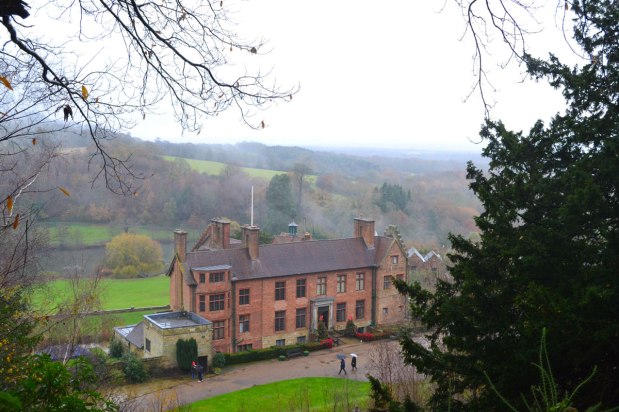
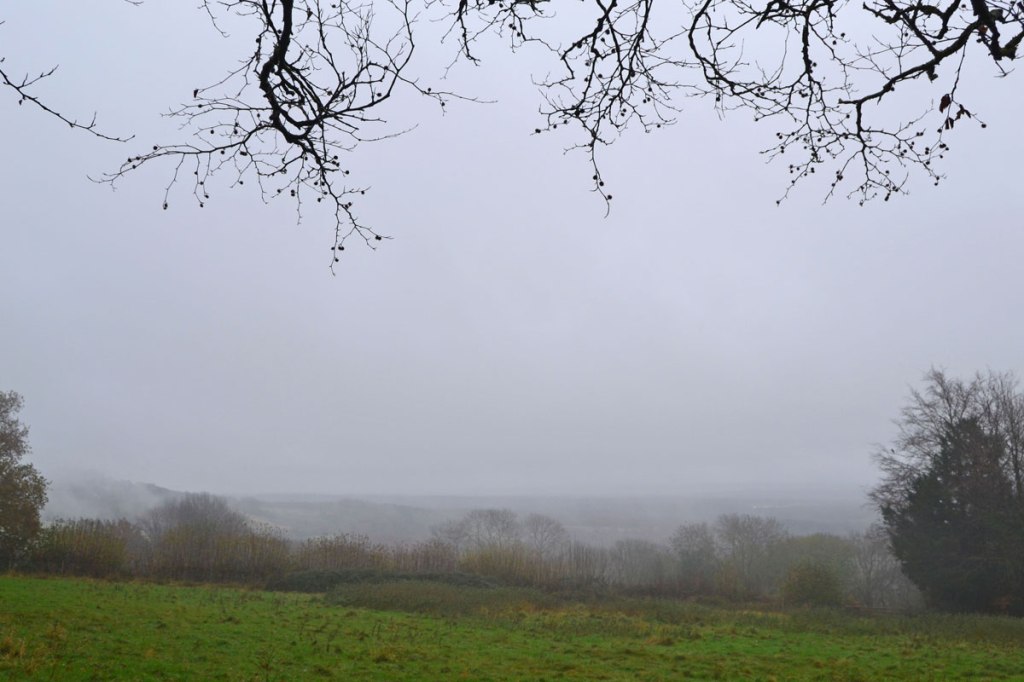
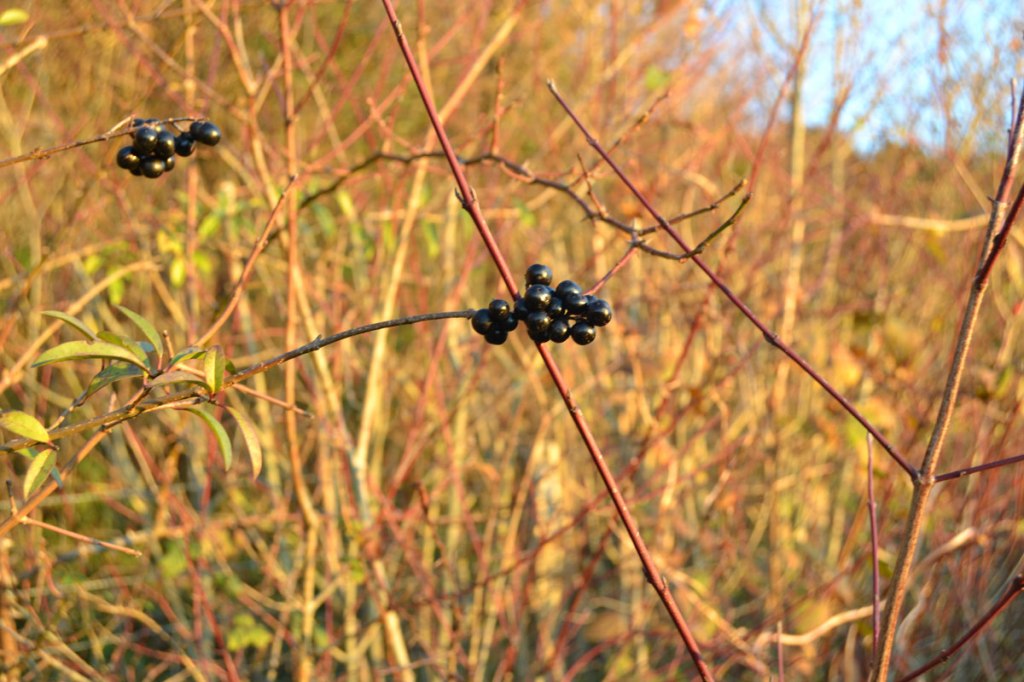
I love to walk the Hosey and Westerham routes in late autumn because of the views of the Low Weald woods from Mariner’s Hill and the hues of the trees on the lower slopes of Tower Hill along the infant River Darent. I missed out on those treats this year but last Sunday we took the Hosey route despite persistent rain and cloud so low it scudded into the hollows of the Greensand Ridge and draped itself over NT attractions such as Chartwell and nearby Emmett’s Garden. We did the walk in reverse, which made life a little less predictable but also disoriented us on a couple of occasions. Even the familiar can confuse when approached from a different direction (wise words indeed ha ha). Despite the rain and mud it was a lovely atmospheric stroll and further proof that, as the great walker Alfred Wainwright said, “there is no such thing as bad weather only the wrong clothing”. I can’t say I had the right clothing, given the fact that my jeans were covered in mud by halfway through and the skin on my bare hands had shrivelled, but these minor discomforts were dwarfed by the pleasure of being out in the countryside. Small birds, including three bullfinch – a rare sight – flittered in many of the hedgerows, a sign that recent frosts have softened and sweetened the berries enough to be gulped down. (Pictured below: Mariner’s Hill views in cloud and rain; water meadow of infant River Darent – a good spot for bullfinch. Above: Chartwell)
Of all the seasons-within-seasons, the end of winter, or springter, is one of the least enjoyable for walking I find. That doesn’t mean I don’t enjoy getting out into the countryside; it just means that when I do, I look around and think “meh” quite a bit. There’s still a lot to look out for in early March: old man’s beard (clematis vitalba), hazel and alder catkins, blossoming blackthorn, the vigorous growth of bluebell shoots, redwings and fieldfares flocking to migrate east, small birds breaking into song, the passage of gulls at high level etc, but the predominant colours are grey and brown, the air is still harsh and raw, mud clings to your boots and you slip on steep paths.
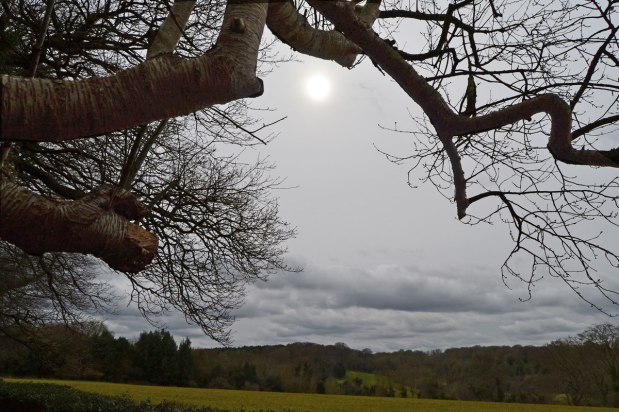
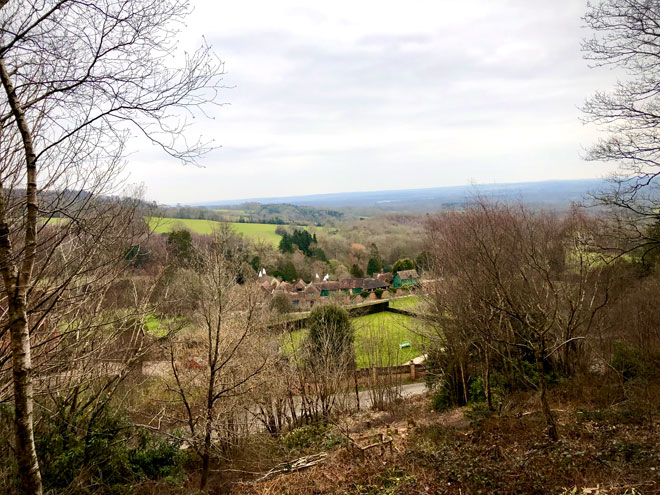
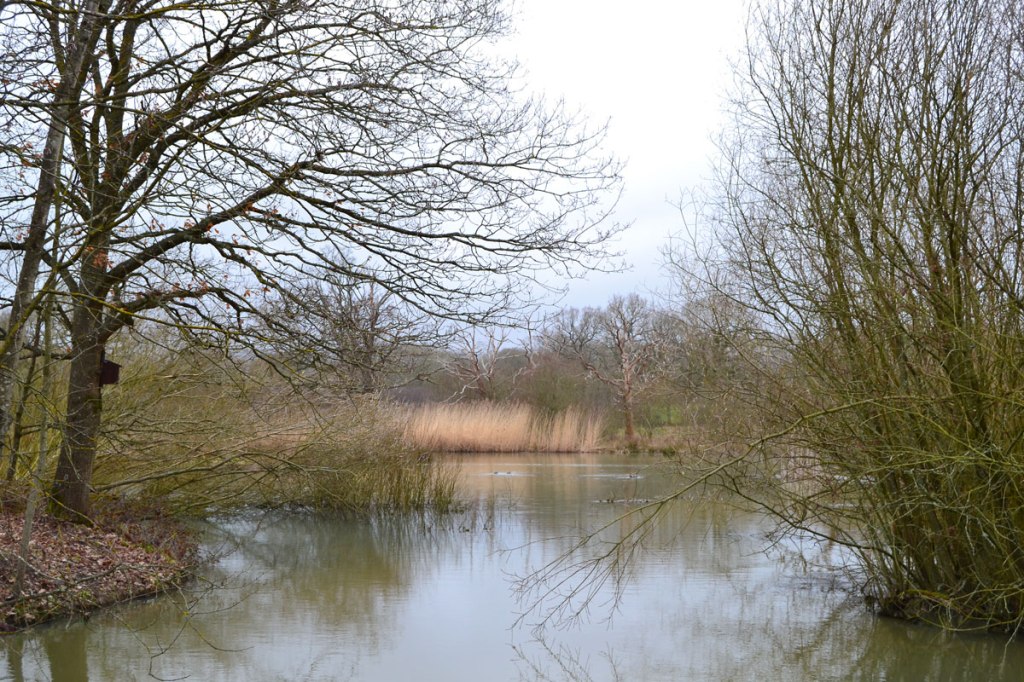
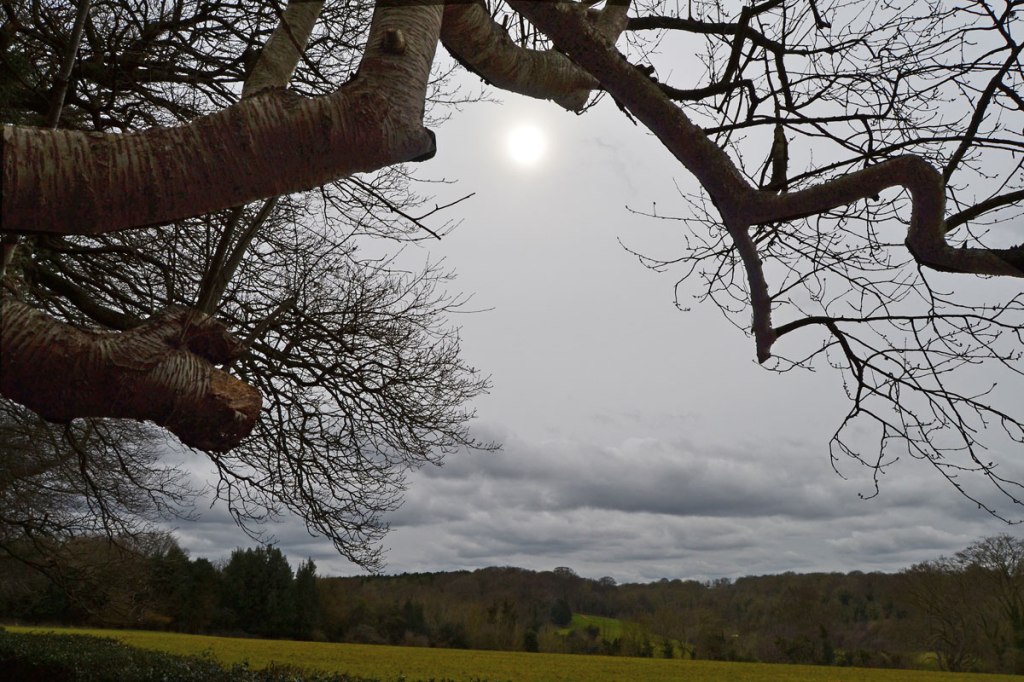
On recent walks to Hosey, Fackenden Down, Bough Beechand Downe, I found plenty to like but not much to inspire. This was partly because, apart from at Fackenden where there was an eyecatching sunset, the sky was unyielding and grey. Drama is needed in the sky at times like these, and springter often provides it as great air masses come into conflict, showering us with rain, hail, snow and sleet and producing fascinating aerial vistas. But at Hosey, all was monotone, at Bough Beech a thin Sunday drizzle dampened down any sense of vitality and at Downe, the morning brightness was consumed by a blanket of altostratus – the precursor to an approaching front – which had stealthily taken over the day as I was en route. But everyday is different if you look closely enough and the sun, a white ball behind the veil, did its best to make the stroll memorable.
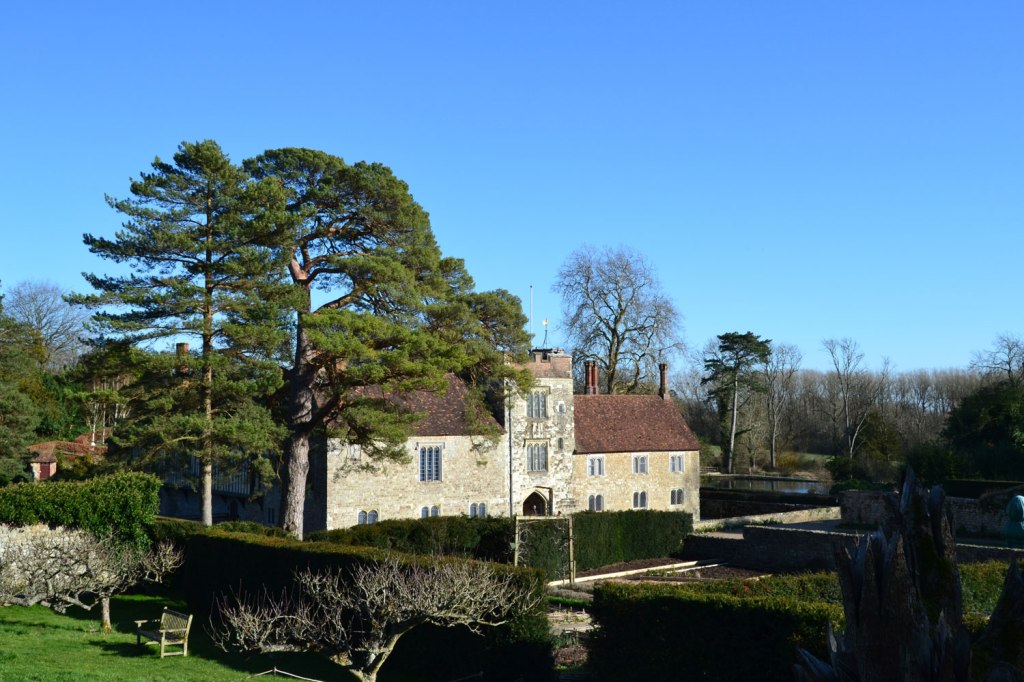
View over Chartwell, Hosey walk
Bough Beech nature reserve
View over Bough Beech reservoir from the Bore Place chair
Downe walk under altostratus cloud
View from Fackenden Down, March 2023
That terrific birder Dave accompanied me at Bough Beech, educating me as we went on the courtships of goldcrests, the behaviour of gadwall – a much underappreciated duck, he said – West Ham’s unsatisfactory season, the calls of marsh tit and treecreeper (I’d forgotten, again), and the distribution of local chaffinch populations. Although we made it to 39 species we saw no snipe, barn owl, brambling, kestrel or even buzzard as we hoped. The bird of prey fraternity was represented only by a solo red kite who lazily loitered above the low weald landscape for nearly half the walk, sometimes close, sometimes distant – an almost spectral presence so unfettered was it by the subdued, squelchy land below.
Thinking back to that red kite (which by the way would have been an extraordinarily rare sight in this part of the world until about 10 years ago) my springter moans and groans appear misplaced; these grey walks were brilliant.
Two very cold but contrasting days at the weekend just gone. Bright sunshine and rich colour on Saturday, fog, frost and monochrome tones on Sunday after a largely clear night. We walked near Shoreham on the North Downs then, on Sunday, at Ide Hill near Sevenoaks on the Greensand Ridge. I tried to keep an eye open for birds and saw a yellowhammer flying away from along the line of hedgerows beneath Fackenden Down plus several fieldfare. At Ide Hill we saw a brambling among a mixed bunch of chaffinches and great and blue tits (there may have been a female bullfinch among them too) on the eastern edge of Emmett’s Garden and later some greenfinches popped out of a hedgerow. At Ide Hill, as we had hoped, we were ‘above the cloud’ with a layer of fog obscuring the low weald below and little pinnacles of ridges further south poking up through the murk. The best frost was seen en route around the woods and heaths of Hayes and Keston Common – very beautiful. And then came the snow …
Anyone with time free over the next couple of days should try to get out on the walks to experience the snow at places like Knole and on the hill tops at Fackenden and Polhill. It can be spectacular. (See photos from 2021.)
If you haven’t seen it, please check out my piece for The Guardian on a Darent Valley walk ending at the Samuel Palmer, one of Guardian Saturday’s pub walk series. And on 31 December the paper is running a piece I wrote about birding while walking – describing walks at Underriver and on Handa Island in NW Scotland.
Pictured: elderberry, rosehips and views in the winter sun on Fackenden Down; fog and murk on the Low Weald from Ide Hill
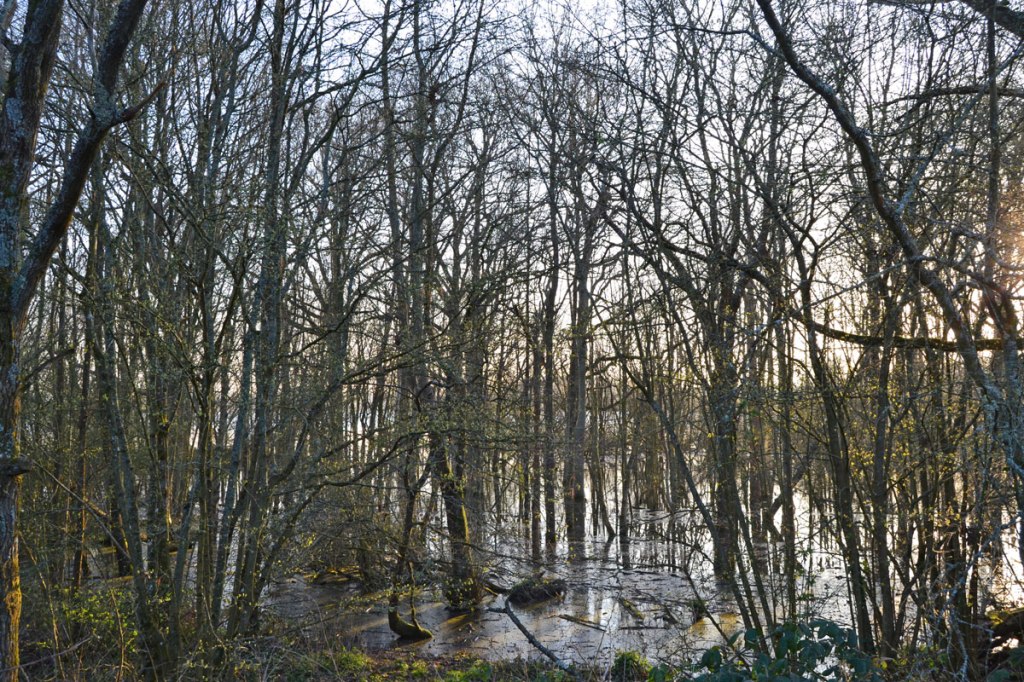
Before we start waxing lyrical about spring, wildflowers, birds and bees etc etc let’s salute the beauty of woods in late winter, particularly in March, which tends to be sunnier than February and reflects all kinds of subtle auburn nuances in the leafless trees. Around Bough Beech reservoir near Ide Hill the woods have been partially flooded by high water levels making for scenes somewhat reminiscent of the opening parts of that excellent film The Revenant. On the final Saturday in March the first bluebells, generally those in sunny spots in hedgerows, were showing, along with primroses, cuckooflower and so on but those trees around the north lake at Bough Beech in the late afternoon sun in their best end-of-winter finery stole the show. What a superb place that is to watch the sun go down. Pictured below: swamped woods at Bough Beech, silver birches in Stock Wood on the Hever walk, a stream though light woods at Bore Place, and a view back to the Greensand Ridge and Ide Hill across fallow fields from near Bough Beech on a perfectly serene late March day – winter’s last knockings.Finally, an iPhone pic ofShoreham and the Darent Valley on the Polhill/Shoreham Circular walk on Sunday 27 March… a rare day of low misty cloud and sunny patches.
Kent walks near London scrub up well on crisp late winter days like … today! Here are views of the One Tree Hill walks and the Downe walk from recent sunny days.
With Saturday a washout it was a real pleasure on Sunday to find time for the Ide Hill route (a three-hour round trip from SE London). For some reason I often take this Greensand Ridge walk while my chosen football team is playing so it’s rarely the relaxing stroll it ought to be. Fortunately, after initial tension, the goals came in a rush so by the halfway point all was well and I could enjoy the subdued January colours, stillness of the woods and occasional bird calls. A huge buzzard glided away from us soon after leaving Scord’s wood leaving a cacophony of jackdaw and carrion crow calls its wake. There were few other birds evident though, a few robins, wrens and a dunnock the only compensation for the finches I was hoping for. The tiny cricket pitch at point 5 seemed even more titchy with no one on it. We caught the sun as it slipped out of the blue sky into a solid-looking bank of cloud draped across the western horizon as far as the eye could see. This gave us a strangely false sunset, and an early dusk at odds with the sky overhead. But those weald views – fantastic as ever. A pint in the cosy Cock Inn was a perfect way to conclude proceedings. Oh, happy new year by the way.
I managed to squeeze in three walks between Friday and Sunday – Hosey Common, Knole Park and Underriver – and dropped by at Bough Beech. The weather was mostly grey on the first two days but a quick trip over to One Tree Hill late in the day on Saturday put us into pole position for enjoying a sliver of gold that marked the setting sun and some curious localised showers sweeping across the Weald, producing several rain shafts. Friday had burst into colour late on too, with a glorious rainbow at Bough Beech and ochre clouds layered above that sliver of gold and orange.
This slideshow requires JavaScript.
However, Sunday proved the best day of all with blue skies punctuated by dense cumulus once again depositing rain in sheets for 30 seconds at a time leaving the sunlit landscape shimmering. Very unusual weather. I met up with birdwatching guru Dave and walked on the Greensand Ridge at Underriver. He was in top form, picking up the calls of siskin, little owl, bullfinch and treecreeper in between explaining why West Ham were going to have a decent season (for them). We marvelled at the ‘dancing’ beech trees on the sunken path leading up the escarpment.
This slideshow requires JavaScript.
Later on, as the day turned red and mauve, we watched in awe as large flocks of redwings and fieldfares tracked west, arriving from Scandinavia or perhaps eastern Europe, no doubt heading for berry-laden hedgerows somewhere in the country. I think I’m getting into this birding lark but I think I’ll need expert guidance for some time yet.
But seeing those flocks on the move was something I felt privileged to witness – the kind of sight we can all see if we happen to look up at the right moment. But when you realise the significance and epic scale of these migratory movements you start to appreciate why some people wander around with binoculars and notebooks.