A walk with Jupiter

A walk with Jupiter

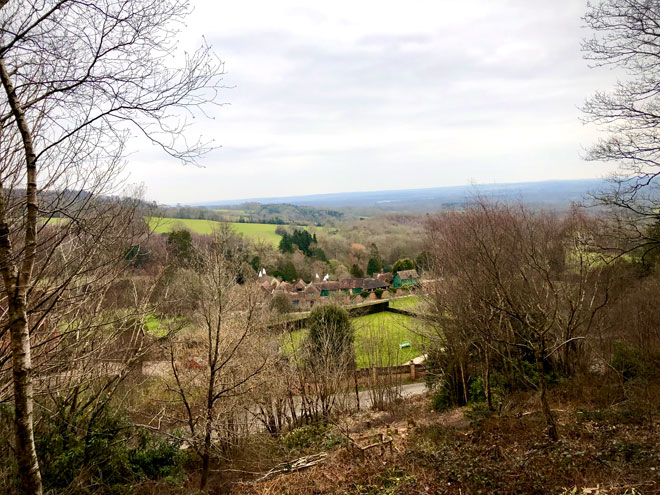
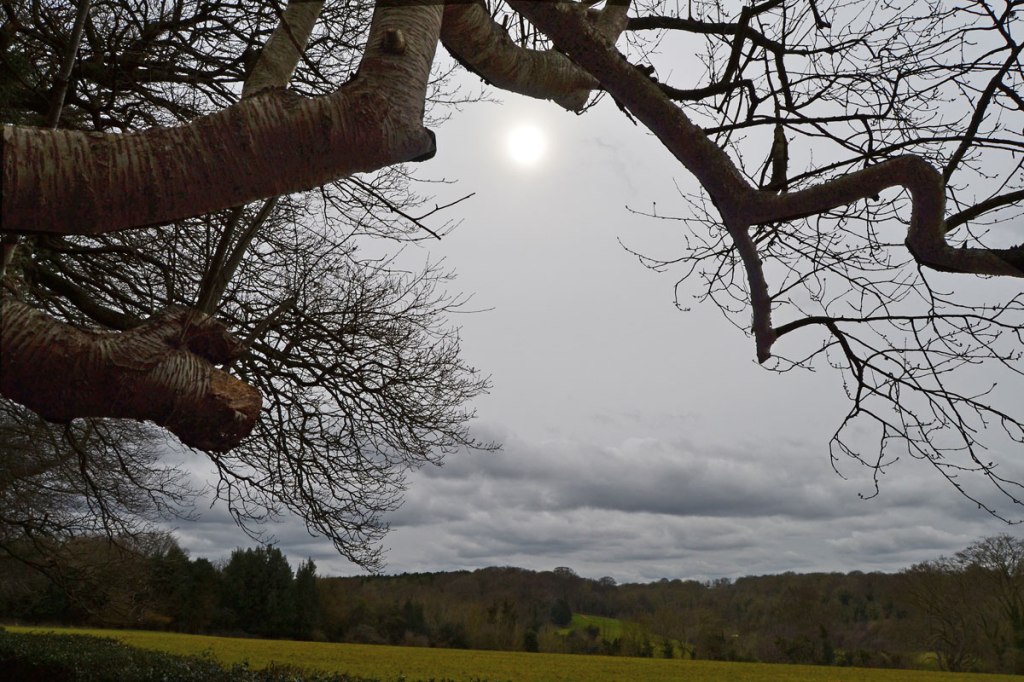
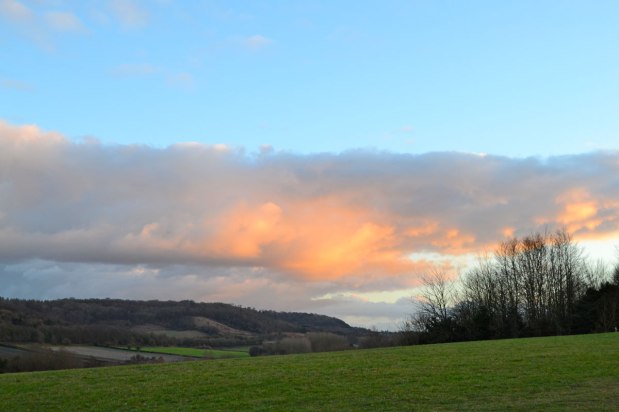
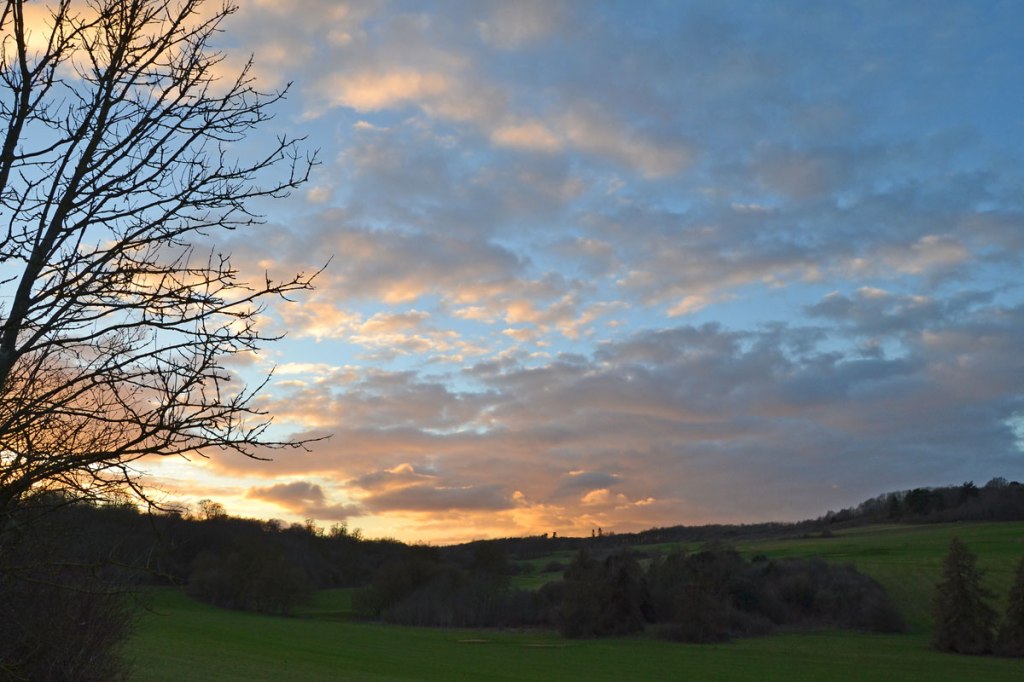
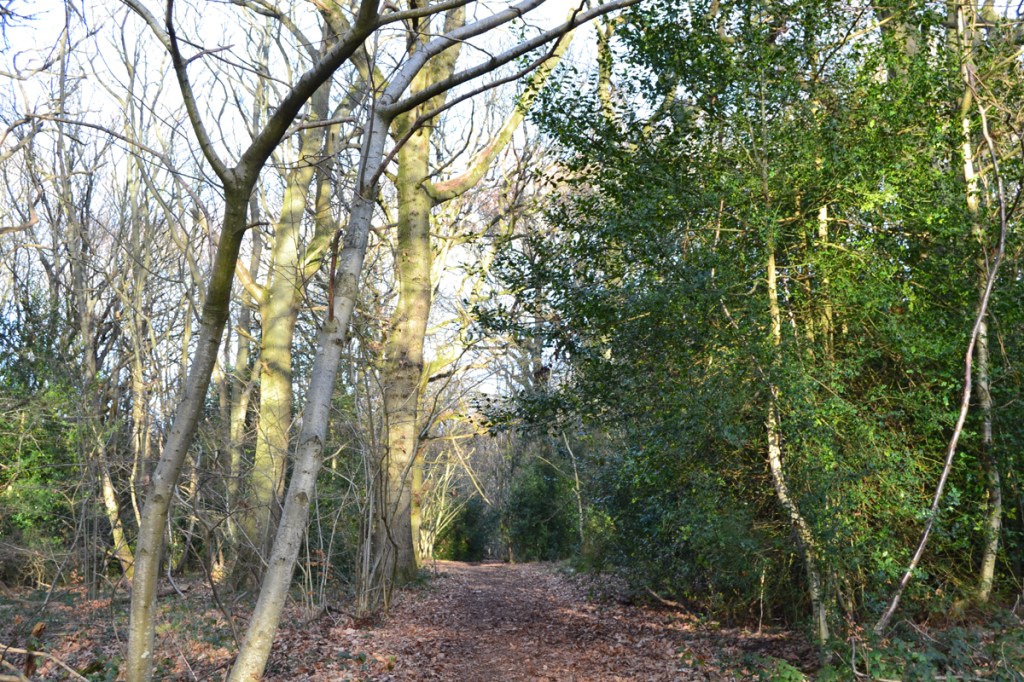
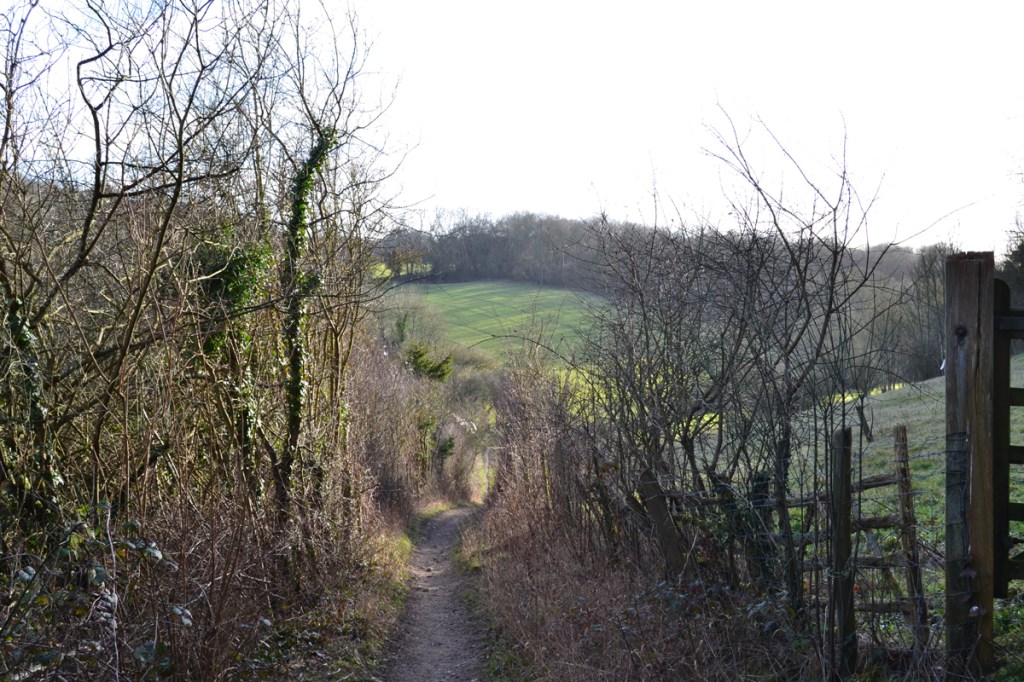
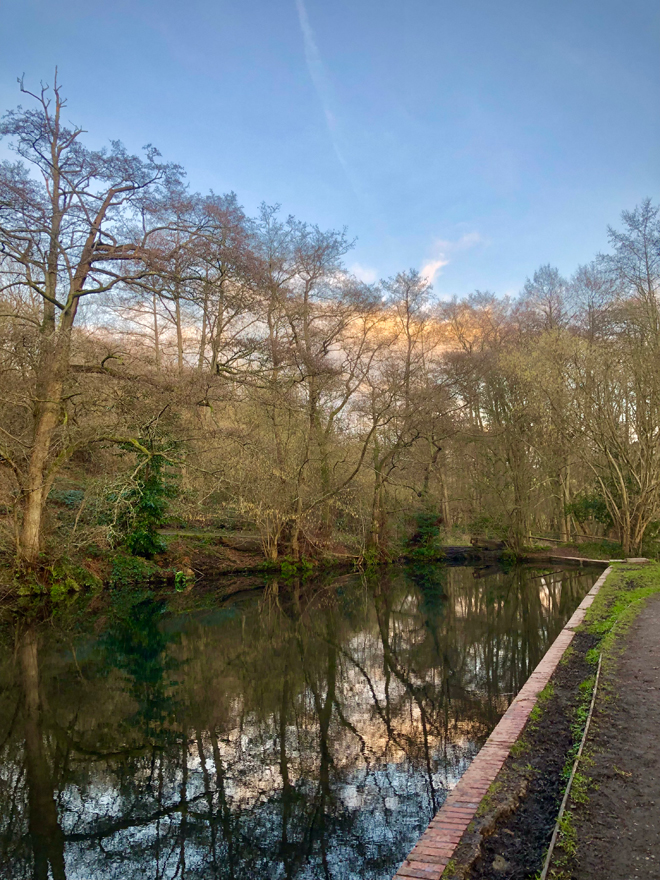
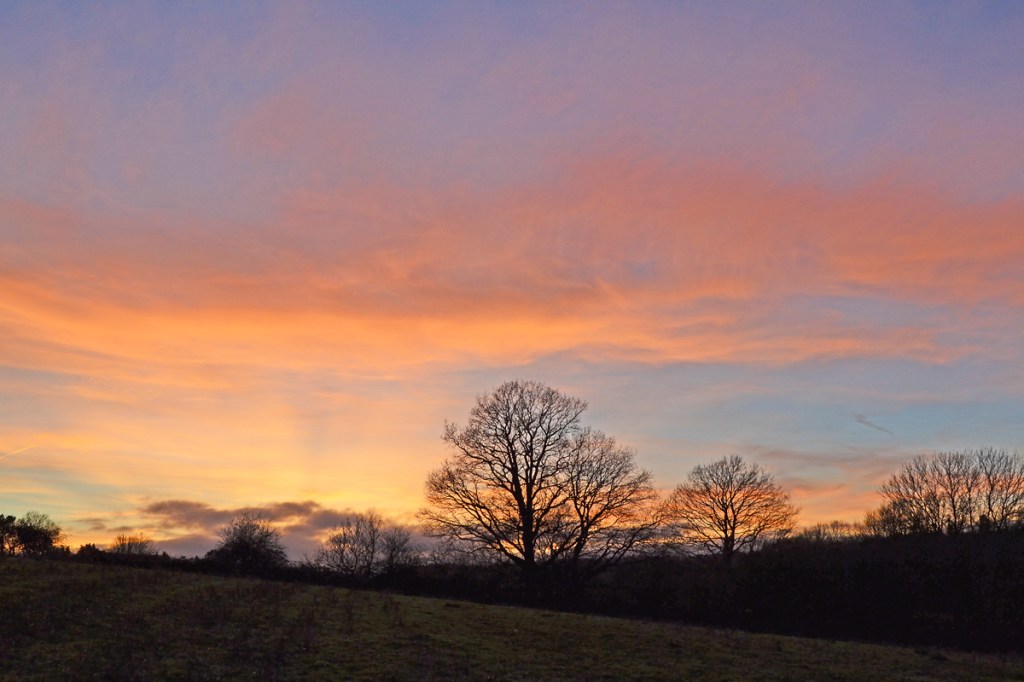
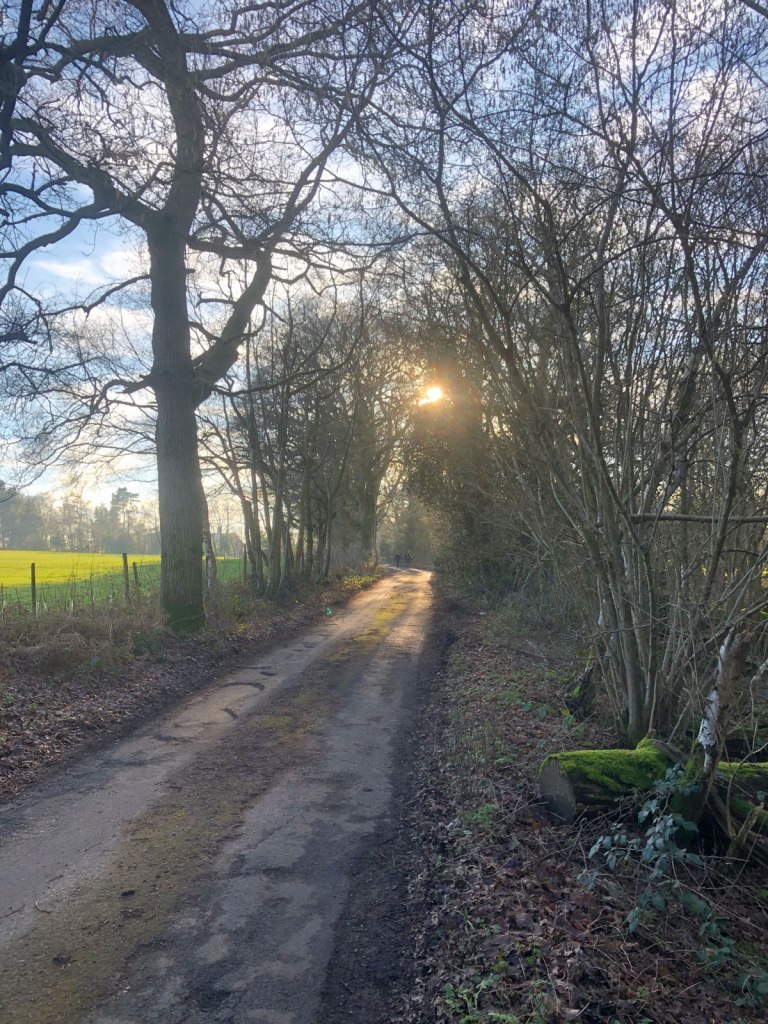
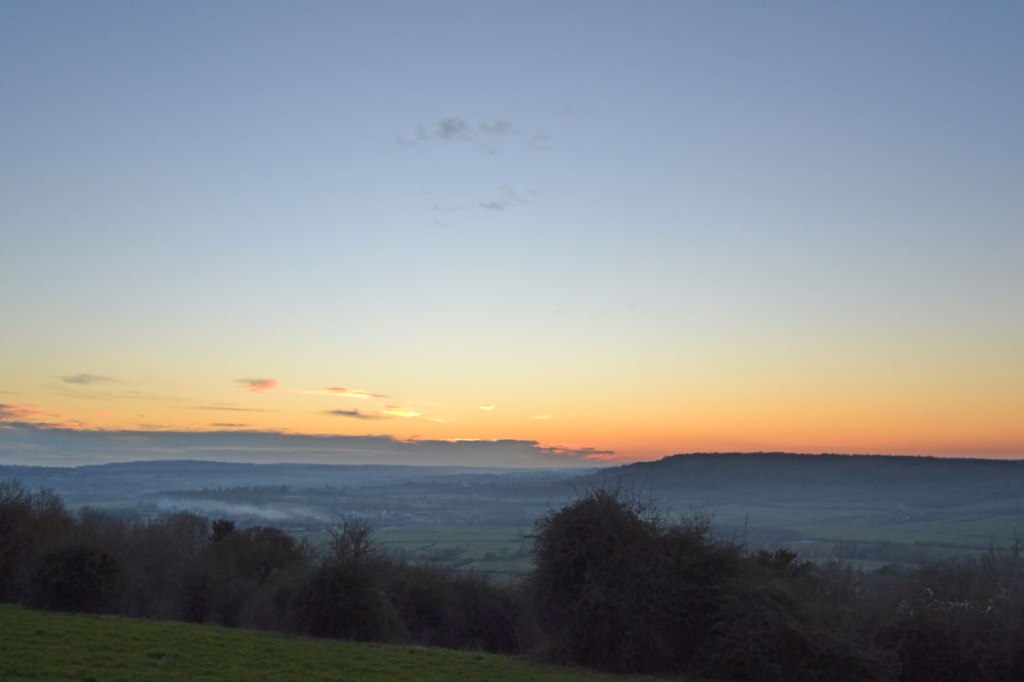
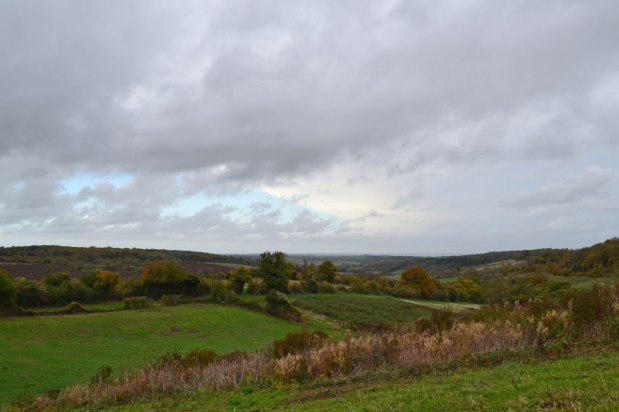
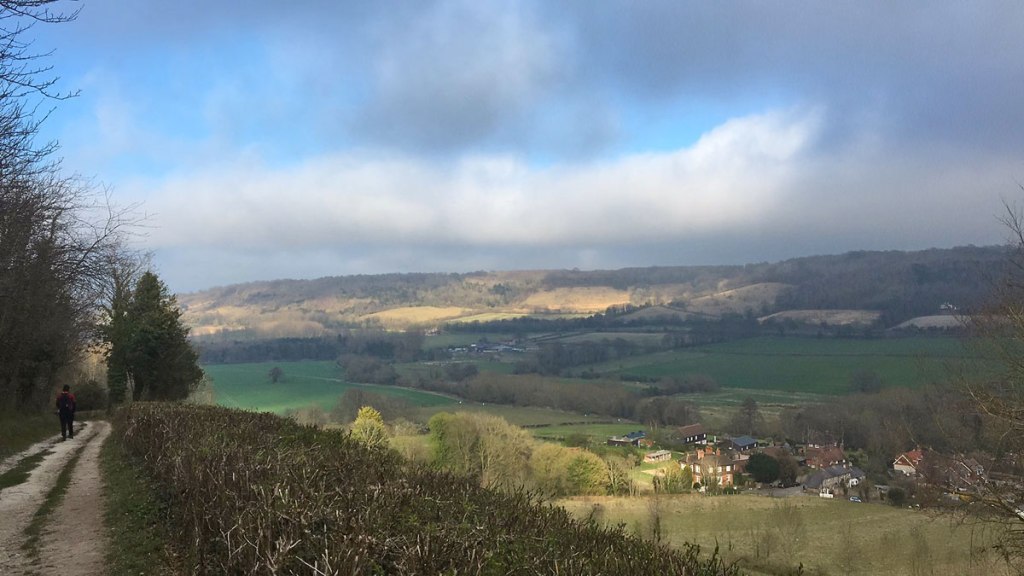
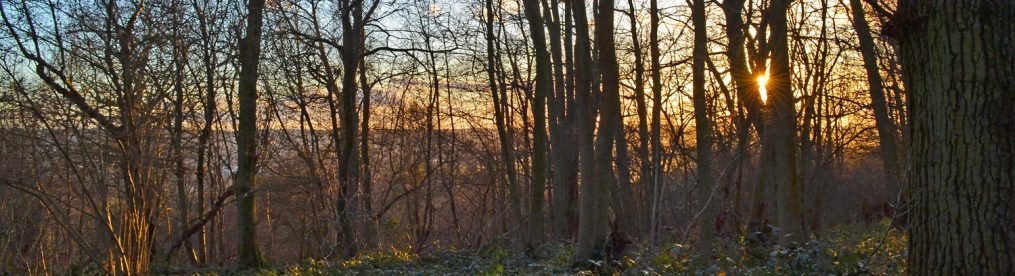
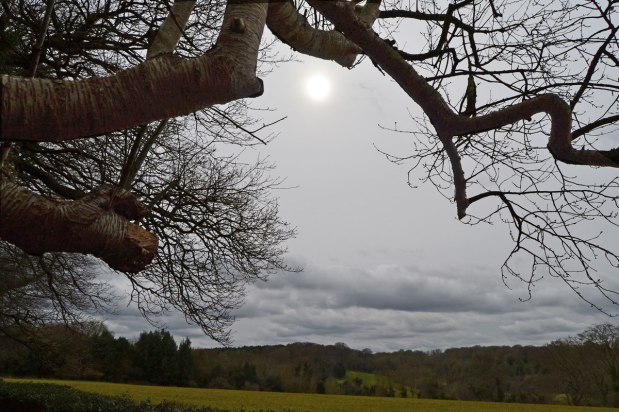
It’s proved an unexpectedly dry month, which has meant less mud when walking at this time of year than in any February I can remember (I don’t take measurements to be fair). There have been some gloomy weekends but some bright ones too leading to loose talk of spring having sprung. It hasn’t. Appreciating the longer daylight hours, we headed off in late afternoon for a circuit of Lullingstone yesterday, taking in the superb Beechen woods, the views down the Darent Valley and the blackthorn/hawthorn-dotted grassy high chalk hillsides on the return (we’d started the walk from the golf club car park, not the visitor’s centre). The cloud-shrouded sunset was magnificent with glimpses of Jupiter and Venus in the twilight. Very few birds around apart from a few fieldfare feeding late on the eighth hole fairway in the gloom. The last golfers had gone and with few people around it was all very tranquil, leaving a lovely imprint on the memory that will last me through the week.
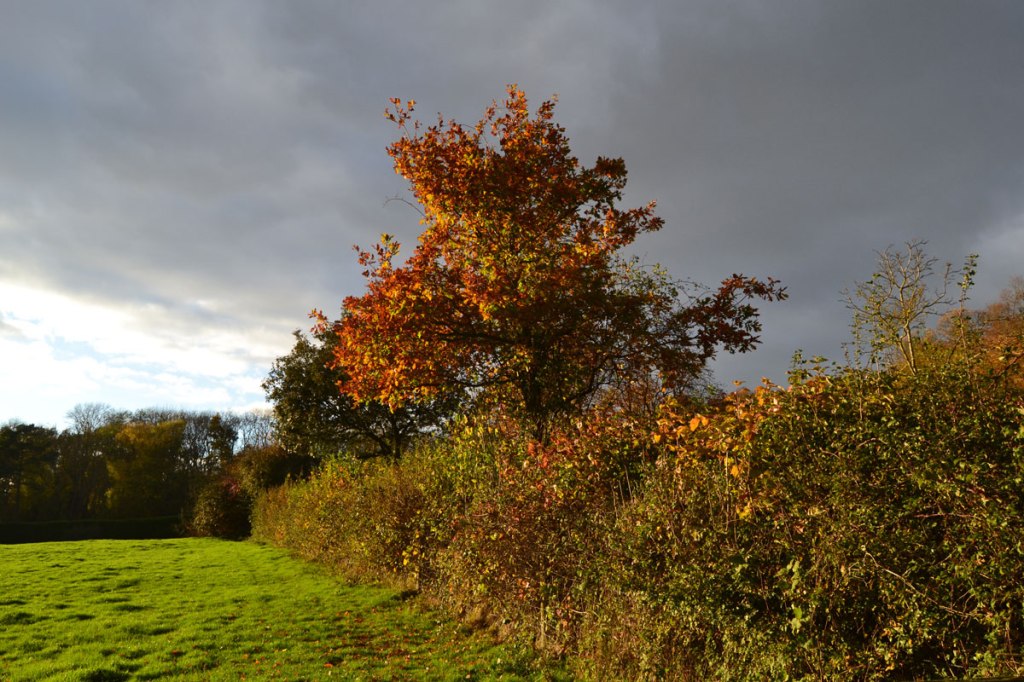
See a GPX map of the 4.5 mile version of the walk (2.5 hours)
See GPX map of 3.3 mile version of the walk (1.5 hours)

Early February sun, then gloom. But let there be jazz!

Early February sun, then gloom. But let there be jazz!

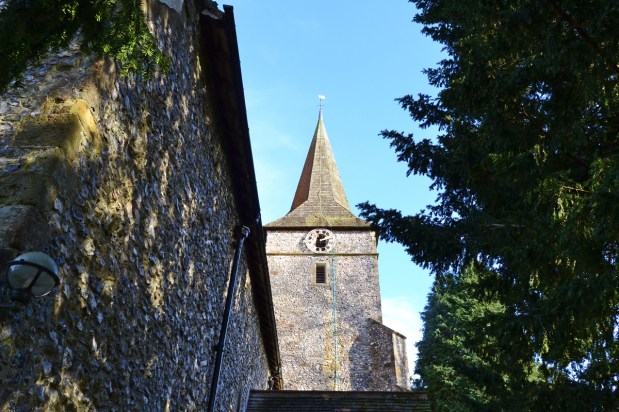
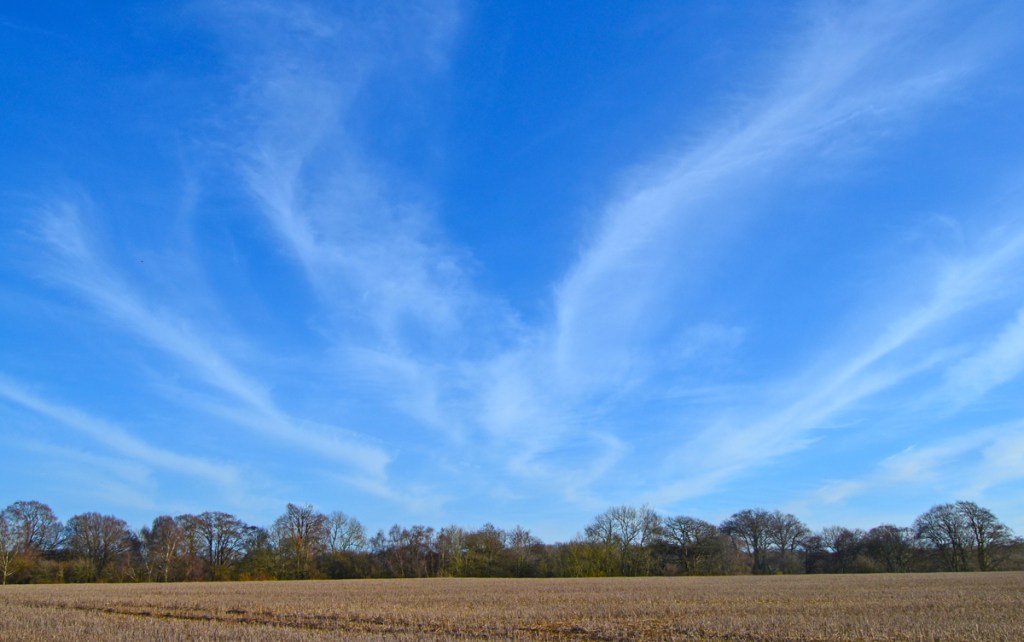
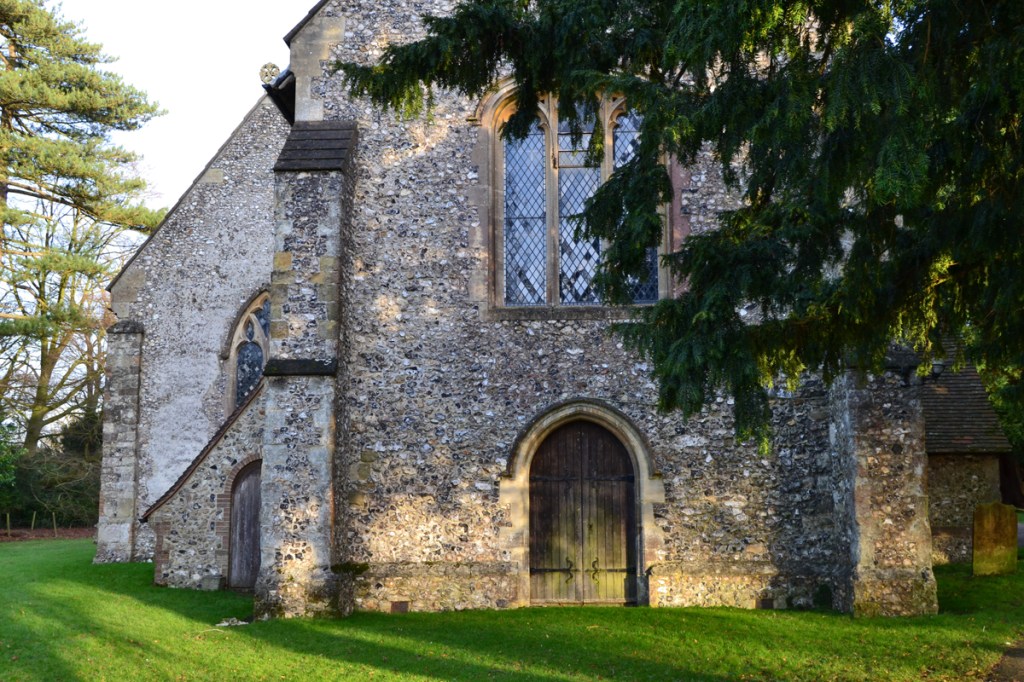
Last week, the Cudham walk was terrific with sunshine and wisps of high cirrus stippling the sky. The medieval flint church (pictured), shaded by ancient yews was beautifully lit as was the wonderful New Year’s Wood. There was little in the way of mud, but also few birds for some reason, even among the hedgerows. This drop off in the numbers of birds is something I’ve seen right across the walks lately. It seems to me that rich, well kept woodland areas such as Scords Wood and Petts Wood aren’t doing quite as badly as farming and pasture areas. This is what worries me about those new fences at Downe – does it mean more grazing and less space for wildflowers? Steve Gale’s blog North Downs and Beyond has some more on the drop off in bird populations. Steve is an expert observer of fauna and flora and has the experience to observe and record changes in numbers.

Unlike that sparkling Sunday in Cudham, the weekend just past was so gloomy that I only managed a brief cycle to Beckenham Place Park and back. I found little to inspire to be honest. Let’s hope for better in the weeks ahead.

Come along and enjoy top quality live jazz

Not venturing out at the weekend actually suited me as I needed to practise my saxophone (and watch some sport) in readiness for a gig tonight (Monday 13th). So if big band jazz is your thing come along to Sundridge Park WMC at 134 Burnt Ash Lane, BR1 5AF. It’s £6 to get in and the band starts at 8.30pm and finishes at 10.30 with a short break. There’s no need to book (you can’t anyway!) but there’s a decent bar at hand and lots of seating in a large room with good acoustics. The next performance after this is on 6 March at the same venue. The music we play is by arrangers and composers such as Thad Jones, Bob Florence, Gil Evans, Kenny Wheeler and Mike Gibbs, the sort of material performed by the Woody Herman, Stan Kenton, Count Basie bands etc. What else can you do on a bleak Monday night that’ll be as uplifting? Don’t answer that!

Delightful dusk on the Greensand Ridge

Delightful dusk on the Greensand Ridge

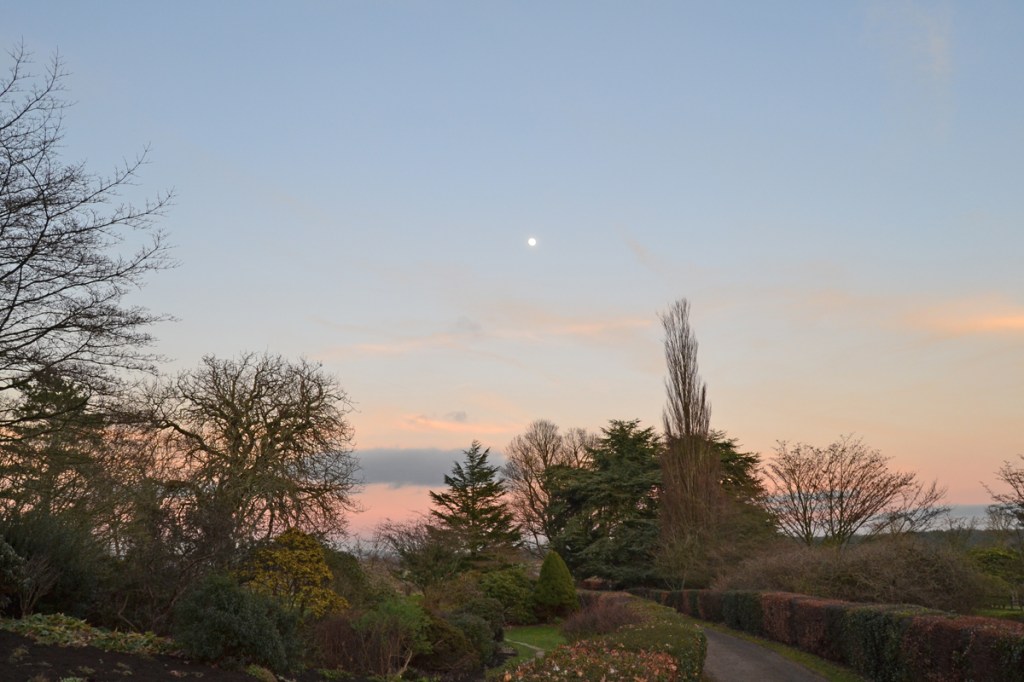
My previous post referred to getting lucky with the light on dark winter days. At Ide Hill last Friday, the cloud layers parted to reveal a magnificent dusk sky full of colour. Photos don’t really capture it, and my basic digital SLR Nikon isn’t really up to capturing the Moon properly, but I’d like to post a few just to remind myself of this wondrous early evening. It was another reminder that late afternoon can be a superb time to go out – there’s no need to postpone a winter hike just because you’ve been busy in the morning and didn’t manage to get away.

Look to the light

Look to the light

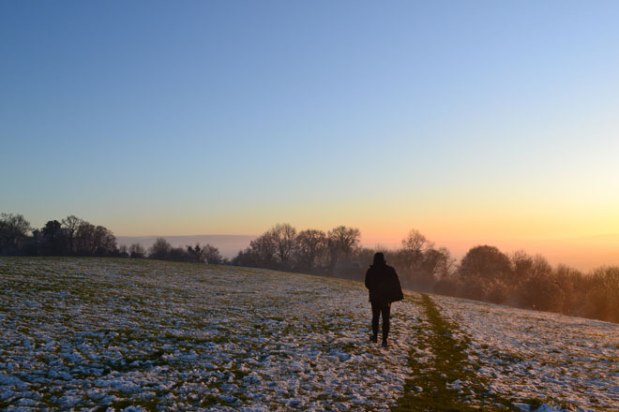
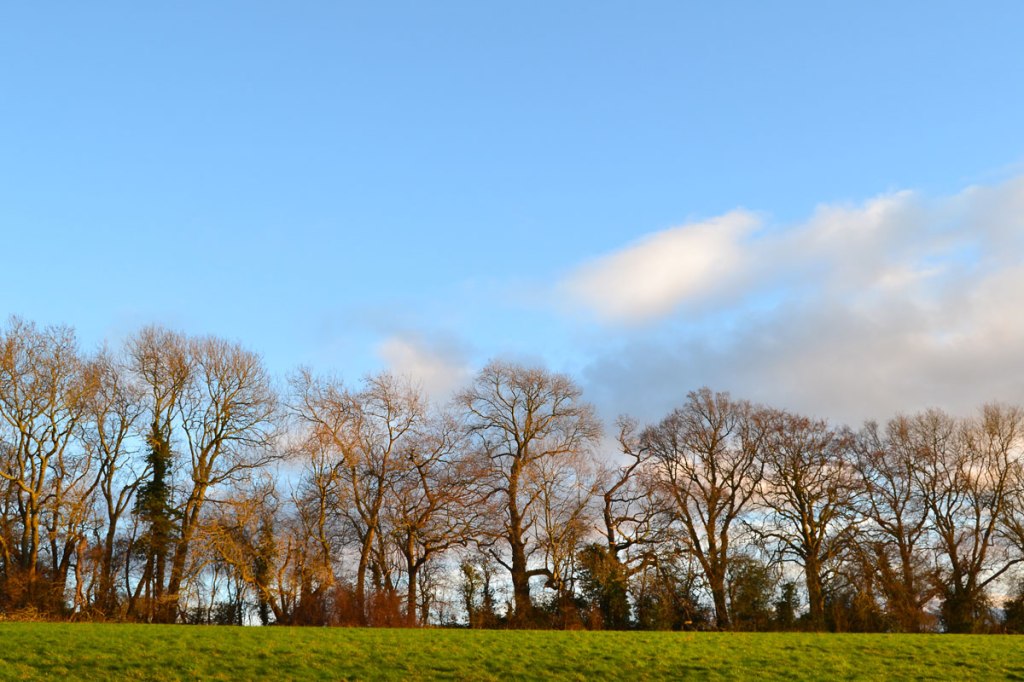
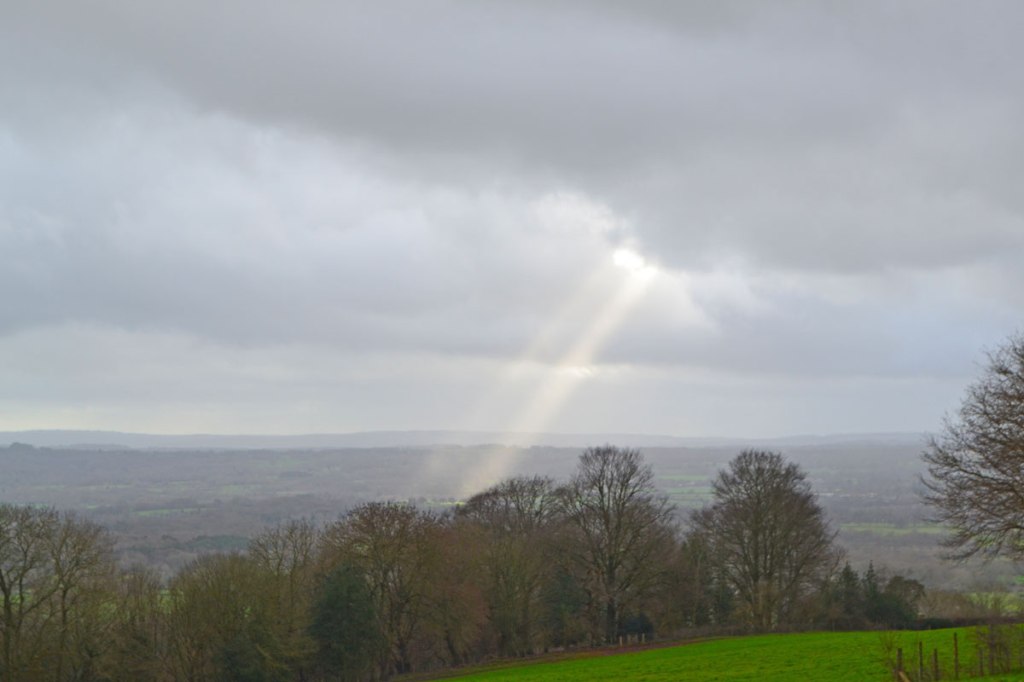
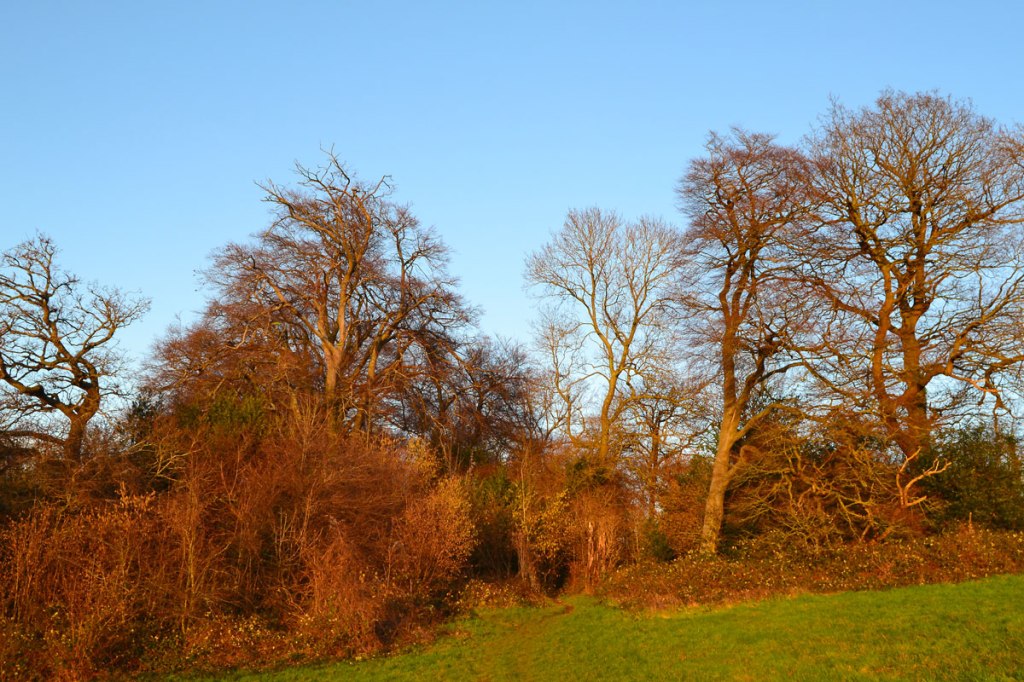
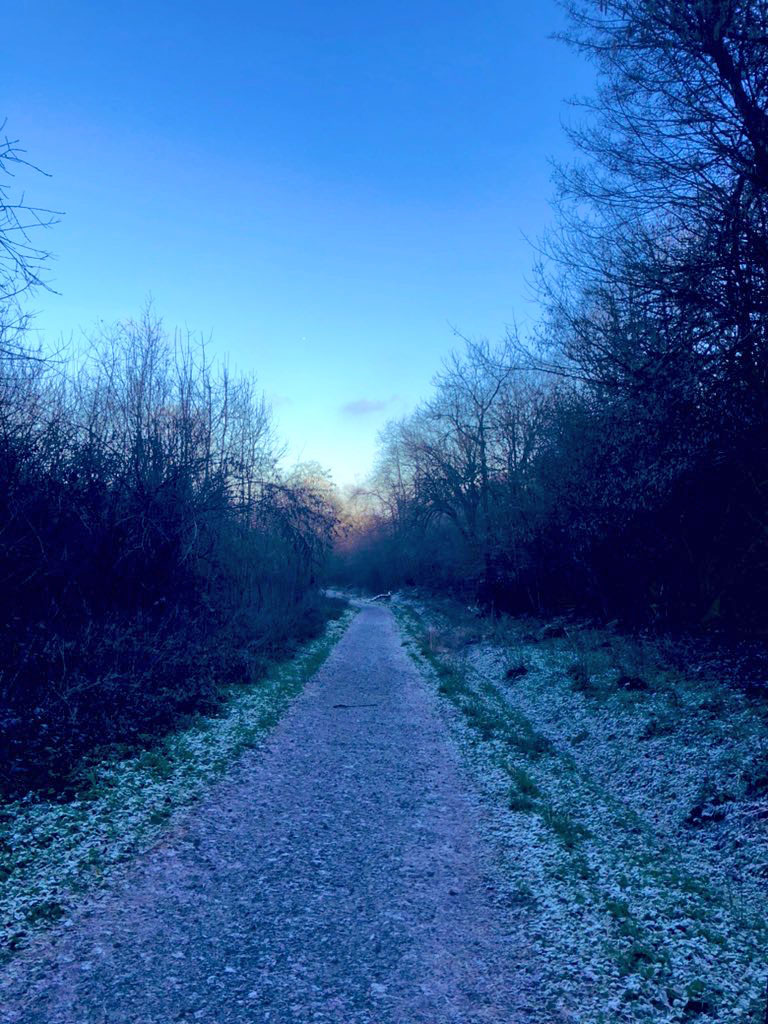
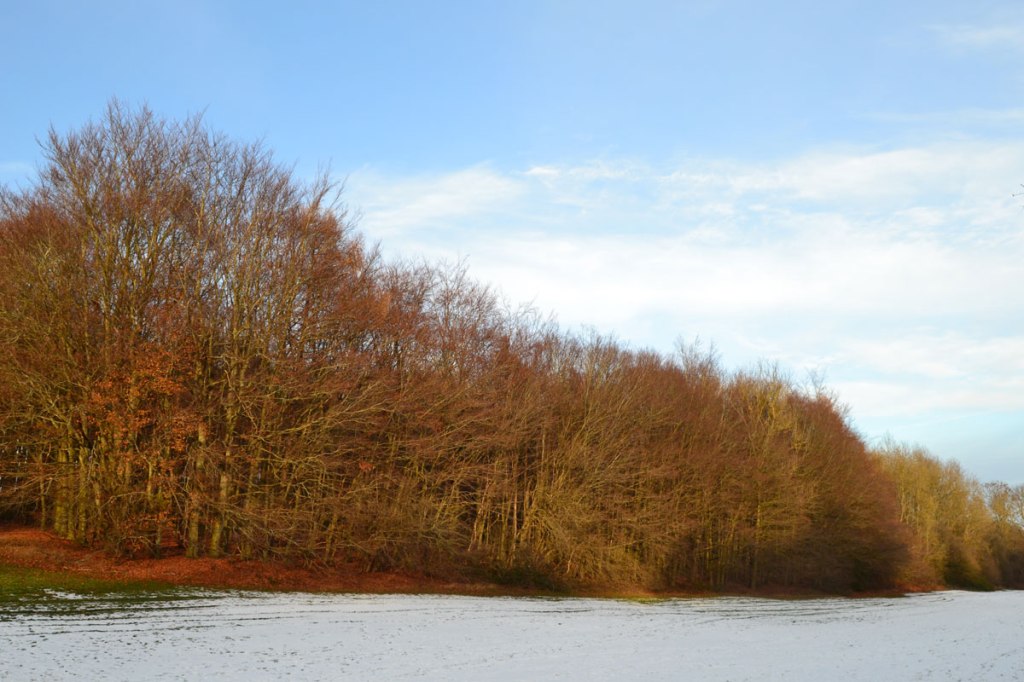
January walks are all about timing. Things can appear dreary, muddy, dank and generally unappealing but with the right weather conditions the quality of the light can make everything right. Clear, bright, frosty days are definitely the best for a Kent hike at this time of year and despite all the low cloud and rain this month, there have been quite a few such days falling at the weekend. Well, a couple anyway. We’ve tried to make the most of it and walks at Cudham, One Tree Hill, Ide Hill, Hosey, Downe (despite the new fences) and Petts Wood have come up trumps. With a hard frost, like the one we found at One Tree Hill last Sunday, a lot of the mud freezes, which helps considerably. Such days can be good for a spot of casual birdwatching too with small birds often so keen to feed that they care less for human presence – I’ve enjoyed up-close views of goldcrest, nuthatch, coal tit and brambling this winter. But it’s a mysterious affair; sometimes there are no birds at all.

  • Beech trees, winter
  • cloudy day Kent
  • Winter sun on track
  • Downe walk in winter
  • Frosty path
Chilled at Lullingstone

Chilled at Lullingstone

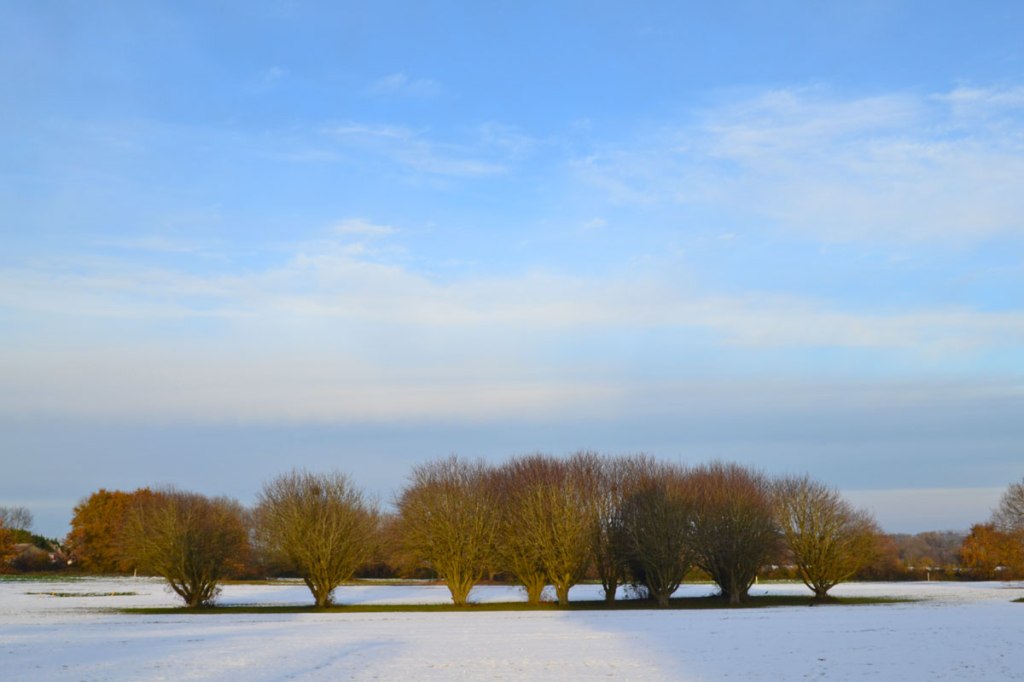
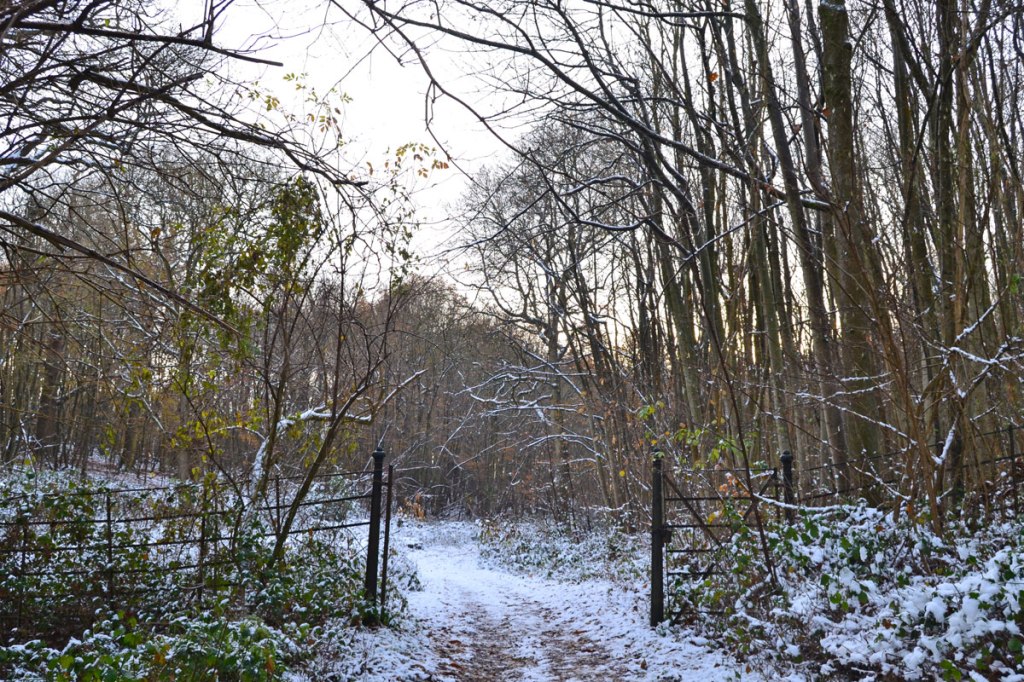
Lullingstone park is a great place to feel the winter vibes in the North Downs, with sweeping views of the Darent valley, big skies, mists swirling down by the river and a variety of terrain: from grassy expanses to rich beech and oak woods. Some walkers in Kent on Saturday saw a double sun – a trick of the light in which the sun seems to appear twice. It’s also called a sun dog, and is a type of halo. We weren’t so lucky, but the atmosphere was superb – wispy cloud, patches of cobalt sky, a low sun and a light mist. Small flocks of linnets were feeding in scrubby fields at the start of our route, up by the golf course entrance. It was the last day of this week of snow and freezing temperatures so we wanted to make the most of it, taking a 4-mile route around the park. A very deep frost had formed on top of the snow, producing some incredible branch-like crystal structures. It was a truly memorable stroll.

See an Ordnance Survey map of the route we took across Lullingstone – with GPX.

A winter’s trail

A winter’s trail

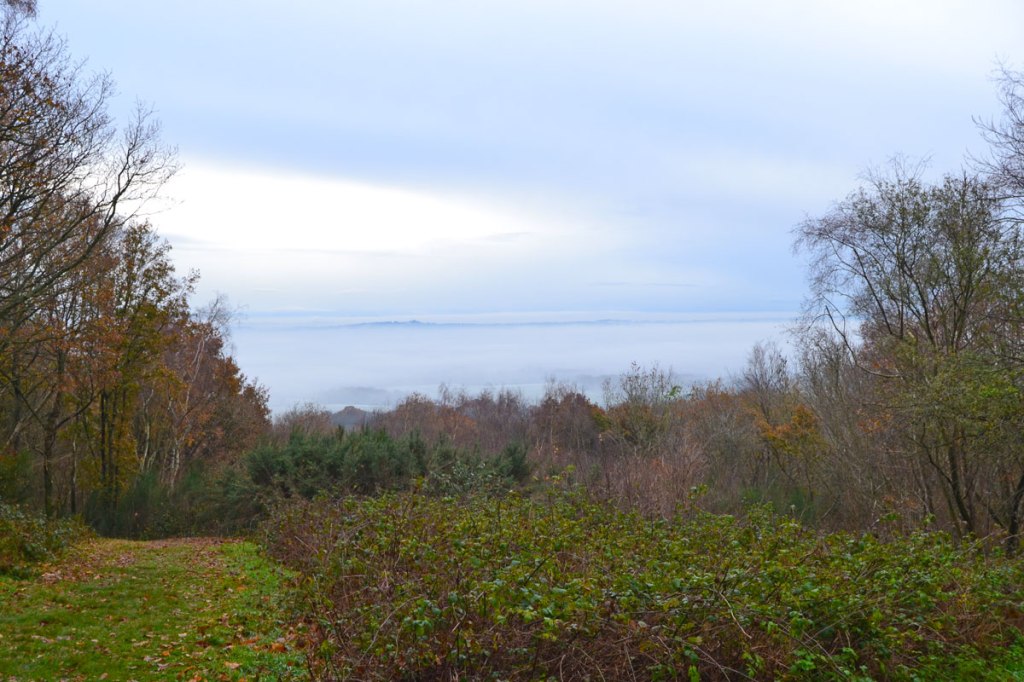
Two very cold but contrasting days at the weekend just gone. Bright sunshine and rich colour on Saturday, fog, frost and monochrome tones on Sunday after a largely clear night. We walked near Shoreham on the North Downs then, on Sunday, at Ide Hill near Sevenoaks on the Greensand Ridge. I tried to keep an eye open for birds and saw a yellowhammer flying away from along the line of hedgerows beneath Fackenden Down plus several fieldfare. At Ide Hill we saw a brambling among a mixed bunch of chaffinches and great and blue tits (there may have been a female bullfinch among them too) on the eastern edge of Emmett’s Garden and later some greenfinches popped out of a hedgerow. At Ide Hill, as we had hoped, we were ‘above the cloud’ with a layer of fog obscuring the low weald below and little pinnacles of ridges further south poking up through the murk. The best frost was seen en route around the woods and heaths of Hayes and Keston Common – very beautiful. And then came the snow …

Anyone with time free over the next couple of days should try to get out on the walks to experience the snow at places like Knole and on the hill tops at Fackenden and Polhill. It can be spectacular. (See photos from 2021.)

If you haven’t seen it, please check out my piece for The Guardian on a Darent Valley walk ending at the Samuel Palmer, one of Guardian Saturday’s pub walk series. And on 31 December the paper is running a piece I wrote about birding while walking – describing walks at Underriver and on Handa Island in NW Scotland.

Pictured: elderberry, rosehips and views in the winter sun on Fackenden Down; fog and murk on the Low Weald from Ide Hill

Birding on the Greensand Ridge at Underriver

Birding on the Greensand Ridge at Underriver

The Underriver walk – short and long version – was the focus this weekend. Just south of Sevenoaks this lovely walk, part of the One Tree Hill “suite” of routes, offers great views across the Kent weald and superb woods and hedgerows. There’s a lot of interesting geology too, as you encounter greensand (sandstone) boulders, a greensand cliff, and plenty of springs as the sandstone hits the weald clay.

I was joined by birder Dave on Saturday which as usual led to an exponential increase in sightings and bird calls identified. Within a few paces of entering the first horrendously muddy field we heard and saw a flock of newly arrived fieldfares some 50 strong, a troop of long-tailed tits, goldcrests flitting in the bordering trees and overflying redwings. You can see birds like that in your local park if you’re lucky – these sightings aren’t exclusive to the countryside at all. Later on a marsh tit flew past us, which was probably the most noteworthy bird of the day and another feather in Dave’s cap as he recognised the fleeting call just as the bird, in silhouette, zoomed past us. Dave reckons the area’s bird life would perk up with a bit more arable land and fewer livestock pastures. Scrubby unkempt arable fields are a big favourite for les oiseaux it’s true.

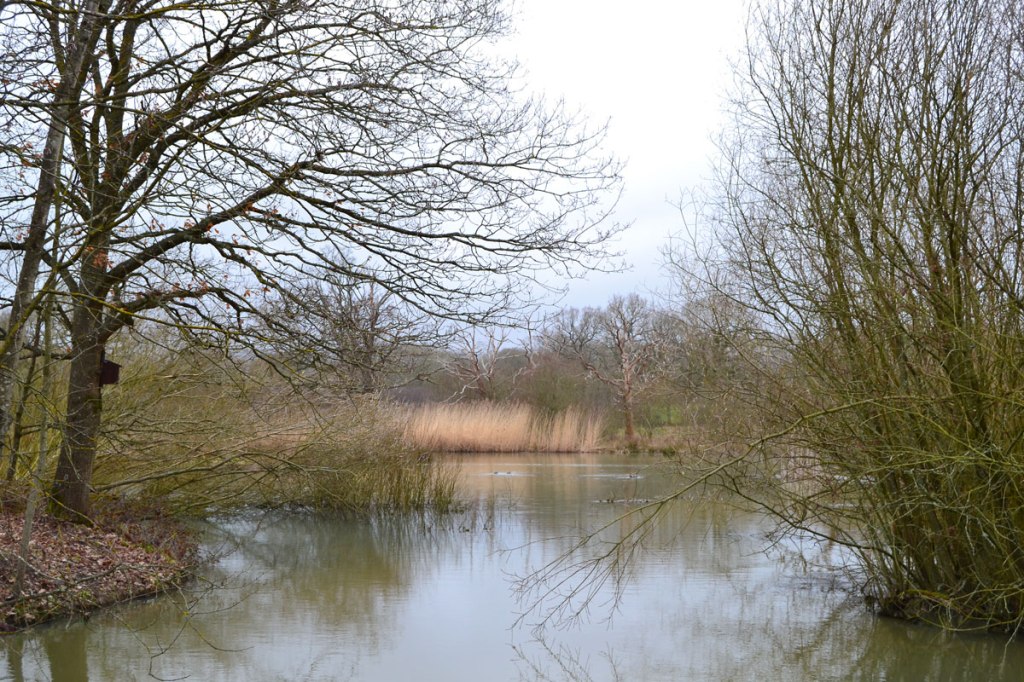
I had been hoping for bullfinch, siskin and most of all, brambling. But it was not to be. Barely a chaffinch as it happened but quite a few goldfinches. Later on there was a kingfisher at the lovely pond on the path below St Julian’s Club and tawny owls calling at Rooks Hill, Wilmotts and Underriver itself. The truth is that there are fewer birds around these days, just as there are fewer insects. I guess it’s farming methods, climate change, all that stuff. But anyway, it was good fun just to be out there listening and watching.

We went again on Sunday. Conditions were gloomier in the afternoon than they had been on Saturday, with quite a large shower making birding more difficult. But it mattered not, the views were still great and the excellent White Rock Inn was open and offered a friendly welcome.

Wet, wild and wonderful

Wet, wild and wonderful

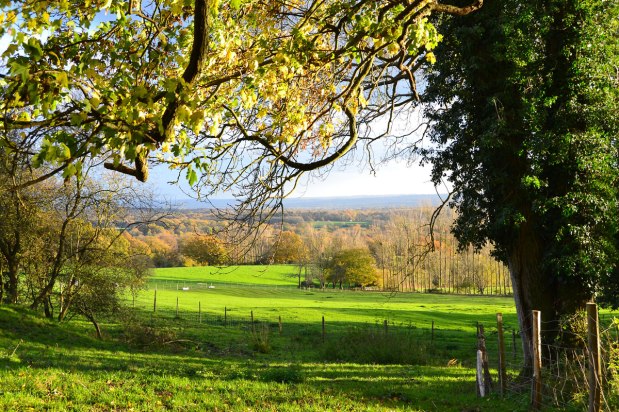
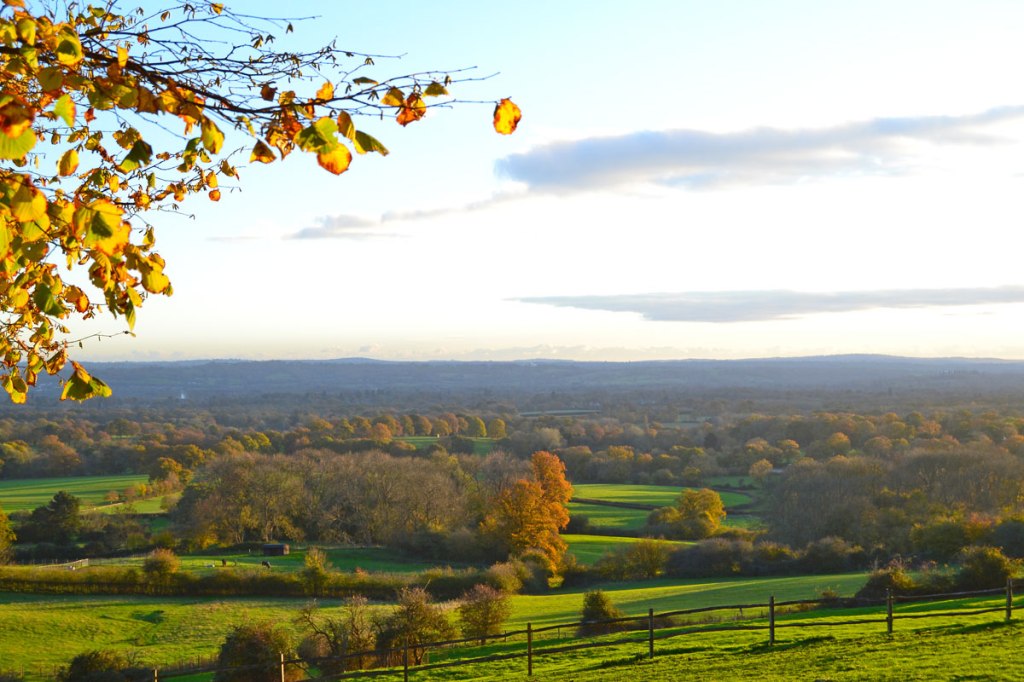
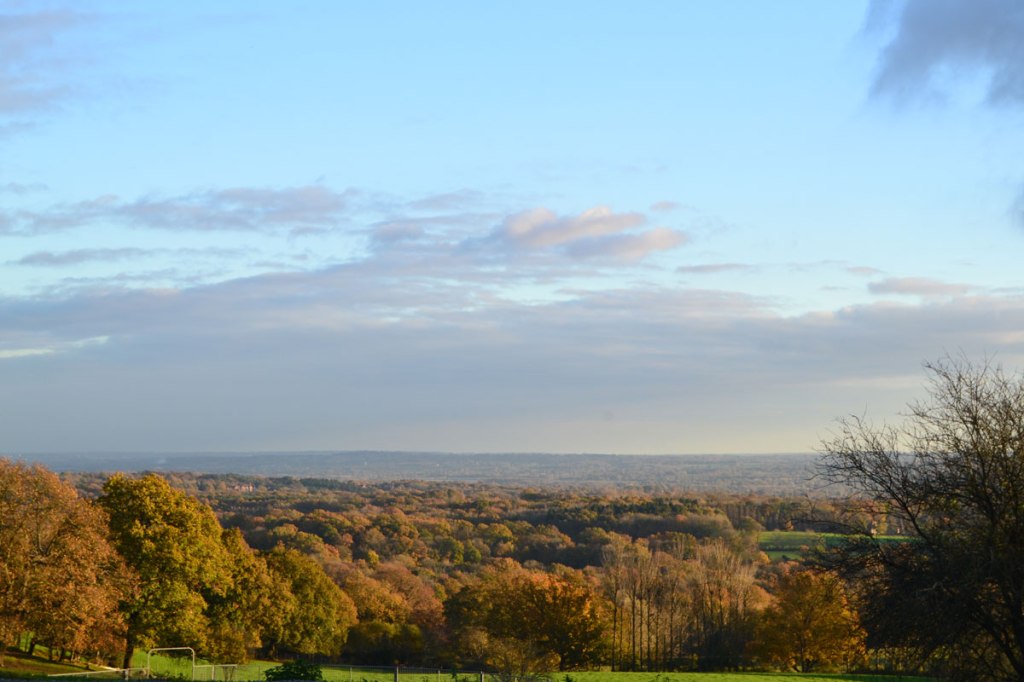
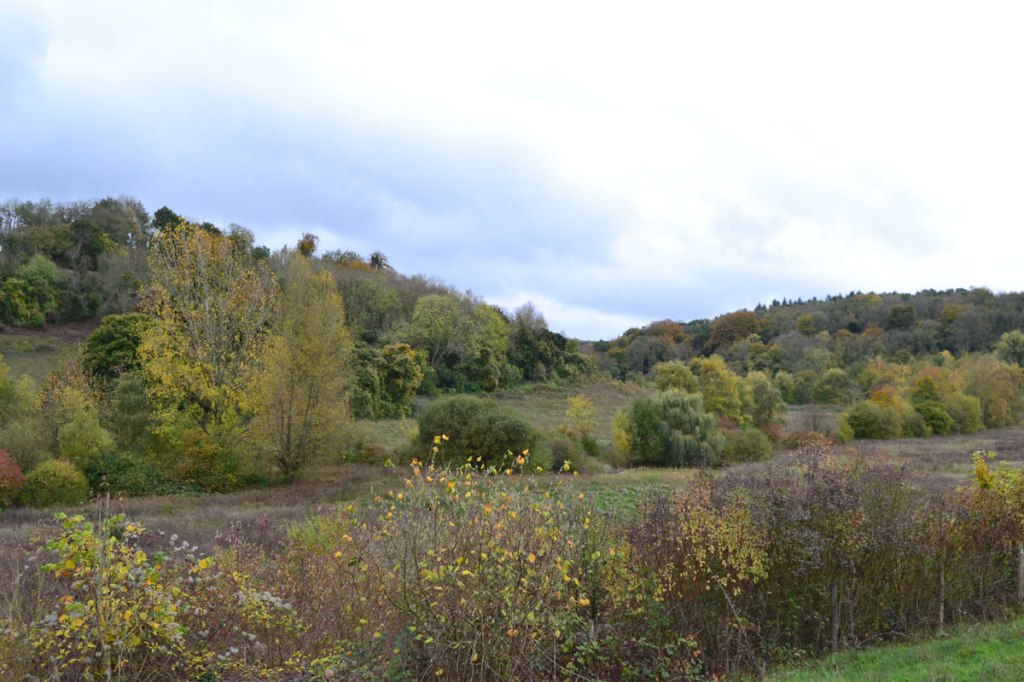
I’m intrigued about how many of us look outside on a day like today – drab, cold, raining – and just think that curling up with a book or making a great meal or something would be a far better use of time than a walk. Who can blame those who decide such days are for doing stuff indoors? But judging by the views on this website there is a hardcore who come what may will not only brave the elements, they will relish them. I’m in this camp – although I do have a good book to read. Anyway, lovely autumn colour awaits those who make it out, all the more inspiring against the grey backdrop. Waterproof trousers and good boots will be handy though. Photos are from the Fackenden Down route last weekend on which the weather was actually fine as it turned out. Scroll through the photo gallery below right for autumn colour from all the walks.

Farewell winter woods

Farewell winter woods

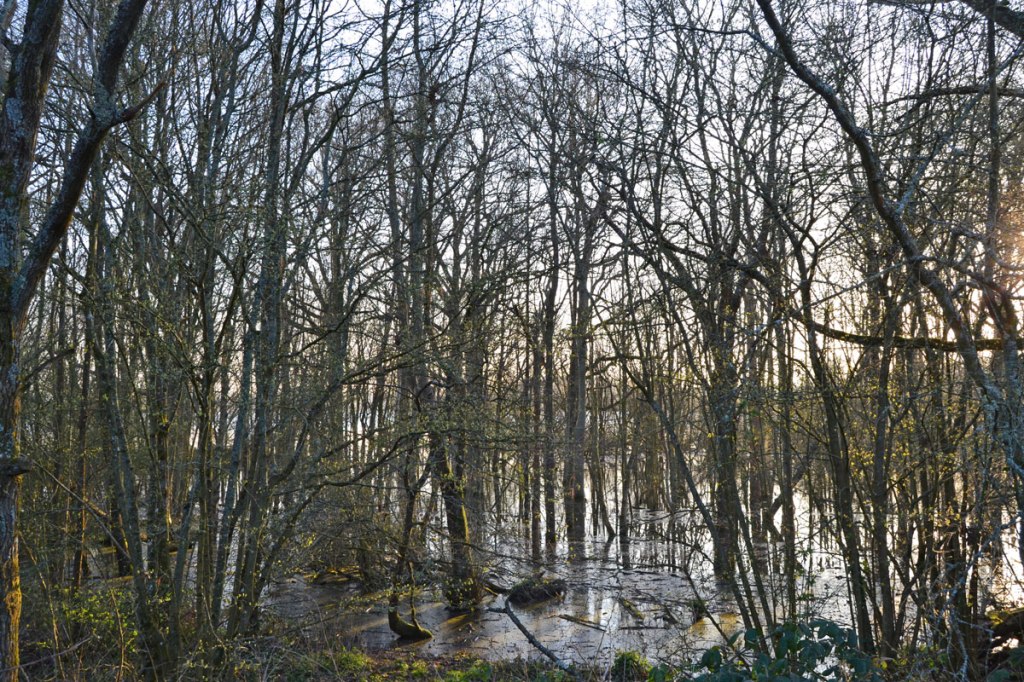
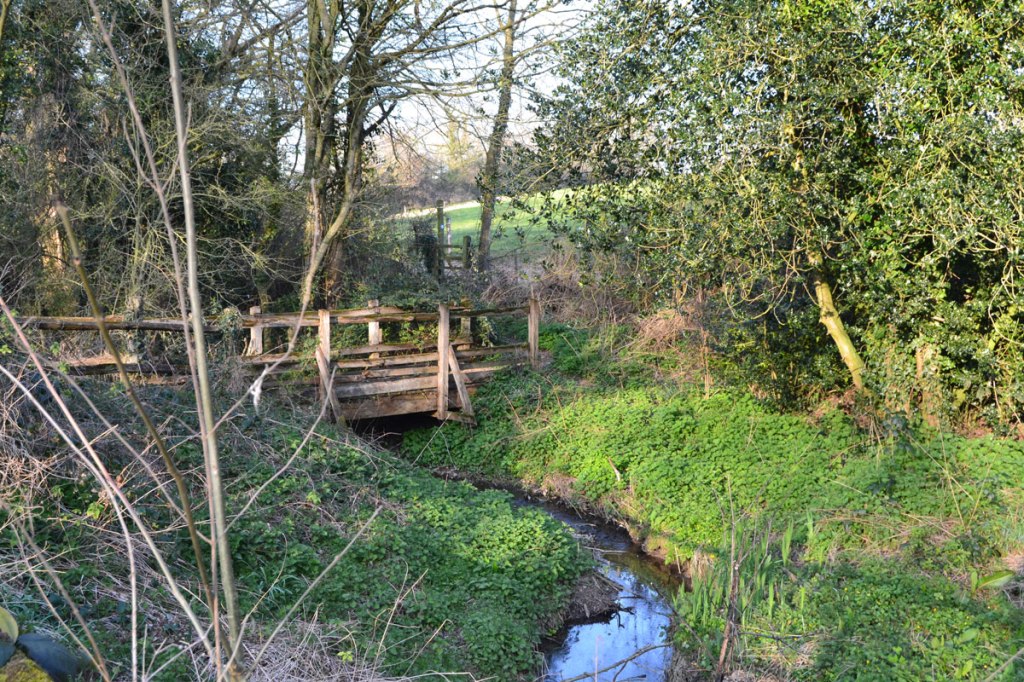
Before we start waxing lyrical about spring, wildflowers, birds and bees etc etc let’s salute the beauty of woods in late winter, particularly in March, which tends to be sunnier than February and reflects all kinds of subtle auburn nuances in the leafless trees. Around Bough Beech reservoir near Ide Hill the woods have been partially flooded by high water levels making for scenes somewhat reminiscent of the opening parts of that excellent film The Revenant. On the final Saturday in March the first bluebells, generally those in sunny spots in hedgerows, were showing, along with primroses, cuckooflower and so on but those trees around the north lake at Bough Beech in the late afternoon sun in their best end-of-winter finery stole the show. What a superb place that is to watch the sun go down. Pictured below: swamped woods at Bough Beech, silver birches in Stock Wood on the Hever walk, a stream though light woods at Bore Place, and a view back to the Greensand Ridge and Ide Hill across fallow fields from near Bough Beech on a perfectly serene late March day – winter’s last knockings. Finally, an iPhone pic of Shoreham and the Darent Valley on the Polhill/Shoreham Circular walk on Sunday 27 March… a rare day of low misty cloud and sunny patches.

A suburban saunter around Petts Wood

A suburban saunter around Petts Wood

The Chislehurst station to Petts Wood station walk via the Hawkswood Estate might be ‘just’ a suburban saunter surrounded by 1930s mock Tudor, but it has loads going for it: it’s obviously great for public transport being between two stations with links to inner SE London; it’s near to London; it has surprisingly good views at points as far as Biggin Hill and Croydon; the woodland is beautifully managed by the National Trust with a huge variety of trees and restored patches of the heathland that was once common here; there are loads of paths to explore often crossing mysterious little streams running down to the lovely Kyd Brook river (which later becomes the Quaggy and joins the Ravensbourne); and it’s big, so makes for a decent workout. You can go off piste without really getting truly lost because the extensive woods are enclosed by suburbia. On the other hand you can adapt it into a much longer walk taking in Scadbury Park nature reserve and Jubilee country park, both adjacent to the Petts Wood/Hawkwood hub. There are usually plenty of people around, in my experience mostly very friendly and with docile pooches. Owls can be seen and heard at dusk and woodland birds proliferate here.

Today, in glorious late March weather, it was a picture. My route is intended as a guide to some of the best bits: the heather areas with their raised path embankments; the central fields with their long views; hidden ponds and mires; chestnut groves; the Willett Memorial glade; pine clumps and bluebell vistas. And once you leave the woods to get to the station, there are quite a few interesting inter-war houses and gardens, and the town of Petts Wood doesn’t disappoint when it comes to food and beverages.