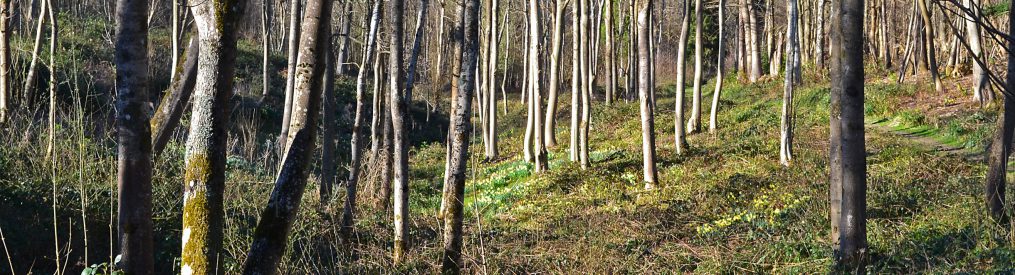
Autumnal tones on the Kent walks

Autumnal tones on the Kent walks

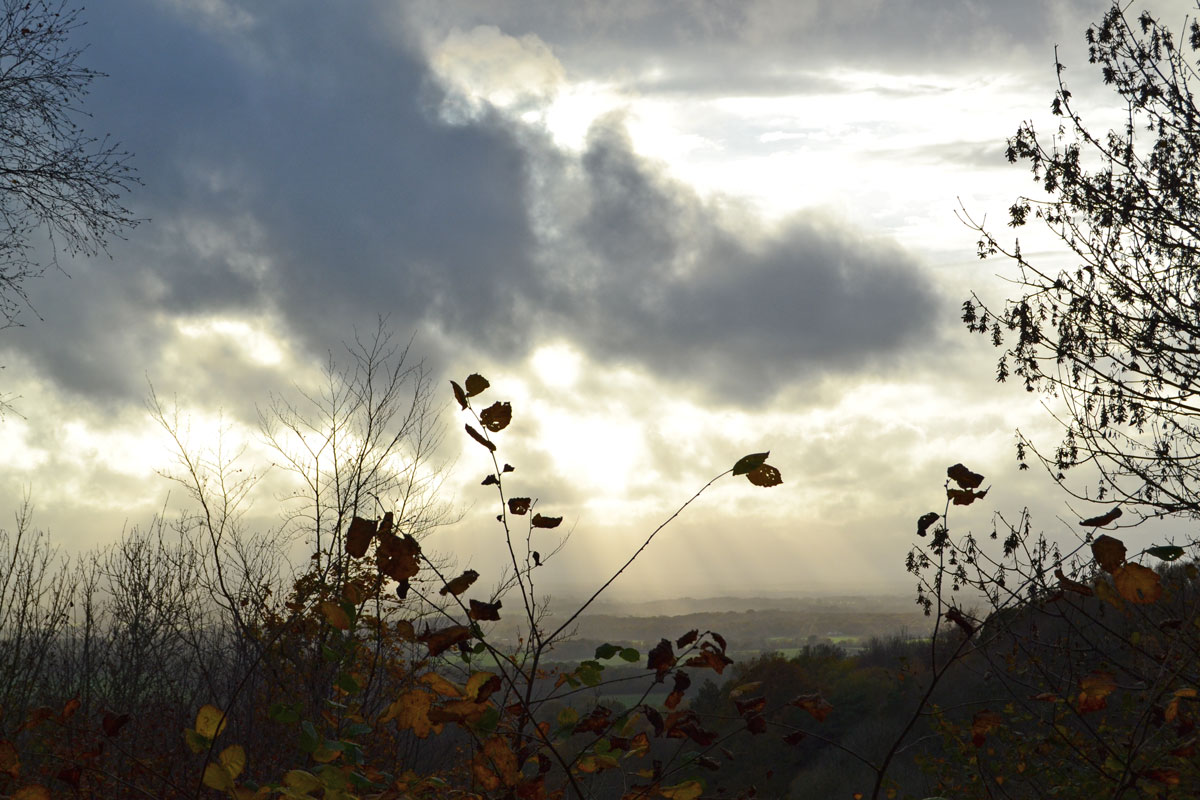
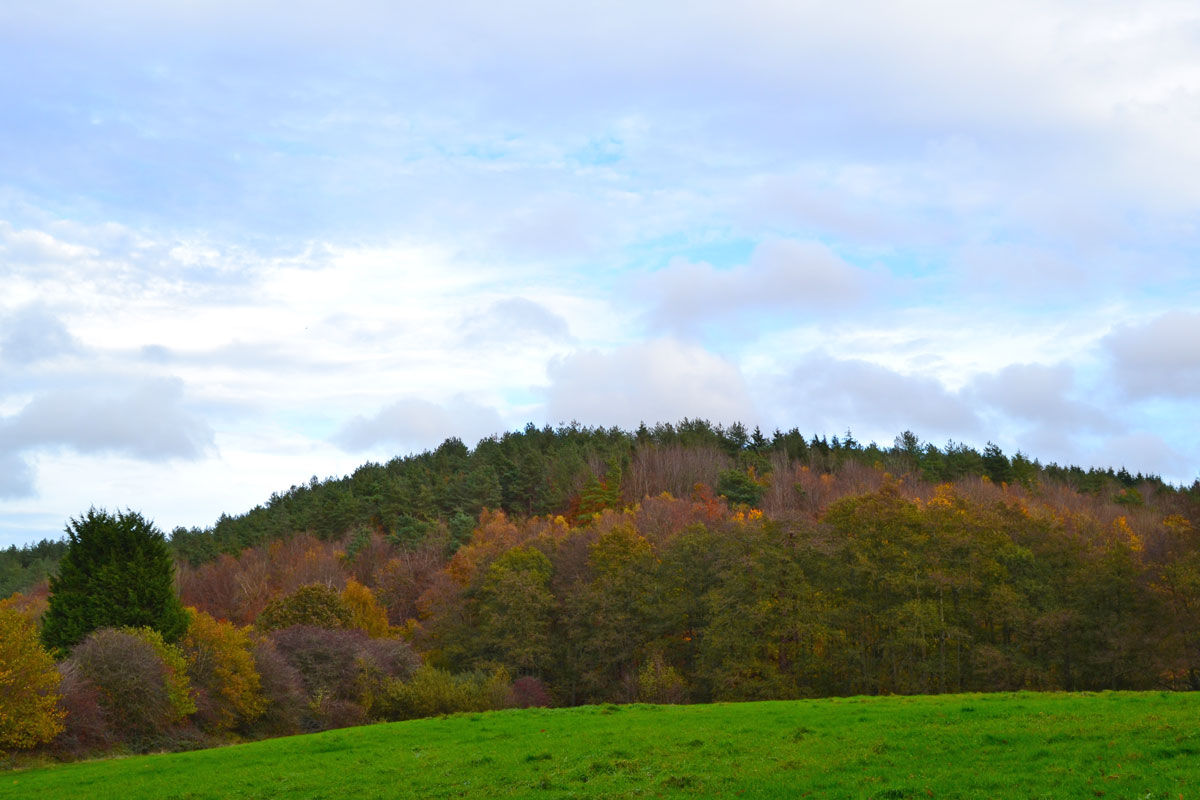
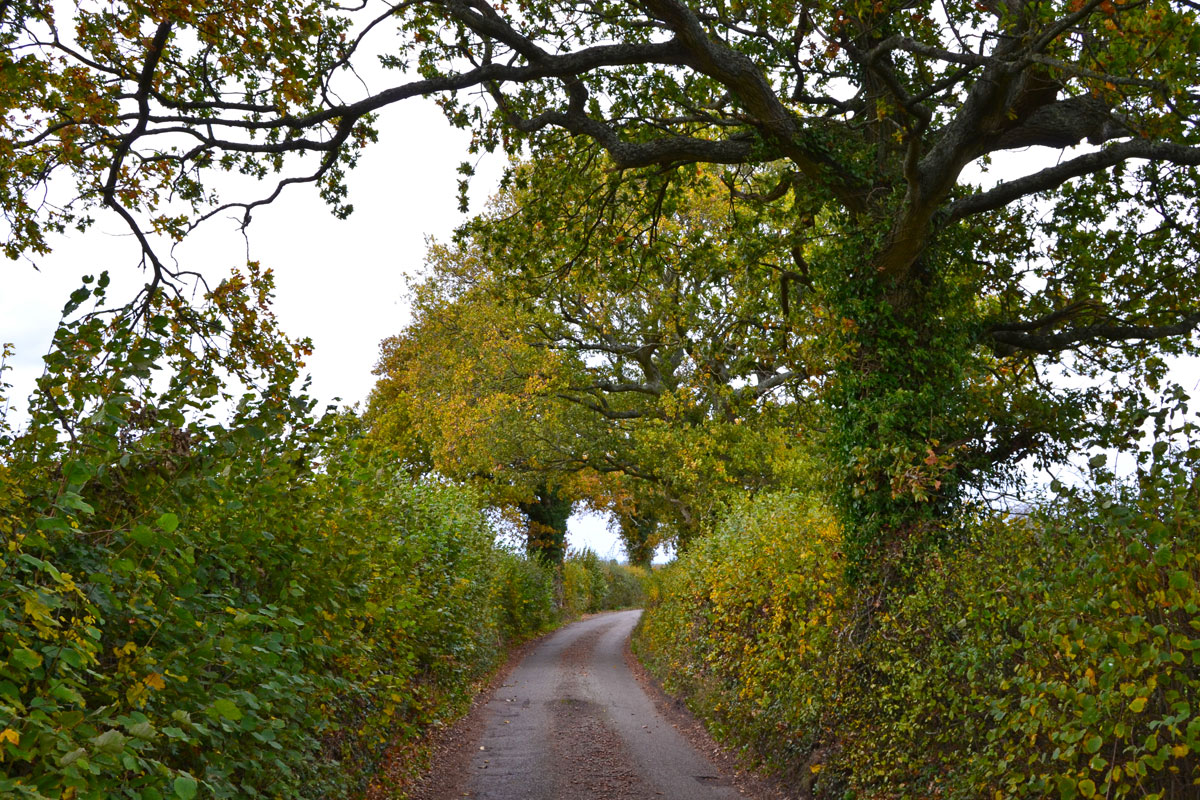
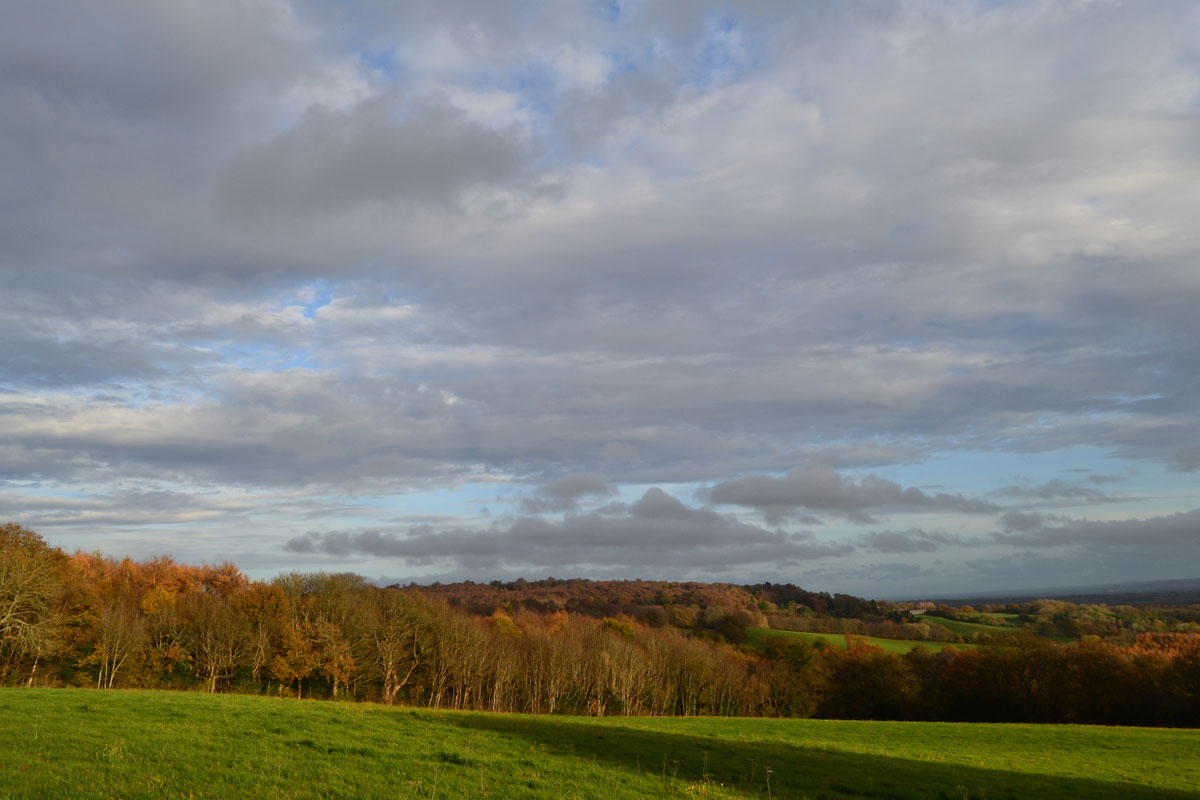
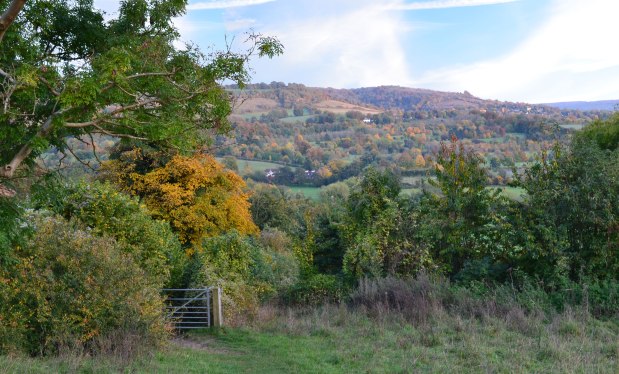
Autumn in these parts is spectacular. I know people talk in hushed tones about the colours of New England, Canada and Italy’s Apennines in the fall, but really the effect is pretty similar wherever there are trees! Once again, don’t overlook what’s on one’s doorstep in favour of an expensive and laborious trip. The November views of the Weald from Wilmot’s or Mariner’s Hill, or across the Darent Valley and the beech woods of Lullingstone are undeniably amazing. The ever-changing wide skies of Kent are a big factor in teasing out colours and optimising certain tones with the lower sun offering saturated reds, yellows and pinks. And greys, let’s not gloss over.

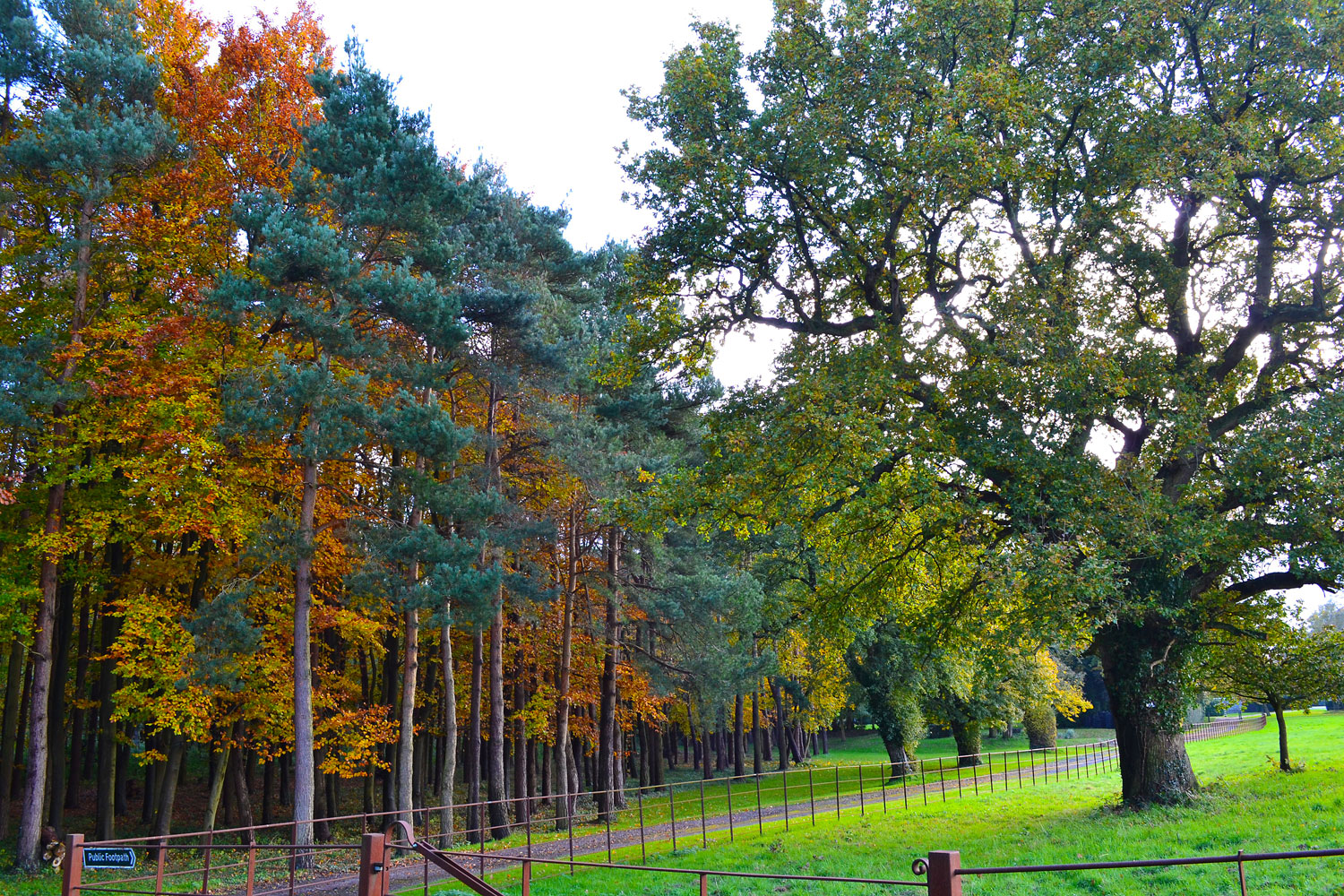
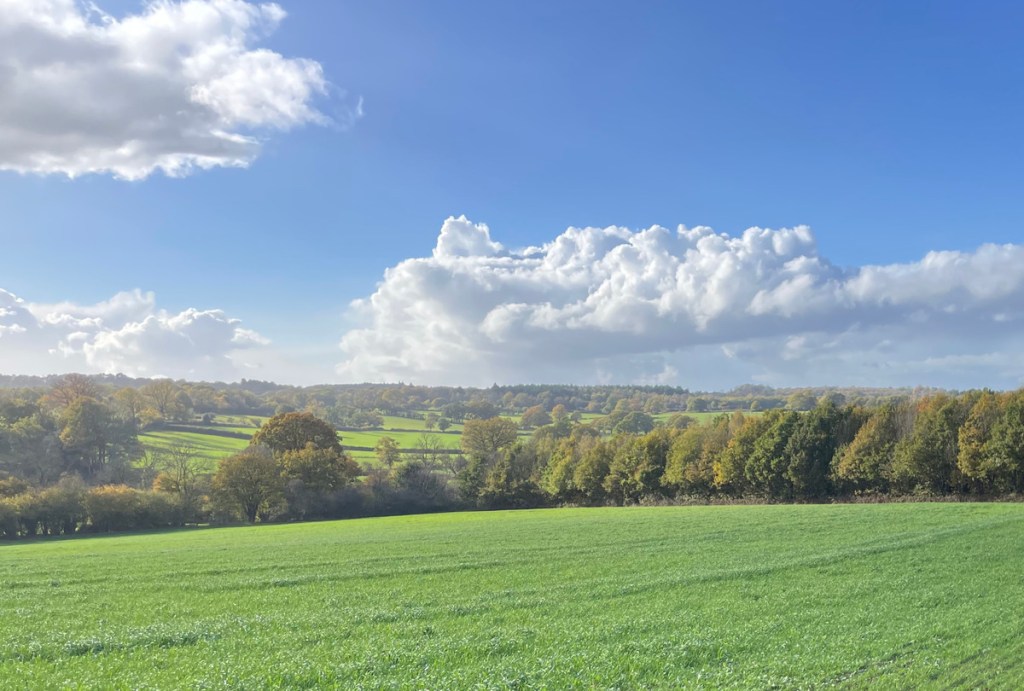
What’s surprising to me looking at the photos below is how green the countryside is in the Penshurst photo compared with those from elsewhere, yet it was taken on 1 November one week before this weekend’s Hosey walk, and a week after the trip to Shoreham represented here. Strange… could be sunshine and time of day I suppose.

I have lots of great autumn photos from over the past nine years of operating this website. But a selection from the past two weeks (mostly – the Downe and Ide Hill photos are from previous years) is enough to make the point – autumn is a terrific time for a hike on any of the routes at KWNL.

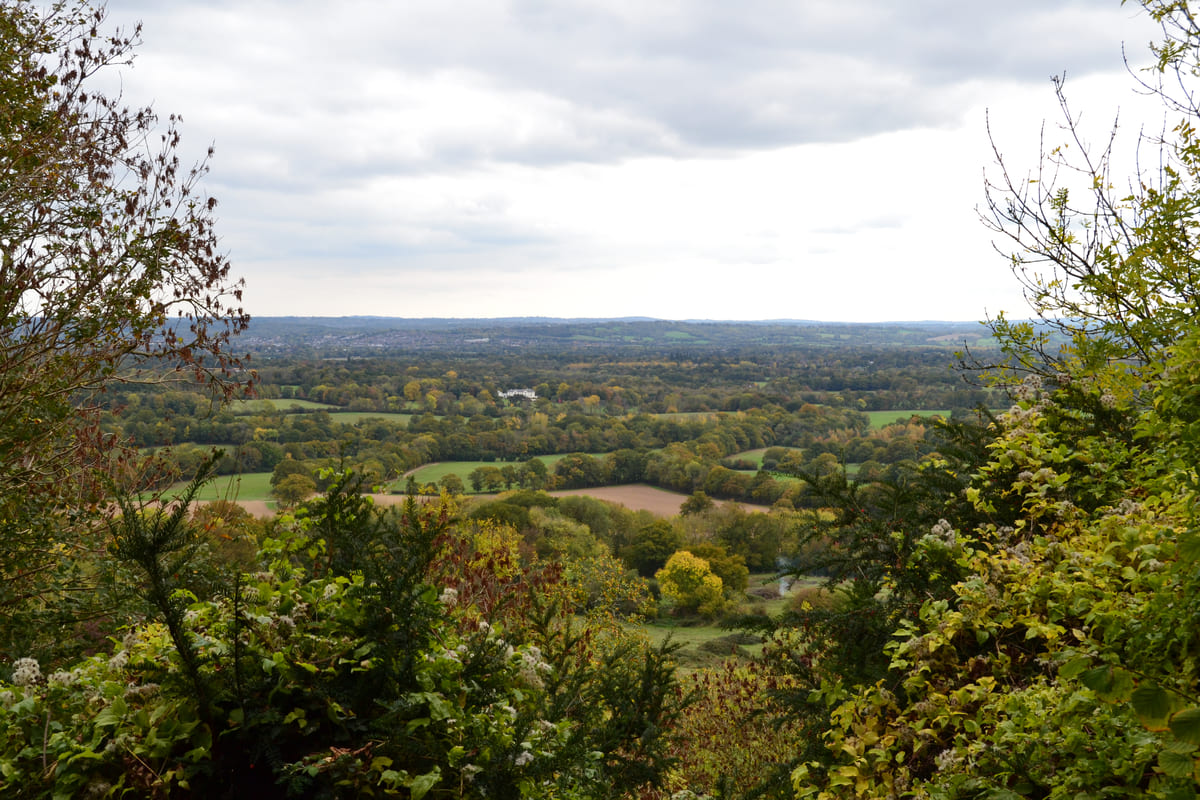
  • Mariners Hill view across the Weald
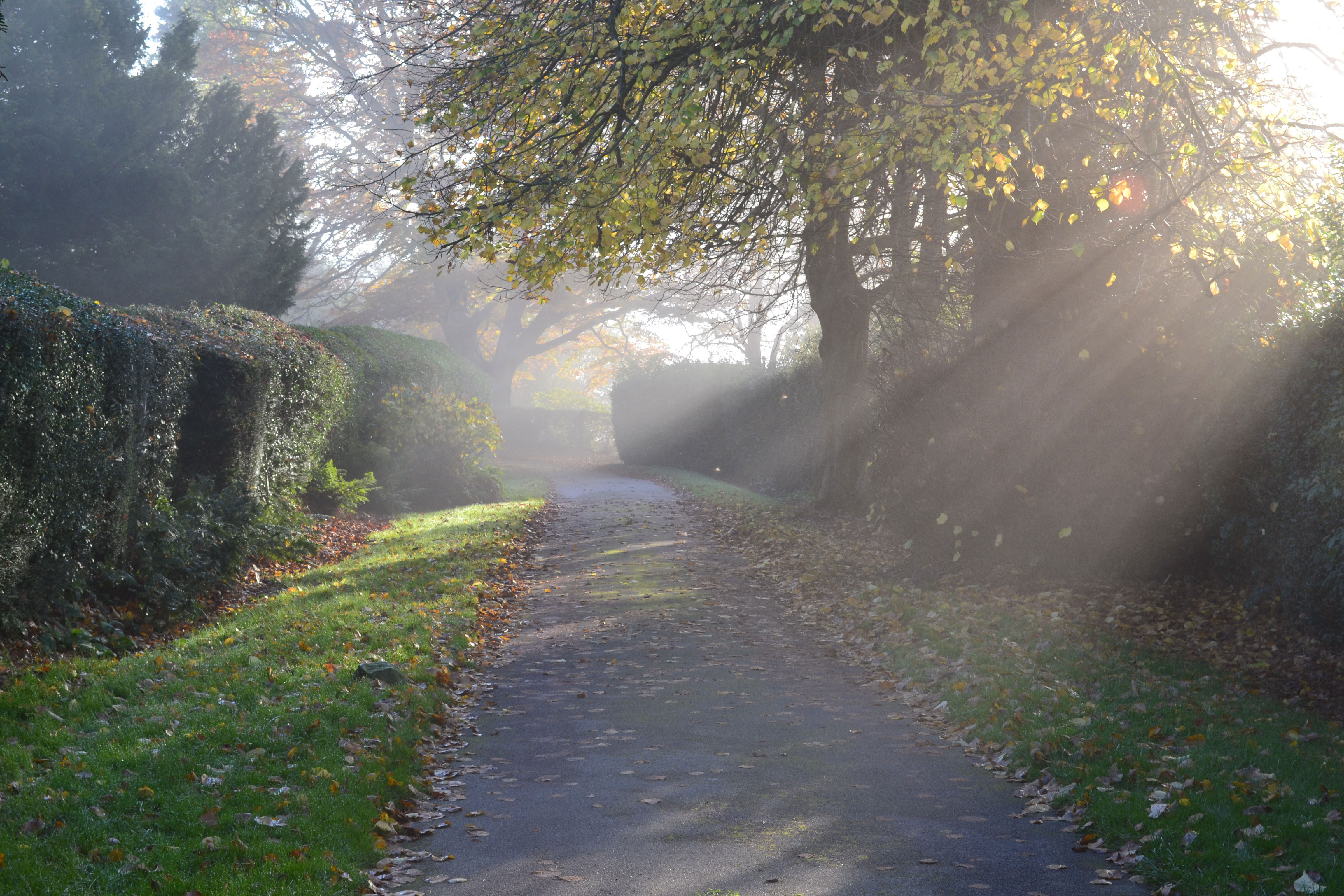
  • Sunbeams and silhouettes
  • trees and river
  • Wilmot's Hill
  • Start of Ide Hill walk in fog, autumn
  • Classic autumnal Kent view from Emmett's Garden
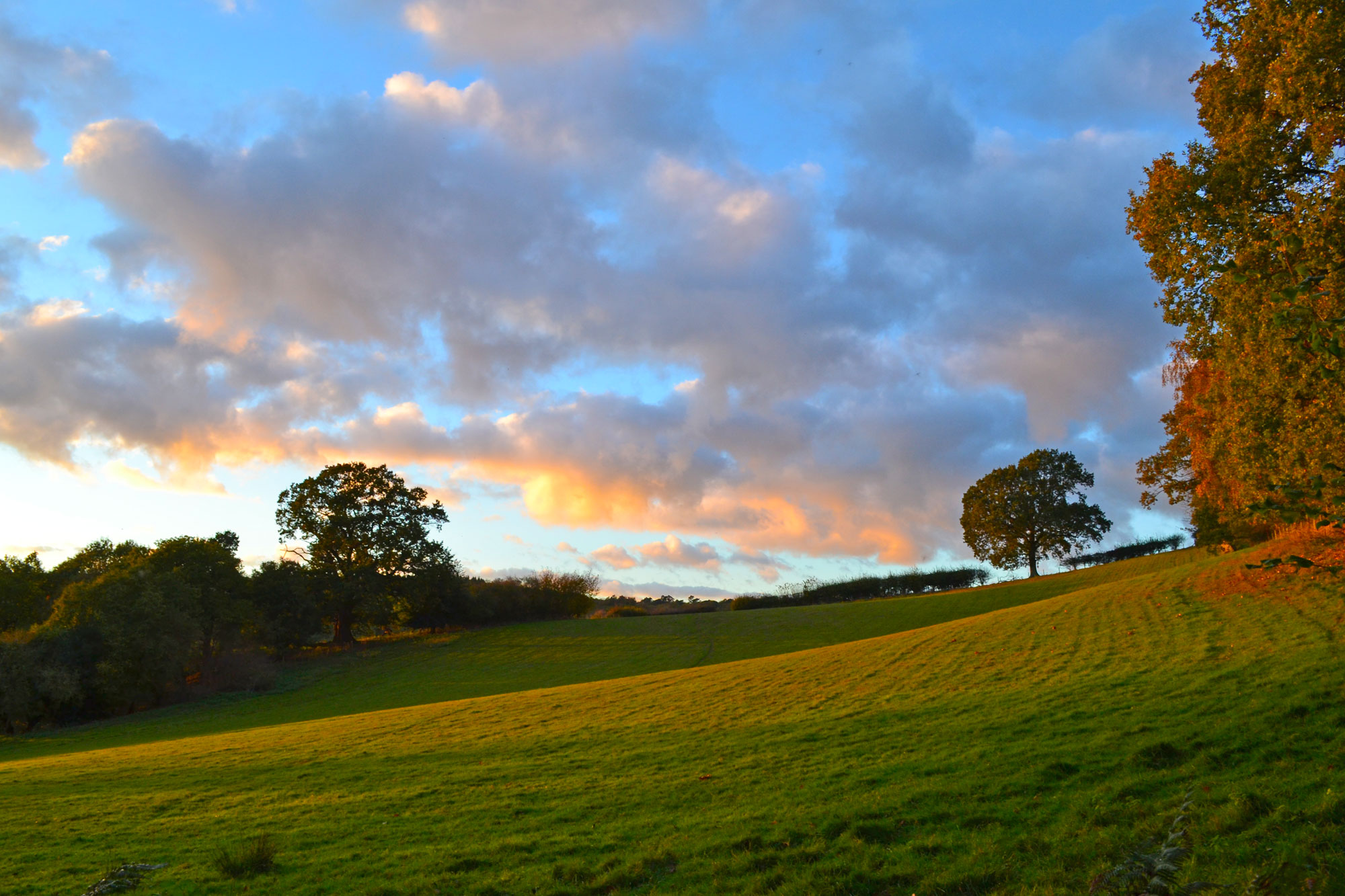
  • Ide Hill field, dusk, autumn
The autumn rush and a Tudor epic

The autumn rush and a Tudor epic

Despite recent heavyish bursts of rain the walks here are still relatively mud-free. With friends I wielded together two Kent Weald walks on Saturday, the Chiddingstone and Hever circulars, making a pleasing figure-of-8 route of about 11 miles throughout the heart of Tudor Boleyn country. We stopped at two pubs, the Leicester Arms in Penshurst, a really lovely place I hadn’t been to for ages, and the good ol’ Castle Inn in Chiddingstone. The original plan was to include the excellent Henry VIII too, at Hever, but we needed to make up time for a rendezvous in Penshurst. But we did manage to pop in to St Peters church for a look at the wonderful medieval effigy of Margaret Cheyne. Larkins beer was served at both pubs and we tucked into a superb chilli con carne at the Castle Inn. Autumn colours were exceptional and the paths still very solid, with a few decent puddles dotted around. Rain slashed down towards the end of the walk but there were still plenty of leaves still attached to branches to help keep us dry. There were a few buzzards and red kites around but we didn’t see any redwings which we had hoped had arrived from the near continent by now. And yes, I still can’t believe Penshurst Place hasn’t set up a footpath along its southern edge to meet the Eden Valley Path and so avoid hikers having to walk up/down that terrible road.

Hever church (St Peters)

Things will get muddier fairly quickly once we get to the end of the month so it will be wellies before long, or stout waterproof hiking shoes.

Here is the GPX map of the Hever/Chiddingstone/Penshurst figure of 8 – I’ll give it its own page soon.

GPX maps

I’ve updated all the URLs of the OS GPX maps listed for the walks for easier access (somehow the OS had sort of rerouted them or altered the hyperlinks). They should all work much better now.

A very summery type of autumn

A very summery type of autumn

High pressure is dominating the weather and the near-drought continues. There is no mud on any of the walks, which once would have been unheard of for mid-October. For the past week it’s felt as if summer’s lease has no intention of expiring anytime soon. Amid mild temperatures and cerulean skies we enjoy the spectacles of the season as the greens of September become more mottled and varied as they meld into the yellows, oranges and reds of November. Rosehips, elderberry and sloes decorate the hedgerows and fungi mystically appear in woodland and grassy fringes. I’m not one for foraging; I much prefer to look and leave well alone (apart from blackberries).

Birdlife still seems somnambulant: I’ve been hoping for migrations but in this still weather nothing much seems to stir. A week ago, in the wake of Storm Amy, hundreds of house martins passed overhead heading east with the wind, as a full moon rose in a purple sky. But this was in Lower Sydenham not on the Kent walks. My only notable sightings have been a kingfisher on River Eden on the Chiddingstone walk; red kites over Lullingstone and Downe; grey plover and lapwings on the ever-expanding shoreline at Bough Beech reservoir (I’ve never seen the water so low); and buzzards at Polhill.

My walk at Fackenden Down today (pictured) was serene, colourful and wonderfully warm. But this isn’t autumn, surely. Lovely though it was, I would quite like to feel a fresher breeze, walk with the threat of a squall, squish through a puddle and ponder whether to wear wellies or trainers. That time will come I guess, I’ll enjoy summer’s lease while it lasts.

Muddy matters

Muddy matters

In my most recent newsletter there was a glaring omission. I listed the best walks on this site for mud avoidance but forgot to mention Knole. This was particularly remiss of me because not only does it deserve a place in any list of non-muddy winter walks it should actually be top of the list.

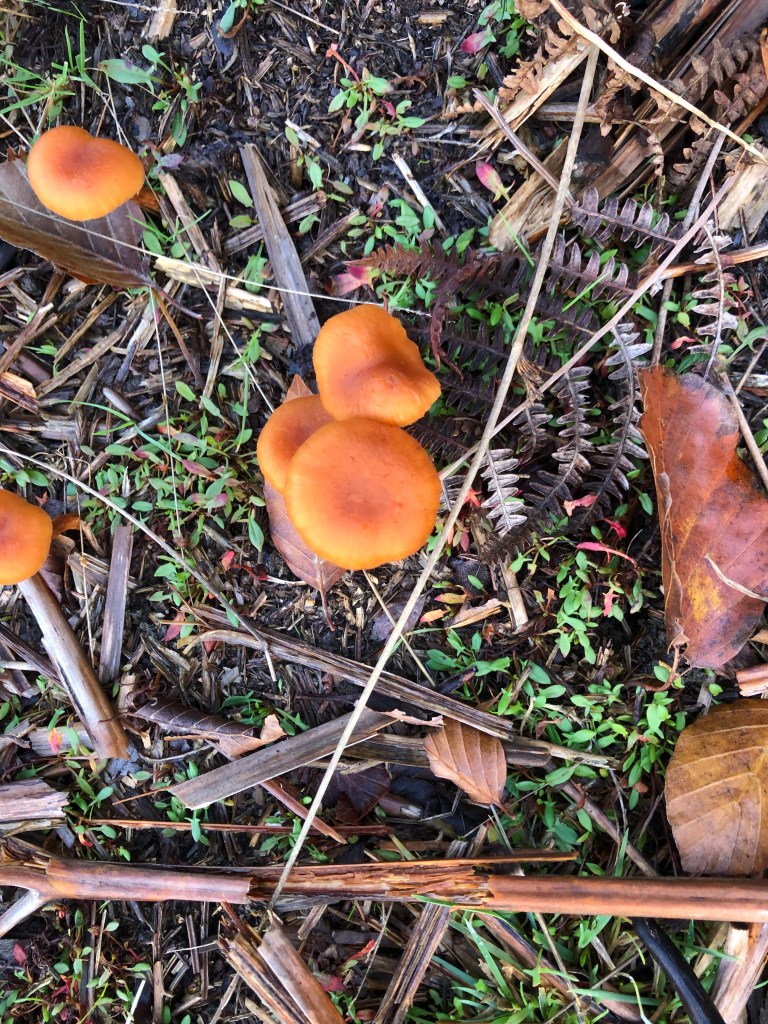
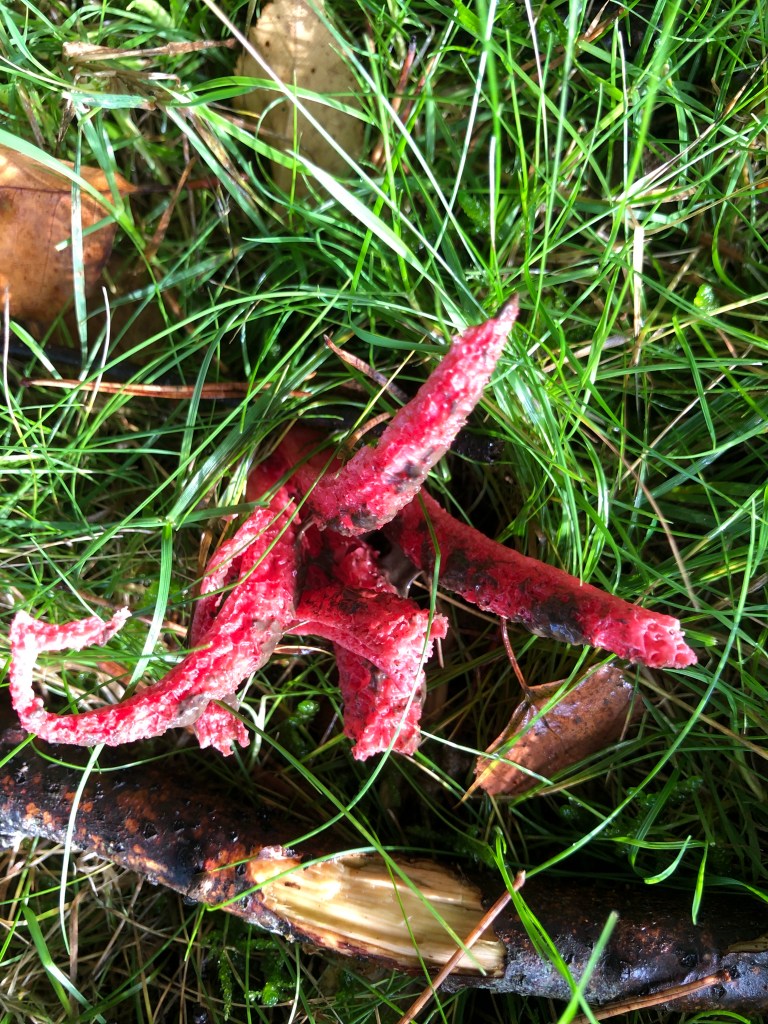
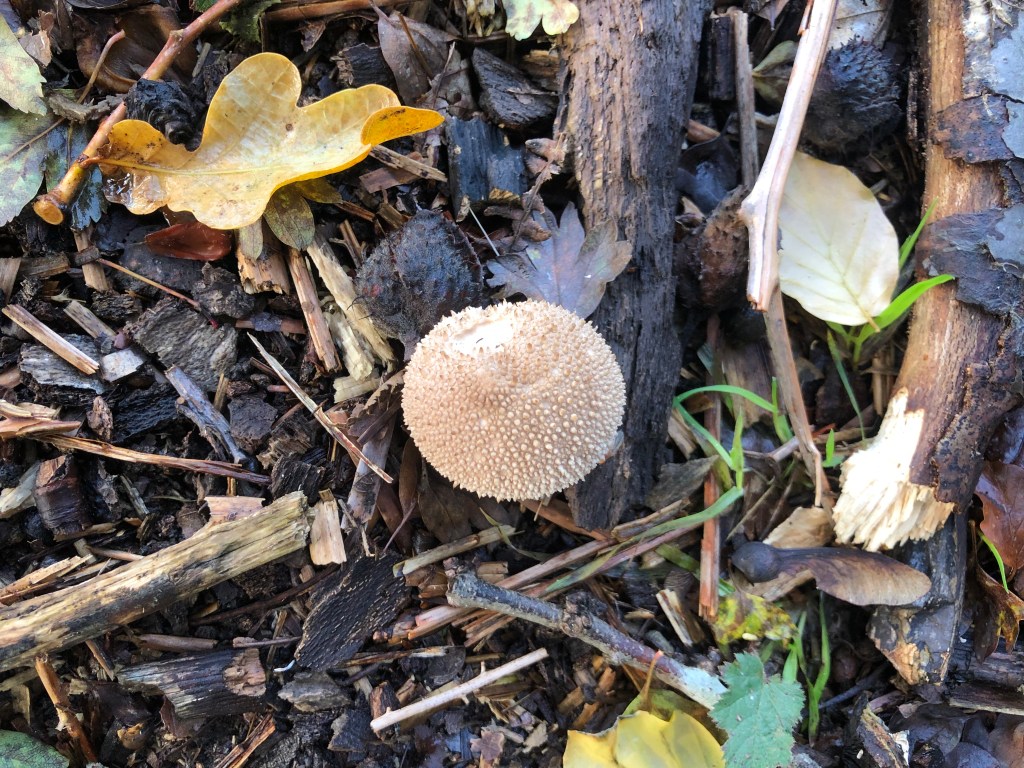
A walk there last week revealed only one properly muddy bit, in the conifer woods in the south east of the park near the beginning of the route as you cross the little stream. The park is brilliant at all times of year but I particularly love it in late autumn as small flocks of migratory birds hide in hawthorn shrubs, buzzards float high above and the deer develop enormous antlers. Fungi is also better here than on any other of the walks I think. I’m no expert, but the amethyst deceiver is among the most colourful, and there are other great species here such as saffrondrop bonnets and fairy fingers. We saw devil’s fingers on our most recent walk, very weird looking stuff.

Knole in autumn, honey fungii, parasol, puffball, devils finger

Knole (click here for National Trust description) is quite a rare terrain: it sits just behind the Greensand Ridge and is mainly composed of acid grassland (click for Kent Wildlife Trust in-depth). In fact it contains about 35% of all the acid grassland in Kent, a terrain that provides habitat for lots of wildflowers and rare fauna including lizards and adders, and invertebrates such as deadwood beetles. The little hillocks in the grass are the nests of yellow meadow ants, and in turn their presence helps support a good green woodpecker population.

Knole House

Back to mud: I’d say the best routes for mud avoidance are:

1 Knole

2 Lullingstone – from the golf course entrance or from Eynsford station

3 Fackenden Down

4 Polhill and Shoreham

5 Ide Hill (now that the paths have been relaid – but can still get bad at points)

By and large the walks on the North Downs chalk are better for avoiding mud as water seeps through the thin soil into the porous walk quicker. Yet, to contradict this, Knole is sandstone and the worst spot for mud at KWNL is on the chalk Andrew’s Wood hillside on the way to Meenfield woods and Polhill/Pluto.

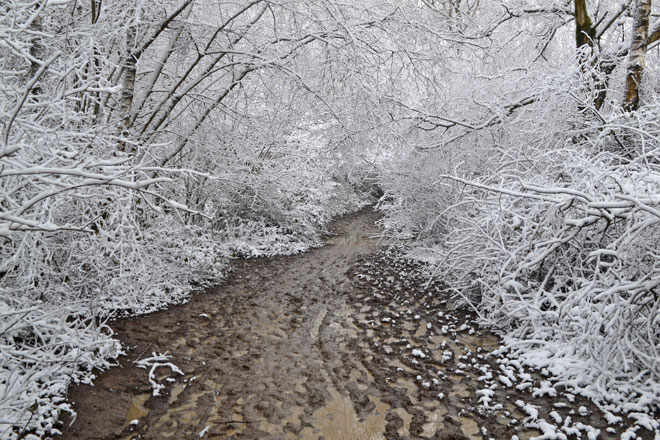
Mud, frost and snow at One Tree Hill, February 2021

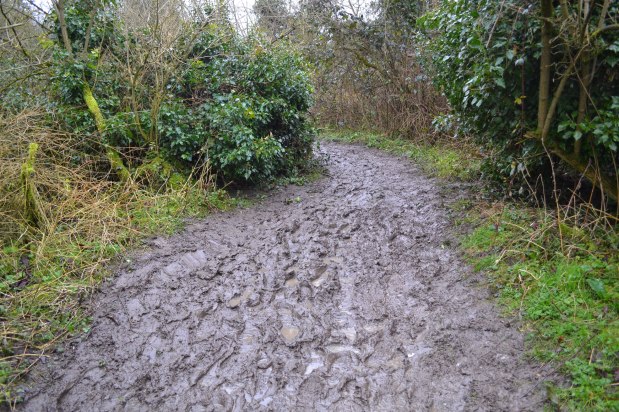
Mostly, a pair of wellies and overtrousers will sort you out where things get really squelchy but I’ll be mostly avoiding Underriver (Ramshed Farm in particular), and the Low Weald walks at Hever and Chiddingstone for now. Where paths are hemmed in a bit and popular with walkers things also get very squelchy (like the path up into Lullingstone from the Roman Villa pictured in the leading image, for example). So ‘natural causes’ are not always responsible for mud, though I suspect the water table and a layer of clay might be responsible for Andrews Wood hillside. One Tree Hill is surprising to me – it’s not a place you’d think would get so bad. It could be footfall, or perhaps some water table-related reason is the reason. Another morass is on the popular Downe walk just before you re-emerge into the village right at the end. The popular Shoreham Circular is OK, though footfall on the path through the golf course can lead to horrendously swampy conditions!

So, worst for mud are:

One Tree Hill (at the top of the hill near the car park is horrendous if wet)

Underriver (aforementioned farm and waterlogged low weald fields)

Polhill/Pluto – Andrews Wood hillside and Polhill slope itself (too slippery in winter)

Hever – hemmed in paths create WW1-type conditions

Chiddingstone – waterlogged fields by River Eden

But you may disagree! Let me know your favourite and least favourite muddy zones at KWNL, email ammcculloch49@gmail.com

Autumn colours around Shoreham and Sevenoaks, Kent

Autumn colours around Shoreham and Sevenoaks, Kent

Fine days at this time of year are fantastic for colours and light. All fine days are great of course, but there’s a surprise element when it’s nice in October and November that somehow helps you enjoy country surroundings all the more. Yet some of the finest autumn colours are to be had in London: Dulwich Park, for example, with its variety of trees (the turkey oak by the western perimeter lane is amazing) and also Burbage Rd, nearby, which has some maples of the deepest red right now, yellow-green honey locusts (I think), and wine-coloured cherry plums amid others.

Trees are such a part of the landscape in the city or out in the sticks that most of us hardly bother to stop and wonder. I’d been doing the One Tree Hill walks for years before I noticed the most amazingly tall, straight oak (picture). Great beech trees abound on all of these walks; some of the most extraordinary, again, on the One Tree Hill escarpment (picture).

The images below are from One Tree Hill, Shoreham and, most recently, Ide Hill, which was right on the borderline between foggy and sunny on 1 November.

This slideshow requires JavaScript.