A sultry stroll at Fackenden Down

A sultry stroll at Fackenden Down

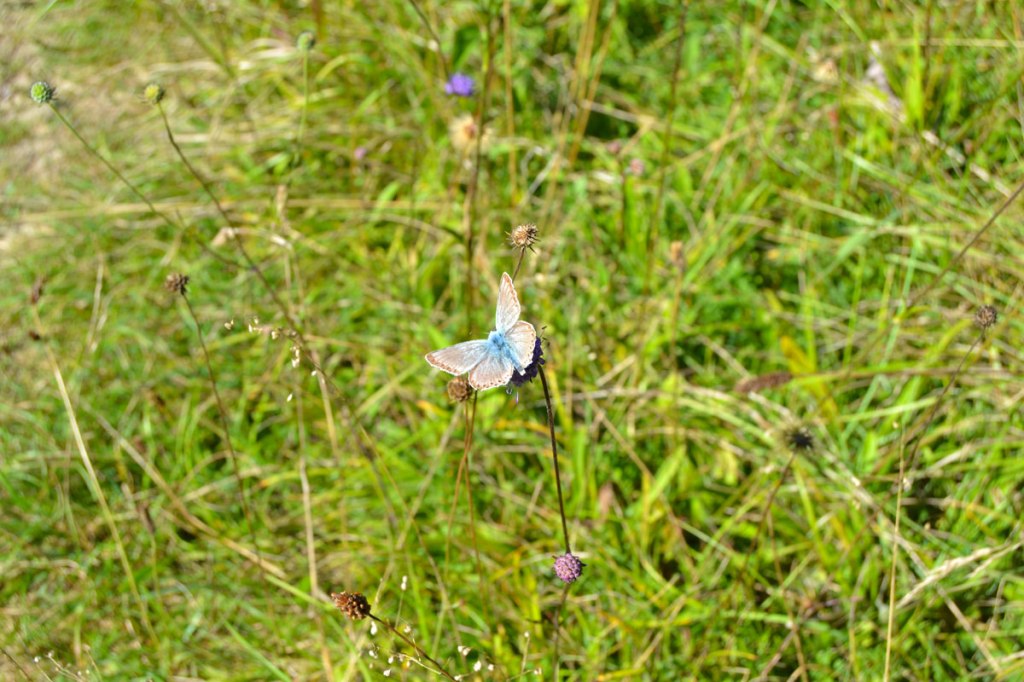
The hot sunny weather – this September has been pronounced already as one of the hottest on record in the UK – has been good news for butterflies. The Fackenden walk is particularly good for viewing them; the first few sections after the right turn on White Hill were awash with chalkhill blues, red admirals, large whites, meadow browns and gatekeepers this week. I was particularly intrigued by the numbers of brimstones flying during my sultry stroll there last Monday. These beauties are the offspring of the butterflies that emerged from hibernation in April and May. With so many scabious and devil’s-bit scabious still flowering along with the likes of fading marjoram, valerian, wild carrot and trefoil, there is plenty of foodstuff still around. That wonderful ‘garden’ running halfway up between White Hill and Fackenden Down is great for other creatures too: it’s clearly good habitat for reptiles and birds, though I’ve never personally seen much there, not even a whitethroat, blackcap or yellowhammer this summer – just a few goldfinches (a beautiful but common bird), red kite, buzzards and green woodpeckers after the many ants on these slopes. I did spot a rapidly disappearing common lizard though, after hearing a rustle in the leaf litter. Earlier in the walk, at Austin Spring I was delighted by a view of a hobby (a smallish, fast-flying falcon) hurtling straight towards me, presumably chasing dragonflies.

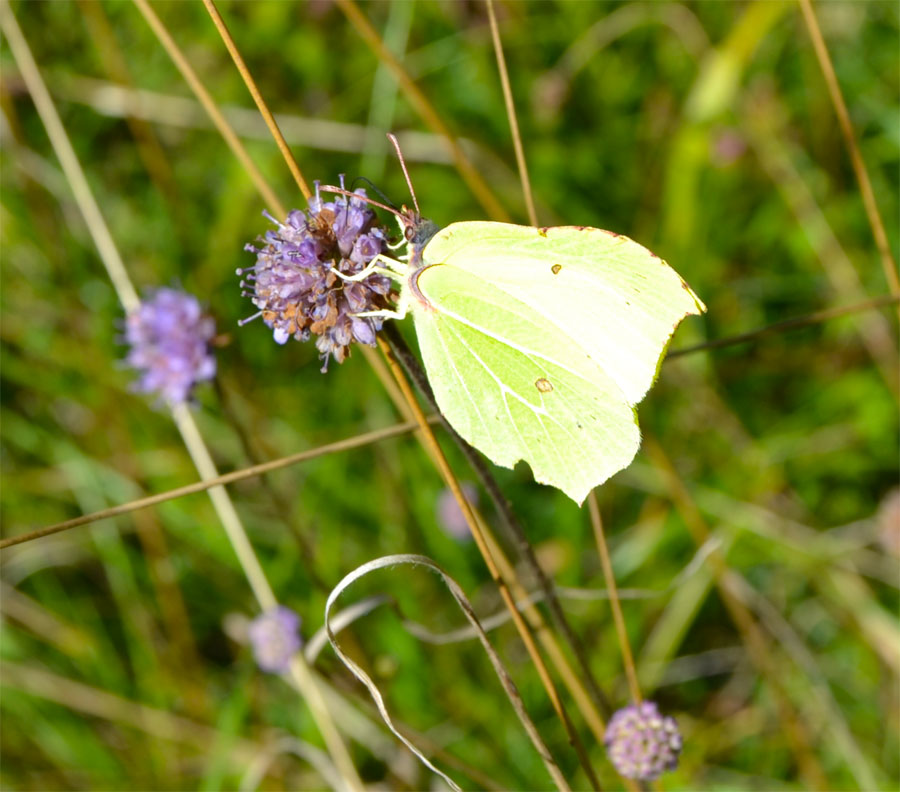
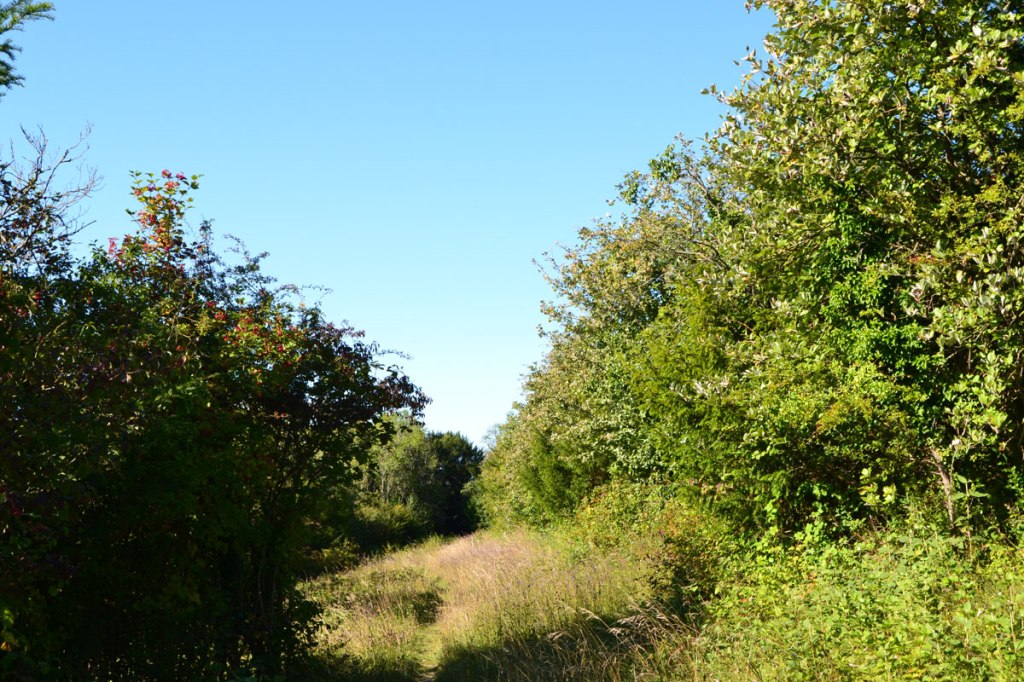
I’ve taken to doing the Fackenden route the ‘wrong’ way round these days: so I take the path on the left up White Hill that culminates in the steps, then across the Dunstall Farm fields to Austin Spring and Romney Street, Magpie Bottom (also great for flowers and insects) and eventually to Fackenden Down. Either way is great, I suppose I just want to save that ‘garden’ with its kaleidoscopic haze of grasses, scabious and insects until last. (Pictured: red admiral, brimstone, red admiral, the path linking White Hill and Fackenden Down looking north, a scabious flower and, below, a male chalkhill blue.)
Wet, wild and wonderful

Wet, wild and wonderful

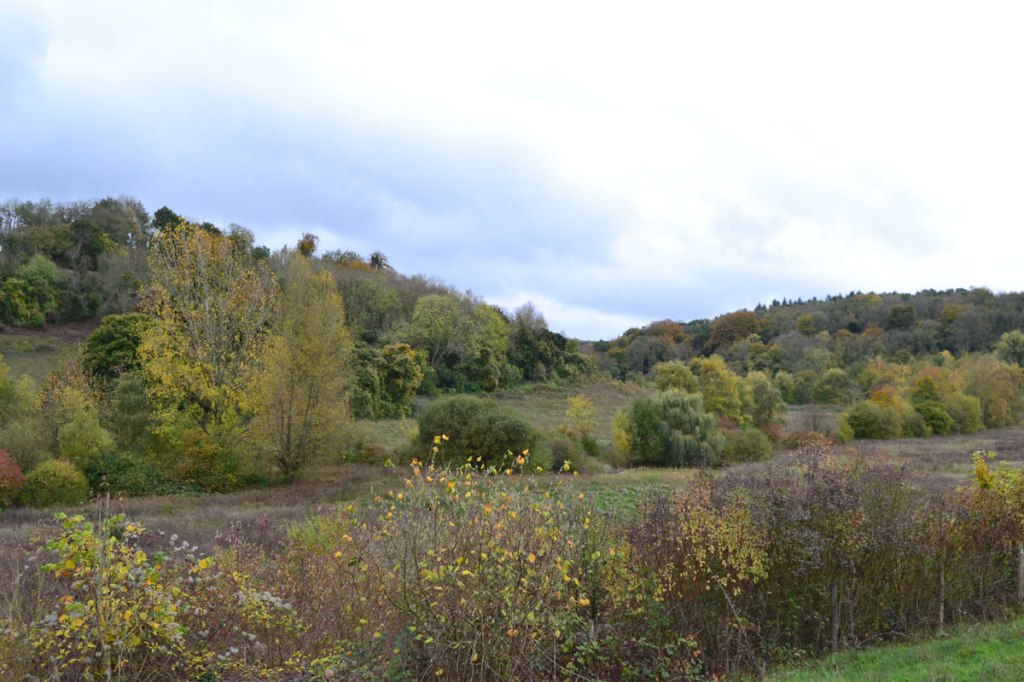
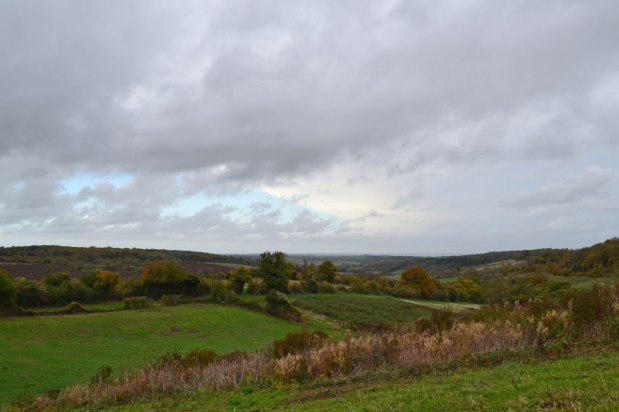
I’m intrigued about how many of us look outside on a day like today – drab, cold, raining – and just think that curling up with a book or making a great meal or something would be a far better use of time than a walk. Who can blame those who decide such days are for doing stuff indoors? But judging by the views on this website there is a hardcore who come what may will not only brave the elements, they will relish them. I’m in this camp – although I do have a good book to read. Anyway, lovely autumn colour awaits those who make it out, all the more inspiring against the grey backdrop. Waterproof trousers and good boots will be handy though. Photos are from the Fackenden Down route last weekend on which the weather was actually fine as it turned out. Scroll through the photo gallery below right for autumn colour from all the walks.

The difference a bit of rain makes

The difference a bit of rain makes

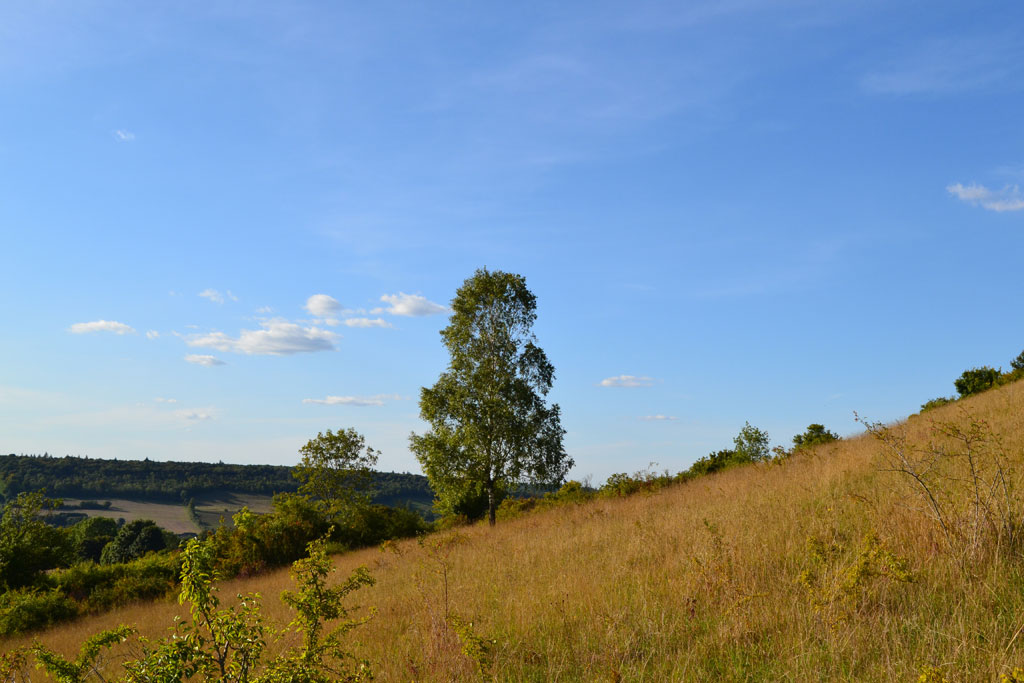
Interesting to see the effect of normal weather on the colour of the landscape. The first picture was taken on 15 August on the Fackenden Down route with the summer drought at its peak; the second picture on 17 September. It had rained during the week of 4-11 September.

Parched grass, Dunstall Farm
Parched ground near Dunstall Farm – the tree branch was dead years ago
Back to normal after the early September rains – and, below, a silver birch tree on Fackenden Down photographed on the same days
Tale of two orbs: a quiet evening awaiting Ciara

Tale of two orbs: a quiet evening awaiting Ciara

Saturday was a pleasant winter’s day so we ventured once again to the eastern Darent Valley watching the sunset and hoping for an early evening owl. We were rewarded instead by wonderful and close views of three juvenile buzzards hanging motionless above Fackenden Down calling to each other plaintively.

I haven’t got the lenses to capture wildlife unless it’s less than two feet away. My lack of super-duper equipment was also brought home to me by the rise of a huge moon behind Dunstall Farm; my camera could only represent it as a small white disc. Still there’s a bit of atmosphere in the shot, seen below. For starters, I love the pines that surround the secluded farmhouse, an attractive and venerable building with a hint of Normandy about it.

Today of course (Sunday, 9 February) I imagine nobody in their right mind went walking what with Ciara wreaking havoc across the land. (There is a shorter version of the Fackenden Down walk that’s quite handy for short winter days here – you can start it at Shoreham Station and walk up the track almost opposite to join the walk or park at the layby in Rowdown Lane as marked. It’s 2.6 miles but good exercise because quite up and down.)


This slideshow requires JavaScript.

Super Sunday for walks

With such gentle southern breezes up from Spain and a cobalt February sky we joined hundreds of others in getting out into the nearby Kent countryside today. Once again we chose the Shoreham Fackenden Down route, but this time in reverse: up the steps in the ancient Dunstall woods, across the muddy eponymous farm and down into the steep Austin Lodge valley then the climb to Romney Street. By the time we reached superb Magpie Bottom low clouds had drifted in and a strange quiet had descended, rendering that solitary place strangely eerie. Great! Our only notable bird sightings were both in the fallow fields at Romney Street: a female kestrel hunting exactly where we’d seen the short eared owl a few weeks ago and a huge buzzard lazily enjoying the mild weather. We’d expected to see more. Among the pictures, note the trees growing out of the obvious bomb crater.

Thanks to those who donated to the site today.

This slideshow requires JavaScript.