Early bluebells and owl on a British Summer Time stroll at Ide Hill

Early bluebells and owl on a British Summer Time stroll at Ide Hill

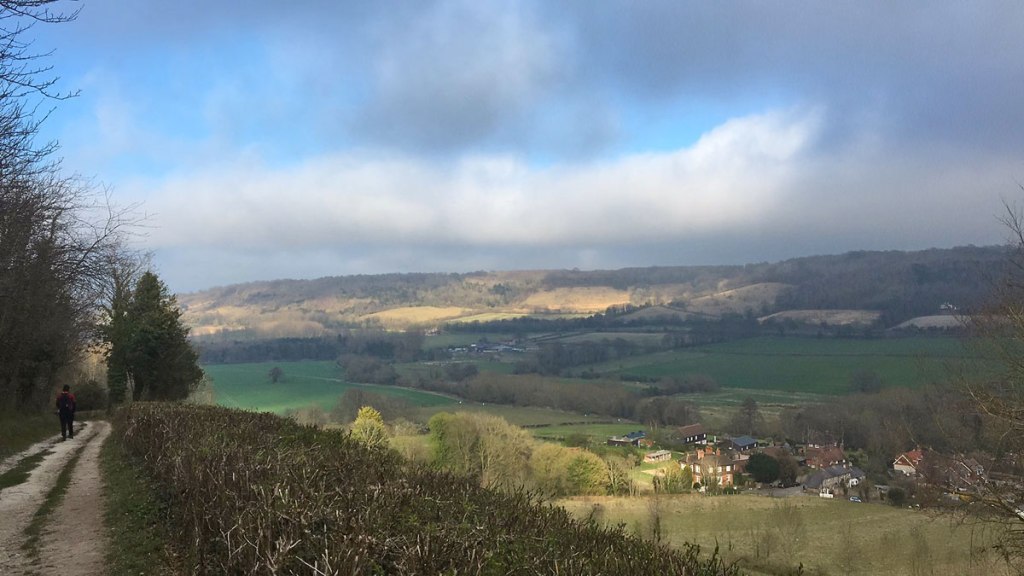
The clocks have gone forward, the hurly-burly months are upon us. Hibernation is over. I marked this momentous day with a stroll on the Ide Hill route on the Greensand Ridge. The promise of early sun had vanished as altocumulus set in with scudding lower clouds driven by a decidedly sharp, brisk westerly. I was later than I hoped because I had overslept and then, after chores, decided to put on some music – mostly jazz, predictably enough. I drove out past Hayes and Keston listening to an interview with Miranda Hart on Radio 3. All very interesting; the programme was called Private Passions and Miranda discussed her various TV shows, where she was at and so forth. Her musical choices were interesting; there was some Grieg – as featured in a famous Morecambe and Wise sketch with Andre Previn – a haunting choral piece called O Magnum Mysterium by Morten Lauridsen and Stephane Grapelli’s take on Sweet Georgia Brown featuring Yehudi Menuhin. What a good set-up for a walk I thought, better than the usual football commentary.

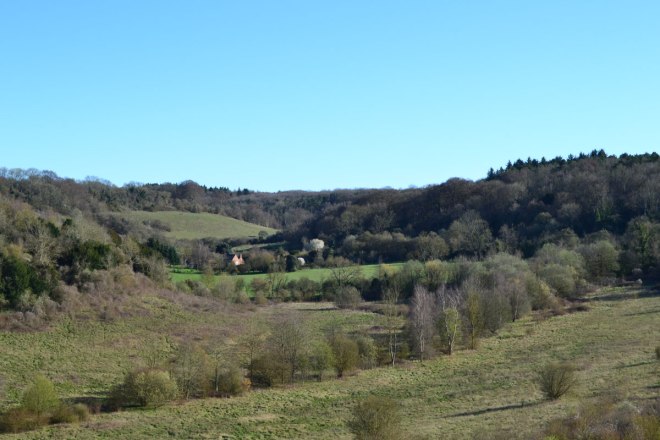
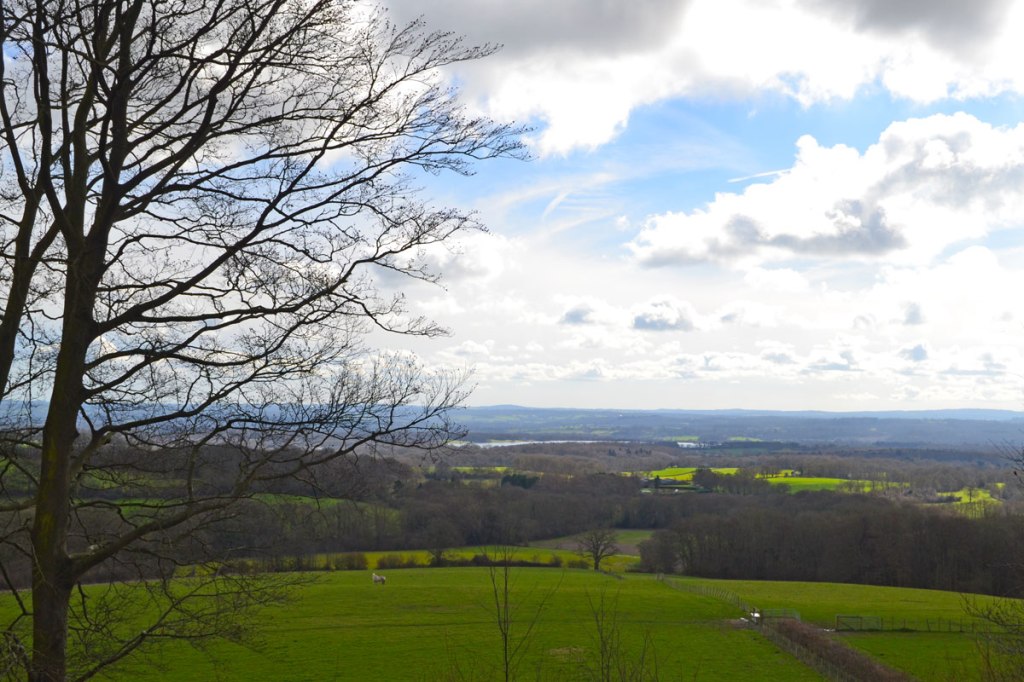
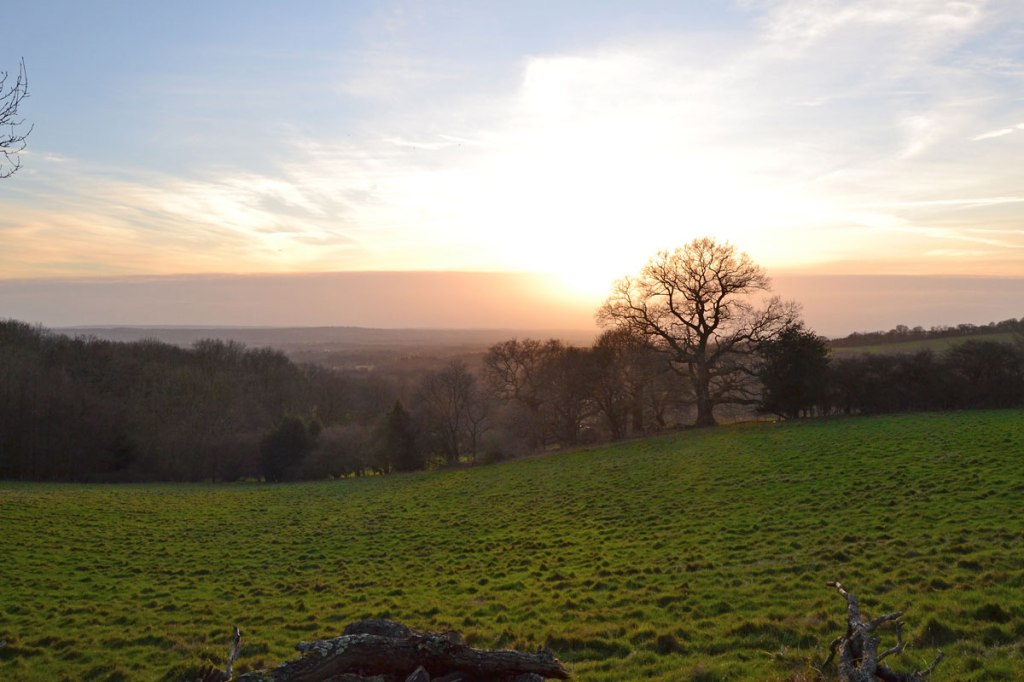
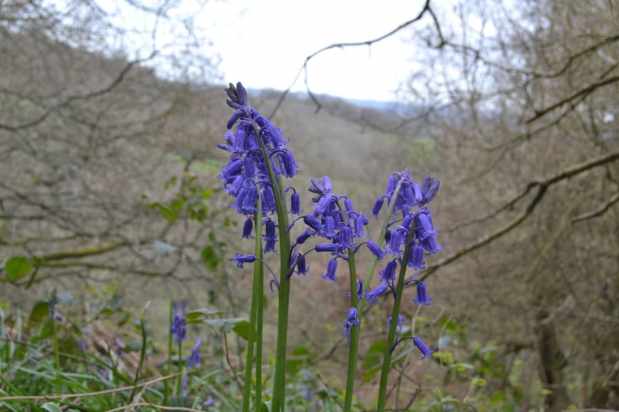
I decided to park by the Ide Hill Community Store, just round the corner from the village (Kent’s highest allegedly) – it’s a fantastic spot with a great view of the weald and Bough Beech reservoir. I walked up through the woods to the Octavia Hill seat amazed at the number of bluebells in bloom considering we were still in March. A nuthatch called stridently and seemed to dart at me, while tits tittered and greater spotted woodpeckers thrummed away in the background. What with the slightly odd weather and the clocks going forward it all seemed strangely out of synch; an impression reinforced by the sudden woo-wooing of a tawny owl – at 2pm for heaven’s sake.
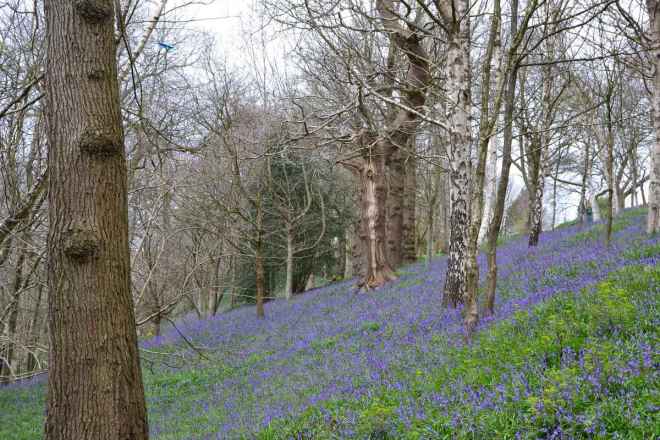
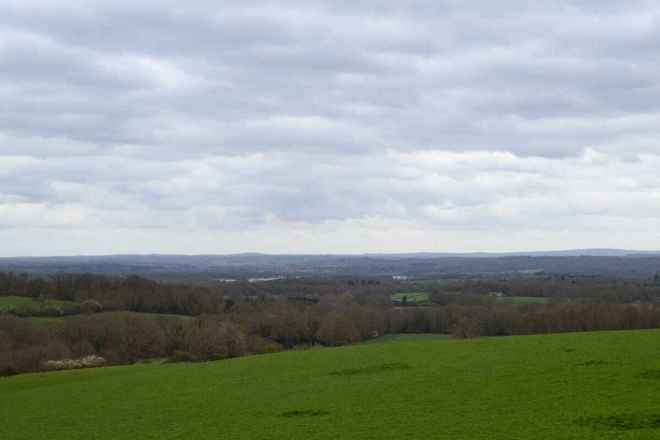
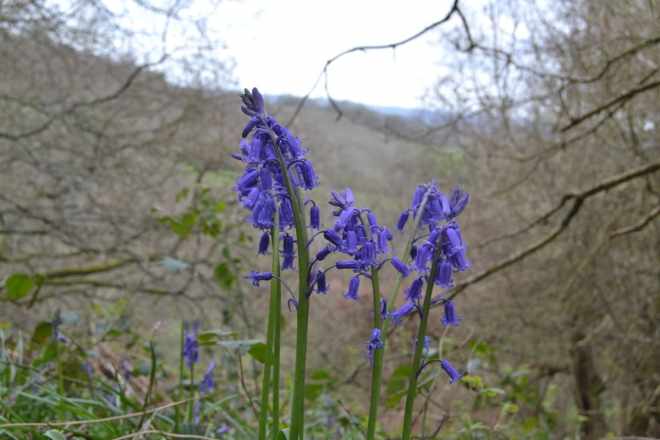
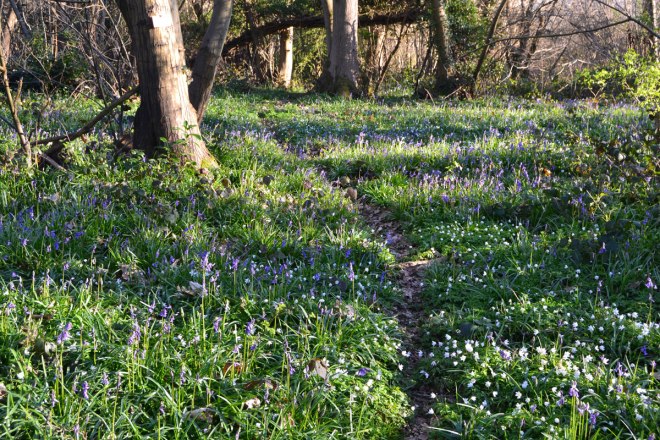
  • Early bluebells in March at Emmetts Garden/Scord's Wood
  • Early bluebells

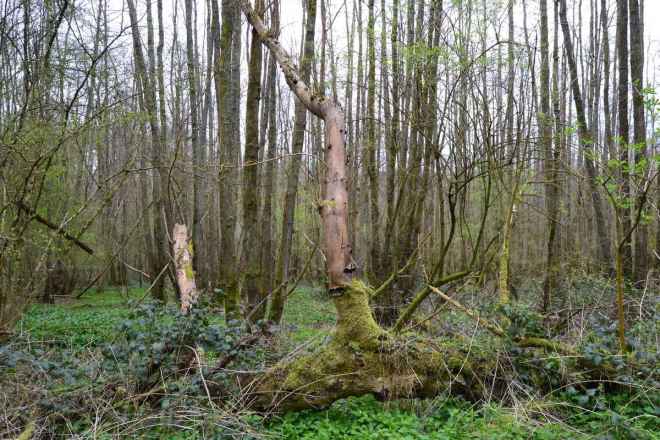
Later, in Scord’s, a wonderful wet woodland with lots of mossy old alder trees, my Merlin app picked up the sound of a marsh tit, quite unusual and another first for me. More nuthatches zoomed around purposefully and a pheasant joined in the tumult of bird song with its ridiculous rasping call that must alert every fox for miles around. I was hoping for a redpoll, a siskin or a treecreeper – all of which I’d seen here previously, but didn’t see any. The bluebells should be out in full within 10 days or so… they seem earlier this year than ever before. Is that just me? The National Trust’s Emmetts Garden was superb as ever with its cafe serving great coffee and cake.

All in all a memorable walk despite dull weather and not particularly muddy at all. No sheep or cattle encountered unlike last week at Fackenden Down when the highlanders surrounded the stile at the top of the Down itself. It just lacked a pint at the end; I was on my own so felt like heading off sharpish when back to the car.
Early spring flowers on Kent walks near London

Early spring flowers on Kent walks near London

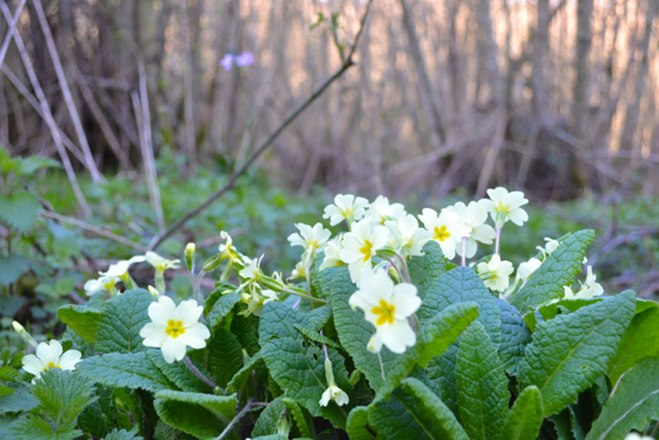
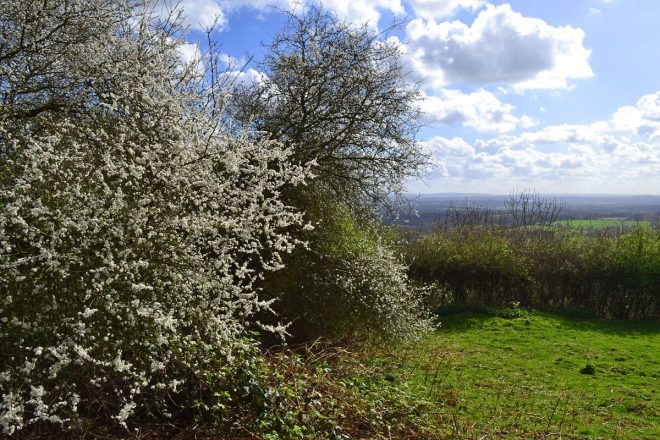
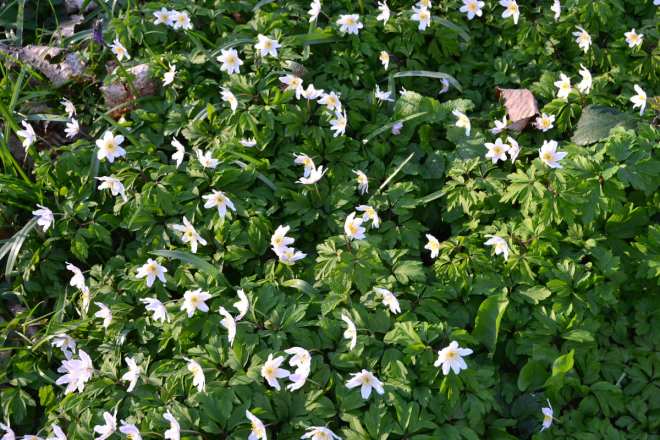
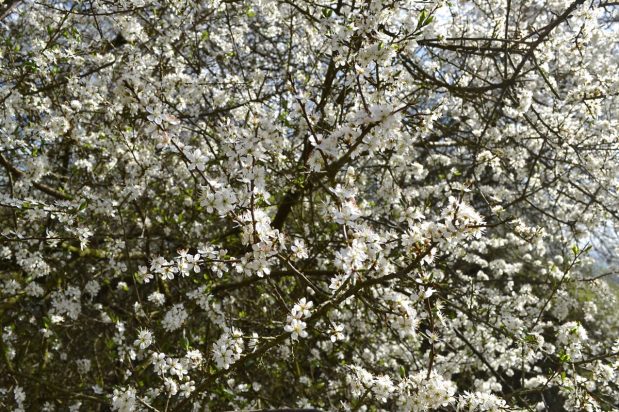
I write this on a dark Tuesday night with rain, driven by an angry, unpredictable wind, lashing down on to the roof of my conservatory. My little electric radiator is working overtime as I listen to the elements filling the sky above me. But I’m here to write about the onset of spring, about how the Kent walks near London have largely dried out rather well and how early bluebells, wood anemones, primroses and celandine are spangling woods and meadows with vivid colours. I also want to mention how great the blackthorn bushes and trees look this year. The snow-white flowers of blackthorn, the stalwart of early spring blossom, are a vital source of nectar and pollen for bees in spring. The Woodland Trust website says its foliage is a food plant for the caterpillars of many moths, including the lackey, magpie, swallow-tailed and yellow-tailed and that it’s also used by the black and brown hairstreak butterflies. Its thorny, dense thickets are great for birds to nest in too and of course its gorgeous sloe berries in autumn are a rich source of sustenance for a variety of creatures.

Blackthorn is seen on all the walks; take a close look, it’s definitely one of those sights we take for granted but the more you look, the more you are rewarded.

Yes, all this happens every year but it seems so miraculous each time, as long as you don’t forget to look. And right now we need to look, given the gloom visited on us by the horror of unwanted wars and fears over our livelihoods.

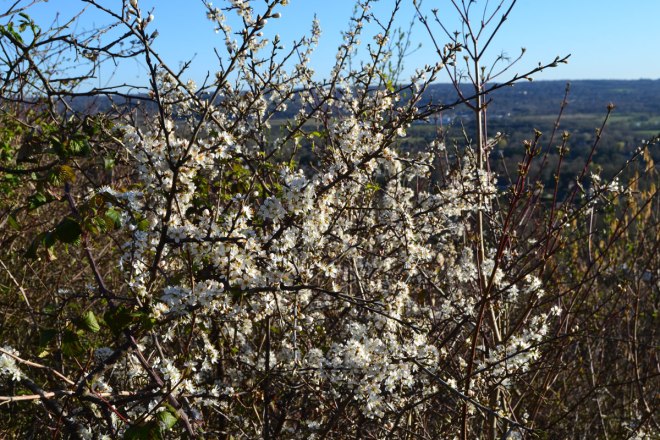
  • Blackthorn blossom on One Tree Hill, Sevenoaks, Kent
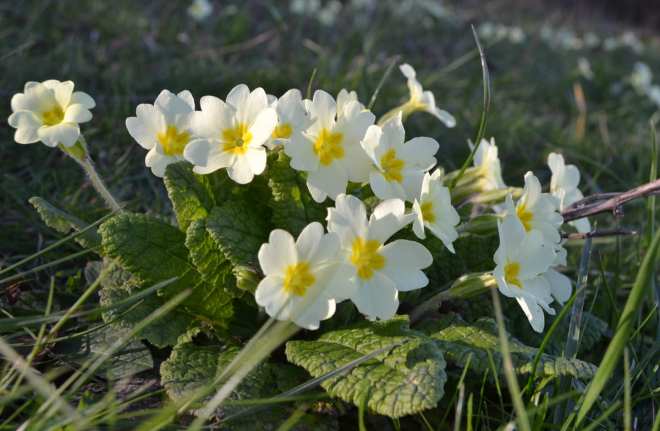
  • Primroses on the chalk downs of Kent
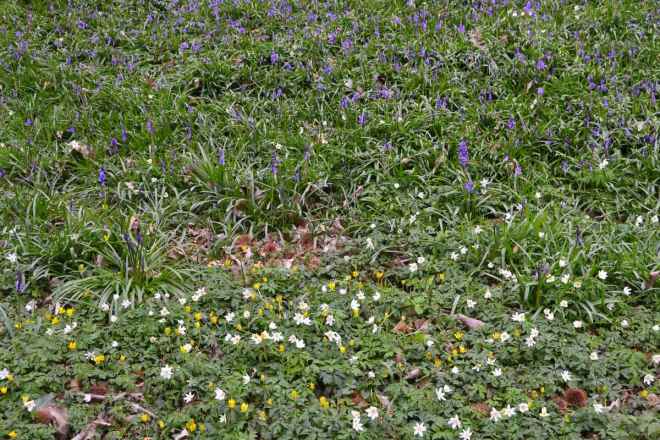
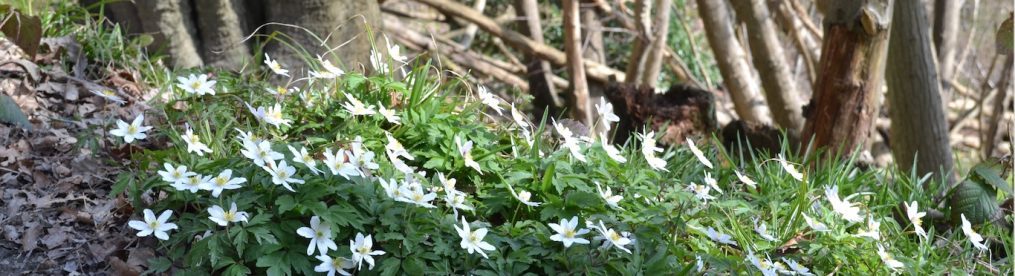
  • Wood anemones and bluebells
  • Blackthorn clump on between Austin Spring and Romney Street, Fackenden walk
Hosey heights

Hosey heights

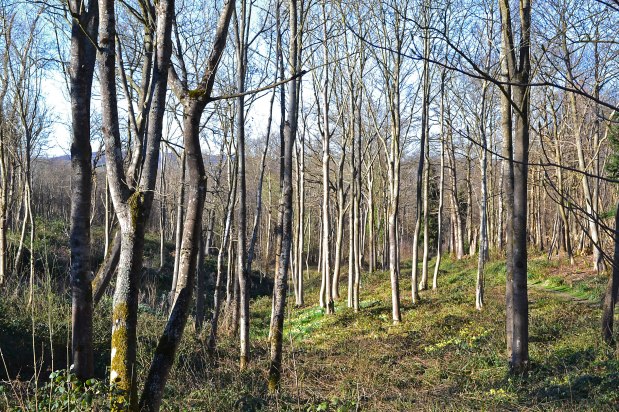
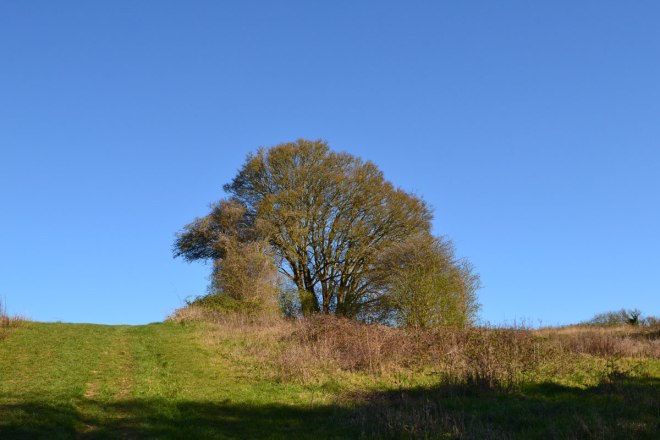
Three weeks after the previous perfect winter’s day – and another grey, wet interlude – another stupendous afternoon drew me out of SE London for a walk. I resisted the winter allure of Fackenden Down and chose Hosey Common for my pre-football walk. The early morning frost had gone, leaving the ground horrendously squelchy in places – many places – but the cloudless sky and sharp light were dazzling. The temperature was around 7C but somehow felt warmer; the lack of breeze meant you felt the sun and I reckoned a t-shirt was all I needed, though I had committed to a puffa jacket. As you can see from the photos, in this kind of light even the skeletal trees of February in England lose their bleakness; colour came back in to the countryside.

Using the OS Map app on my phone I came across OS Locate Me which displays a digital compass and an altitude reading. I’d never have guessed the Hosey walk reaches 715 feet above sea level (just after crossing Hosey Common Lane before the descent into Chartwell) making it probably the most lofty route at Kent Walks Near London (maybe the Ide Hill route near Emmett’s Garden pips it, as do routes starting from nearby Toys Hill). The OS site is great, not just for pinpointing your location but for lots of other stuff – if you pay, you get the 3-D ‘fly through’ feature, which is really great for getting a sense of the terrain and slopes you’ll encounter on the walk.

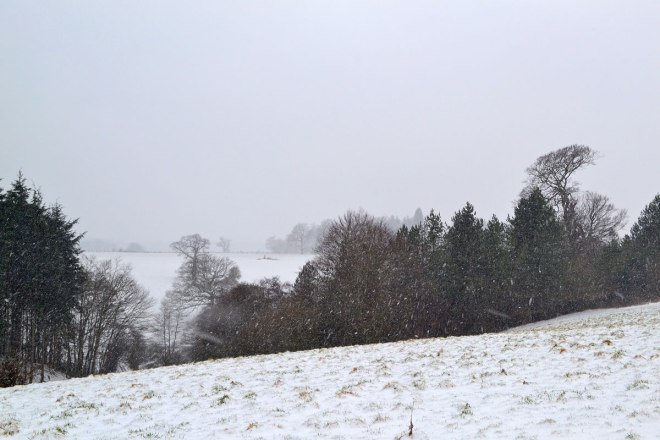
With my boys I once did the Hosey/Westerham walk in rather different winter weather. It was early 2018 and the Mini-Beast from the East was about to strike in earnest, but we didn’t realise this having not watched a weather forecast. The photo below reveals the conditions we faced near the end of the walk.
snow in Kent
Nearing the end of the Westerham walk in snow, 3 March 2018
Thoughts of spring

Thoughts of spring

Spirits have fallen almost as steadily as the rain as we slipped mildly and humidly from winter to spring . The Met Office have gloomily talked of precipitation records being broken, and a sense of oppressive drudgery has undeniably taken root as indoor life seems the only option. Still, I’ve been impressed by the amount of runners and cyclists still out in the lengthy downpours, clocking up the miles. Me, I’m a fair weather fitness fan. A lot of the rain has been too heavy for walks; I’m happy in drizzle but the stuff that stings your face definitely takes the pleasure away at this time of year, though can be fun in summer. But hey, spring is around the corner somewhere, the temperatures are mild, the crocuses are out in the park and the daffodils gaily wave in the breeze. I love to walk on the Greensand Ridge at this time of year, to see signs of spring seeping into the colours of the miles of countryside stretching before you as far as the Ashdown Forest. It’s muddy, sure, but there’s also optimism in the snowdrops, primroses and sudden uptick in birdlife among the skeletal trees. Toy’s Hill south of Westerham has been fertile ground for walking.

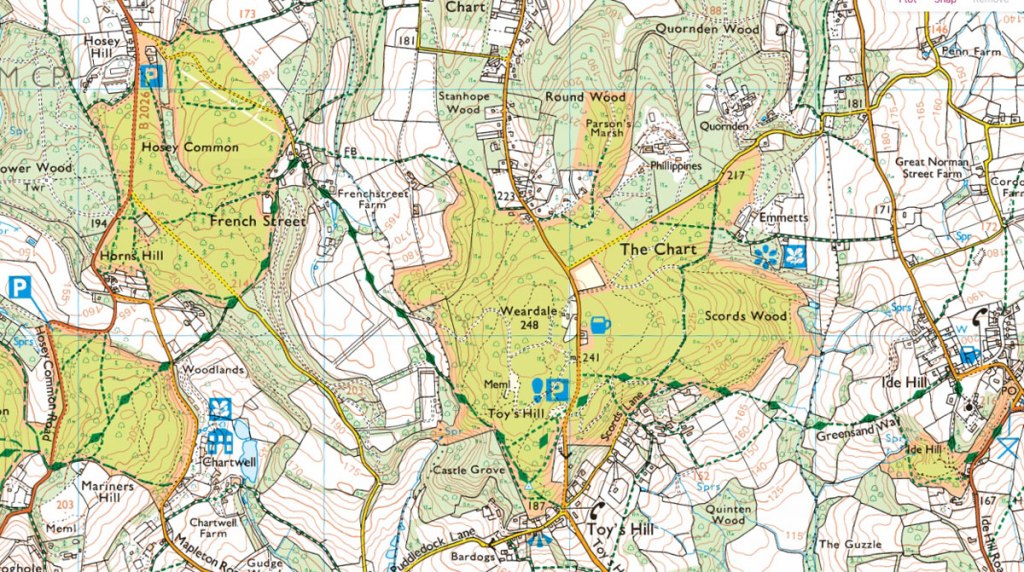
I haven’t got a Toy’s Hill walk on KWNL but there are several routes from the NT car park (the map above shows the car park, lower centre, and Toy’s Hill’s proximity to Hosey, Chartwell and Ide Hill) that are well signposted, such as the shortish Red Route, which will take you to Emmetts Garden and back. You can do my Ide Hill walk from Toy’s Hill easily enough, or even the Hosey Common route, but obviously you’ll be adding on a few miles. I really like the spot near the NT car park where the old mansion used to stand. From here you can see four counties including Leith Hill and even the South Downs on a fine day. The photos below were taken in early March; appearances change quickly at this time of year so expect less bleakness in the days ahead!

  • Toy's Hill
  • Ram Pump pond
  • Scords Wood, awaiting signs of spring
  • Scords Wood view

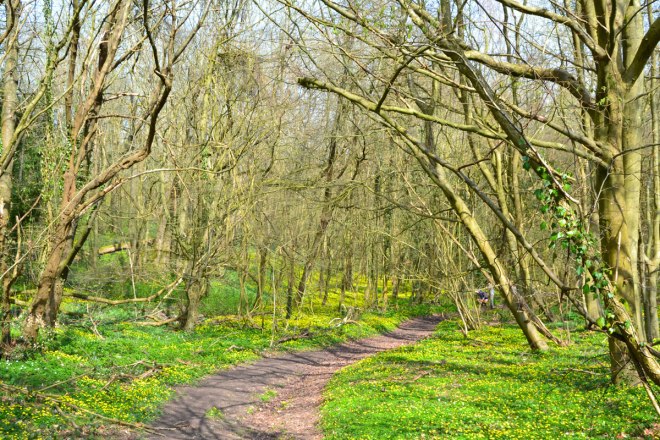
As for colour, look out for yellow lesser celandines, very spectacular at this time of year on the Fackenden Down walk in the woodland between the Down itself and Magpie Bottom. One of my favourite places for wildflowers in late March is on the Hever walk in the woods between Points 1 and 2, close to Hever Castle gardens (headline photograph). A yellow and white sheen seems to rise from the mossy forest carpet ushering in better days. But look if you want to keep your powder dry on the walking front, and not go out until mid-April and the blooming of the bluebells, that’s perfectly understandable.

.

Delightful dusk on the Greensand Ridge

Delightful dusk on the Greensand Ridge

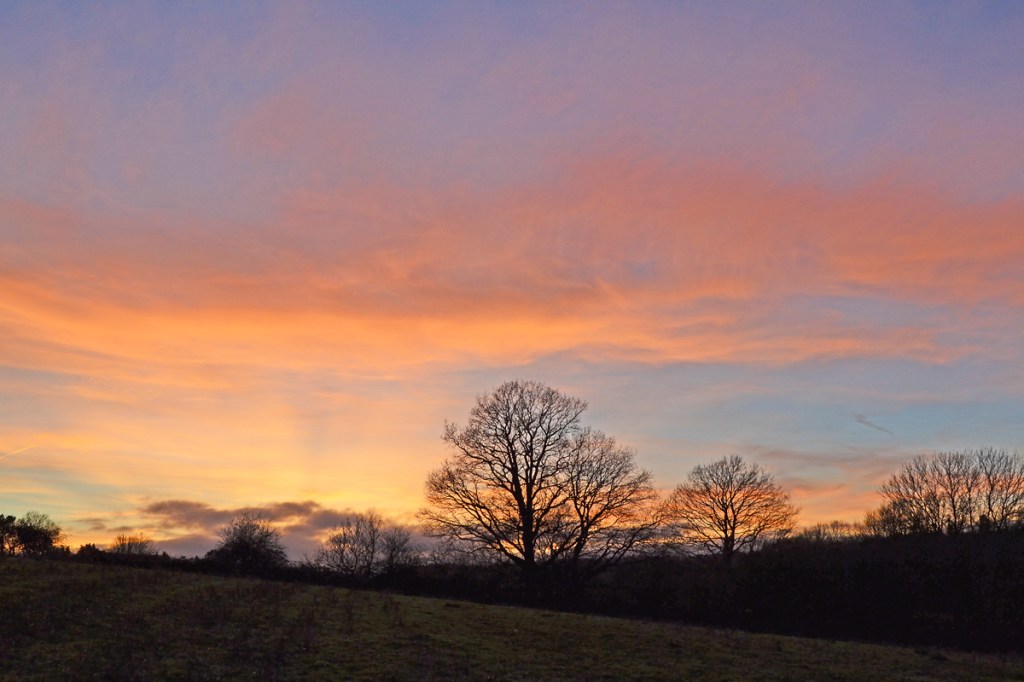
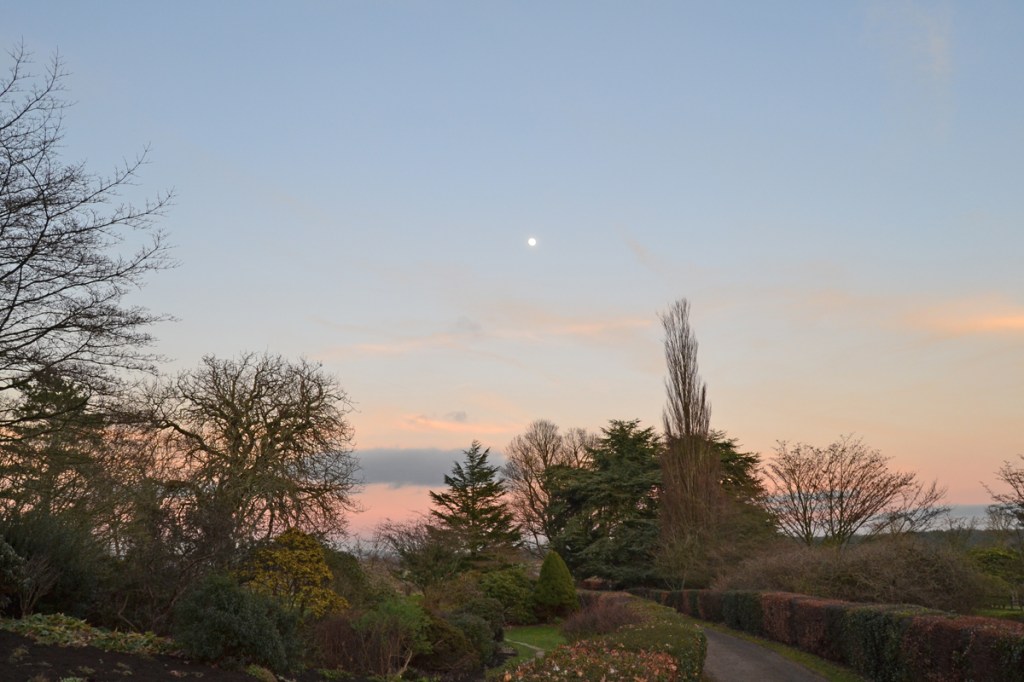
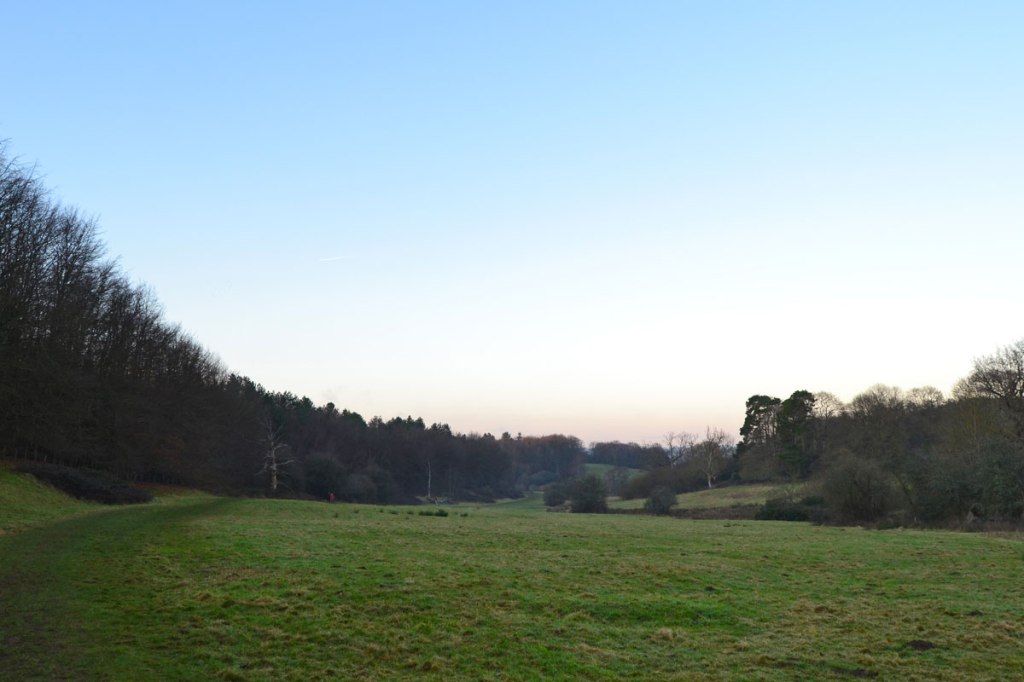
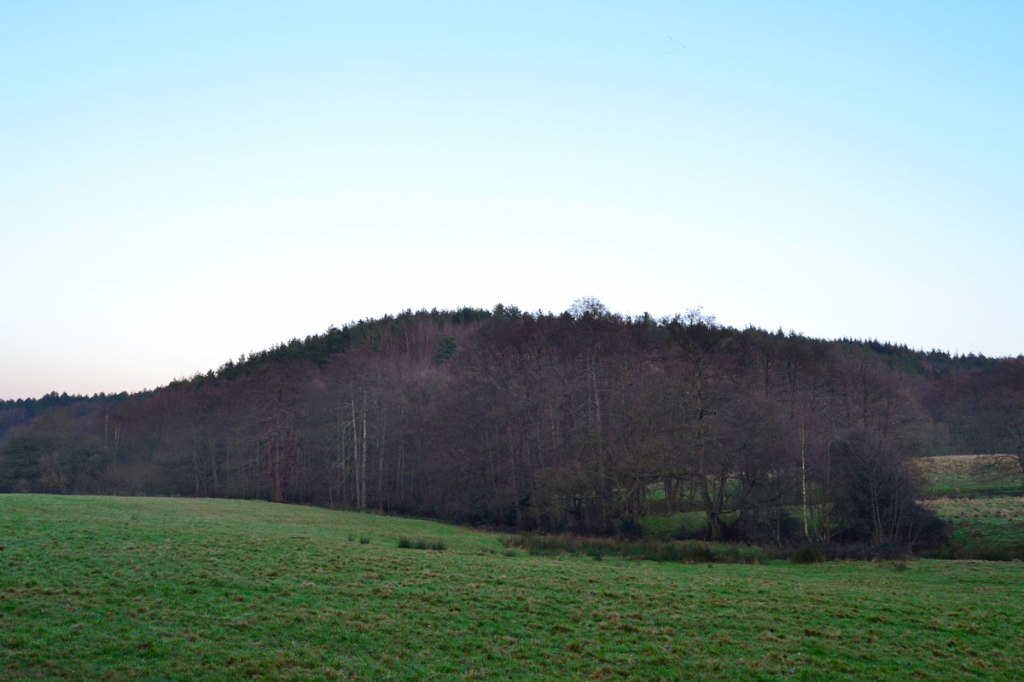
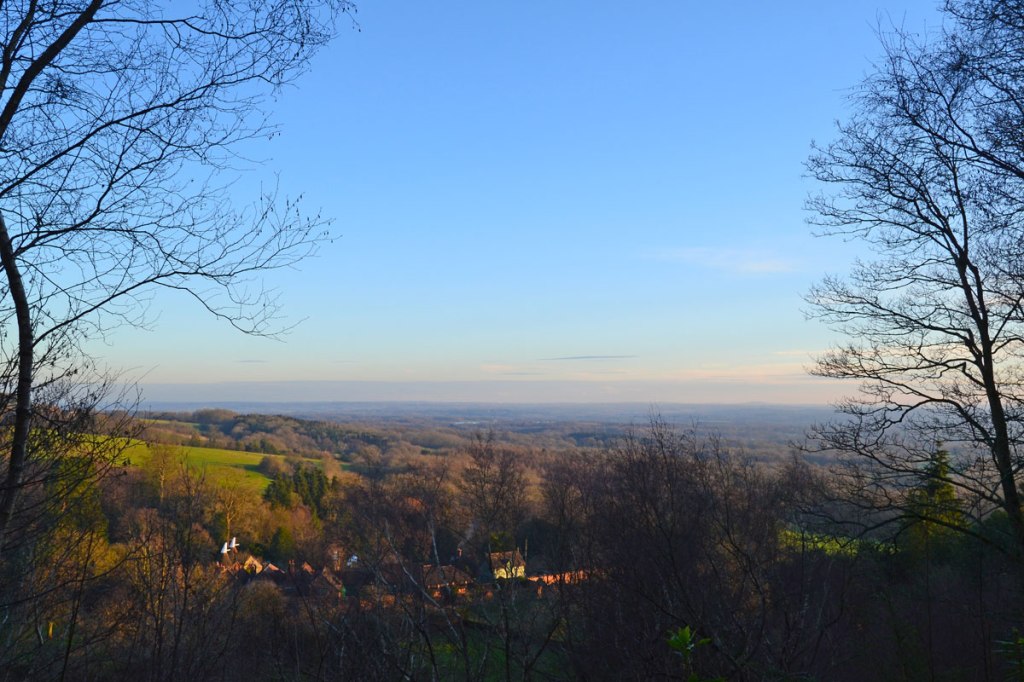
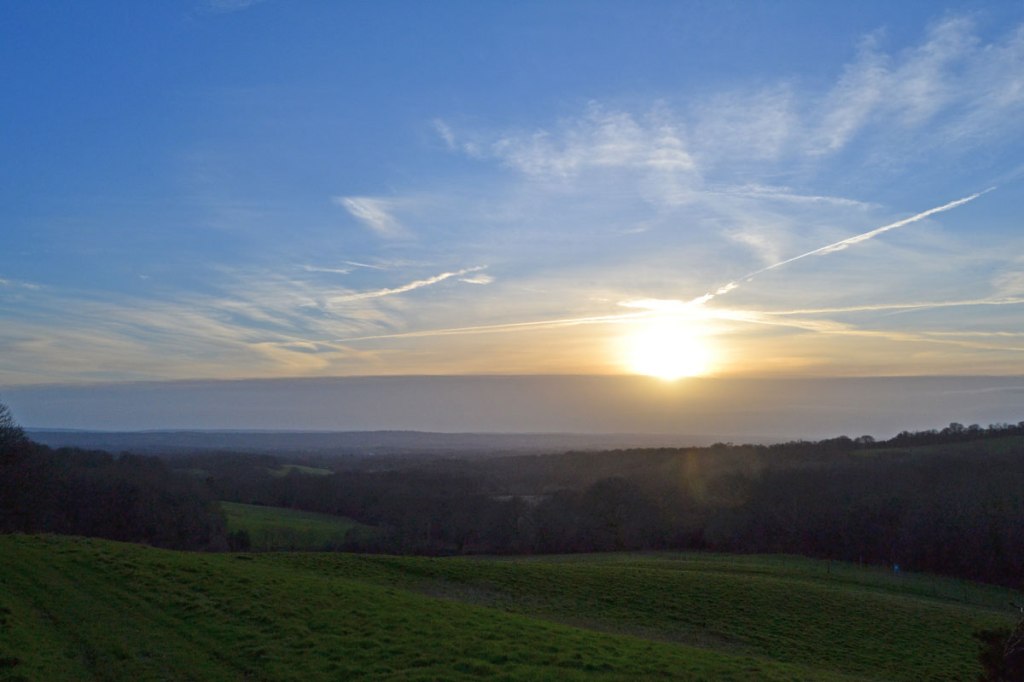
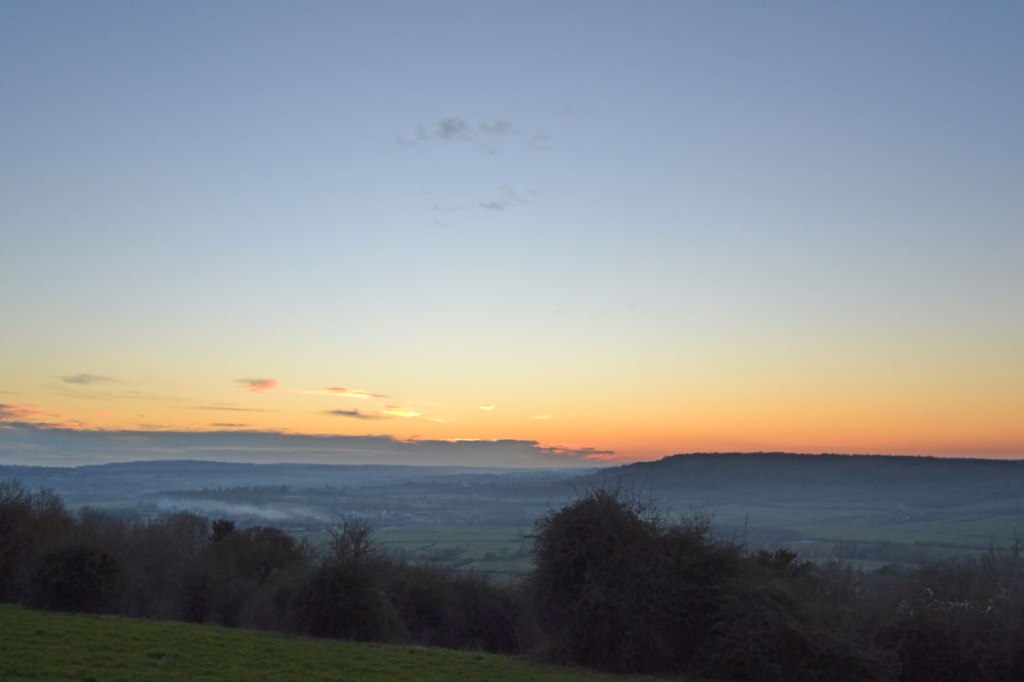
My previous post referred to getting lucky with the light on dark winter days. At Ide Hill last Friday, the cloud layers parted to reveal a magnificent dusk sky full of colour. Photos don’t really capture it, and my basic digital SLR Nikon isn’t really up to capturing the Moon properly, but I’d like to post a few just to remind myself of this wondrous early evening. It was another reminder that late afternoon can be a superb time to go out – there’s no need to postpone a winter hike just because you’ve been busy in the morning and didn’t manage to get away.

A winter’s trail

A winter’s trail

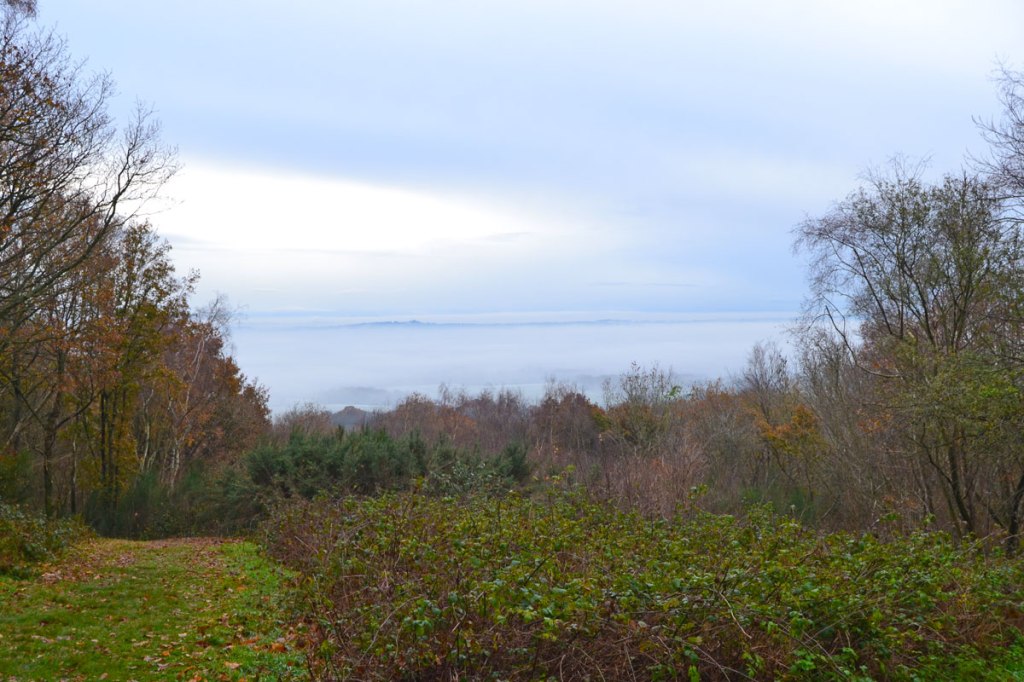
Two very cold but contrasting days at the weekend just gone. Bright sunshine and rich colour on Saturday, fog, frost and monochrome tones on Sunday after a largely clear night. We walked near Shoreham on the North Downs then, on Sunday, at Ide Hill near Sevenoaks on the Greensand Ridge. I tried to keep an eye open for birds and saw a yellowhammer flying away from along the line of hedgerows beneath Fackenden Down plus several fieldfare. At Ide Hill we saw a brambling among a mixed bunch of chaffinches and great and blue tits (there may have been a female bullfinch among them too) on the eastern edge of Emmett’s Garden and later some greenfinches popped out of a hedgerow. At Ide Hill, as we had hoped, we were ‘above the cloud’ with a layer of fog obscuring the low weald below and little pinnacles of ridges further south poking up through the murk. The best frost was seen en route around the woods and heaths of Hayes and Keston Common – very beautiful. And then came the snow …

Anyone with time free over the next couple of days should try to get out on the walks to experience the snow at places like Knole and on the hill tops at Fackenden and Polhill. It can be spectacular. (See photos from 2021.)

If you haven’t seen it, please check out my piece for The Guardian on a Darent Valley walk ending at the Samuel Palmer, one of Guardian Saturday’s pub walk series. And on 31 December the paper is running a piece I wrote about birding while walking – describing walks at Underriver and on Handa Island in NW Scotland.

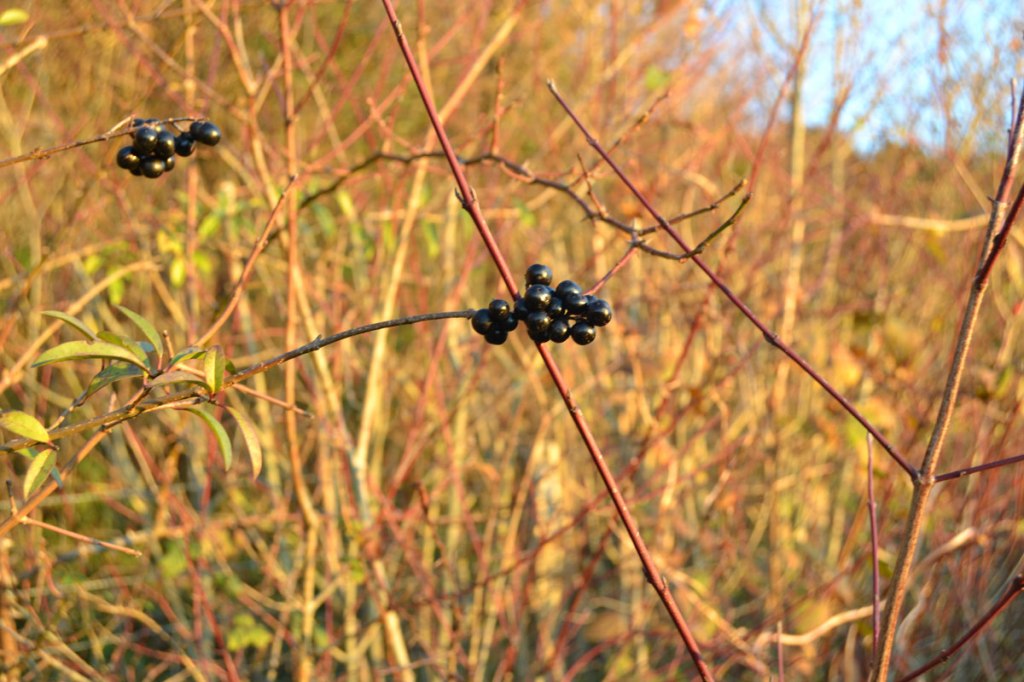
Pictured: elderberry, rosehips and views in the winter sun on Fackenden Down; fog and murk on the Low Weald from Ide Hill

Farewell winter woods

Farewell winter woods

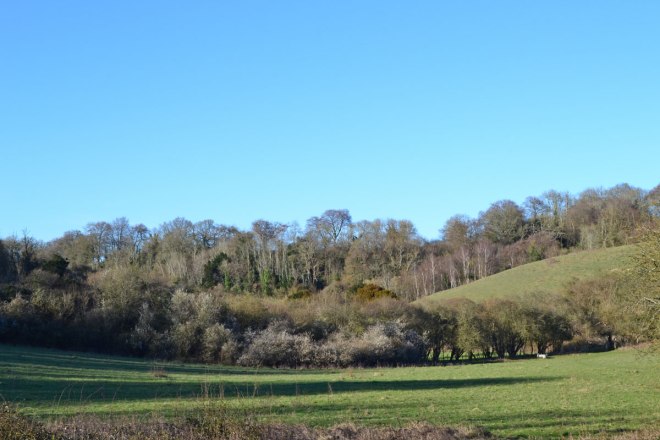
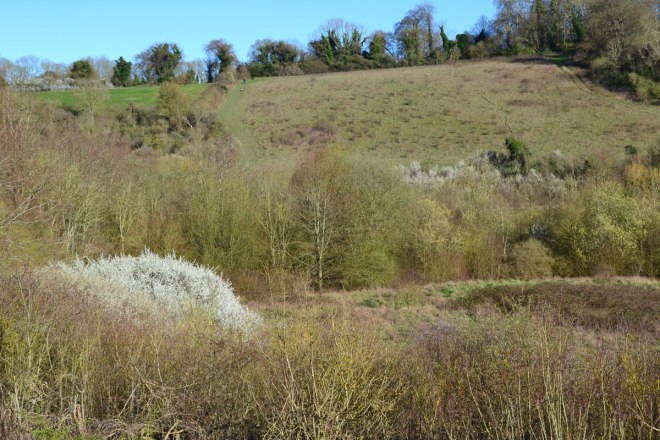
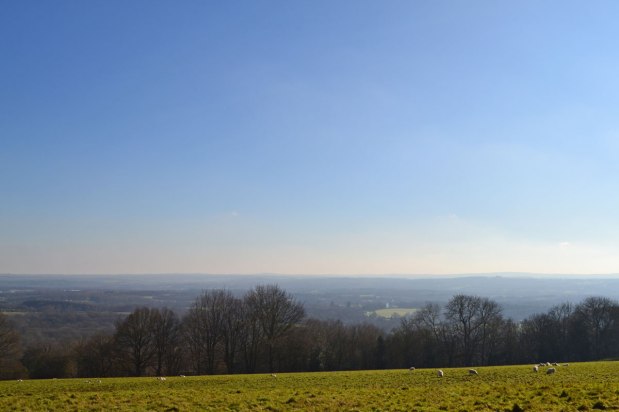
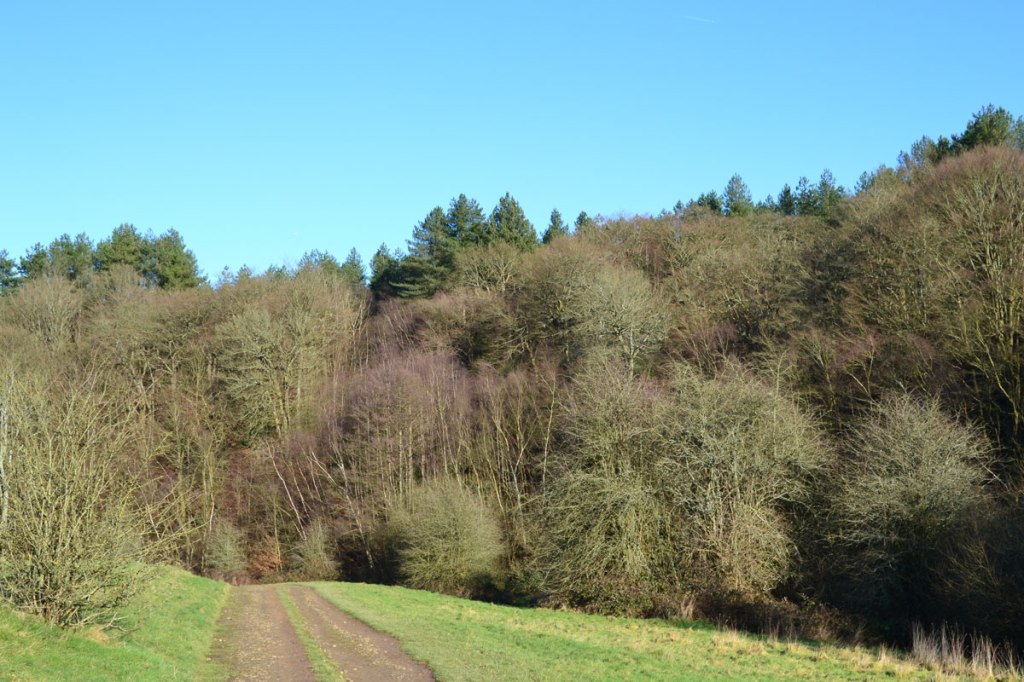
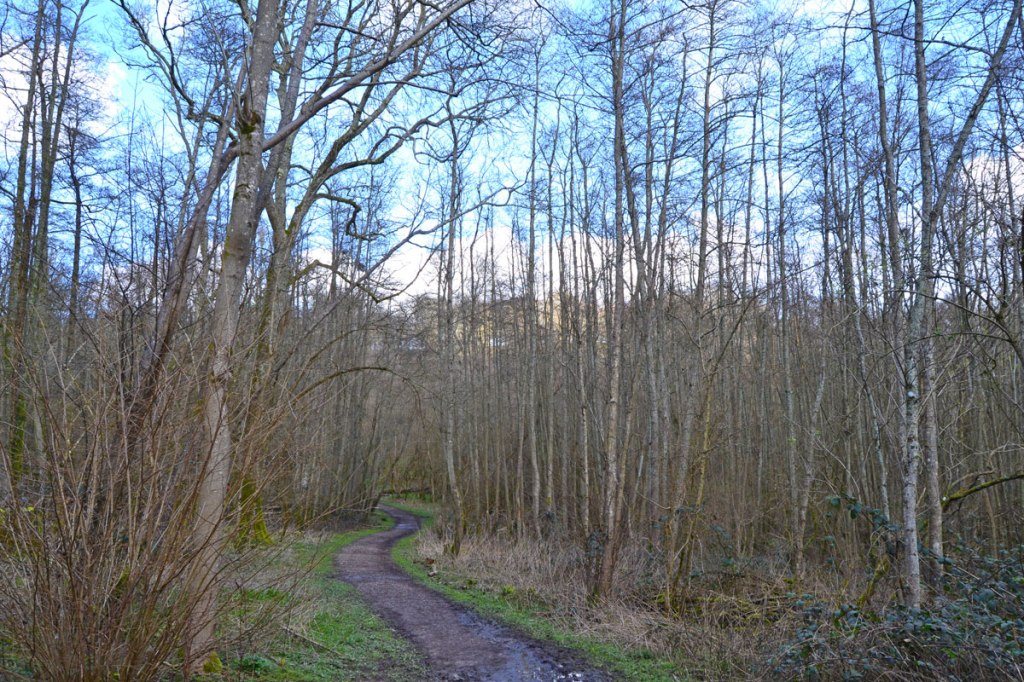
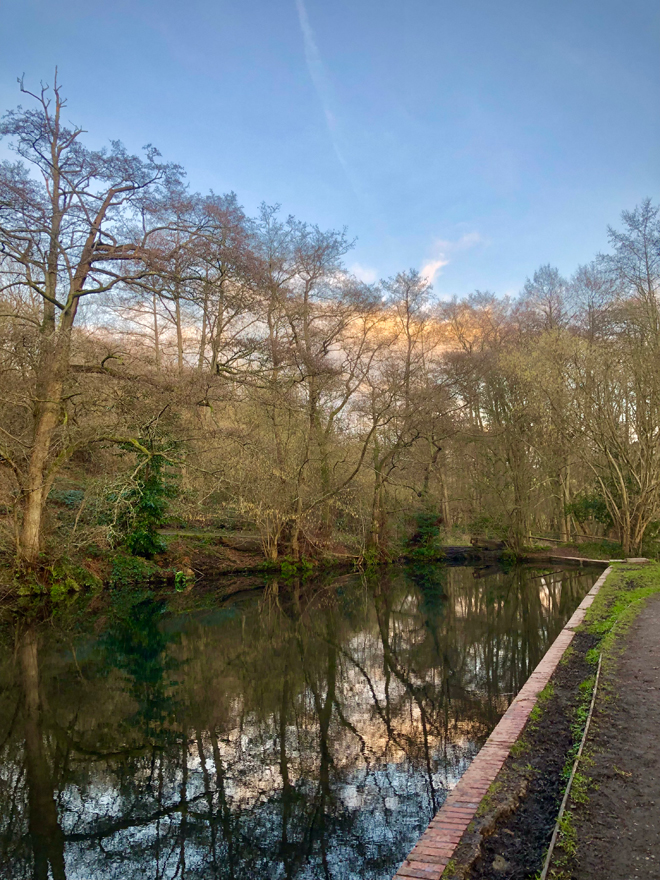
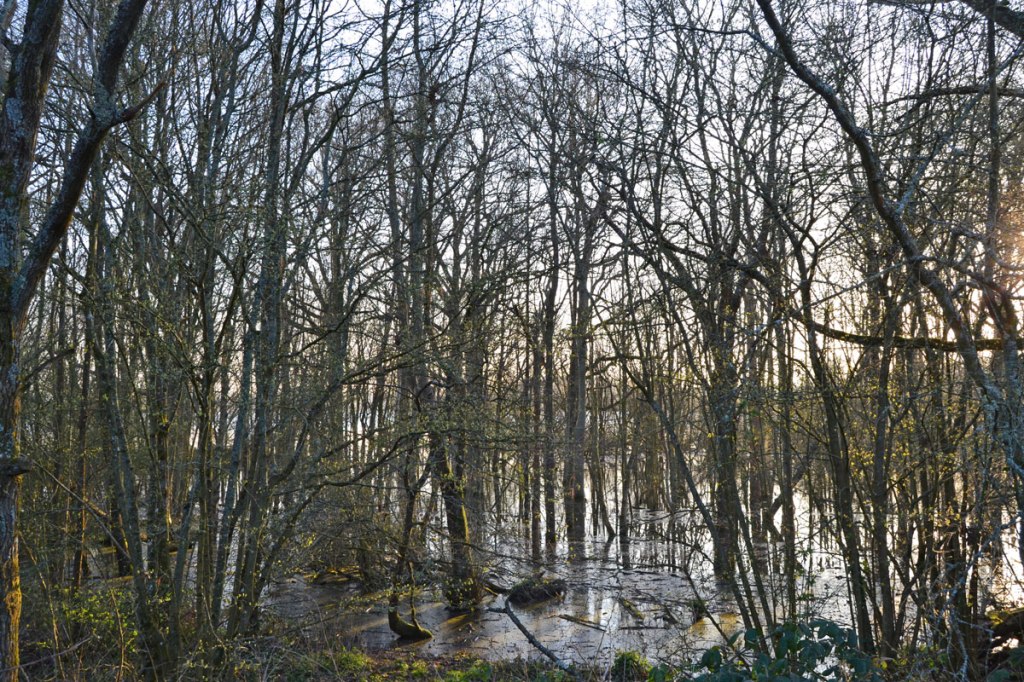
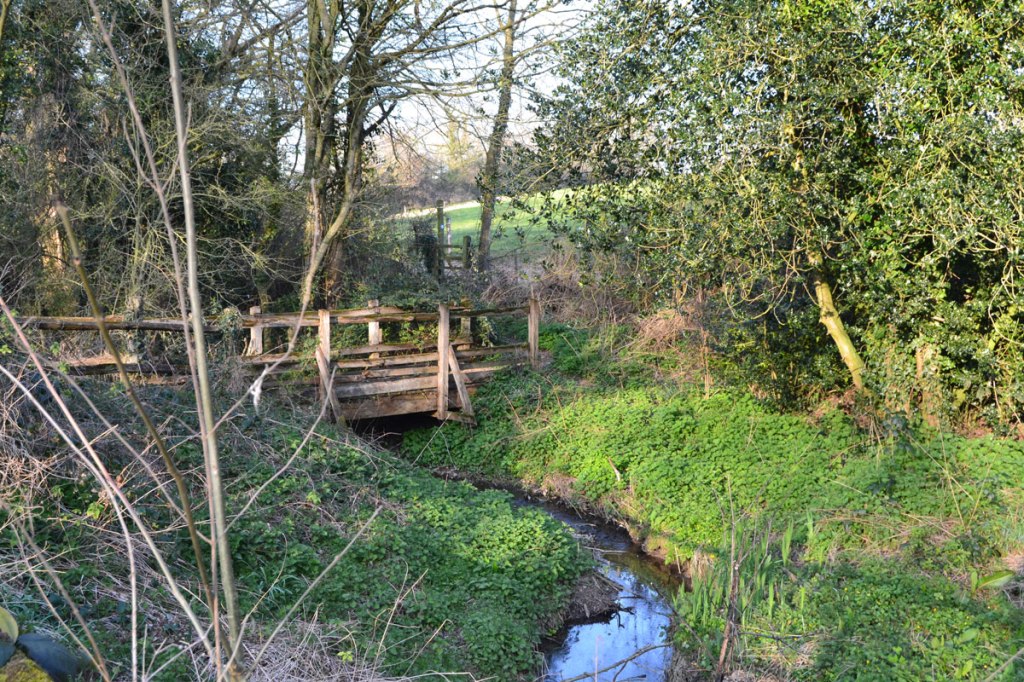
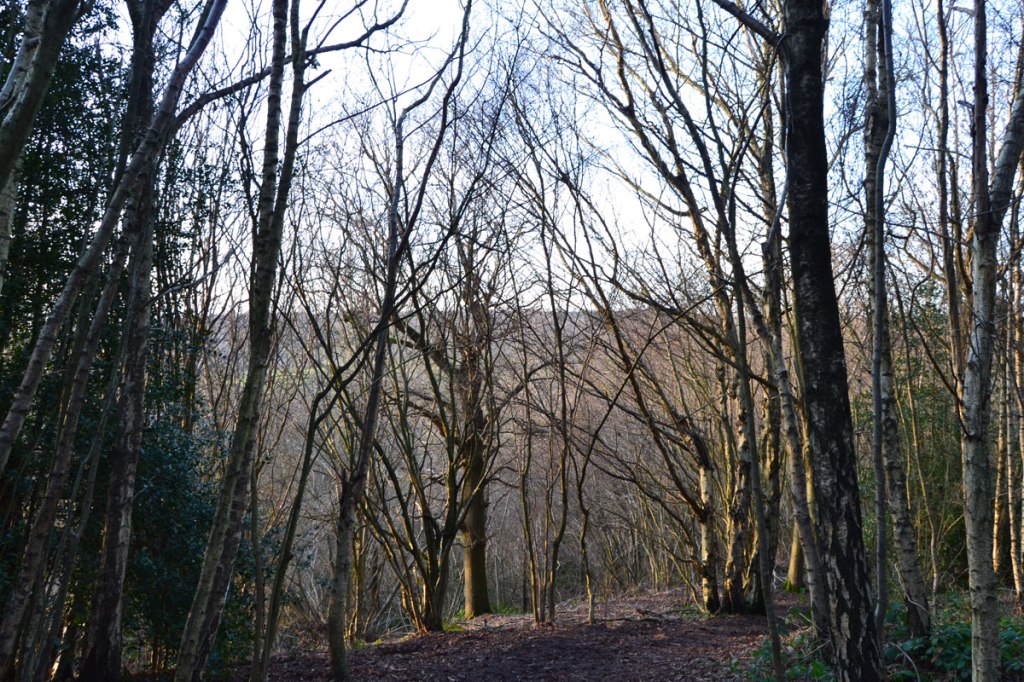
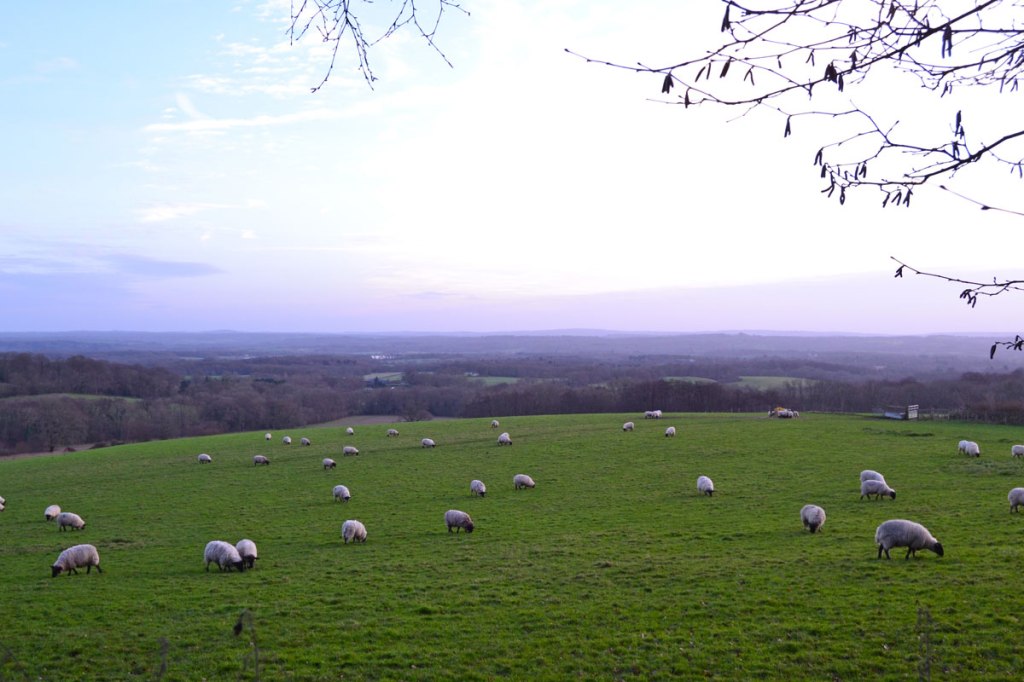
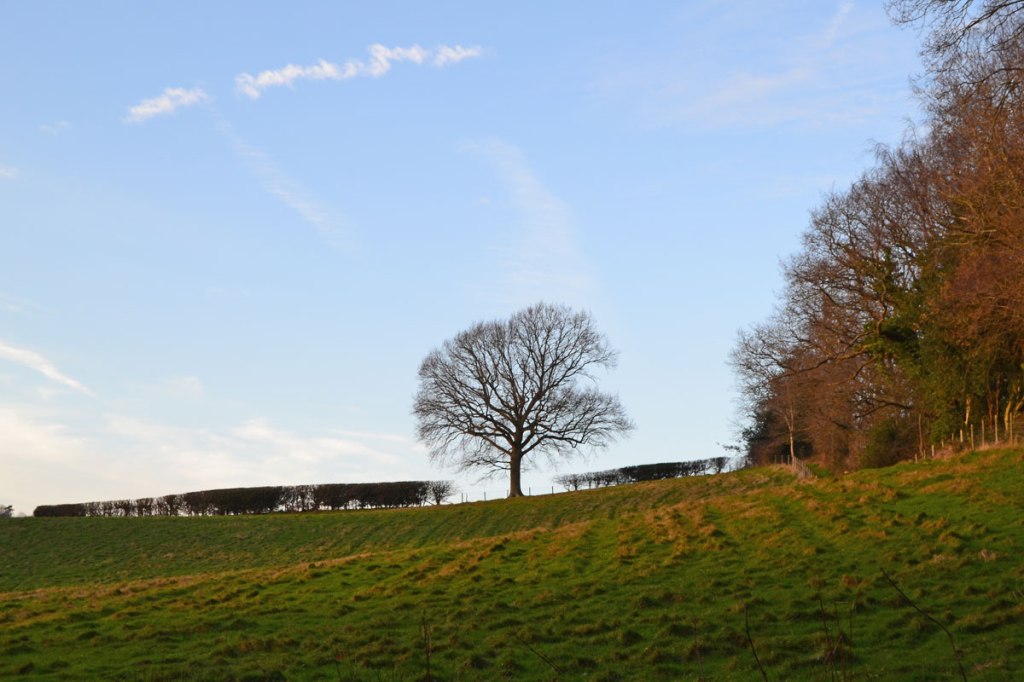
Before we start waxing lyrical about spring, wildflowers, birds and bees etc etc let’s salute the beauty of woods in late winter, particularly in March, which tends to be sunnier than February and reflects all kinds of subtle auburn nuances in the leafless trees. Around Bough Beech reservoir near Ide Hill the woods have been partially flooded by high water levels making for scenes somewhat reminiscent of the opening parts of that excellent film The Revenant. On the final Saturday in March the first bluebells, generally those in sunny spots in hedgerows, were showing, along with primroses, cuckooflower and so on but those trees around the north lake at Bough Beech in the late afternoon sun in their best end-of-winter finery stole the show. What a superb place that is to watch the sun go down. Pictured below: swamped woods at Bough Beech, silver birches in Stock Wood on the Hever walk, a stream though light woods at Bore Place, and a view back to the Greensand Ridge and Ide Hill across fallow fields from near Bough Beech on a perfectly serene late March day – winter’s last knockings. Finally, an iPhone pic of Shoreham and the Darent Valley on the Polhill/Shoreham Circular walk on Sunday 27 March… a rare day of low misty cloud and sunny patches.

Hosed down after Hosey

Hosed down after Hosey

A beautiful dusk walk around Chartwell and Mariners Hill on the Hosey route, accompanied by a stunning full moon and the mew of a buzzard, hit the spot last Sunday afternoon. It’s not always the early bird that catches the worm, you know. The mud just before point 8, the ‘dramatic’ crossing of the infant River Darent, is hilariously sloshy and treacherous enough to defeat any footwear bar stilts fitted with spikes but can be avoided by walking parallel in the grassy field alongside and rejoining just before the log bridge. A satisfying hose down of boots after returning home was called for.

Ide and seek on the greensand

Ide and seek on the greensand

With Saturday a washout it was a real pleasure on Sunday to find time for the Ide Hill route (a three-hour round trip from SE London). For some reason I often take this Greensand Ridge walk while my chosen football team is playing so it’s rarely the relaxing stroll it ought to be. Fortunately, after initial tension, the goals came in a rush so by the halfway point all was well and I could enjoy the subdued January colours, stillness of the woods and occasional bird calls. A huge buzzard glided away from us soon after leaving Scord’s wood leaving a cacophony of jackdaw and carrion crow calls its wake. There were few other birds evident though, a few robins, wrens and a dunnock the only compensation for the finches I was hoping for. The tiny cricket pitch at point 5 seemed even more titchy with no one on it. We caught the sun as it slipped out of the blue sky into a solid-looking bank of cloud draped across the western horizon as far as the eye could see. This gave us a strangely false sunset, and an early dusk at odds with the sky overhead. But those weald views – fantastic as ever. A pint in the cosy Cock Inn was a perfect way to conclude proceedings. Oh, happy new year by the way.

Into the cold woods

Into the cold woods

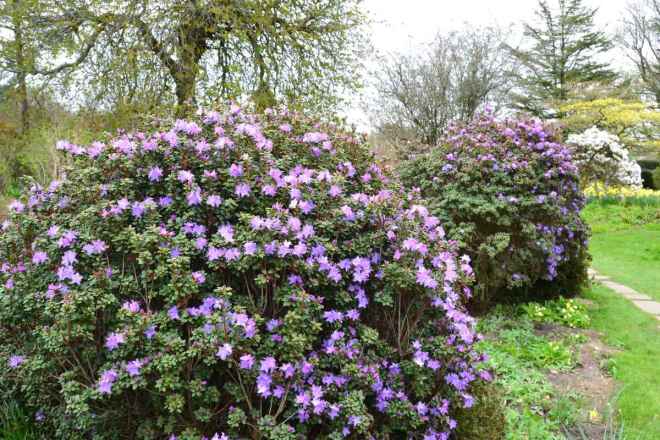
It’s nearly bluebell time, probably a week to 10 days before that magical woodland period. The cold dry windy weather has certainly slowed down things. A quick afternoon walk on the Ide Hill route today revealed just a few primroses, with even the azaleas of Emmett’s Garden (pay if you want to wander the gardens off the public footpath) looking pretty discouraged. The view off over the Weald appeared grey and blurred – not the usual colourful Garden of England tapestry. I’ve been asked by a couple of people to mention that in view of recent reports of ‘bluebell thieves’ in Norfolk, it’s illegal to dig up wildflowers. As well as causing lasting damage to the environment, the transported flowers are unlikely to thrive in gardens because they are adapted to a different, long-established habitat and conditions. Trampling the flowers is pretty damaging too… I’d certainly hope people will stay to the main paths and keep dogs on the lead when going through areas where there area loads of wildflowers. Anyway, things were still pretty bleak out there from the flower point of view on today’s walk … we had to look quite hard to find violets, dead-nettle, alkinet and wood anenomes even. But birdlife has really picked up; our walk revealed treecreepers and nuthatches, and a possible brambling – all firsts for me this year – plus an enormous buzzard swooping low over pheasants. Scord’s Wood was as superb as ever – a verdant ancient woodland with loads of moss and lichen, coppiced trees with flitting birds and mysterious rustles.