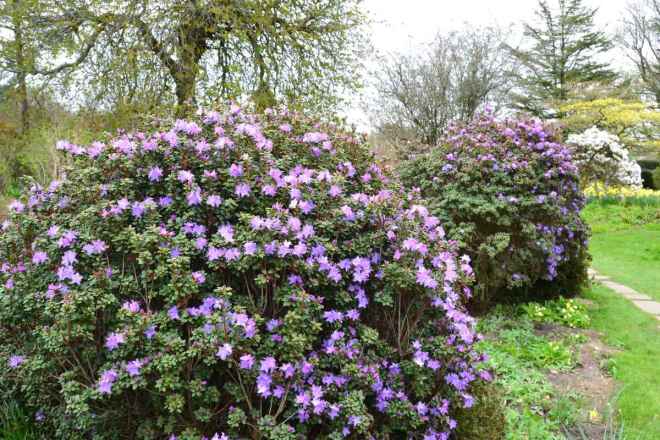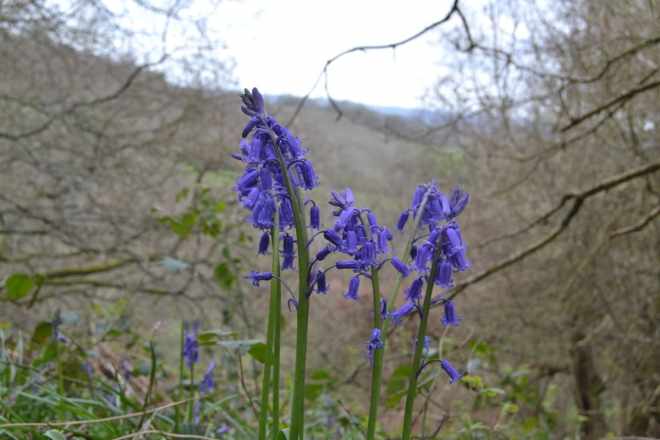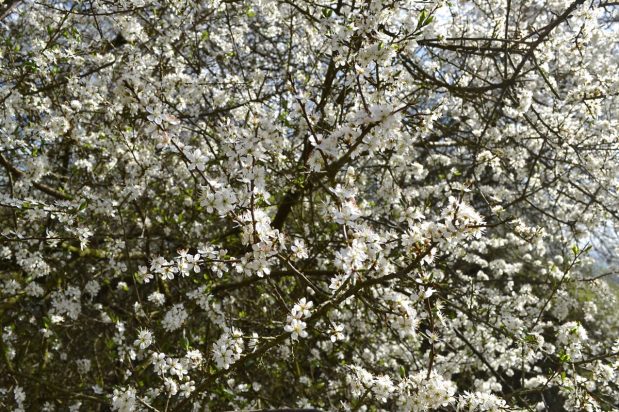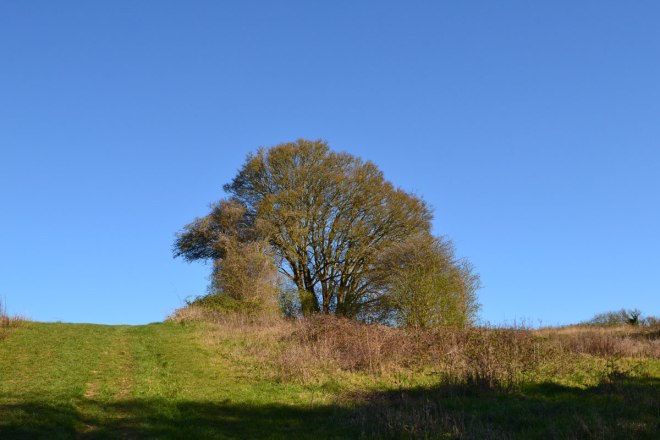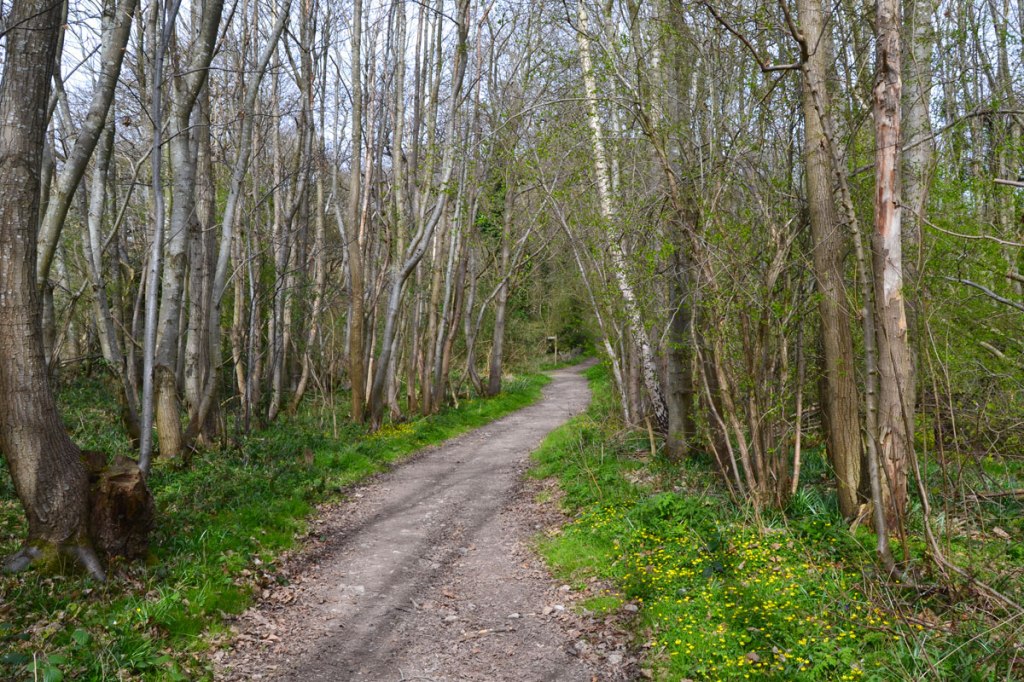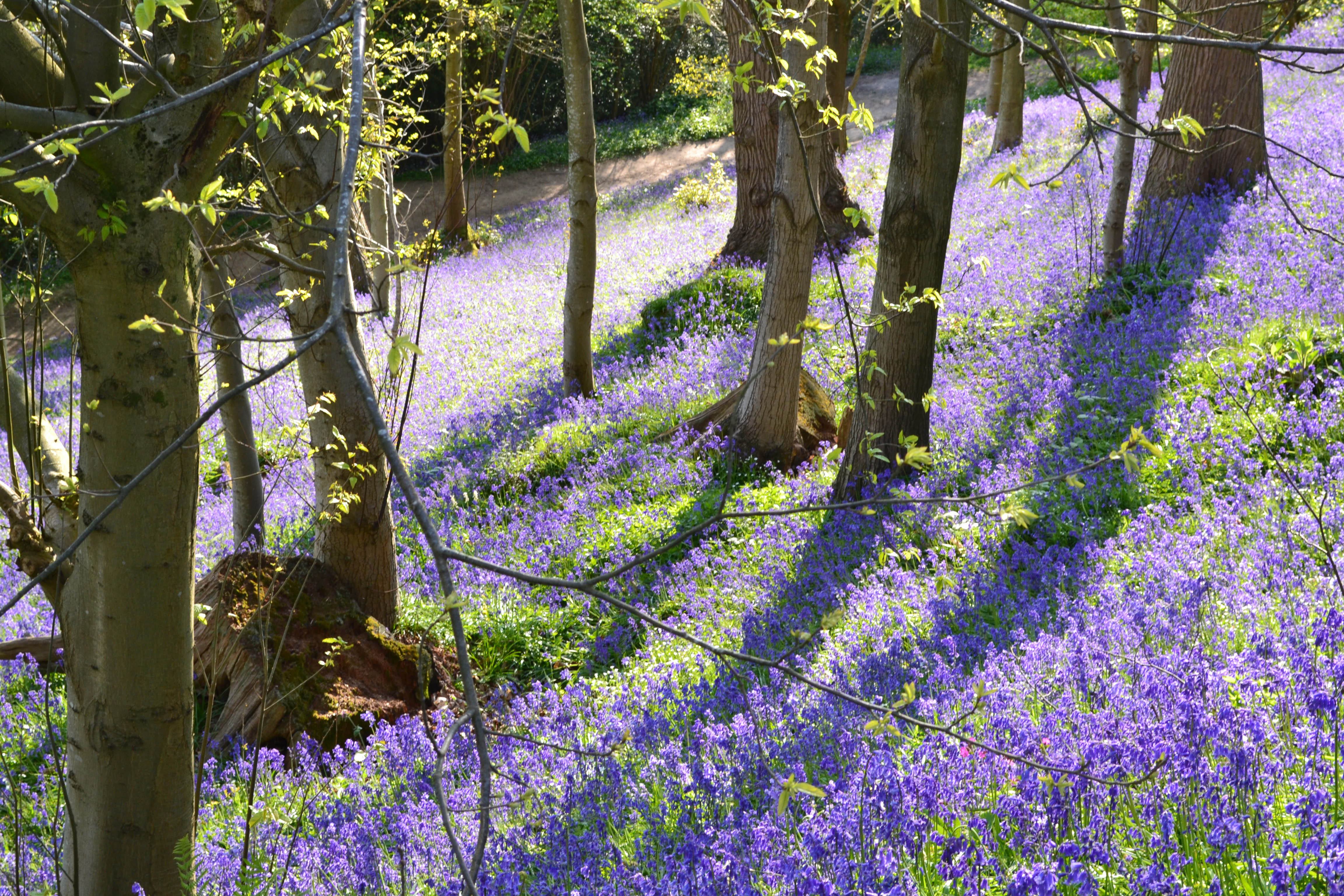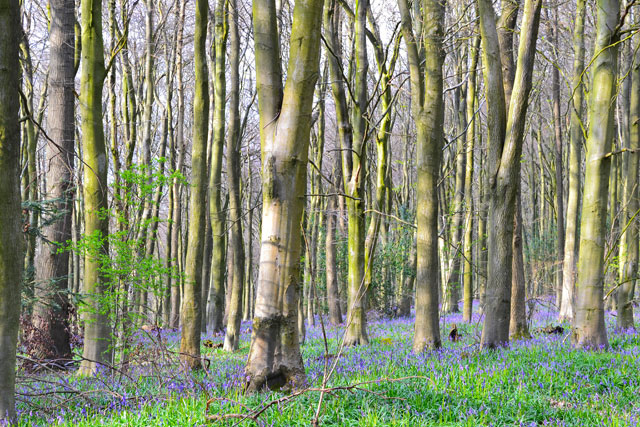
Bluebells 2025 – the winner!

Bluebells 2025 – the winner!

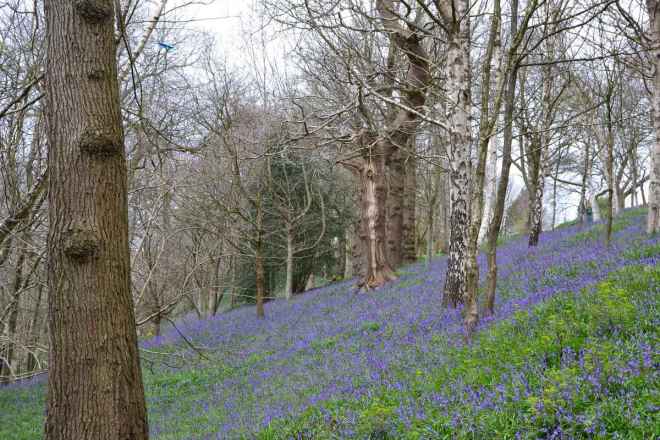
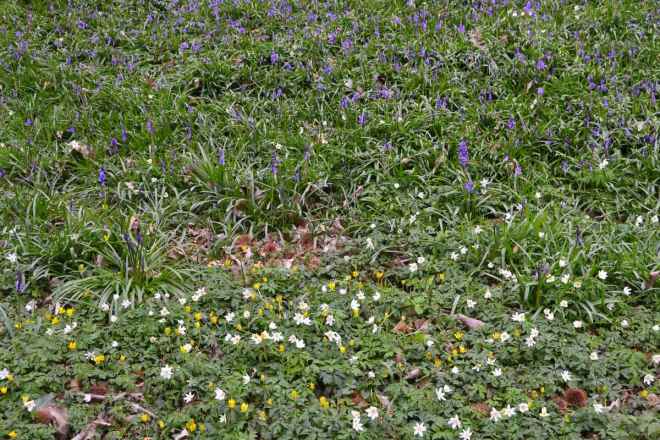
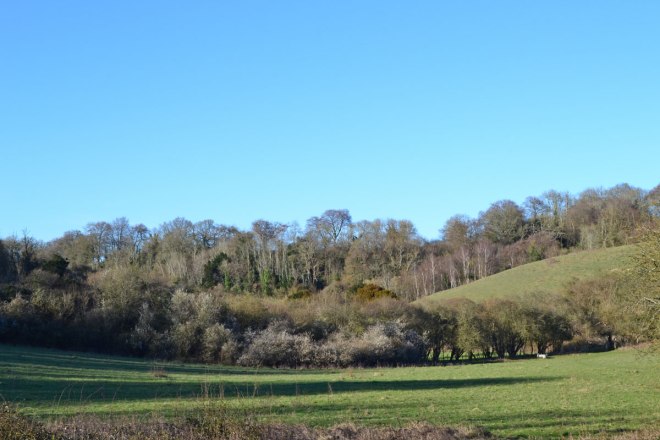
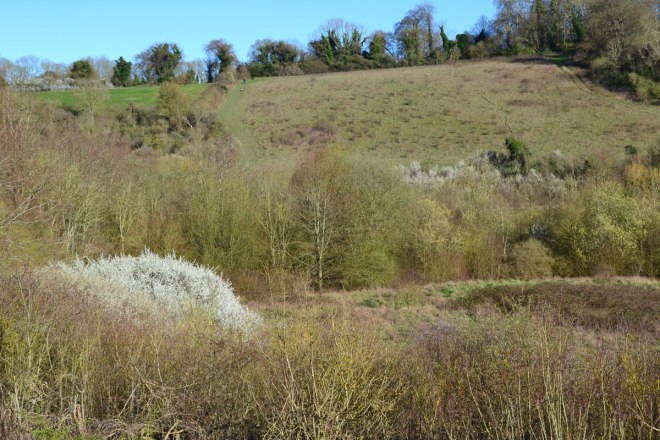
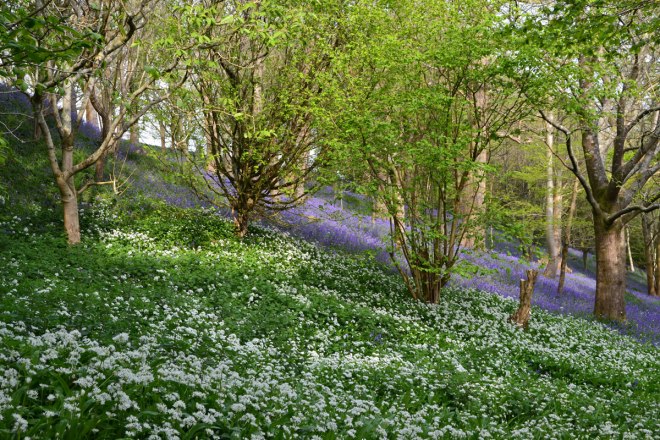
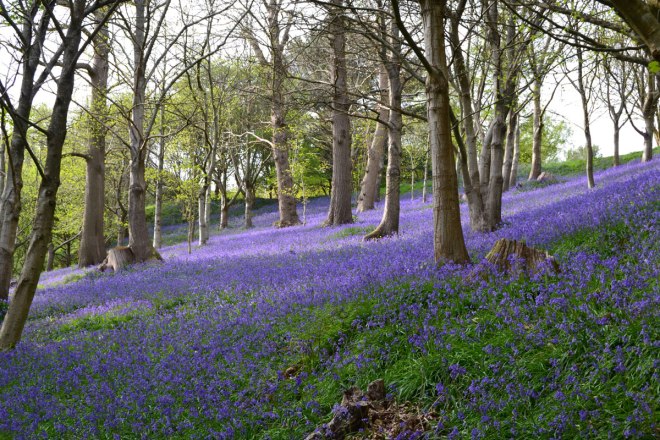
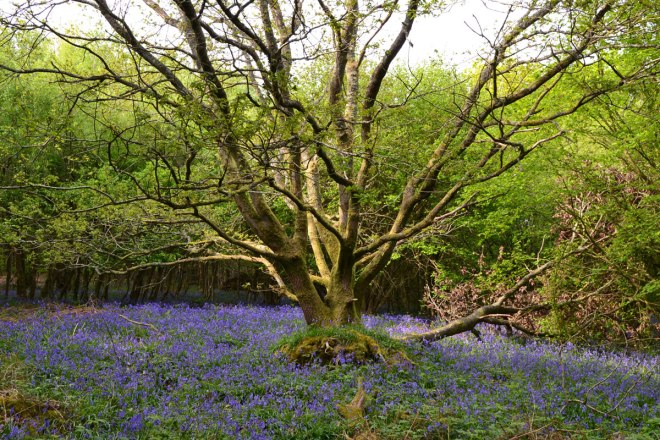
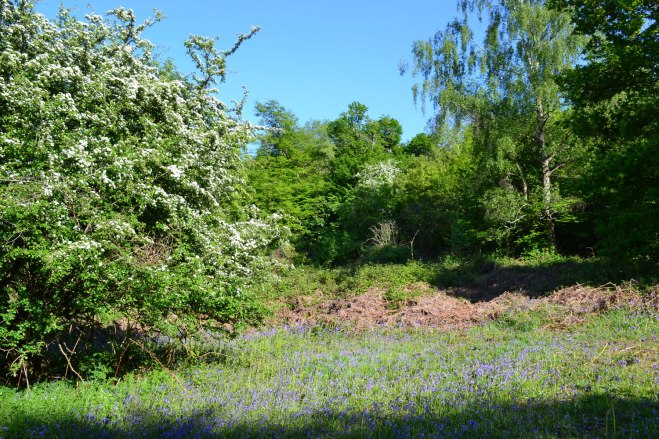
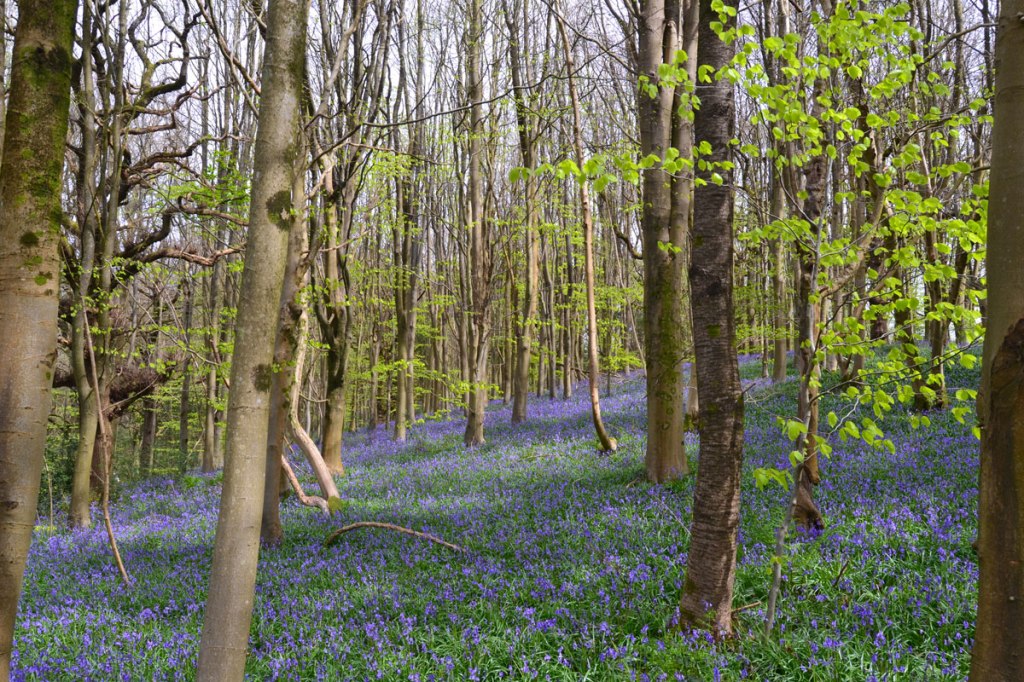
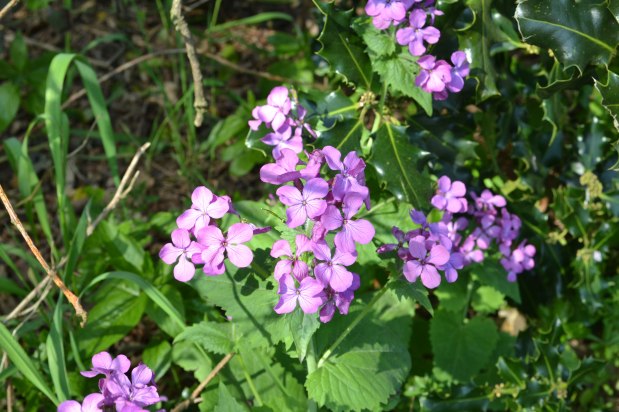
The season is now over. It was as beautiful as ever at its peak, but this year the dry weather and maybe the cold wind, were not conducive to the bloom’s longevity. Last weekend at Ide Hill and Emmetts Garden the bluebells were gorgeous but already well on the wane. In fact at Ide Hill, brambles have taken over some of the areas where once bluebells thrived. Some of my favourites this year were at the top of Wilmot’s Hill near Ightham Mote; but what has struck me in recent weeks is how pretty bluebells are when mingled with other flowers – notably cuckoo flowers, red campion and stitchwort – at the foot of hedgerows. The Bough Beech walk has some of my favourite examples, Underriver too. Oh yes, and below Polhill Bank on the path to Sepham Farm, where you are likely to be serenaded by yellowhammers (that’s a bird by the way, not a construction tool).

So, to the winner and runners-up of the annual Kent Walks Near London bluebell competition:

  1. New Year’s Wood, Cudham chalk paths walk
  2. Hedgerow bluebells, Bough Beech walk
  3. Top of Wilmot’s Hill, One Tree Hill figure of eight walk

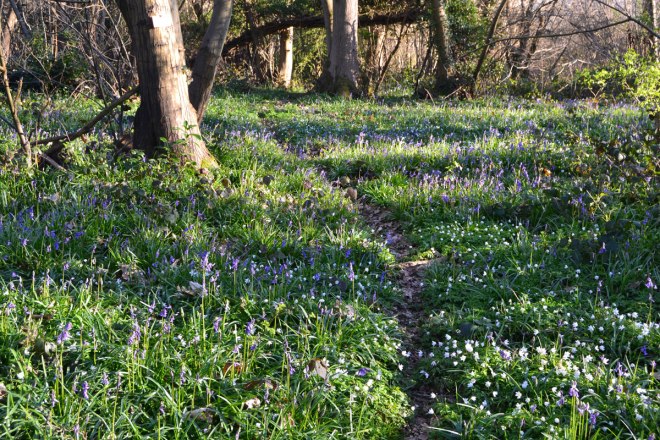
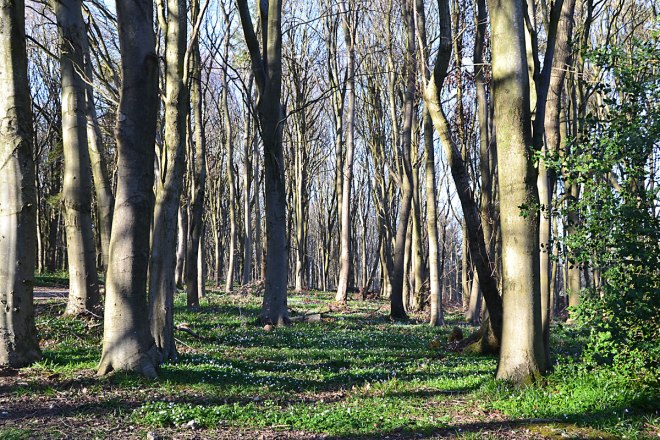
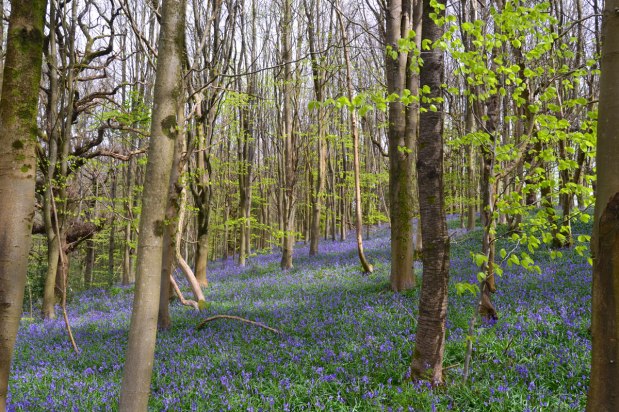
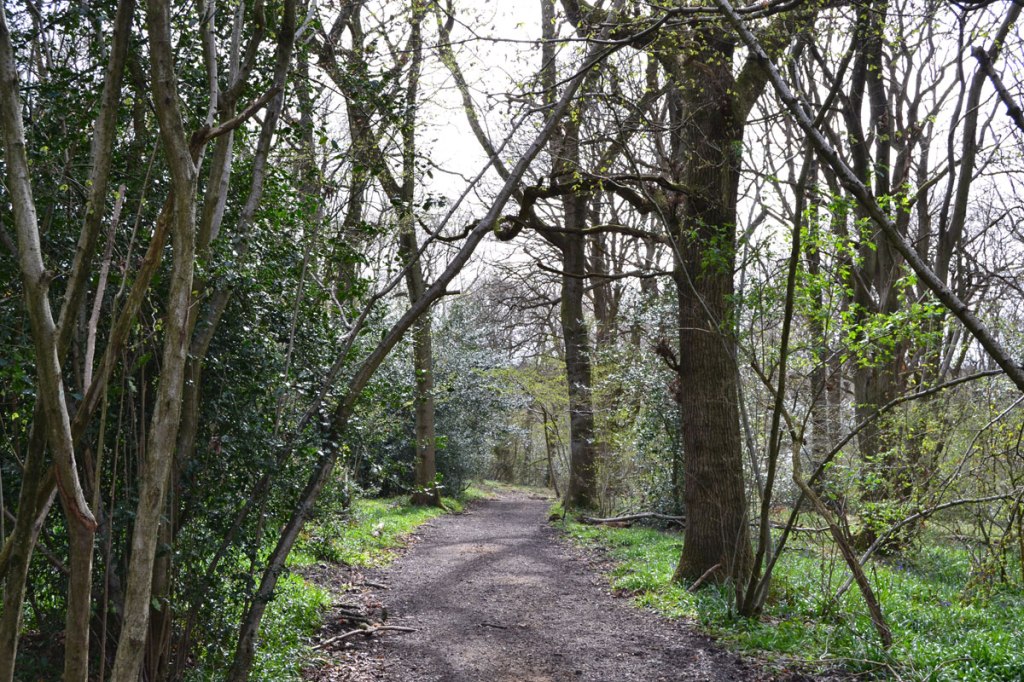
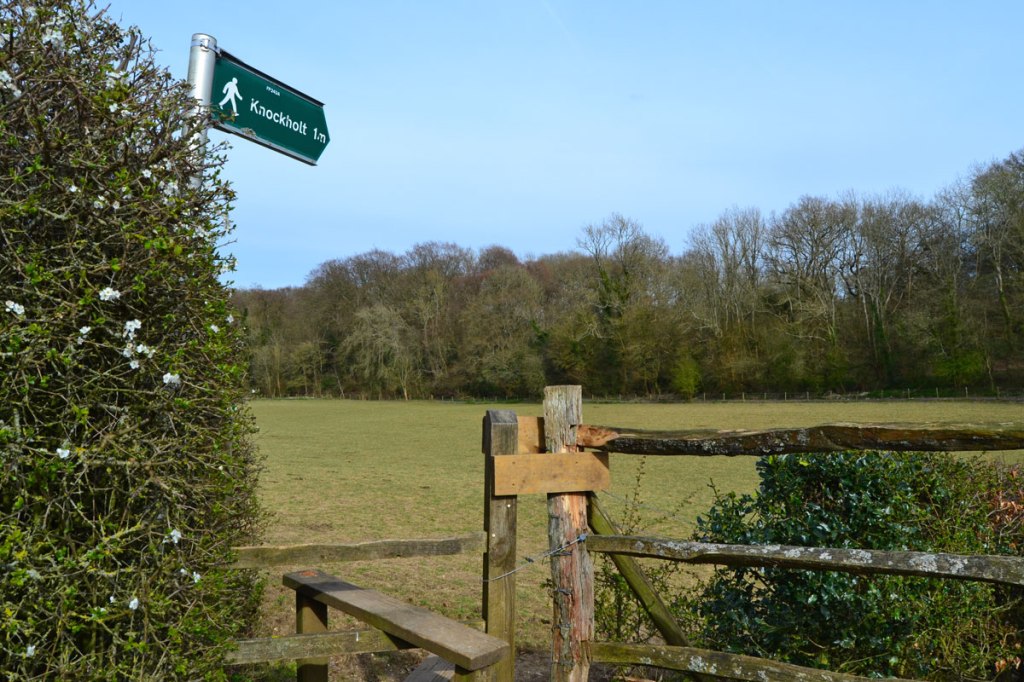
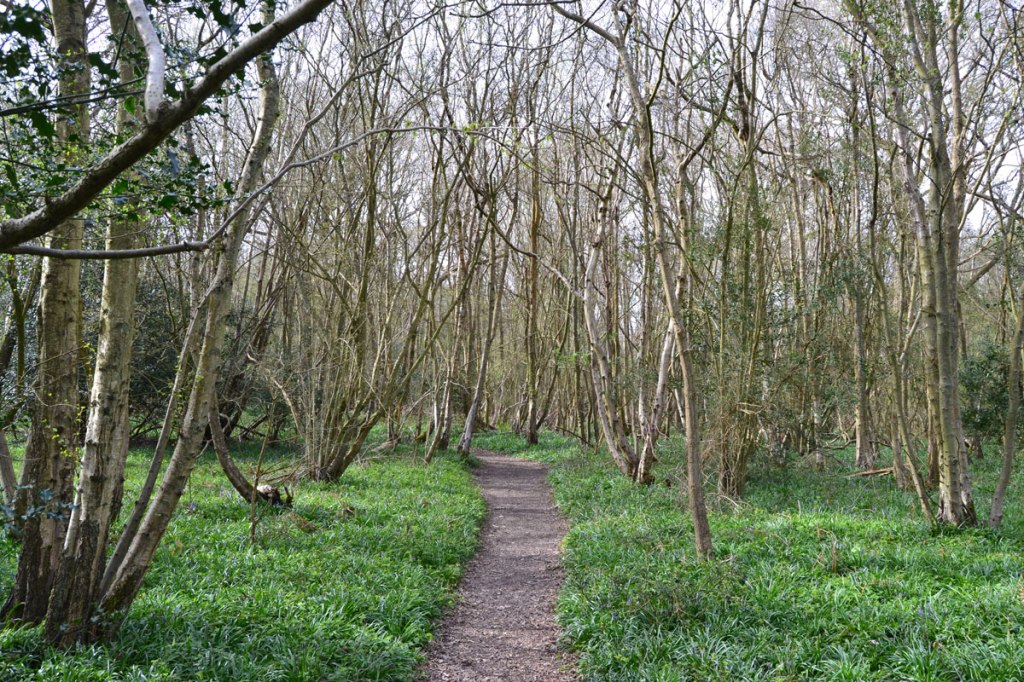
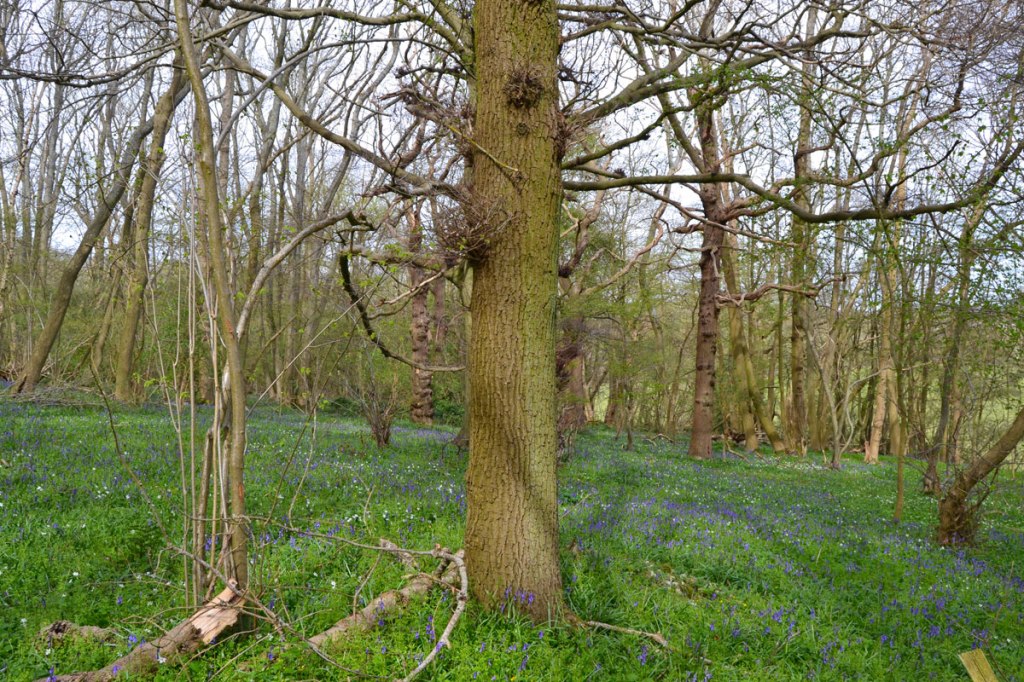
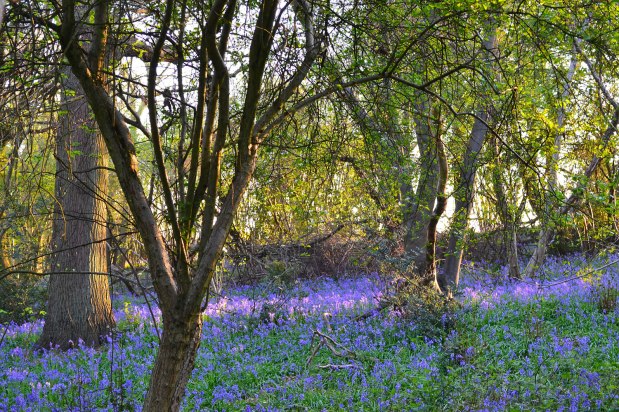
Last year’s winner, the Blueberry Lane meadow, at Knockholt was obviously utterly stunning but the rules state that the same location can’t win the following year. I actually visited New Year’s Wood very early in the bluebell season, before they’d quite found their colour, but the seas of young flowers in the late afternoon sunlight were truly beguiling in that quiet, mysterious wood.

Please contact me with any omissions in my not particularly extensive bluebell research. The season only lasts a couple of weeks so it’s not always possible to get around all the walks to view them – I didn’t go to High Elms, Oldbury, Petts Wood, Meenfield Wood (recently scarred by timber work) or Lullingstone over the past month so no idea how good they were.

Cuckoo birds and flowers on the Bore Place/ Bough Beech route

Cuckoo birds and flowers on the Bore Place/ Bough Beech route

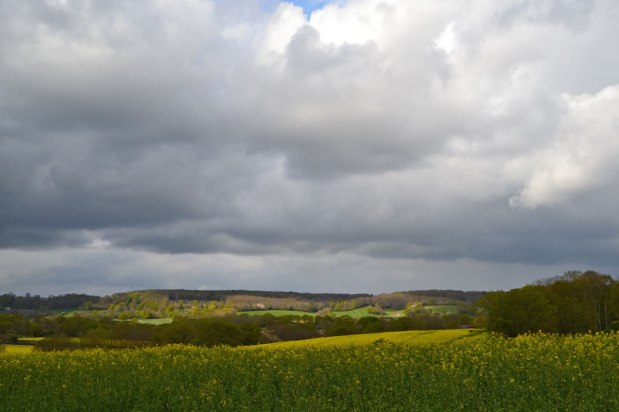
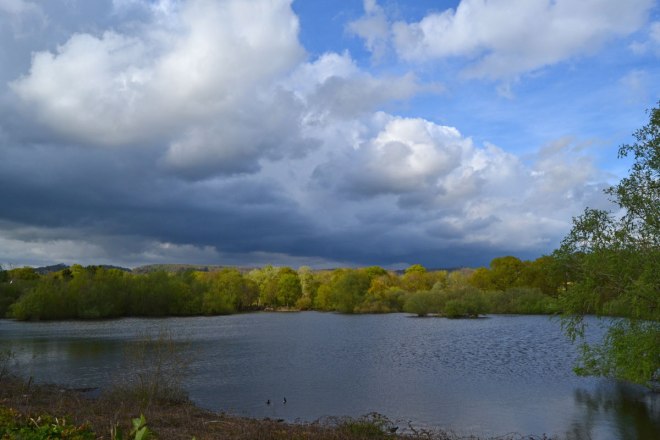
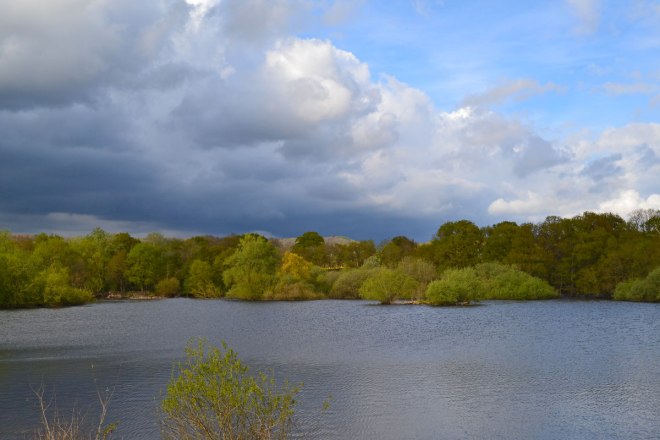
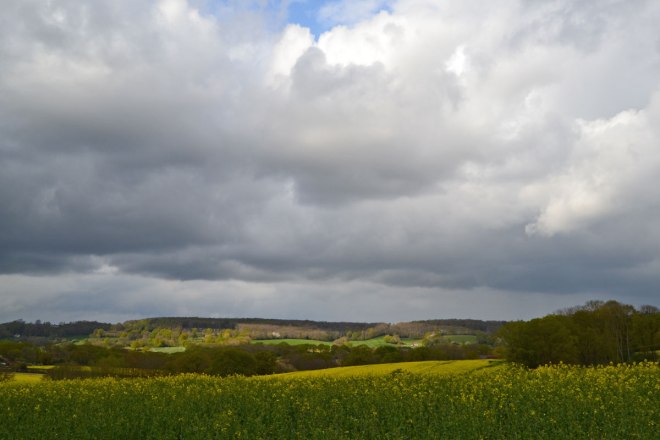
The little Bough Beech walk is one of those quiet ones: it doesn’t seem much but it creeps up on you and you realise you miss it if you haven’t done it for a while. The vast lake (described here) is a major spectacle at the beginning and end of the walk but doesn’t define the route; Bore Place, a delightfully hidden organic teaching farm and event venue, does. The walk is only two and a half miles (handy if you have a bad foot, as I do) to which you can add an hour‘s pop-in at the lovely nature reserve at the end, where there’s usually news of an interesting oiseaux or two keeping the friendly birders in the hide on their toes. Cuckoos (the star of this particular day), barn owls, kingfishers, migrating osprey are regularly seen here. On my recent walk here, as the fine pre-Easter weather started to break, interesting cloudscapes and shafts of sun reflected from the lake surface, while to the north the Greensand Ridge at Ide Hill and Goathurst Common were swept by very localised squalls. I was struck by how beautiful bluebells are when among cuckoo flowers; that was about as profound a thought I could muster while walking – which is how it should be. Back at home it was amazing to watch the simply incredible US Masters finale, though the football results did not bring me any comparable joy.

Greening time and an early grass snake

Greening time and an early grass snake

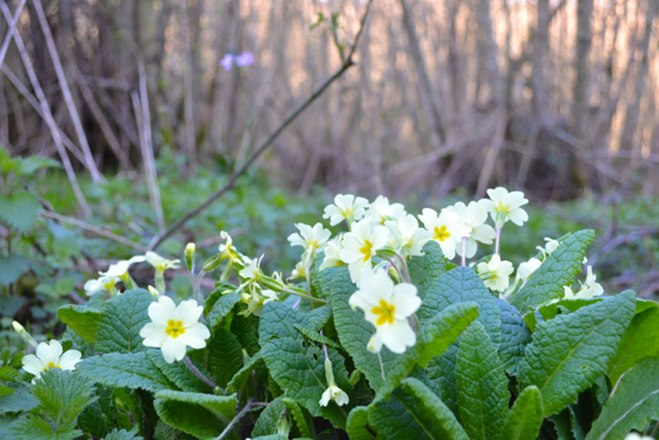
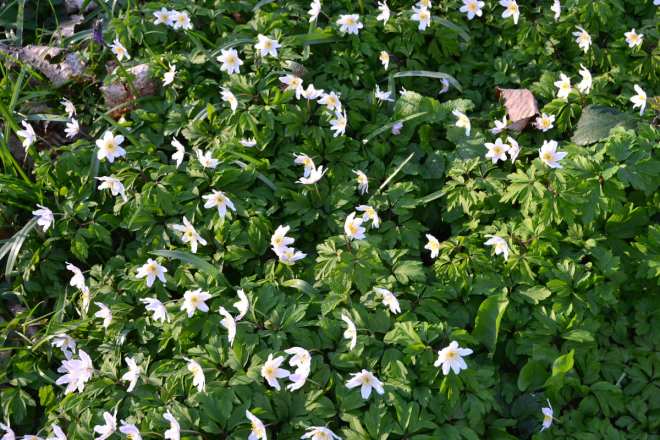
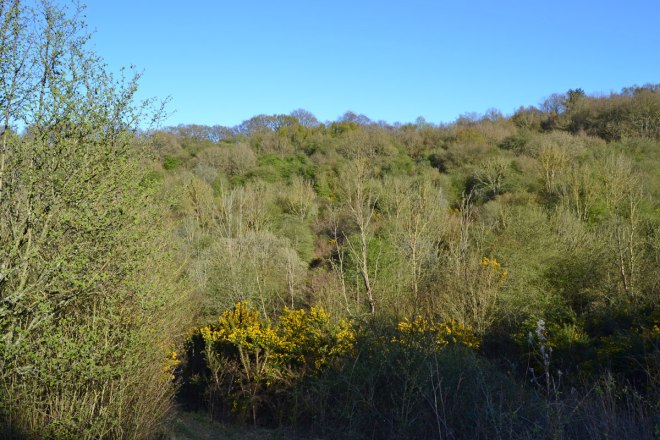
To the accompanying sounds of chiffchaffs, blackcaps, wrens, tits, dunnocks and robins, I trekked the Polhill/Pluto route from Andrews Wood car park on Shackland Road. Suddenly there’s a sheen of green in the tree canopies; in fact there are canopies – not just stark branches – the colour scheme has seamlessly moved on from the gentle grey/browns of winter. Below the greening trees wood anemones and early bluebells are mixing with celandine, early cowslips, primroses and the odd cuckoo flower to add pixels of vibrant hues. I was delighted to spot a long, thin and beautifully patterned grass snake after hearing leaves rustling under a bush, but I couldn’t bring the camera to bear in time: damn autofocus! Slow worms were plentiful though, but you have to know where to look and avoid disturbing them. Buzzards took delight in the clear sky and subtle breezes. A fantastic walk.

  • View across the mouth of the Darent Valley from Polhill in early April
The inaugural ‘Bluebells of north-west Kent’ award goes to …

The inaugural ‘Bluebells of north-west Kent’ award goes to …

The inaugural KWNL bluebell award results are in, now that the bluebell season is drawing to a close. The judge (that’s me) has visited a number of sites renowned for their bluebells at this time of year and come to his decision, without seeking the opinions of others (I prefer it that way, for clarity of thought). First, let’s be honest, it’s been a slightly underwhelming field this year compared with previous years, when this competition wasn’t held. It’s pissed down with rain largely, the sun has generally refused to appear, and it’s been so windy that lots of branches have fallen in the woods disrupting the shimmering fields of azure and making the place look untidy generally.

4th PLACE – EMMETTS/SCORDS WOOD on the IDE HILL ROUTE

Emmetts Garden/Scord Wood was the strong favourite to be the winner given their popularity and reputation so it is something of a shock to see it down in fourth in 2024. The position of the flowers on the slope and the widely space trees help makes them easy to photograph nicely, especially with late afternoon sun casting long shadows – the perfect bluebell shot. However, it was grey and cold during my visit and there were a few too many bare patches – unlucky, but rather like an Ofsted inspection on the way day the usually impeccably behaved pupils have nicked the headmaster’s car and left it upside down on the cricket pitch. Beautiful of course, but somehow not quite up to usual levels of greatness. No trophy but Champions League nonetheless.

3rd PLACE – MEENFIELD WOOD ON SHOREHAM WEST ROUTES

Meenfield Wood on the various Shoreham/Polhill western Darent Valley routes was also expected to make the top two, but just fell short. The full inspection took place on a Saturday again heavy with cloud with approaching rain from the south. The lime green of the beeches coming into leaf contrasted with the blue flowers to make for a colourful sight despite the conditions. Splotches of stitchwort added to the jollity at times. Many might argue it was a worthy contender to win; and in another year it may have.

2nd PLACE – NEW YEAR’S WOOD, CUDHAM CHALK PATHS


Doing much better than expected this year was New Years Wood, on the Cudham circular route. A lovely, quiet woods without many paths to interrupt the swathes of blue. More mysterious feeling even than Meenfield and it was easier to imagine the bluebells somehow continuing for miles into the distance – you couldn’t see where they ended.

1st PLACE – BLUEBERRY LANE MEADOW, KNOCKHOLT POUND

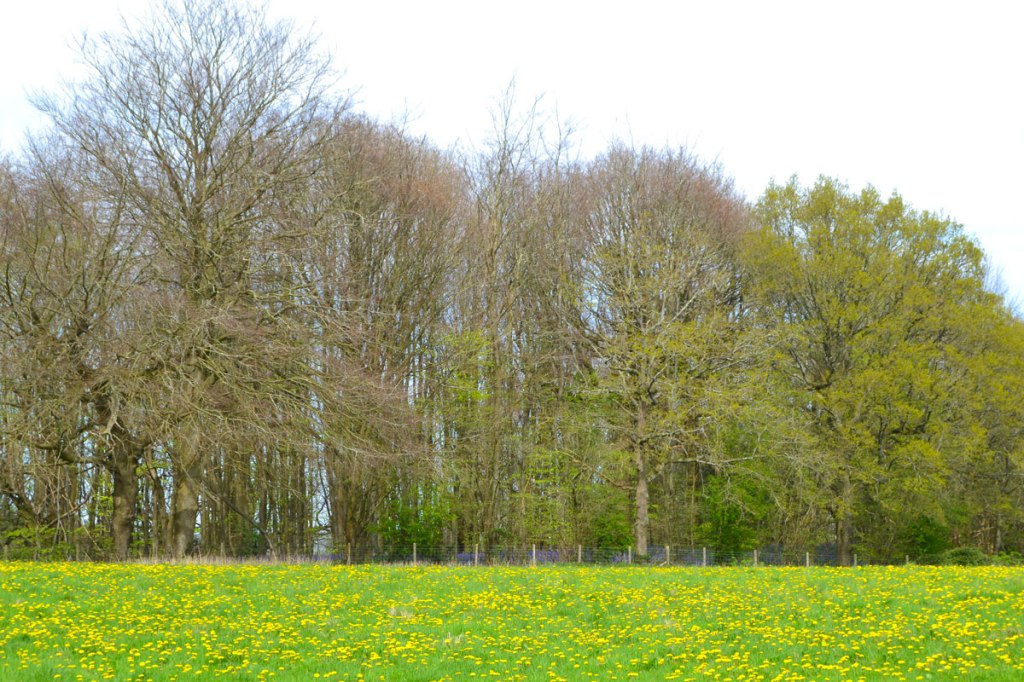
Close to the Cudham circular and Chevening walks, this magical spot (view from the gate: no entry into field) was not considered a contender until the judge happened to cycle past it on Sunday 5 May. This grassy field dotted with outstanding oaks, one of which appears damaged by lightning or storm, had never previously attracted the judge’s attention. The flowers appeared a very dense dark blue instead of rather milky blue of the previous two entrants, perhaps because of some trick of the light. There was some consideration that it should not qualify because it’s not strictly speaking on one of the walks, but this was overruled eventually, as cycle routes at KWNL also count.

Submissions from One Tree Hill, Lullingstone, Ide Hill, Hever and Oldbury were received too late to be considered unfortunately. They also breached the judge’s criteria of “not too much mud”.

I think there’s good bluebell viewing until around 13 May, but the beginnings of the end are already visible, so good luck!
See my cycle routes at Plot A Route

Sand, clay, chalk and bluebells

Sand, clay, chalk and bluebells

“When spring came, even the false spring, there were no problems except where to be happiest. The only thing that could spoil a day was people and if you could keep from making engagements, each day had no limits.

That’s a fun quote from Hemingway. I take it to mean prioritise walks above socialising, now it’s a bit warmer (I reserve the right to be wrong about that) and to get out in the woods and downs, witness the transformation from grey and brown to green, blue and yellow. I say “witness” but it happens suddenly, overnight perhaps, when you’re not looking. Suddenly the air is soft, the countryside hues have changed and spirits have lifted.

We chose the 3.5-mile Knockholt/Chevening North Downs route for late Saturday afternoon and a 4.5-mile stroll on the Greensand Ridge at Hosey for the following morning. On the Hosey route bluebells were two-thirds in bloom and were mixed beautifully with stitchwort and anemone. We heard coal tit, nuthatch, song thrush, chaffinch joining in the merry burble of song from great and blue tits, robins and wrens. A delightful pint of Westerham Brewery’s Light Ale ensued after the walk at Squerry’s Winery.

At Knockholt, along the escarpment, three red kites drifted overhead throughout the walk and a pair of buzzards hung in the air. These raptors love the updraft along the ridge and I think this walk is the most reliable route for seeing them on of all the walks here, though they can pop up on any. Please don’t think me callous but I rather hope the birds of prey feast on pheasants; there are too many of the latter human-introduced birds in these parts and they kill a large number of reptiles and amphibians.

  • Redwood
  • Dandelions
  • Bluebells
  • Chevening
  • The cleft in the Downs

The chalk Knockholt/Chevening walk on the North Downs ridge is separated from the Hosey walk on the Greensand Ridge by the clay Vale of Holmesdale, an east to west valley that runs in parallel to the two lines of hills and which contains the M25 and M20 motorways. Holmesdale clay runs between the chalk and sandstone yet despite the starkly different geology in such a small distance the plants and tree species don’t superficially appear to differ that much – presumably the plants have adjusted to the contrasting soils over the millennia. But there are some differences – there are more likely to be orchids and expanses of grassland on the less densely wooded chalk hills; while on the greensand the woods seem a tad more extensive and are more likely to include stands of pine, which like the sandier soils. I’m no expert so I won’t go on. Bluebells like both; that’s the main thing and this week they are reaching their peak at sites like Meenfield Wood, Scords Wood, and Mariners Hill. Enjoy them, they’ll be gone within about four weeks.

Bluebells finis

Bluebells finis

Yep, folks, they are over. The usual two and a half weeks of spectacle; now appearing dry and spindly. Wild garlic (ransoms) looks – and smells – great next to the blue remnants though, and speedwell and campion (pictured) are showing nicely on most of the walks along with all the lovely yellow and white stuff. It’s a very pleasant time of year and the next week or so is set fair: not blazing sun or anything but decent.

Cudham route firmed up – literally

Cudham route firmed up – literally

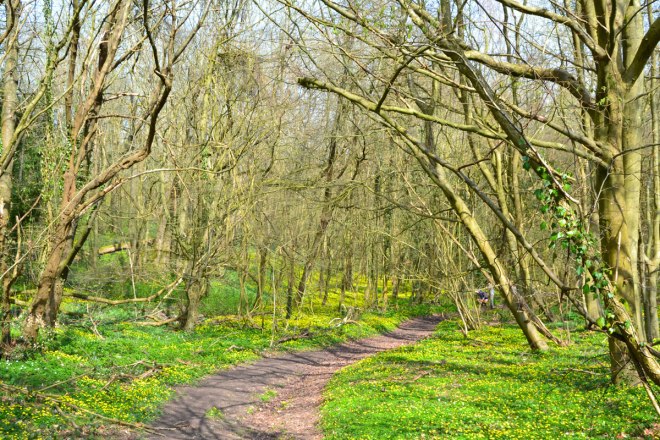
The Cudham chalk paths route is a superb saunter through meadows, valleys and woods; its lack of grandiose views doesn’t detract at all. There’ll be plenty of bluebell vistas though from this weekend onwards, but the other day wood anemone and celandine were still the stars, waiting to be eclipsed by the vast swathes of dark green shoots just waiting to burst into glorious dark blue flower. Gamboling lambs, buzzards and the growl of the occasional Spitfire overhead, heading back to Biggin Hill, provided additional entertainment. On entering the wonderful New Year’s Wood, on the second half of the stroll, I was delighted to see the normally muddy path (actually a bridlepath) had been surfaced with mulch and stone – I don’t know the name of that kind of surface – adding to the pleasure of this lovely walk. Great!

Bluebells on Kent walks: where is the cobalt carpet?

Bluebells on Kent walks: where is the cobalt carpet?

OK, for those going out this weekend expecting swathes of bluebells, you may be disappointed. They are late this year – particularly at One Tree Hill and Ide Hill, but not far off full bloom in Meenfield Wood. Probably a few too many cold nights of late has set them back. Next weekend will definitely be better. But there are other flowers to enjoy. Cuckooflower clumps are great at this time of year and, like red campion, wood anenomes and celandine, get better the more you notice them. Primroses form eyecatching patches too, and soon cowslips will adorn the grassy slopes of the North Downs (with orchids and marjoram/oregano to follow). These all brightened up my walk from One Tree Hill to Ightham Mote then back up the hidden valley with the little stream yesterday (pictured below). Below are some recommendations of good places to see bluebells.

This slideshow requires JavaScript.

If you’re staying local, Beckenham Place Park has some good patches (or will have), although get ready to exercise emergency social distancing manoeuvres as oblivious joggers jag around, their ears full of choons. Oxleas Woods off Shooters Hill is another good local spot and I daresay Sydenham Hill Woods too. After that I think we’re talking Petts Wood and the adjoining Hawkwood and Little Heath Wood and Selsdon Wood south-west of Croydon. Of course, there are brilliant bluebells at Downe, Meenfield Wood, Ide Hill, One Tree Hill, Hosey Common and in woods east of Shoreham on this website’s walks, and the cobalt carpet reigns supreme in woods near Westerham and around Hever and Edenbridge.

2017-04-29 17.12.16

Bluebells, Scords wood, Ide Hill walk, April 2017

Anyway, here are some bluebell factoids gleaned from an excellent article with far more detail called Bloomageddon: seven clever ways bluebells win the woodland turf war at The Conversation website.

  • They are uniquely adapted to suited the multispecies ancient woodlands of the UK
  • Low temperatures trigger their growth (but might delay their blooming if in April). Bluebell seeds germinate when the temperature drops below 10°C.
  • Bluebells predominantly convert sunlight into fructose allowing them to photosynthesise at low temperatures.
  • They are supreme competitors with other plants, allowing them to carpet woodland floors. But they get help in the form of mycorrhiza, a symbiotic fungi.
  • Almost half the world’s bluebells are found in the UK, they’re relatively rare in the rest of the world.

But please be careful never to tread on any; it takes bluebells years to recover from foot damage. Digging them up – surely no one visiting this site would consider such a thing – is illegal, and please don’t let dogs trample them either – keep them on the lead.

Meenfield Wood bluebells

Meenfield Wood bluebells, near Shoreham, Kent

Best bluebell walks in north-west Kent 2019

May 4: fading fast (Read 2020 bluebell piece here)

Just last weekend the bluebells were superb at Ide Hill, Meenfield Wood and Downe Bank but, while the odd patch lingers on spectacularly, time is already running out on the bluebell season. They peaked for only a short period this year it seems. I won’t claim any inside knowledge of why – maybe the lack of rain until the last day or so. But they are definitely already in obvious decline. Oh well … till next year then.

Last bluebells, Downe

Last bluebells, Downe. May 4, 2019

April 18: beginning to peak

One of the most magical times of the year is when the woodland floor turns blue. From this weekend (April 19) onwards there should be a profusion of bluebells until the second week of May, so it will be worth heading for the woods. The best bluebell displays on the walks here are Ide Hill, One Tree Hill (walk 6 and 7), Polhill Bank/Meenfield Woods at Shoreham (walk 18), Hever, Petts Wood and Chislehurst, Westerham, Fackenden Down and Romney Street (19), and Downe (but only if you do the diversion down into the woods at Point 3 and continue to Berry’s Hill – marked on the map and the pdf). Eynsford/Lullingstone and Chiddingstone/Penshurst probably aren’t the best bluebell walks, although on the latter there are rich concentrations at one or two points.

Meenfield Wood bluebells

Early bluebells at Meenfield Wood, near Shoreham, Kent. 2019, April 13. © Adam McCulloch

In many of the woods you’ll be walking with the pervasive aroma of wild garlic (which you can use to make pesto sauce etc) and alongside plenty of cheeky little wild flowers – primroses, wood anemone, common dog violet, arum, red campion, wood-sorrel (oxalis), yellow archangel and orchids (Downe Bank, Lullingstone up from the visitors’ centre, Bough Beech’s Bore Place meadows particularly good for the latter). A highlight not to be missed is the profusion of daffodils at Ightam Mote (One Tree Hill walks) where you should also see buzzards wheeling and soaring in the thermals and yellowy/greeny brimstone butterflies floating around clearings and copses. Emmett Garden’s tulip ‘plantation’ on the Ide Hill walk is also wonderful. Look out for migrant bird species arriving, particularly the following warblers: chiffchaffs newly arrived from southern Europe and north Africa can be heard in all the woodland on these walks, and it’s worth learning and listening for the song of blackcaps and common and lesser whitethroats. The latter two, which arrive from as far away as sub-Saharan Africa, migrate at night and are a favourite of the birdwatching fraternity.

That reminds me, the One Tree Hill routes are very good for butterflies – where the path goes through the lee of the Greensand Ridge amid boulders and rich vegetation the insect world gets particularly busy and peacocks, orange-tips and brimstones proliferate on a bright day. This coming weekend (April 20), forecast to be warm, should be a good time to see them.

This slideshow requires JavaScript.

Bluebells around Shoreham, Ide Hill, Downe, Chislehurst, Kent

It’s that astonishing time of year when woods turn blue. I think from Easter to early May the bluebells will be great – there are some patches already in full bloom. The best of my walks for bluebells are Ide Hill and One Tree Hill (see below). Read 2020 bluebell piece here

Bluebells on the Ide Hill walk, April 25, 2015

Bluebells on the Ide Hill walk

Here are the best places on my walks:

  • Shoreham circular: take the high path through Meenfield woods, the one that goes along the top of the hill. It’s marked on my digital map with a blue line. It just means continuing to the top of the hill after point 7 and turning right (north) at the top rather than two-thirds of the way up. The parallel paths meet later, by Shacklands Rd. There are not many bluebells on the regular route, so as I say, take the high Meenfield woods path.
  • Ide Hill: the best walk for continuous bluebells. There are great bluebells straightaway once you enter the Ide Hill NT woods behind the church, and even better in Scords wood just below Emmetts Garden. (Picture.) Amazing bluebells at Emmetts of course, but it’s best to pay the fee (or at least buy some cake!) if you linger in the gardens.
  • One Tree Hill walks: Good bluebells throughout these NT woods and also at the top of Wilmots Hill (on the ‘figure of eight‘ walk). Some lovely pockets of mixed bluebells and wild garlic (picture) off to the side of the path as you near Ightam Mote too (including a kind of garlic ‘jungle’ at one point). Some in the woodland between Shipbourne and Underriver too.
  • Downe: like the Shoreham circular you just have to make a small diversion to get the best bluebells, which are to be found in the hillside woods between Downe and Cudham (picture). Just turn left instead of right at point 3 and walk down to the woods. The hillside is called Downe Bank – a favourite place of study for Charles Darwin and John Lubbock (these great scientists’ names still make infuse this area with greatness and give it a special atmosphere). There aren’t many bluebells to be seen without the diversion.
  • There are good stretches of the blue stuff on the Hever walk, but perhaps less so on the Chiddingstone walk except in the woods above the river Eden (picture) on the return leg of the walk. There are excellent areas of the flowers on the Chislehurst/Petts Wood walk in the lower part of the wood, amid the chestnut groves just east of point 7 close to the railway tracks, stretching north towards the central fields. Knole Park is not great for bluebells compared with the other walks – but then One Tree Hill is just round the corner to sate your blues. However, back to Shoreham, the two Romney St/Shoreham eastern valley walks (5 and 14) have fantastic patches of bluebells in most of the woods the paths pass through.