It’s wet on the Weald

It’s wet on the Weald

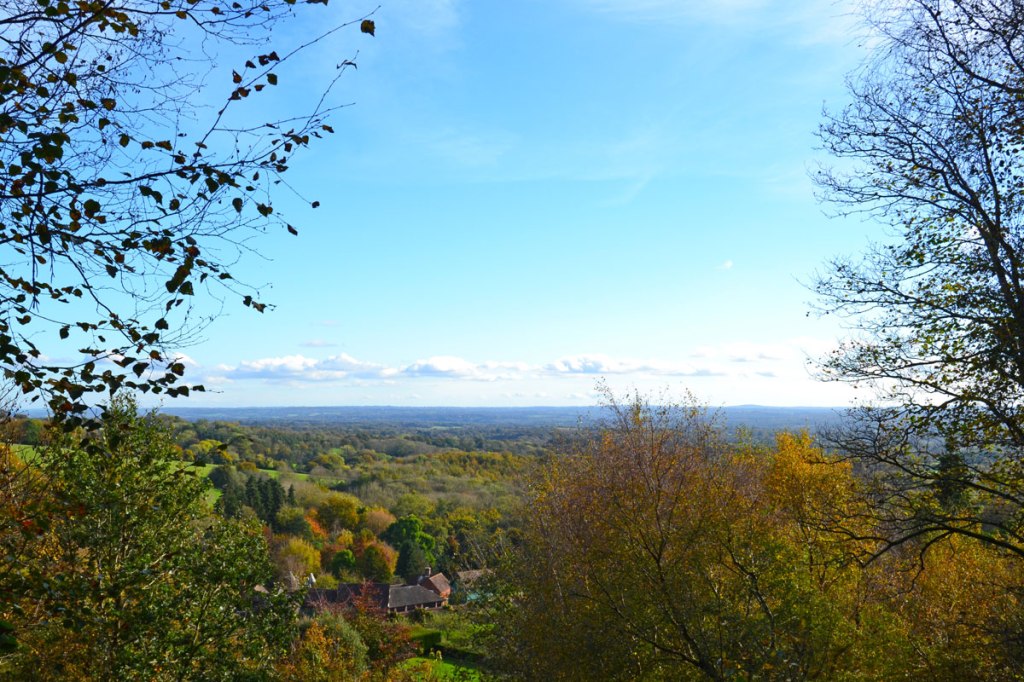
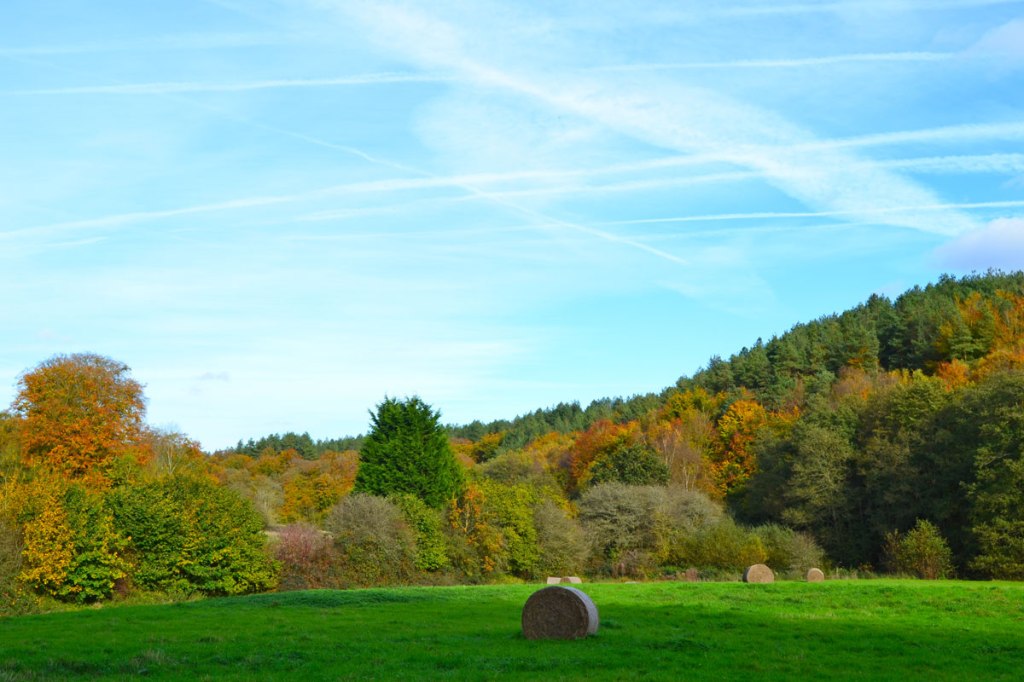
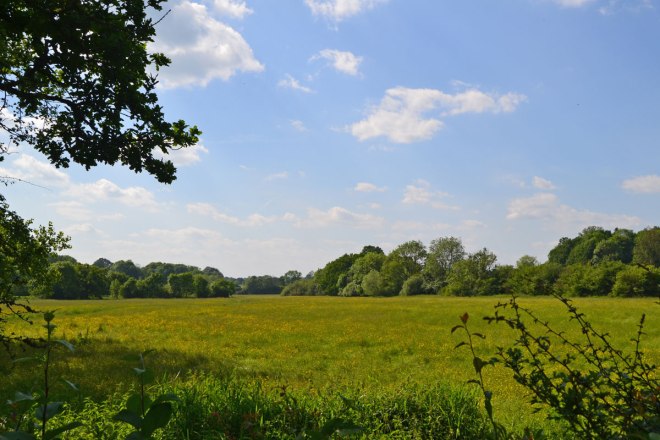
My wellies came in useful on the Hever walk on Saturday. I’ve never worn them in early summer before. But my hunch was right… there are still a few quagmires out there. Watching a young couple ahead of me try to negotiate the mud in lightweight trainers made me wince. There’s not really the same problem on the North Downs chalk walks, where the drainage is much better thanks to the geology. Except where there’s clay (Andrew’s Wood hillside I’m looking at you).

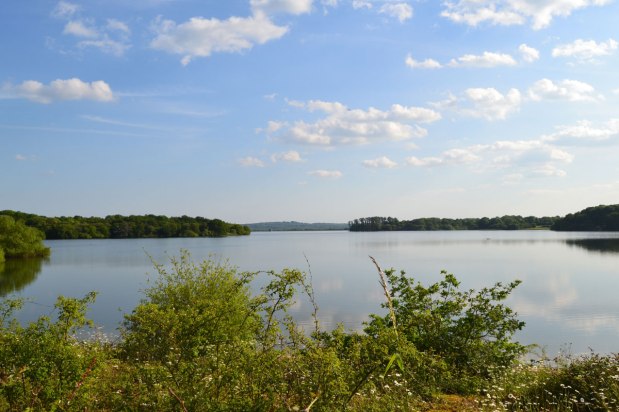
  • Bough Beech

In June it’s generally a good idea to stick a pair of secateurs or tough old scissors in your rucksack if you’re doing a Kent walk. It seems odd I know. One or two of the less well used paths become entangled in brambles, nettles etc this month and next. This is particularly the case this year because rain has kept hikers away and some of the paths have been left unused. The Eastern Valleys walk east of Shoreham definitely requires a bit of snipping as you walk along the fields on the Darent Valley rim. The diversion to the Percy Pilcher memorial viewpoint is in need of a trim at the best of times. And at Chiddingstone, near the start, the path leading into the swampy woods is nearly impassable. If you prefer, you can divert to walk along the field edge – it joins the main path as you enter the woods. The same thing happens later as you near the River Eden on the return leg. There are parts of the Hever walk, in Stock Wood and Newtye Hurst Wood where you might need to divert off the main path and it‘s easier to do a little judicious snipping than try to battle your way through. Especially if you’re wearing shorts!

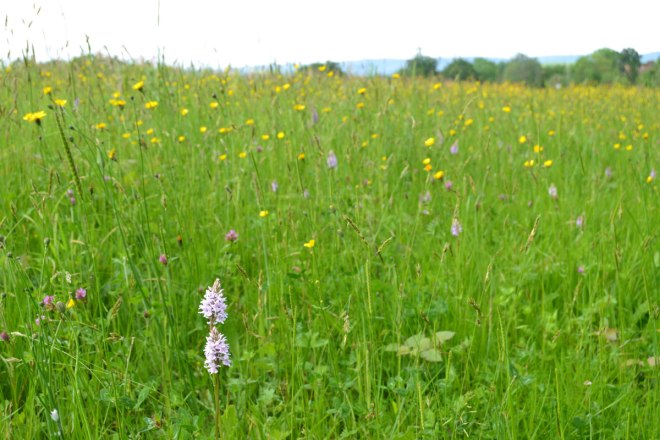
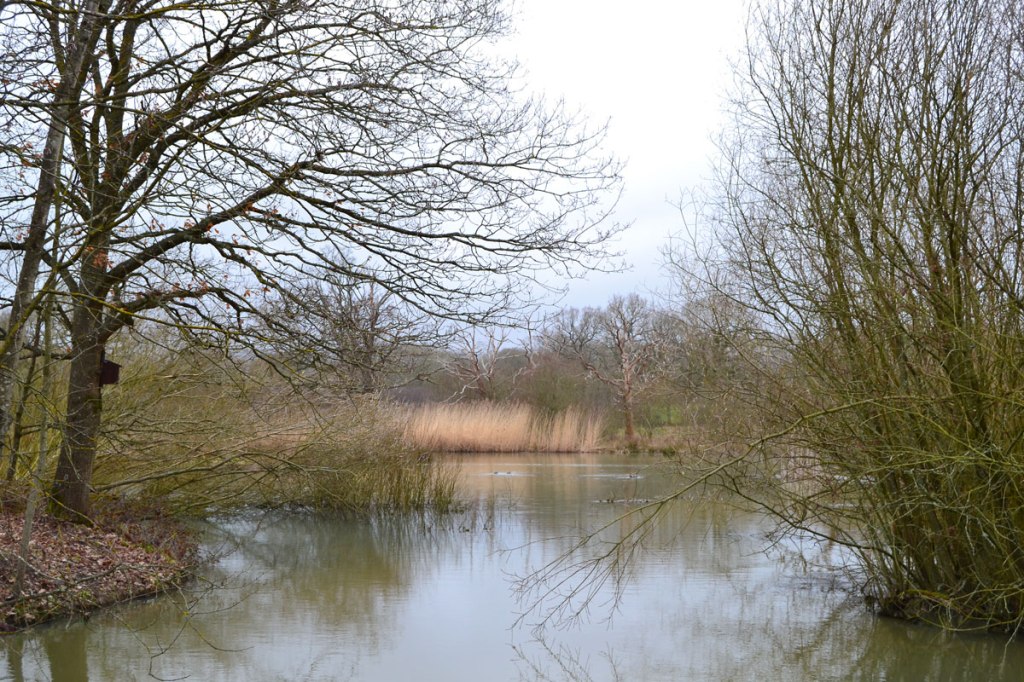
Overall the Weald of Kent is obviously wetter than normal for the time of year. Bough Beech reservoir is brimful for once and the mires and ponds in the woods of Hever and Chiddingstone are well topped up.

Encounter with a kite

Encounter with a kite

Two weekends of truly muddy conditions have passed; both have been very mild and reasonably bright (well, the Sundays anyway) but with heavy rain overnight only the most hardy, dedicated walkers have taken to the squidgy, squelchy paths. Last week we splashed around the 3.5-mile version of the Knockholt Pound/Chevening route; today, with a bit less time available we took to that old staple the Downe walk, with a couple of variations. The final field once heading back to the village was a glutinous saturated sea of clay, as it usually is after heavy rain. Oh for the days when this was a wildflower and hawthorn meadow left to its own devices, alive with the calls of yellowhammer and skylark. The Downe walk has lost two delightful wildflower meadows in recent years – one to a scraggy looking crop rotation, the other to grazing by a non-existent sheep flock.

  • Red kite, Downe, February
  • final woods, Downe
  • Chevening
  • Chevening
  • Beech trees, Downe, February
  • Knockholt Pound

Anyhow, never mind, there we go. Let’s focus on the positives: bright skies, great colours, a sudden crescendo of bird song including skylarks after a silent winter, a Spitfire taking off from Biggin Hill – what a brill din! – and a few snowdrops to admire. Best of all there was some wonderful bird of prey sightings. On the Knockholt route we were checked out by a low flying red kite and were given a private buzzard show. At Downe this Sunday I’ve rarely seen so many buzzards gliding and soaring. A hovering kestrel joined the party at one point, while on the return leg of the walk, on the hillside above the golf course, a red kite seemed to follow me along, drifting, sideslipping and wheeling on the breeze. These incredible birds have only been regularly seen on these walks in the past 10 years or so. They are a most welcome addition – along with the buzzards, themselves a relatively new bird to this part of Kent in these numbers. On entering the final beech woods I heard a tawny owl call, despite it being only 2.30pm.

A Christmas trudge – then some fudge

A Christmas trudge – then some fudge

We chose Lullingstone for our Christmas morning walk. Well, I didn’t actually. It was the family choice, and a surprise one because I was, for once in my life, all for staying in and wrongly assumed my partner would be. I’m glad we did though: staying in all day and not walking anywhere is hardly ever the right choice, even with a turkey to roast and fudge to finish.

There’s no denying that in the mild, grey, mizzly, boring weather the Darent Valley landscape seemed to have lost a bit of its lustre. It felt as if we’d taken it by surprise – it’s usually ready for us and induces an inward gasp of delight as we get our first view of it. On Christmas Day it looked a bit bleak, a bit ‘meh’. It seemed to be saying, “oh it’s just them again – I can’t be bothered frankly.”

Fieldfare profusion

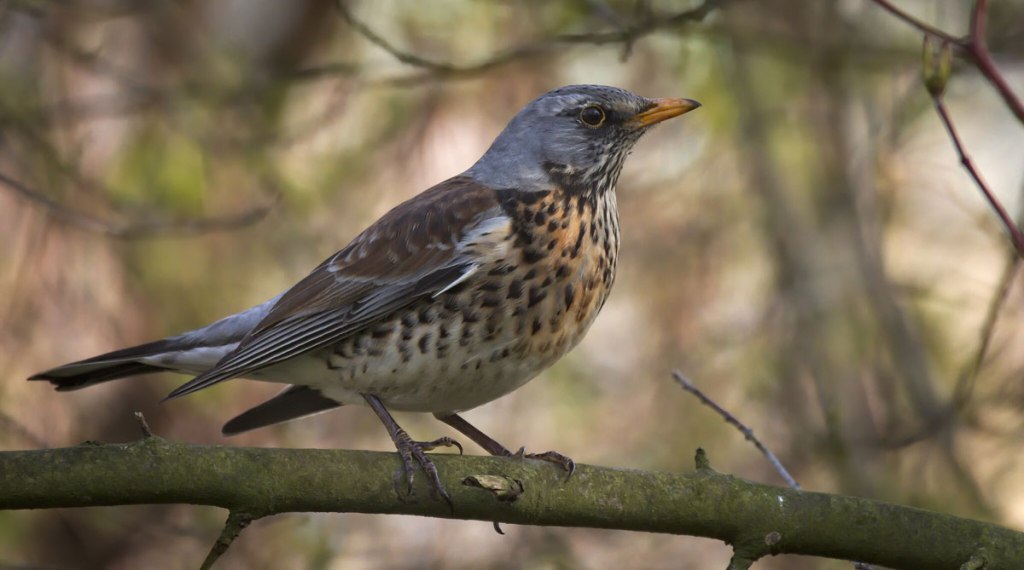
But on closer examination there was a lot to enjoy: huge groups of fieldfare (a winter thrush visitor from north-east Europe); a few chaffinch (relatively scarce nowadays in these parts) in brilliant winter plumage; loads of berries – haws, rosehips, elderberry in the main – and long-tailed tits flitting through open woodland. The profusion of berries was the attraction for the fieldfares. My regular Lullingstone kestrel did not appear, nor did the almost tame goldcrest I’ve encountered previously in Upper Beechen Wood. (Fieldfare photo: hedera.baltica/Wikimedia Commons)

Oh, that tree!

I’m often astonished at myself for not noticing things – I’ve been known to sit on sofas at home without realising they are brand new, turn on TVs that someone has just delivered and installed, and fail to remark on a room‘s entire renovation. I exaggerate, but it amazes me that I’ve walked past the extraordinary old oak at Lullingstone pictured below at least 200 times without really clocking it; a memory of it must have been lodged in my brain somewhere since childhood, but in the subliminal part. In a similar vein there’s an elegant art deco building opposite Brixton station that’s very familiar to me but it was only last week, on returning from the Ritzy, that I actually looked at it and saw it for what it was. I’ll never ignore it again, and the same goes for this incredible oak.

To be fair, there are several of these oaks at Lullingstone, mostly up towards the golf clubhouse in the west of the park (unlike this one). With some I’m not quite sure if they’re dead or alive. There’s one that you could actually hide inside. This one, which is maybe 300 years old, has a kind of elephant’s face embedded, is indicated on the map below. I’m going to try to keep eyes and brain a bit more joined up from now on. Probably means less daydreaming – let’s see!

Click on the link for a ‘live’, gpx version of this 4-mile Lullingstone route at OS Maps.

Dull, damp and delightful

Dull, damp and delightful

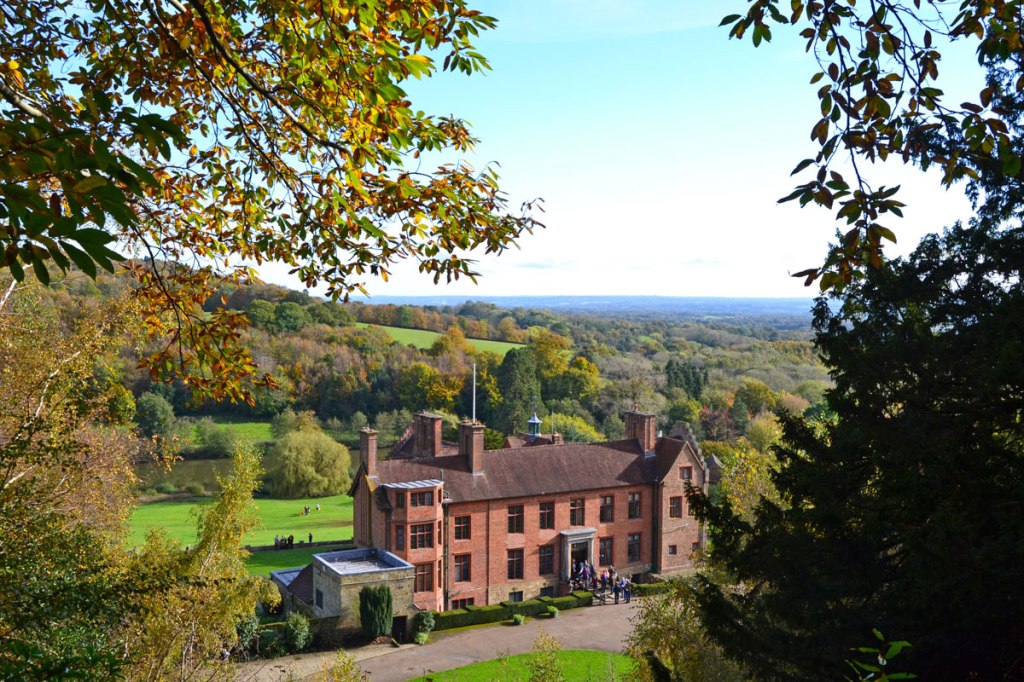
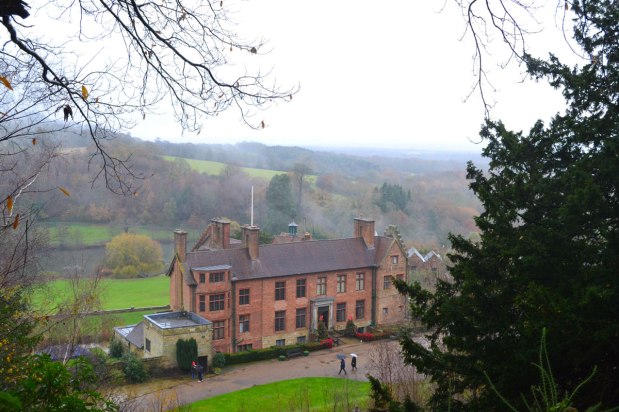
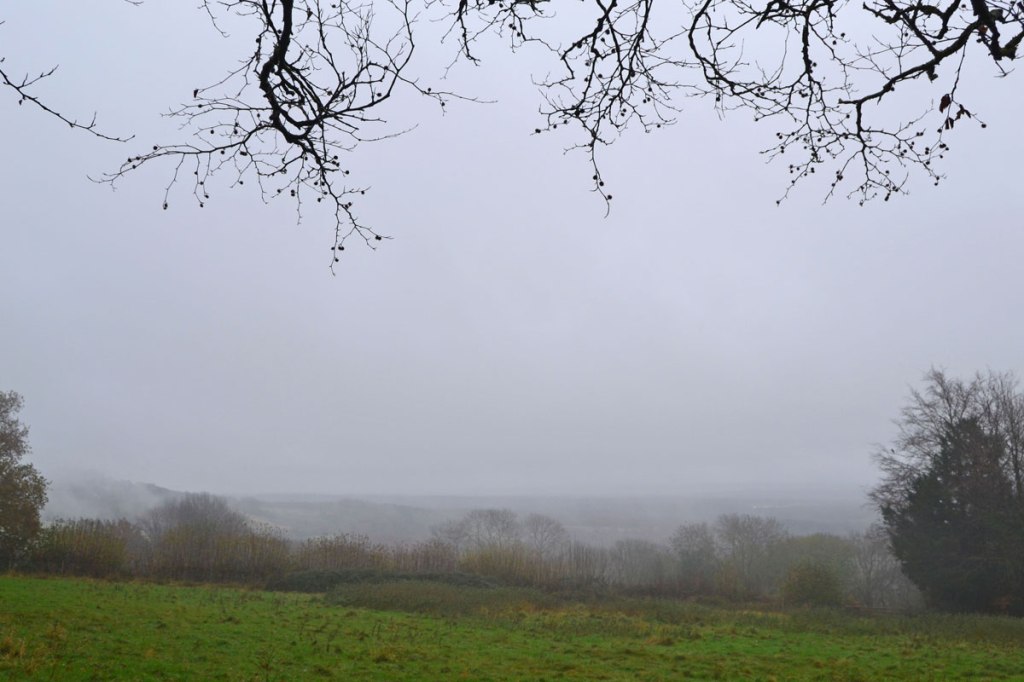
I love to walk the Hosey and Westerham routes in late autumn because of the views of the Low Weald woods from Mariner’s Hill and the hues of the trees on the lower slopes of Tower Hill along the infant River Darent. I missed out on those treats this year but last Sunday we took the Hosey route despite persistent rain and cloud so low it scudded into the hollows of the Greensand Ridge and draped itself over NT attractions such as Chartwell and nearby Emmett’s Garden. We did the walk in reverse, which made life a little less predictable but also disoriented us on a couple of occasions. Even the familiar can confuse when approached from a different direction (wise words indeed ha ha). Despite the rain and mud it was a lovely atmospheric stroll and further proof that, as the great walker Alfred Wainwright said, “there is no such thing as bad weather only the wrong clothing”. I can’t say I had the right clothing, given the fact that my jeans were covered in mud by halfway through and the skin on my bare hands had shrivelled, but these minor discomforts were dwarfed by the pleasure of being out in the countryside. Small birds, including three bullfinch – a rare sight – flittered in many of the hedgerows, a sign that recent frosts have softened and sweetened the berries enough to be gulped down. (Pictured below: Mariner’s Hill views in cloud and rain; water meadow of infant River Darent – a good spot for bullfinch. Above: Chartwell)

Frisson in the North Downs freeze

Frisson in the North Downs freeze

There’s a real pleasure to walking in very cold conditions and not only because you’ve bought some hot chocolate with you with a shot of rum in it. The light, the clouds, the wonder of winter and the sudden dusk all bring an edge of adventure. It’s a great time for a walk. Often the mud is hardened by frost too so you can stride without getting bogged down. We don’t often get snow in these parts but remember that if there’s a hint of the white stuff in south east London there’s a good chance there’s a lot more of it on the North Downs. So if you have children pining for snow larks, there’s always a chance that by heading to say Fackenden Down, Polhill or Knockholt you might have a bit of luck. It’s worked for me over the years. I particularly love the atmosphere of Knole in winter – the frosty hollows and rich (ish) bird life coupled with that huge medieval home that is lit so beautifully by the setting sun and from within as twilight comes on, are an essential part of my mid-winter wanders. This little cold snap will be over by tomorrow evening but there’ll be more to come.

  • Downe, Kent, England
A sultry stroll at Fackenden Down

A sultry stroll at Fackenden Down

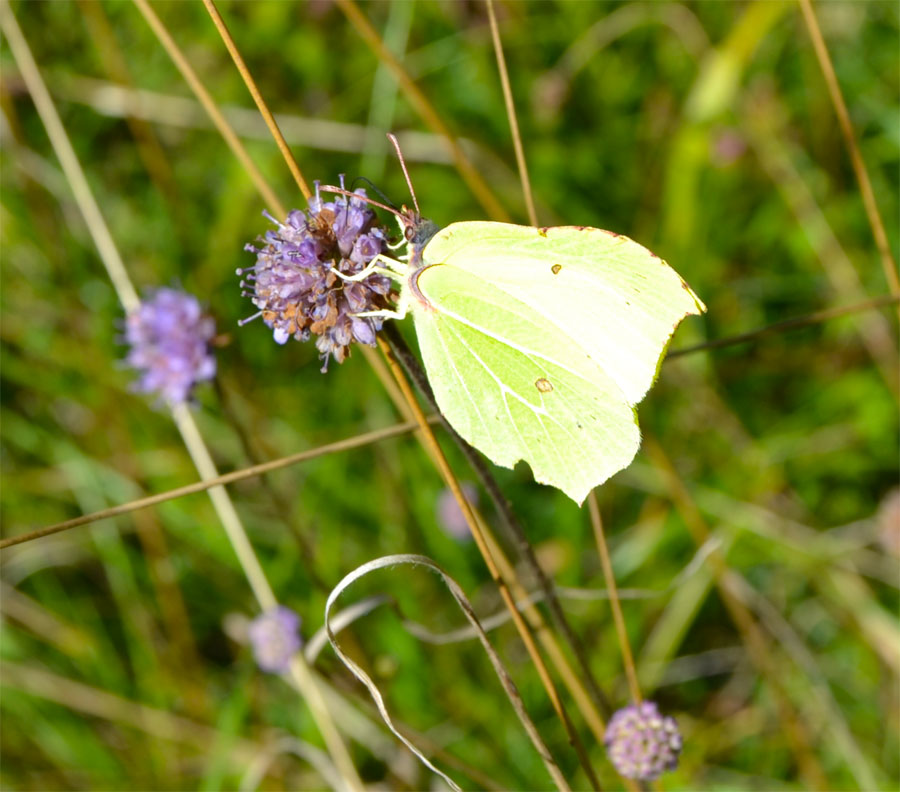
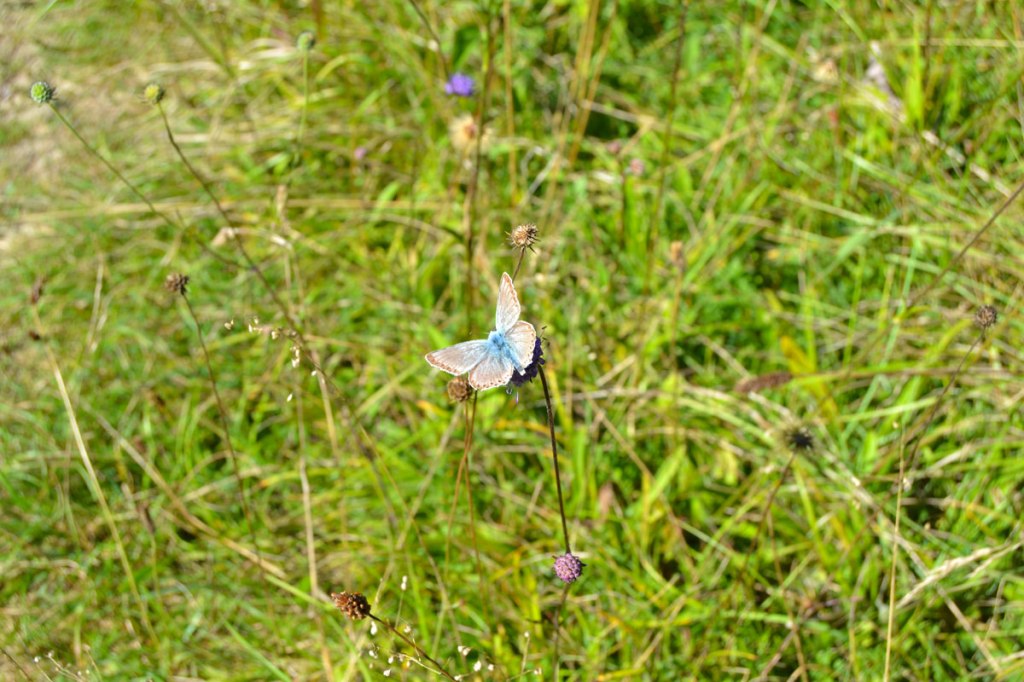
The hot sunny weather – this September has been pronounced already as one of the hottest on record in the UK – has been good news for butterflies. The Fackenden walk is particularly good for viewing them; the first few sections after the right turn on White Hill were awash with chalkhill blues, red admirals, large whites, meadow browns and gatekeepers this week. I was particularly intrigued by the numbers of brimstones flying during my sultry stroll there last Monday. These beauties are the offspring of the butterflies that emerged from hibernation in April and May. With so many scabious and devil’s-bit scabious still flowering along with the likes of fading marjoram, valerian, wild carrot and trefoil, there is plenty of foodstuff still around. That wonderful ‘garden’ running halfway up between White Hill and Fackenden Down is great for other creatures too: it’s clearly good habitat for reptiles and birds, though I’ve never personally seen much there, not even a whitethroat, blackcap or yellowhammer this summer – just a few goldfinches (a beautiful but common bird), red kite, buzzards and green woodpeckers after the many ants on these slopes. I did spot a rapidly disappearing common lizard though, after hearing a rustle in the leaf litter. Earlier in the walk, at Austin Spring I was delighted by a view of a hobby (a smallish, fast-flying falcon) hurtling straight towards me, presumably chasing dragonflies.

I’ve taken to doing the Fackenden route the ‘wrong’ way round these days: so I take the path on the left up White Hill that culminates in the steps, then across the Dunstall Farm fields to Austin Spring and Romney Street, Magpie Bottom (also great for flowers and insects) and eventually to Fackenden Down. Either way is great, I suppose I just want to save that ‘garden’ with its kaleidoscopic haze of grasses, scabious and insects until last. (Pictured: red admiral, brimstone, red admiral, the path linking White Hill and Fackenden Down looking north, a scabious flower and, below, a male chalkhill blue.)

In the depths of springter

In the depths of springter

Of all the seasons-within-seasons, the end of winter, or springter, is one of the least enjoyable for walking I find. That doesn’t mean I don’t enjoy getting out into the countryside; it just means that when I do, I look around and think “meh” quite a bit. There’s still a lot to look out for in early March: old man’s beard (clematis vitalba), hazel and alder catkins, blossoming blackthorn, the vigorous growth of bluebell shoots, redwings and fieldfares flocking to migrate east, small birds breaking into song, the passage of gulls at high level etc, but the predominant colours are grey and brown, the air is still harsh and raw, mud clings to your boots and you slip on steep paths.

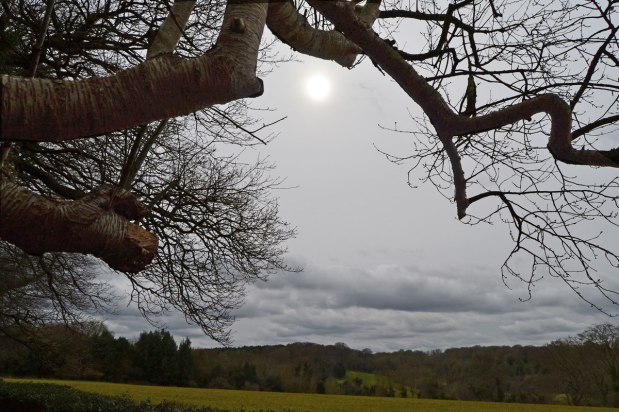
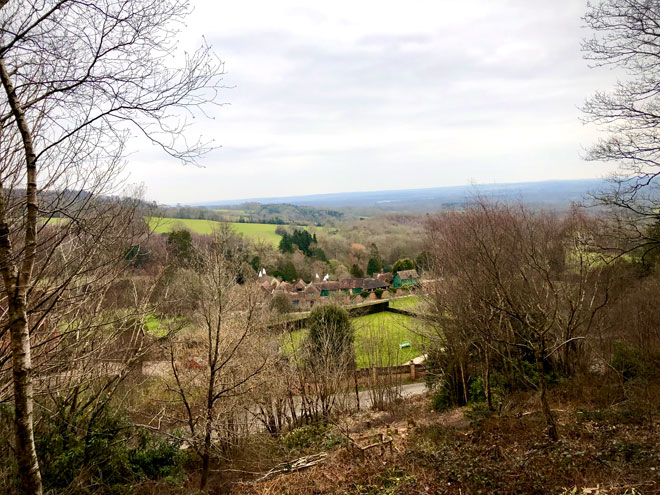
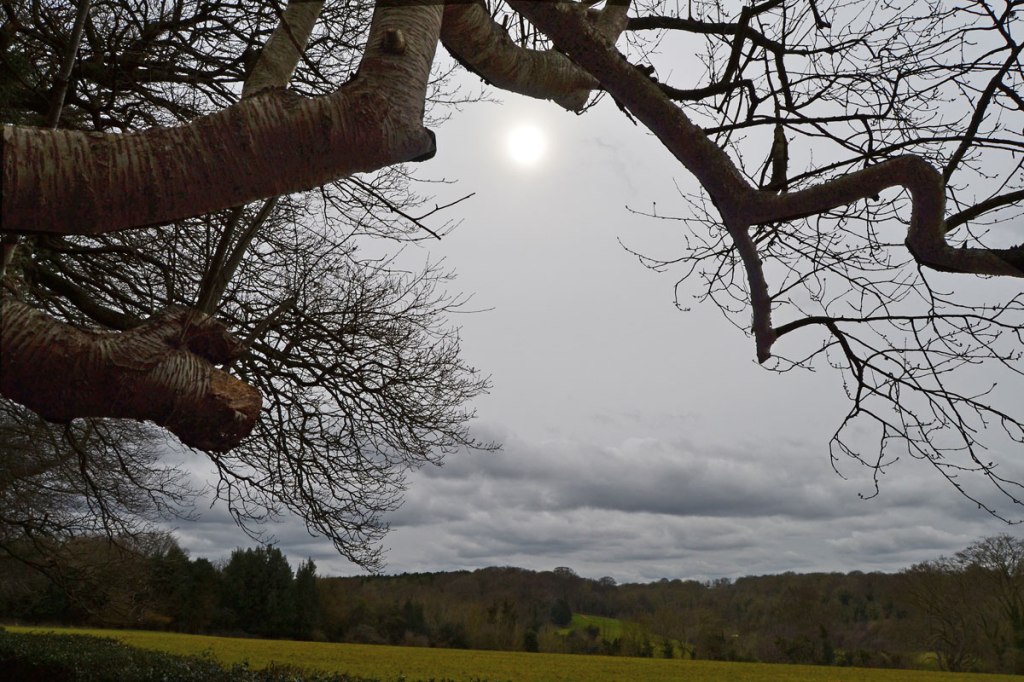
On recent walks to Hosey, Fackenden Down, Bough Beech and Downe, I found plenty to like but not much to inspire. This was partly because, apart from at Fackenden where there was an eyecatching sunset, the sky was unyielding and grey. Drama is needed in the sky at times like these, and springter often provides it as great air masses come into conflict, showering us with rain, hail, snow and sleet and producing fascinating aerial vistas. But at Hosey, all was monotone, at Bough Beech a thin Sunday drizzle dampened down any sense of vitality and at Downe, the morning brightness was consumed by a blanket of altostratus – the precursor to an approaching front – which had stealthily taken over the day as I was en route. But everyday is different if you look closely enough and the sun, a white ball behind the veil, did its best to make the stroll memorable.

  • View over Chartwell, Hosey walk
  • Bough Beech nature reserve
  • View over Bough Beech reservoir from the Bore Place chair
  • Downe walk under altostratus cloud
  • View from Fackenden Down

That terrific birder Dave accompanied me at Bough Beech, educating me as we went on the courtships of goldcrests, the behaviour of gadwall – a much underappreciated duck, he said – West Ham’s unsatisfactory season, the calls of marsh tit and treecreeper (I’d forgotten, again), and the distribution of local chaffinch populations. Although we made it to 39 species we saw no snipe, barn owl, brambling, kestrel or even buzzard as we hoped. The bird of prey fraternity was represented only by a solo red kite who lazily loitered above the low weald landscape for nearly half the walk, sometimes close, sometimes distant – an almost spectral presence so unfettered was it by the subdued, squelchy land below.

Thinking back to that red kite (which by the way would have been an extraordinarily rare sight in this part of the world until about 10 years ago) my springter moans and groans appear misplaced; these grey walks were brilliant.

Photographs by AMcCulloch

Chilled at Lullingstone

Chilled at Lullingstone

Lullingstone park is a great place to feel the winter vibes in the North Downs, with sweeping views of the Darent valley, big skies, mists swirling down by the river and a variety of terrain: from grassy expanses to rich beech and oak woods. Some walkers in Kent on Saturday saw a double sun – a trick of the light in which the sun seems to appear twice. It’s also called a sun dog, and is a type of halo. We weren’t so lucky, but the atmosphere was superb – wispy cloud, patches of cobalt sky, a low sun and a light mist. Small flocks of linnets were feeding in scrubby fields at the start of our route, up by the golf course entrance. It was the last day of this week of snow and freezing temperatures so we wanted to make the most of it, taking a 4-mile route around the park. A very deep frost had formed on top of the snow, producing some incredible branch-like crystal structures. It was a truly memorable stroll.

See an Ordnance Survey map of the route we took across Lullingstone – with GPX.

A sultry sortie to Fackenden Down

A sultry sortie to Fackenden Down

As an experiment I ventured out for the 5-mile Fackenden Down walk at 11.30am on Sunday to see just how unpleasant things could get while hiking in the hottest part of the day, with temperatures well over 30C. The answer was, not very unpleasant at all. I had a hat, plenty of water, and took it fairly slowly. The walk starts in cool beech woods but then, up on that eastern ridge of the Darent valley, a hesitant but welcome breeze from the south-east just about took the edge off the muggy swelt. I can honestly say I’ve felt much hotter just sitting around in the concrete dustbowl that is now south-east London; the fairly strenuous walk was not more taxing than normal, though I took the steps slowly.

  • View from Romney Street
  • Samuel Palmer pub
  • Kent walk
  • View across dry valley at Austin Spring
  • Parched grass, Dunstall Farm
  • View across the slope of Fackenden Down into the Darent Valley
  • Meadow Brown butterfly on scabious
  • Knapweed and wild carrot
  • Magpie Bottom in the August heat
  • steps in the woods
  • Thameslink train at Shoreham station

I accompanied part of my walk with Lyle Mays‘s bluesy but harmonically rich Lincoln Reviews on my headphones – the perfect tune for a drowsy, sultry day surrounded by beautiful, still countryside. Mays was an incredible pianist who performed in the Pat Metheny Group for many decades.

The walk was also accompanied aurally by the calls of buzzards and the rustlings of lizards and small mammals dashing off into the leaf litter by the side of the path ahead of me. As usual I did the walk in reverse so descended Fackenden Down rather than climb it. The bit along the side of the hill (Points 1 to 3 on the Google map) were alive with butterflies and bees enjoying the scabious and knapweed among other wildflowers. I capped the walk off with a visit to the new Samuel Palmer pub, which has replaced Ye Olde George opposite the church. What a superb renovation job has been done there and there were loads of staff to serve the many visitors. Quite the transformation, and it was great to see so many Palmer reproductions on the walls – it’s like an art gallery. But not fancying a pint or a soft drink I popped into the church, which was serving cream teas with a friendly welcome and a cool place to sit down. That might seem strange but that’s how I rolled on Sunday.

A wintry reminder

A wintry reminder

The gloom of December and early January has lately given way to bright, often mild conditions.
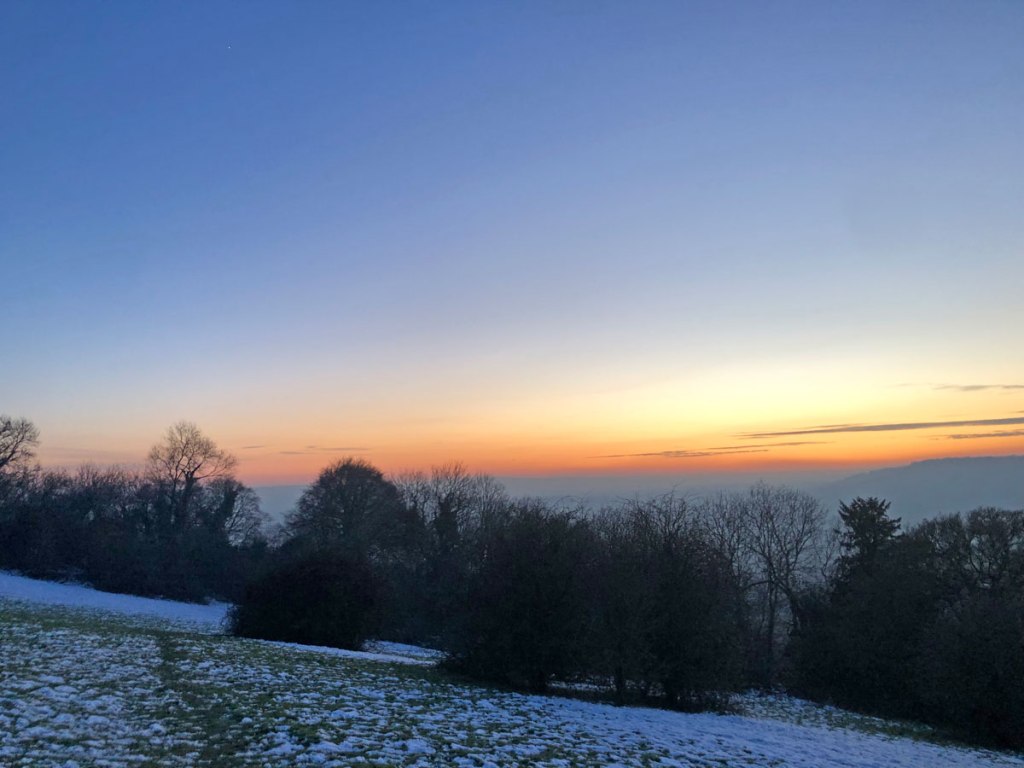
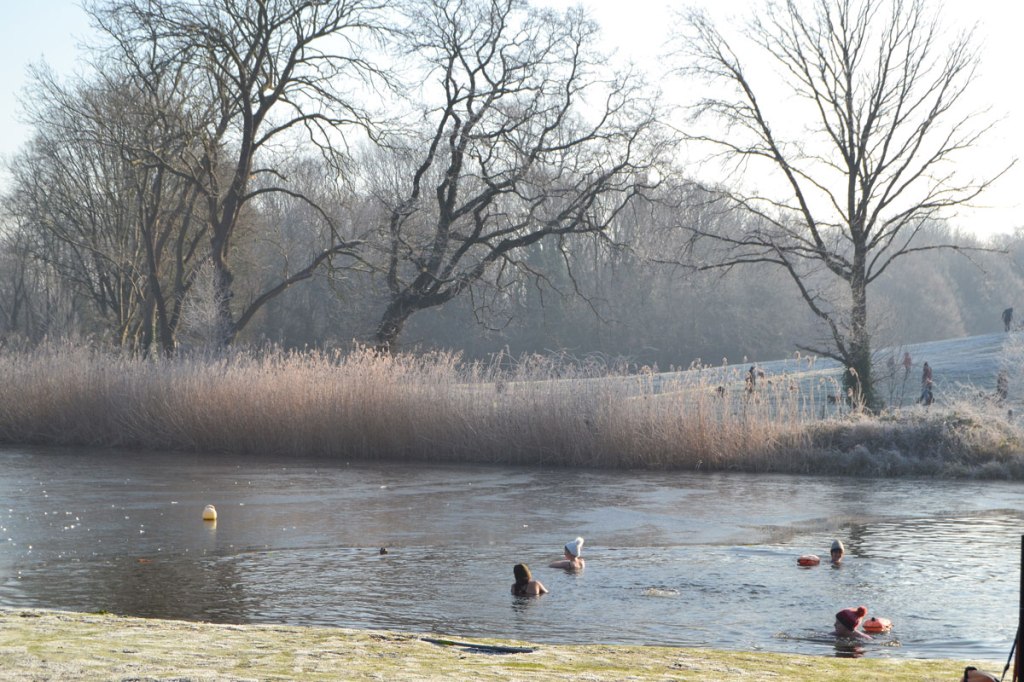
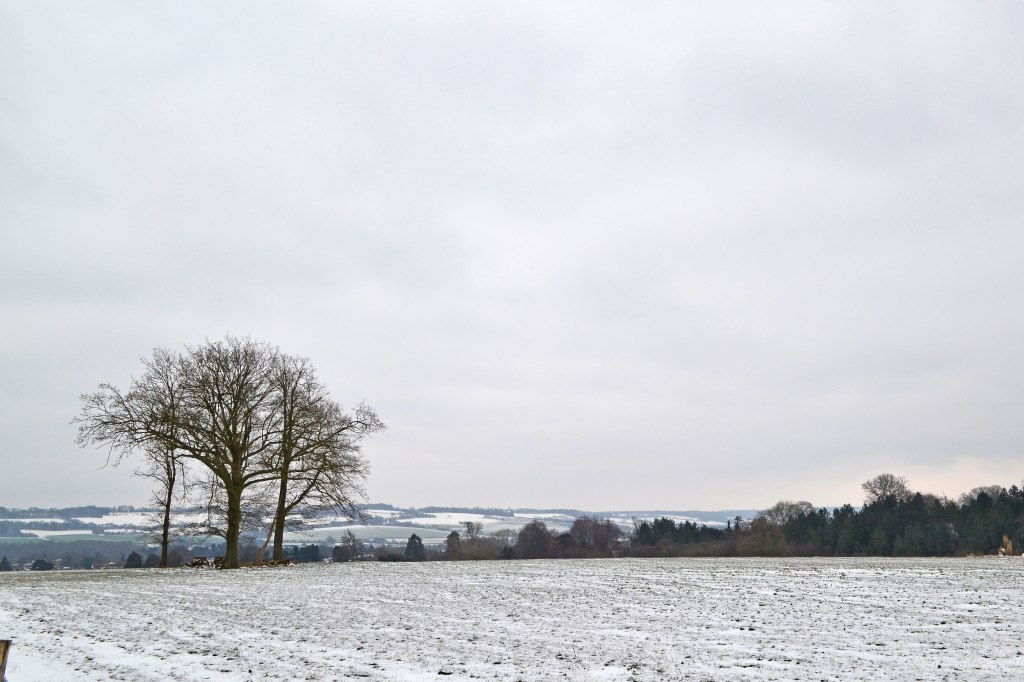
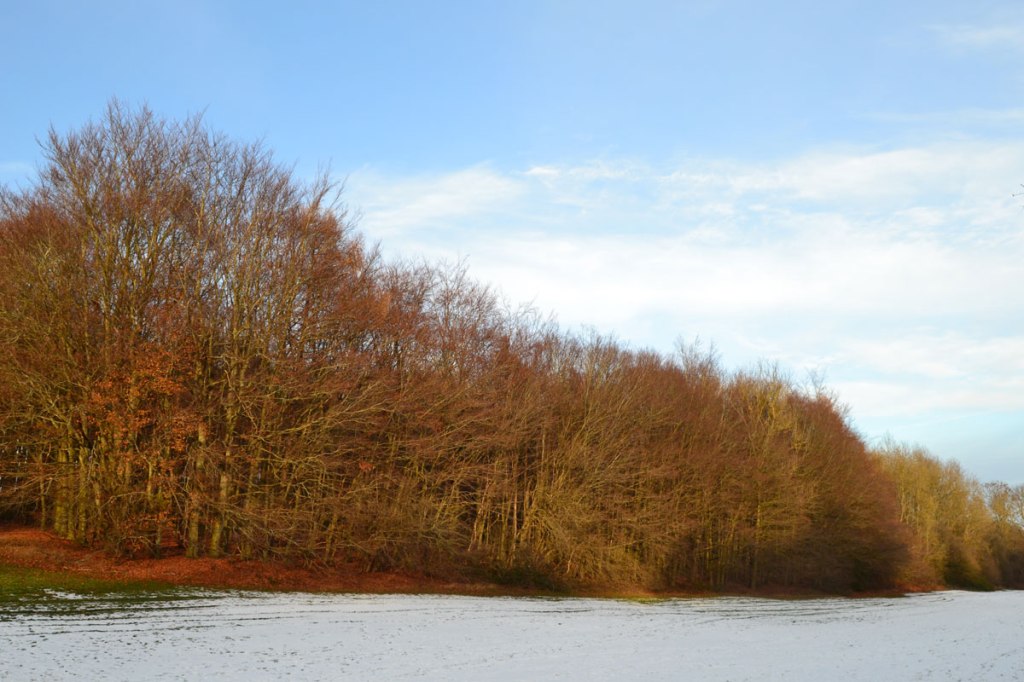
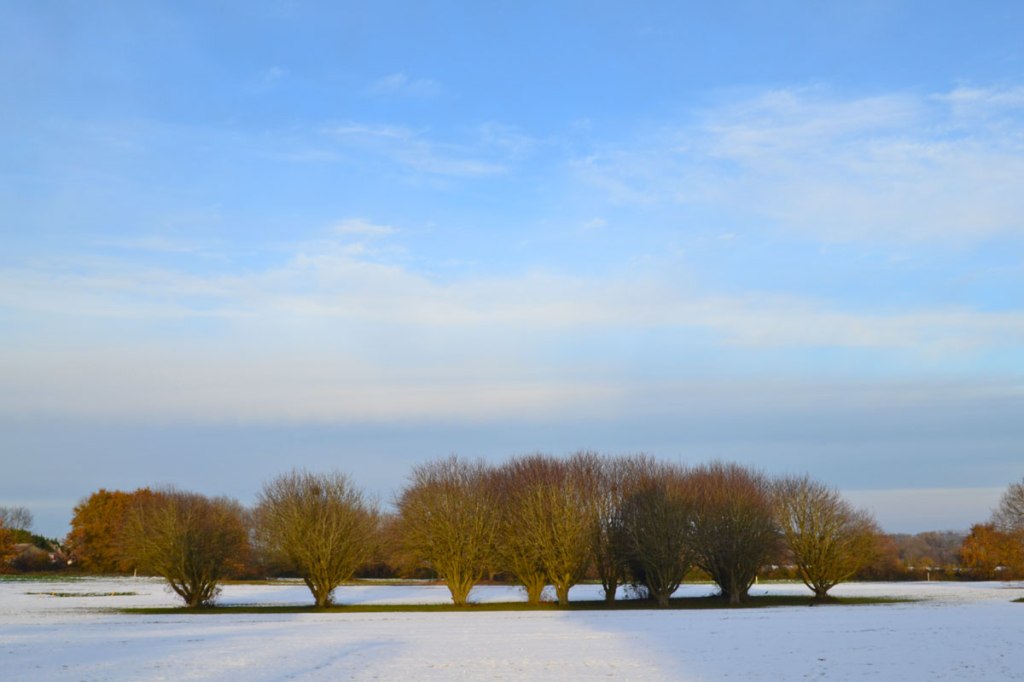
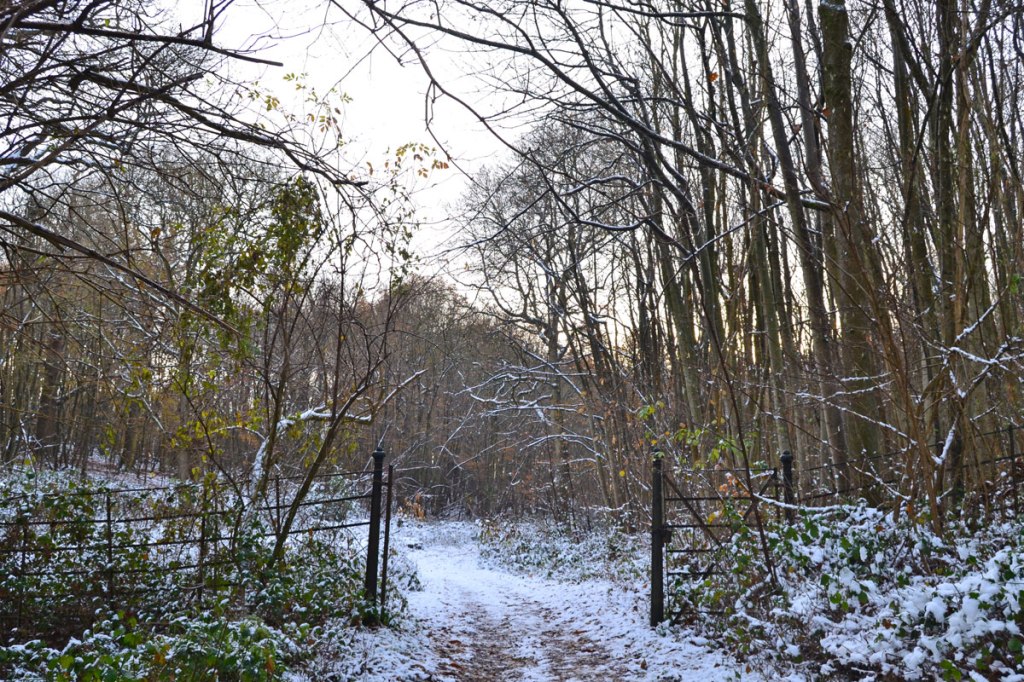
Great tits are blasting out their rhythmic calls optimistic that spring is around the corner and thrushes have been showing off at dusk with their varied, almost tropical-sounding tones. But this time last year all was silent: we were in the grip of a rare icy blast with heavy snow on the 7th and freezing conditions for the following week. If you’d stayed in south-east London you might have thought the snowfall was very light. But out in Kent, beyond the M25 and on the escarpments of the chalk North Downs and the Greensand ridge, the storm struck more powerfully. It seemed a good time to get out and get the feel of things, so here’s a photographic reminder of what real cold actually looks like. And believe me, the top of Fackenden Down on 12 February was bone-shakingly cold. Enjoy the photos! (Pictured are scenes from the Knole and Fackendon walks)