Autumnal tones on the Kent walks

Autumnal tones on the Kent walks

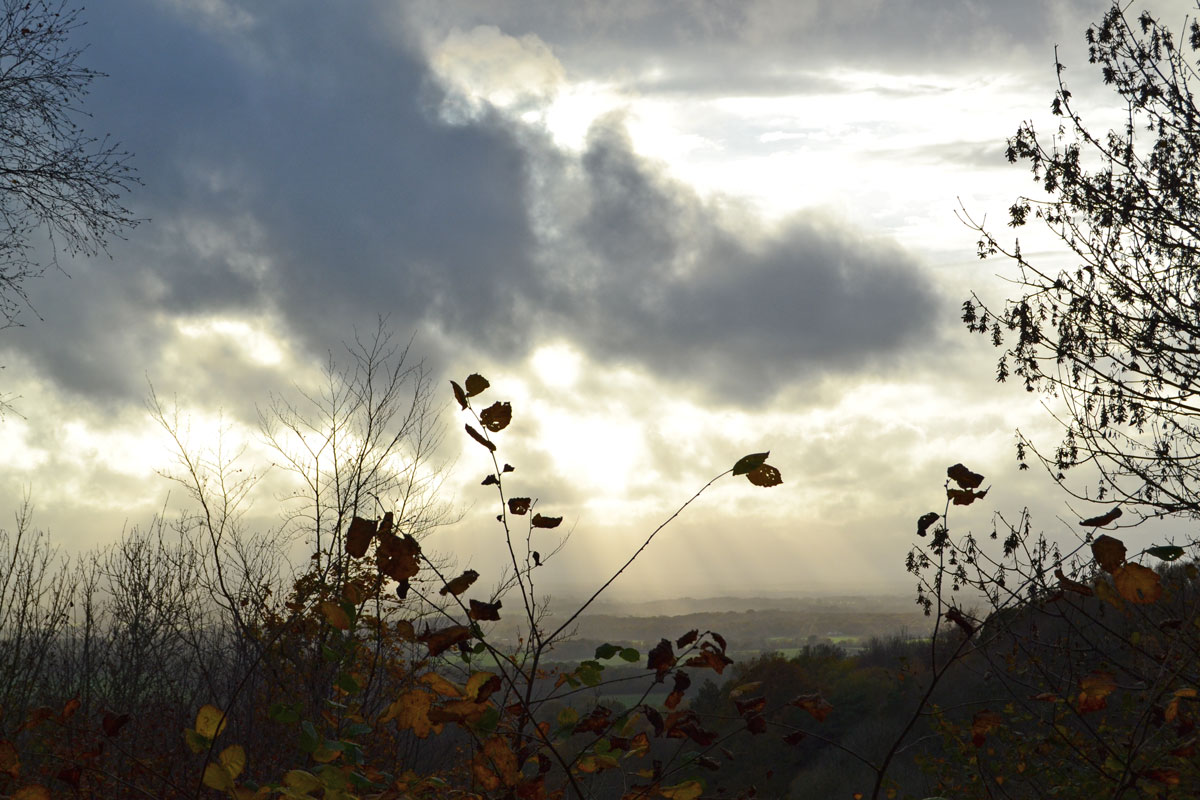
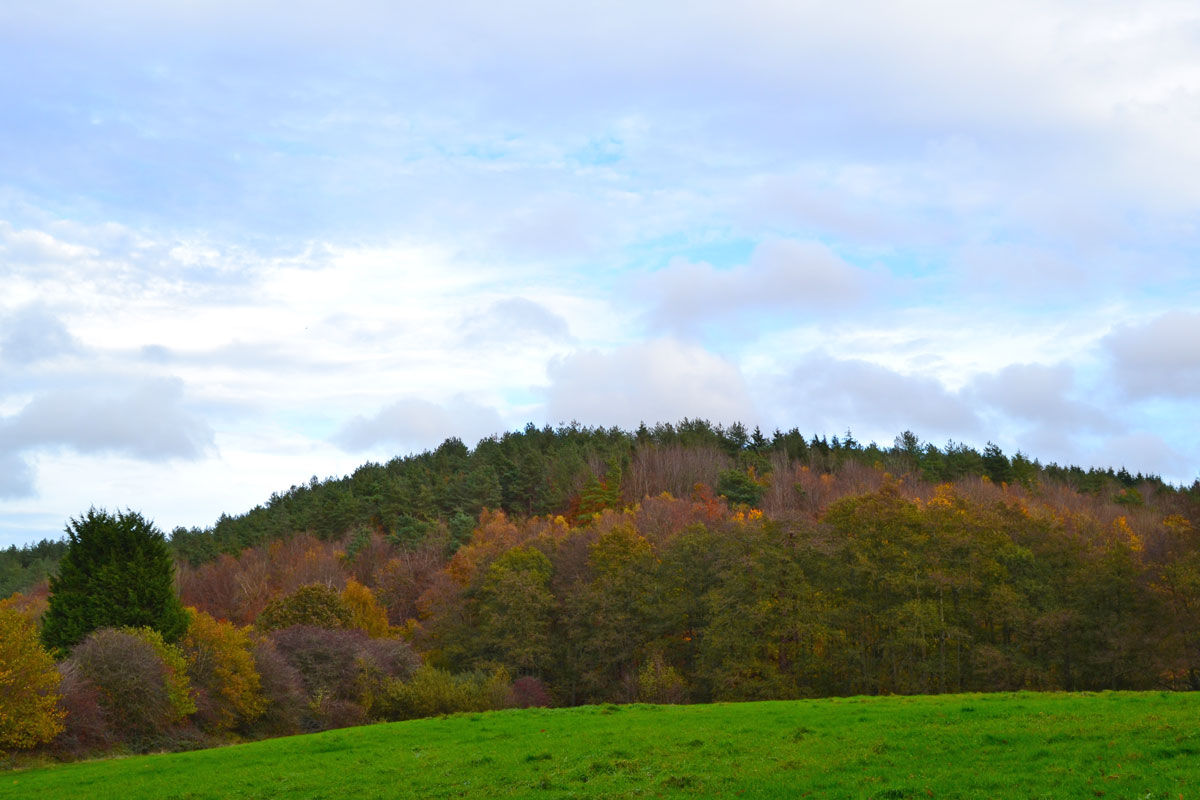
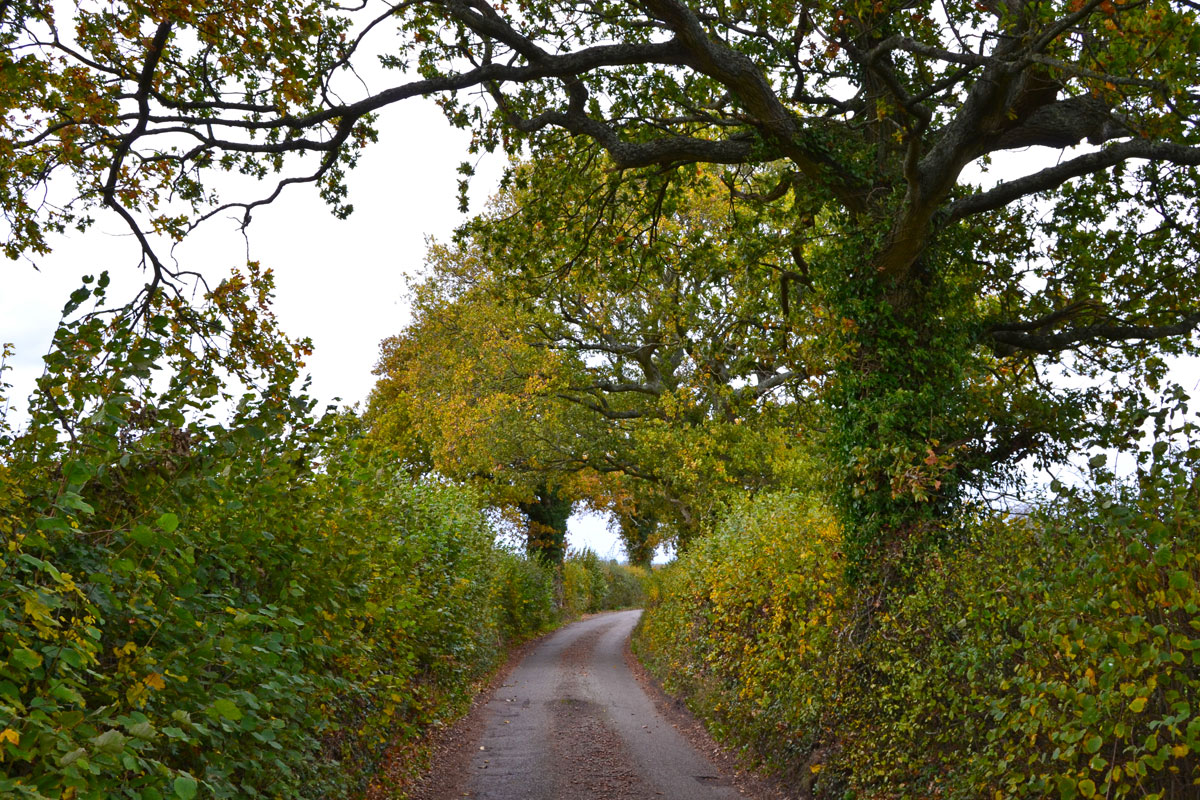
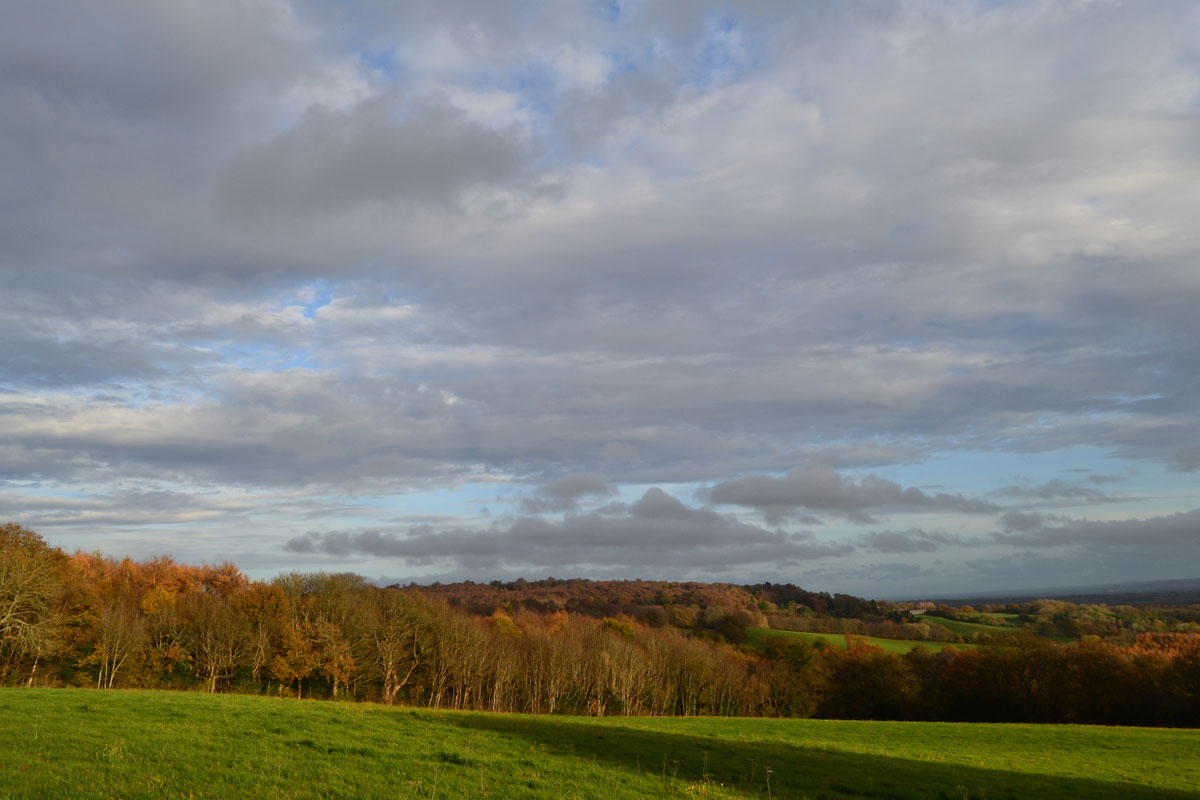
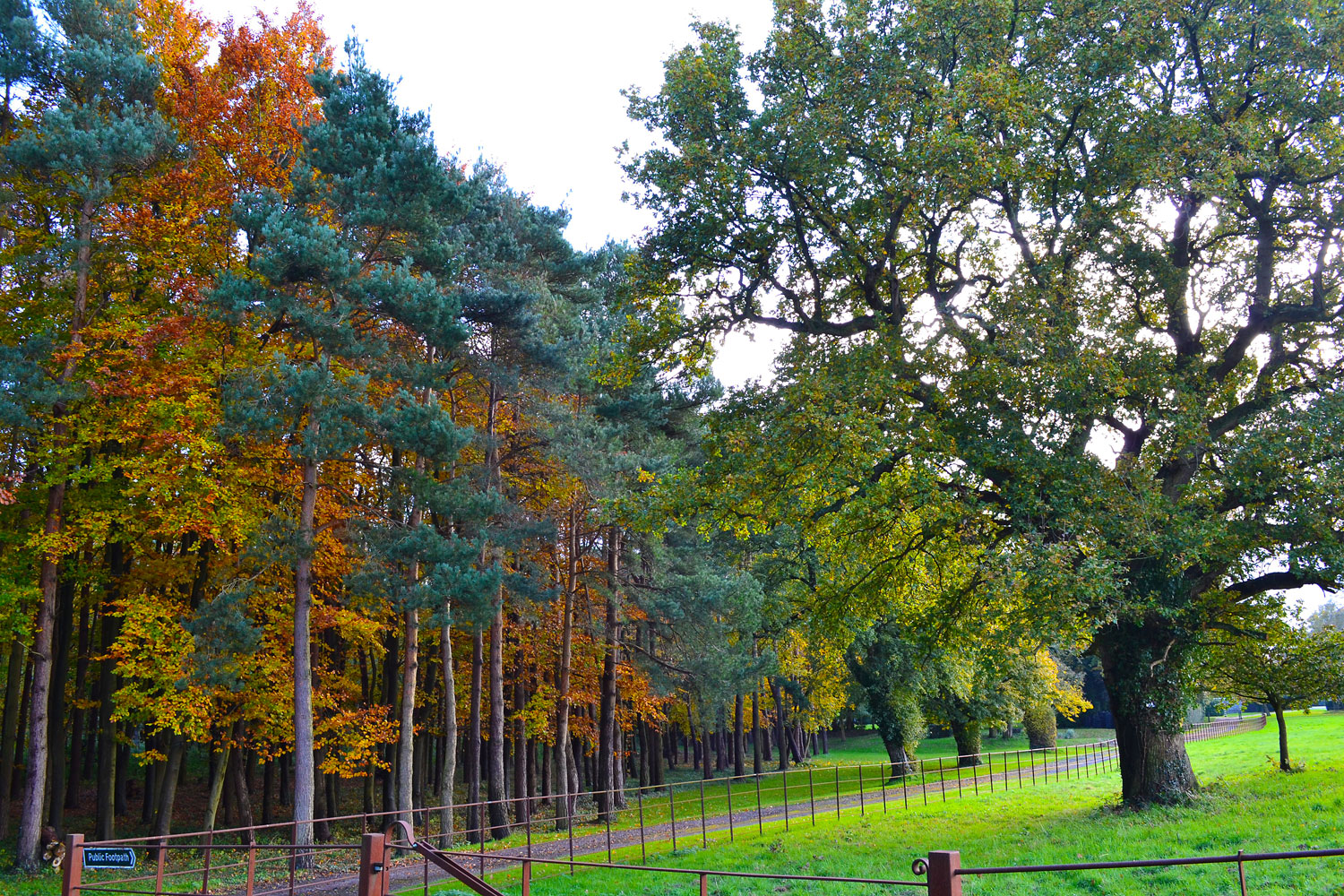
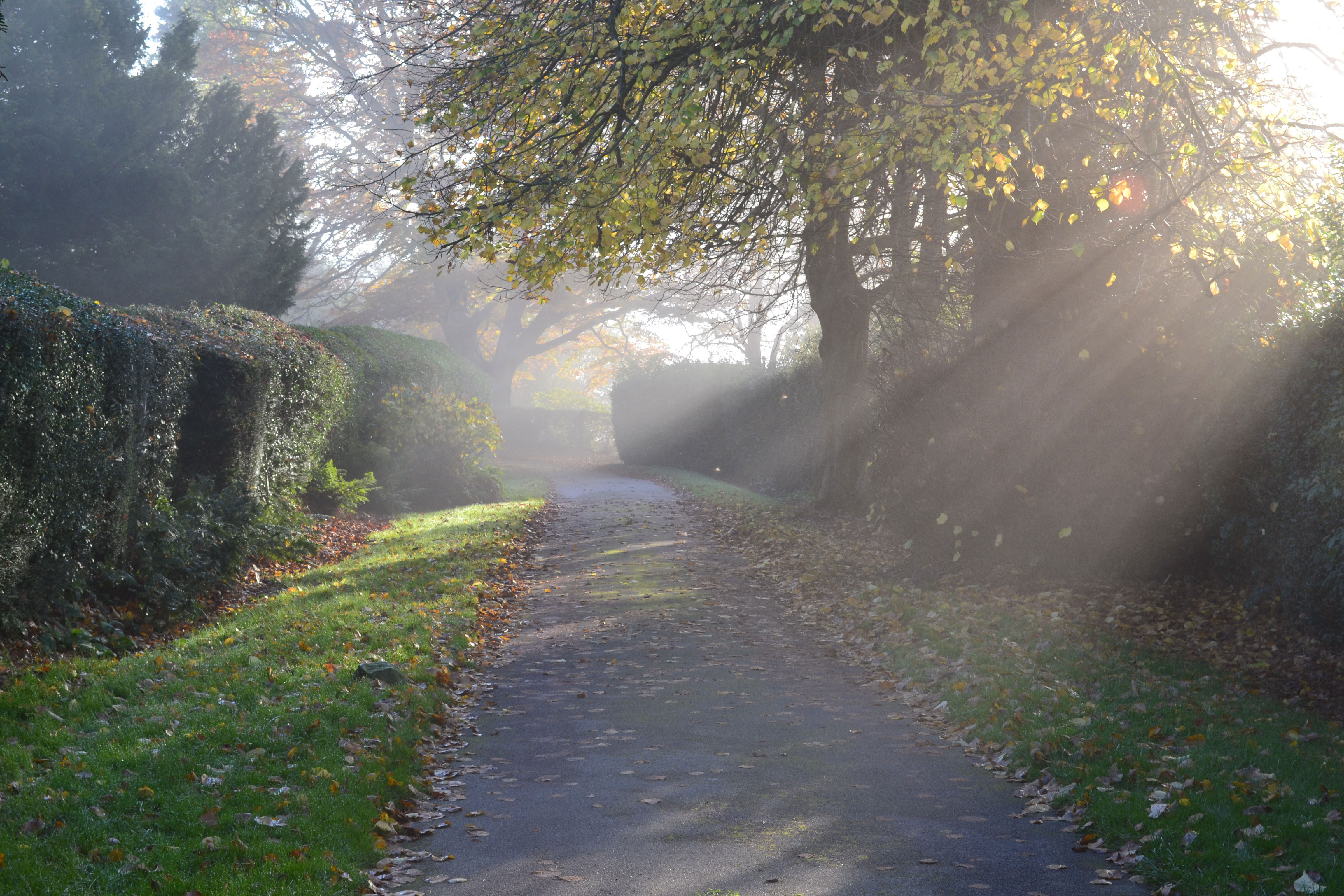
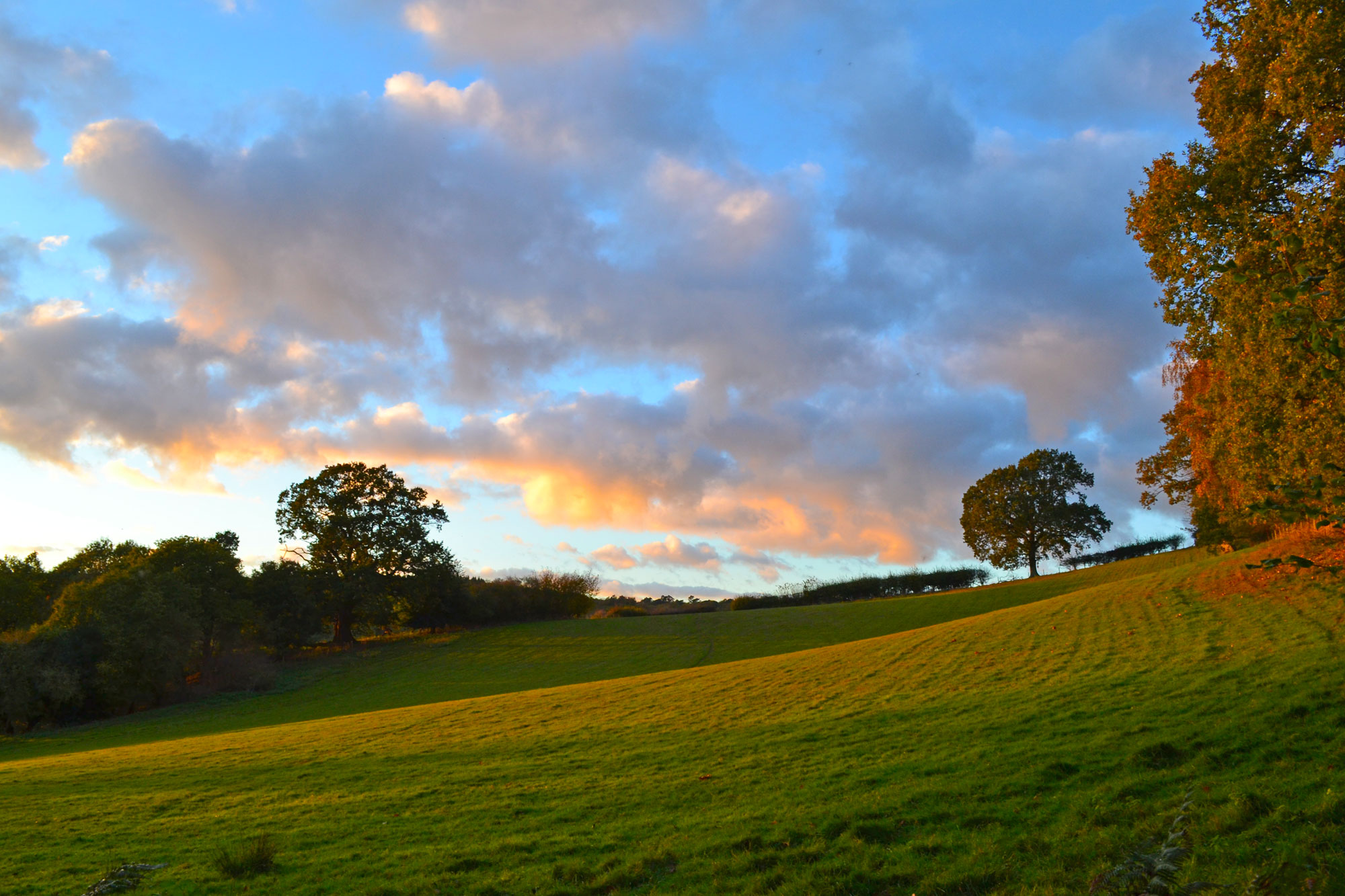
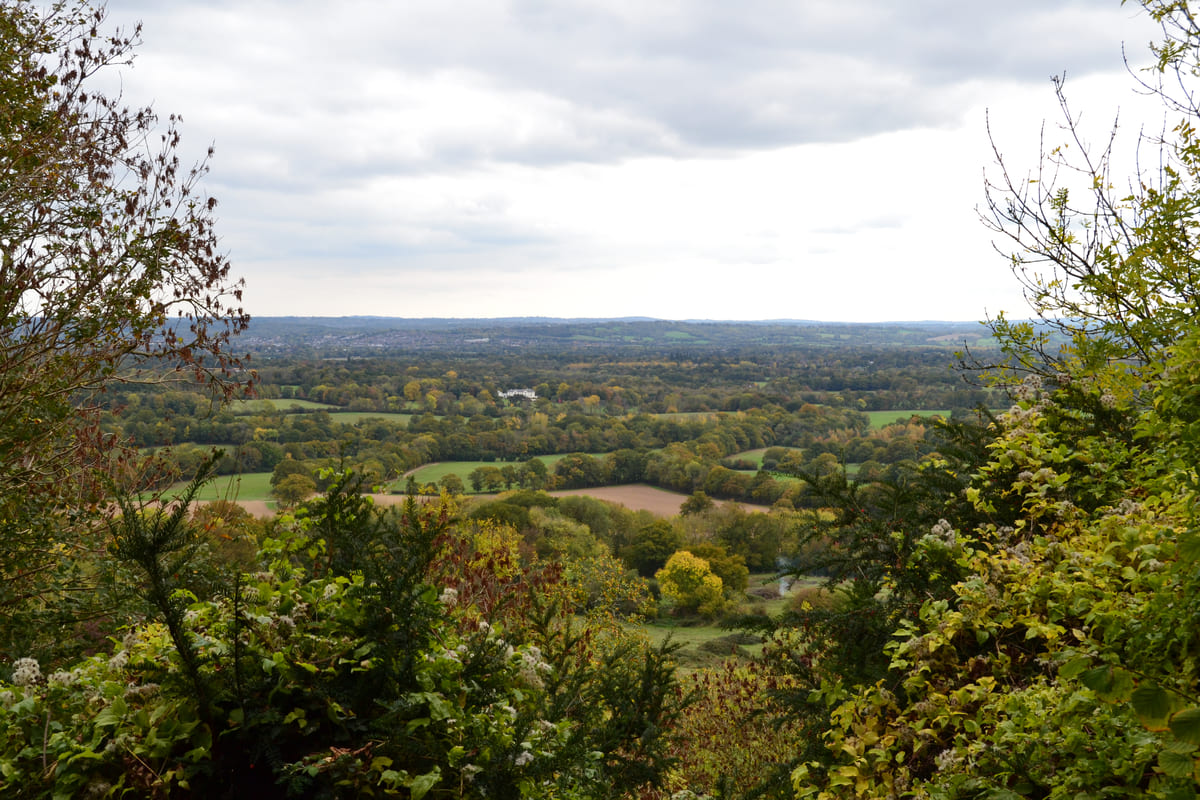
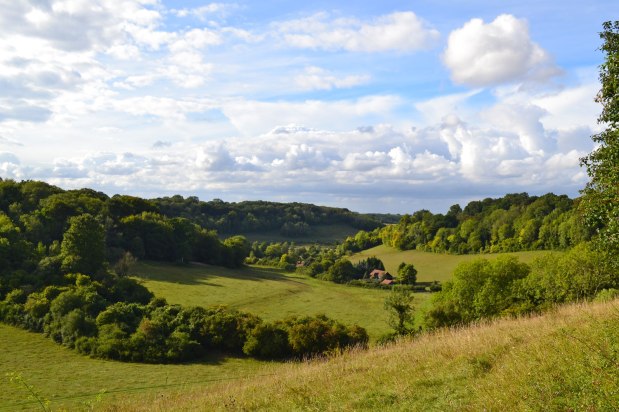
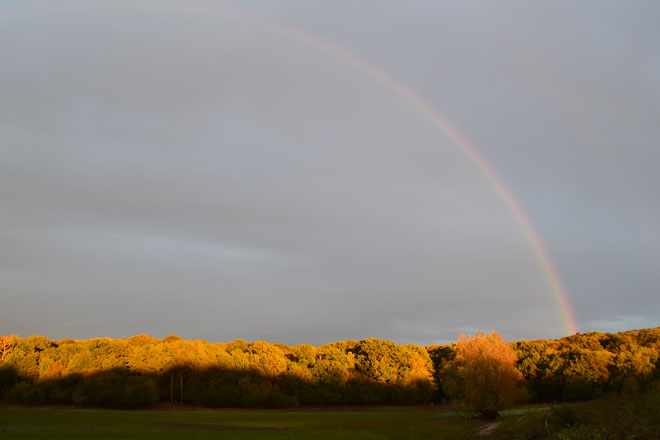
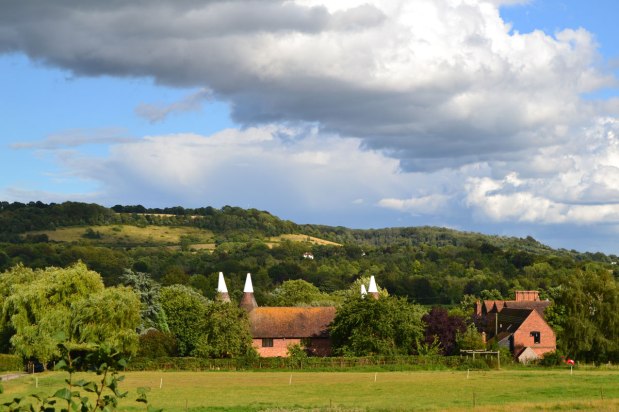
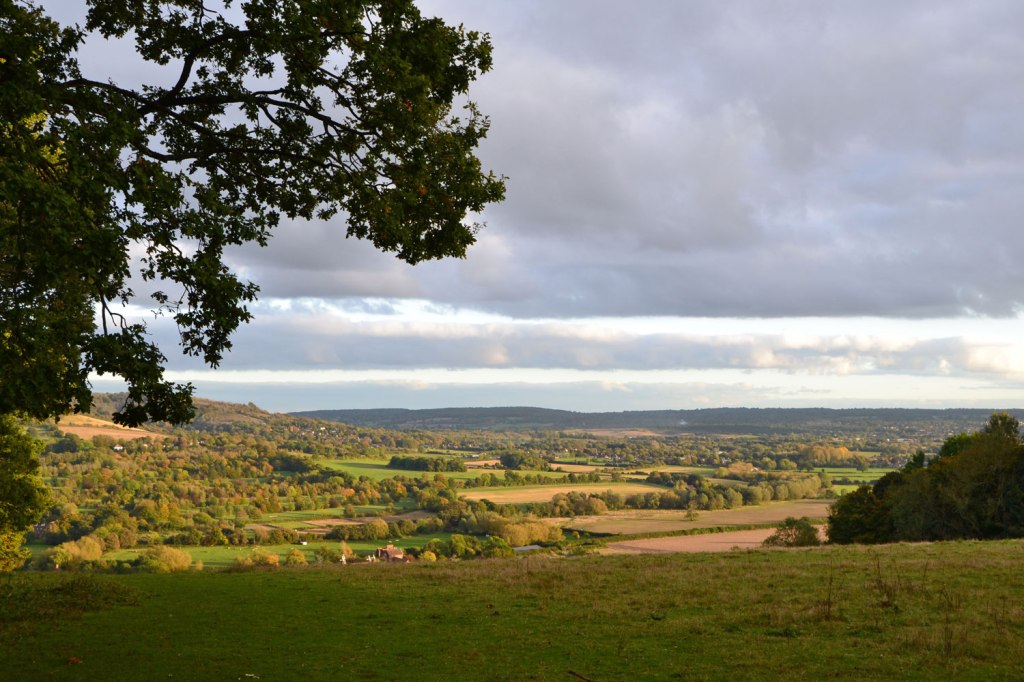
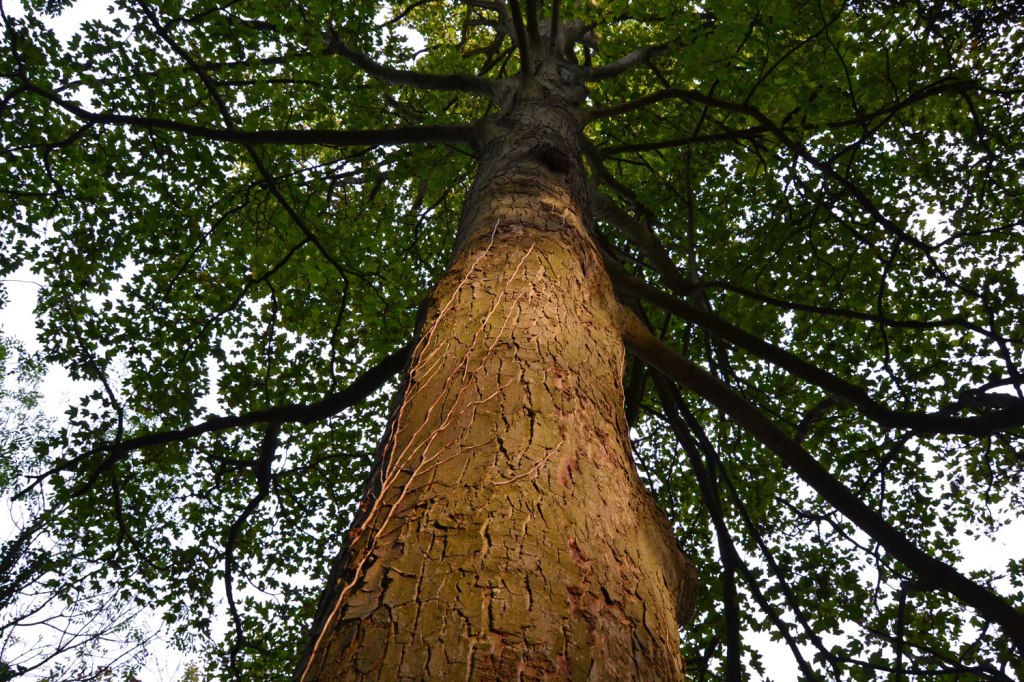
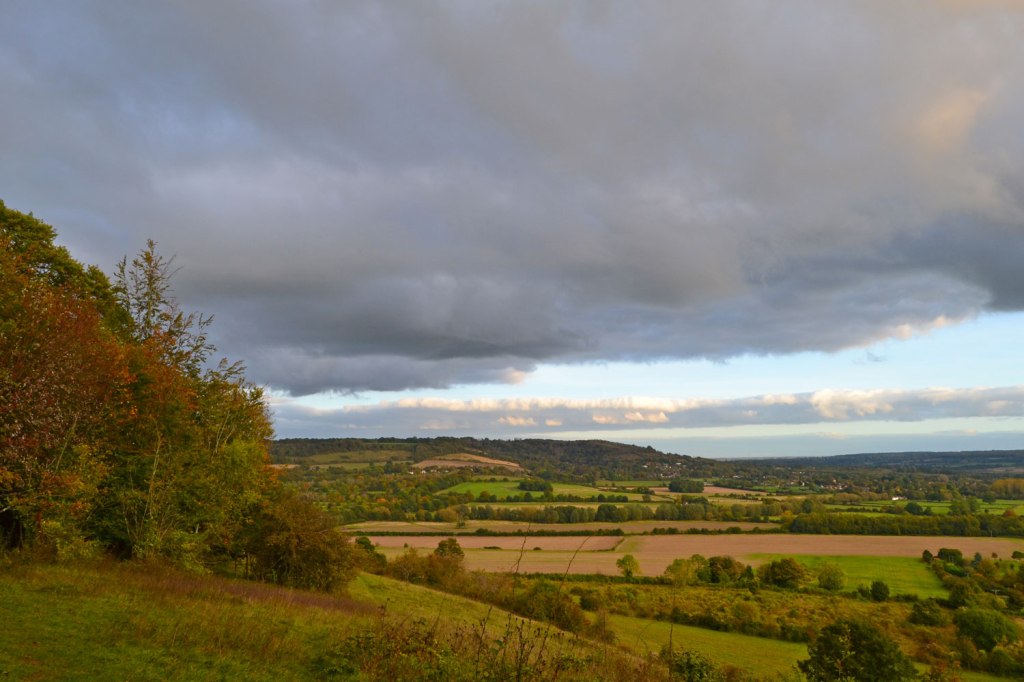
Autumn in these parts is spectacular. I know people talk in hushed tones about the colours of New England, Canada and Italy’s Apennines in the fall, but really the effect is pretty similar wherever there are trees! Once again, don’t overlook what’s on one’s doorstep in favour of an expensive and laborious trip. The November views of the Weald from Wilmot’s or Mariner’s Hill, or across the Darent Valley and the beech woods of Lullingstone are undeniably amazing. The ever-changing wide skies of Kent are a big factor in teasing out colours and optimising certain tones with the lower sun offering saturated reds, yellows and pinks. And greys, let’s not gloss over.

What’s surprising to me looking at the photos below is how green the countryside is in the Penshurst photo compared with those from elsewhere, yet it was taken on 1 November one week before this weekend’s Hosey walk, and a week after the trip to Shoreham represented here. Strange… could be sunshine and time of day I suppose.

I have lots of great autumn photos from over the past nine years of operating this website. But a selection from the past two weeks (mostly – the Downe and Ide Hill photos are from previous years) is enough to make the point – autumn is a terrific time for a hike on any of the routes at KWNL.

  • Mariners Hill view across the Weald
  • Sunbeams and silhouettes
  • trees and river
  • Wilmot's Hill
  • Start of Ide Hill walk in fog, autumn
  • Classic autumnal Kent view from Emmett's Garden
  • Ide Hill field, dusk, autumn
A very summery type of autumn

A very summery type of autumn

High pressure is dominating the weather and the near-drought continues. There is no mud on any of the walks, which once would have been unheard of for mid-October. For the past week it’s felt as if summer’s lease has no intention of expiring anytime soon. Amid mild temperatures and cerulean skies we enjoy the spectacles of the season as the greens of September become more mottled and varied as they meld into the yellows, oranges and reds of November. Rosehips, elderberry and sloes decorate the hedgerows and fungi mystically appear in woodland and grassy fringes. I’m not one for foraging; I much prefer to look and leave well alone (apart from blackberries).

Birdlife still seems somnambulant: I’ve been hoping for migrations but in this still weather nothing much seems to stir. A week ago, in the wake of Storm Amy, hundreds of house martins passed overhead heading east with the wind, as a full moon rose in a purple sky. But this was in Lower Sydenham not on the Kent walks. My only notable sightings have been a kingfisher on River Eden on the Chiddingstone walk; red kites over Lullingstone and Downe; grey plover and lapwings on the ever-expanding shoreline at Bough Beech reservoir (I’ve never seen the water so low); and buzzards at Polhill.

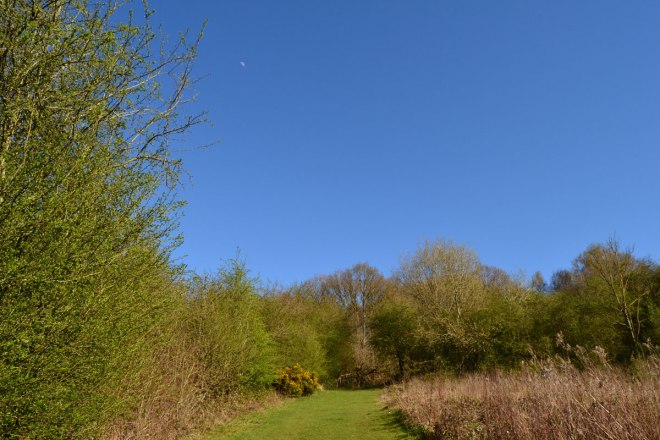
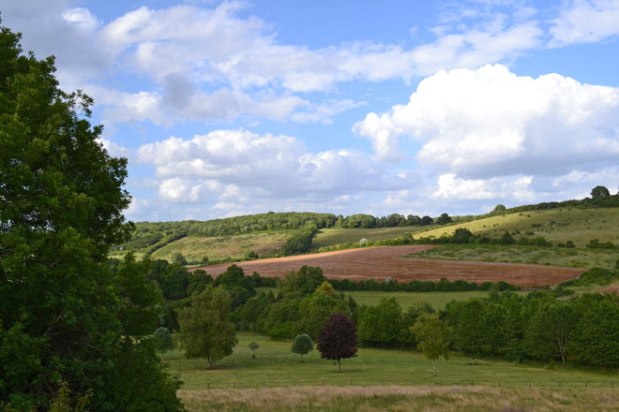
My walk at Fackenden Down today (pictured) was serene, colourful and wonderfully warm. But this isn’t autumn, surely. Lovely though it was, I would quite like to feel a fresher breeze, walk with the threat of a squall, squish through a puddle and ponder whether to wear wellies or trainers. That time will come I guess, I’ll enjoy summer’s lease while it lasts.

Secret valleys on these NW Kent walks

Secret valleys on these NW Kent walks

Kent Walks Near London can offer several lovely, lonely little valleys with their own microclimates, special flora, shelter and that precious sense of seclusion. Here are four of the best on the walks here.

1 The Darent… but not as you know it

Tower Hill, Westerham viewed from the ‘secret‘ valley of the infant Darent stream

On the Hosey and Westerham walks I love the little south-north valley that winds its way from the sandstone ridge at Mariner’s Hill down to Westerham. It’s actually the valley of the River Darent just after it rises from a spring just behind the Greensand Ridge. I was delighted to realise this was where the Darent started, the stream is more associated with the chalk of the proper Darent Valley of Samuel Palmer fame – Shoreham, Otford and so on – not this obscure place near Chartwell.

Harebells
Harebells in the shadow of Tower Hill, Hosey walk

The river is bounded by beech and conifer (with Tower Hill a dark bump just to the east) and initially runs through a delightful meadow of wild grasses, unseen from the path. It suddenly broadens into large shallow pools as it heads to Westerham before turning east and making its way to its ‘proper’ valley. Autumn colours here are wonderful.

2 Magpie Bottom – great name, great valley

Magpie Bottom viewed from Austin Spring on the Fackenden walk

This stunning little rift in the landscape features on the Fackenden Down, Otford/Romney Street/Shoreham and the Eastern Valleys walk in different guises. It is so secluded that only walkers know of it. And the few residents of the curious hamlet I think called Upper Austin Lodge on the OS map.

Magpie Bottom is a classic steep-sided chalk dry valley (similar to but more dramatic than the ones on the Downe, Polhill and Cudham walks) running north to south from behind the escarpment. These are caused by glacial meltwater long departed. The valley’s head at Great Wood and Eastdown just behind the chalk escarpment of the North Downs to Rose Cottage farm is a series of wonderful spots unreachable by car, but really it’s gorgeous all the way down past Romney Street, Round Hill, Upper Austin Lodge and Eynsford where it meets the Darent Valley. Possibly my favourite place on all the walks, and all the better for no longer having a golf course in it!

3 A verdant vale on the way to Ightham Mote

Hidden valley behind Wilmots Hill, Ightam Mote
Broadhoath woods in the hidden valley behind Wilmots Hill, near Ightham Mote

My final Kent canyon (it’s not a canyon) features on the longer version of the Oldbury/Ightham Moat route and is mentioned as a route alternative on the One Tree Hill figure of eight walk (see the blue line on the Google map at the KWNL page). So on the One Tree Hill routes it’s a diversion, a short cut that you’ll have to check your maps to include. But on the longer Oldbury walk it’s part of the deal. What shall we call it? It’s round the back of Ightham Mote and passes through a wood called Broadhoath behind Wilmot Hill (which has some of the greatest views in Kent). It has a lively little stream that rises just behind the Greensand Ridge, a terrific pond with viewing platform and interesting flora as it descends west to east to Ightham Mote itself, passing a shed built to house early 20th century hop pickers (you’d think hop pickers were in fact horses judging by the design of the housing – the landowners obviously weren’t too bothered by other people’s comfort levels). Like the other little valleys it’s good for birds: marsh tit and bullfinch have been seen here. It’s another totally secret dip, accessible only to walkers, that’s like an entry to another realm; a world away, but its paths are only 55 minutes from Sydenham.

Greening time and an early grass snake

Greening time and an early grass snake

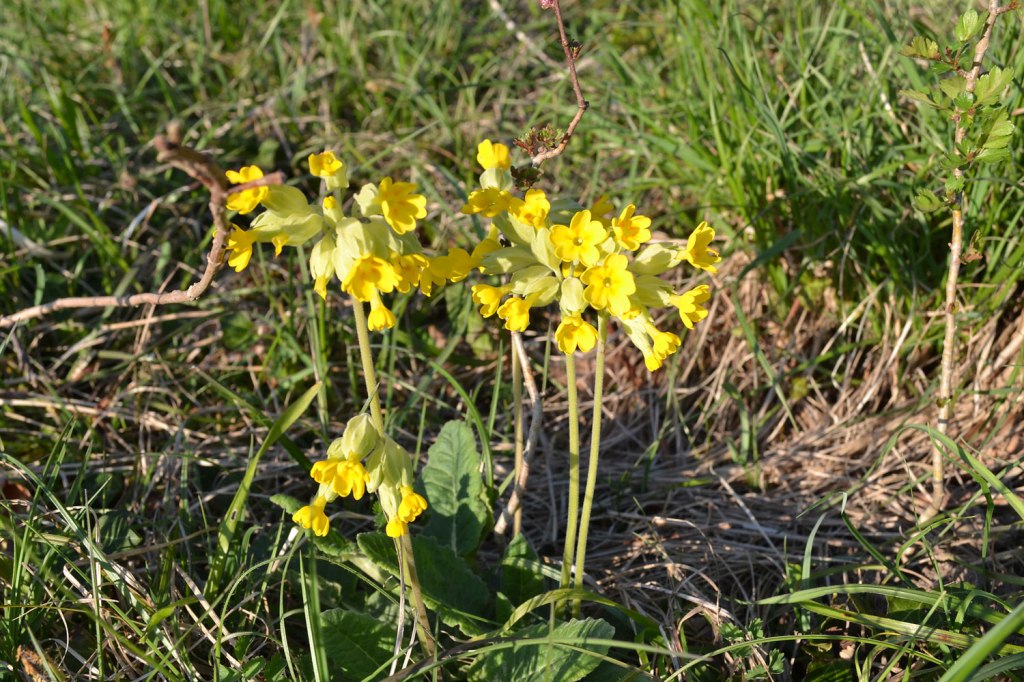
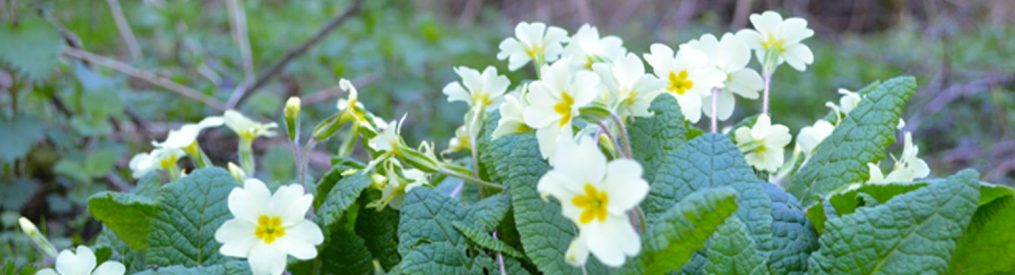
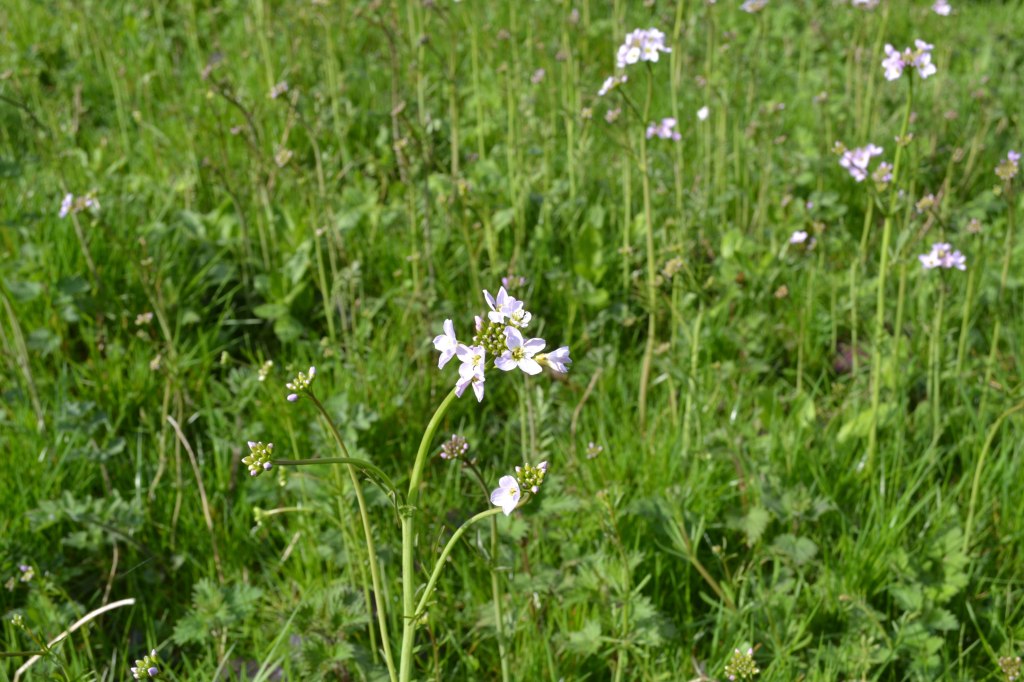
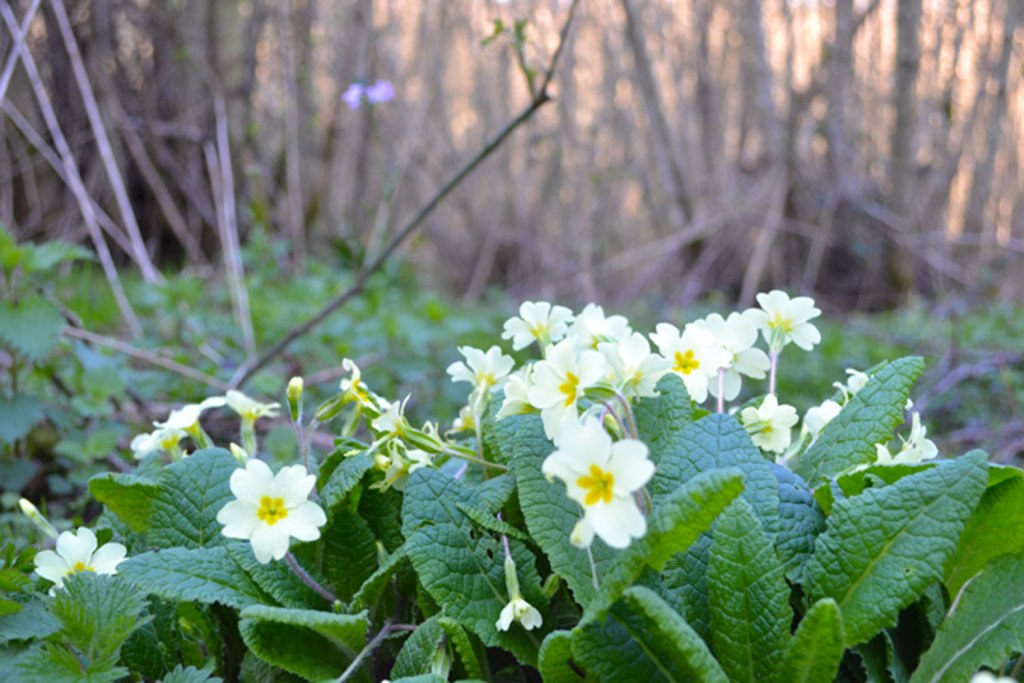
To the accompanying sounds of chiffchaffs, blackcaps, wrens, tits, dunnocks and robins, I trekked the Polhill/Pluto route from Andrews Wood car park on Shackland Road. Suddenly there’s a sheen of green in the tree canopies; in fact there are canopies – not just stark branches – the colour scheme has seamlessly moved on from the gentle grey/browns of winter. Below the greening trees wood anemones and early bluebells are mixing with celandine, early cowslips, primroses and the odd cuckoo flower to add pixels of vibrant hues. I was delighted to spot a long, thin and beautifully patterned grass snake after hearing leaves rustling under a bush, but I couldn’t bring the camera to bear in time: damn autofocus! Slow worms were plentiful though, but you have to know where to look and avoid disturbing them. Buzzards took delight in the clear sky and subtle breezes. A fantastic walk.

  • View across the mouth of the Darent Valley from Polhill in early April
Summer ended at Camber; look forward to October

Summer ended at Camber; look forward to October

October, along with June, July and January (all the J’s) is a ‘classic’ walking month. We all know about the turning leaves so I won’t bother describing the colour changes that occur! What I like best are the migrating, busy birds, the every changing cloudscapes, the sudden showers, the unpredictable temperature changes (‘wow it’s warm’, ‘wow it’s like Iceland!’) and, best of all, the light. It’s a real shame when the clocks go back at the end of the month because it denies us hikers of another hour of daylight. Why we continue with this bizarre clock policy defeats me; I guess it’s as British as the mythical replacement rail bus or surprise roadworks. It is what it is … sigh. Rant over.

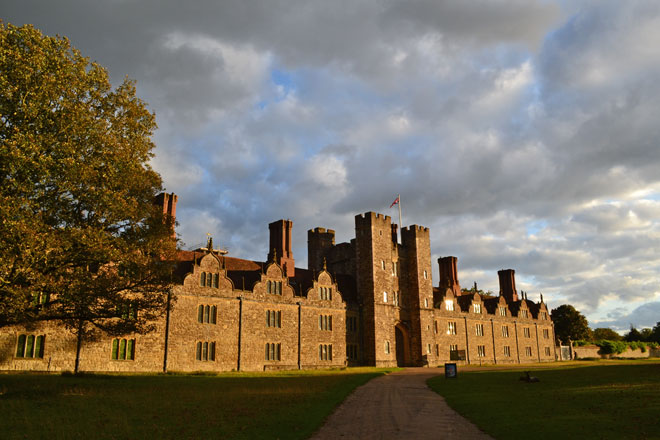
  • Knole
  • view over Weald

Now, Camber Sands – that’s where we went last week to fully mark the end of summer. A fish flatbread with chilli jam, salad and sour cream at Dungeness’s brilliant Snack Shack* set us up for a late afternoon swim in the luckily non-sewagey waters at Camber. We followed this with a drink at the delightful Ypres Castle Arms in Rye, a tucked-away pub with a great beer garden and view of the salt marsh and Channel. As dusk began a little thunderstorm was flickering away somewhere near France but gradually crept closer. On the way home the ‘little’ storm suddenly became very large and caught up with us: spectacular fork lightning and bursts of torrential rain and hail propelled us past Northiam, Bodiam, Hawkhurst and even Tunbridge Wells – where of course the A21 was shut, necessitating an abysmally long diversion. But then the closure of major roads mid-evening, like mythical rail replacement buses and the clocks going back is something us Brits seem to just have to tolerate.
* I recommend the Snack Shack but go before 2pm if poss, it gets very busy and perhaps has become a bit too popular. An alternative is the superb Britannia Pub just up the road.

Pluto promenade

Pluto promenade

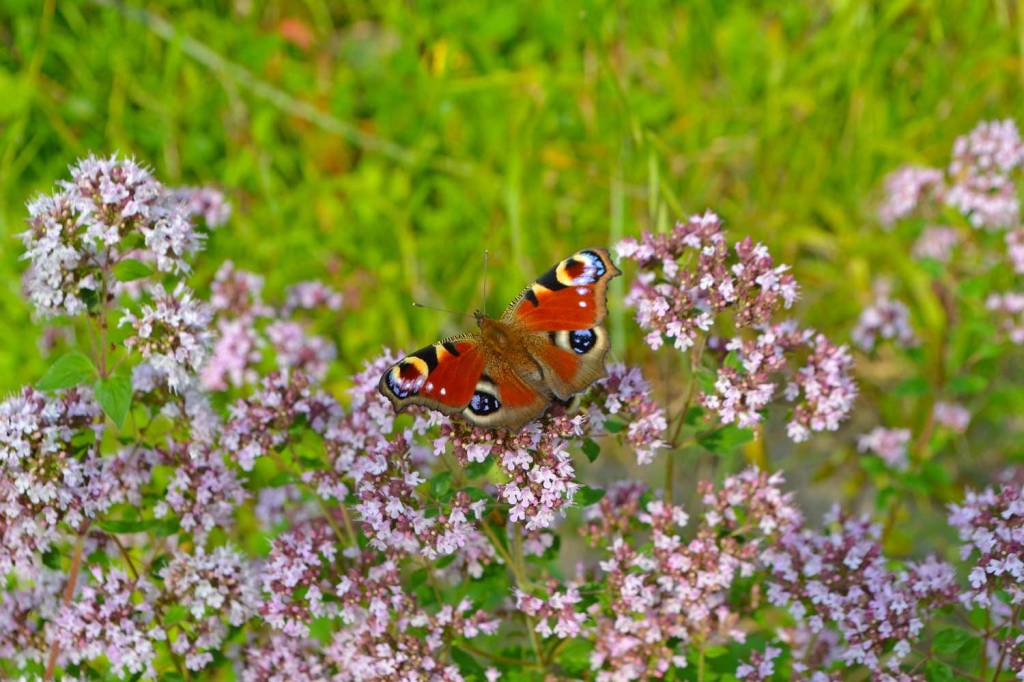
The Polhill/Pluto walk was a delight this week; a chance encounter with a brown argus butterfly (pictured below by sort-of-accident while focusing on scabious flowers) on the Polhill Kent Wildlife Trust patch a highlight. The Andrew’s Wood segment of Shoreham Woods was full of great willowherb, marjoram and wild parsnip – a colourful brew. On the Darent Valley floor itself the sunflowers at Filston Farm were a treat and there were still some wild verbascum flowers in bloom at Sepham Farm. Very few birds were seen which is quite normal for this time of year although a hobby, a buzzard and a suspected corn bunting at Filston Farm were notable spots, while swallows were beginning to gather for their big goodbye. Yellowhammer were heard but not seen at the foot of Polhill.

Woody wildflowers on display before the big blue

Woody wildflowers on display before the big blue

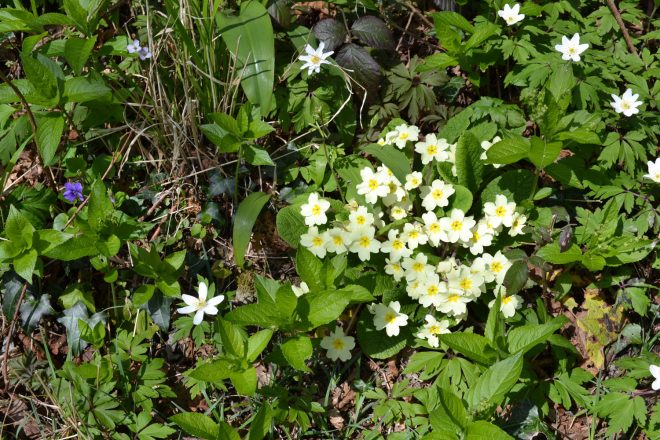
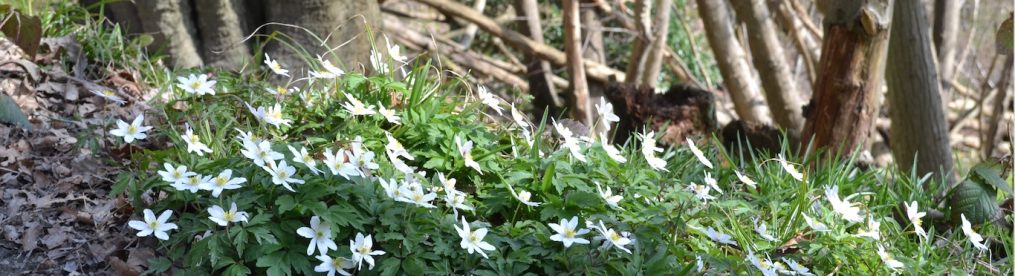
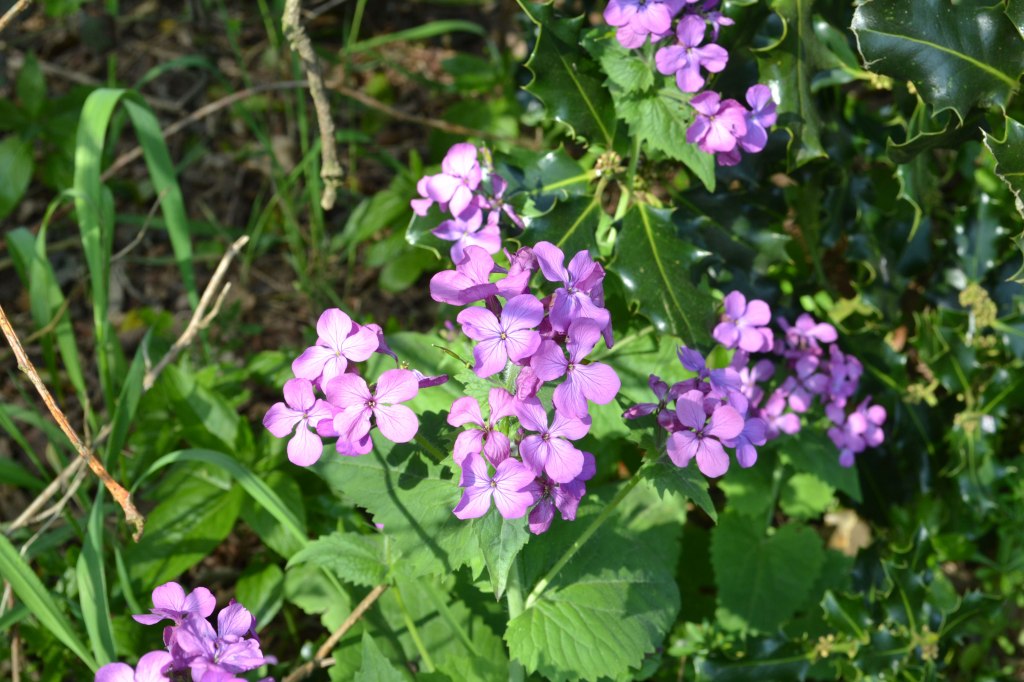
With a dry and potentially quite sunny week before us at long last it’s a great time for checking out emerging wildflowers on the walks. I must underline that I’m no expert and rely on apps to confirm by sightings in many cases. But below are a few species you’ll see in most of the woods encountered in woods and fringes on the KWNL routes in April.

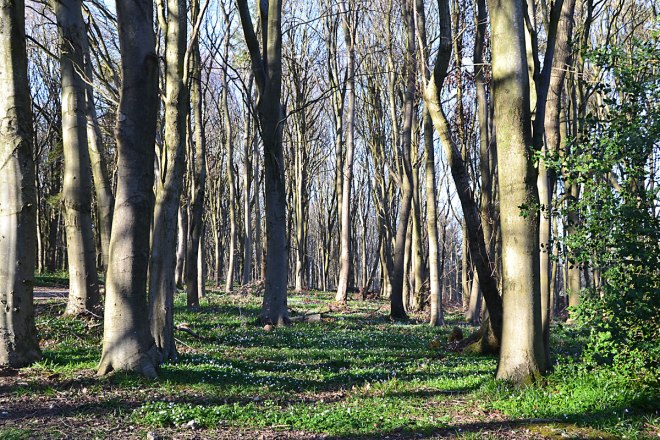
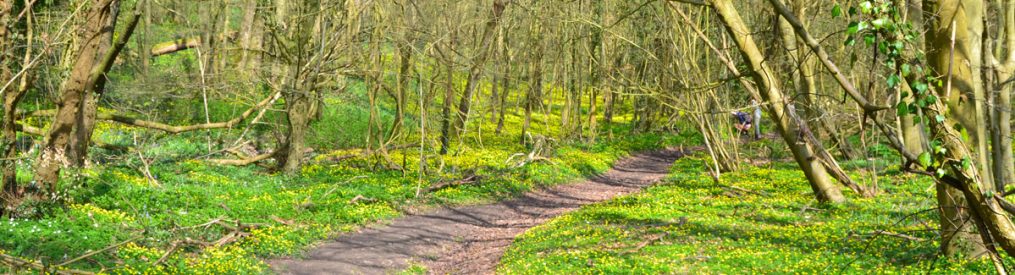
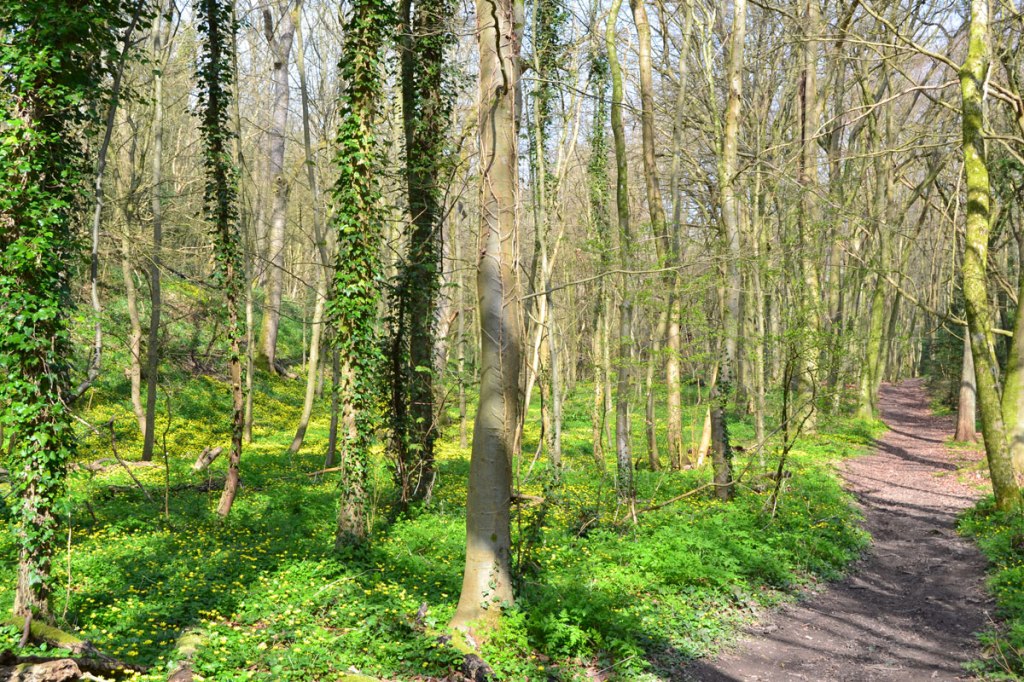
Within a couple of weeks bluebells will be taking over in the woods – the first are already in bloom – but until then there’s plenty to enjoy: cuckoo flower, celandine, wood anemone, primrose and cowslip in particular. There are early orchids too; at Polhill, Strawberry Bank (on the Cudham walk), High Elms country park in the glades within the woods and Downe Bank (a detour on the Downe walk). I particularly enjoy the first sightings of butterflies: I’ve seen brimstone (usually the first to emerge), small tortoiseshell and peacocks so far this year. At Fackenden last week, all three species were fluttering in Magpie’s Bottom. In the woods behind adjacent to Magpie Bottom (the OS map calls it Great Wood), the celandine carpeting the ground under the beech trees was spectacular. Things change fast at this time of year though and pretty soon, all will be blue.

Soft sunshine bathes the Darent Valley

Soft sunshine bathes the Darent Valley

Again we returned to Meenfield Woods and Shoreham to do the Polhill loop at the weekend. There was some lovely light in late afternoon on Saturday. Surprisingly there were few birds around given the migrations taking place. Clearly the route does not intersect particularly with the flightpaths of redwings, fieldfares and various other birds heading into the UK from the continent, although a red kite glided above us as we turned the corner to enter the ‘jungle zone’ beneath Polhill itself in the lower part of Pilots Wood. I’d like those redwings to know there are more than a few hawthorn bushes on Polhill with nice juicy scarlet berries right now. What are they waiting for? Maybe the frost, which makes certain berries more appealing to les oiseaux. Dark cloud combined with a lilac sky and soft sunlight to show off the autumnal Darent Valley at its best. My photography doesn’t quite capture it, but I tried.

Microclimates and wild meadows

Microclimates and wild meadows

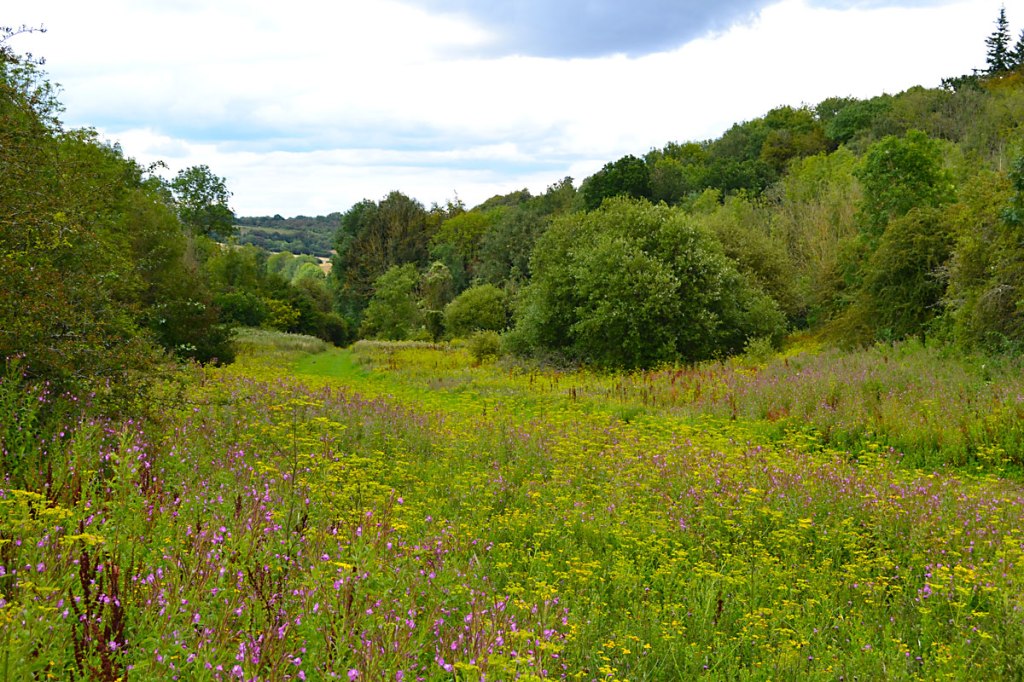
The Darent Valley and its surrounding valleys near Otford, Romney Street and Austin Lodge to the east and Andrew’s Wood to the west seem to me to trap heat and moisture. Even on dull summer days the area feels more humid and sticky than the London suburbs for example. I love it. The area feels ‘different’ and somewhat mystical. It’s certainly very verdant and with rewilding projects, such as at Magpie Bottom, several SSSIs and Kent Wildlife Trust reserves, it’s worth having to change your shirt for. Just take a flask of water. Even on a mostly dull day like last Sunday, you might get a fleeting pool of sunshine to enjoy and the sight of cloud shadows racing across the rippling wildflower rich meadows towards you. (Dogowners are advised to keep their animals on the the lead though…. there’s apparently a threat of adder strikes on dogs in the area and occasionally livestock. Cases of dog theft have occurred too.)

Joining up the Shoreham walks for an epic
Joining up the Shoreham walks for an epic
Windy, cold, grey, damp. Yep, this May is a shocker. We needed the rain yada yada (or yabba yabba, take your pick). I won’t go on leisure cycles in this kind of weather, but walking is still a possibility if the wind drops. I know, it’s hard to believe I’m talking like this – it’s May in south east England! My walking activities do mean I have some accurate memories of weather and there were a couple of days not dissimilar to this last May. But only a couple. Anyway, for once I had time last weekend to devise an epic by joining up group of routes. Some old friends were joining me from west London; so we wanted to stretch our legs and truly earn that pint at the end. So we took on the Shoreham eastern valleys walk joined it up with a section of the Fackenden Down route then slipped into Shoreham circular mk2 before segueing smoothly into half of Shoreham mk1, taking in the Meenfield wood bluebells.
Meenfield wood bluebells

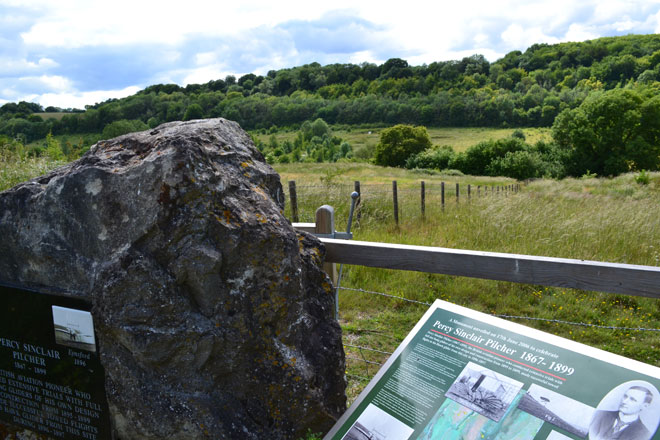
On the map it looked to be 8.5 to 9 miles but we reckoned it was about 11.5 miles with our inability to walk straight and a diversion to see the Percy Pilcher memorial. Back in the village the choice was between the Crown, the King’s Head or the Mount Vineyard for the aprés. We settled on the vineyard for its proximity to the station, though both the pubs were passed with regret. In the manner of a walk in the Highlands or west Wales we encountered a number of different weather conditions – beginning with a colourful combination of shades of grey at different levels punctuated by shards of blue sky and varying degrees of sun.

Percy Pilcher memorial

What with the multitude of greens and yellow tones in the woods and fields the effect was dazzling at times. But as we left Magpie Bottom a period of nimbo stratus with heavy rain fell upon us and we emerged at the top of Fackenden Down with that great view shrouded in mist and ragged low cloud. But by the time we’d left the hillside after sheltering we were in bright sunshine and what felt like a 10C rise in temperature. Finally, at the vineyard, we caught the edge of a thunderstorm somewhere around London bringing further rain. In the sunny bits buzzards soared, yellowhammers posed on the tops of hedgerows – with blackcaps, robins and whitethroats chirping away within – and Spitfires from Biggin Hill growled overhead. All part of the Kent wonderland.