Bluebells in north-west Kent: where’s best?

Bluebells in north-west Kent: where’s best?

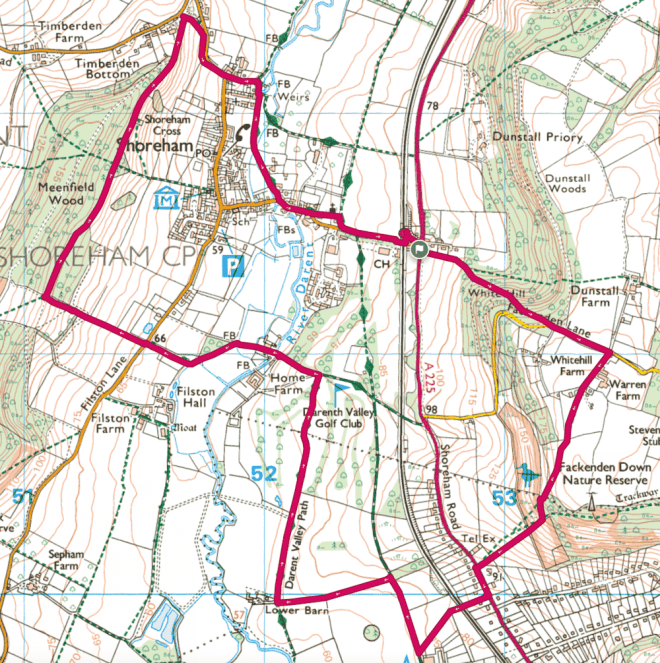
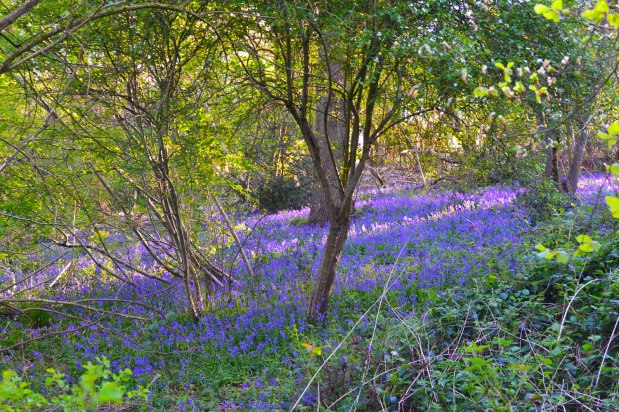
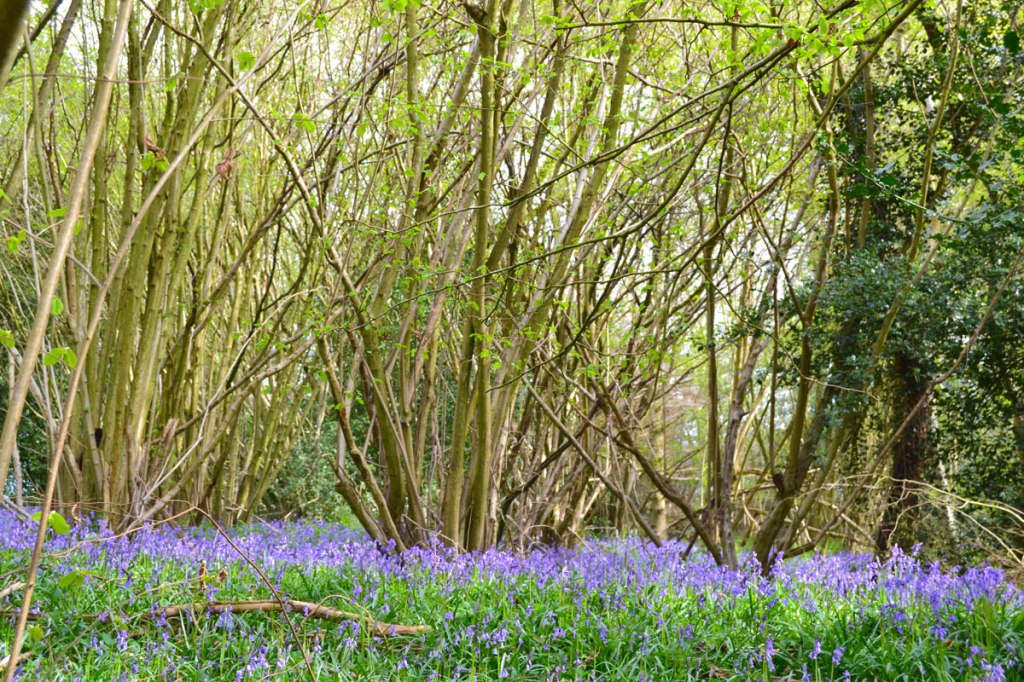
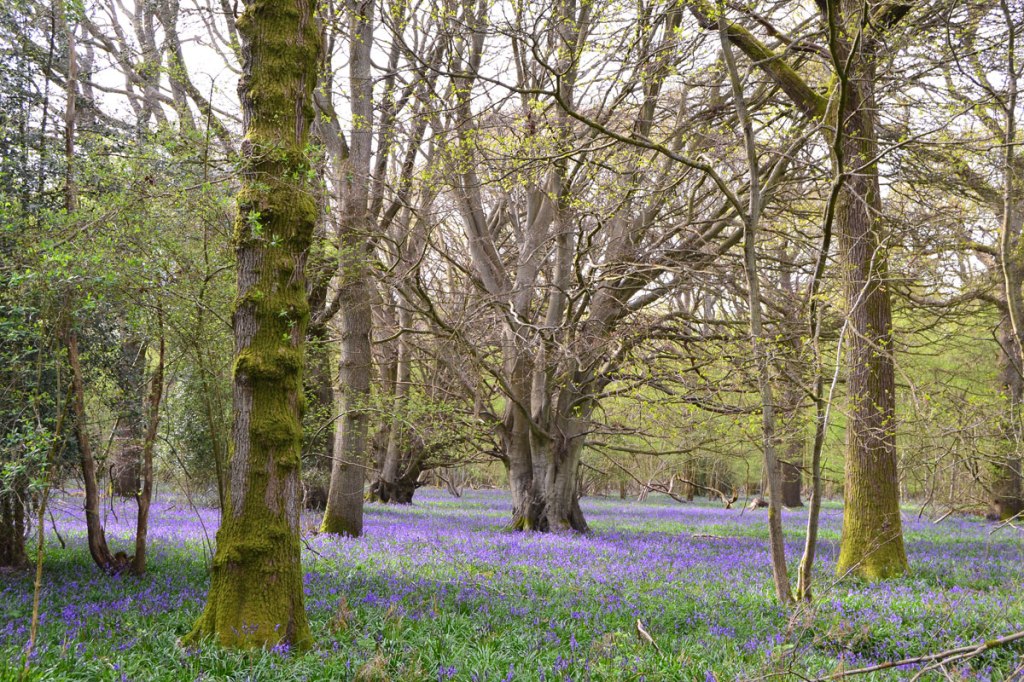
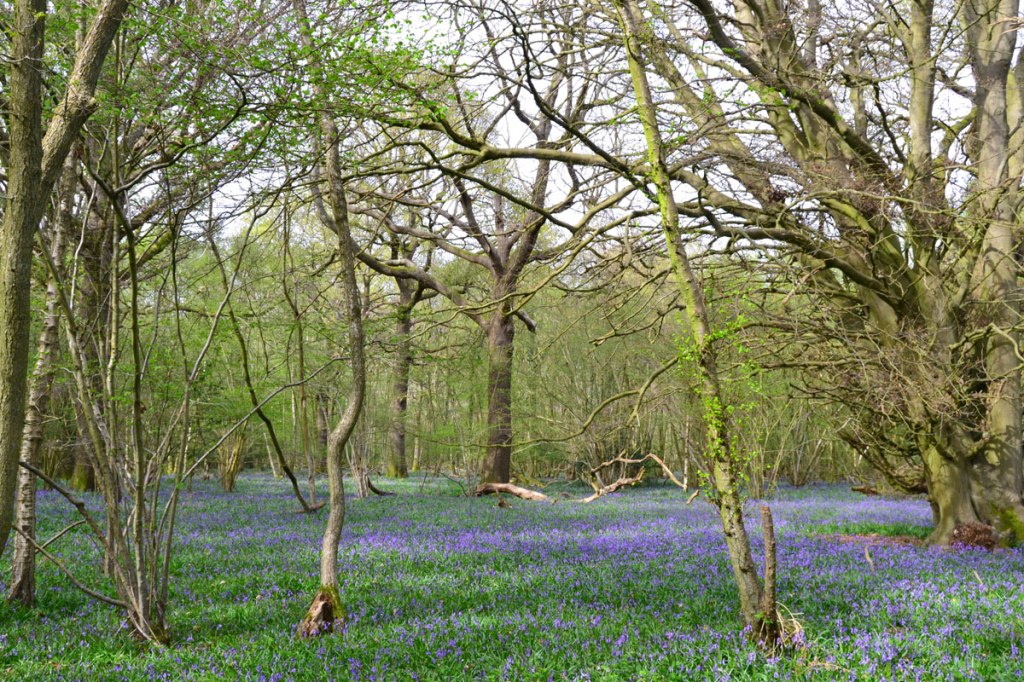
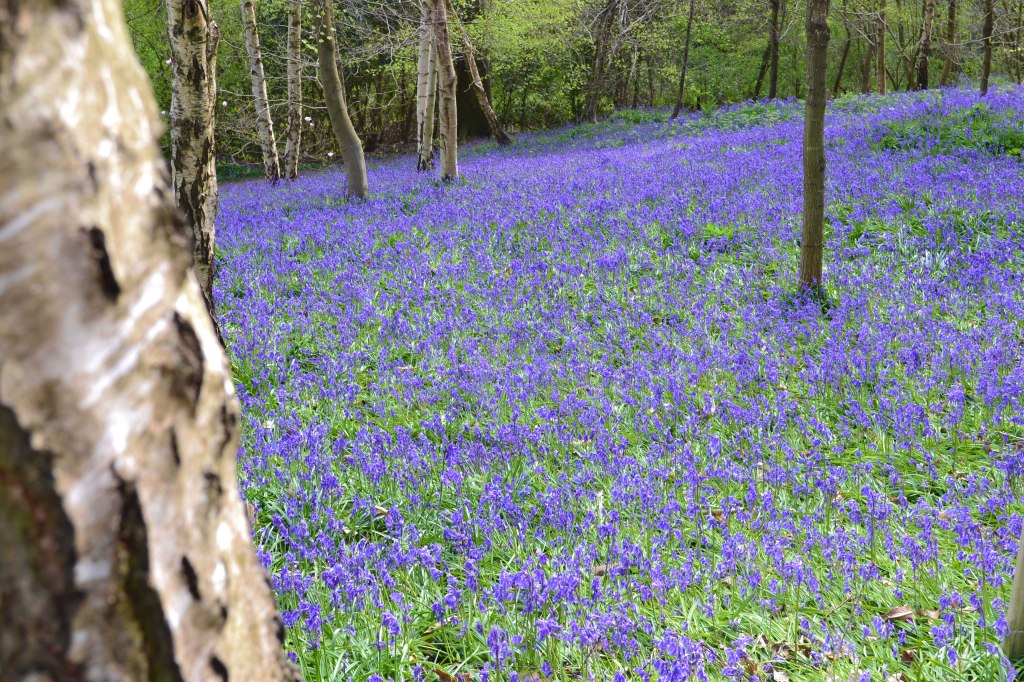
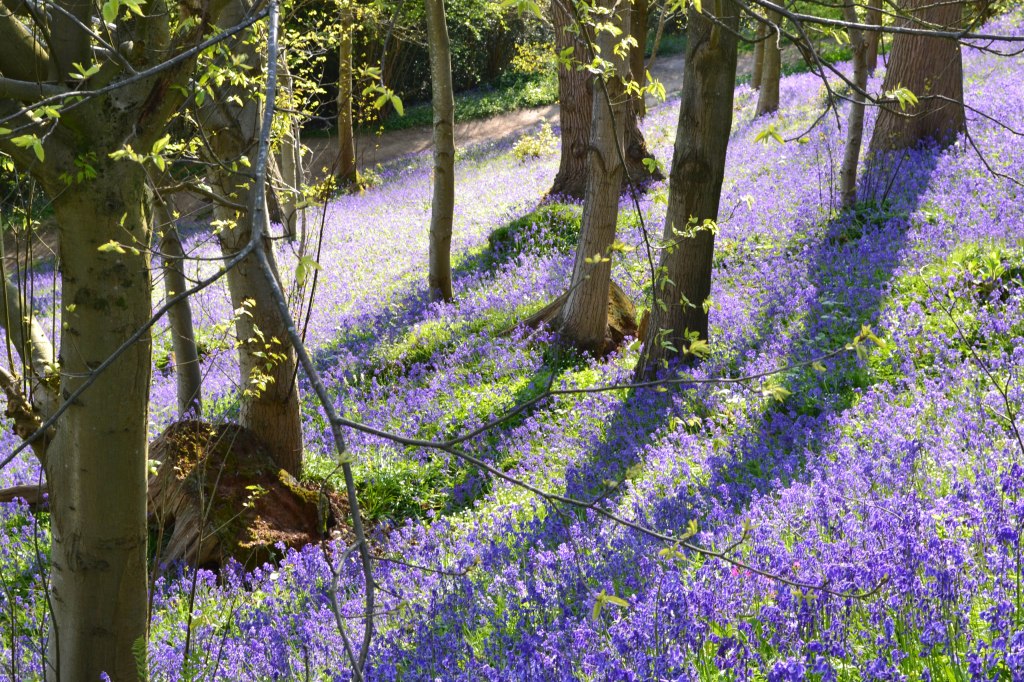
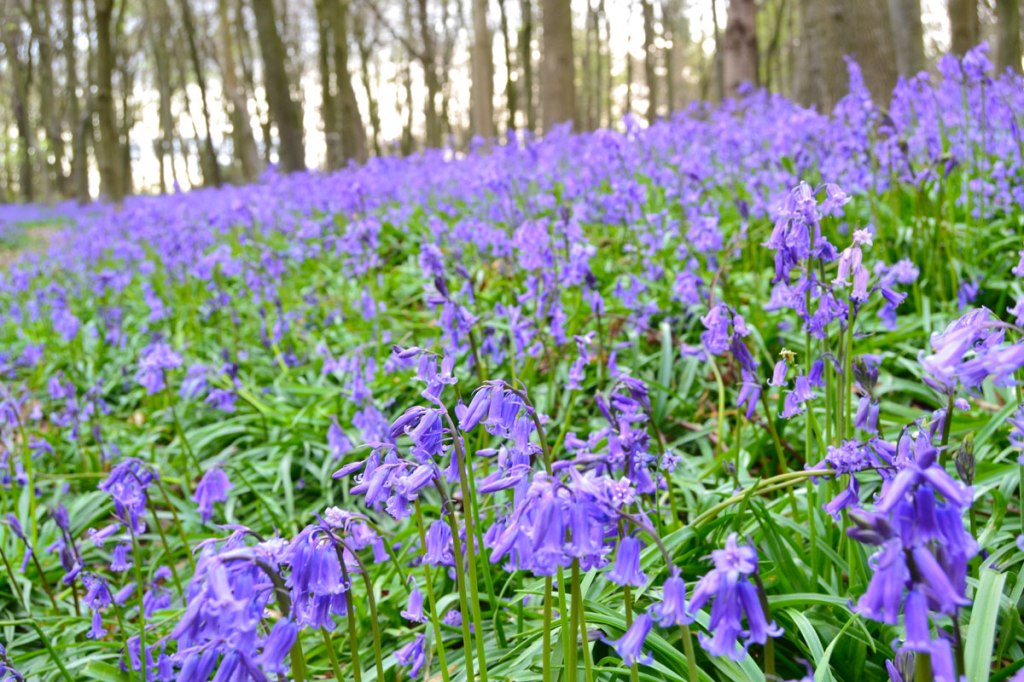
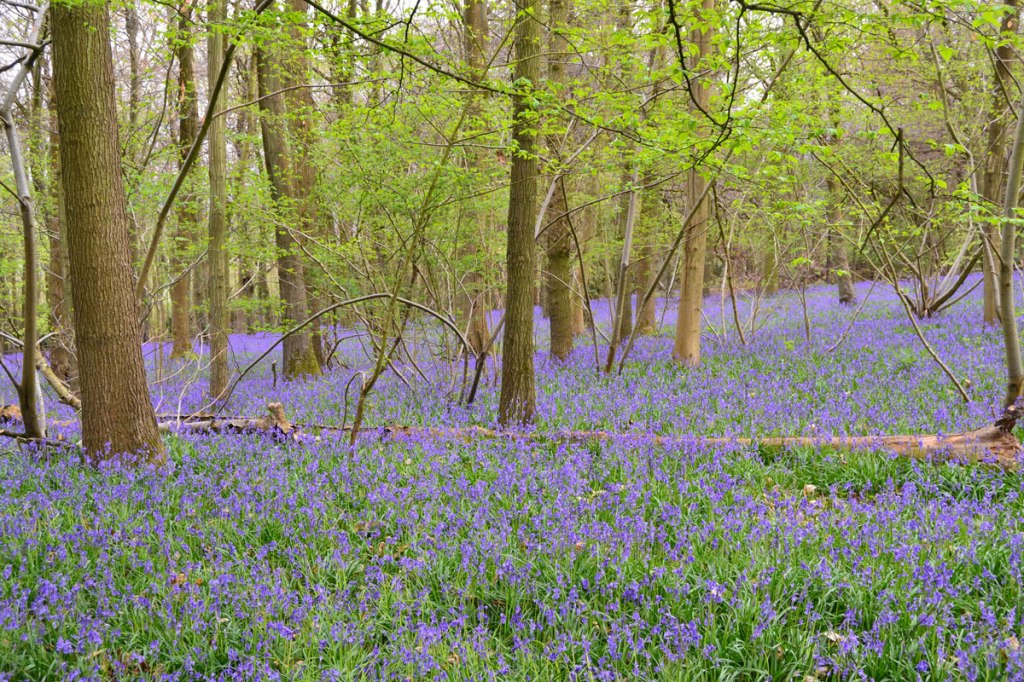
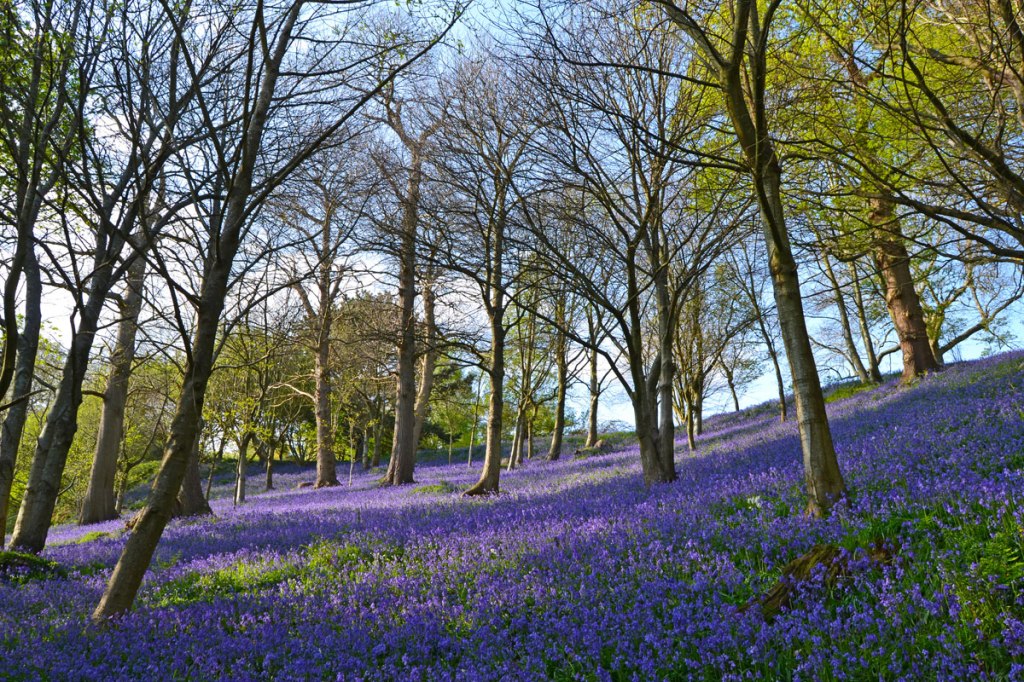
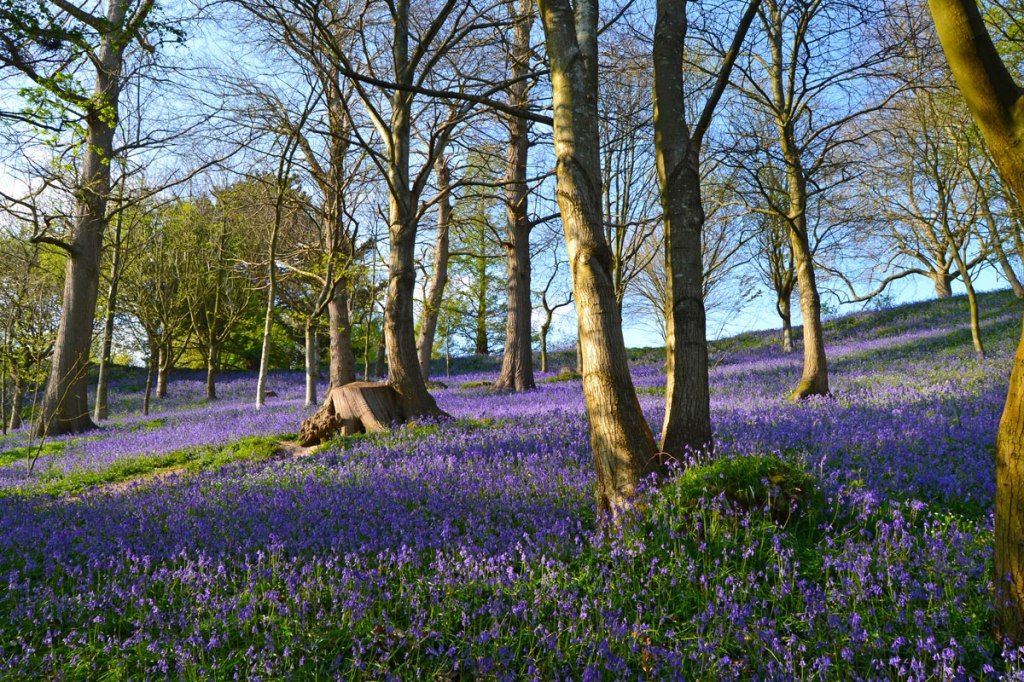
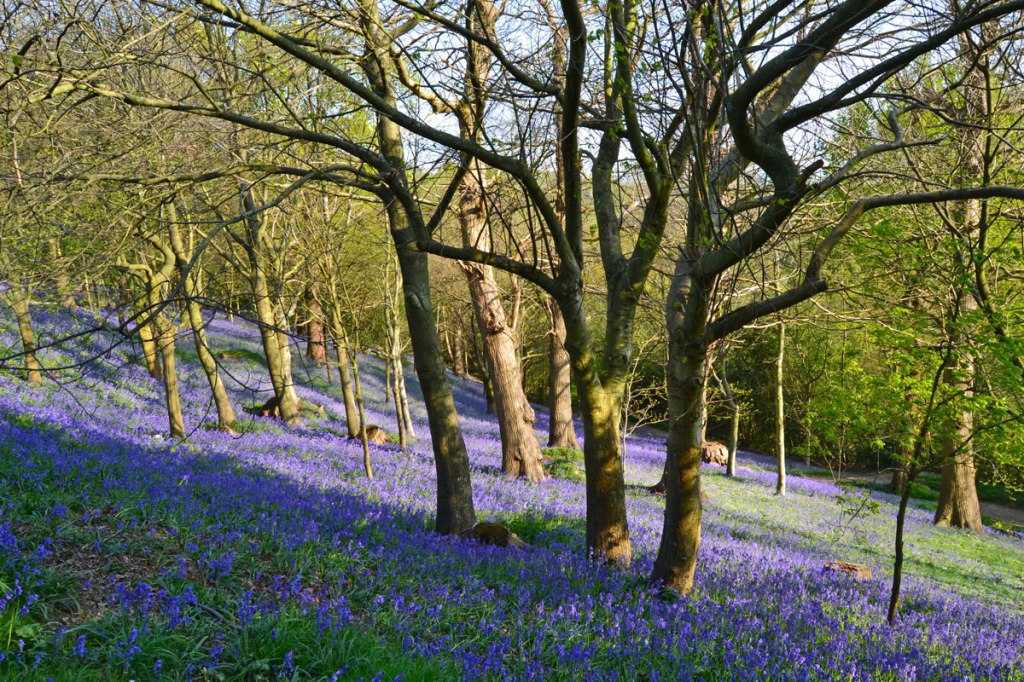
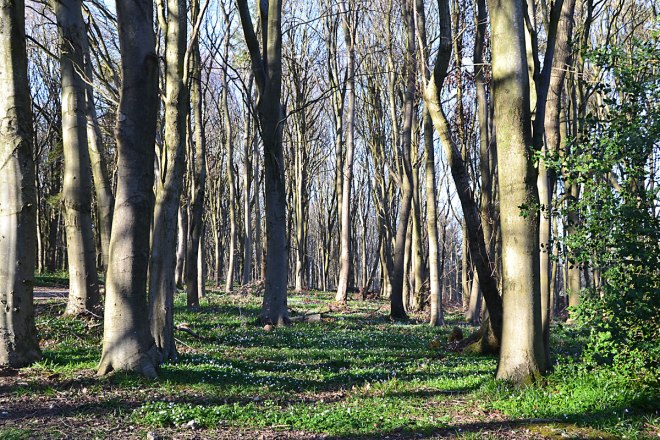
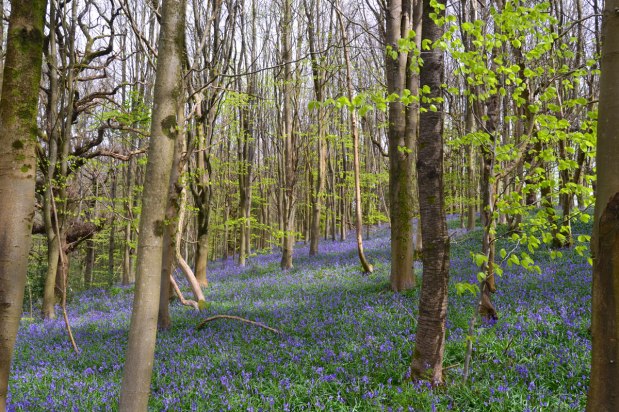
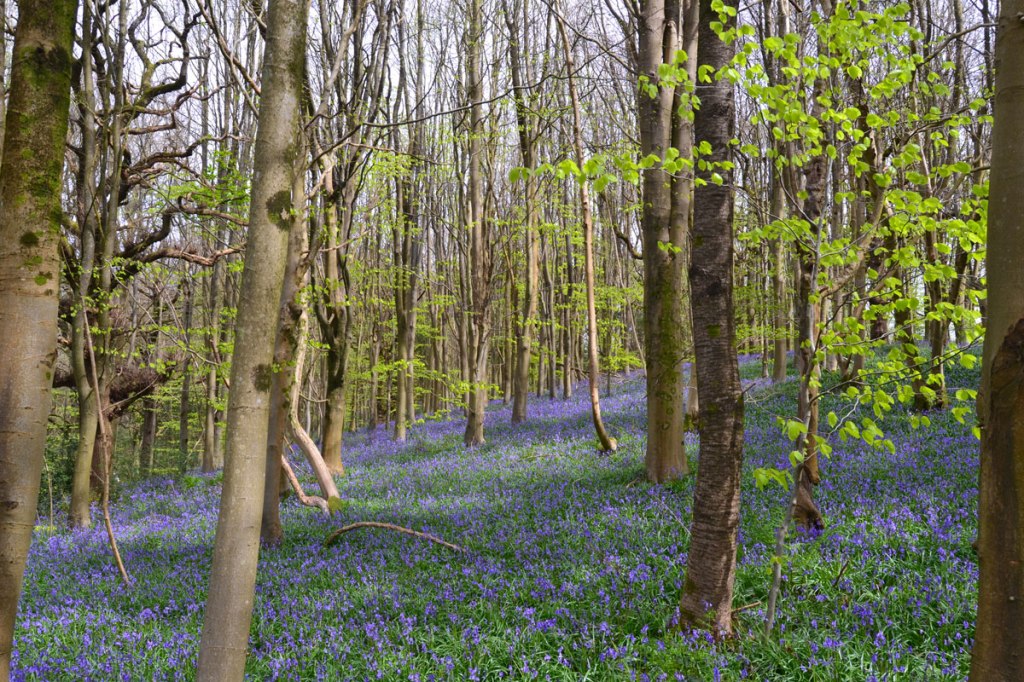
It’s fair to say the cobalt carpet has finally spread its magic in many of the woods covered in the KWNL area. Bluebells are now almost fully out on the North Downs chalk hills walks such as the Cudham stroll (in New Year’s Wood particularly), and the various Shoreham circular and Polhill routes. Alas, the timber work going on in Meenfield Wood above Shoreham (west side of valley) may hinder your enjoyment of bluebells there. Further south the Greensand Ridge walks at Underriver, One Tree Hill, Ide Hill (perhaps the best bluebells – so you won’t be alone), Oldbury and Hosey Common are awash with blue. Closest to south-east London, Beckenham Place Park, High Elms and Petts Wood-Hawkwood Estate (in the lower, damper parts) has several swathes too. The Downe walk mk1 doesn’t have a lot of bluebell action en route but a quick diversion down to Downe Bank (the west side of the Cudham valley) from point 3 or at the start of the walk should see you in the magical blue realm. Following the Downe Mk2 walk will be kind of blue too, particularly at Downe Bank and Blackbush and Twenty Acre Shaw woods. The Chiddingstone and Hever routes don’t have many bluebells I can confirm, not that this detracts from these superb strolls. (Pictured below: from 2022 and 2021 bluebells at New Year Wood on Cudham walk; Meenfield wood, Shoreham circular/Polhill routes; Ide Hill route)

  • New Year's Wood: early bluebells
  • New Year's Wood bluebells 2022
  • Bluebells on the Ide Hill walk, April 25, 2015
  • Bluebells, Emmetts/Scords wood, 2017
  • bluebells Meenfield wood
  • bluebells

Anyway, here are some bluebell factoids gleaned from an excellent article with far more detail called Bloomageddon: seven clever ways bluebells win the woodland turf war at The Conversation website.

  • They are uniquely adapted to suited the multispecies ancient woodlands of the UK
  • Low temperatures trigger their growth (but might delay their blooming if in April). Bluebell seeds germinate when the temperature drops below 10°C.
  • Bluebells predominantly convert sunlight into fructose allowing them to photosynthesise at low temperatures.
  • They are supreme competitors with other plants, allowing them to carpet woodland floors. But they get help in the form of mycorrhiza, a symbiotic fungi.
  • Almost half the world’s bluebells are found in the UK, they’re relatively rare in the rest of the world.

But please be careful never to tread on any; it takes bluebells years to recover from damage. Digging them up – surely no one visiting this site would consider such a thing – is illegal, and please don’t let dogs trample them either – keep them on the lead.

Cuckoo birds and flowers on the Bore Place/ Bough Beech route

Cuckoo birds and flowers on the Bore Place/ Bough Beech route

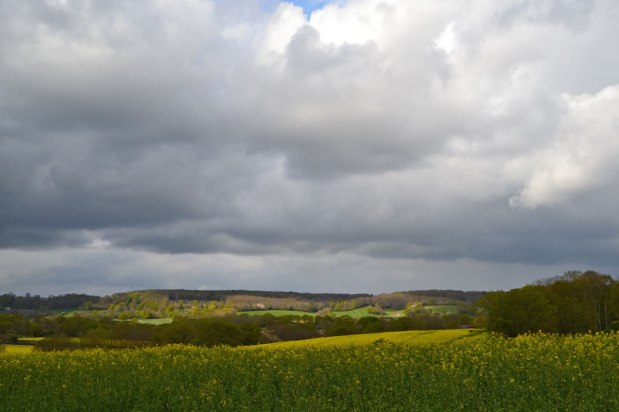
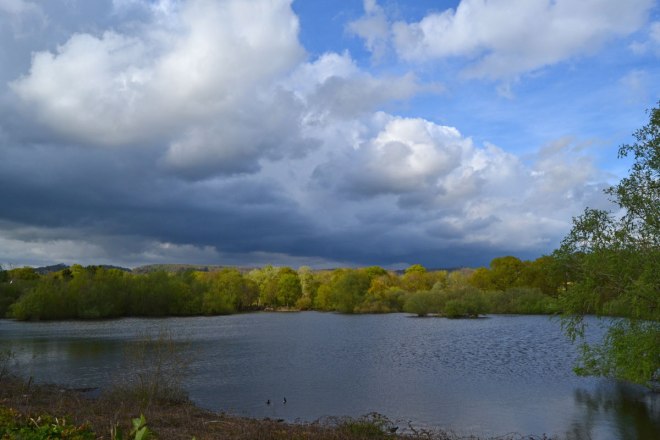
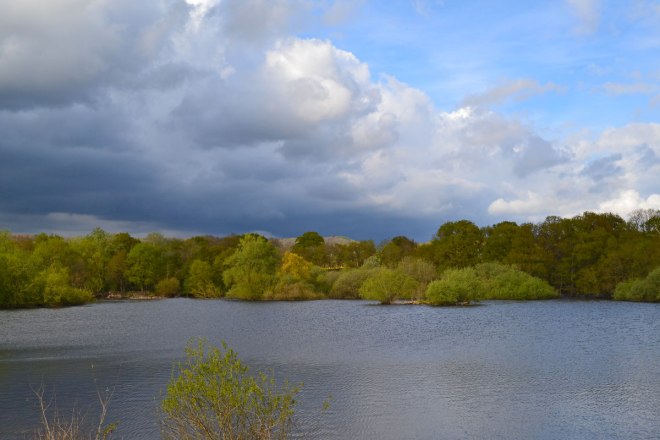
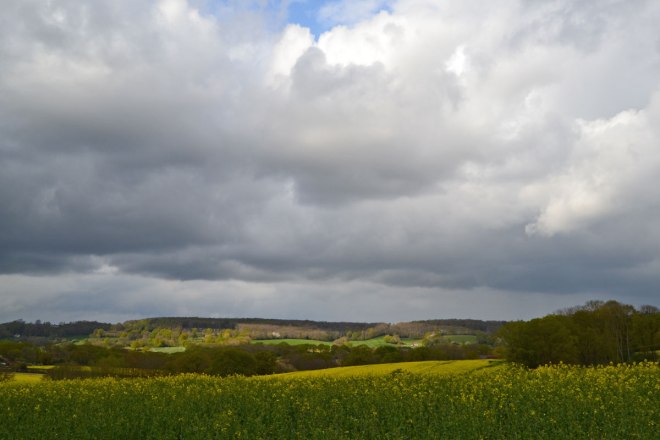
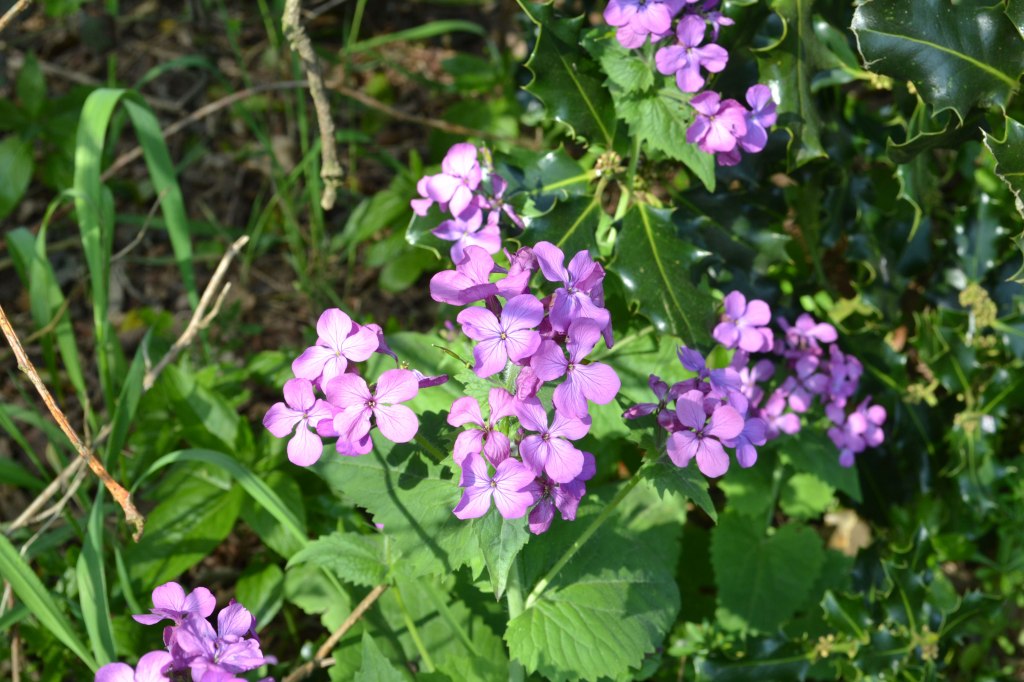
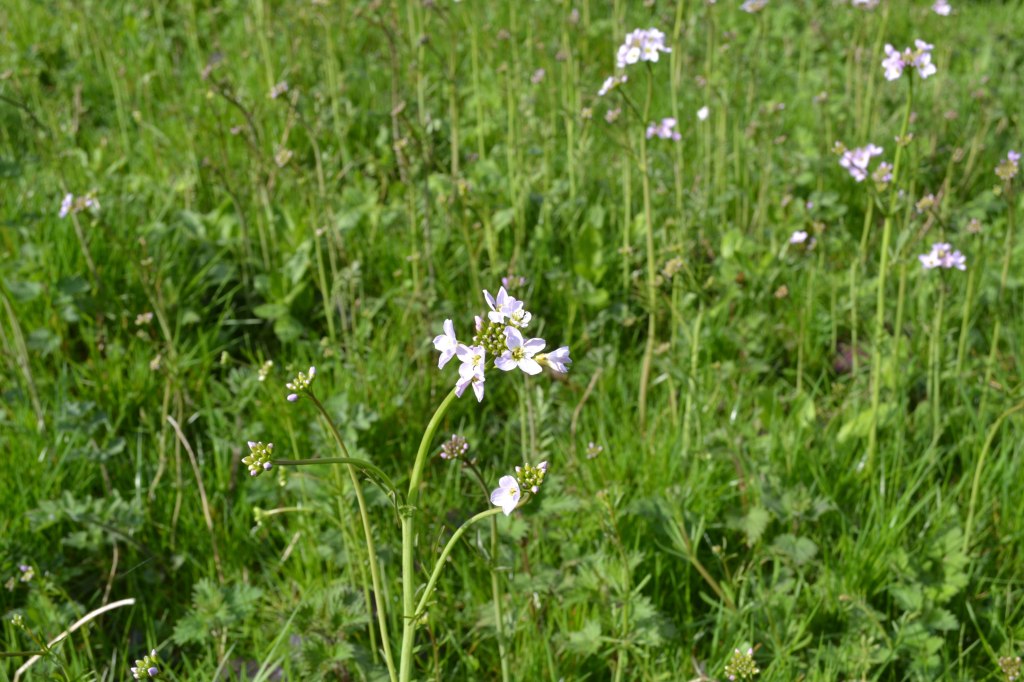
The little Bough Beech walk is one of those quiet ones: it doesn’t seem much but it creeps up on you and you realise you miss it if you haven’t done it for a while. The vast lake (described here) is a major spectacle at the beginning and end of the walk but doesn’t define the route; Bore Place, a delightfully hidden organic teaching farm and event venue, does. The walk is only two and a half miles (handy if you have a bad foot, as I do) to which you can add an hour‘s pop-in at the lovely nature reserve at the end, where there’s usually news of an interesting oiseaux or two keeping the friendly birders in the hide on their toes. Cuckoos (the star of this particular day), barn owls, kingfishers, migrating osprey are regularly seen here. On my recent walk here, as the fine pre-Easter weather started to break, interesting cloudscapes and shafts of sun reflected from the lake surface, while to the north the Greensand Ridge at Ide Hill and Goathurst Common were swept by very localised squalls. I was struck by how beautiful bluebells are when among cuckoo flowers; that was about as profound a thought I could muster while walking – which is how it should be. Back at home it was amazing to watch the simply incredible US Masters finale, though the football results did not bring me any comparable joy.

Greening time and an early grass snake

Greening time and an early grass snake

To the accompanying sounds of chiffchaffs, blackcaps, wrens, tits, dunnocks and robins, I trekked the Polhill/Pluto route from Andrews Wood car park on Shackland Road. Suddenly there’s a sheen of green in the tree canopies; in fact there are canopies – not just stark branches – the colour scheme has seamlessly moved on from the gentle grey/browns of winter. Below the greening trees wood anemones and early bluebells are mixing with celandine, early cowslips, primroses and the odd cuckoo flower to add pixels of vibrant hues. I was delighted to spot a long, thin and beautifully patterned grass snake after hearing leaves rustling under a bush, but I couldn’t bring the camera to bear in time: damn autofocus! Slow worms were plentiful though, but you have to know where to look and avoid disturbing them. Buzzards took delight in the clear sky and subtle breezes. A fantastic walk.

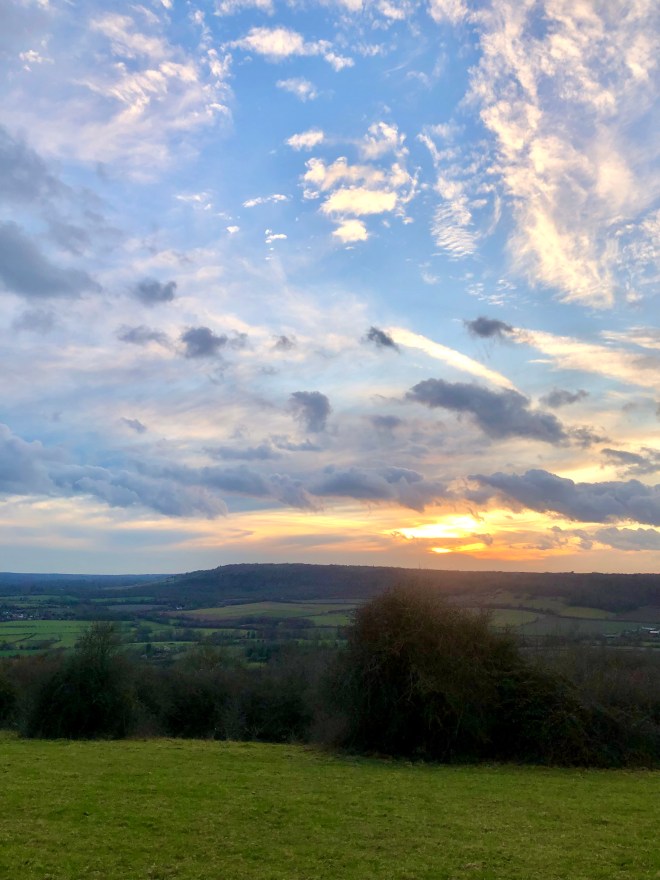
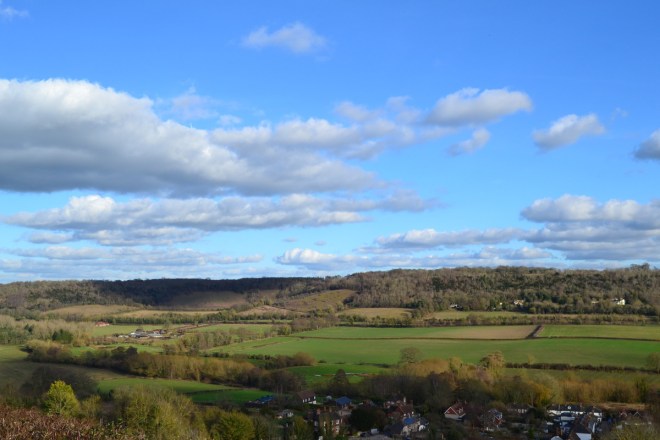
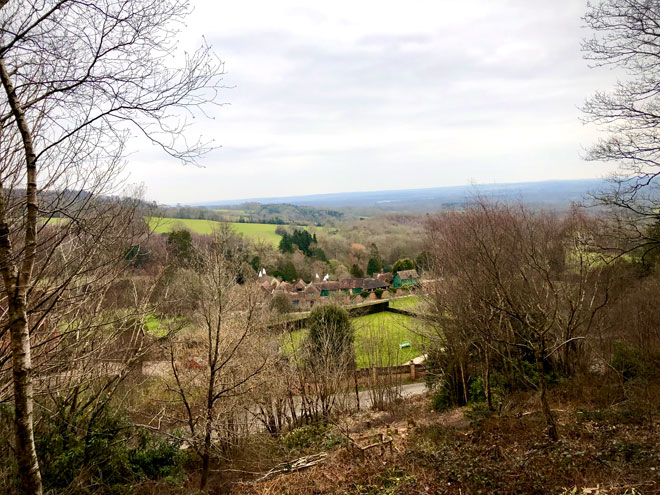
  • View across the mouth of the Darent Valley from Polhill in early April
Change is afoot, it’s time to March

Change is afoot, it’s time to March

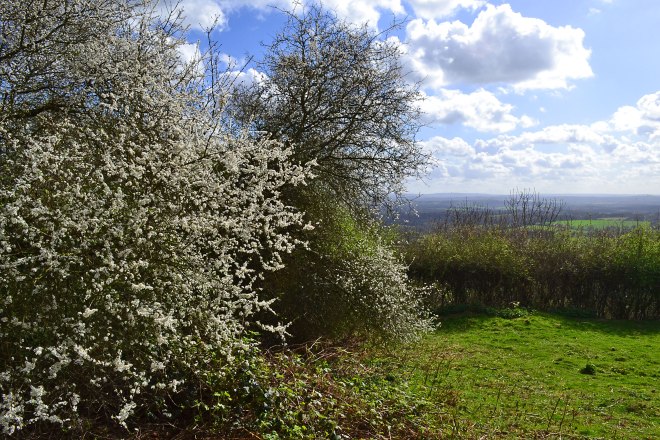
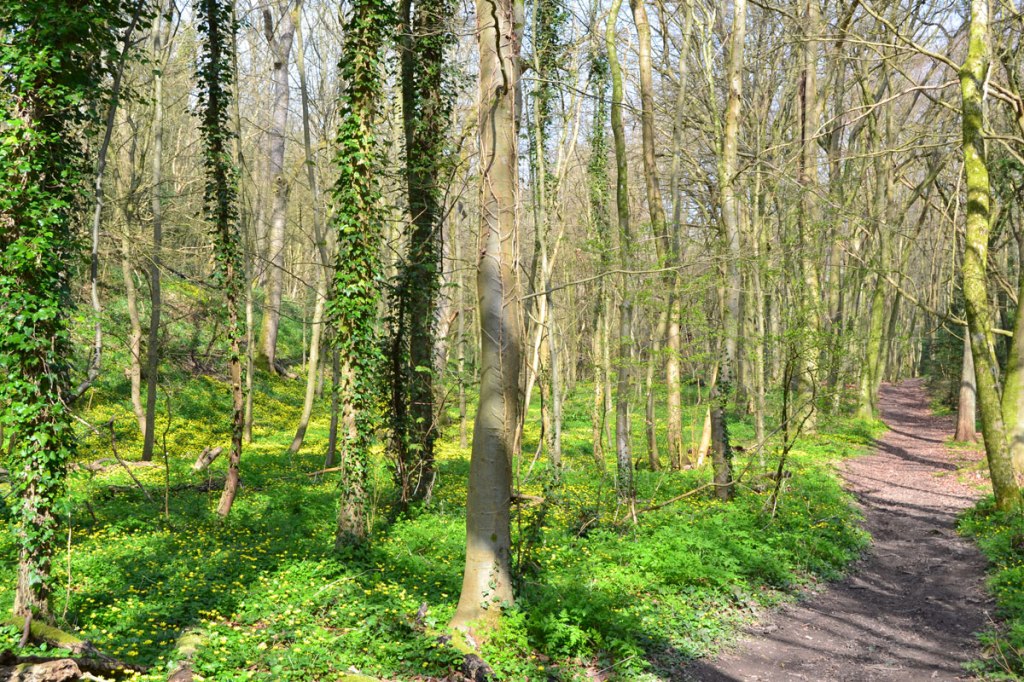
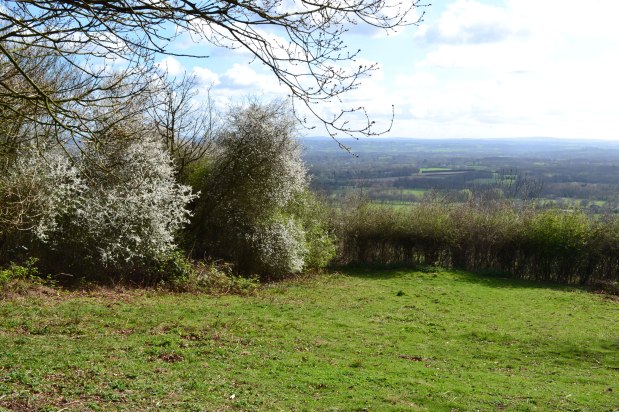
Now that there’s some prolonged sunshine, some of the humungous amounts of mud from February are beginning to dry up. ‘Some‘ being the operative word. Still, let’s welcome the bright weather, which is set to continue this weekend. Saturday could be a bumper day for Kent Walks near London but wellies are definitely still needed – because shaded mud patches will not have dried as yet, not even close. Early spring can be an odd time of year – the trees still appear brown and grey from a distance, though close-up you can see buds. Soon the blackthorn will flower – that’s when spring has sprung for me. Early March in good weather is a very particular time of year – it’s as if spring caught the natural world asleep, and it takes a little time to wake up. But already there’s more birdsong and a bumblebee or two getting busy. I particularly like the Ide Hill, One Tree Hill, Bough Beech and Hever walks at this time of year, the south-facing slope of the Greensand Ridge focuses the warmth and is protected from any cold easterly or northerly winds. You can’t help but feel a bit of optimism, despite you know, everything. The pictures below are from the Bough Beech, Petts Wood, Chevening, Ide Hill and One Tree Hill routes. I love the blackthorn. The featured picture for this post is the woods at Hever in late March. There’s a sheen of primrose and celandine on the woodland floor; I really like the photograph, I can remember every detail of that day.

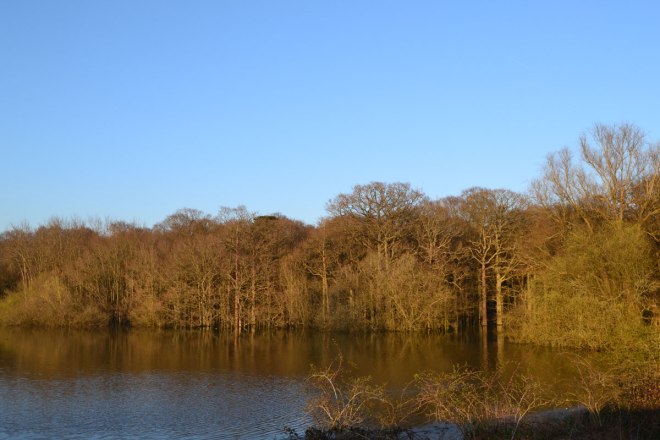
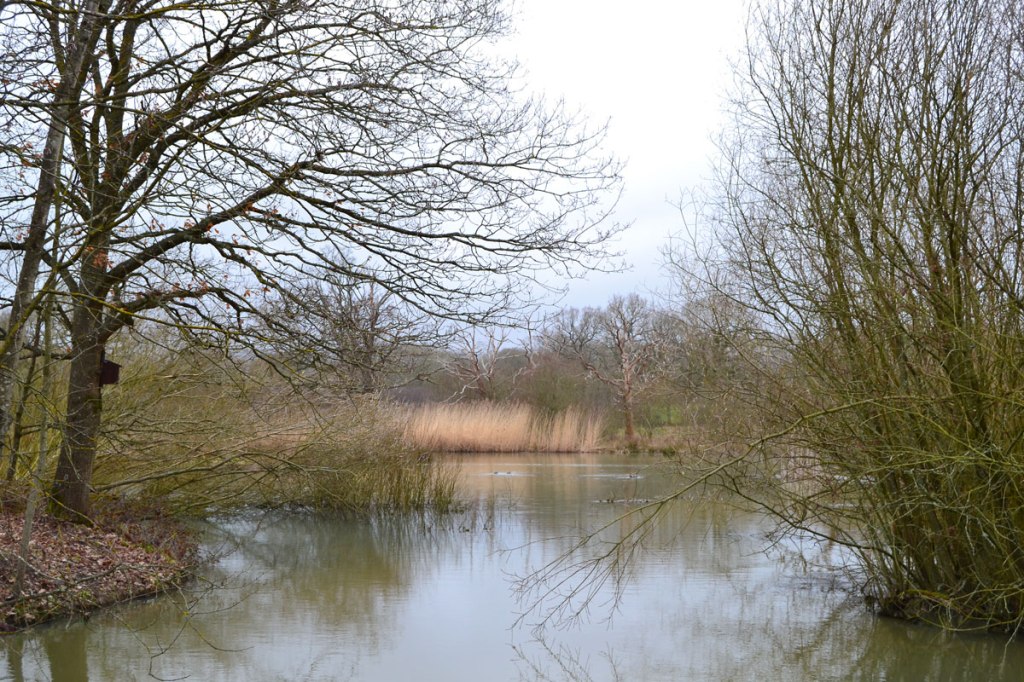
  • Flooded woods, Bough Beech
  • Blackthorn blossom on One Tree Hill, Sevenoaks, Kent
Suddenly summer

Suddenly summer

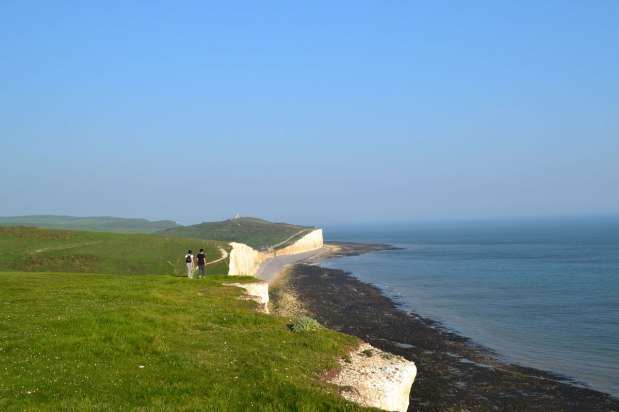
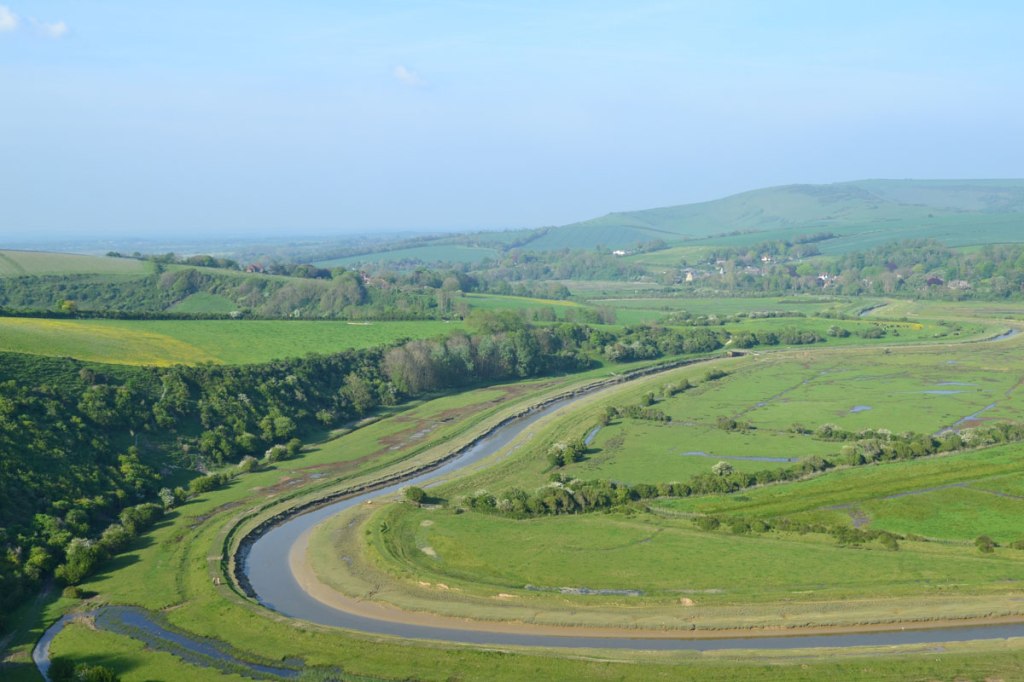
The unexpected arrival of a summer that seemed so distant on the bank holiday and the even more unexpected appearance of the aurora borealis in the skies of south-east England (has this ever happened to such an extent before?), were the backdrop to full-on weekend of walking for yours truly. Family wanted a walk in the Seven Sisters country park, East Sussex. My offer of the Hever walk, great in May, was turned down. So we headed down the merry old B2026, A26 and A27 turning off towards Afriston soon after Lewes. We improvised a walk starting in the downs above the Cuckmere valley at High and Over, then steeply down to the river to the country park visitors centre. From here, we decided to walk through Westdean (beautiful!) and Friston Forest then back to the Cuckmere via New Bridge and steeply up High and Over (though an inquisitive herd of goats). About seven miles.

Pictured: view of Cuckmere river from High and Over; the Cuckmere river nears the sea; looking towards Friston Forest from High and Over

Cliffs were the next item on the agenda so we drove to Birling Gap where the happy ice-cream ensonced throng was beginning to thin and walked a mile or so along the tops of the Seven Sisters and back. This was followed by a great dinner at the gorgeous Tiger Inn in East Dean and another walk from the Seaford Head car park down to the Coastguard Cottages (think Atonement and a million photos of the cottages, the beach and the cliffs). During this walk a fox crossed our path with a rabbit in its mouth. Another rabbit bounded past in the opposite direction. By now it was pushing 9pm and crowds were arriving at the car park hoping to see another great aurora.

Thinking ahead we drove back to SE London via the Ashdown Forest, parked up in darkness at the Piglets car park and made our way to the AA Milne memorial with its great north-facing view. By now it was about 10pm. Lots of others had the same idea … good humoured groups of people lingered with their phone lights pointing at the ground round every corner. Of course there was no aurora borealis, underlining what a one-off Friday night had been. But we saw a decent starscape, a few satellites, and that was it. I was hoping for an owl and the song of a nightingale, but alas …

Sunday saw a more familiar path taken: the High Elms/Farnborough walk (pictured above). Sun-dappled paths, fantastic fresh foliage, an air of bonhomie from fellow walkers – what a difference a spell of sunshine can make. This route lacks great views but it’s far from ordinary because of its associations with Darwins and Lubbocks, and star-studded arboreal content – from sequoias to holm oak, beech to corsican pine. I fiddled with the Merlin app a few times to try to identify warblers and other migrant birds calling from thickets. But it didn’t work. I guess they were all common whitethroats and blackcaps anyway. One highlight was was the clearing in the woods a mile north of the Beeche cafe. It was full of bugle and cowslip; dark blue and yellow splashes. This season’s bluebells are already largely a memory. Here’s a very good blog about High Elms and other places covered on KWNL by Bill Welch.

Sand, clay, chalk and bluebells

Sand, clay, chalk and bluebells

“When spring came, even the false spring, there were no problems except where to be happiest. The only thing that could spoil a day was people and if you could keep from making engagements, each day had no limits.

That’s a fun quote from Hemingway. I take it to mean prioritise walks above socialising, now it’s a bit warmer (I reserve the right to be wrong about that) and to get out in the woods and downs, witness the transformation from grey and brown to green, blue and yellow. I say “witness” but it happens suddenly, overnight perhaps, when you’re not looking. Suddenly the air is soft, the countryside hues have changed and spirits have lifted.

We chose the 3.5-mile Knockholt/Chevening North Downs route for late Saturday afternoon and a 4.5-mile stroll on the Greensand Ridge at Hosey for the following morning. On the Hosey route bluebells were two-thirds in bloom and were mixed beautifully with stitchwort and anemone. We heard coal tit, nuthatch, song thrush, chaffinch joining in the merry burble of song from great and blue tits, robins and wrens. A delightful pint of Westerham Brewery’s Light Ale ensued after the walk at Squerry’s Winery.

At Knockholt, along the escarpment, three red kites drifted overhead throughout the walk and a pair of buzzards hung in the air. These raptors love the updraft along the ridge and I think this walk is the most reliable route for seeing them on of all the walks here, though they can pop up on any. Please don’t think me callous but I rather hope the birds of prey feast on pheasants; there are too many of the latter human-introduced birds in these parts and they kill a large number of reptiles and amphibians.

  • Redwood
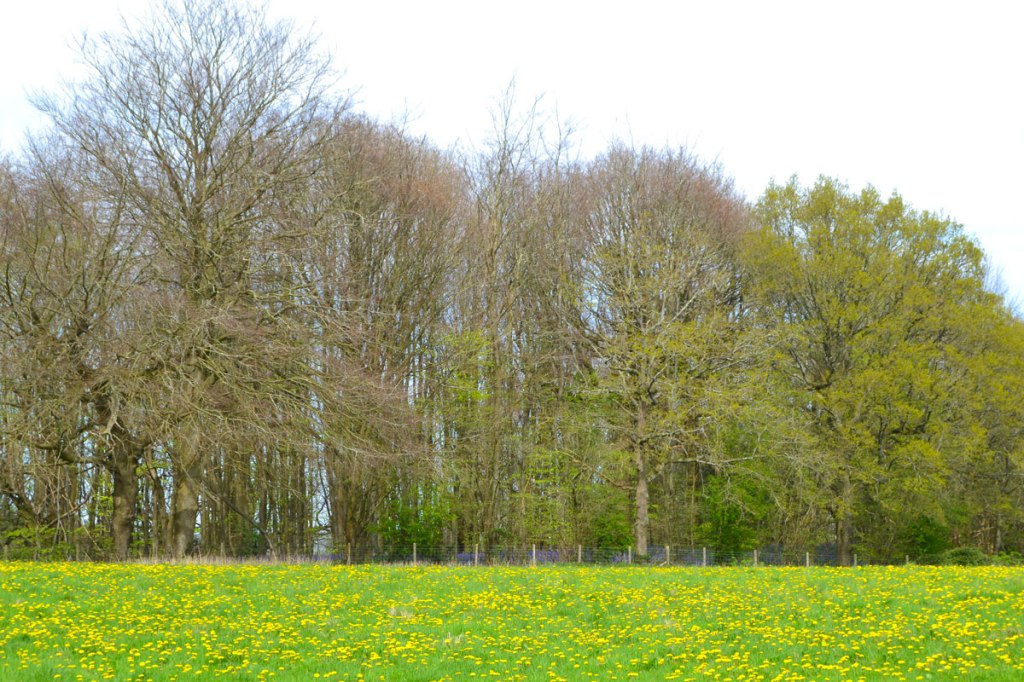
  • Dandelions
  • Bluebells
  • Chevening
  • The cleft in the Downs

The chalk Knockholt/Chevening walk on the North Downs ridge is separated from the Hosey walk on the Greensand Ridge by the clay Vale of Holmesdale, an east to west valley that runs in parallel to the two lines of hills and which contains the M25 and M20 motorways. Holmesdale clay runs between the chalk and sandstone yet despite the starkly different geology in such a small distance the plants and tree species don’t superficially appear to differ that much – presumably the plants have adjusted to the contrasting soils over the millennia. But there are some differences – there are more likely to be orchids and expanses of grassland on the less densely wooded chalk hills; while on the greensand the woods seem a tad more extensive and are more likely to include stands of pine, which like the sandier soils. I’m no expert so I won’t go on. Bluebells like both; that’s the main thing and this week they are reaching their peak at sites like Meenfield Wood, Scords Wood, and Mariners Hill. Enjoy them, they’ll be gone within about four weeks.

Woody wildflowers on display before the big blue

Woody wildflowers on display before the big blue

With a dry and potentially quite sunny week before us at long last it’s a great time for checking out emerging wildflowers on the walks. I must underline that I’m no expert and rely on apps to confirm by sightings in many cases. But below are a few species you’ll see in most of the woods encountered in woods and fringes on the KWNL routes in April.

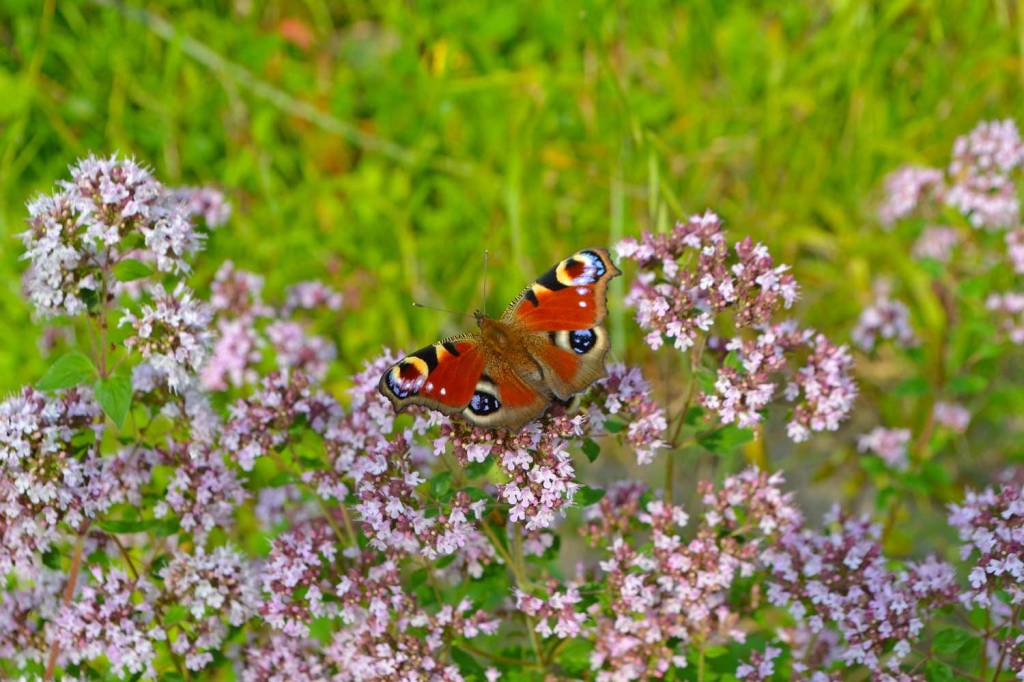
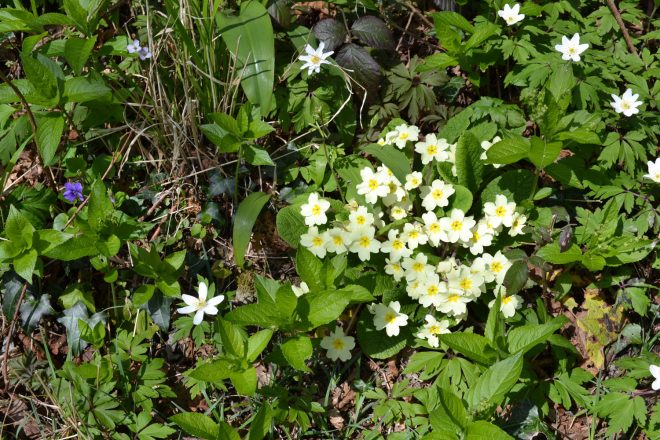
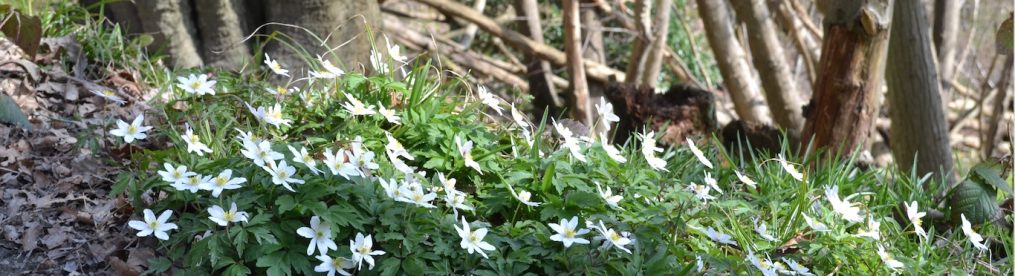
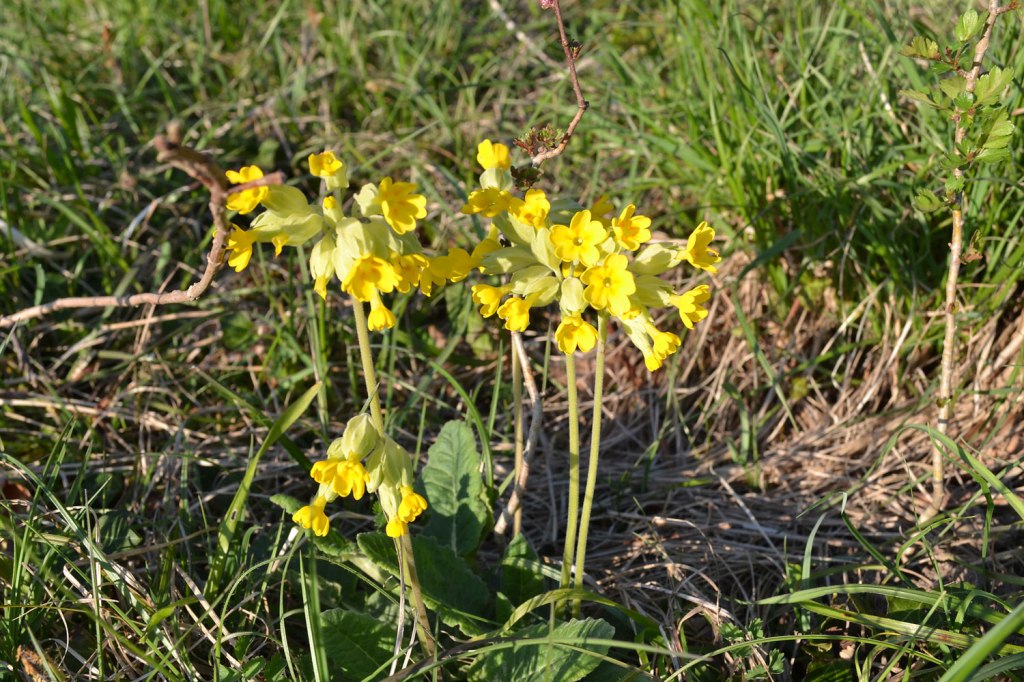
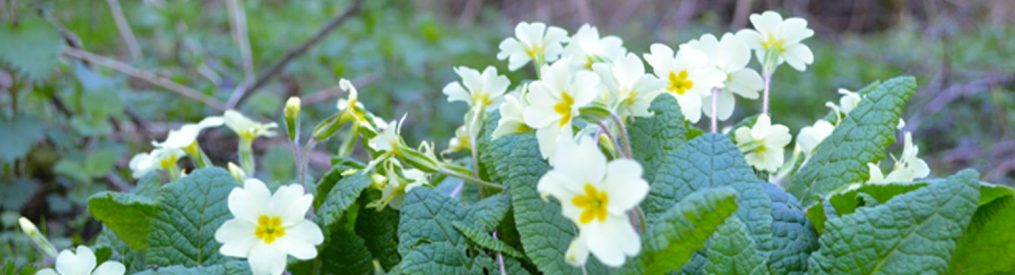
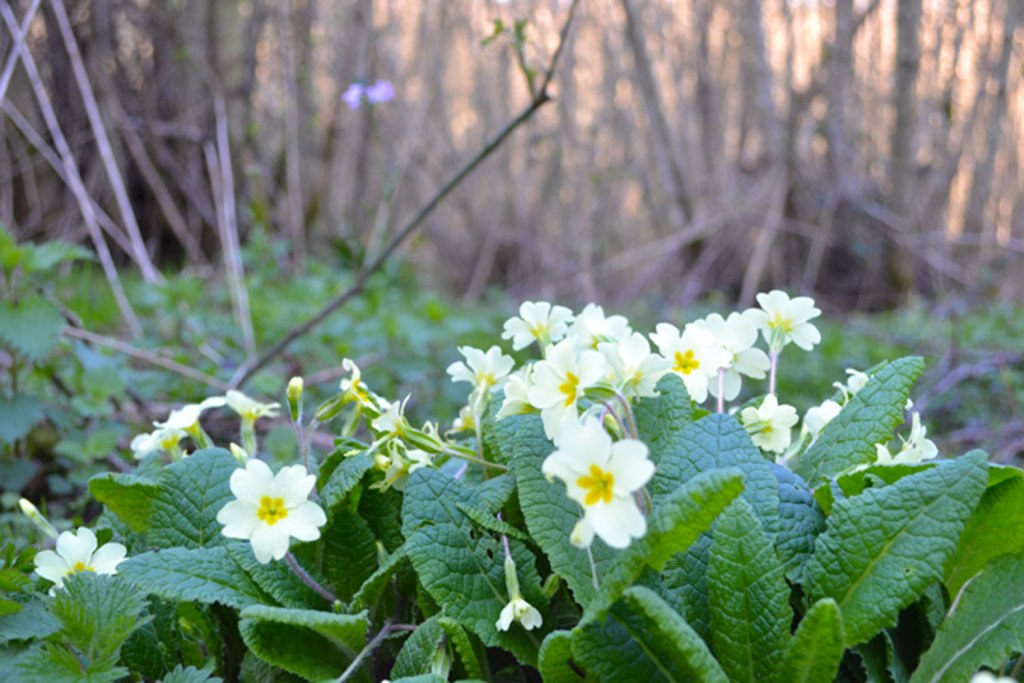
Within a couple of weeks bluebells will be taking over in the woods – the first are already in bloom – but until then there’s plenty to enjoy: cuckoo flower, celandine, wood anemone, primrose and cowslip in particular. There are early orchids too; at Polhill, Strawberry Bank (on the Cudham walk), High Elms country park in the glades within the woods and Downe Bank (a detour on the Downe walk). I particularly enjoy the first sightings of butterflies: I’ve seen brimstone (usually the first to emerge), small tortoiseshell and peacocks so far this year. At Fackenden last week, all three species were fluttering in Magpie’s Bottom. In the woods behind adjacent to Magpie Bottom (the OS map calls it Great Wood), the celandine carpeting the ground under the beech trees was spectacular. Things change fast at this time of year though and pretty soon, all will be blue.

In the depths of springter

In the depths of springter

Of all the seasons-within-seasons, the end of winter, or springter, is one of the least enjoyable for walking I find. That doesn’t mean I don’t enjoy getting out into the countryside; it just means that when I do, I look around and think “meh” quite a bit. There’s still a lot to look out for in early March: old man’s beard (clematis vitalba), hazel and alder catkins, blossoming blackthorn, the vigorous growth of bluebell shoots, redwings and fieldfares flocking to migrate east, small birds breaking into song, the passage of gulls at high level etc, but the predominant colours are grey and brown, the air is still harsh and raw, mud clings to your boots and you slip on steep paths.

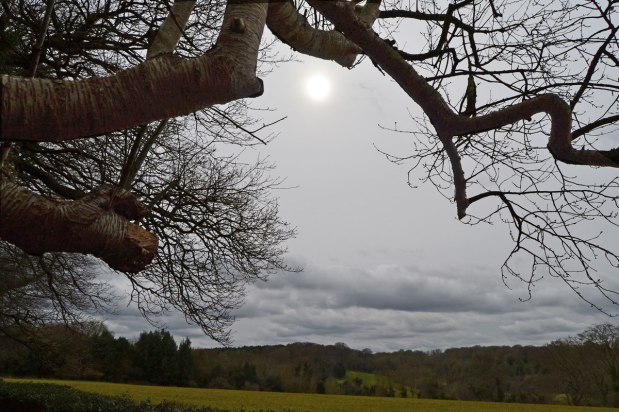
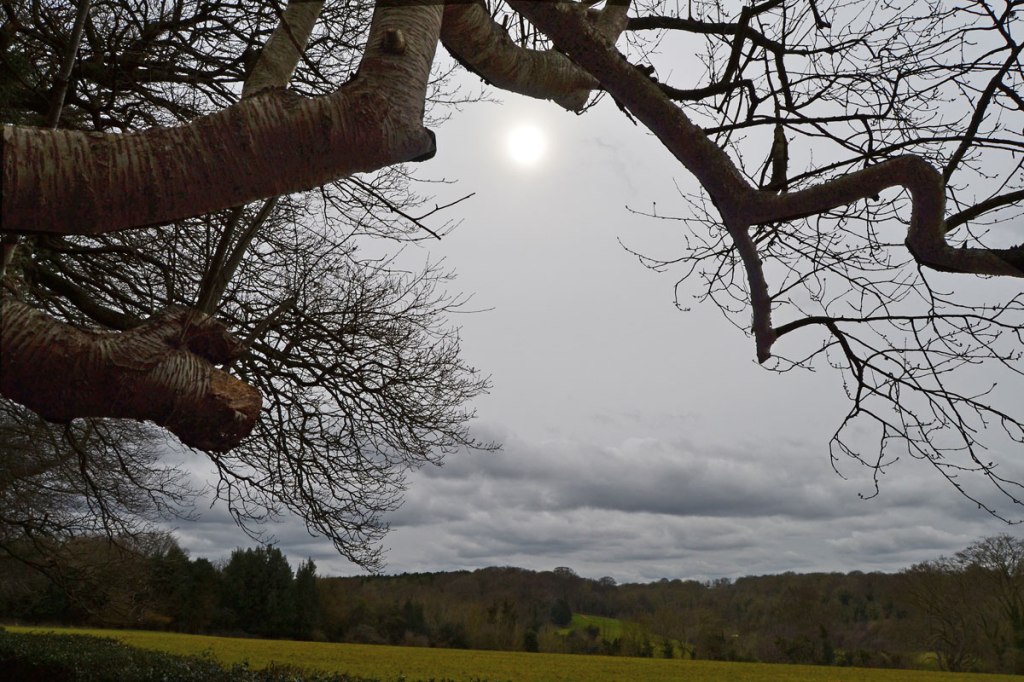
On recent walks to Hosey, Fackenden Down, Bough Beech and Downe, I found plenty to like but not much to inspire. This was partly because, apart from at Fackenden where there was an eyecatching sunset, the sky was unyielding and grey. Drama is needed in the sky at times like these, and springter often provides it as great air masses come into conflict, showering us with rain, hail, snow and sleet and producing fascinating aerial vistas. But at Hosey, all was monotone, at Bough Beech a thin Sunday drizzle dampened down any sense of vitality and at Downe, the morning brightness was consumed by a blanket of altostratus – the precursor to an approaching front – which had stealthily taken over the day as I was en route. But everyday is different if you look closely enough and the sun, a white ball behind the veil, did its best to make the stroll memorable.

  • View over Chartwell, Hosey walk
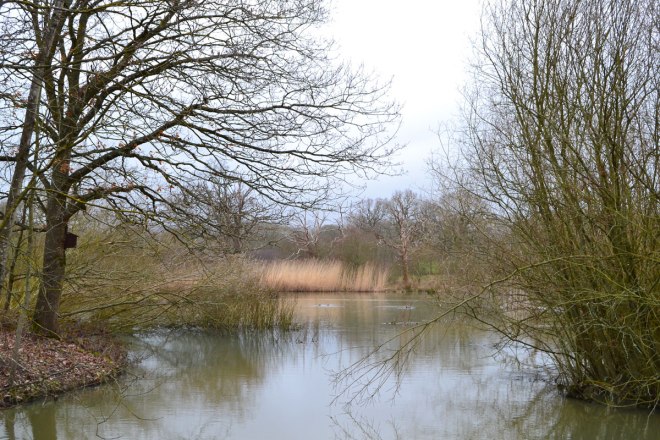
  • Bough Beech nature reserve
  • View over Bough Beech reservoir from the Bore Place chair
  • Downe walk under altostratus cloud
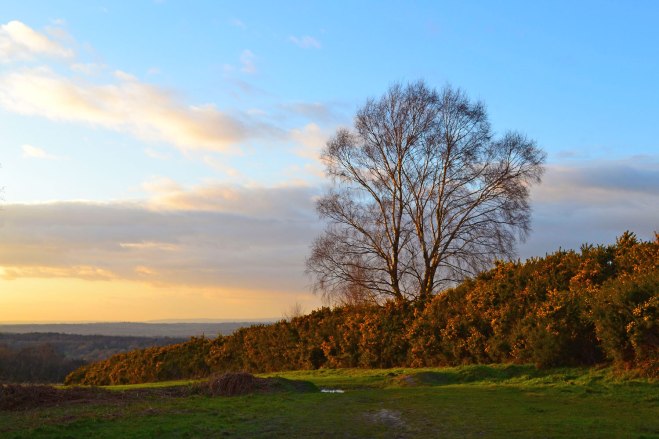
  • View from Fackenden Down

That terrific birder Dave accompanied me at Bough Beech, educating me as we went on the courtships of goldcrests, the behaviour of gadwall – a much underappreciated duck, he said – West Ham’s unsatisfactory season, the calls of marsh tit and treecreeper (I’d forgotten, again), and the distribution of local chaffinch populations. Although we made it to 39 species we saw no snipe, barn owl, brambling, kestrel or even buzzard as we hoped. The bird of prey fraternity was represented only by a solo red kite who lazily loitered above the low weald landscape for nearly half the walk, sometimes close, sometimes distant – an almost spectral presence so unfettered was it by the subdued, squelchy land below.

Thinking back to that red kite (which by the way would have been an extraordinarily rare sight in this part of the world until about 10 years ago) my springter moans and groans appear misplaced; these grey walks were brilliant.

Photographs by AMcCulloch

Moody blues on the way out

Moody blues on the way out

The bluebells have faded a little earlier than usual this year. It seemed to me on the Ide Hill walk today that the south-facing slopes may be drier than normal for spring, which has affected bluebells’ longevity while those in more sheltered parts of the woods were still full of colour. There’s certainly been a marked lack of rain this year – last month just 18mm fell in north-west Kent, about one-third of the usual April total.

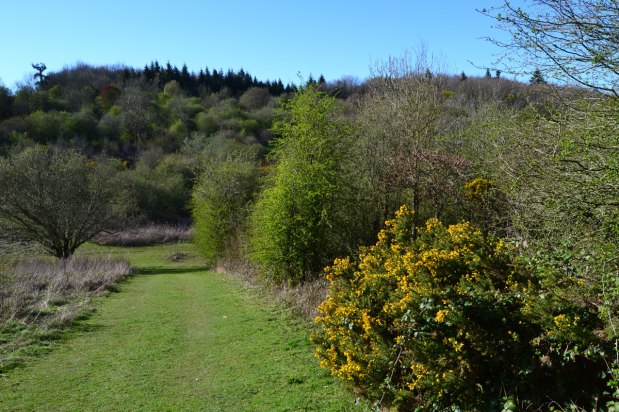
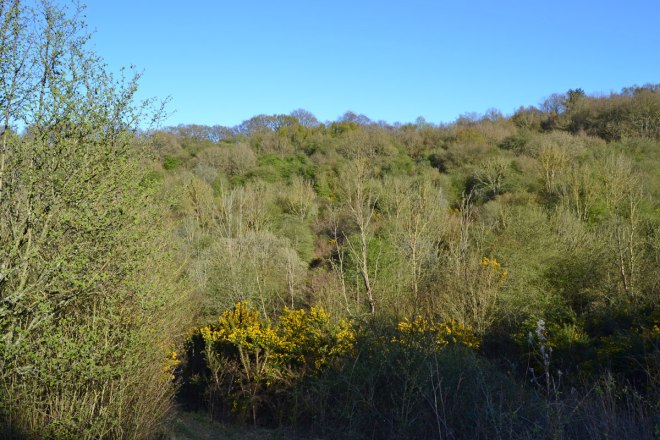
In Meenfield woods, on the Shoreham and Polhill walks, the bluebells, while fading, were still hanging on last weekend – perhaps those woods have retained a little more moisture. I’m no expert. Anyway, instead of bluebells, look out now for wild garlic (or ransoms) growing in profusion in woods on Kent Walks near London. Their brilliant white/cream flowers (pictured above at Rook’s Hill on the One Tree Hill walk) are a sight for sore eyes where there are damp woods and subterranean water close to the surface. The Ide Hill walk is quite unusual for KWNL in having plenty of gorse (near the walk’s start) which is looking brilliant in the spring sunshine, too.

As for birds, things still seem a little quiet with few swallows, martins and swifts making it to the region so far, but I was delighted to see my first whitethroat of the year in one of the many superb country lane hedgerows between Shoreham and Well Hill, a great bird to watch for when on a country cycle. (Pictured in slideshow: whitethroat, Darent Valley view, faded bluebells, Ide Hill view, Scord’s wood, wild garlic in Scord’s wood, azalea in Emmett’s and faded bluebells of Meenfield Wood).

Cudham route firmed up – literally

Cudham route firmed up – literally

The Cudham chalk paths route is a superb saunter through meadows, valleys and woods; its lack of grandiose views doesn’t detract at all. There’ll be plenty of bluebell vistas though from this weekend onwards, but the other day wood anemone and celandine were still the stars, waiting to be eclipsed by the vast swathes of dark green shoots just waiting to burst into glorious dark blue flower. Gamboling lambs, buzzards and the growl of the occasional Spitfire overhead, heading back to Biggin Hill, provided additional entertainment. On entering the wonderful New Year’s Wood, on the second half of the stroll, I was delighted to see the normally muddy path (actually a bridlepath) had been surfaced with mulch and stone – I don’t know the name of that kind of surface – adding to the pleasure of this lovely walk. Great!