Quiet North Downs, busy South Downs; all good

Quiet North Downs, busy South Downs; all good

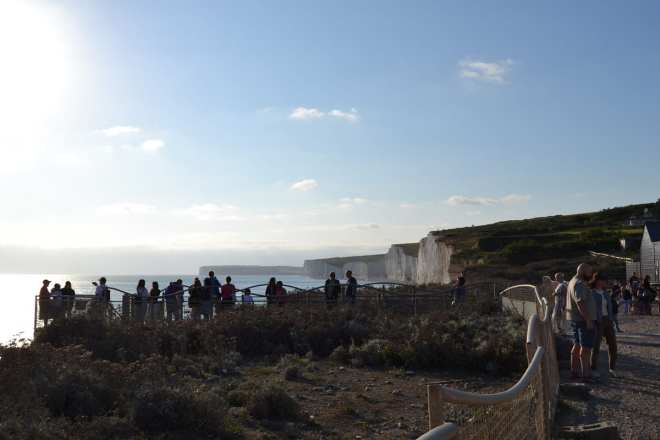
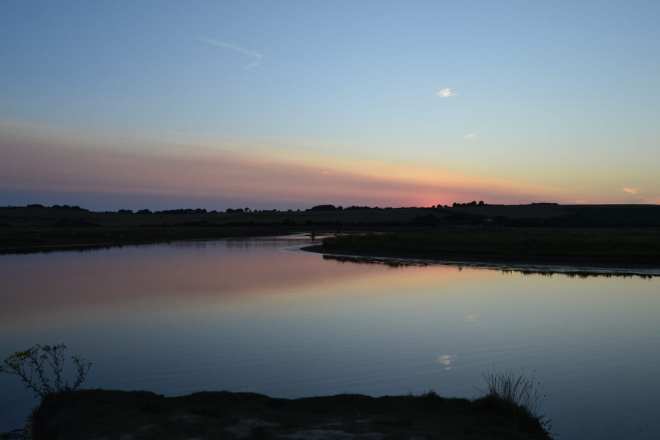
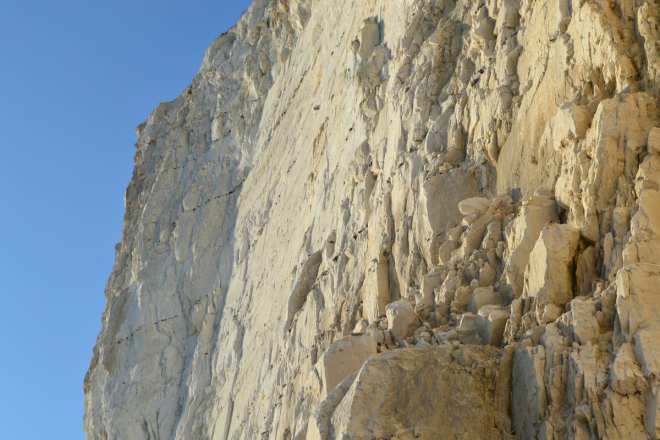
A walk around Birling Gap in East Sussex amid the famous Seven Sisters chalk cliffs was just the tonic for a dreamy August last afternoon. It’s a brilliant trip that we do fairly regularly. We started on the beach at Eastbourne with a picnic while enjoying the August airshow, before hitting Beachy Head and the Gap. After a pint at the superb Tiger Inn in ancient East Dean, we topped off the adventure with a 45-minute sunset stroll along the lower Cuckmere river from the Seven Sisters visitor centre to the sea. It was blissful but busy with tourists and folk down from London … which is just fine with me; it’s great to see everyone out enjoying the beautiful countryside, and the joy people were feeling in the sea air was kind of infectious. It felt a bit like going to the cinema – the pleasure of a shared experience of wonderful scenes is a great thing. Sussex by the Sea is a special place.

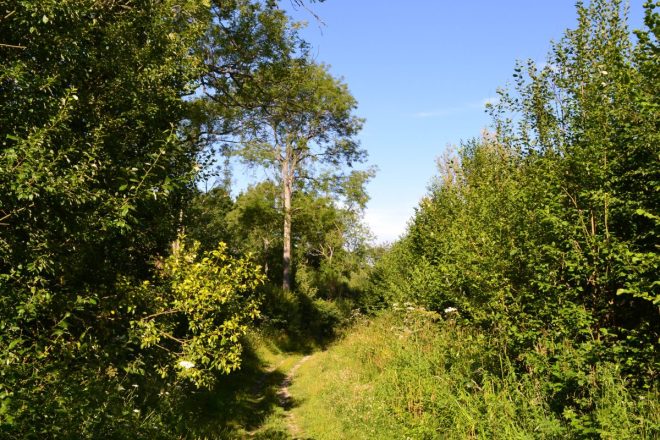
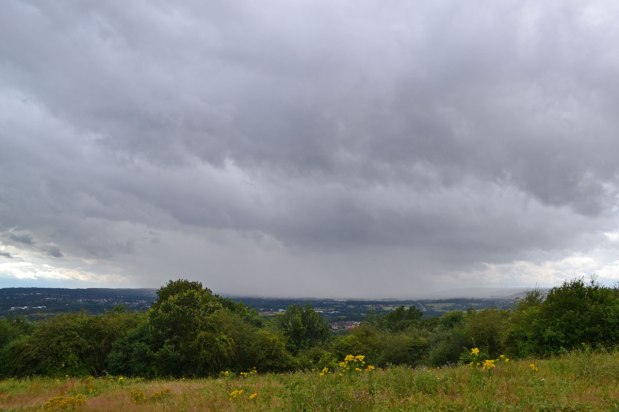
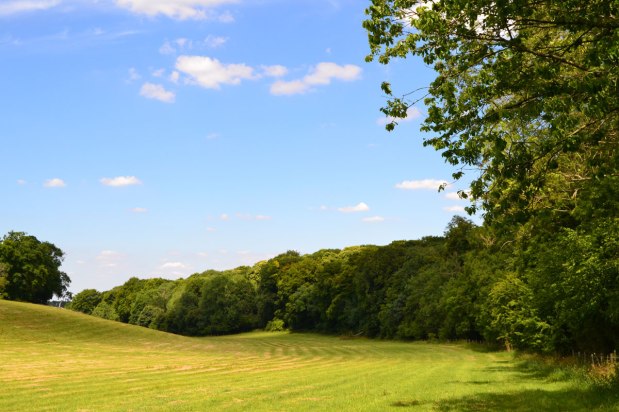
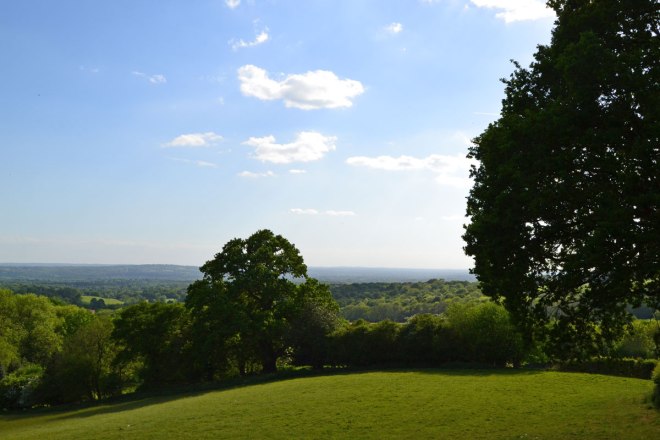
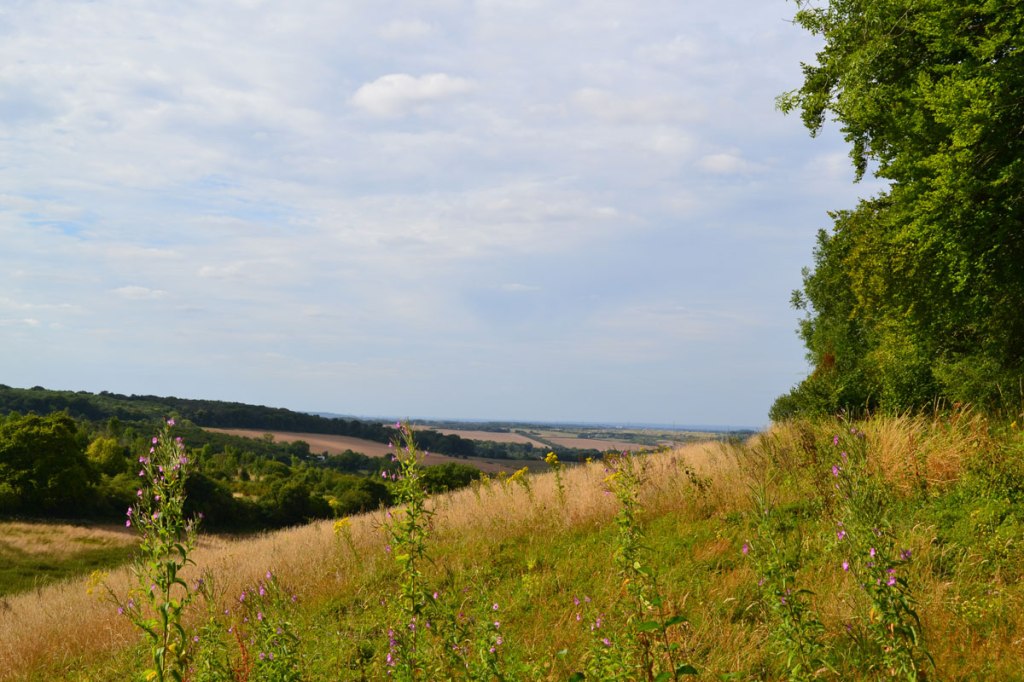
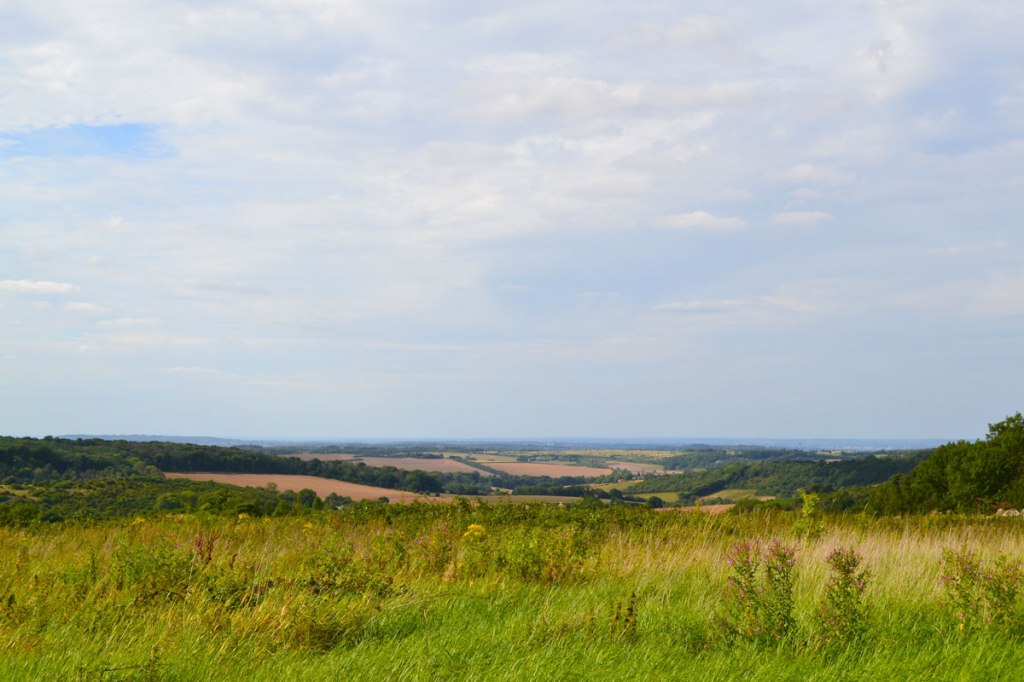
  • North Downs view
  • An egret at dusk in the Cuckmere river

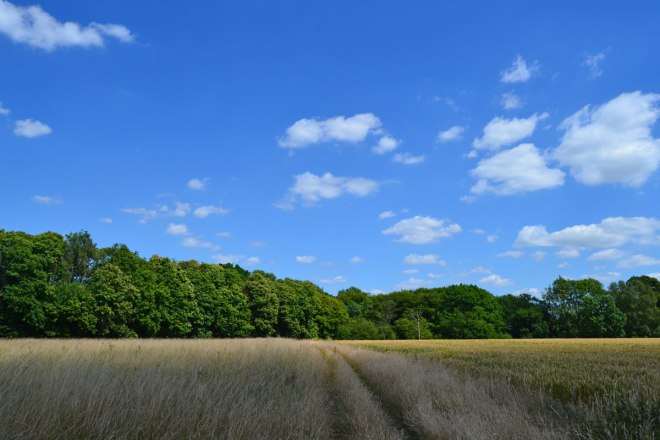
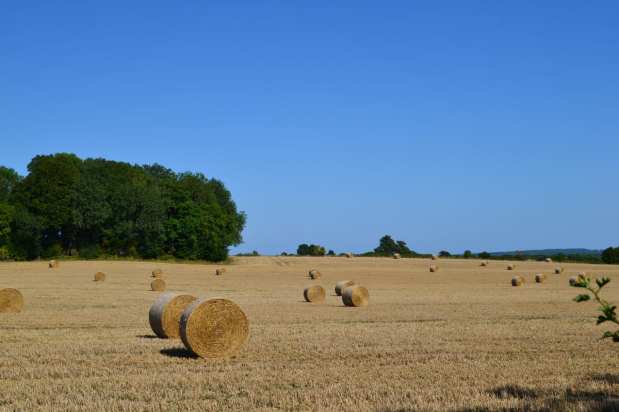
The following day it was back to the North Downs for the Knockholt / Chevening route; the first time this year I reckon. As mentioned in my previous post I was tipped off by a helpful KWNL’er that there was a useful diversion at the Point 5 which means you don’t have to walk on Sundridge Road anymore. And so there was. It was great. Very sleepy, dry, Augusty, quiet. And so few people! I missed the crowds at Birling Gap. Well, I didn’t reeeeeally; I love solitude too. Without the waves, gleaming chalk, and sea breeze, the western North Downs don’t have quite the easy allure of their southern counterparts; but for quiet, great views, glimpses of the medieval past and atmosphere they are wonderful. But so few south-east Londoners seem to quite know what’s on the doorstep – which is the point of this website I suppose.
Secret valleys on these NW Kent walks

Secret valleys on these NW Kent walks

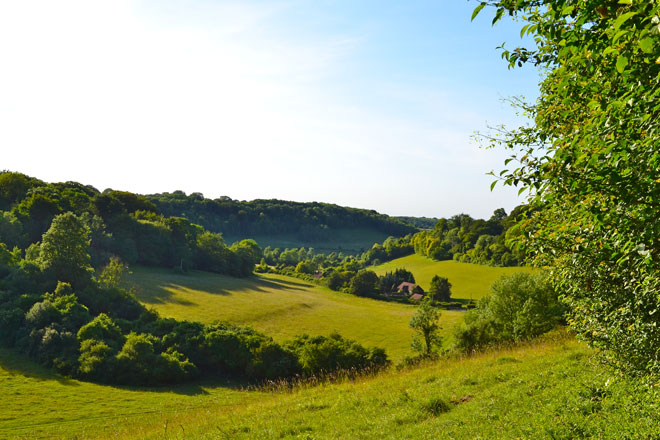
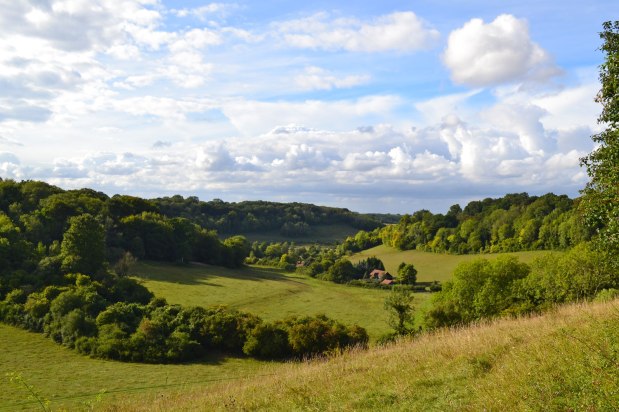
Kent Walks Near London can offer several lovely, lonely little valleys with their own microclimates, special flora, shelter and that precious sense of seclusion. Here are four of the best on the walks here.

1 The Darent… but not as you know it

Tower Hill, Westerham viewed from the ‘secret‘ valley of the infant Darent stream

On the Hosey and Westerham walks I love the little south-north valley that winds its way from the sandstone ridge at Mariner’s Hill down to Westerham. It’s actually the valley of the River Darent just after it rises from a spring just behind the Greensand Ridge. I was delighted to realise this was where the Darent started, the stream is more associated with the chalk of the proper Darent Valley of Samuel Palmer fame – Shoreham, Otford and so on – not this obscure place near Chartwell.

Harebells
Harebells in the shadow of Tower Hill, Hosey walk

The river is bounded by beech and conifer (with Tower Hill a dark bump just to the east) and initially runs through a delightful meadow of wild grasses, unseen from the path. It suddenly broadens into large shallow pools as it heads to Westerham before turning east and making its way to its ‘proper’ valley. Autumn colours here are wonderful.

2 Magpie Bottom – great name, great valley

Magpie Bottom viewed from Austin Spring on the Fackenden walk

This stunning little rift in the landscape features on the Fackenden Down, Otford/Romney Street/Shoreham and the Eastern Valleys walk in different guises. It is so secluded that only walkers know of it. And the few residents of the curious hamlet I think called Upper Austin Lodge on the OS map.

Magpie Bottom is a classic steep-sided chalk dry valley (similar to but more dramatic than the ones on the Downe, Polhill and Cudham walks) running north to south from behind the escarpment. These are caused by glacial meltwater long departed. The valley’s head at Great Wood and Eastdown just behind the chalk escarpment of the North Downs to Rose Cottage farm is a series of wonderful spots unreachable by car, but really it’s gorgeous all the way down past Romney Street, Round Hill, Upper Austin Lodge and Eynsford where it meets the Darent Valley. Possibly my favourite place on all the walks, and all the better for no longer having a golf course in it!

3 A verdant vale on the way to Ightham Mote

Hidden valley behind Wilmots Hill, Ightam Mote
Broadhoath woods in the hidden valley behind Wilmots Hill, near Ightham Mote

My final Kent canyon (it’s not a canyon) features on the longer version of the Oldbury/Ightham Moat route and is mentioned as a route alternative on the One Tree Hill figure of eight walk (see the blue line on the Google map at the KWNL page). So on the One Tree Hill routes it’s a diversion, a short cut that you’ll have to check your maps to include. But on the longer Oldbury walk it’s part of the deal. What shall we call it? It’s round the back of Ightham Mote and passes through a wood called Broadhoath behind Wilmot Hill (which has some of the greatest views in Kent). It has a lively little stream that rises just behind the Greensand Ridge, a terrific pond with viewing platform and interesting flora as it descends west to east to Ightham Mote itself, passing a shed built to house early 20th century hop pickers (you’d think hop pickers were in fact horses judging by the design of the housing – the landowners obviously weren’t too bothered by other people’s comfort levels). Like the other little valleys it’s good for birds: marsh tit and bullfinch have been seen here. It’s another totally secret dip, accessible only to walkers, that’s like an entry to another realm; a world away, but its paths are only 55 minutes from Sydenham.

A welcome rainy interlude

A welcome rainy interlude

A torrentially rainy day is great for a reset. In my case this means playing music and doing indoor things that I’ve managed to avoid usually by going on Kent walks. It’s been a run of busy weekends: I’ve played gigs in the Cotswolds, Oxfordshire, Leicestershire in addition to the usual local big bands; been to the north Norfolk coast for a reacquaintance with one of my favourite bits of coast (oh the bliss of the marshes of Holkham, Cley and Blakeney); spent time in East Sussex with family and at the Love Supreme festival (Jacob Collier, Chucho Valdes, Branford Marsalis and Stanley Clarke the main attractions for me). I also saw John Scofield’s great new quartet in London (this is all jazzy by the way, apols if it means zilch to you, dear reader). The sum result of all this, in addition to the 9 to 5, has been a dearth of Kent walks, Kent cycles, Kent photography. I’ve only managed three long cycles out to Knockholt and the Pilgrim’s Way since May – imagine!

Best rainy day walks at KWNL

The rain this weekend is of course a real blessing for the fauna and flora on the walks (the butterflies may feel a bit put out by me writing this of course), and will green things up for the next few weeks. NW Kent was looking a bit scratchy, dusty and arid after all. I usually associate that look with later in August when that ‘done with summer’ mood is afoot, not early July when people haven’t even gone on holiday (or booked holiday!). As it happens, I’m partial to a rainy walk as long as not too extreme, but I draw the line at lots of lightning close by! My rainy walk tip? I’d say woods are lovely in the rain and obviously provide cover – so Petts Wood and Oldbury iron age fort would be my choices today. Knole, while not particularly woody, has a damp appeal too – it’s an atmosphere thing possibly.

  • Meenfield wood in drizzle, Shoreham, Kent, August
  • Polhill Bank

Still, so far this year I’ve covered all the routes with the exception of Heaverham to Otford and the Heaverham circular (no particular reason why). I’ve walked the ‘go-tos’ several times each: Polhill, Downe, Fackenden, Bough Beech and Hosey Hill; and done all of the ‘occasionals’ such as Oldbury, Hever, Chiddingstone. I do feel the need to add extra walks… I know I need to add Meopham, Cliffe, Bexley, and perhaps Goathurst Common. There’s also a lovely walk from Tunbridge Wells that I should add involving the High Rocks. I reckon train access is particularly important; I’m uncomfortable with the assumption that everyone has a car (I can barely afford my own!). I think I’ve done well to get to 30 walks on the site; after all they are really springboards for your own adventures and can be modified, extended, shortened as you see fit. Let’s see if I can add a couple more by early 2026.

Take secateurs on your Kent walk!

Take secateurs on your Kent walk!

Things have got a bit overgrown on some of the more neglected paths. Despite the lack of rain, brambles have been getting busy and are giving their full attention to any bare legs they come across. Nettles too. The brilliant Eastern Valleys of Shoreham walk is the worse offender here… along the field edge coming up to point 3 in particular. That path is little used and things have got a little wild (there could well be an alternative route on a path within the woods, not along the field but I’m a little hazy on the details, it’s hot and I’ve been watching Glasto). I say secateurs, but a sickle or shears wouldn’t go amiss – whatever your implement, it’ll help keep things civilised. Obvs, don’t go crazy, just a little snip here and there to clear your path, we don’t want anything apart from brambles, the odd nettle and dogwood being snipped. Even on my brief Bough Beech stroll today I was assailed by prickles while on the pavement walking back towards the nature reserve (the kingfisher was showing well if you must know). Still, I survived; I always seem to, whatever terrible hazards the Kent walks near London throw at me.

Not too hot to trot in Kent

Not too hot to trot in Kent

When the temperature hits 30C a lot of us prefer to sit in the shade, sip a drink, maybe head to the park cafe, try to keep cool. But Kent Walkers Near London are rather like mad dogs and Englishmen – they go out in the midday sun and hit the trails of the North Downs and Greensand Ridge and anything in between. My cut off is closer to 35C when it comes to walking – I once did a few miles in Joshua Tree national park in the Mojave desert (not a Kent walk near London) at about 38C. It was great! No problemo. Just bring water and don’t get too lost and you’ll be fine! In fact doing the Kent walks are a better way of keeping cool than hanging in SE London – there’s usually a breeze on the downs and trees for shade. Plus they’ll be butterflies and wildflowers to enjoy. And unlike Joshua Tree there’s a decent pub never much more than a mile away. In terms of distance, as long as you’re feeling good there’s no problem with doing a walk up to 6 miles in high temperatures. One little tip though: if you do the Eastern Valleys route (quite taxing on a hot day as the valley kind of magnifies the heat) take secateurs as one of the paths gets overgrown a bit at this time of year and you don’t want want those pristine bare legs to be ripped to shreds! Enough. Enjoy!!

  • Magpie Bottom in the August heat
The orchids of Oldbury, Kent

The orchids of Oldbury, Kent

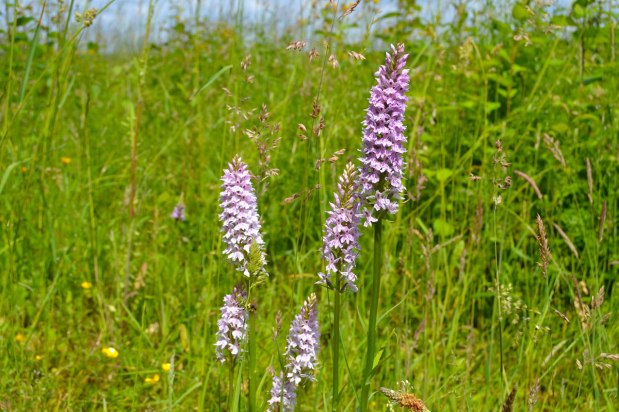
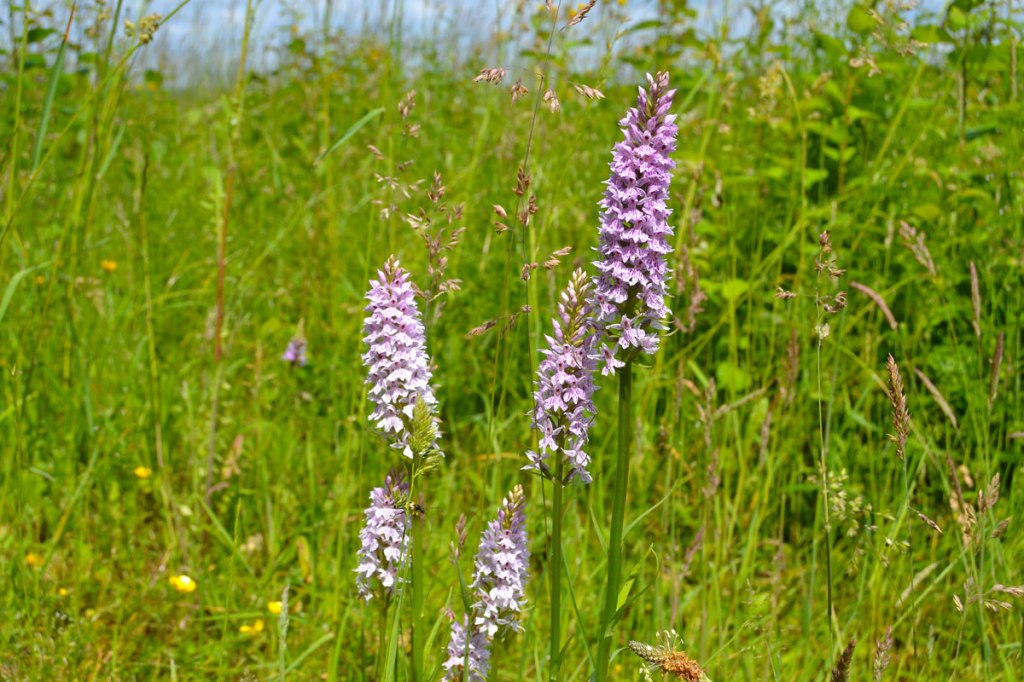
Orchids are in full flower across almost all the Kent Walks Near London. They particularly like the chalky North Downs routes, such as Heaverham, Chevening, Fackenden Down, Polhill, Lullingstone, Eastern Valleys etc (see list of walks above) but I’ve found great clusters at Hever and meadow fringes at Oldbury too, on the sandstone/clay of the weald and Holmesdale Vale. We unexpectedly came across the pictured common spotted orchids (the UK’s most often seen variety) on the Oldbury walk this week. This is one of the routes I’ve walked the least often; in fact I can count the times I’ve hiked the long and short versions on the fingers of one hand. I don’t know why, they are both brilliant strolls. The shorter version is mainly through woods and is one of the quietest walks on this website (apart from the bit near the A25). It takes in an enormous Iron Age fort, meadows facing the North Downs escarpment and a sandy trail past beautiful old fish ponds in rich woodland. I really recommend it – it’s got a special atmosphere, some might say even a bit spooky.

See the best places to see orchids on these routes.

How to use Kent Walks Near London

How to use Kent Walks Near London

It’s a great time of year for walking, as the visitor figures at Kent Walks Near London are showing. Wildflowers, birdsong, the sound of the breeze in the foliage, dry conditions and warmth are all balm for the soul – and how needed in these perplexing times.

It’s been great to bump into walkers using the website lately; generally all have been on the correct route and enjoying themselves! Only one couple were off piste, and this was because they had been following Bromley council’s signs for the Cudham circular rather than read the pdf they were holding of the Cudham Chalk Paths walk.

Ide Hill, Kent
Looking south-west across the Weald from Ide Hill

A smartphone can help

It’s been mentioned to me lately that it is still quite easy to take the wrong path at times. I really recommend using the GPX on the smartphone with takes you to my routes at Ordnance Survey or AllTrails. Here’s my Fackenden Down route at Ordnance Survey maps (actually done in reverse, but it doesn’t matter as the dot will show you where you are against the route whichever way round you’re doing the walk). If it all sounds a bit technical and you don’t want to be marching around peering at your phone, don’t worry – just take your time and read the instructions ahead so you’re not stopping every time there’s a side path and wondering if you should go down it. And if it does go wrong, enjoy that too… the countryside will still be lovely and all will come right in the end. It’s Kent, not the Amazon.

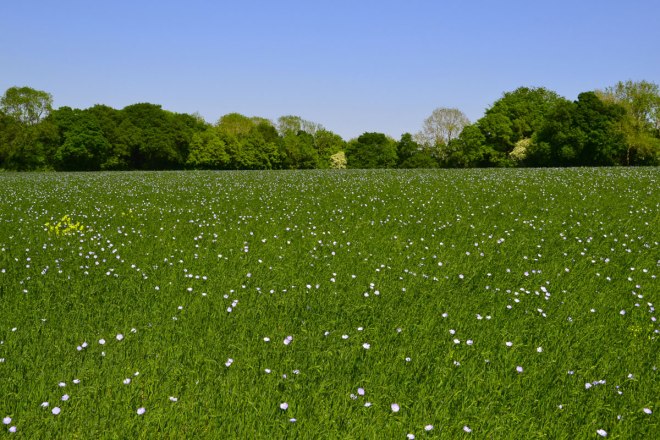
flax
Flax (linum) in a field in May, on the Fackenden Down route (walk 19), May 2025

A lot of KWNL users print off the PDF and go from there, but be warned: the PDFs are space-limited so I have to abbreviate at times. I think it’s best to use a combination of GPX map, the website on your phone and the pdf or just use a paper OS map just to check out the route in advance. Perhaps one day I’ll invent a special talking SatNav for KWNL so I can say ‘turn right, climb over the stile’ in real time. Actually, no; who wants that?

Contact me with route complications/updates

I really would appreciate people telling me when I need to update information, however. I can’t cover all the walks all the time so when things change – as they did on the Downe and Cudham walks in the past couple of years – it’d be great to get a heads up! Also, please send in bird/wildlife or plant observations… all welcome.

My best email is ammcculloch49@gmail.com for comms. I don’t bother with Facebook or Instagram much anymore (maybe I should try harder with the latter) – there’s just too much of all that and I consider social media to be run by awful people determined to do bad things generally. I deleted Twitter and I’m now on Bluesky if that’s any good to anyone (amackentwalks.bsky.social) but please excuse any tangential rantings you come across – I have other interests apart from walking (saxophone, Tottenham Hotspur etc) so it all ends up in one place.

A bike’s eye view of faded August beauty

A bike’s eye view of faded August beauty

The dusty torpor of late August is upon us. Birdsong has dwindled and the countryside looks faded and a bit tired. The late afternoon sunlight on Sunday was filtered through a layer of dust and smoke particles from wildfires across the Atlantic giving an oddly melancholic tone to our cycle ride around Cudham, Brasted and Knockholt. The silence was only punctured by the breeze on the beautiful hedgerows, and dry, long grasses and wildflowers of the verges and fields left to fallow. Swallows seemed to be clustering together in a few places as they contemplate their epic journey south. We stopped to pick blackberries at Letts Green, having for once remembered to bring some tupperware with us. Later a ruddy moon rose to the south emphasising the odd atmospheric conditions. My cycle route takes in the Pilgrim’s Way and the daunting Sundridge Hill, having sped down Brasted Hill. We’ve done it so often now that our legs have acclimatised to the steep sections that we used to have to walk up. Another cycle, the next day, took us from Tonbridge to Penshurst Place, a beautiful medieval manor house with a wonderful walled garden, on a route close to the Medway and its offshoots that’s mostly off-road.

  • Penshurst gardens
Into the hot valleys of the North Downs

Into the hot valleys of the North Downs

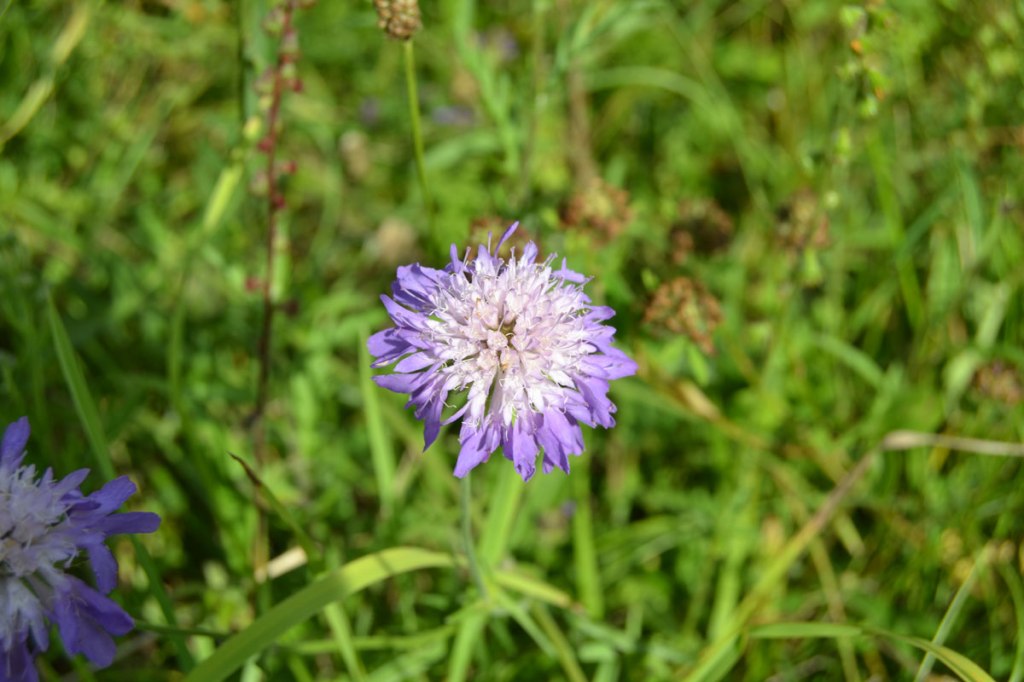
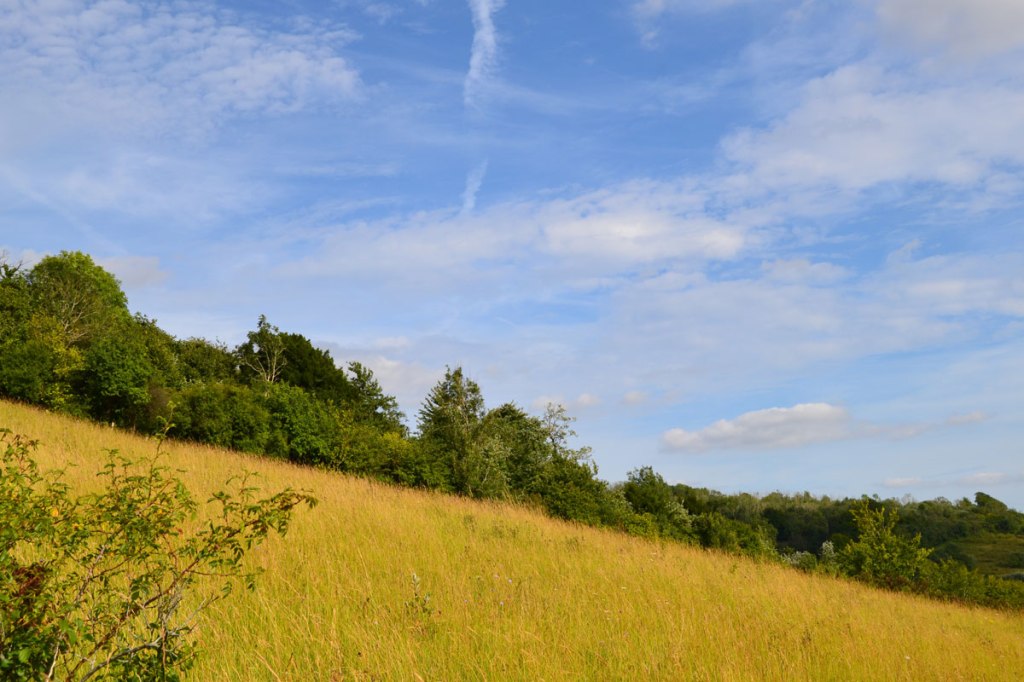
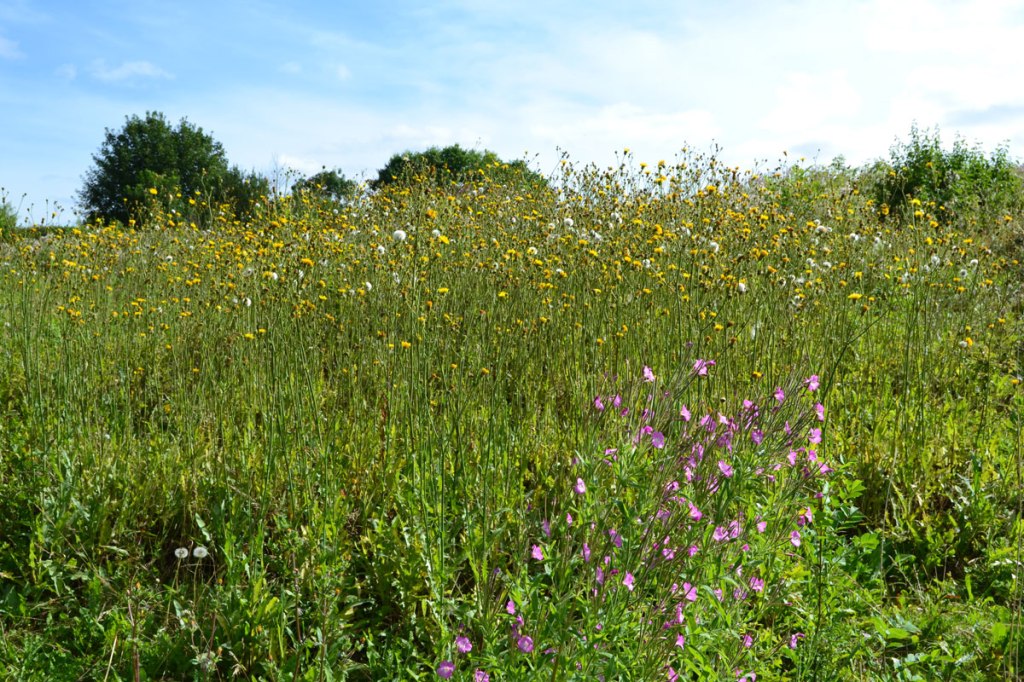
Sunny weekends have been in short supply this year. Hopefully we are overdue some. It’s a great time for butterflies and wildflowers like scabious, particularly in the chalky North Downs walks. I also love the displays of rosebaywillow herb… so colourful alongside ragwort. And there’s the wild marjoram and thyme to enjoy. It’s a great time of year, though look carefully and you’ll notice the grass is yellowing, the trees looking a little tired in places as August continues. I love a hot walk, and nothing beats the Mysterious eastern valleys and Fackenden Down walks for trapped heat and big-time humidity. These walks can be combined for a 7-mile epic, as can all the Shoreham, Otford and Eynsford routes. And they are only a 40-minute train journey away from Peckham Rye/Crofton Park/Catford etc. I’ll be setting off shortly …

Vibrant colour in Shoreham’s eastern valleys

Vibrant colour in Shoreham’s eastern valleys

Great to see so many people enjoying walks this weekend, a fair few using the KWNL routes and following the GPX from the look of the WordPress dashboard. I’ve helped a few out with directions from time to time – people are always tickled pink when they realise they’re talking to the actual bloke who wrote this site.

Today I walked the ‘mysterious eastern valleys of Shoreham‘ route. The path by the field is very overgrown. I was prepared for it so brought secateurs. Despite my snipping that path will still be daunting and slow going. I advise a diversion: check out the map on the route’s web page to see it – it involves walking down to Shoreham church from the station then taking the path heading north and eventually crossing the railway line and the A225 before heading east, steeply uphill and joining at Point 3. It’s not difficult, honest.

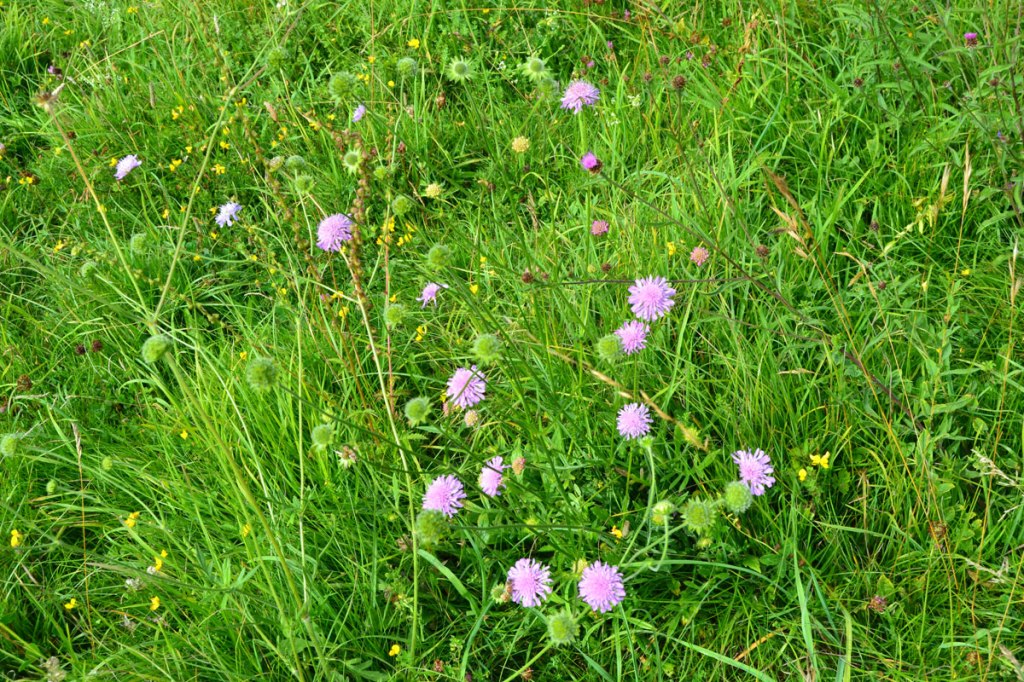
And it’s worth it. Right now this is a brilliant route. From the hamlet at Austin Lodge up to Romney Street the wildflowers are fantastic: wild marjoram and scabious; mauves, lilacs and purples with knapweed, devil’s bit scabious, the yellows of trefoil and ragwort, the deep pink of rosebay willow creating a sheen of vibrant colour. I walked with clouds of meadow brown and gatekeeper butterfiles with the odd brimstone and chalk hill blue thrown in. As ever in summer, the Magpie Bottom valley – between Knatt’s valley and the Darent valley – was humid, still and quiet. A little owl called, buzzards soared. I decided to extend the walk past Romney Street to Magpie Bottom and over Fackenden Down, bringing me out at Shoreham station just in time for the 5:38pm Blackfriars service. Perfecto.