Bough Beech wildlife and ice-cream

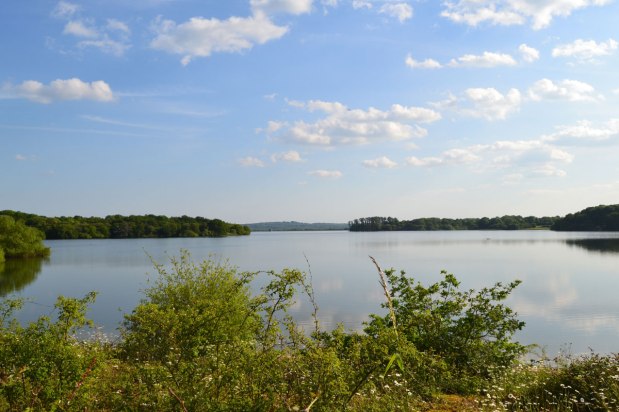
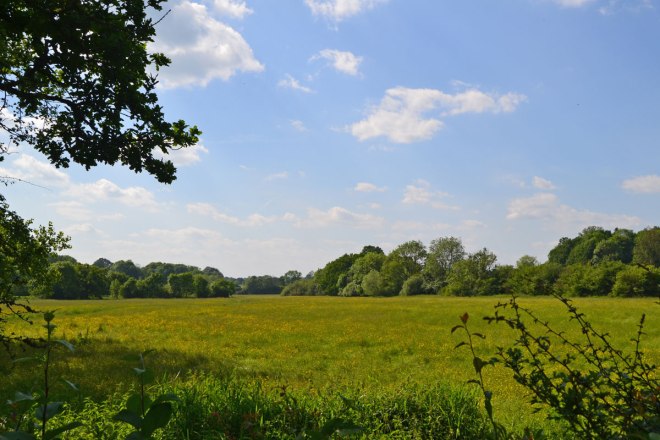
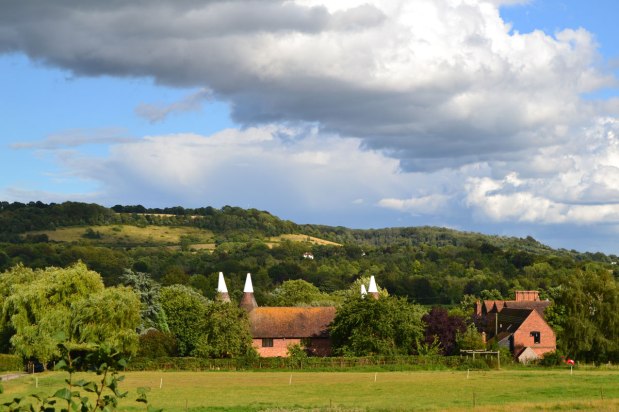
A lovely summer’s day coincided with a planned outing to Bough Beech for the shortish walk and a stroll around the former Kent Wildlife Trust nature reserve with its fine bird hide overlooking a lush and large pond. Birder Dave was in attendance and was ably assisted by the Merlin app, although Birder Dave is the more accurate judge of bird calls and songs. We heard spotted flycatcher, saw three marsh tits, a hobby, kingfishers, grass snakes, heard raven (could it be that noisy individual who ‘lives’ in the Douglas fir by Chartwell?), saw green sandpiper, flocks of lapwings (once a common site in all parts of Kent, but now no longer) and the usuals. Better still was the fine company and the encounters with friendly birders who were very familiar with the site and knowledgeable. The Bough Beech is the only walk at KWNL where you can buy an ice cream half way through. And a top quality one too. At Bore Place farm there’s a sort of little barn round the back with freezers full of top notch organic lollies and tubs. You pay with via a card reader or QR code thingy – it took me a while to work out how to pay because I couldn’t be arsed to find my glasses so kept misreading ‘charge’ as ‘change’. Duh.

A reptilian reveal

A reptilian reveal

It was great to hear that Kent Wildlife Trust made it to their £196k target to buy an extra 26 acres to extend their Polhill Bank reserve, which features on a couple of KWNL routes – Pluto and Meenfield Woods. I headed out there earlier today, sacrificing the first set of the French Open tennis final. I had a subsidiary mission – to buy a shrub. I was actually planning to go to Coolings for this purpose, near Knockholt, but the traffic was so horrendous on the pertinent routes past Bromley and Hayes that I diverted to Polhill Nursery so I could return to SE London via the Orpington bypass road, up through Chislehurst. I had a good look at Polhill Bank. The first pyramidal orchids were showing, along with loads of milkwort, speedwell and all the June usuals. My expertise does not extend to plants beyond the common species. There were few birds around: I heard a cuckoo briefly, which is something, a whitethroat and eventually a yellowhammer. Buzzards soared, a swift swooped around; there were no swallows or martins disappointingly. However, for the first time I saw a lizard at this reserve. I’ve long wanted to see one here because KWT’s website proclaims their presence on these sunny slopes. So I was delighted. I really had to look and just caught it in the corner of my eye in a gap between vegetation. I stayed on the path and was determined not to disturb it in any way as it was sunning itself on a piece of wood. As a result my photos are rubbish. But that is less important to me than the fact I documented it and didn’t tread on anything I shouldn’t have – and left it in peace.

  • Common lizard at Polhill
  • Pond and view

Where’s best for orchids in Kent (but near London)?

Where’s best for orchids in Kent (but near London)?

Us south-east Londoners are blessed with proximity to great places to see orchids at this time of year. The chalk hills from Downe to Heaverham, along the North Downs escarpment are full of them, splashing vivid purple, pink and cream among the whites and yellows of ox-eye daisies, trefoil and buttercups. They are beautiful flowers and vital in the lifecycles of loads of insects.

They can be found on all the walks from May to July, but here are the best routes that feature them:

1 Fackenden Down
2 Eastern Valleys walk – the hillside that runs into Magpie Bottom from the south
3 Lullingstone
4 Downe (extend the walk to Downe Bank). Also should be a few on the Cudham walk.
5 High Elms (mostly in the woodland glades near the visitor’s centre)
6 Polhill

I also hear the water meadows just north of Keston ponds are a good spot. Perhaps southern marsh orchids there. I’d better go…

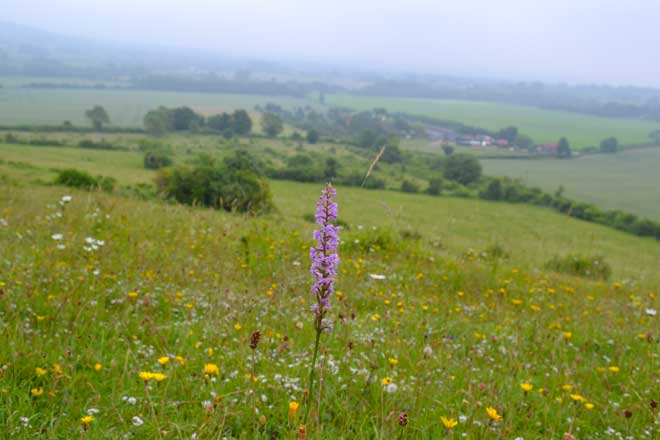
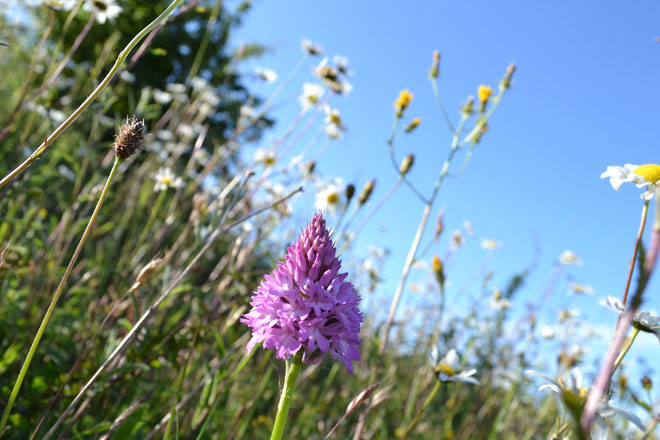
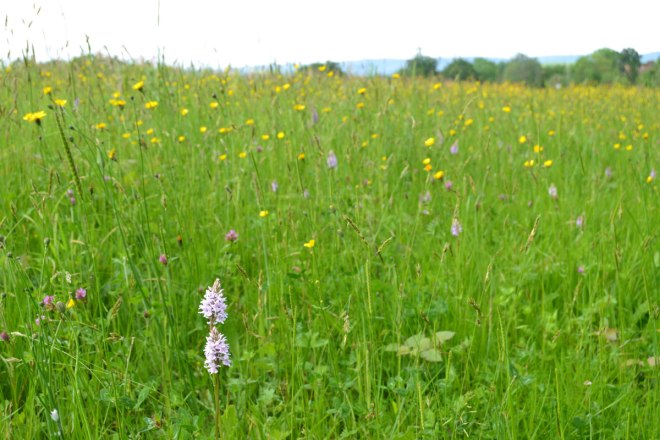
Various orchids pictured below include southern marsh, bee, fragrant, common spotted and pyramidal orchids at Hever, White Hill (Fackenden Down), Magpie Bottom, Polhill, Pilot Wood, and Downe.

  • Pyramidal orchid

I’m sure you can see loads too on the Knockholt/Chevening route, all the Otford/Shoreham routes and Kemsing or Otford to Heaverham trail too – I just haven’t been on those recently to check. On the Greensand and the Weald they can also be seen in certain meadows and along hedges on the Bough Beech, Hever and Chiddingstone routes. But not quite as many as on the the chalk of the North Downs.

  • Pyramidal orchid, Downe

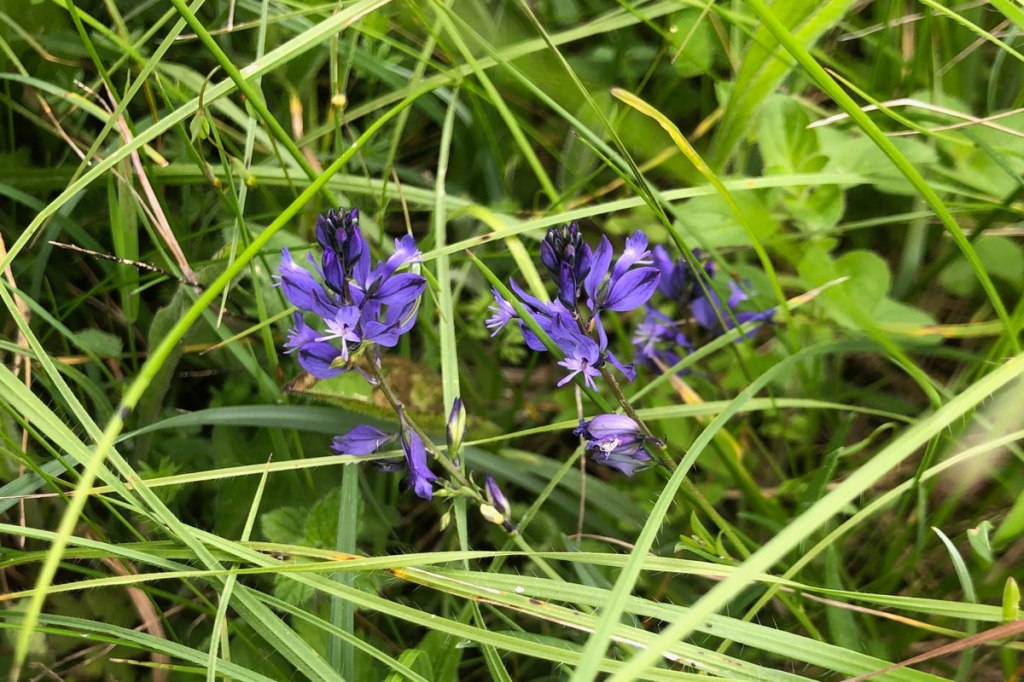
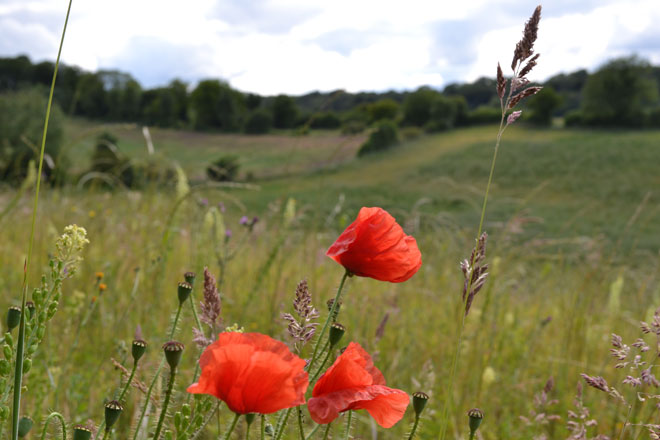
There are so many other great wildflowers to enjoy at this time. Sainfroin, for example, poppy, bugle, ox-eye daisy, and the lovely milkwort. Some are pictured below.

It’s wet on the Weald

It’s wet on the Weald

My wellies came in useful on the Hever walk on Saturday. I’ve never worn them in early summer before. But my hunch was right… there are still a few quagmires out there. Watching a young couple ahead of me try to negotiate the mud in lightweight trainers made me wince. There’s not really the same problem on the North Downs chalk walks, where the drainage is much better thanks to the geology. Except where there’s clay (Andrew’s Wood hillside I’m looking at you).

  • Bough Beech

In June it’s generally a good idea to stick a pair of secateurs or tough old scissors in your rucksack if you’re doing a Kent walk. It seems odd I know. One or two of the less well used paths become entangled in brambles, nettles etc this month and next. This is particularly the case this year because rain has kept hikers away and some of the paths have been left unused. The Eastern Valleys walk east of Shoreham definitely requires a bit of snipping as you walk along the fields on the Darent Valley rim. The diversion to the Percy Pilcher memorial viewpoint is in need of a trim at the best of times. And at Chiddingstone, near the start, the path leading into the swampy woods is nearly impassable. If you prefer, you can divert to walk along the field edge – it joins the main path as you enter the woods. The same thing happens later as you near the River Eden on the return leg. There are parts of the Hever walk, in Stock Wood and Newtye Hurst Wood where you might need to divert off the main path and it‘s easier to do a little judicious snipping than try to battle your way through. Especially if you’re wearing shorts!

Overall the Weald of Kent is obviously wetter than normal for the time of year. Bough Beech reservoir is brimful for once and the mires and ponds in the woods of Hever and Chiddingstone are well topped up.

It’s time for Fackenden Down

It’s time for Fackenden Down

The Fackenden Down walk in late May on a breezy sunny day cannot be bettered. This is the walk on this site with most rewilding going on and plenty of Kent Wildlife Trust-maintained land. The results are a good variety of wildflowers, including several orchid species and sainfoin, lots of butterflies, burnet moths and birds such as buzzards (very common), whitethroat (from May to September) and yellowhammer (if you’re lucky). Some ancient species of livestock such as highland cattle are often used to graze the grasses in small numbers. My route is brilliant, if I do say so myself, and easily accessible by train. There’s a great pub at the end of the walk too – the Samuel Palmer.

I love Magpie Bottom in particular, a sheltered secret feeling valley alive with flowers and great variety of tree foliage colours. Then there the views from Fackenden Down itself, the wild “garden“ along the foot of White Hill and the Down, the view of London and Essex from the high point at Romney Street … it’s terrific, and a good workout with a few steep sections. It comes in at around 12,500 steps.

The Kent Wildlife Trust is in need of volunteers to monitor its livestock. Also it’s looking for urgent donations to enable it to purchase more land at Polhill, across the valley from Fackenden, where it monitors and maintains similarly superb chalk hillside. I’ve diverted the donations to this site to the appeal, but please make sure you chip in.

Suddenly summer

Suddenly summer

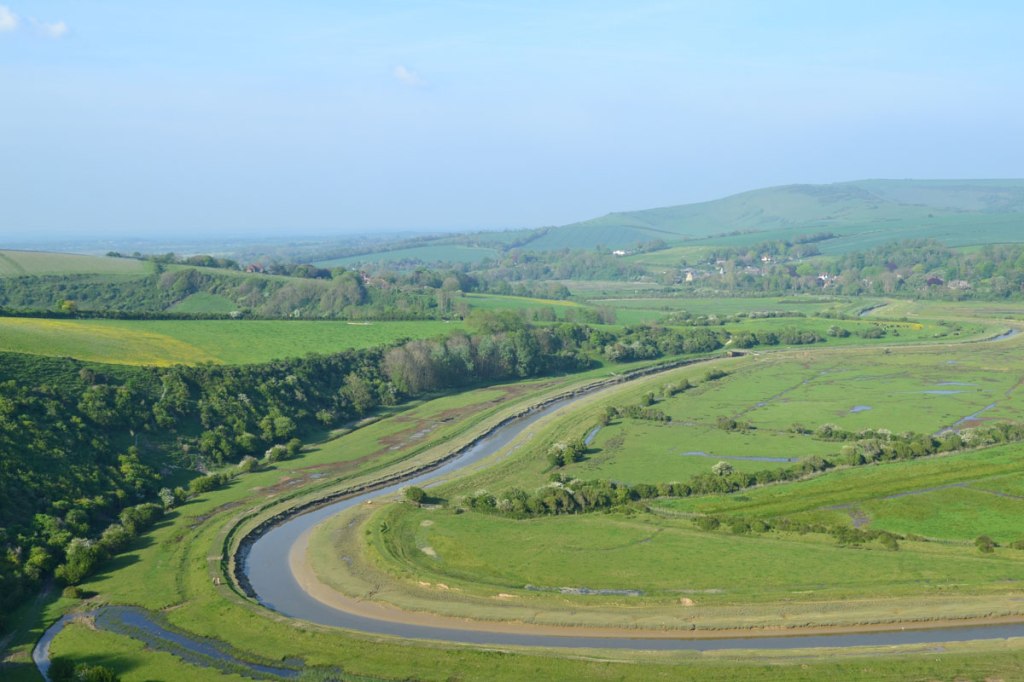
The unexpected arrival of a summer that seemed so distant on the bank holiday and the even more unexpected appearance of the aurora borealis in the skies of south-east England (has this ever happened to such an extent before?), were the backdrop to full-on weekend of walking for yours truly. Family wanted a walk in the Seven Sisters country park, East Sussex. My offer of the Hever walk, great in May, was turned down. So we headed down the merry old B2026, A26 and A27 turning off towards Afriston soon after Lewes. We improvised a walk starting in the downs above the Cuckmere valley at High and Over, then steeply down to the river to the country park visitors centre. From here, we decided to walk through Westdean (beautiful!) and Friston Forest then back to the Cuckmere via New Bridge and steeply up High and Over (though an inquisitive herd of goats). About seven miles.

Pictured: view of Cuckmere river from High and Over; the Cuckmere river nears the sea; looking towards Friston Forest from High and Over

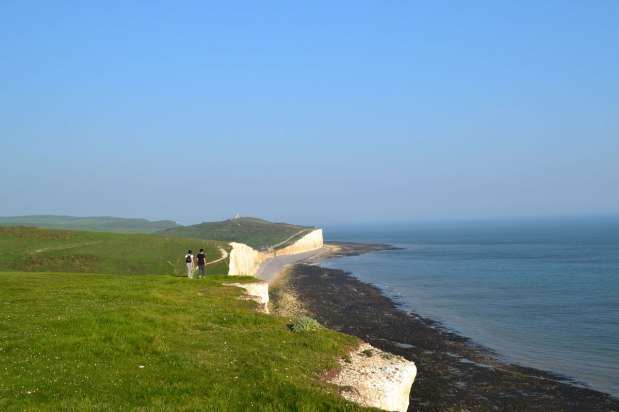
Cliffs were the next item on the agenda so we drove to Birling Gap where the happy ice-cream ensonced throng was beginning to thin and walked a mile or so along the tops of the Seven Sisters and back. This was followed by a great dinner at the gorgeous Tiger Inn in East Dean and another walk from the Seaford Head car park down to the Coastguard Cottages (think Atonement and a million photos of the cottages, the beach and the cliffs). During this walk a fox crossed our path with a rabbit in its mouth. Another rabbit bounded past in the opposite direction. By now it was pushing 9pm and crowds were arriving at the car park hoping to see another great aurora.

Thinking ahead we drove back to SE London via the Ashdown Forest, parked up in darkness at the Piglets car park and made our way to the AA Milne memorial with its great north-facing view. By now it was about 10pm. Lots of others had the same idea … good humoured groups of people lingered with their phone lights pointing at the ground round every corner. Of course there was no aurora borealis, underlining what a one-off Friday night had been. But we saw a decent starscape, a few satellites, and that was it. I was hoping for an owl and the song of a nightingale, but alas …

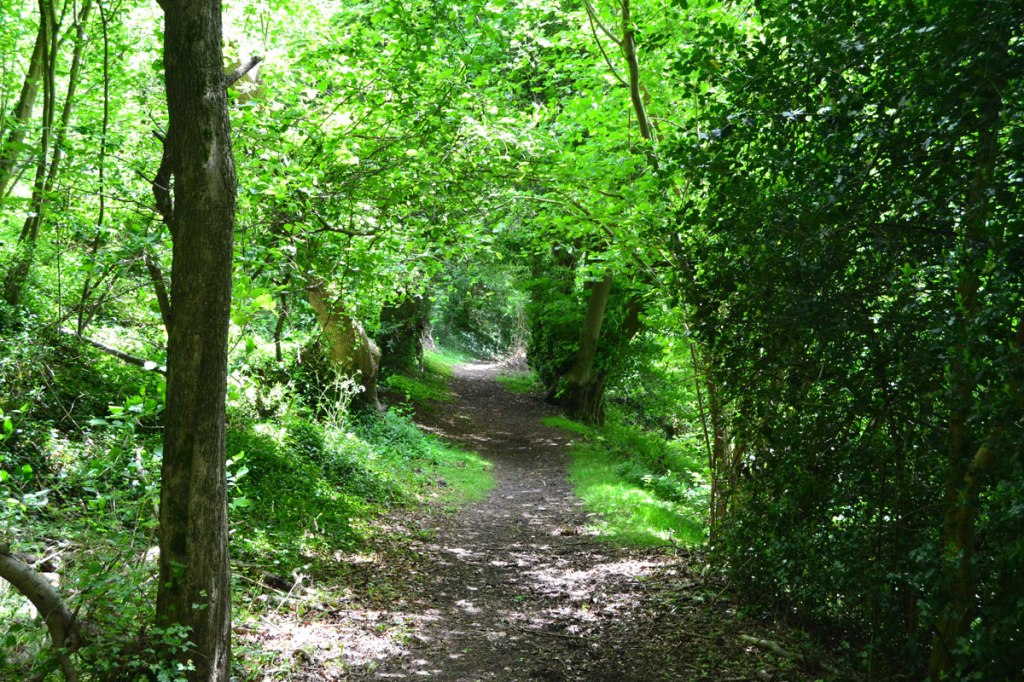
Sunday saw a more familiar path taken: the High Elms/Farnborough walk (pictured above). Sun-dappled paths, fantastic fresh foliage, an air of bonhomie from fellow walkers – what a difference a spell of sunshine can make. This route lacks great views but it’s far from ordinary because of its associations with Darwins and Lubbocks, and star-studded arboreal content – from sequoias to holm oak, beech to corsican pine. I fiddled with the Merlin app a few times to try to identify warblers and other migrant birds calling from thickets. But it didn’t work. I guess they were all common whitethroats and blackcaps anyway. One highlight was was the clearing in the woods a mile north of the Beeche cafe. It was full of bugle and cowslip; dark blue and yellow splashes. This season’s bluebells are already largely a memory. Here’s a very good blog about High Elms and other places covered on KWNL by Bill Welch.

A sultry stroll at Fackenden Down

A sultry stroll at Fackenden Down

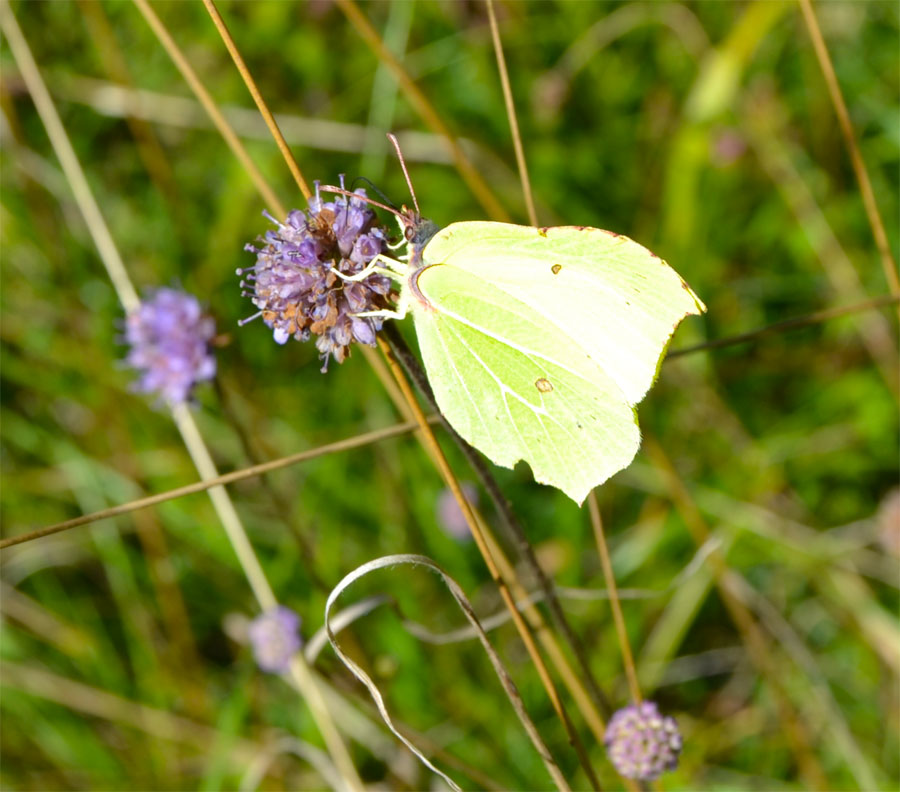
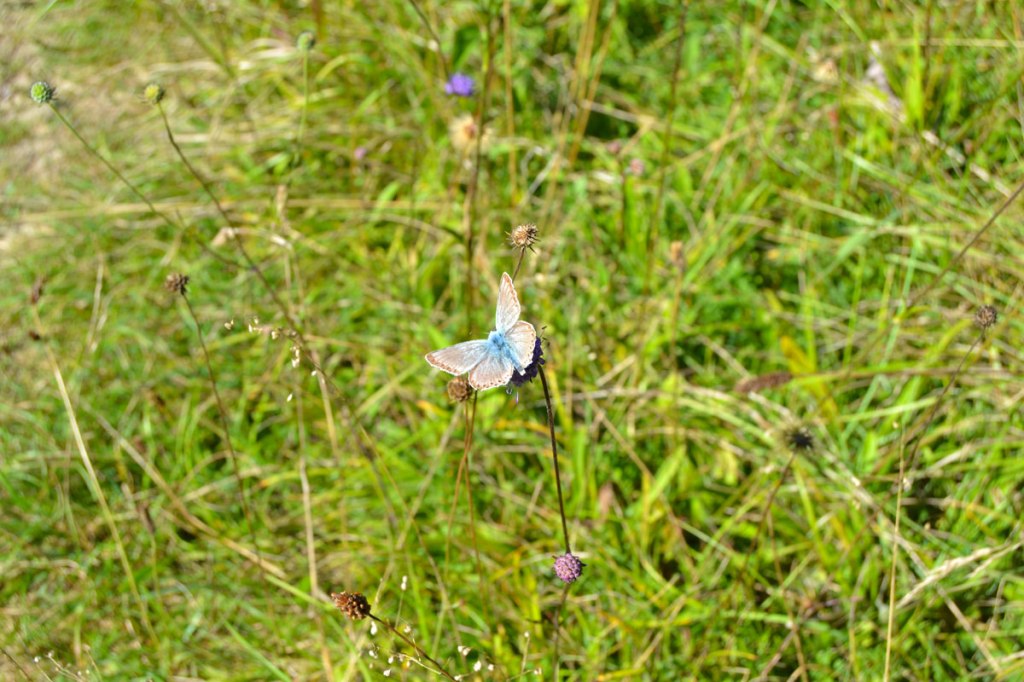
The hot sunny weather – this September has been pronounced already as one of the hottest on record in the UK – has been good news for butterflies. The Fackenden walk is particularly good for viewing them; the first few sections after the right turn on White Hill were awash with chalkhill blues, red admirals, large whites, meadow browns and gatekeepers this week. I was particularly intrigued by the numbers of brimstones flying during my sultry stroll there last Monday. These beauties are the offspring of the butterflies that emerged from hibernation in April and May. With so many scabious and devil’s-bit scabious still flowering along with the likes of fading marjoram, valerian, wild carrot and trefoil, there is plenty of foodstuff still around. That wonderful ‘garden’ running halfway up between White Hill and Fackenden Down is great for other creatures too: it’s clearly good habitat for reptiles and birds, though I’ve never personally seen much there, not even a whitethroat, blackcap or yellowhammer this summer – just a few goldfinches (a beautiful but common bird), red kite, buzzards and green woodpeckers after the many ants on these slopes. I did spot a rapidly disappearing common lizard though, after hearing a rustle in the leaf litter. Earlier in the walk, at Austin Spring I was delighted by a view of a hobby (a smallish, fast-flying falcon) hurtling straight towards me, presumably chasing dragonflies.

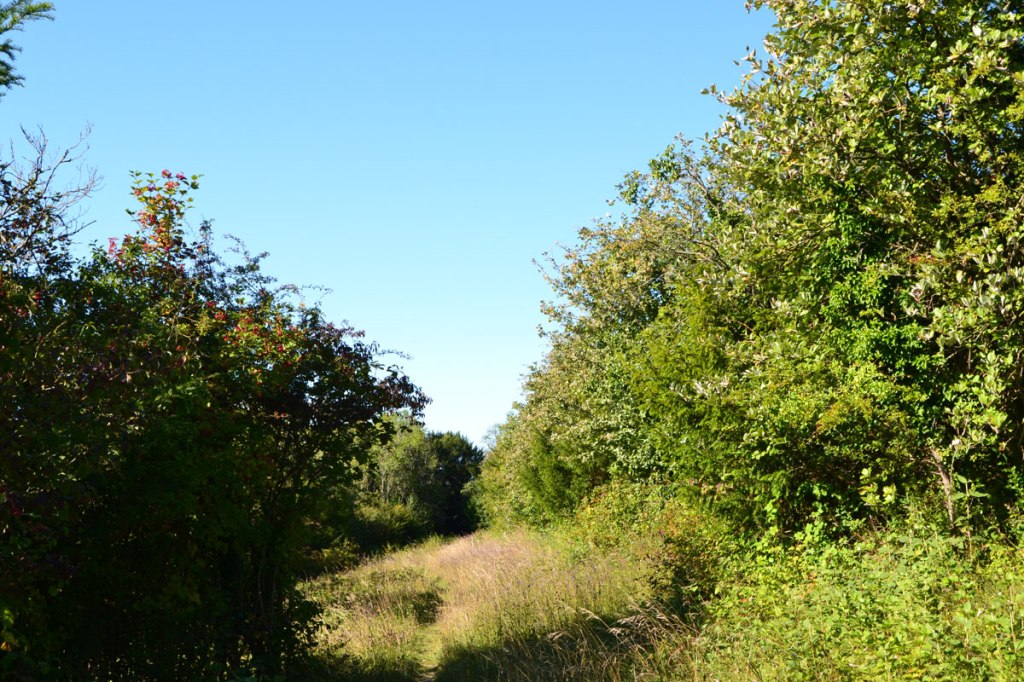
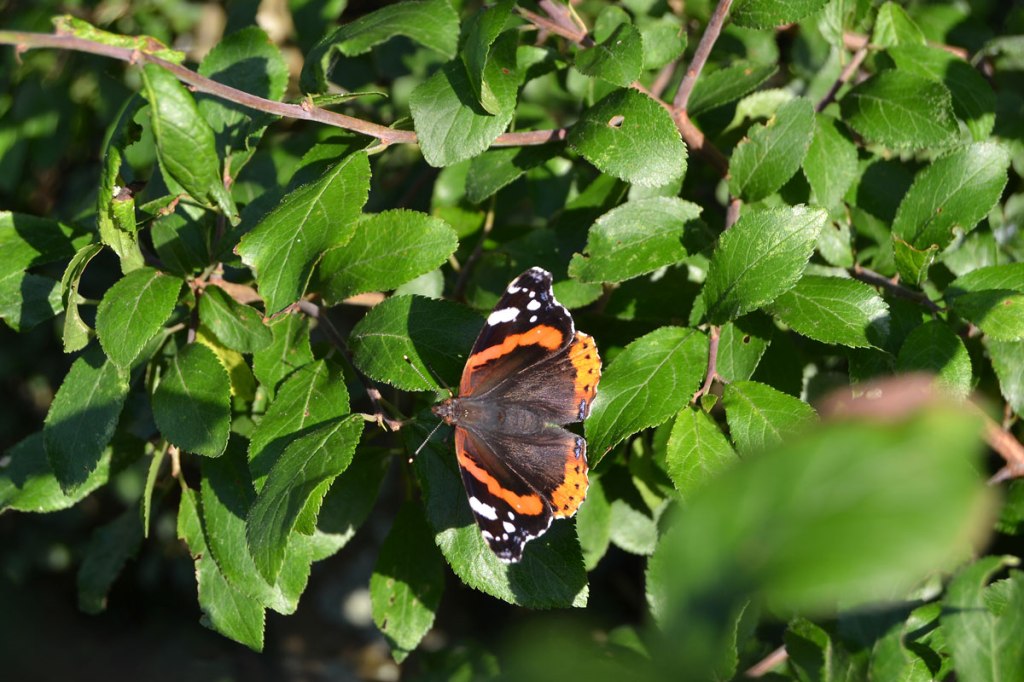
I’ve taken to doing the Fackenden route the ‘wrong’ way round these days: so I take the path on the left up White Hill that culminates in the steps, then across the Dunstall Farm fields to Austin Spring and Romney Street, Magpie Bottom (also great for flowers and insects) and eventually to Fackenden Down. Either way is great, I suppose I just want to save that ‘garden’ with its kaleidoscopic haze of grasses, scabious and insects until last. (Pictured: red admiral, brimstone, red admiral, the path linking White Hill and Fackenden Down looking north, a scabious flower and, below, a male chalkhill blue.)

Here’s something I’ve never seen before …

Here’s something I’ve never seen before …

Walking on the path through the scabious, ragwort, marjoram, yew trees and grasses on the chalky west-facing slopes of White Hill/Fackenden Down last Saturday I spotted a wasp spider – a creature I’d never seen personally. It’s a spectacular arachnid, one that has been increasing its numbers in the south-east over the past 15 years. I guess a powerful orb weaver like this will be snaffling up drowsy late summer insects in the coming weeks. The walk itself was as beautiful as ever but quite bereft of bird life, which isn’t unusual for late August just prior to the large migrations. Only a solitary buzzard and a charm of goldfinches being of note, though we weren’t being particularly observant. Oddly, not a single swallow was noted – unlike during the walk at Cudham the following day, where a red kite was also seen. My friend Teri took the spider photos.

Pluto promenade

Pluto promenade

The Polhill/Pluto walk was a delight this week; a chance encounter with a brown argus butterfly (pictured below by sort-of-accident while focusing on scabious flowers) on the Polhill Kent Wildlife Trust patch a highlight. The Andrew’s Wood segment of Shoreham Woods was full of great willowherb, marjoram and wild parsnip – a colourful brew. On the Darent Valley floor itself the sunflowers at Filston Farm were a treat and there were still some wild verbascum flowers in bloom at Sepham Farm. Very few birds were seen which is quite normal for this time of year although a hobby, a buzzard and a suspected corn bunting at Filston Farm were notable spots, while swallows were beginning to gather for their big goodbye. Yellowhammer were heard but not seen at the foot of Polhill.

Grass and butterflies

Grass and butterflies

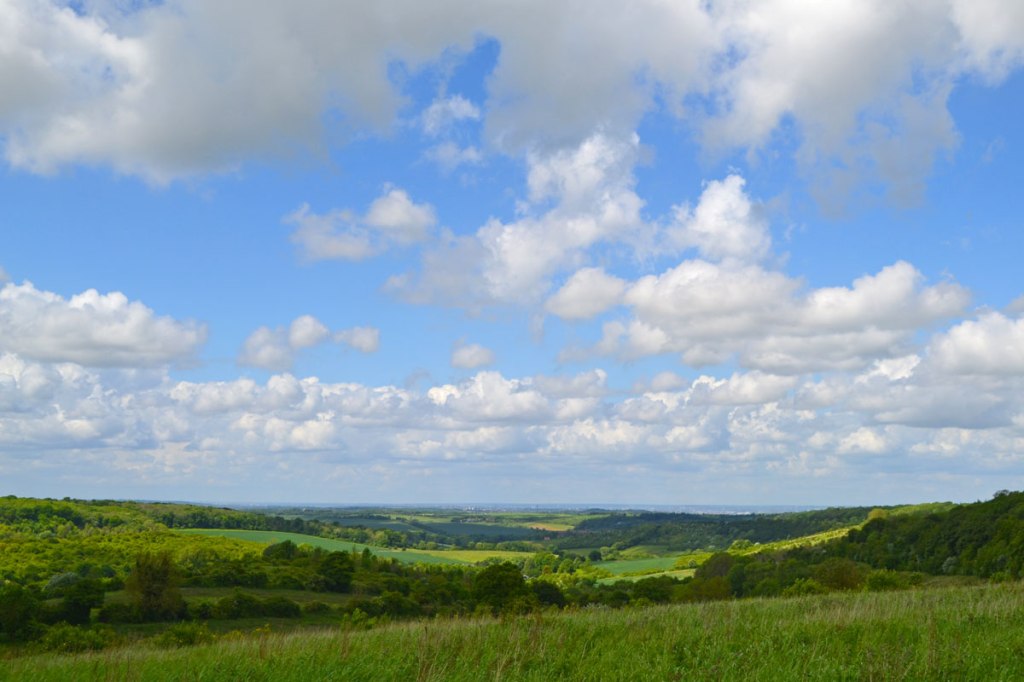
Late July, early August: it’s a slightly torporous time, and in most summers the countryside becomes gradually a bit tired and frazzled looking – rather like the Australian cricket team currently trying to play out the Ashes (now there’s a hostage to fortune). But this year, thanks to recent regular rain, there’s still a freshness about things. I particularly love the long grasses this year, so full of wildflowers – and such a contrast to last summer’s scorched earth. We’ve been lucky in 2023 in that respect, as other parts of Europe have literally burned. Nearly all the walks on this site feature beautiful grassy meadows at one point or another, the best being on the chalk North Downs at Downe, Shoreham (Eastern Valleys, Pluto, and Fackenden in particular, Knockholt and Cudham. Wild marjoram, wild carrot, ragwort, trefoil, knapweed, pyramidal orchids (still flowering) are among the common wildflowers all flourishing amid the grasses, creating a fetching spangle of purples, yellows, pinks, reds and creams among the greens. Anecdotally, butterflies have shown well this summer despite the mixed weather. At the moment it seems to me species such as comma, red admiral, marbled white and large white are the most commonly seen. In April and May, brimstones were a common sight, then peacock butterflies. I haven’t seen any silver fritillaries this year and hardly any orange tips or small tortoisehells, I’ve just been unlucky – others have seen them. Pictured below: red admiral butterfly, scarp view, knapweed in Chevening churchyard, a cleft in the North Downs scarp, a comma butterfly, the escarpment, a lonely path, all from Knockholt/Chevening short walk on a near-cloudless late July early evening.