Thoughts of spring

Thoughts of spring

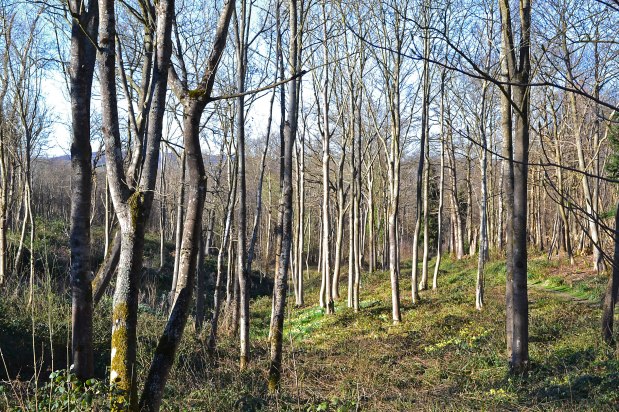
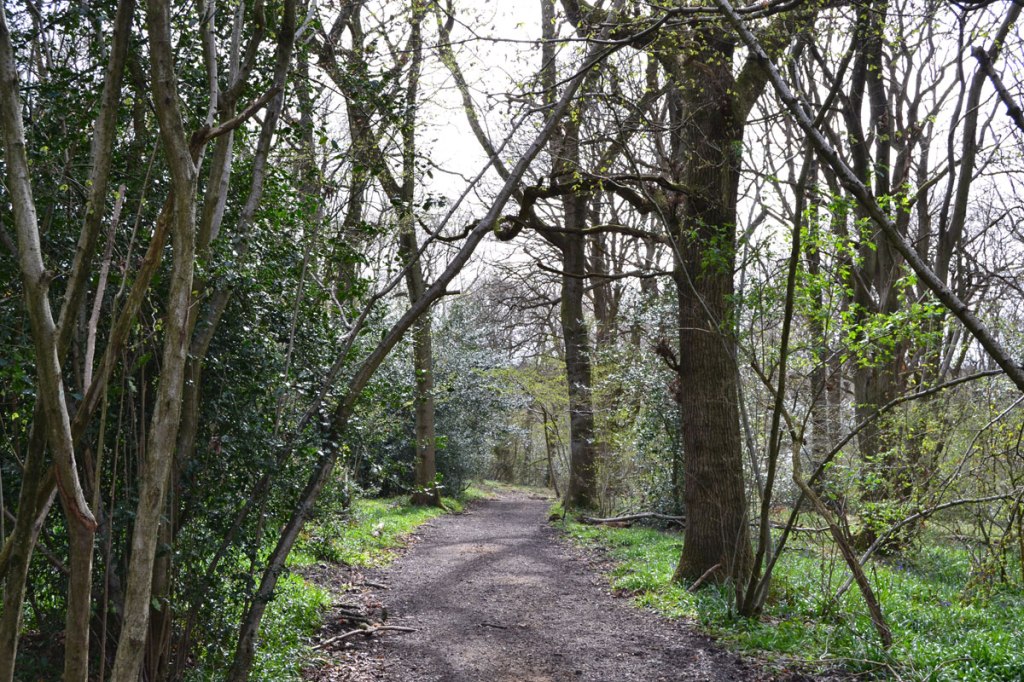
Spirits have fallen almost as steadily as the rain as we slipped mildly and humidly from winter to spring . The Met Office have gloomily talked of precipitation records being broken, and a sense of oppressive drudgery has undeniably taken root as indoor life seems the only option. Still, I’ve been impressed by the amount of runners and cyclists still out in the lengthy downpours, clocking up the miles. Me, I’m a fair weather fitness fan. A lot of the rain has been too heavy for walks; I’m happy in drizzle but the stuff that stings your face definitely takes the pleasure away at this time of year, though can be fun in summer. But hey, spring is around the corner somewhere, the temperatures are mild, the crocuses are out in the park and the daffodils gaily wave in the breeze. I love to walk on the Greensand Ridge at this time of year, to see signs of spring seeping into the colours of the miles of countryside stretching before you as far as the Ashdown Forest. It’s muddy, sure, but there’s also optimism in the snowdrops, primroses and sudden uptick in birdlife among the skeletal trees. Toy’s Hill south of Westerham has been fertile ground for walking.

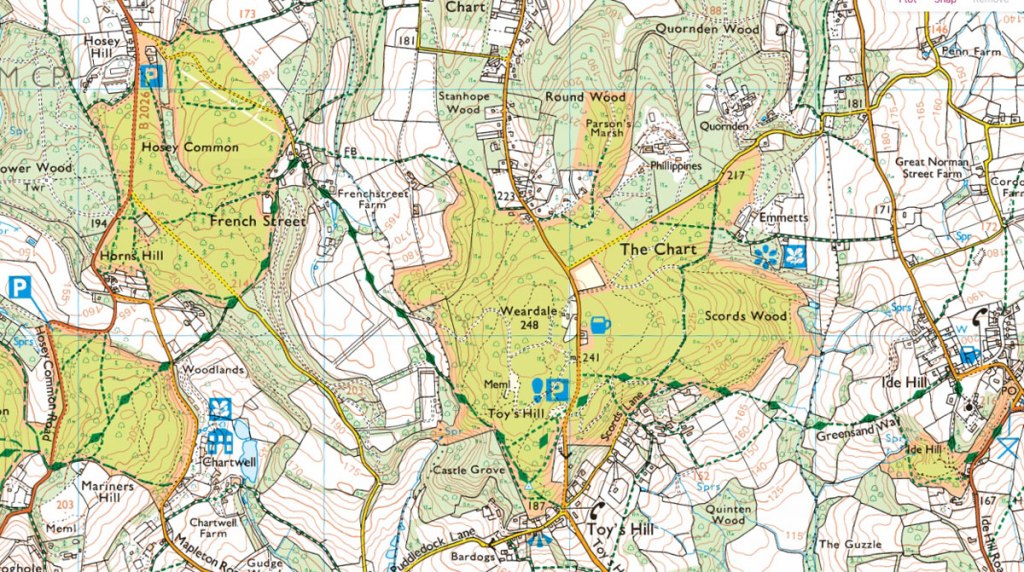
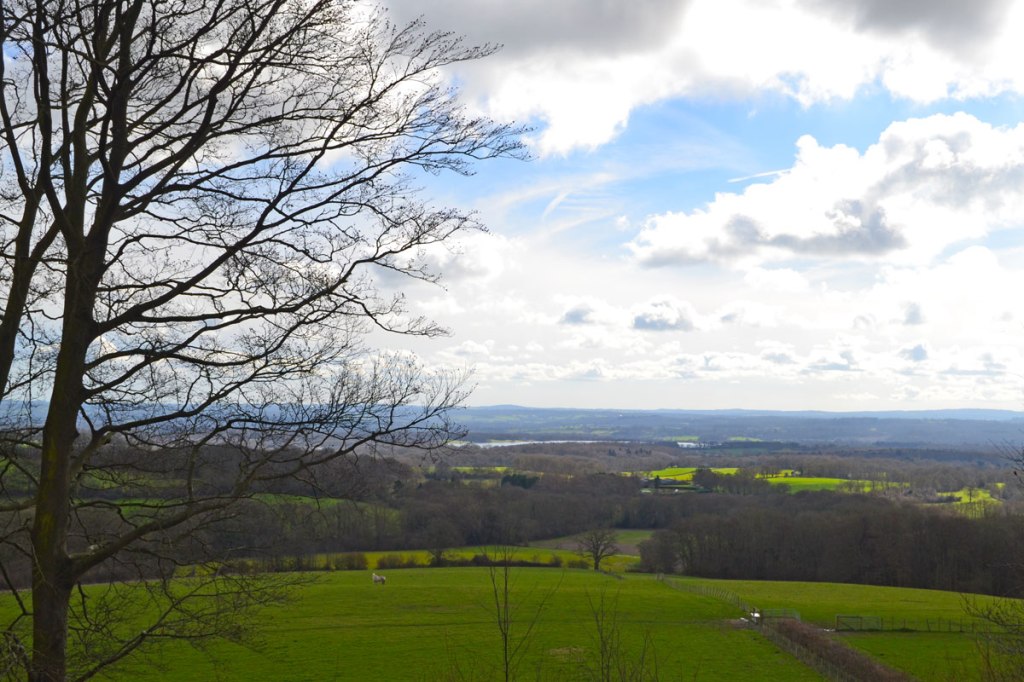
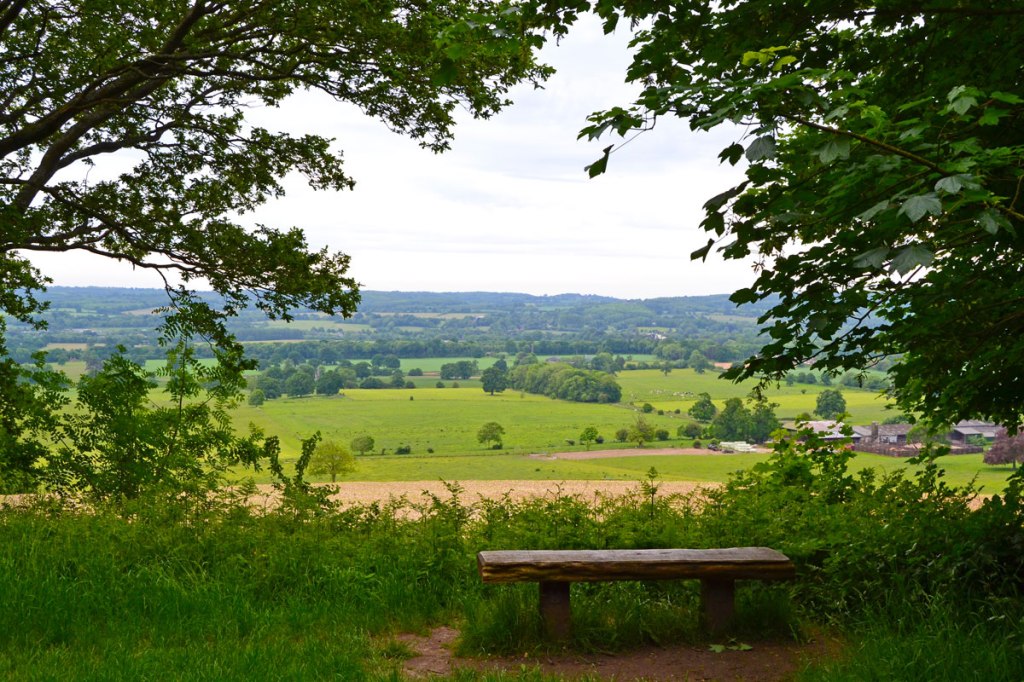
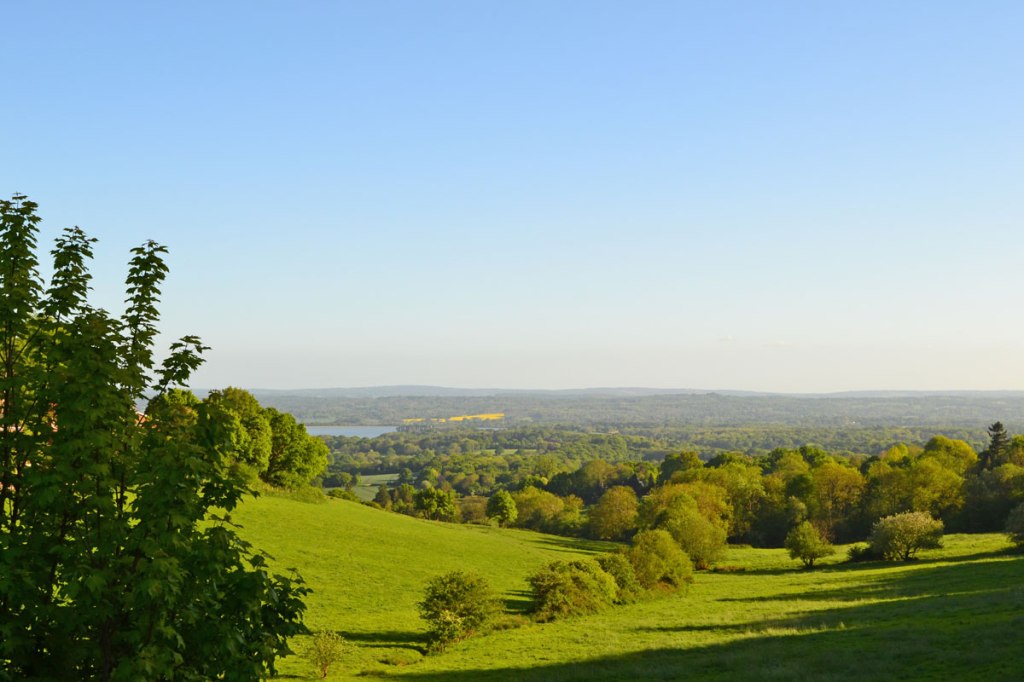
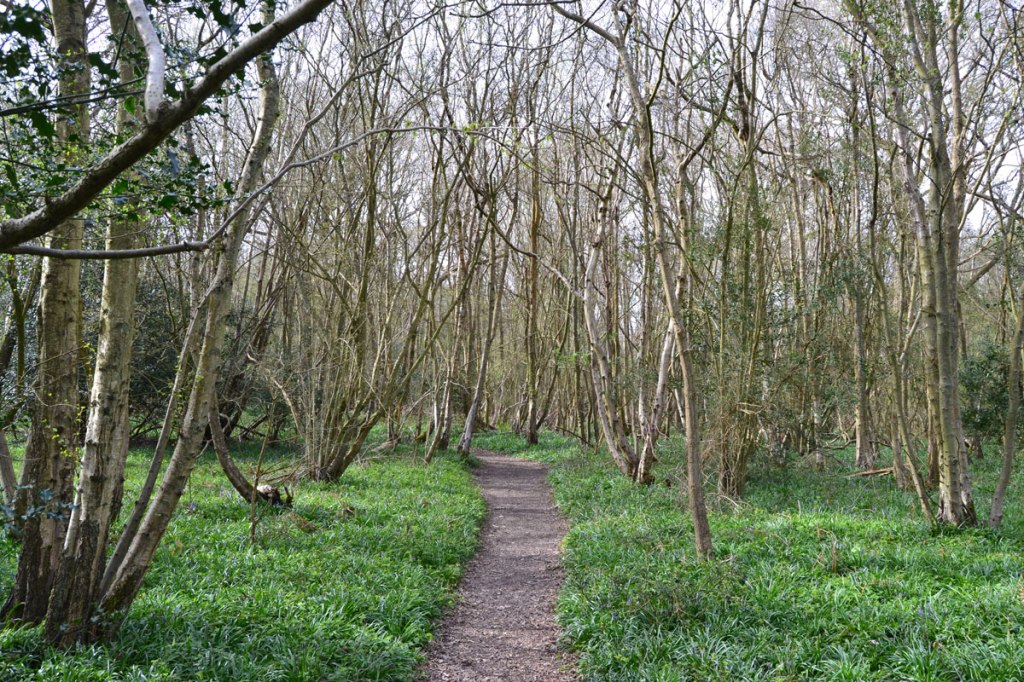
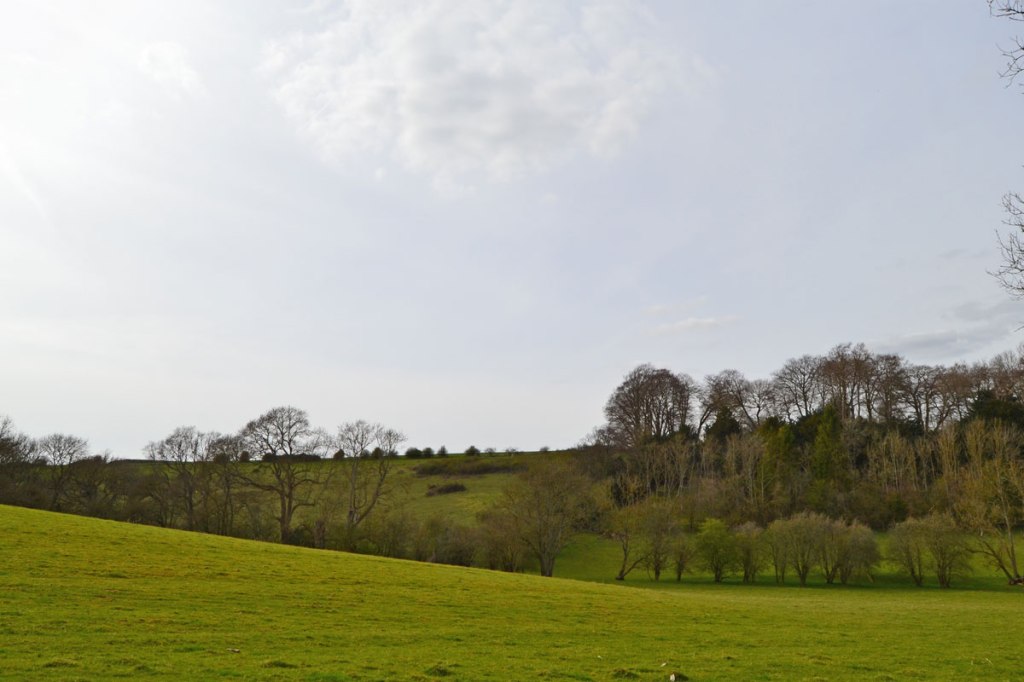
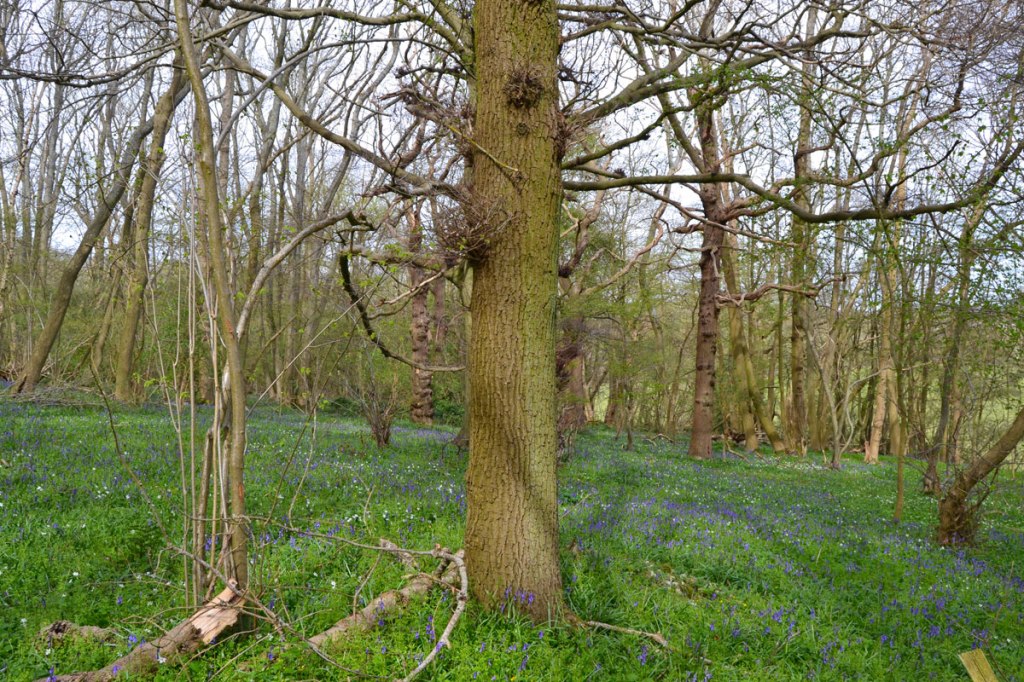
I haven’t got a Toy’s Hill walk on KWNL but there are several routes from the NT car park (the map above shows the car park, lower centre, and Toy’s Hill’s proximity to Hosey, Chartwell and Ide Hill) that are well signposted, such as the shortish Red Route, which will take you to Emmetts Garden and back. You can do my Ide Hill walk from Toy’s Hill easily enough, or even the Hosey Common route, but obviously you’ll be adding on a few miles. I really like the spot near the NT car park where the old mansion used to stand. From here you can see four counties including Leith Hill and even the South Downs on a fine day. The photos below were taken in early March; appearances change quickly at this time of year so expect less bleakness in the days ahead!

  • Toy's Hill
  • Ram Pump pond
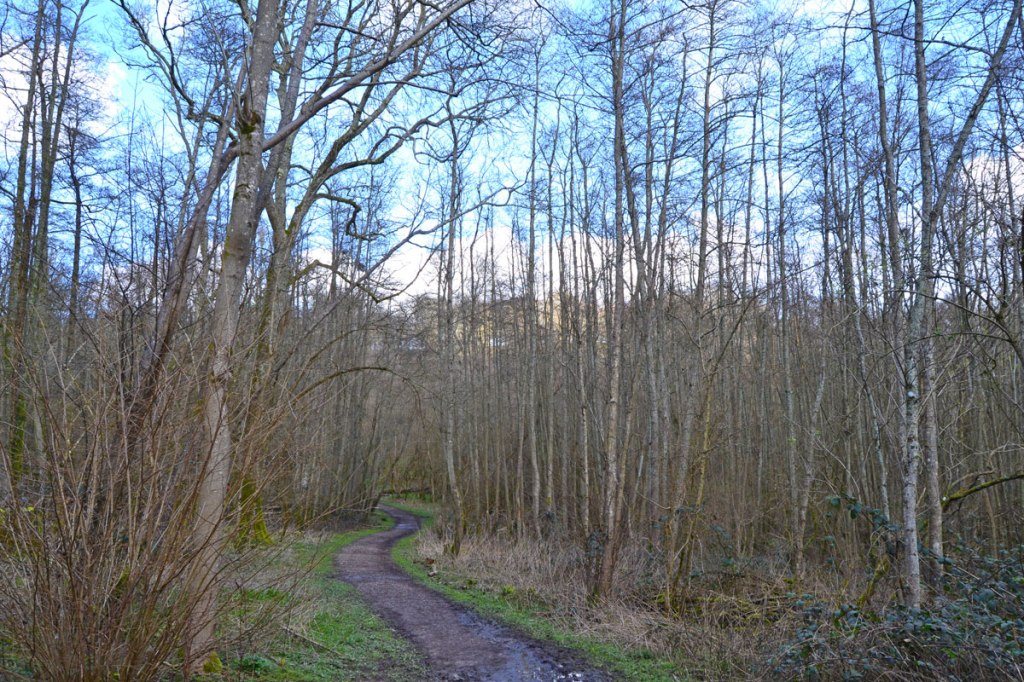
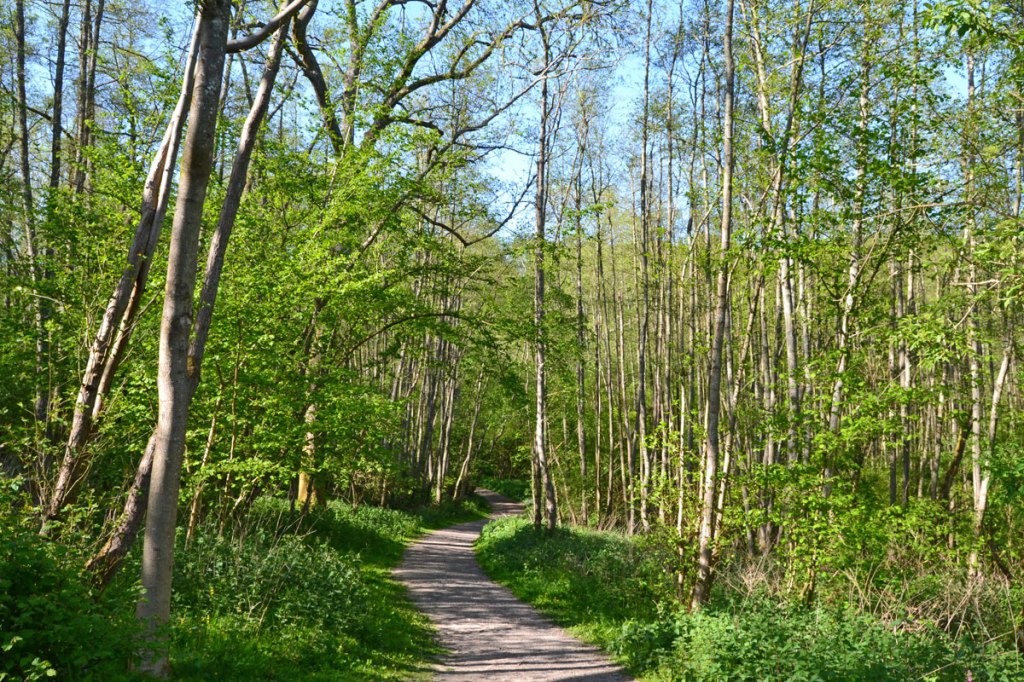
  • Scords Wood, awaiting signs of spring
  • Scords Wood view

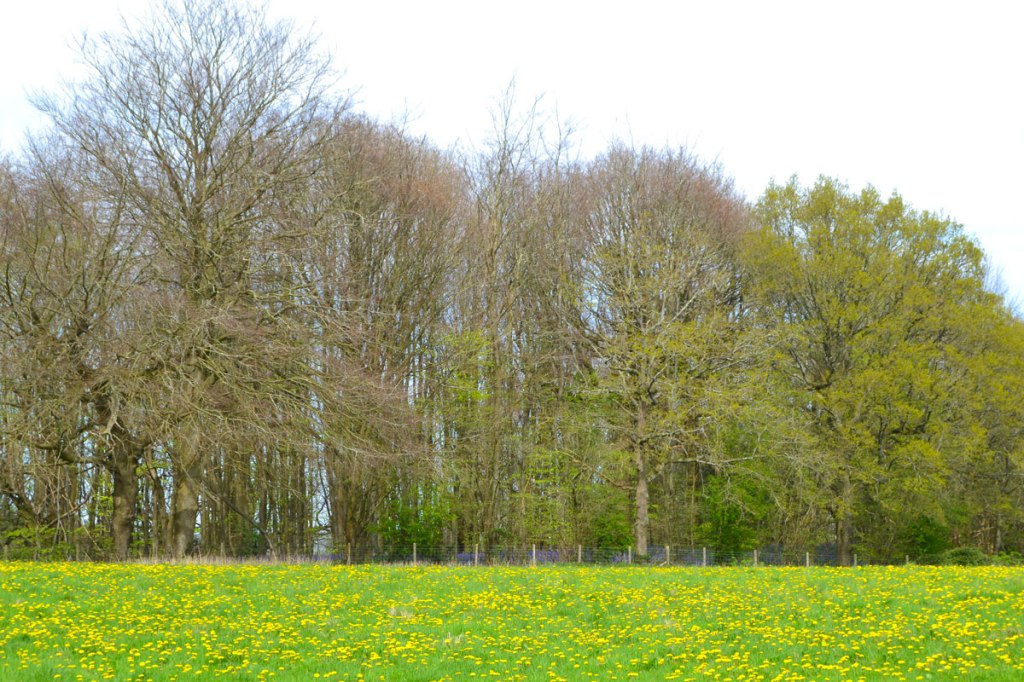
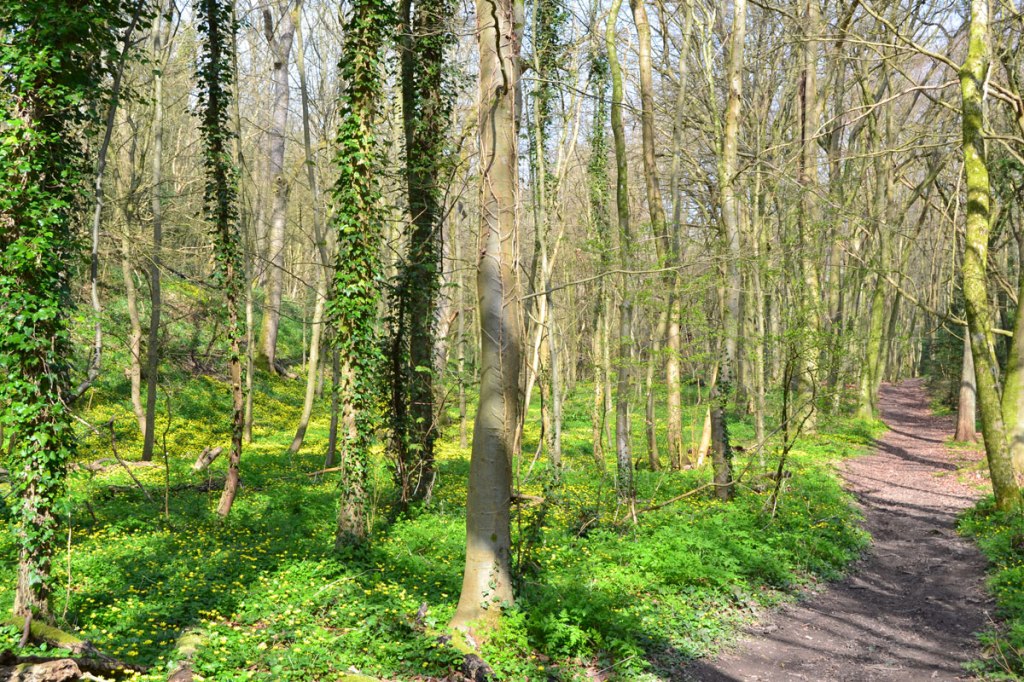
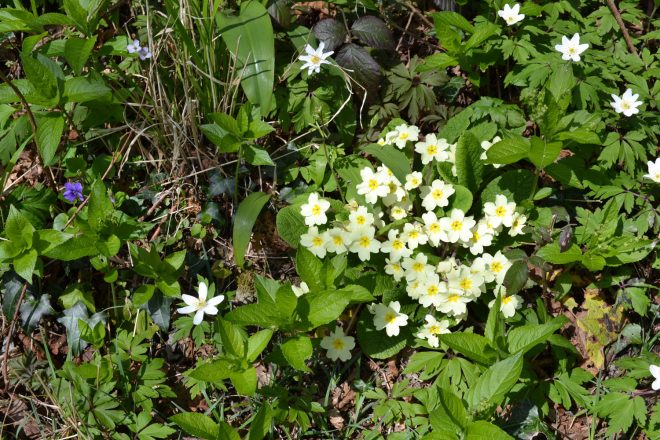
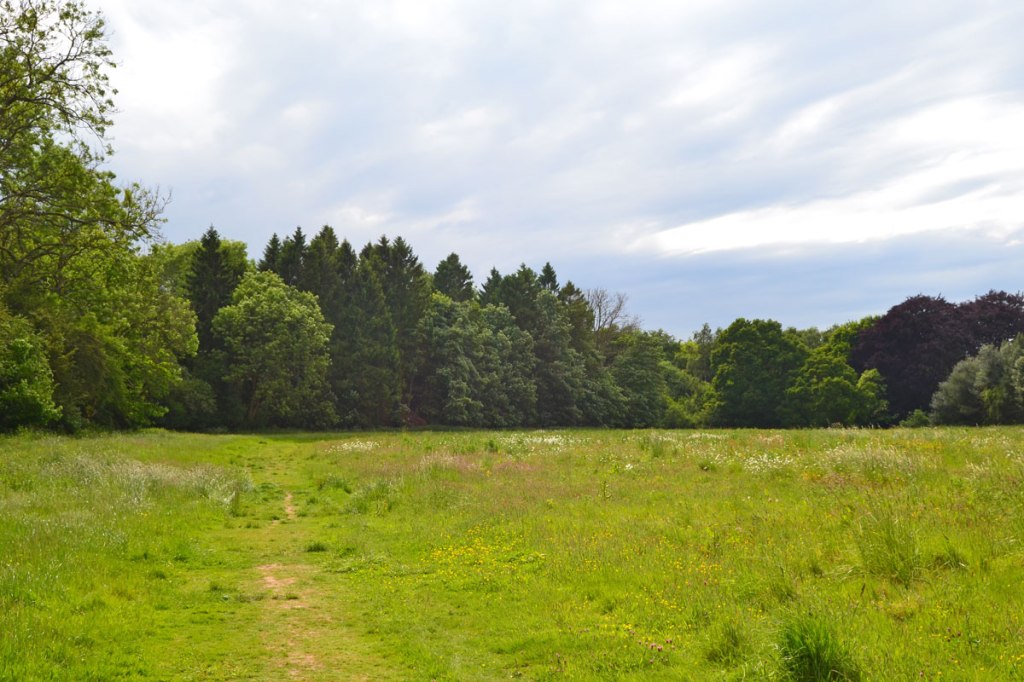
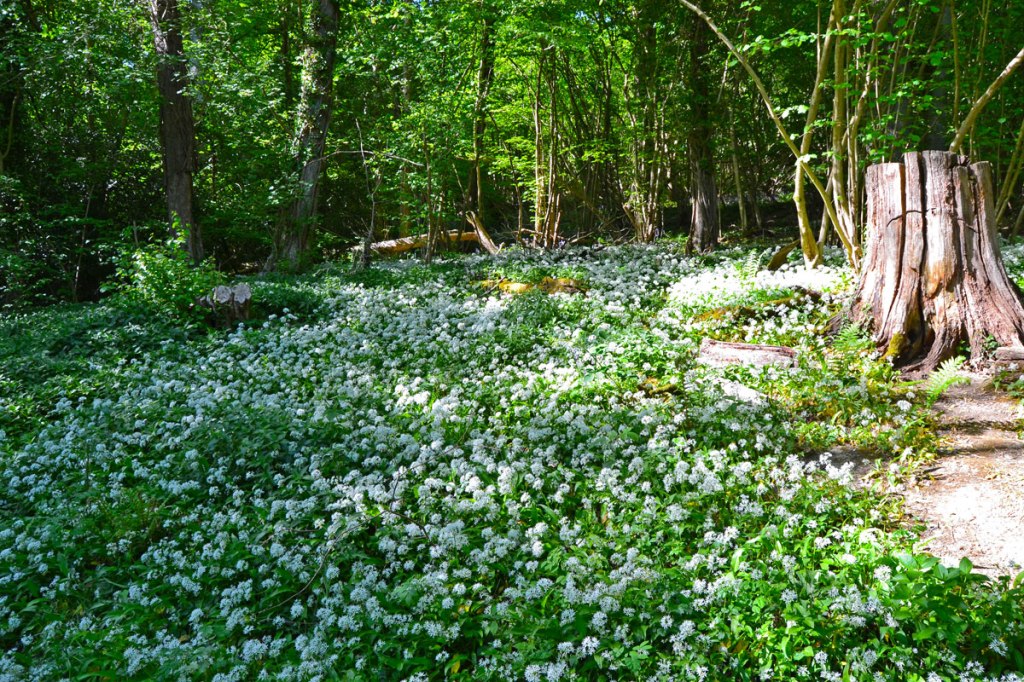
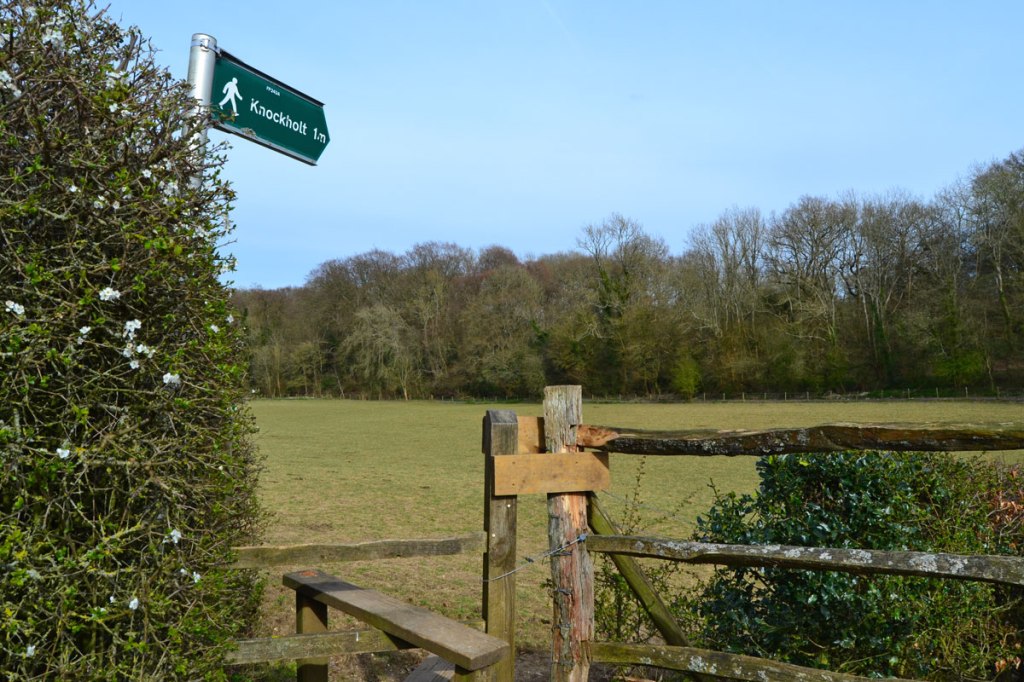
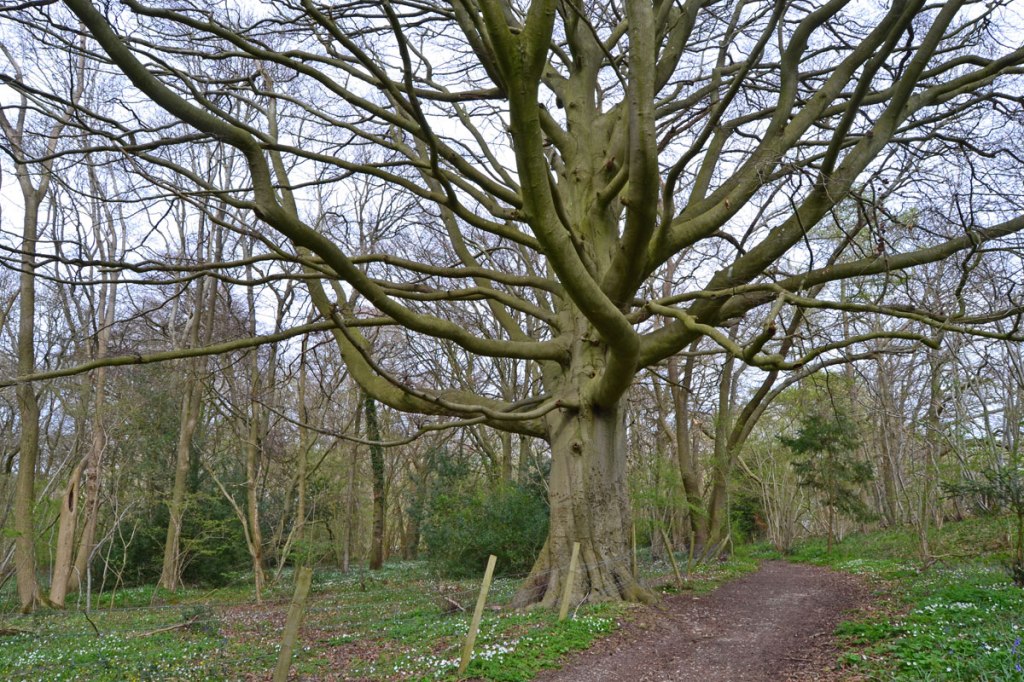
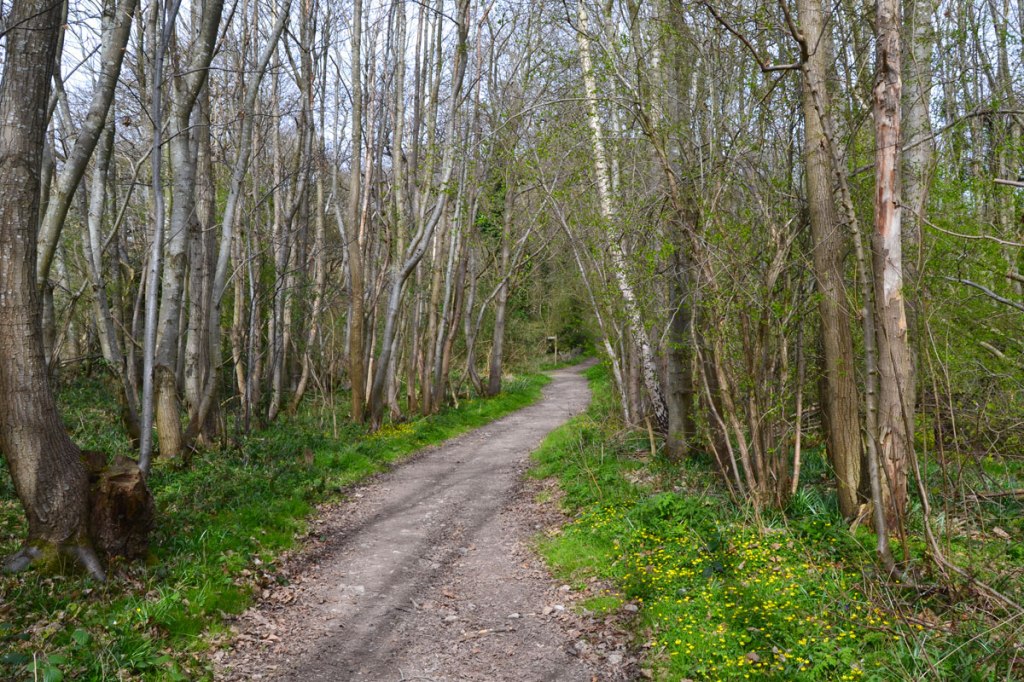
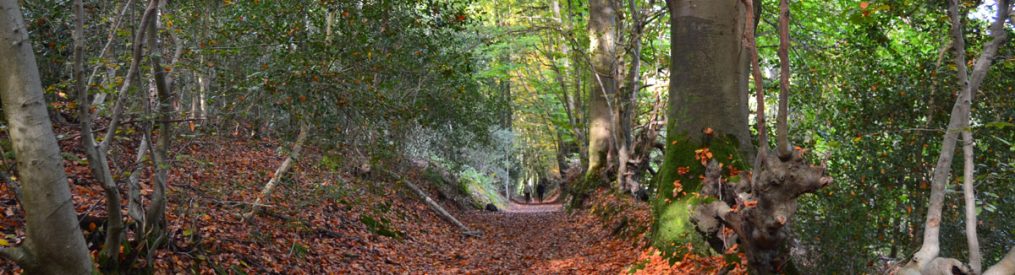
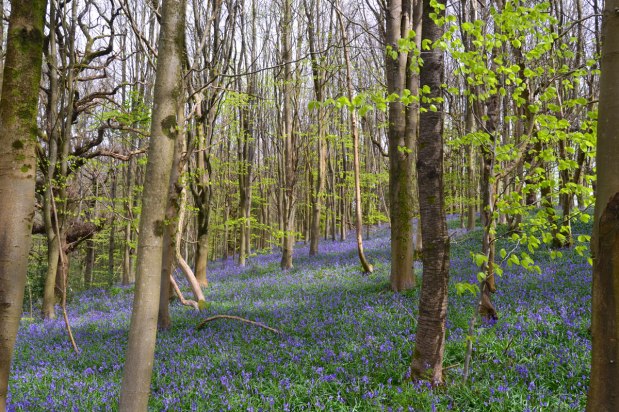
As for colour, look out for yellow lesser celandines, very spectacular at this time of year on the Fackenden Down walk in the woodland between the Down itself and Magpie Bottom. One of my favourite places for wildflowers in late March is on the Hever walk in the woods between Points 1 and 2, close to Hever Castle gardens (headline photograph). A yellow and white sheen seems to rise from the mossy forest carpet ushering in better days. But look if you want to keep your powder dry on the walking front, and not go out until mid-April and the blooming of the bluebells, that’s perfectly understandable.

.

We nipped down to Knepp

We nipped down to Knepp

I’ve long wanted to visit the Knepp Estate in West Sussex, about a 90-minute drive from Sydenham, so welcomed an opportunity to join one of my brothers in a perusal.

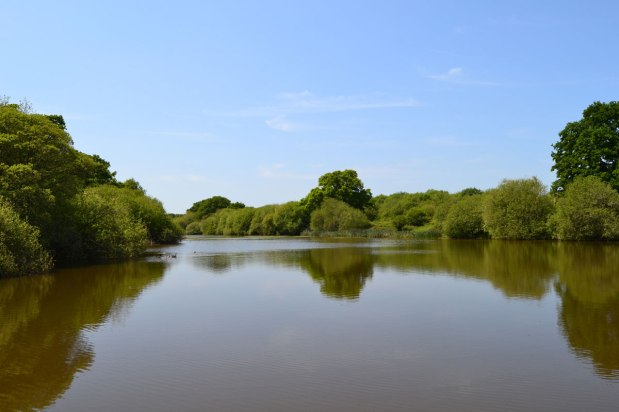
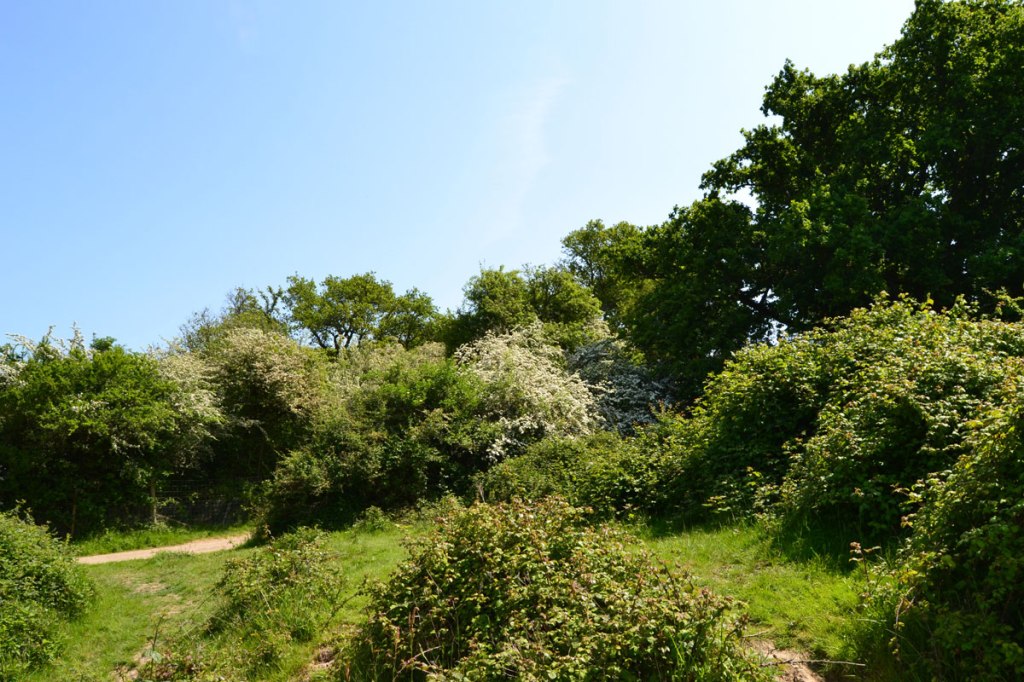
Knepp isn’t necessarily a photogenic place; there are no hills and valleys or stunning vistas. But its scrubby terrain, streams, ponds and pasture felt properly authentic and rural as if time had stood still for centuries. I was astonished by the abundance of hawthorn and blackthorn (pictured above) which underlined to me just how central these bushes and small trees are to our countryside. Soon after entering we came across several score whitethroats along with other warblers, heard a turtle dove, cuckoos, woodpeckers, yellowhammers and corn buntings. At a large pond (below) a kingfisher darted hither and thither. So the rewilding has clearly worked! We came across longhorn cattle, Tamworth pigs and red deer, each species of which contribute to keeping things in order and encouraging insects and birdlife. The pigs, an ancient species, are a substitute for wild boar. 

But there was one beef I had: the local dog walkers. Sorry guys, but letting your dogs off the lead in such a place as Knepp is absolutely not on. I know it’s within the rules technically (the signs only specify ‘keep dogs under control’) but we saw three dogs clearly not under any control. One dog briefly went after the Tamworth pig family, causing the huge sow to go into full attack mode. Luckily, the gormless owners were able to grab their hound before any harm was done (to the dog) but in doing so they’d put themselves in some danger. I was seething at their stupidity! What’s odd is that I’ve never seen dogs so poorly managed on any of the Kent walks – so how can it be that a famous rewilding estate with such rare nature can attract such behaviour? The equivalent would be seeing dogs chasing deer in Knole Park – something I’ve never seen.

Best walks for orchids

Best walks for orchids

The bluebell spectacular has long ended (was it shorter than usual this year?) and the amazing flowering of hawthorns this year is now dropping off, but all of the Kent Walks Near London are great for wildflowers. Wild garlic (ransoms) is in full bloom in moist woods and orchids are now flowering on grassy slopes particularly on the chalk downs walks. I’d get the train to Eynsford or Shoreham and do the Darent Valley walks for the best orchid views. The Fackenden and Eastern Valleys walks are top of the list for me, followed by the LullingstonePolhill, and Cudham saunters. The glades created in the woods in High Elms country park also have excellent orchids. Downe has a few too, if the new sheep haven’t eaten them all (check out nearby Downe Bank too). Stick a good flower identification app on your phone to help you out with identification. And don’t let your dogs run amok!!

Woody wildflowers on display before the big blue

Woody wildflowers on display before the big blue

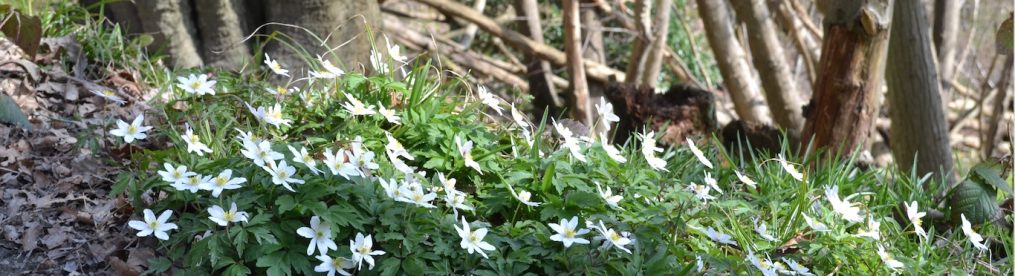
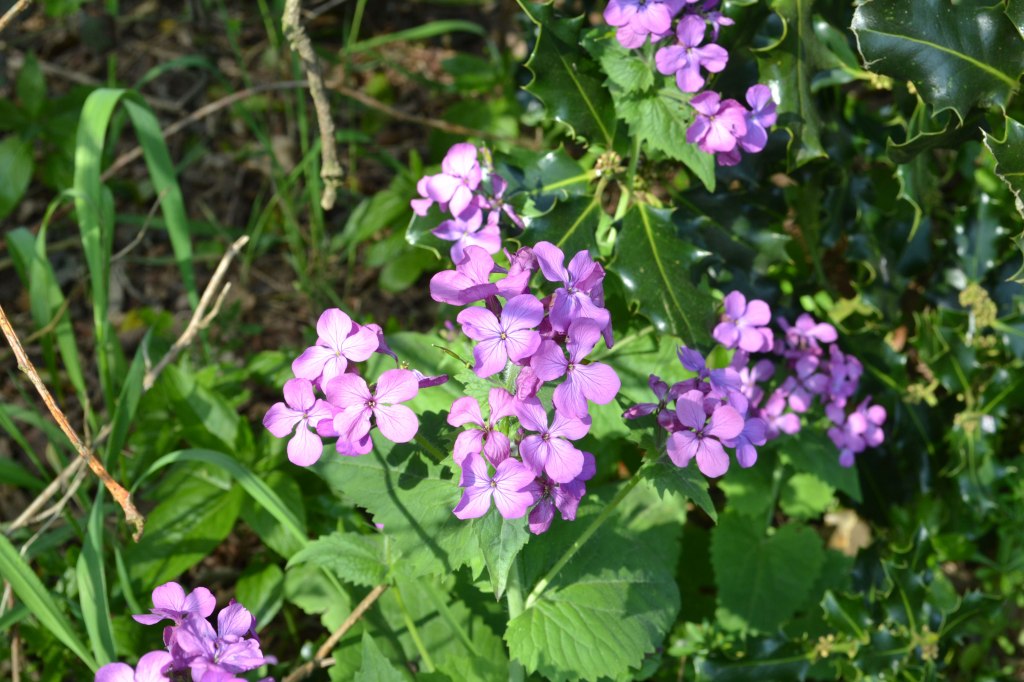
With a dry and potentially quite sunny week before us at long last it’s a great time for checking out emerging wildflowers on the walks. I must underline that I’m no expert and rely on apps to confirm by sightings in many cases. But below are a few species you’ll see in most of the woods encountered in woods and fringes on the KWNL routes in April.

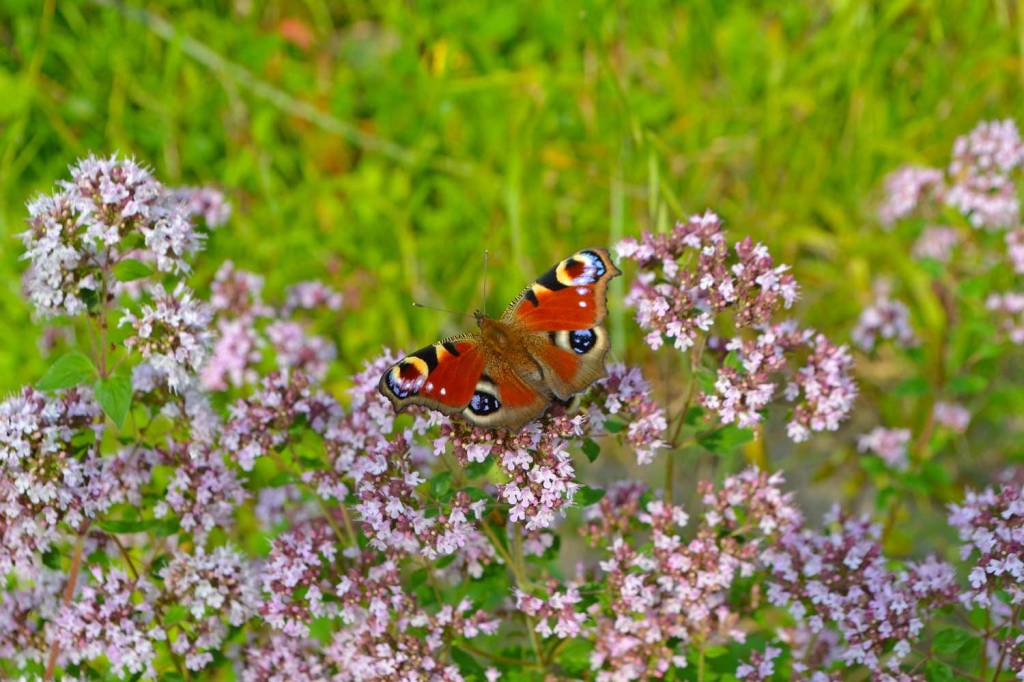
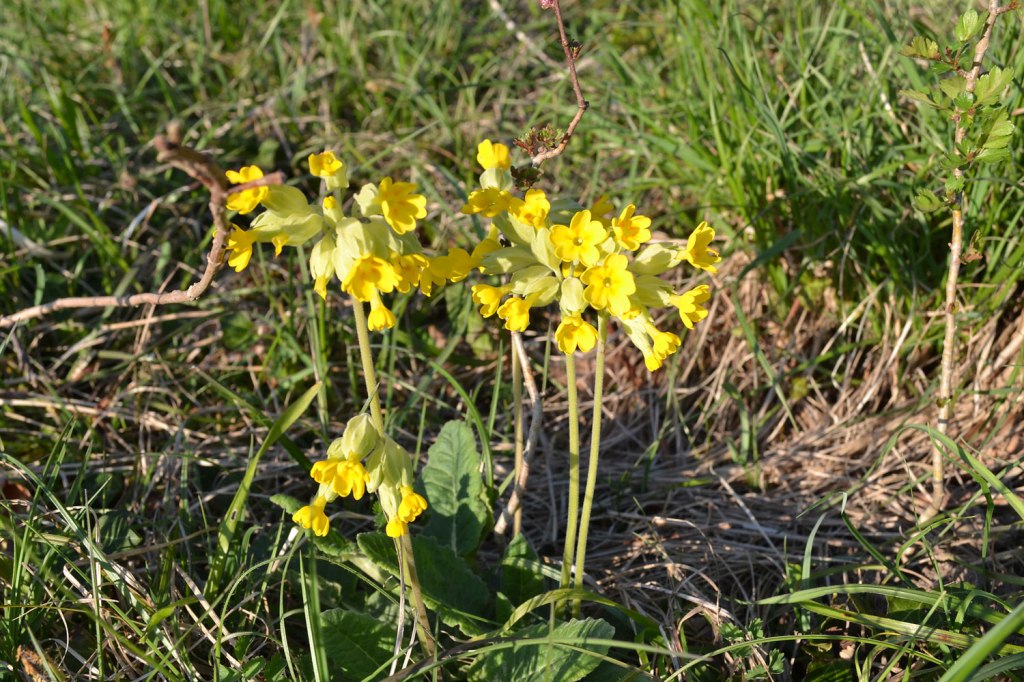
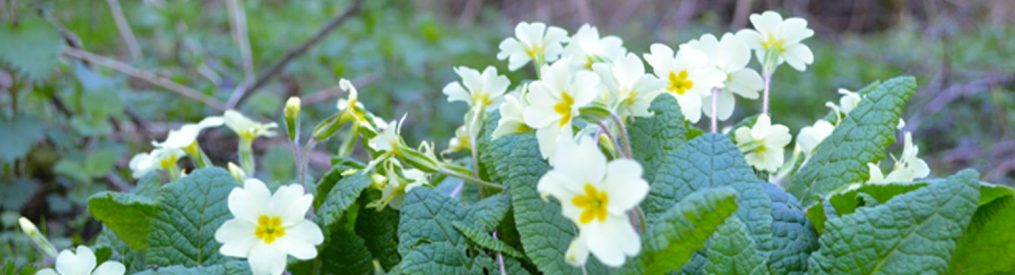
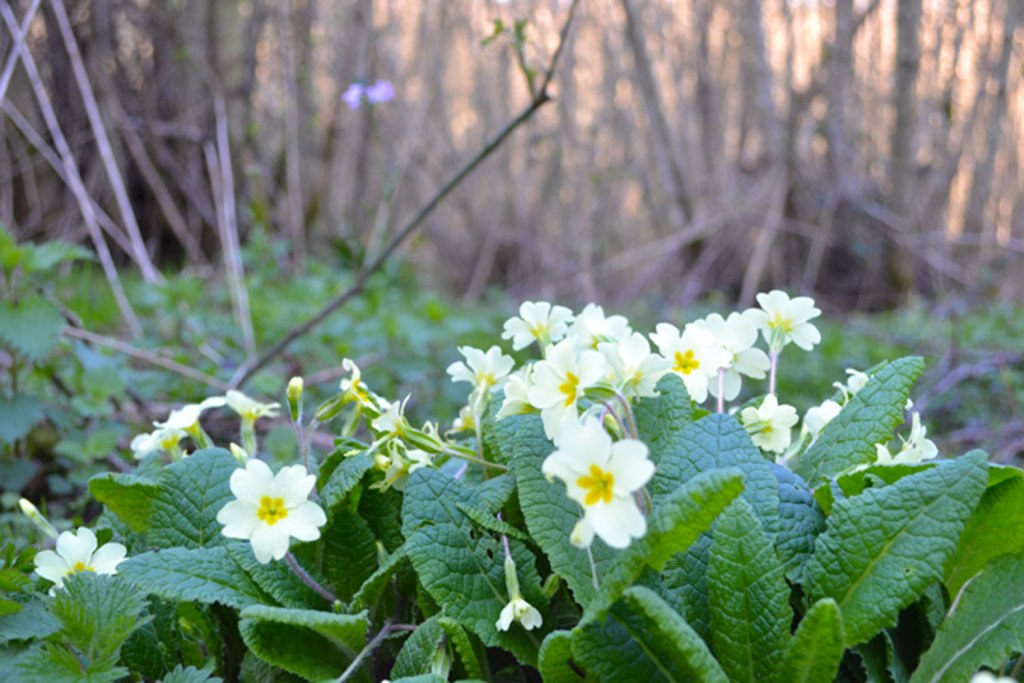
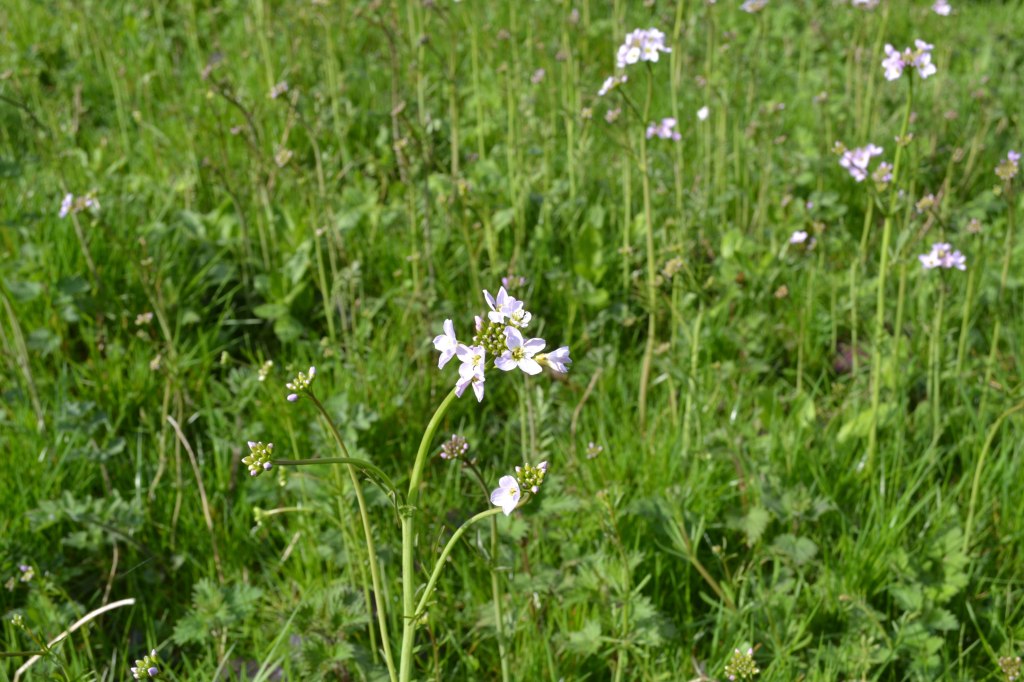
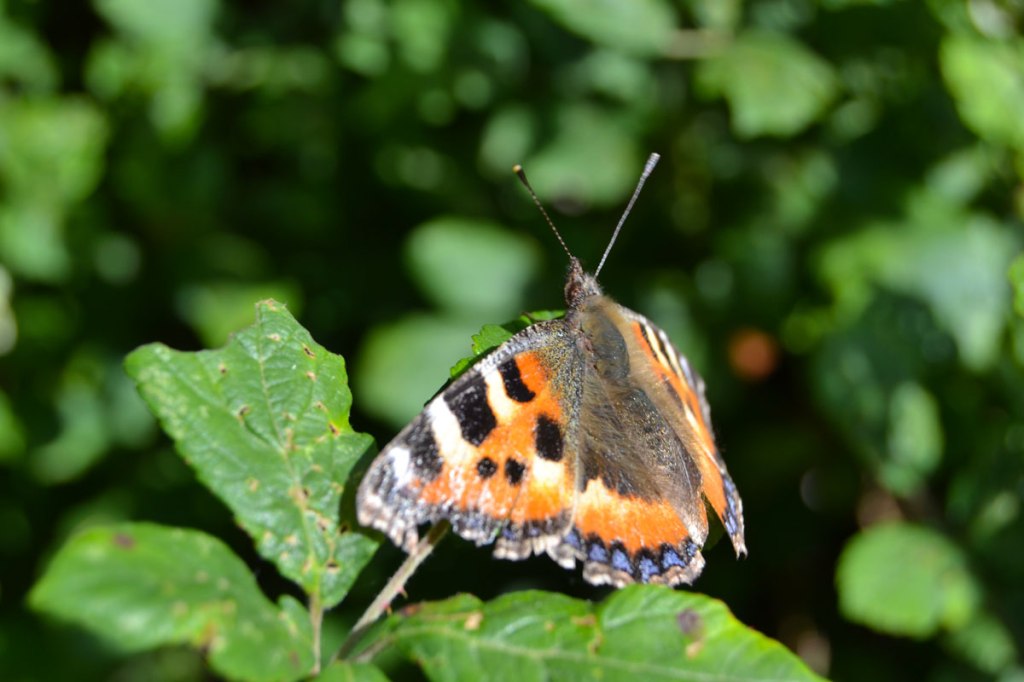
Within a couple of weeks bluebells will be taking over in the woods – the first are already in bloom – but until then there’s plenty to enjoy: cuckoo flower, celandine, wood anemone, primrose and cowslip in particular. There are early orchids too; at Polhill, Strawberry Bank (on the Cudham walk), High Elms country park in the glades within the woods and Downe Bank (a detour on the Downe walk). I particularly enjoy the first sightings of butterflies: I’ve seen brimstone (usually the first to emerge), small tortoiseshell and peacocks so far this year. At Fackenden last week, all three species were fluttering in Magpie’s Bottom. In the woods behind adjacent to Magpie Bottom (the OS map calls it Great Wood), the celandine carpeting the ground under the beech trees was spectacular. Things change fast at this time of year though and pretty soon, all will be blue.

Summer is here; time for Pluto

Summer is here; time for Pluto

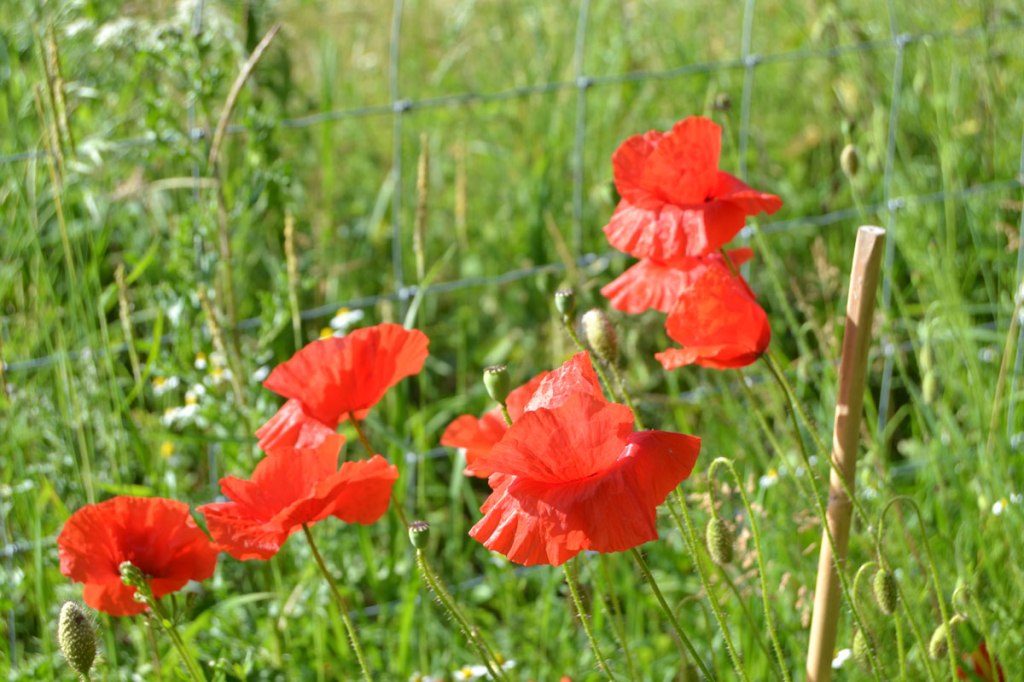
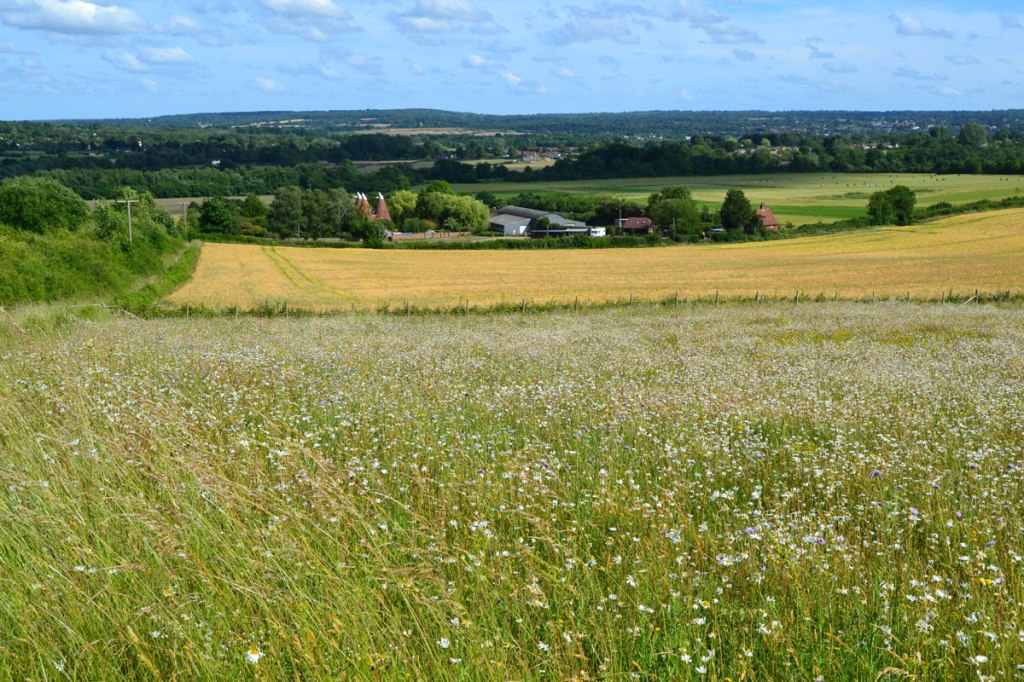
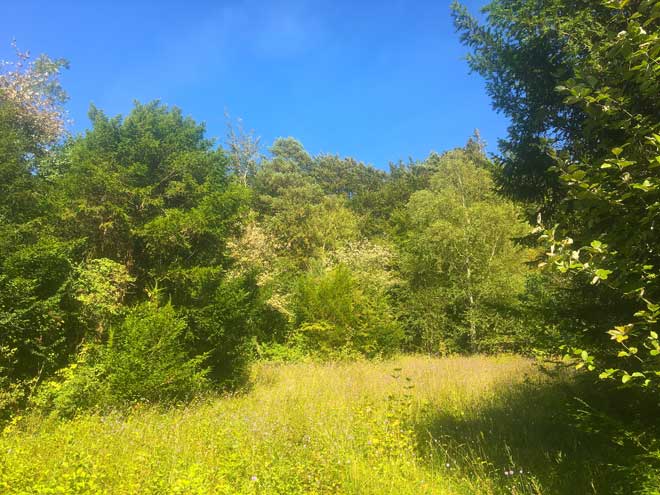
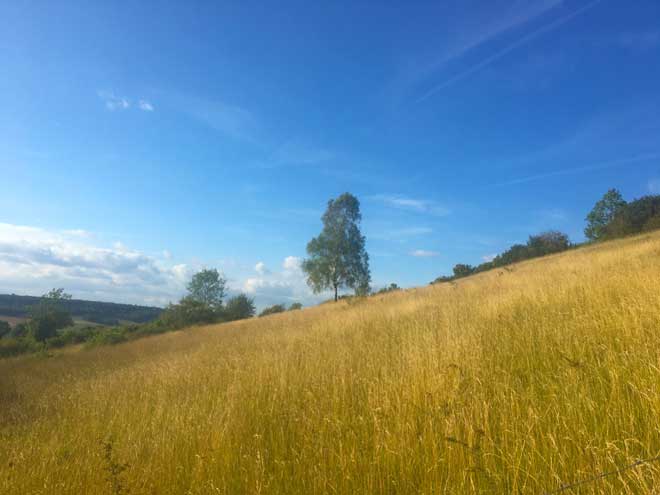
Continuing the theme of overlooked walks at Kent Walks Near London, the Polhill Pluto route yesterday proved the perfect choice on a bright, breezy summer’s day. There were plentiful orchids in the Andrews Wood-Meenfield Wood gap and fantastic ox-eye daisies, scabious and poppies in the fields below Polhill. It’s a great walk to do if you are a fan of the yellowhammer – the colourful, chirpy bunting (we’re talking about a bird by the way!) that adorns hedgerows in these parts and is particularly common for some reason between Shoreham and Otford. It’s repetitive and unworldy song is one of my favourites – it’s commonly described as sounding like ‘a little bit of bread and no cheese’ because of its rhythms but to me it’s simply the sound of summer. Listen out for it on the Darent Valley floor; around Sepham Farm it’s nearly always heard, and sometimes present in the lower parts of the Fackenden and Eastern Valleys route (such as around the Percy Pilcher memorial). The Pluto route (so called because you pass the final ‘planet’ on the Otford solar system scale model) can be combined with the Shoreham circular and even the Fackenden, Otford and Eastern Valley routes for a walk of up to 11 miles or so as all these routes intersect, or almost intersect, at various points. For some reason, I only think of this stroll as a summer walk – not entirely rationally, but it just feels right on a warm day.

Give Chevening a chance

Give Chevening a chance

Of all the walks on this site the one I’ve done the least is probably the Knockholt/Chevening circuit. I’ve not always been wildly effusive about it, even describing the early stages as dull. I was completely wrong it turns out. I strolled the route today and found it superb. The fields on the right of the North Downs Way in the early stages have been left fallow and look to be in a pretty advanced stage of rewilding – the flora is high enough to hide the odd lynx! As I hit Sundridge Hill the instantly recognisable and repetitive song of the yellowhammer burst from the hedgerows like some sort of alien morse code. A huge buzzard (what are they feeding them around here?) eyed me up from above. The views over Chevening House towards Ide Hill were delightful as I cleared the scarp face woodland. Chevening hamlet was as spooky as ever and the following climb back to Knockholt took in a broad vista of the Vale of Holmesdale under a moody sky with plenty of butterflies and wildflowers to admire. A red kite skidded and yawed above in the thermals and I startled a pair of greater spotted woodpeckers which suddenly took off from a fallen tree trunk a couple of metres ahead of me. I think my previous aversion to this walk was to do with the “private” signs around Chevening House, its association with some deeply unpleasant national figures, and the slightly creepy feel of the hamlet – it’s just so quiet, but it’s me, it’s not them – the road noise between points 4 and 5, and having to walk on the road for 100 metres by the farm at point 5. The truth is, there are great views, loads of wildflowers, wonderful trees and nothing much not to like.

As quite often happens in these parts the camera doesn’t capture the walk; slopes are flattened out so the scenery looks blander than it really is.

Moody blues on the way out

Moody blues on the way out

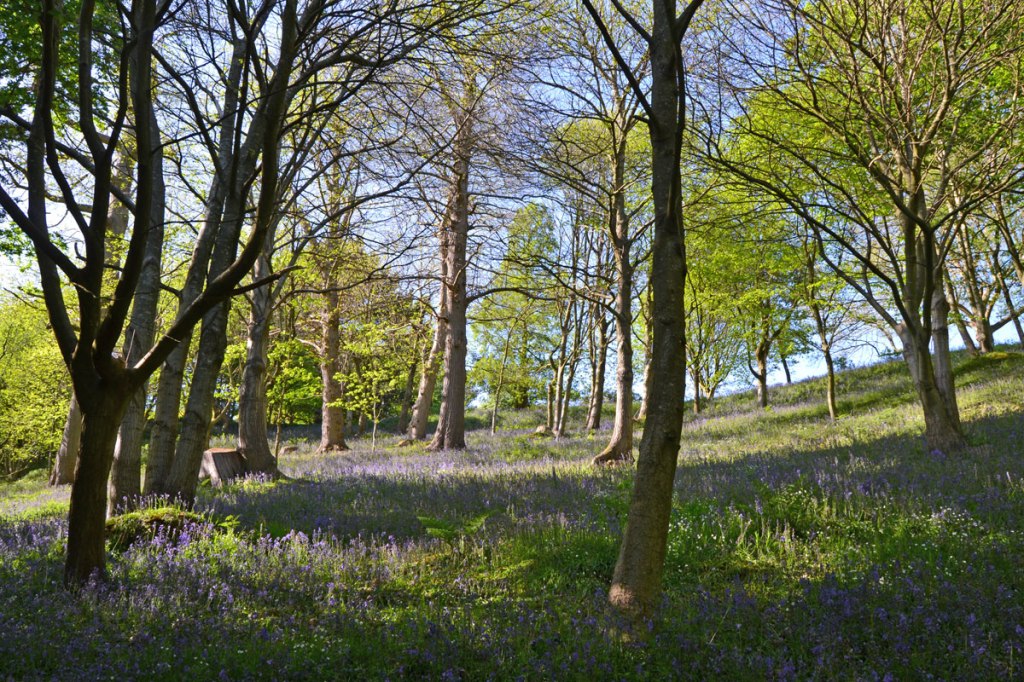
The bluebells have faded a little earlier than usual this year. It seemed to me on the Ide Hill walk today that the south-facing slopes may be drier than normal for spring, which has affected bluebells’ longevity while those in more sheltered parts of the woods were still full of colour. There’s certainly been a marked lack of rain this year – last month just 18mm fell in north-west Kent, about one-third of the usual April total.

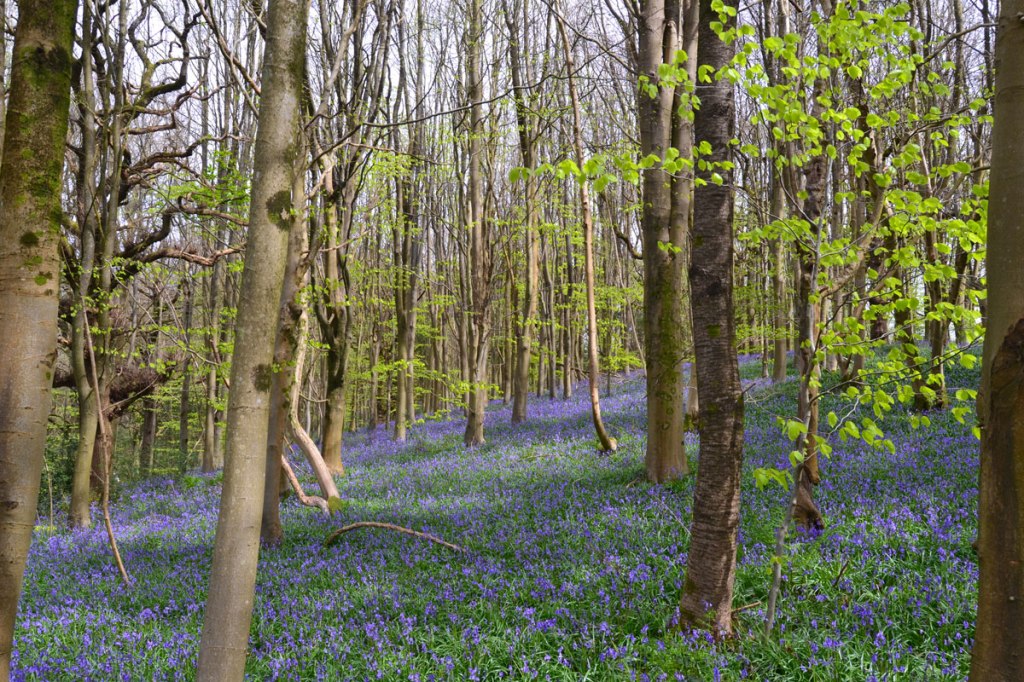
In Meenfield woods, on the Shoreham and Polhill walks, the bluebells, while fading, were still hanging on last weekend – perhaps those woods have retained a little more moisture. I’m no expert. Anyway, instead of bluebells, look out now for wild garlic (or ransoms) growing in profusion in woods on Kent Walks near London. Their brilliant white/cream flowers (pictured above at Rook’s Hill on the One Tree Hill walk) are a sight for sore eyes where there are damp woods and subterranean water close to the surface. The Ide Hill walk is quite unusual for KWNL in having plenty of gorse (near the walk’s start) which is looking brilliant in the spring sunshine, too.

As for birds, things still seem a little quiet with few swallows, martins and swifts making it to the region so far, but I was delighted to see my first whitethroat of the year in one of the many superb country lane hedgerows between Shoreham and Well Hill, a great bird to watch for when on a country cycle. (Pictured in slideshow: whitethroat, Darent Valley view, faded bluebells, Ide Hill view, Scord’s wood, wild garlic in Scord’s wood, azalea in Emmett’s and faded bluebells of Meenfield Wood).

Cudham route firmed up – literally

Cudham route firmed up – literally

The Cudham chalk paths route is a superb saunter through meadows, valleys and woods; its lack of grandiose views doesn’t detract at all. There’ll be plenty of bluebell vistas though from this weekend onwards, but the other day wood anemone and celandine were still the stars, waiting to be eclipsed by the vast swathes of dark green shoots just waiting to burst into glorious dark blue flower. Gamboling lambs, buzzards and the growl of the occasional Spitfire overhead, heading back to Biggin Hill, provided additional entertainment. On entering the wonderful New Year’s Wood, on the second half of the stroll, I was delighted to see the normally muddy path (actually a bridlepath) had been surfaced with mulch and stone – I don’t know the name of that kind of surface – adding to the pleasure of this lovely walk. Great!

Splashes of colour into autumn

Splashes of colour into autumn

Devil’s-bit scabious (Succisa pratensis) is a flower from the honeysuckle family and it looks so cool right now. Maybe not for much longer but it’s currently fairly prominent on the chalky walks such as Fackenden, Polhill, Chevening and Kemsing. Where the grassy hilly slopes are looked after by naturalists, the Kent Wildlife Trust for example, the flower supplants regular scabious – another superb flower and particularly sweet smelling – by mid September. The marjoram is no longer flowering much, and thyme has died down somewhat too so for pollinators the devil’s-bit, which looks a bit like knapweed at first sight, is the main show in town. It is certainly being enjoyed by butterflies and bees on the wonderful ‘wild garden’ path – which in June is great for orchids – leading to Fackenden Down this week. But the star of the walk – apart from the landscape and sky – was a superb green common lizard in a sunny spot near the top of the down. Few birds were in evidence but chiffchaffs called from the hedgerows, a buzzard soared in the distance and being I’m optimistic I’d say I may have seen a pair of late-migrating turtle doves heading south. Apparently devil’s-bit scabious got its name from its ability to treat scabies, a property that the devil didn’t like much (the devil wants us all to be itchy you see). Slightly weird but there you go.

The accompanying photos were taken on my iphone and hence are poor quality – they certainly don’t do the blue-purple sparks of devil’s-bit any justice; my camera is once again defunct at the moment. (Close up of flower photo by Anne Burgess/Geograph creative commons.)

Creatures of the sun

Creatures of the sun

In a largely cloudy wet summer in these parts the sightings of butterflies are all the more precious. As an ‘ectotherm’ these insects need warmth to fly for any duration. So on cooler days they need to open their wings to sunlight and heat their bodies to about 29C before take off. Slopes with wildflowers on them facing the sun are particularly great places to see them.

Populations of these absurdly beautiful creatures are falling the world over because of climate swings and pesticide use – another reminder that apart from robins, goldfinches, magpies, deer and rats, etc, it’s quite hard to write about many facets of the natural world without doom and gloom encroaching, but that’s the reality. Take the small tortoiseshell butterfly: its numbers have declined because its larvae need to feed on wet leaves (mainly of nettle), so the increasing tendency toward drought has really hit its population over the past 40 years or so. The large tortoiseshell meanwhile has nearly completely vanished. Having said that, other species, such as silver washed fritillary, are said to be expanding if anything.

From top left clockwise: peacock in Downe feeding on marjoram; female silver washed fritillary; gatekeeper in Polhill; red admiral in Catford; marbled white in Downe; comma near Shoreham; male silver washed fritillary in Downe; chalk hill blue – photo by Steve Hart –Fackenden Down

However, Kent walks near London are graced at the moment by a variety of lovely species: on the chalk North Downs you’ll see silver washed fritillaries, the small but smart brown argus (actually classed as a blue), dark green fritillaries (if you’re very lucky), gatekeepers, marbled whites and meadow browns, plus many of the common names such as the incredible migratory painted lady, red admiral, brimstone, tortoiseshell large and small and a host of others. Chalk hill blue, the common blue and the adonis blue (very rare) are particular favourites. It might just be me but I tend to see more orange tips, peacocks, commas, brimstones and large whites on the Greensand Ridge walks around Sevenoaks, but I’m not being scientific here – they are widespread.

To see wonderful butterflies you might not have leave your garden or park as we all know – now the prolific south-east London buddleia is in flower, the migratory red admirals are often seen a-flutter in the suburban streets. Small species, like skippers, I don’t know much about. But I often see gem-like butterflies on the walks – I’d need to be with an expert to identify them.

It’s hard to photograph butterflies because they are rather skittish unless in the mood for a bit of showing off, or just super drunk on nectar (is that possible?) but I have managed to take a few shots over the past couple of years, which I’ve compiled in this montage above (the chalk hill blue centre right was taken by a friend though).

Not a butterfly but the very smart looking cinnabar moth, pictured at Romney Street while on the eastern valleys stroll