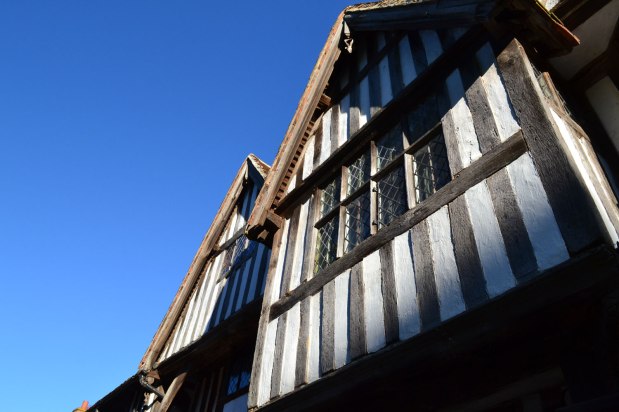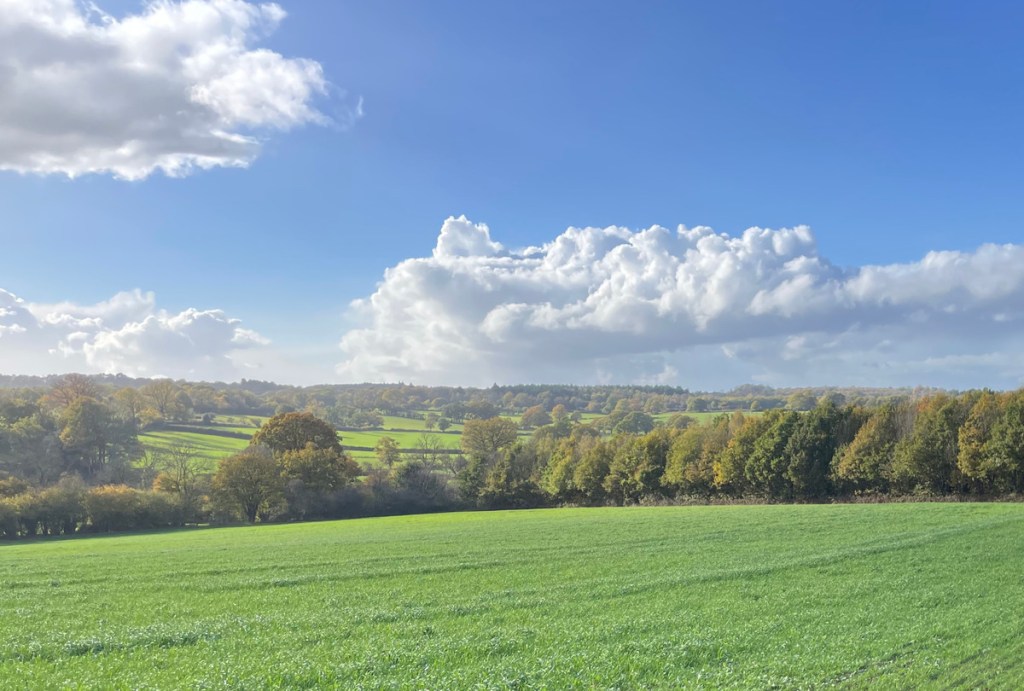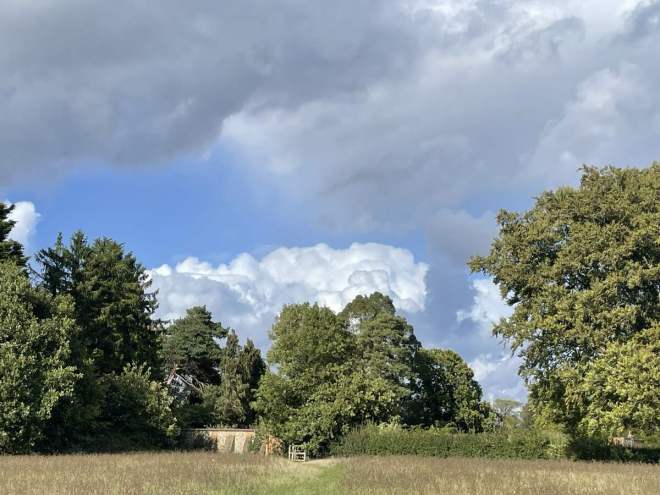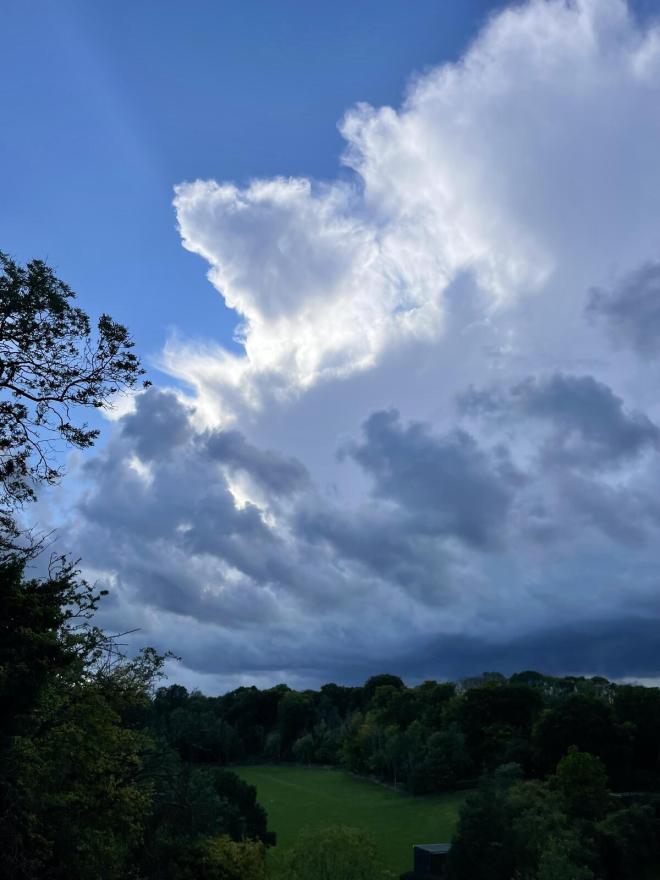
Wintry walking is upon us

Wintry walking is upon us

I kicked off my season of winter walking with a wonderful jaunt down at Laugharne in west Wales with a university friend. It was easy to see how Dylan Thomas found so much inspiration there, especially given that his writing shed has a view of the Taf estuary every bit as stunning as the town’s imposing Norman castle. It’s not exactly a day trip from SE London – although I once climbed Pen-y-Fan near Brecon on a day trip whim – but I’m sure there’s plenty of places to stay overnight. Apparently it’s best to avoid the place in high summer, though us SE Londoners are used to rubbing shoulders with the ‘tourist hordes’, so it’d be no big deal.


Best winter routes

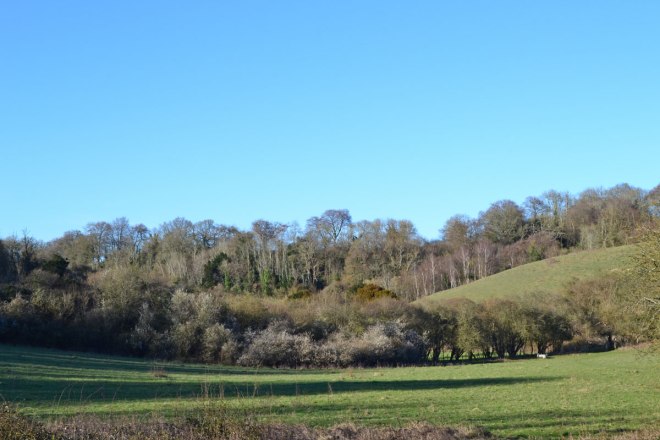
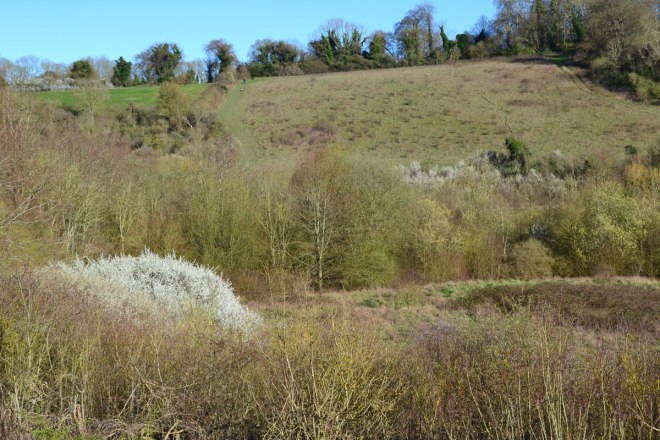
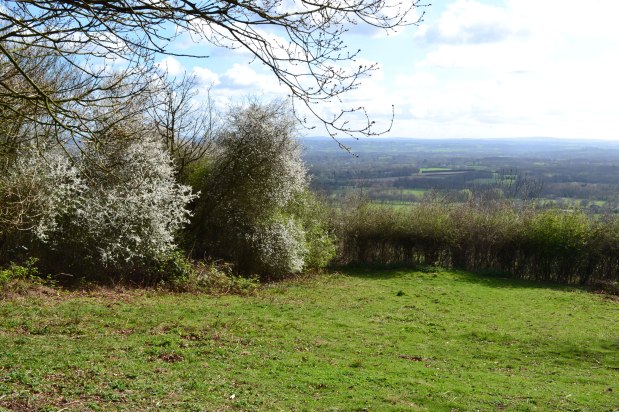
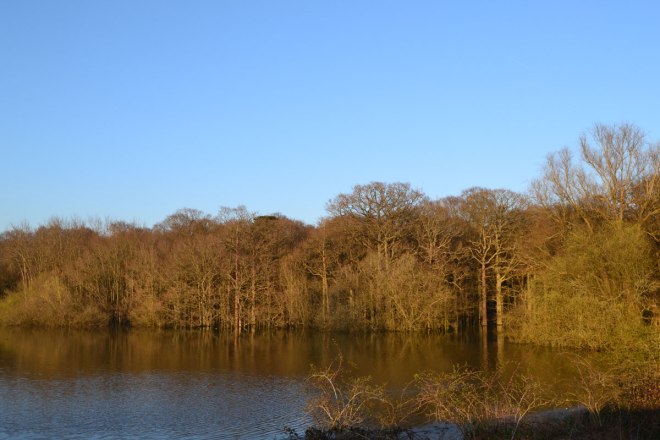
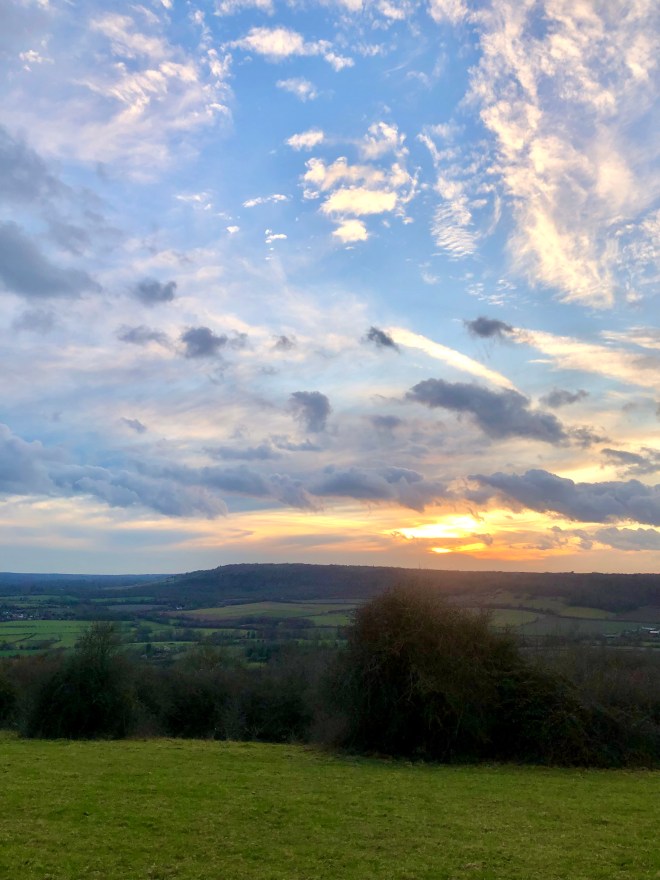
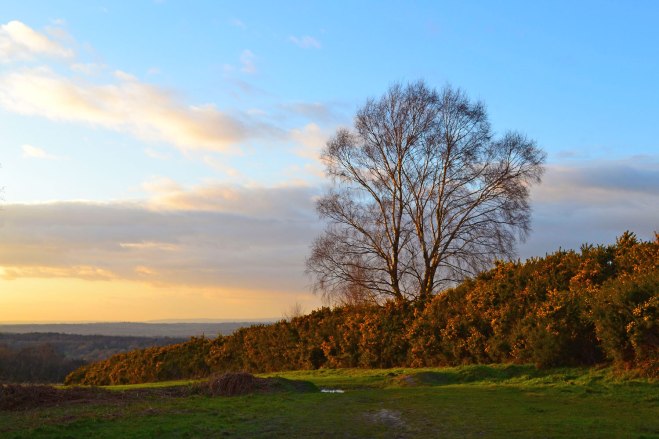
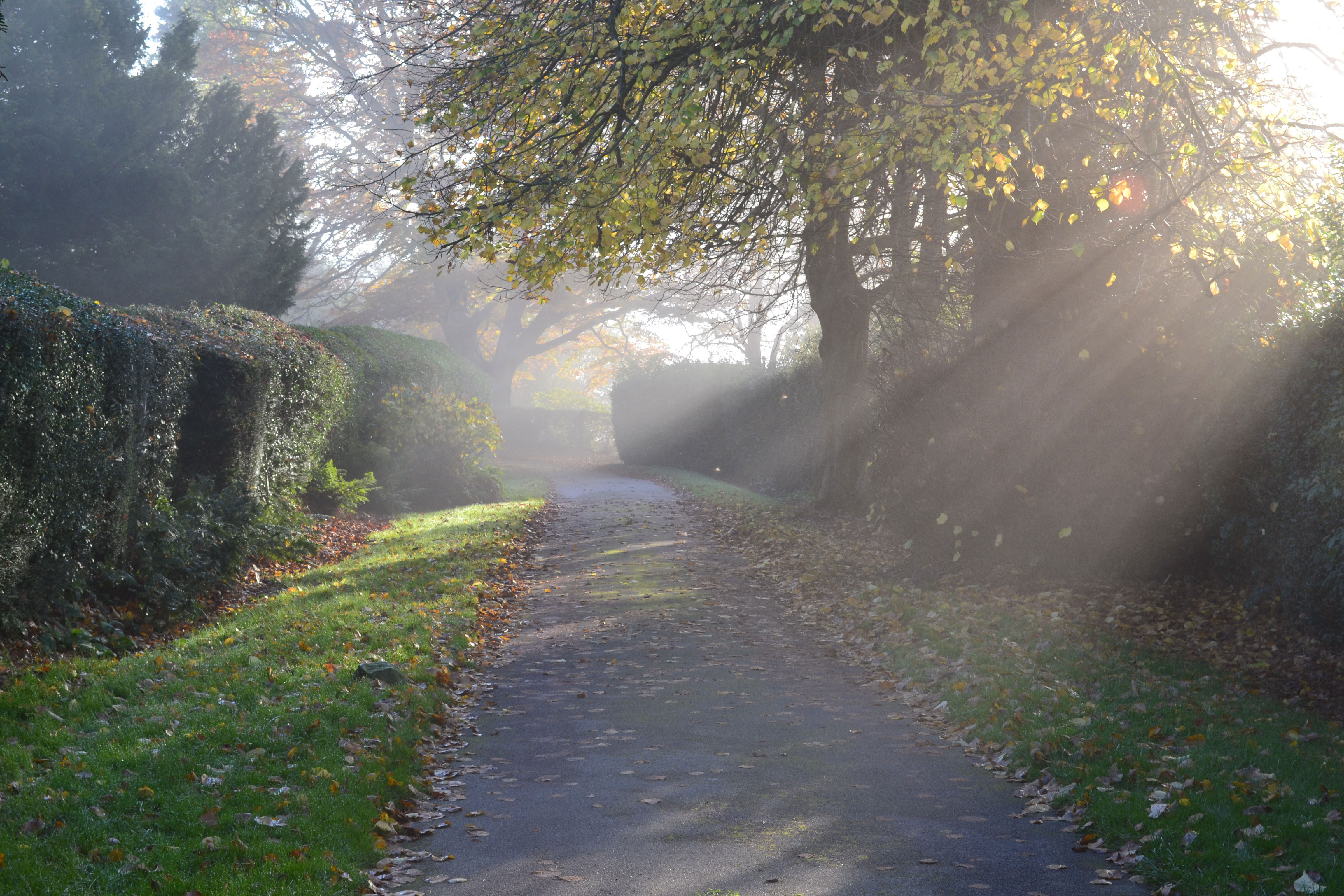
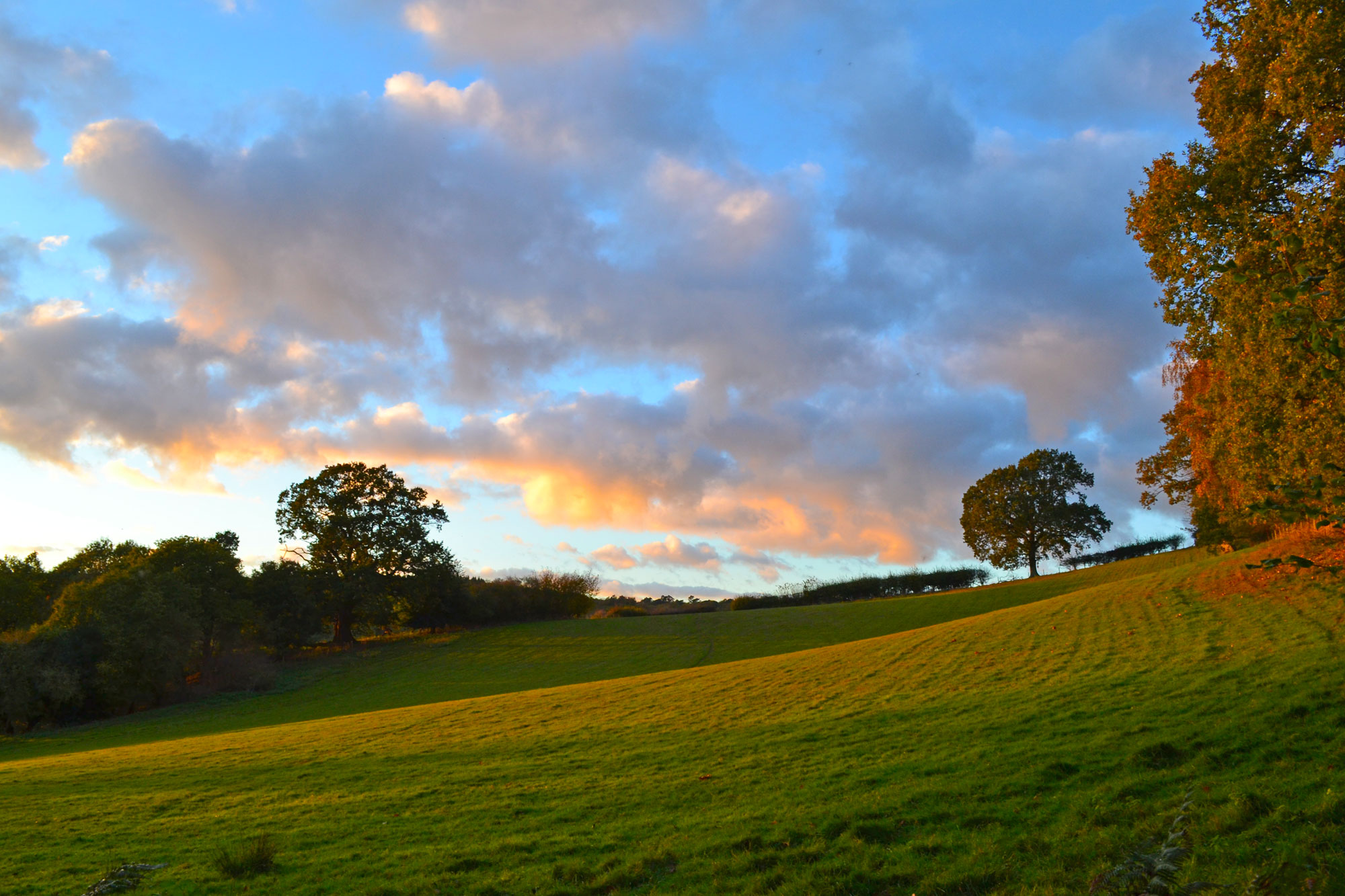
So, now winter is upon us. Some bemoan the dank days but they are probably doing too much shopping. Yes, Bromley or Croydon can be a bit dreary of December weekend. But not so the countryside. On cloudy, misty days the woods take on a mysterious atmosphere, while on clear days the sunsets and cloudscapes are remarkable. Birds are more active – look out for redwings, fieldfares and other thrushes – with goldcrests often turning up lower down in the tree canopy as their need for food becomes greater.

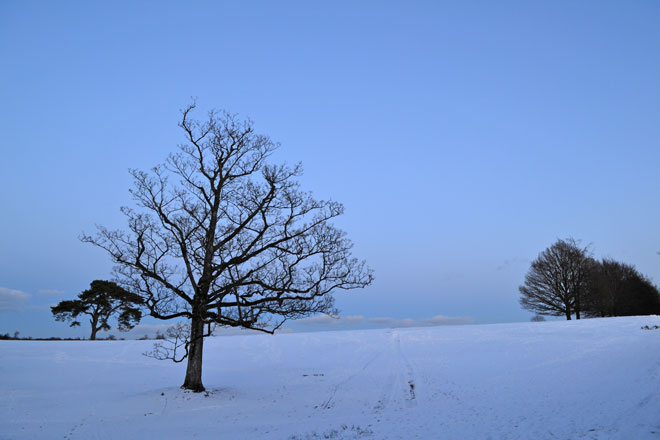
  • Lullingstone, 17 December, 2022
  • Downe walk in winter
  • Lullingstone, December 27
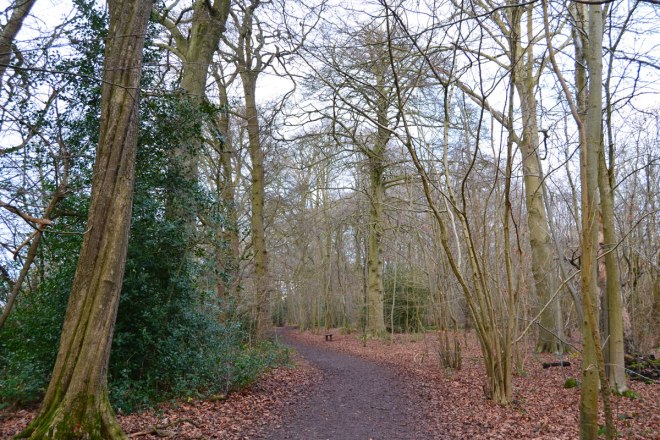
  • path, mid-winter

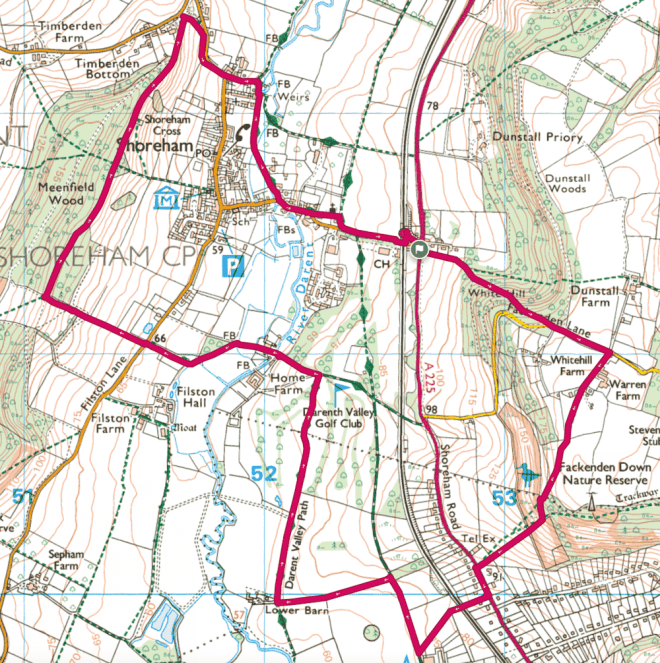
On a clear, cold afternoon the Fackenden Down walk can be a cracker. Its exposure to the east lends for frost and a brushing of snow while the view of the setting sun is fantastic, often accompanied by mist in the Darent valley just adding to the drama. The Shoreham circular mk2, taking in the high up views from Warren Farm (actually also on Fackenden Down) has some of the best views. Any variation of the Lullingstone walk (from Eysford or from the Lullingstone visitor centre or golf club car park) is terrific in winter. A particular winter favourite of mine is a little bit further out on the Hoo peninsular at Cliffe. The marshes, wildfowl, huge skies and the widening Thames here lend a Norfolk atmosphere to proceedings that’s almost otherworldly on a cold crisp day. I haven’t listed the walk as I have the others but you can find details of it here.

All the walks listed at KWNL are great in winter – the Greensand Ridge views from Ide Hill, Hosey, One Tree Hill; the skeletal woods of Petts Wood, Oldbury and Hever … all take on a special atmosphere. And Knole too, the huge medieval house looks terrific as the sun goes down in winter – perhaps it’s my favourite Christmas walk.

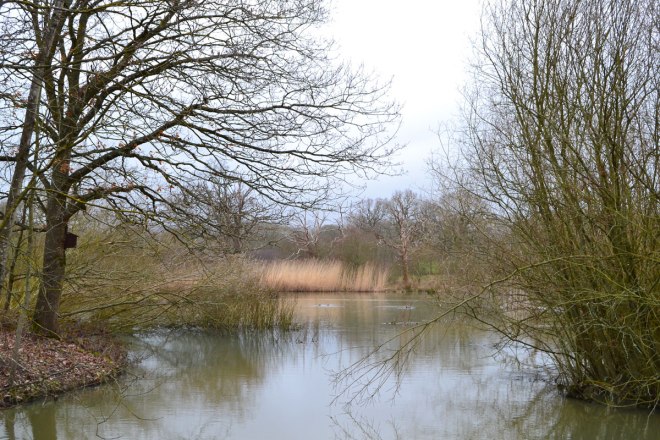
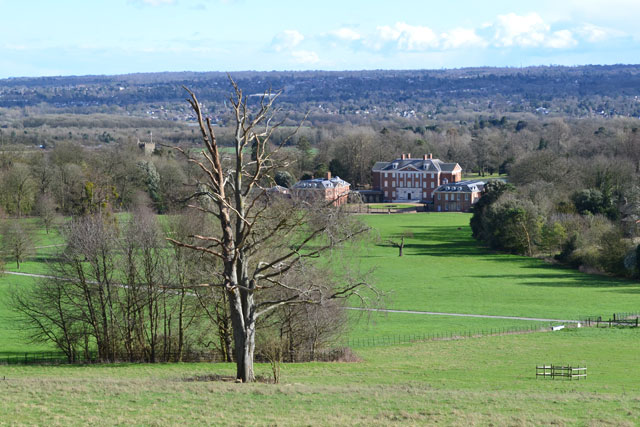
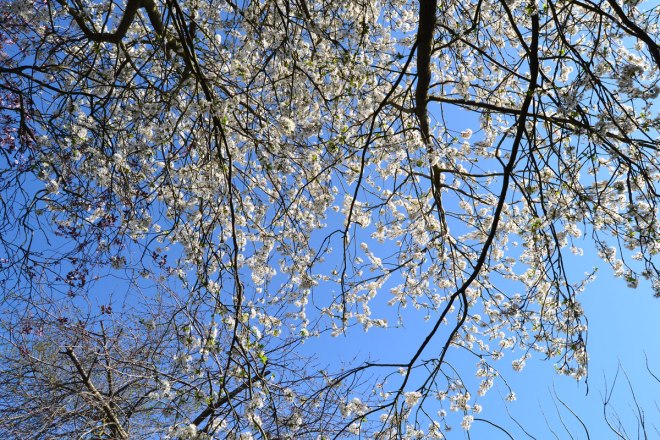
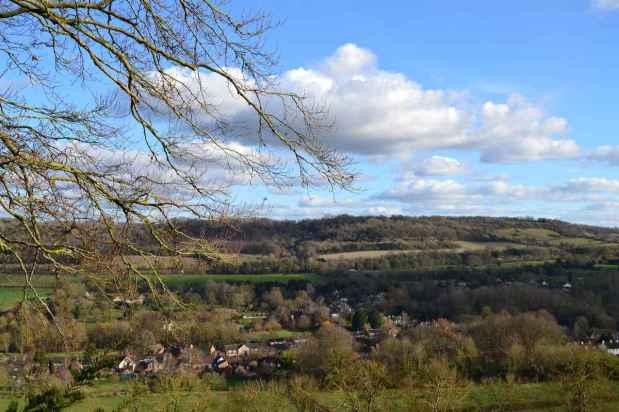
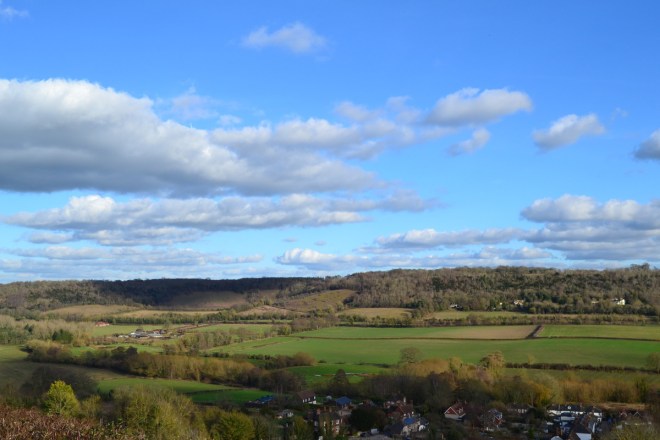
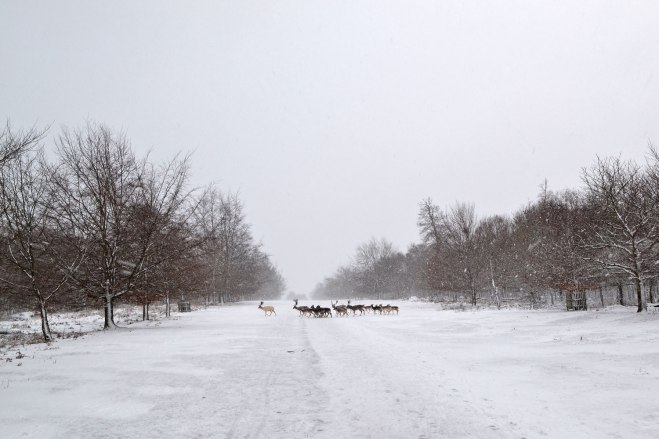
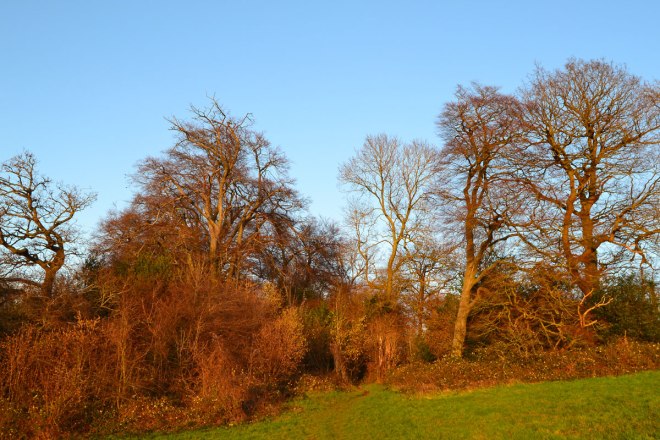
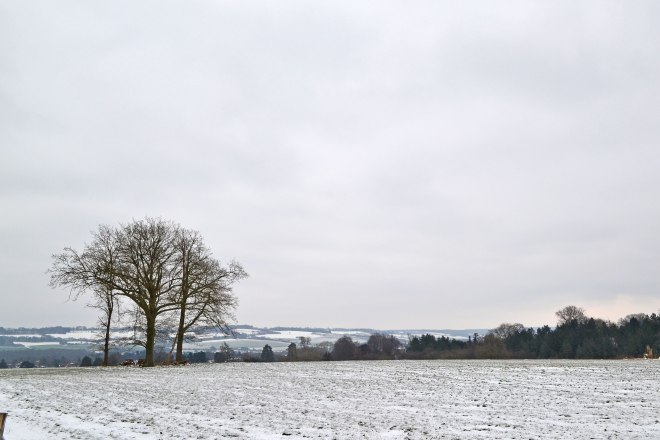
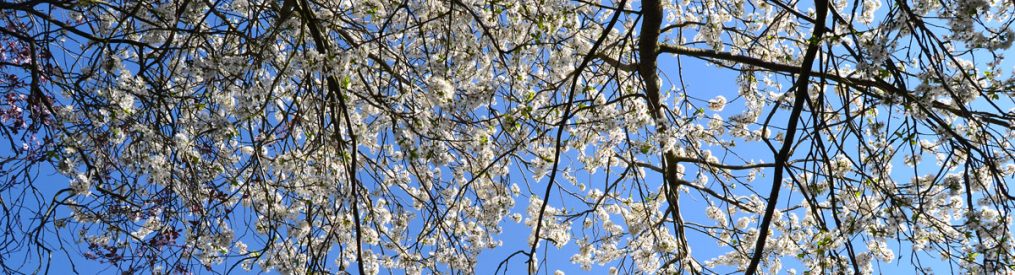
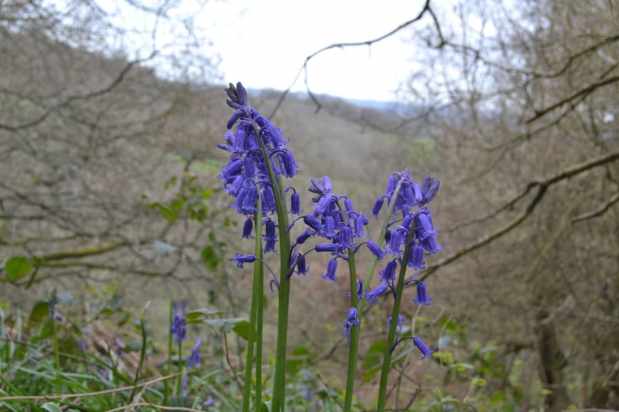
Photography of winter walks can be misleading – we tend to go heavy on the snow, frost and colourful dusks because they are the most photogenic. But of course, such spectacular conditions can be rare and most of the time actually the colours don’t go beyond brown and grey, with hopefully a bit of blue above. However, please indulge me showing off my winter wonderland photos above at this point – such conditions don’t come around so often and we have to make the best of them. And it’s worth noting that even if dank and dull in south-east London it can be sparkling on the higher downs where snow may have fallen.

I’ll bid you farewell for now until the New Year – enjoy the walks and come along to the big band gig on 5 January at the Sundridge Park club, 134 Burnt Ash Lane, Bromley, 8.30-10.30, £12 (cash only).

Happy Christmas.

Autumnal tones on the Kent walks

Autumnal tones on the Kent walks

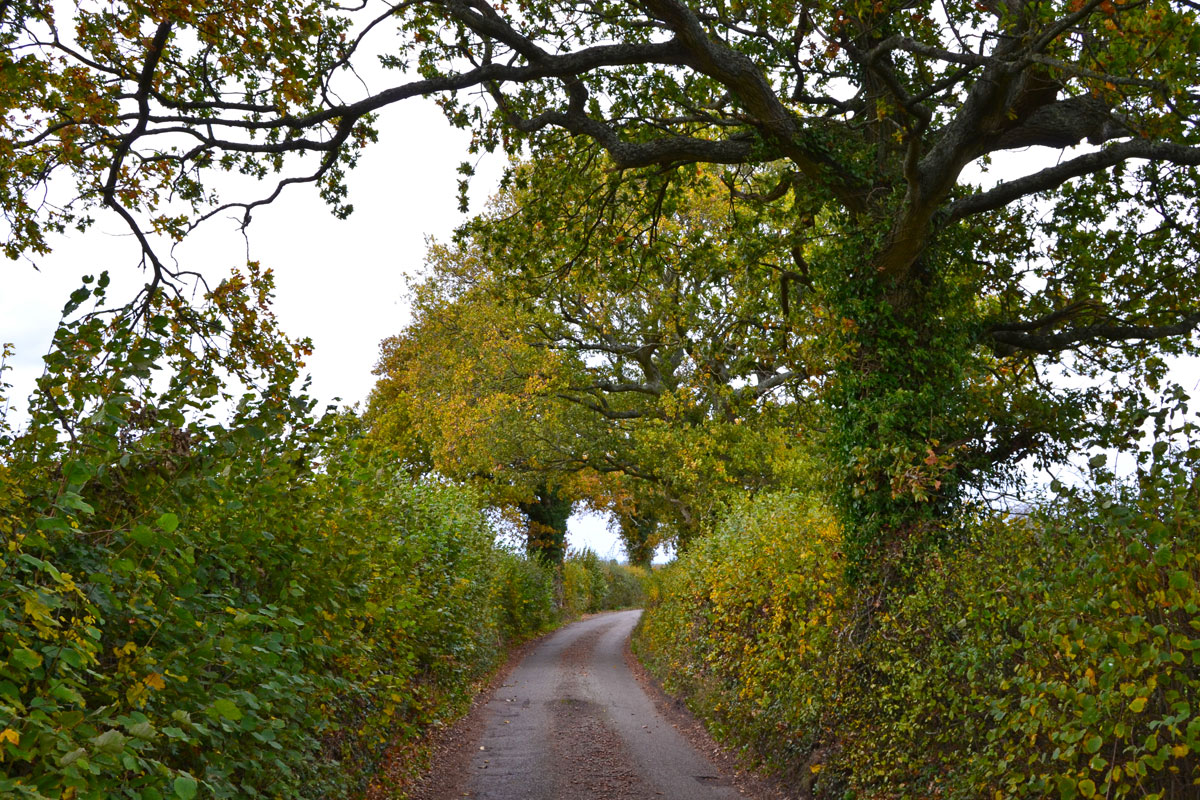
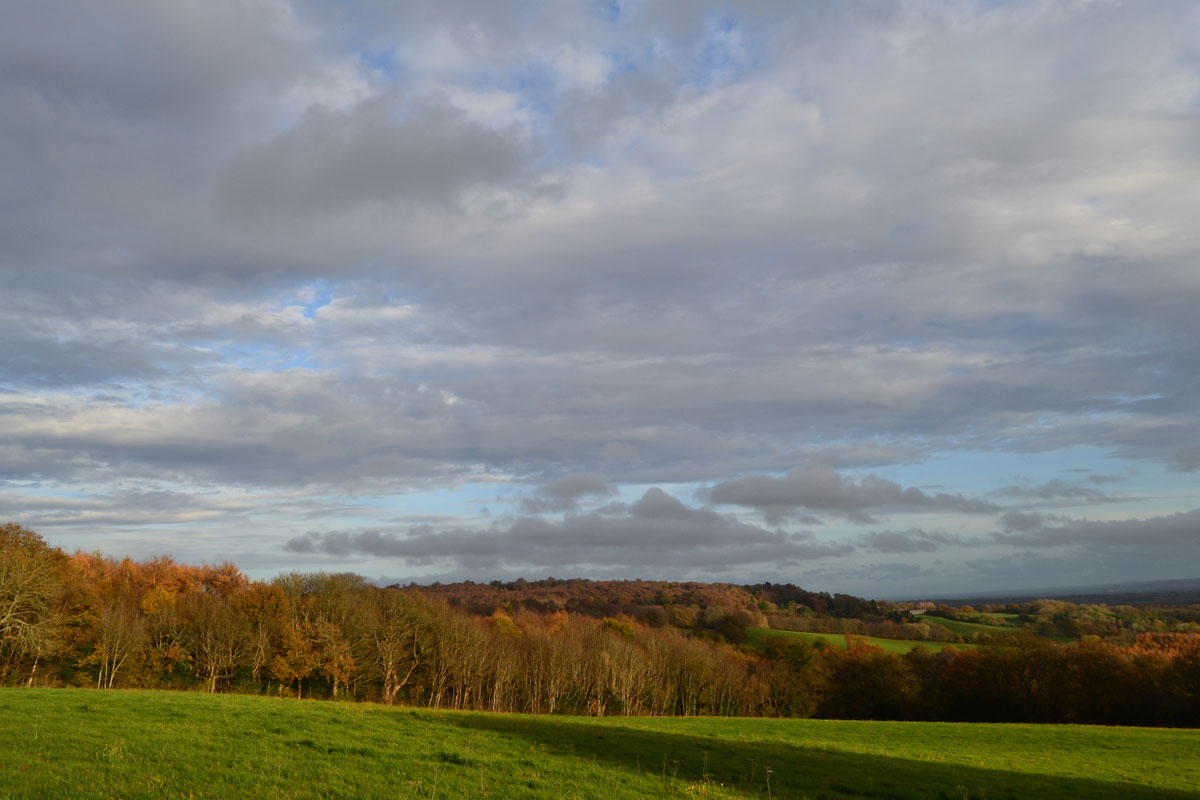
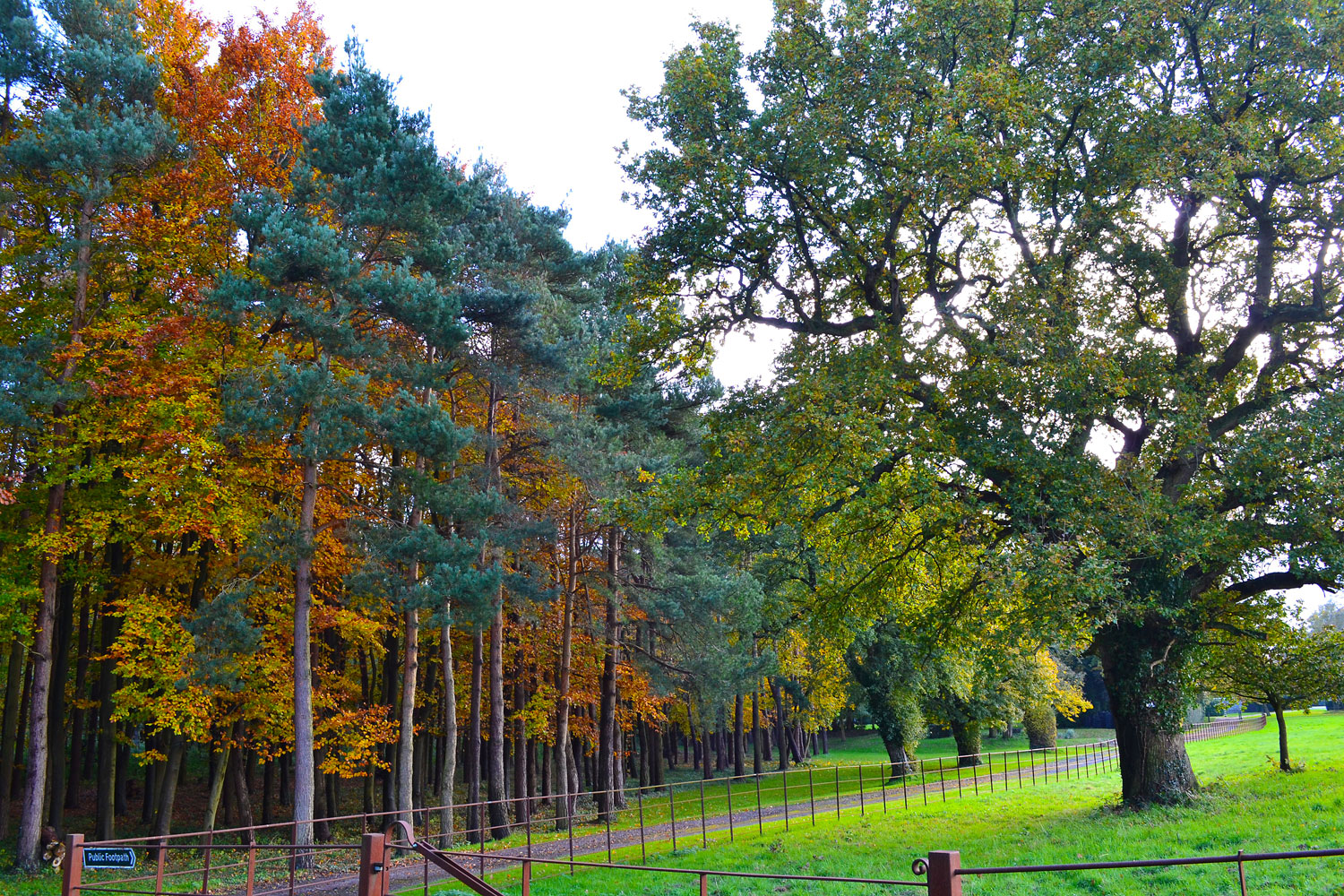
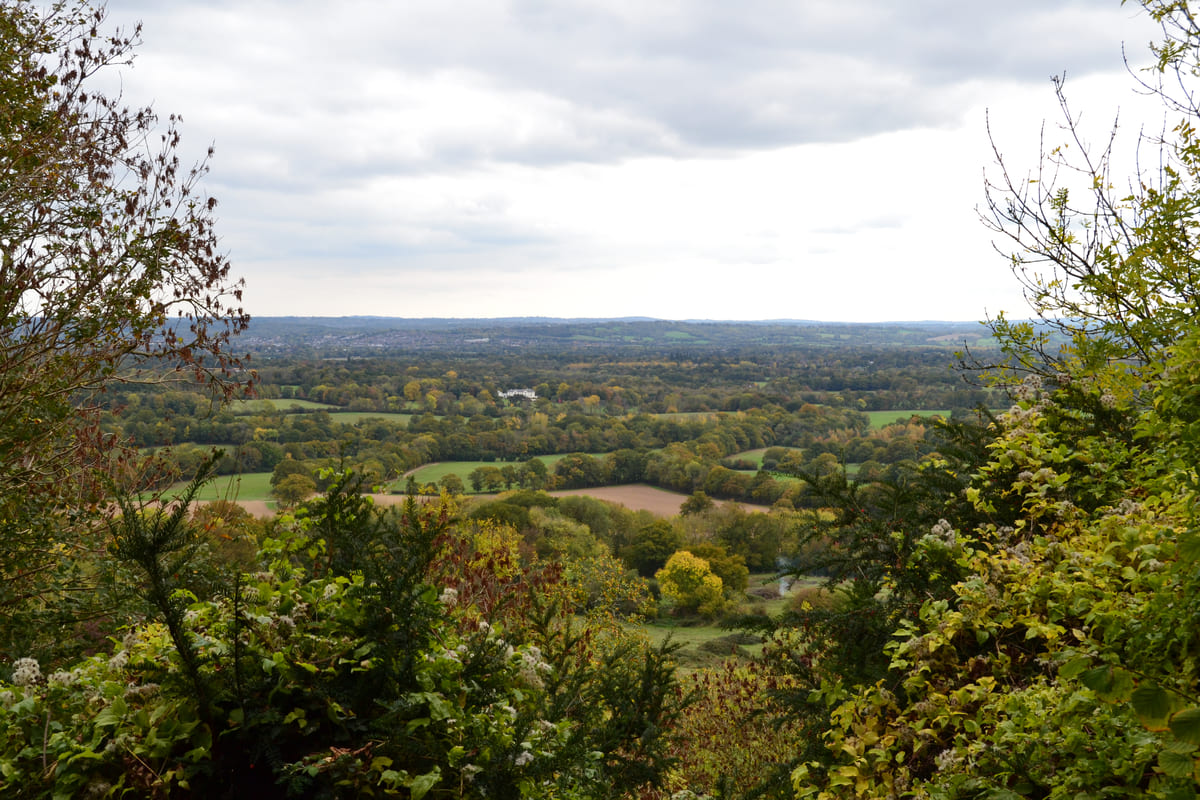
Autumn in these parts is spectacular. I know people talk in hushed tones about the colours of New England, Canada and Italy’s Apennines in the fall, but really the effect is pretty similar wherever there are trees! Once again, don’t overlook what’s on one’s doorstep in favour of an expensive and laborious trip. The November views of the Weald from Wilmot’s or Mariner’s Hill, or across the Darent Valley and the beech woods of Lullingstone are undeniably amazing. The ever-changing wide skies of Kent are a big factor in teasing out colours and optimising certain tones with the lower sun offering saturated reds, yellows and pinks. And greys, let’s not gloss over.
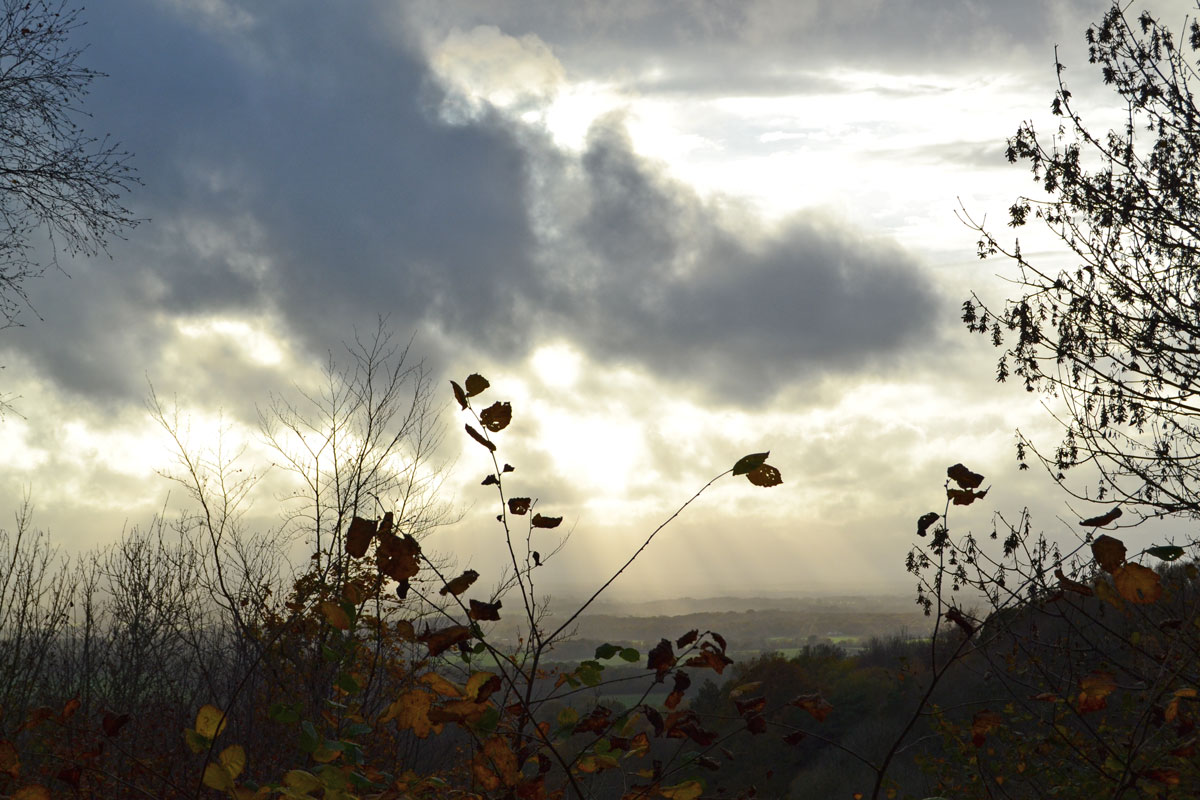
What’s surprising to me looking at the photos below is how green the countryside is in the Penshurst photo compared with those from elsewhere, yet it was taken on 1 November one week before this weekend’s Hosey walk, and a week after the trip to Shoreham represented here. Strange… could be sunshine and time of day I suppose.
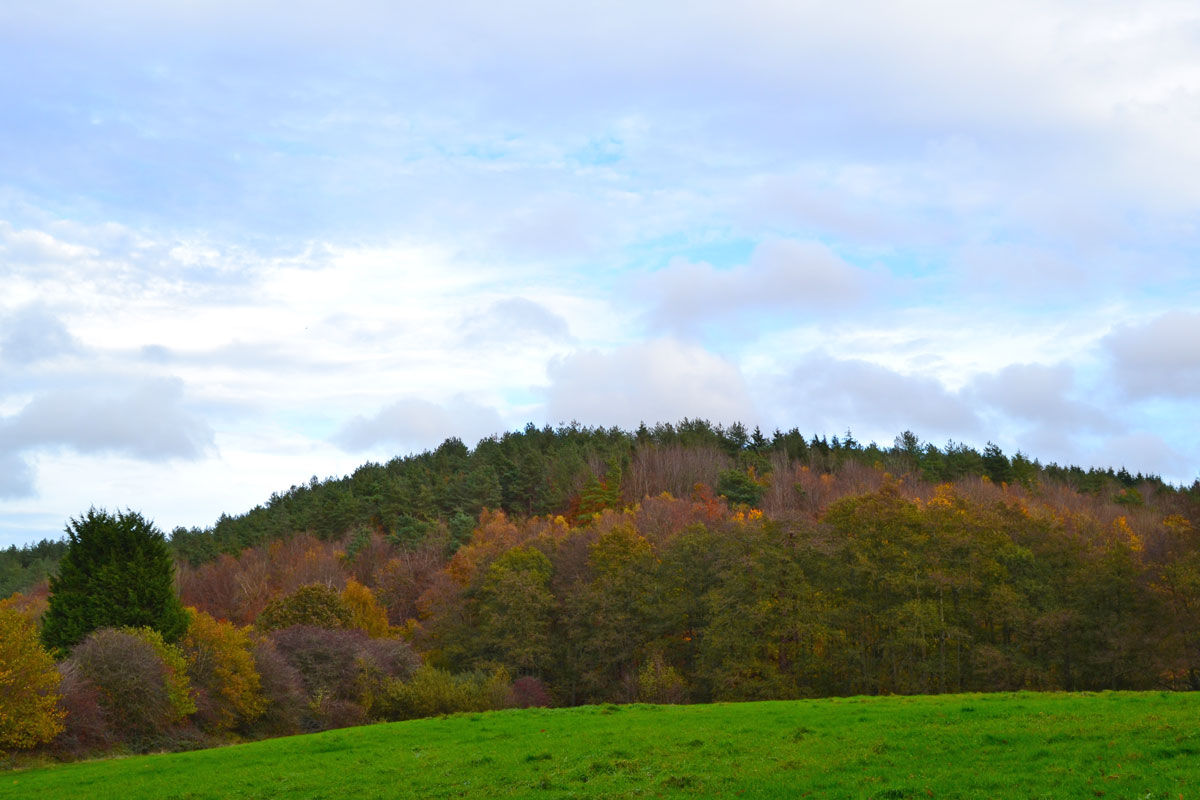
I have lots of great autumn photos from over the past nine years of operating this website. But a selection from the past two weeks (mostly – the Downe and Ide Hill photos are from previous years) is enough to make the point – autumn is a terrific time for a hike on any of the routes at KWNL.

  • Mariners Hill view across the Weald
  • Sunbeams and silhouettes
  • trees and river
  • Wilmot's Hill
  • Start of Ide Hill walk in fog, autumn
  • Classic autumnal Kent view from Emmett's Garden
  • Ide Hill field, dusk, autumn
The autumn rush and a Tudor epic

The autumn rush and a Tudor epic

Despite recent heavyish bursts of rain the walks here are still relatively mud-free. With friends I wielded together two Kent Weald walks on Saturday, the Chiddingstone and Hever circulars, making a pleasing figure-of-8 route of about 11 miles throughout the heart of Tudor Boleyn country. We stopped at two pubs, the Leicester Arms in Penshurst, a really lovely place I hadn’t been to for ages, and the good ol’ Castle Inn in Chiddingstone. The original plan was to include the excellent Henry VIII too, at Hever, but we needed to make up time for a rendezvous in Penshurst. But we did manage to pop in to St Peters church for a look at the wonderful medieval effigy of Margaret Cheyne. Larkins beer was served at both pubs and we tucked into a superb chilli con carne at the Castle Inn. Autumn colours were exceptional and the paths still very solid, with a few decent puddles dotted around. Rain slashed down towards the end of the walk but there were still plenty of leaves still attached to branches to help keep us dry. There were a few buzzards and red kites around but we didn’t see any redwings which we had hoped had arrived from the near continent by now. And yes, I still can’t believe Penshurst Place hasn’t set up a footpath along its southern edge to meet the Eden Valley Path and so avoid hikers having to walk up/down that terrible road.

Hever church (St Peters)

Things will get muddier fairly quickly once we get to the end of the month so it will be wellies before long, or stout waterproof hiking shoes.

Here is the GPX map of the Hever/Chiddingstone/Penshurst figure of 8 – I’ll give it its own page soon.

GPX maps

I’ve updated all the URLs of the OS GPX maps listed for the walks for easier access (somehow the OS had sort of rerouted them or altered the hyperlinks). They should all work much better now.

A very summery type of autumn

A very summery type of autumn

High pressure is dominating the weather and the near-drought continues. There is no mud on any of the walks, which once would have been unheard of for mid-October. For the past week it’s felt as if summer’s lease has no intention of expiring anytime soon. Amid mild temperatures and cerulean skies we enjoy the spectacles of the season as the greens of September become more mottled and varied as they meld into the yellows, oranges and reds of November. Rosehips, elderberry and sloes decorate the hedgerows and fungi mystically appear in woodland and grassy fringes. I’m not one for foraging; I much prefer to look and leave well alone (apart from blackberries).

Birdlife still seems somnambulant: I’ve been hoping for migrations but in this still weather nothing much seems to stir. A week ago, in the wake of Storm Amy, hundreds of house martins passed overhead heading east with the wind, as a full moon rose in a purple sky. But this was in Lower Sydenham not on the Kent walks. My only notable sightings have been a kingfisher on River Eden on the Chiddingstone walk; red kites over Lullingstone and Downe; grey plover and lapwings on the ever-expanding shoreline at Bough Beech reservoir (I’ve never seen the water so low); and buzzards at Polhill.

My walk at Fackenden Down today (pictured) was serene, colourful and wonderfully warm. But this isn’t autumn, surely. Lovely though it was, I would quite like to feel a fresher breeze, walk with the threat of a squall, squish through a puddle and ponder whether to wear wellies or trainers. That time will come I guess, I’ll enjoy summer’s lease while it lasts.

September walks

September walks

September and October are two of my favourite months for a stroll. Somehow the light seems sharper, the cloudscapes change more quickly, birds and other creatures are on the move and colourful, mysterious fungi appears. There may be mud to contend with of course so a comfortable pair of wellies may come into their own before too long. I wouldn’t rule out a return of summer yet though, just because it’s raining ferociously as I write. All of the walks sparkle at this time of year but I particularly enjoy the woody One Tree Hill routes, Oldbury and Petts Wood in September. Just an atmosphere thing really.

Talking of cloudscapes, my walk at Downe on Saturday was set to a backdrop of dramatic shower clouds. I was happy to see the worst of them pass to the north, only to discover with some alarm that it had grown a nasty looking limb that was heading my way. My alarm doubled on seeing three forks of lightning flicker to earth. Amid hailstones the size of… er… dried lentils, my swift walk turned into an undignified dash across the final field back to the car in fear of a big flash.

Quiet North Downs, busy South Downs; all good

Quiet North Downs, busy South Downs; all good

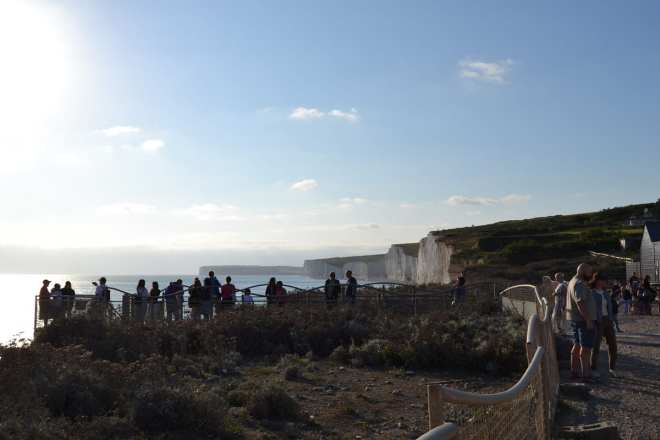
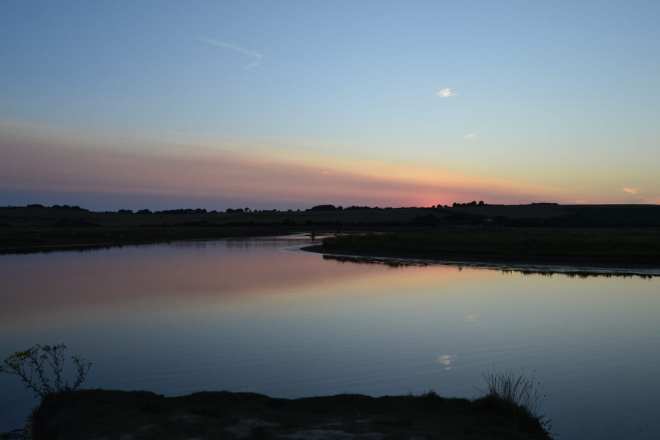
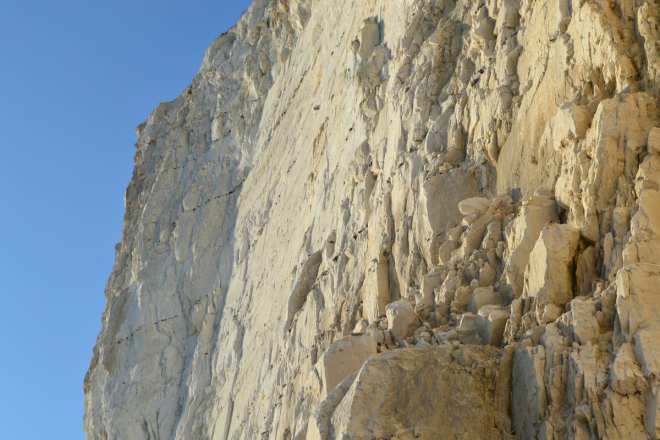
A walk around Birling Gap in East Sussex amid the famous Seven Sisters chalk cliffs was just the tonic for a dreamy August last afternoon. It’s a brilliant trip that we do fairly regularly. We started on the beach at Eastbourne with a picnic while enjoying the August airshow, before hitting Beachy Head and the Gap. After a pint at the superb Tiger Inn in ancient East Dean, we topped off the adventure with a 45-minute sunset stroll along the lower Cuckmere river from the Seven Sisters visitor centre to the sea. It was blissful but busy with tourists and folk down from London … which is just fine with me; it’s great to see everyone out enjoying the beautiful countryside, and the joy people were feeling in the sea air was kind of infectious. It felt a bit like going to the cinema – the pleasure of a shared experience of wonderful scenes is a great thing. Sussex by the Sea is a special place.

  • North Downs view
  • An egret at dusk in the Cuckmere river

The following day it was back to the North Downs for the Knockholt / Chevening route; the first time this year I reckon. As mentioned in my previous post I was tipped off by a helpful KWNL’er that there was a useful diversion at the Point 5 which means you don’t have to walk on Sundridge Road anymore. And so there was. It was great. Very sleepy, dry, Augusty, quiet. And so few people! I missed the crowds at Birling Gap. Well, I didn’t reeeeeally; I love solitude too. Without the waves, gleaming chalk, and sea breeze, the western North Downs don’t have quite the easy allure of their southern counterparts; but for quiet, great views, glimpses of the medieval past and atmosphere they are wonderful. But so few south-east Londoners seem to quite know what’s on the doorstep – which is the point of this website I suppose.

Take secateurs on your Kent walk!

Take secateurs on your Kent walk!

Things have got a bit overgrown on some of the more neglected paths. Despite the lack of rain, brambles have been getting busy and are giving their full attention to any bare legs they come across. Nettles too. The brilliant Eastern Valleys of Shoreham walk is the worse offender here… along the field edge coming up to point 3 in particular. That path is little used and things have got a little wild (there could well be an alternative route on a path within the woods, not along the field but I’m a little hazy on the details, it’s hot and I’ve been watching Glasto). I say secateurs, but a sickle or shears wouldn’t go amiss – whatever your implement, it’ll help keep things civilised. Obvs, don’t go crazy, just a little snip here and there to clear your path, we don’t want anything apart from brambles, the odd nettle and dogwood being snipped. Even on my brief Bough Beech stroll today I was assailed by prickles while on the pavement walking back towards the nature reserve (the kingfisher was showing well if you must know). Still, I survived; I always seem to, whatever terrible hazards the Kent walks near London throw at me.

Not too hot to trot in Kent

Not too hot to trot in Kent

When the temperature hits 30C a lot of us prefer to sit in the shade, sip a drink, maybe head to the park cafe, try to keep cool. But Kent Walkers Near London are rather like mad dogs and Englishmen – they go out in the midday sun and hit the trails of the North Downs and Greensand Ridge and anything in between. My cut off is closer to 35C when it comes to walking – I once did a few miles in Joshua Tree national park in the Mojave desert (not a Kent walk near London) at about 38C. It was great! No problemo. Just bring water and don’t get too lost and you’ll be fine! In fact doing the Kent walks are a better way of keeping cool than hanging in SE London – there’s usually a breeze on the downs and trees for shade. Plus they’ll be butterflies and wildflowers to enjoy. And unlike Joshua Tree there’s a decent pub never much more than a mile away. In terms of distance, as long as you’re feeling good there’s no problem with doing a walk up to 6 miles in high temperatures. One little tip though: if you do the Eastern Valleys route (quite taxing on a hot day as the valley kind of magnifies the heat) take secateurs as one of the paths gets overgrown a bit at this time of year and you don’t want want those pristine bare legs to be ripped to shreds! Enough. Enjoy!!

  • Magpie Bottom in the August heat
The orchids of Oldbury, Kent

The orchids of Oldbury, Kent

Orchids are in full flower across almost all the Kent Walks Near London. They particularly like the chalky North Downs routes, such as Heaverham, Chevening, Fackenden Down, Polhill, Lullingstone, Eastern Valleys etc (see list of walks above) but I’ve found great clusters at Hever and meadow fringes at Oldbury too, on the sandstone/clay of the weald and Holmesdale Vale. We unexpectedly came across the pictured common spotted orchids (the UK’s most often seen variety) on the Oldbury walk this week. This is one of the routes I’ve walked the least often; in fact I can count the times I’ve hiked the long and short versions on the fingers of one hand. I don’t know why, they are both brilliant strolls. The shorter version is mainly through woods and is one of the quietest walks on this website (apart from the bit near the A25). It takes in an enormous Iron Age fort, meadows facing the North Downs escarpment and a sandy trail past beautiful old fish ponds in rich woodland. I really recommend it – it’s got a special atmosphere, some might say even a bit spooky.

See the best places to see orchids on these routes.

How to use Kent Walks Near London

How to use Kent Walks Near London

It’s a great time of year for walking, as the visitor figures at Kent Walks Near London are showing. Wildflowers, birdsong, the sound of the breeze in the foliage, dry conditions and warmth are all balm for the soul – and how needed in these perplexing times.

It’s been great to bump into walkers using the website lately; generally all have been on the correct route and enjoying themselves! Only one couple were off piste, and this was because they had been following Bromley council’s signs for the Cudham circular rather than read the pdf they were holding of the Cudham Chalk Paths walk.

Ide Hill, Kent
Looking south-west across the Weald from Ide Hill

A smartphone can help

It’s been mentioned to me lately that it is still quite easy to take the wrong path at times. I really recommend using the GPX on the smartphone with takes you to my routes at Ordnance Survey or AllTrails. Here’s my Fackenden Down route at Ordnance Survey maps (actually done in reverse, but it doesn’t matter as the dot will show you where you are against the route whichever way round you’re doing the walk). If it all sounds a bit technical and you don’t want to be marching around peering at your phone, don’t worry – just take your time and read the instructions ahead so you’re not stopping every time there’s a side path and wondering if you should go down it. And if it does go wrong, enjoy that too… the countryside will still be lovely and all will come right in the end. It’s Kent, not the Amazon.

flax
Flax (linum) in a field in May, on the Fackenden Down route (walk 19), May 2025

A lot of KWNL users print off the PDF and go from there, but be warned: the PDFs are space-limited so I have to abbreviate at times. I think it’s best to use a combination of GPX map, the website on your phone and the pdf or just use a paper OS map just to check out the route in advance. Perhaps one day I’ll invent a special talking SatNav for KWNL so I can say ‘turn right, climb over the stile’ in real time. Actually, no; who wants that?

Contact me with route complications/updates

I really would appreciate people telling me when I need to update information, however. I can’t cover all the walks all the time so when things change – as they did on the Downe and Cudham walks in the past couple of years – it’d be great to get a heads up! Also, please send in bird/wildlife or plant observations… all welcome.

My best email is ammcculloch49@gmail.com for comms. I don’t bother with Facebook or Instagram much anymore (maybe I should try harder with the latter) – there’s just too much of all that and I consider social media to be run by awful people determined to do bad things generally. I deleted Twitter and I’m now on Bluesky if that’s any good to anyone (amackentwalks.bsky.social) but please excuse any tangential rantings you come across – I have other interests apart from walking (saxophone, Tottenham Hotspur etc) so it all ends up in one place.