A very summery type of autumn

A very summery type of autumn

High pressure is dominating the weather and the near-drought continues. There is no mud on any of the walks, which once would have been unheard of for mid-October. For the past week it’s felt as if summer’s lease has no intention of expiring anytime soon. Amid mild temperatures and cerulean skies we enjoy the spectacles of the season as the greens of September become more mottled and varied as they meld into the yellows, oranges and reds of November. Rosehips, elderberry and sloes decorate the hedgerows and fungi mystically appear in woodland and grassy fringes. I’m not one for foraging; I much prefer to look and leave well alone (apart from blackberries).

Birdlife still seems somnambulant: I’ve been hoping for migrations but in this still weather nothing much seems to stir. A week ago, in the wake of Storm Amy, hundreds of house martins passed overhead heading east with the wind, as a full moon rose in a purple sky. But this was in Lower Sydenham not on the Kent walks. My only notable sightings have been a kingfisher on River Eden on the Chiddingstone walk; red kites over Lullingstone and Downe; grey plover and lapwings on the ever-expanding shoreline at Bough Beech reservoir (I’ve never seen the water so low); and buzzards at Polhill.

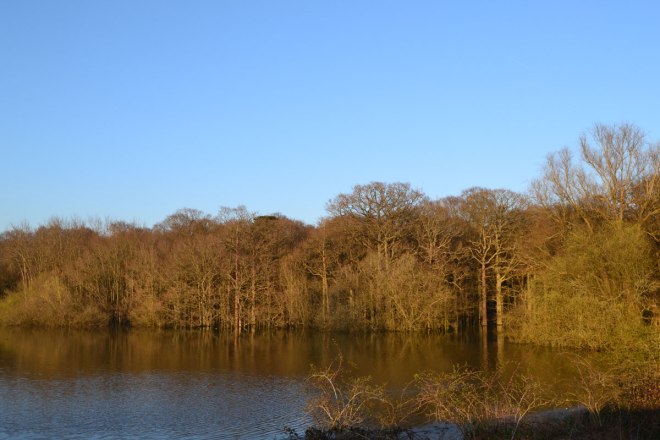
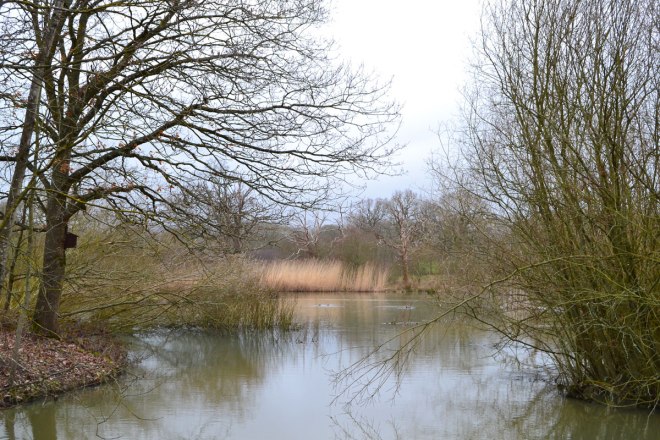
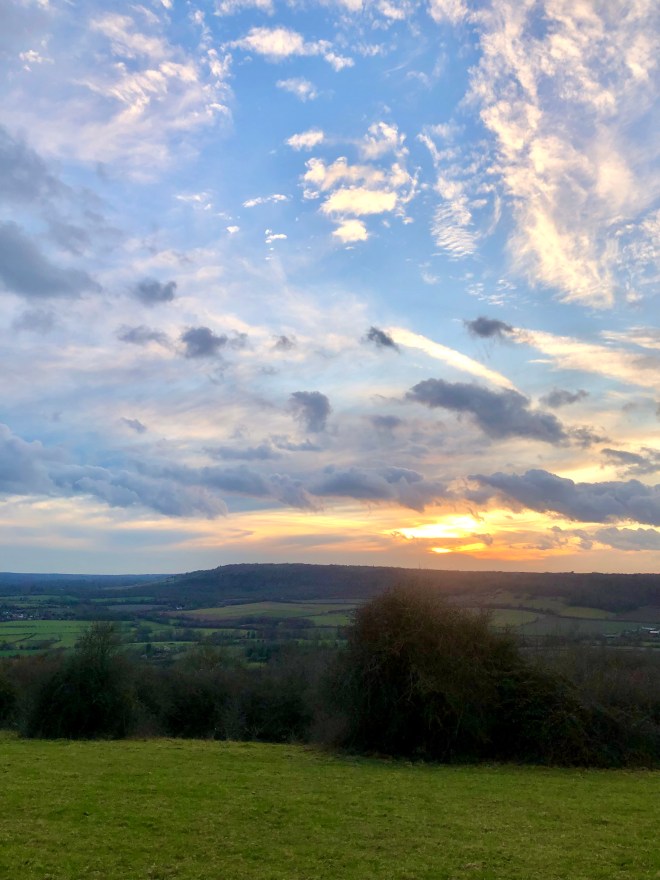
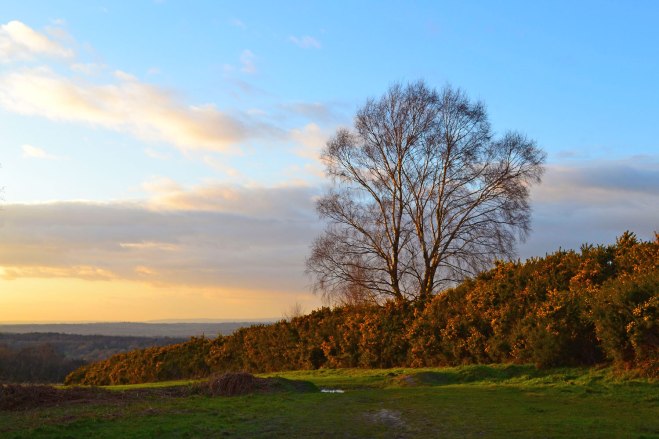
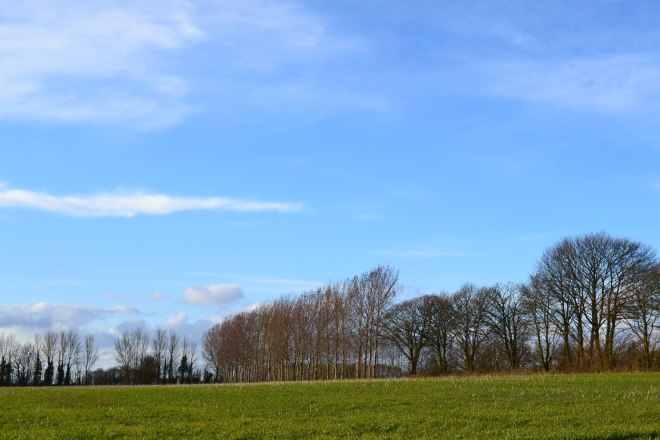
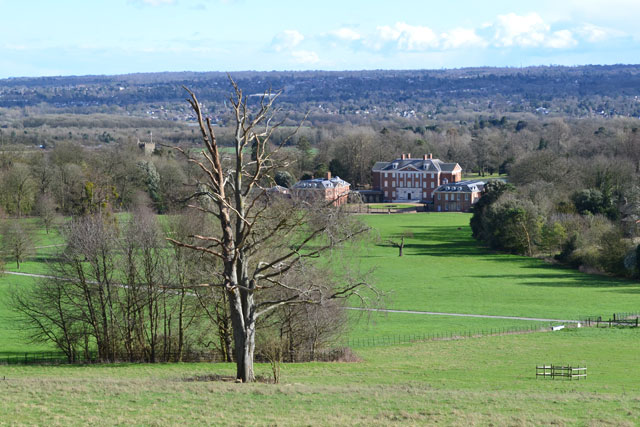
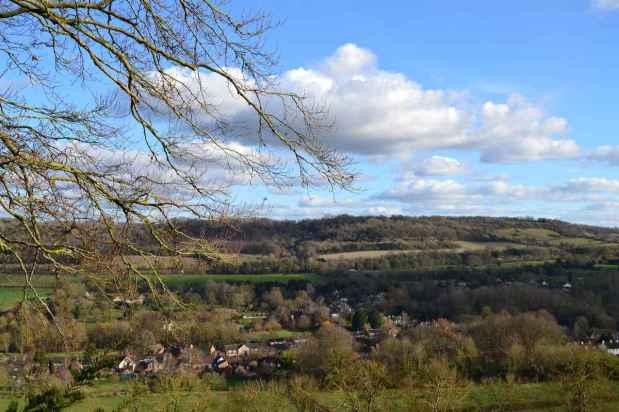
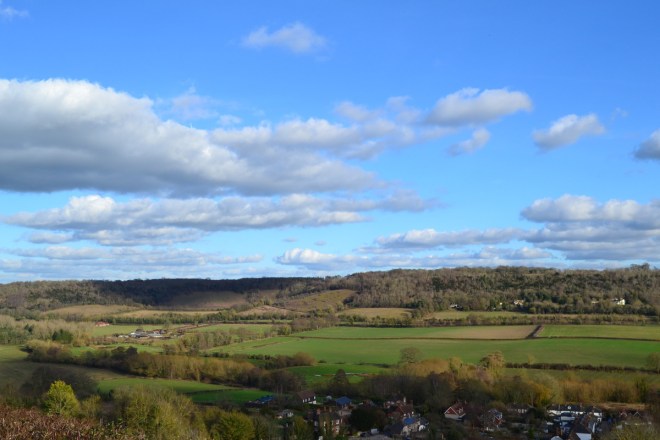
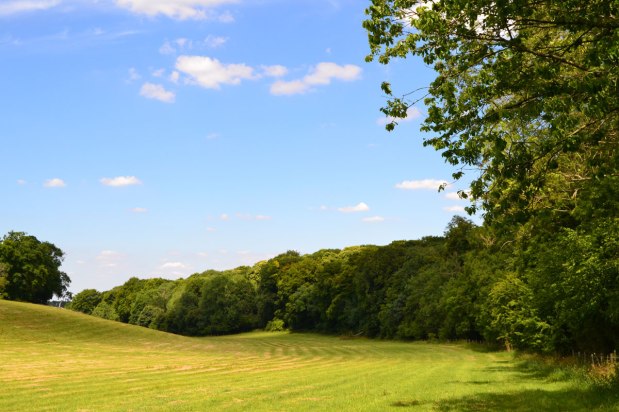
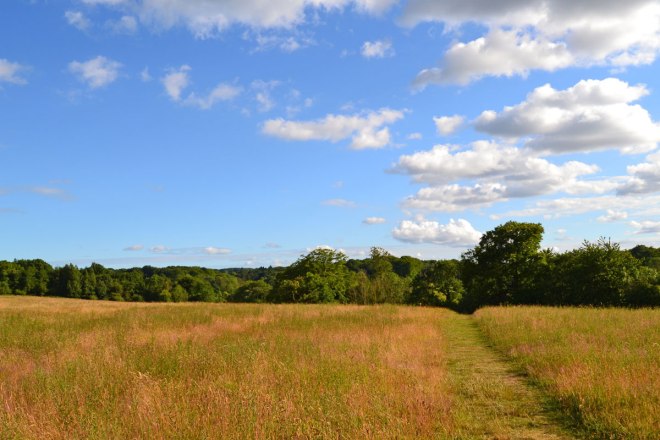
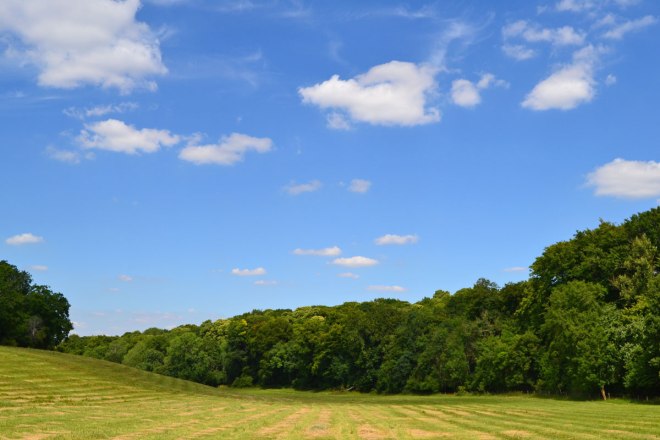
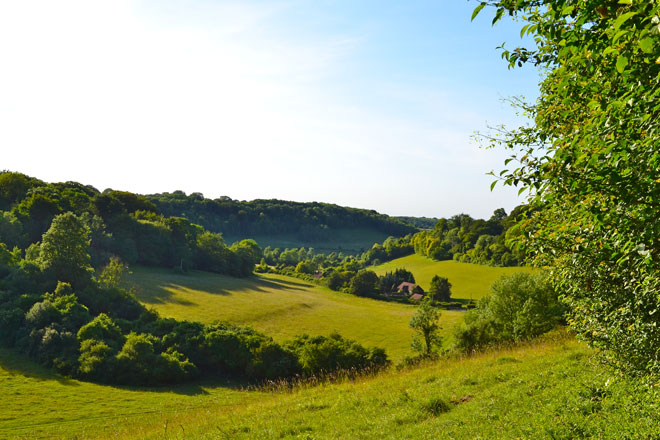
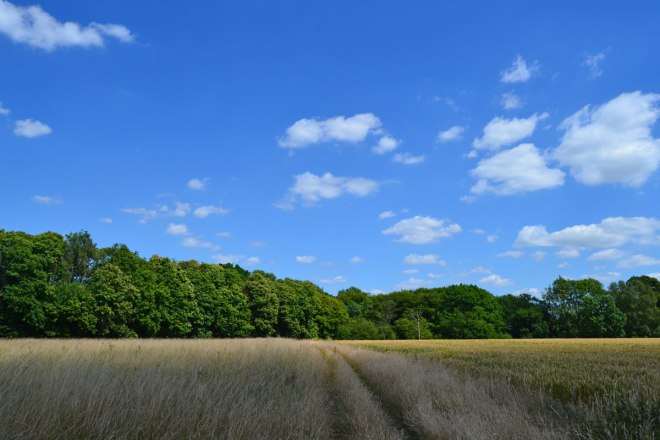
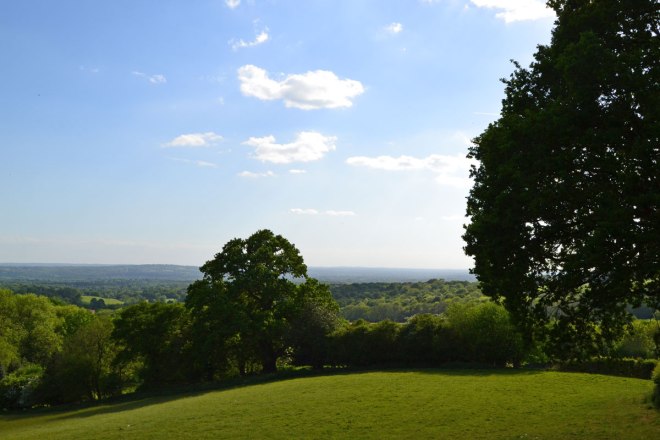
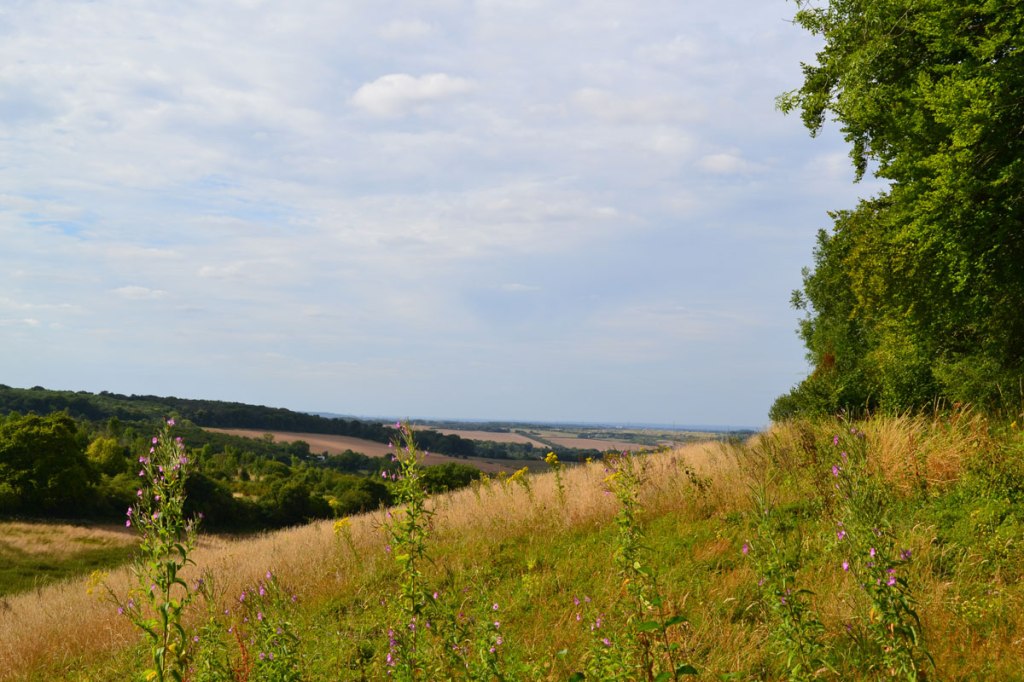
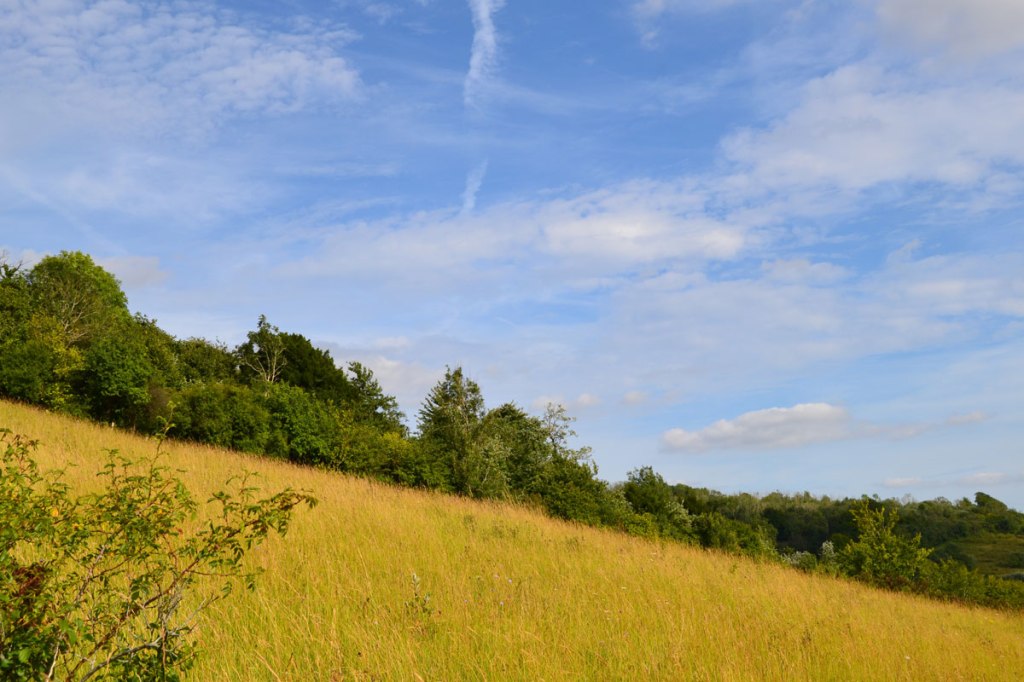
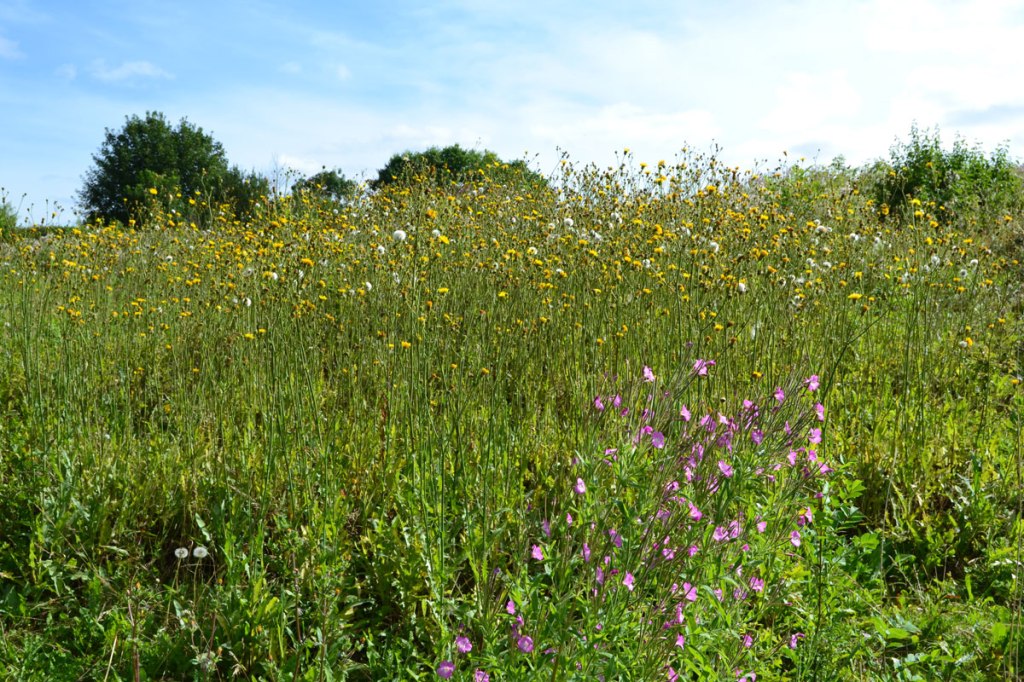
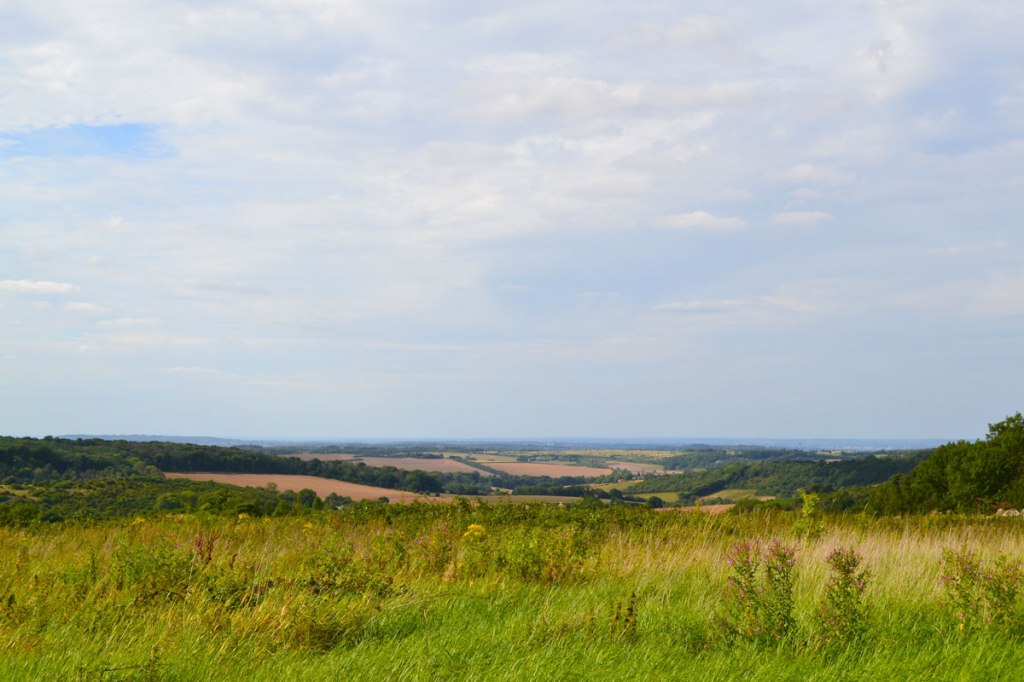
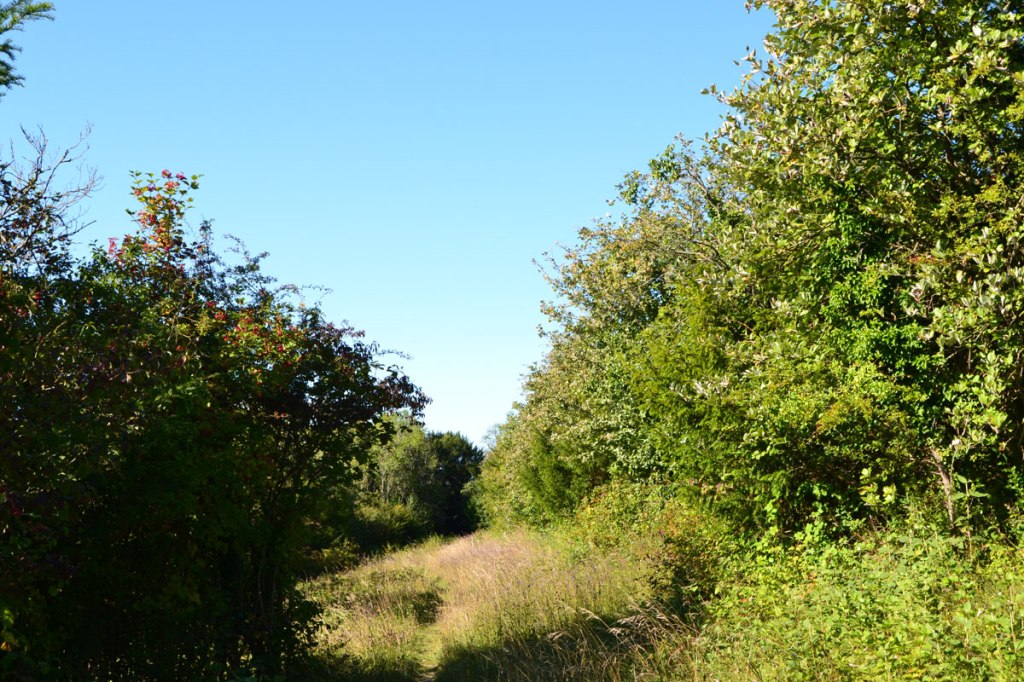
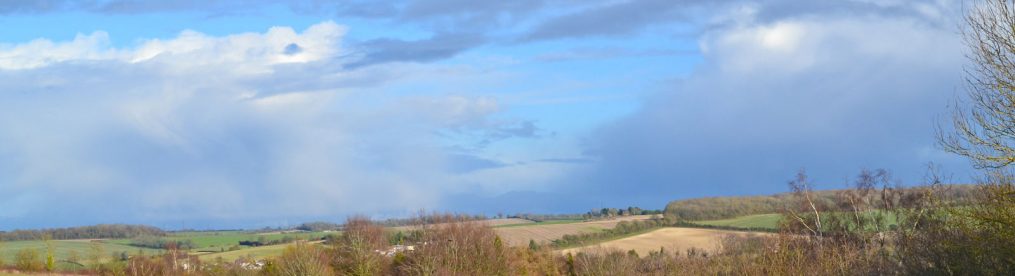
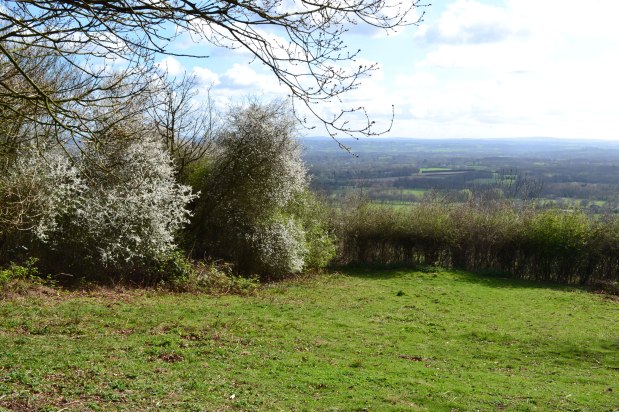
My walk at Fackenden Down today (pictured) was serene, colourful and wonderfully warm. But this isn’t autumn, surely. Lovely though it was, I would quite like to feel a fresher breeze, walk with the threat of a squall, squish through a puddle and ponder whether to wear wellies or trainers. That time will come I guess, I’ll enjoy summer’s lease while it lasts.

Take secateurs on your Kent walk!

Take secateurs on your Kent walk!

Things have got a bit overgrown on some of the more neglected paths. Despite the lack of rain, brambles have been getting busy and are giving their full attention to any bare legs they come across. Nettles too. The brilliant Eastern Valleys of Shoreham walk is the worse offender here… along the field edge coming up to point 3 in particular. That path is little used and things have got a little wild (there could well be an alternative route on a path within the woods, not along the field but I’m a little hazy on the details, it’s hot and I’ve been watching Glasto). I say secateurs, but a sickle or shears wouldn’t go amiss – whatever your implement, it’ll help keep things civilised. Obvs, don’t go crazy, just a little snip here and there to clear your path, we don’t want anything apart from brambles, the odd nettle and dogwood being snipped. Even on my brief Bough Beech stroll today I was assailed by prickles while on the pavement walking back towards the nature reserve (the kingfisher was showing well if you must know). Still, I survived; I always seem to, whatever terrible hazards the Kent walks near London throw at me.

Not too hot to trot in Kent

Not too hot to trot in Kent

When the temperature hits 30C a lot of us prefer to sit in the shade, sip a drink, maybe head to the park cafe, try to keep cool. But Kent Walkers Near London are rather like mad dogs and Englishmen – they go out in the midday sun and hit the trails of the North Downs and Greensand Ridge and anything in between. My cut off is closer to 35C when it comes to walking – I once did a few miles in Joshua Tree national park in the Mojave desert (not a Kent walk near London) at about 38C. It was great! No problemo. Just bring water and don’t get too lost and you’ll be fine! In fact doing the Kent walks are a better way of keeping cool than hanging in SE London – there’s usually a breeze on the downs and trees for shade. Plus they’ll be butterflies and wildflowers to enjoy. And unlike Joshua Tree there’s a decent pub never much more than a mile away. In terms of distance, as long as you’re feeling good there’s no problem with doing a walk up to 6 miles in high temperatures. One little tip though: if you do the Eastern Valleys route (quite taxing on a hot day as the valley kind of magnifies the heat) take secateurs as one of the paths gets overgrown a bit at this time of year and you don’t want want those pristine bare legs to be ripped to shreds! Enough. Enjoy!!

  • Magpie Bottom in the August heat
How to use Kent Walks Near London

How to use Kent Walks Near London

It’s a great time of year for walking, as the visitor figures at Kent Walks Near London are showing. Wildflowers, birdsong, the sound of the breeze in the foliage, dry conditions and warmth are all balm for the soul – and how needed in these perplexing times.

It’s been great to bump into walkers using the website lately; generally all have been on the correct route and enjoying themselves! Only one couple were off piste, and this was because they had been following Bromley council’s signs for the Cudham circular rather than read the pdf they were holding of the Cudham Chalk Paths walk.

Ide Hill, Kent
Looking south-west across the Weald from Ide Hill

A smartphone can help

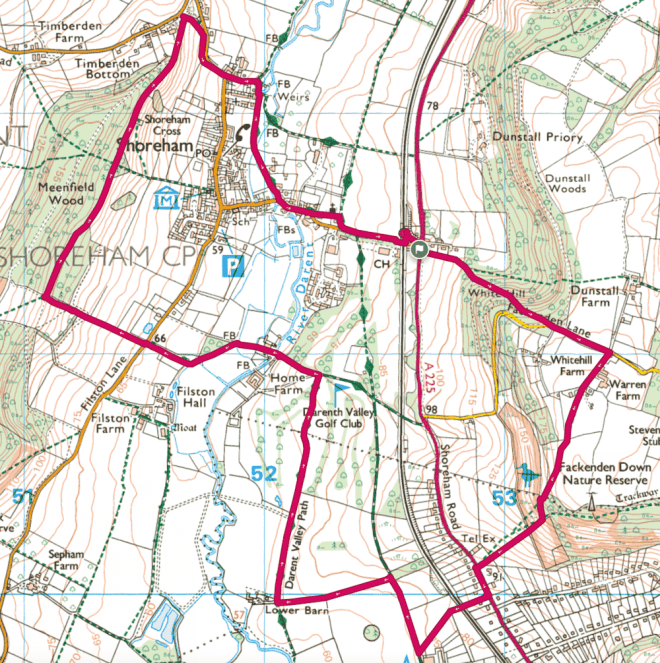
It’s been mentioned to me lately that it is still quite easy to take the wrong path at times. I really recommend using the GPX on the smartphone with takes you to my routes at Ordnance Survey or AllTrails. Here’s my Fackenden Down route at Ordnance Survey maps (actually done in reverse, but it doesn’t matter as the dot will show you where you are against the route whichever way round you’re doing the walk). If it all sounds a bit technical and you don’t want to be marching around peering at your phone, don’t worry – just take your time and read the instructions ahead so you’re not stopping every time there’s a side path and wondering if you should go down it. And if it does go wrong, enjoy that too… the countryside will still be lovely and all will come right in the end. It’s Kent, not the Amazon.

flax
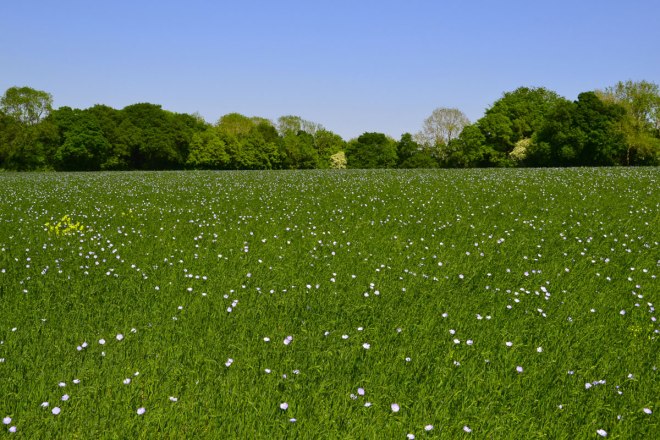
Flax (linum) in a field in May, on the Fackenden Down route (walk 19), May 2025

A lot of KWNL users print off the PDF and go from there, but be warned: the PDFs are space-limited so I have to abbreviate at times. I think it’s best to use a combination of GPX map, the website on your phone and the pdf or just use a paper OS map just to check out the route in advance. Perhaps one day I’ll invent a special talking SatNav for KWNL so I can say ‘turn right, climb over the stile’ in real time. Actually, no; who wants that?

Contact me with route complications/updates

I really would appreciate people telling me when I need to update information, however. I can’t cover all the walks all the time so when things change – as they did on the Downe and Cudham walks in the past couple of years – it’d be great to get a heads up! Also, please send in bird/wildlife or plant observations… all welcome.

My best email is ammcculloch49@gmail.com for comms. I don’t bother with Facebook or Instagram much anymore (maybe I should try harder with the latter) – there’s just too much of all that and I consider social media to be run by awful people determined to do bad things generally. I deleted Twitter and I’m now on Bluesky if that’s any good to anyone (amackentwalks.bsky.social) but please excuse any tangential rantings you come across – I have other interests apart from walking (saxophone, Tottenham Hotspur etc) so it all ends up in one place.

Into the hot valleys of the North Downs

Into the hot valleys of the North Downs

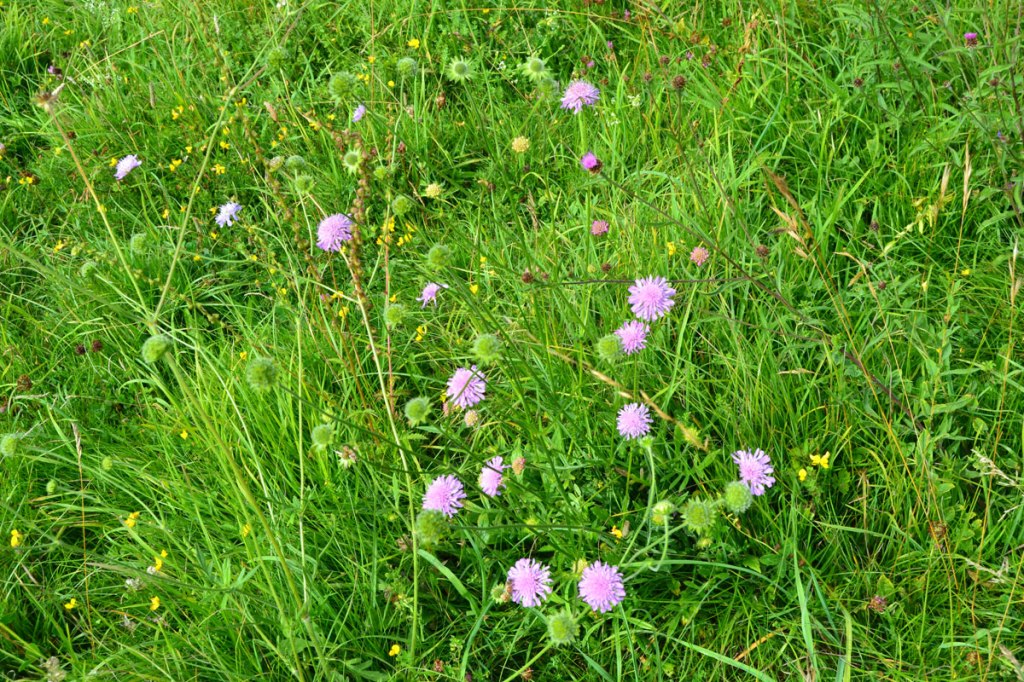
Sunny weekends have been in short supply this year. Hopefully we are overdue some. It’s a great time for butterflies and wildflowers like scabious, particularly in the chalky North Downs walks. I also love the displays of rosebaywillow herb… so colourful alongside ragwort. And there’s the wild marjoram and thyme to enjoy. It’s a great time of year, though look carefully and you’ll notice the grass is yellowing, the trees looking a little tired in places as August continues. I love a hot walk, and nothing beats the Mysterious eastern valleys and Fackenden Down walks for trapped heat and big-time humidity. These walks can be combined for a 7-mile epic, as can all the Shoreham, Otford and Eynsford routes. And they are only a 40-minute train journey away from Peckham Rye/Crofton Park/Catford etc. I’ll be setting off shortly …

A reptilian reveal

A reptilian reveal

It was great to hear that Kent Wildlife Trust made it to their £196k target to buy an extra 26 acres to extend their Polhill Bank reserve, which features on a couple of KWNL routes – Pluto and Meenfield Woods. I headed out there earlier today, sacrificing the first set of the French Open tennis final. I had a subsidiary mission – to buy a shrub. I was actually planning to go to Coolings for this purpose, near Knockholt, but the traffic was so horrendous on the pertinent routes past Bromley and Hayes that I diverted to Polhill Nursery so I could return to SE London via the Orpington bypass road, up through Chislehurst. I had a good look at Polhill Bank. The first pyramidal orchids were showing, along with loads of milkwort, speedwell and all the June usuals. My expertise does not extend to plants beyond the common species. There were few birds around: I heard a cuckoo briefly, which is something, a whitethroat and eventually a yellowhammer. Buzzards soared, a swift swooped around; there were no swallows or martins disappointingly. However, for the first time I saw a lizard at this reserve. I’ve long wanted to see one here because KWT’s website proclaims their presence on these sunny slopes. So I was delighted. I really had to look and just caught it in the corner of my eye in a gap between vegetation. I stayed on the path and was determined not to disturb it in any way as it was sunning itself on a piece of wood. As a result my photos are rubbish. But that is less important to me than the fact I documented it and didn’t tread on anything I shouldn’t have – and left it in peace.

  • Common lizard at Polhill
  • Pond and view

Frisson in the North Downs freeze

Frisson in the North Downs freeze

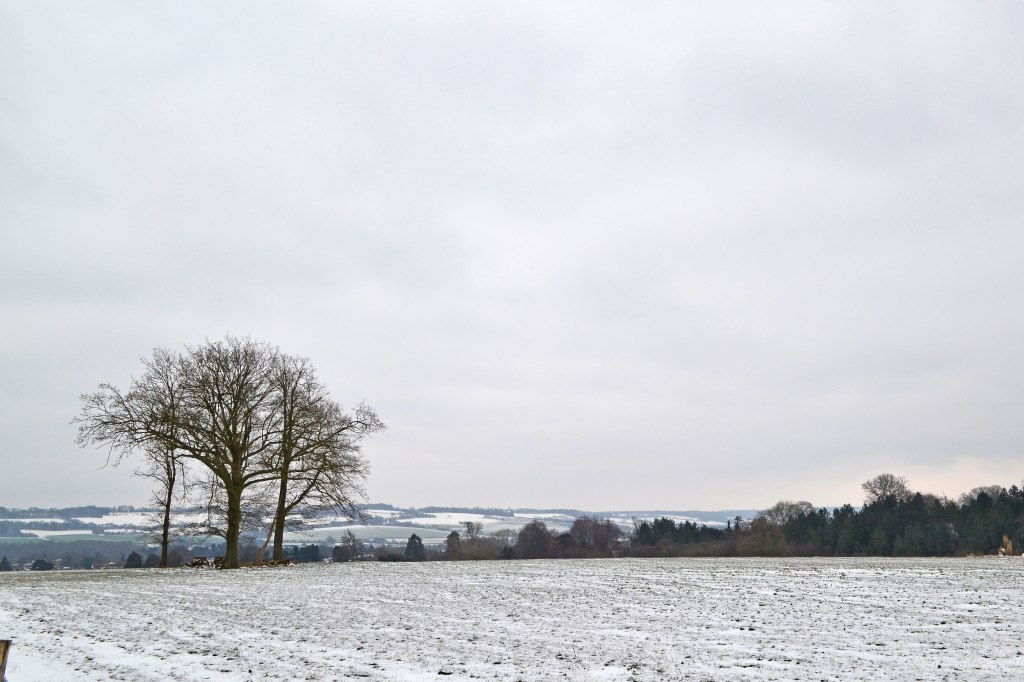
There’s a real pleasure to walking in very cold conditions and not only because you’ve bought some hot chocolate with you with a shot of rum in it. The light, the clouds, the wonder of winter and the sudden dusk all bring an edge of adventure. It’s a great time for a walk. Often the mud is hardened by frost too so you can stride without getting bogged down. We don’t often get snow in these parts but remember that if there’s a hint of the white stuff in south east London there’s a good chance there’s a lot more of it on the North Downs. So if you have children pining for snow larks, there’s always a chance that by heading to say Fackenden Down, Polhill or Knockholt you might have a bit of luck. It’s worked for me over the years. I particularly love the atmosphere of Knole in winter – the frosty hollows and rich (ish) bird life coupled with that huge medieval home that is lit so beautifully by the setting sun and from within as twilight comes on, are an essential part of my mid-winter wanders. This little cold snap will be over by tomorrow evening but there’ll be more to come.

  • Downe, Kent, England
A sultry stroll at Fackenden Down

A sultry stroll at Fackenden Down

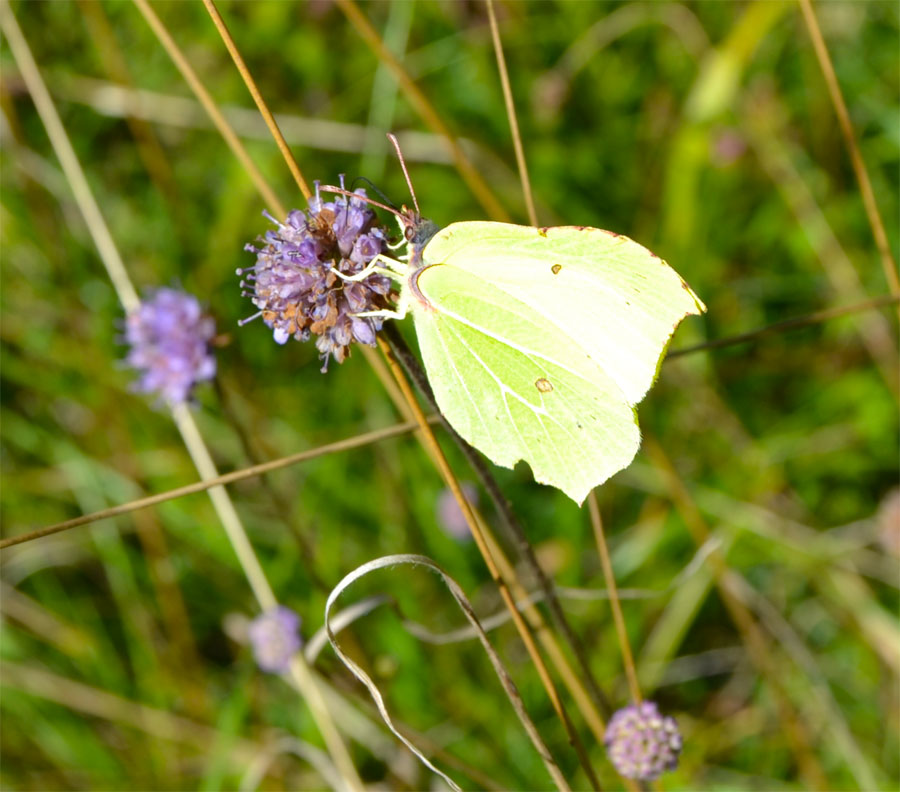
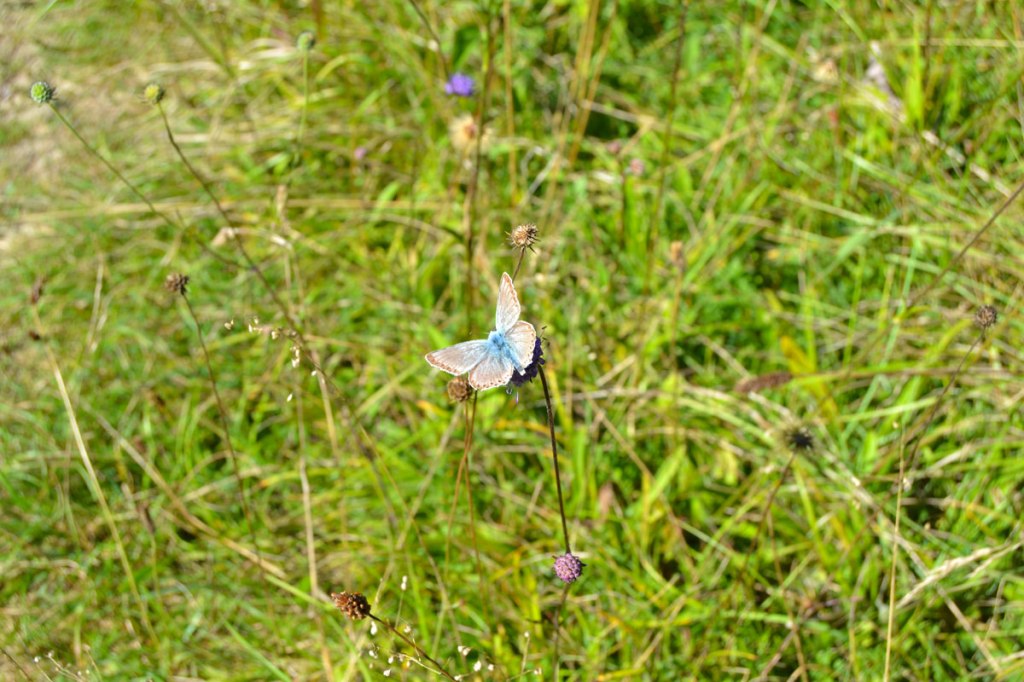
The hot sunny weather – this September has been pronounced already as one of the hottest on record in the UK – has been good news for butterflies. The Fackenden walk is particularly good for viewing them; the first few sections after the right turn on White Hill were awash with chalkhill blues, red admirals, large whites, meadow browns and gatekeepers this week. I was particularly intrigued by the numbers of brimstones flying during my sultry stroll there last Monday. These beauties are the offspring of the butterflies that emerged from hibernation in April and May. With so many scabious and devil’s-bit scabious still flowering along with the likes of fading marjoram, valerian, wild carrot and trefoil, there is plenty of foodstuff still around. That wonderful ‘garden’ running halfway up between White Hill and Fackenden Down is great for other creatures too: it’s clearly good habitat for reptiles and birds, though I’ve never personally seen much there, not even a whitethroat, blackcap or yellowhammer this summer – just a few goldfinches (a beautiful but common bird), red kite, buzzards and green woodpeckers after the many ants on these slopes. I did spot a rapidly disappearing common lizard though, after hearing a rustle in the leaf litter. Earlier in the walk, at Austin Spring I was delighted by a view of a hobby (a smallish, fast-flying falcon) hurtling straight towards me, presumably chasing dragonflies.

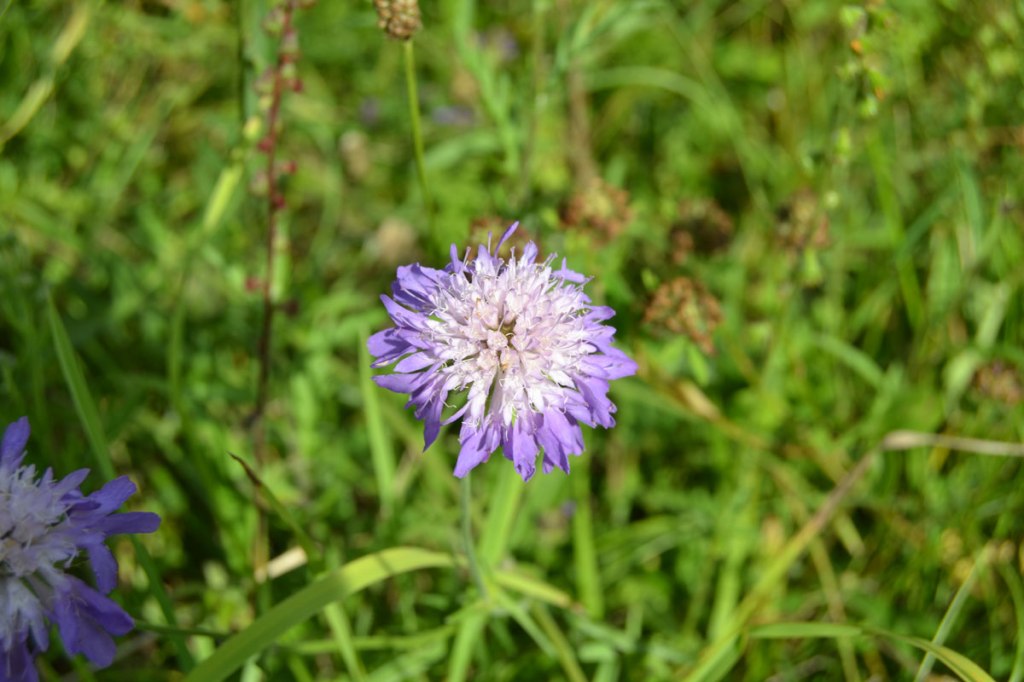
I’ve taken to doing the Fackenden route the ‘wrong’ way round these days: so I take the path on the left up White Hill that culminates in the steps, then across the Dunstall Farm fields to Austin Spring and Romney Street, Magpie Bottom (also great for flowers and insects) and eventually to Fackenden Down. Either way is great, I suppose I just want to save that ‘garden’ with its kaleidoscopic haze of grasses, scabious and insects until last. (Pictured: red admiral, brimstone, red admiral, the path linking White Hill and Fackenden Down looking north, a scabious flower and, below, a male chalkhill blue.)

Here’s something I’ve never seen before …

Here’s something I’ve never seen before …

Walking on the path through the scabious, ragwort, marjoram, yew trees and grasses on the chalky west-facing slopes of White Hill/Fackenden Down last Saturday I spotted a wasp spider – a creature I’d never seen personally. It’s a spectacular arachnid, one that has been increasing its numbers in the south-east over the past 15 years. I guess a powerful orb weaver like this will be snaffling up drowsy late summer insects in the coming weeks. The walk itself was as beautiful as ever but quite bereft of bird life, which isn’t unusual for late August just prior to the large migrations. Only a solitary buzzard and a charm of goldfinches being of note, though we weren’t being particularly observant. Oddly, not a single swallow was noted – unlike during the walk at Cudham the following day, where a red kite was also seen. My friend Teri took the spider photos.

Grass and butterflies

Grass and butterflies

Late July, early August: it’s a slightly torporous time, and in most summers the countryside becomes gradually a bit tired and frazzled looking – rather like the Australian cricket team currently trying to play out the Ashes (now there’s a hostage to fortune). But this year, thanks to recent regular rain, there’s still a freshness about things. I particularly love the long grasses this year, so full of wildflowers – and such a contrast to last summer’s scorched earth. We’ve been lucky in 2023 in that respect, as other parts of Europe have literally burned. Nearly all the walks on this site feature beautiful grassy meadows at one point or another, the best being on the chalk North Downs at Downe, Shoreham (Eastern Valleys, Pluto, and Fackenden in particular, Knockholt and Cudham. Wild marjoram, wild carrot, ragwort, trefoil, knapweed, pyramidal orchids (still flowering) are among the common wildflowers all flourishing amid the grasses, creating a fetching spangle of purples, yellows, pinks, reds and creams among the greens. Anecdotally, butterflies have shown well this summer despite the mixed weather. At the moment it seems to me species such as comma, red admiral, marbled white and large white are the most commonly seen. In April and May, brimstones were a common sight, then peacock butterflies. I haven’t seen any silver fritillaries this year and hardly any orange tips or small tortoisehells, I’ve just been unlucky – others have seen them. Pictured below: red admiral butterfly, scarp view, knapweed in Chevening churchyard, a cleft in the North Downs scarp, a comma butterfly, the escarpment, a lonely path, all from Knockholt/Chevening short walk on a near-cloudless late July early evening.