The autumn rush and a Tudor epic

The autumn rush and a Tudor epic

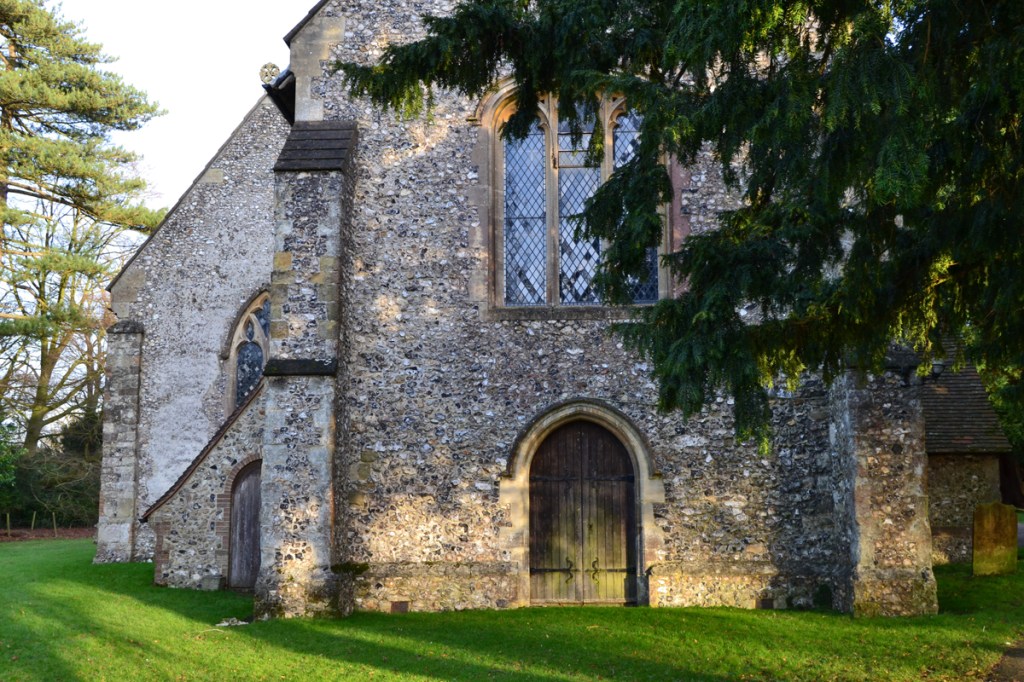
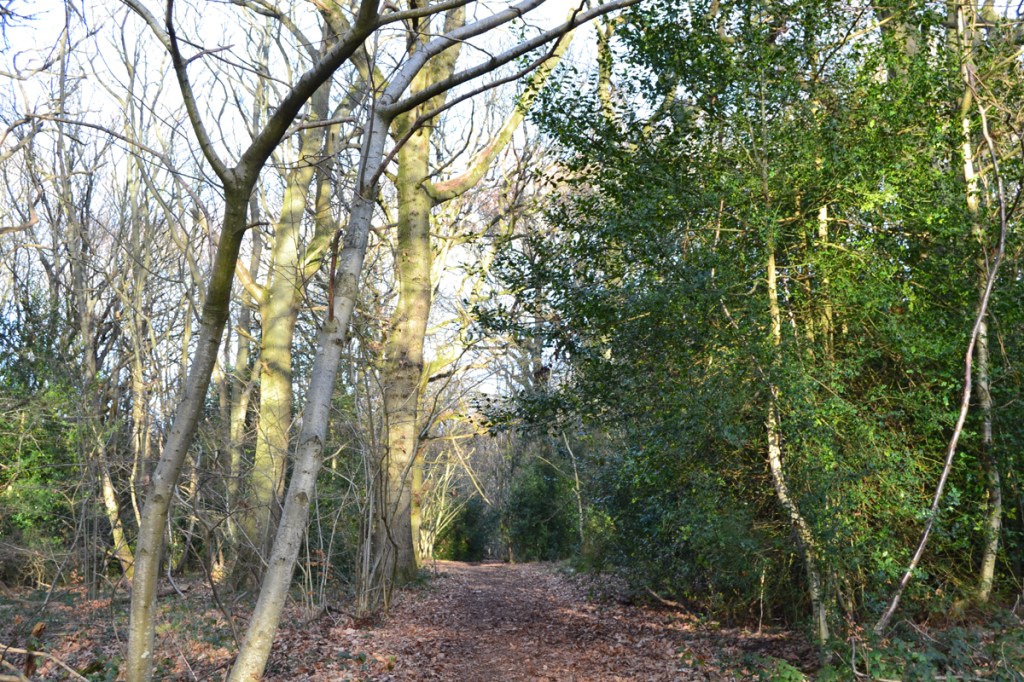
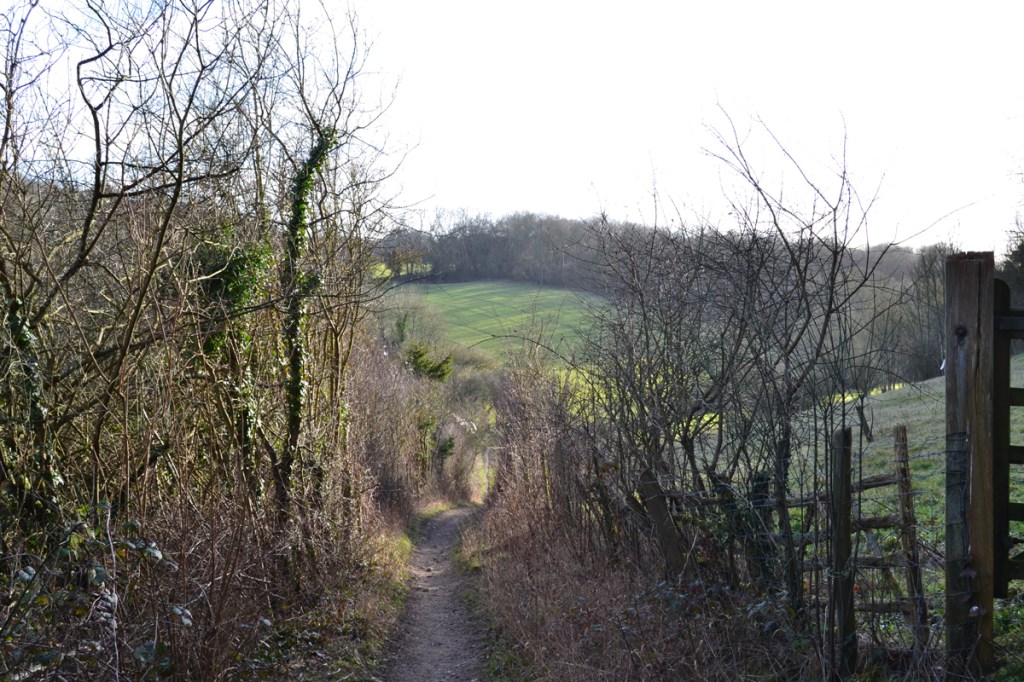
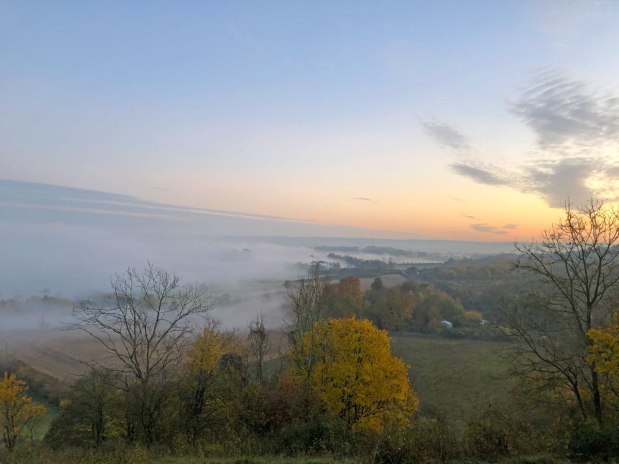
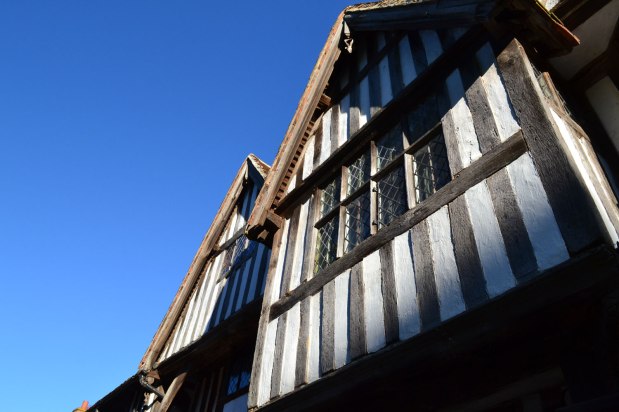
Despite recent heavyish bursts of rain the walks here are still relatively mud-free. With friends I wielded together two Kent Weald walks on Saturday, the Chiddingstone and Hever circulars, making a pleasing figure-of-8 route of about 11 miles throughout the heart of Tudor Boleyn country. We stopped at two pubs, the Leicester Arms in Penshurst, a really lovely place I hadn’t been to for ages, and the good ol’ Castle Inn in Chiddingstone. The original plan was to include the excellent Henry VIII too, at Hever, but we needed to make up time for a rendezvous in Penshurst. But we did manage to pop in to St Peters church for a look at the wonderful medieval effigy of Margaret Cheyne. Larkins beer was served at both pubs and we tucked into a superb chilli con carne at the Castle Inn. Autumn colours were exceptional and the paths still very solid, with a few decent puddles dotted around. Rain slashed down towards the end of the walk but there were still plenty of leaves still attached to branches to help keep us dry. There were a few buzzards and red kites around but we didn’t see any redwings which we had hoped had arrived from the near continent by now. And yes, I still can’t believe Penshurst Place hasn’t set up a footpath along its southern edge to meet the Eden Valley Path and so avoid hikers having to walk up/down that terrible road.

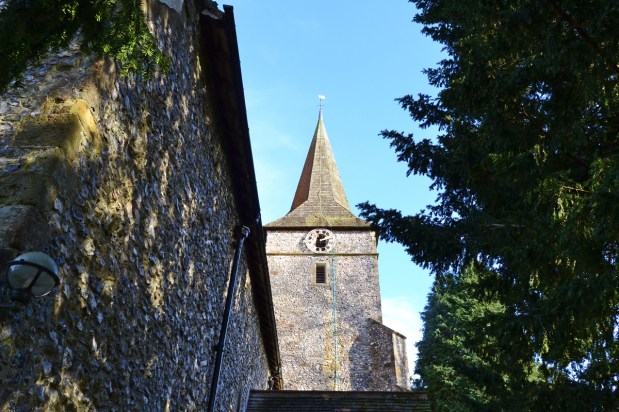
Hever church (St Peters)

Things will get muddier fairly quickly once we get to the end of the month so it will be wellies before long, or stout waterproof hiking shoes.

Here is the GPX map of the Hever/Chiddingstone/Penshurst figure of 8 – I’ll give it its own page soon.
GPX maps

I’ve updated all the URLs of the OS GPX maps listed for the walks for easier access (somehow the OS had sort of rerouted them or altered the hyperlinks). They should all work much better now.
Quiet North Downs, busy South Downs; all good

Quiet North Downs, busy South Downs; all good

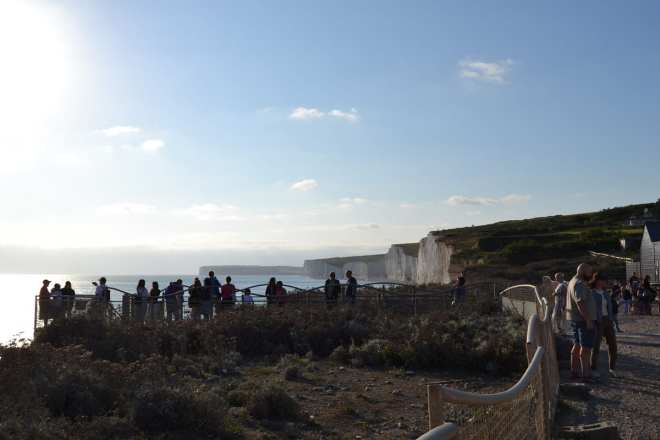
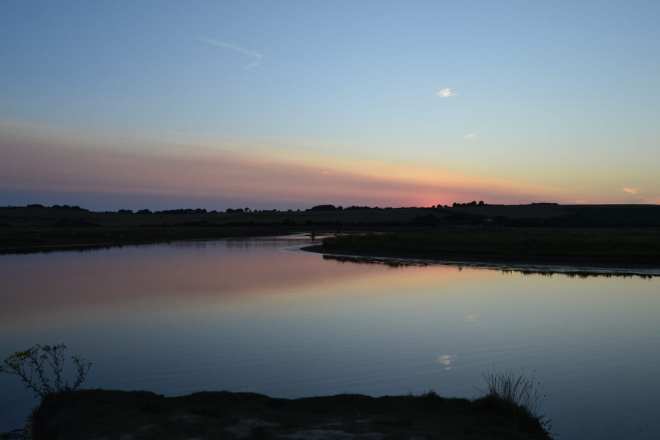
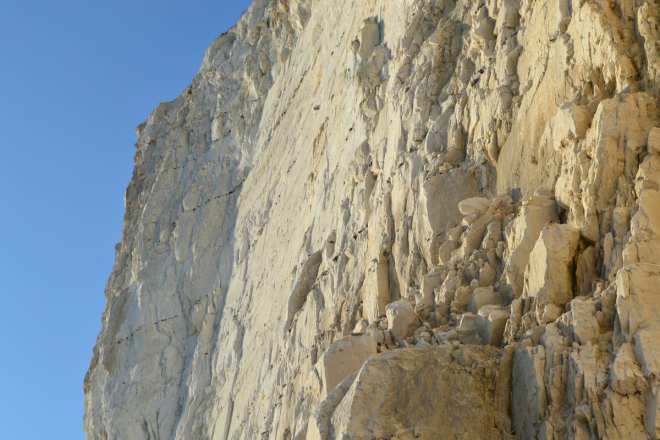
A walk around Birling Gap in East Sussex amid the famous Seven Sisters chalk cliffs was just the tonic for a dreamy August last afternoon. It’s a brilliant trip that we do fairly regularly. We started on the beach at Eastbourne with a picnic while enjoying the August airshow, before hitting Beachy Head and the Gap. After a pint at the superb Tiger Inn in ancient East Dean, we topped off the adventure with a 45-minute sunset stroll along the lower Cuckmere river from the Seven Sisters visitor centre to the sea. It was blissful but busy with tourists and folk down from London … which is just fine with me; it’s great to see everyone out enjoying the beautiful countryside, and the joy people were feeling in the sea air was kind of infectious. It felt a bit like going to the cinema – the pleasure of a shared experience of wonderful scenes is a great thing. Sussex by the Sea is a special place.

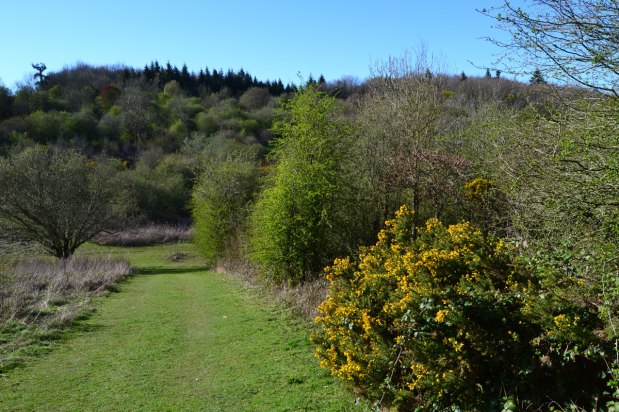
  • North Downs view
  • An egret at dusk in the Cuckmere river

The following day it was back to the North Downs for the Knockholt / Chevening route; the first time this year I reckon. As mentioned in my previous post I was tipped off by a helpful KWNL’er that there was a useful diversion at the Point 5 which means you don’t have to walk on Sundridge Road anymore. And so there was. It was great. Very sleepy, dry, Augusty, quiet. And so few people! I missed the crowds at Birling Gap. Well, I didn’t reeeeeally; I love solitude too. Without the waves, gleaming chalk, and sea breeze, the western North Downs don’t have quite the easy allure of their southern counterparts; but for quiet, great views, glimpses of the medieval past and atmosphere they are wonderful. But so few south-east Londoners seem to quite know what’s on the doorstep – which is the point of this website I suppose.

Greening time and an early grass snake

Greening time and an early grass snake

To the accompanying sounds of chiffchaffs, blackcaps, wrens, tits, dunnocks and robins, I trekked the Polhill/Pluto route from Andrews Wood car park on Shackland Road. Suddenly there’s a sheen of green in the tree canopies; in fact there are canopies – not just stark branches – the colour scheme has seamlessly moved on from the gentle grey/browns of winter. Below the greening trees wood anemones and early bluebells are mixing with celandine, early cowslips, primroses and the odd cuckoo flower to add pixels of vibrant hues. I was delighted to spot a long, thin and beautifully patterned grass snake after hearing leaves rustling under a bush, but I couldn’t bring the camera to bear in time: damn autofocus! Slow worms were plentiful though, but you have to know where to look and avoid disturbing them. Buzzards took delight in the clear sky and subtle breezes. A fantastic walk.

  • View across the mouth of the Darent Valley from Polhill in early April
Dank you very much 2024!

Dank you very much 2024!

Happy Christmas and New Year everyone! Great to see so many people use Kent Walks Near London for their end-of-year outings once again – particularly as yet again the festive season has failed to produce those ‘crisp’, ‘frosty’, ‘bracing’ walks the Sunday supplements are so fond of telling us about. But we plough on regardless… learning to enjoy the dankness and the shades of grey, the browns and blacks of the Kent countryside at this time of year. Well we would have ploughed on if it hadn’t been for horrendous bouts of cold and flu that has grounded even this most militant of militant Kent walkers. I’ve barely managed a foot-foray in the past couple of months.

Yesterday, though, I took on the mighty High Elms loop – adventure is guaranteed once you’ve got past the social dog walkers, many of whom don’t seem to get more than few hundred yards from the car park. I really enjoy the woods on this walk, one huge holm oak particularly commanding attention on the quiet side of the loop away from the High Elms centre. There are also pines, and some larches, and an unlovely but wildlife-friendly scrubby field on the opposite side of Shire Lane that always attracts kestrels (perhaps owls too, late in the dusk) hunting for mice etc. Birds were thin on the ground. I heard a thrush, but other than a solitary kestrel and the usual robins, great tits and parakeets there was nothing to report. I thought I heard an owl, but I suspect it was just some bloke putting on a silly voice while calling his dog.

Photographs: A kestrel wheels away after hovering over the scrubby field between Farnborough and High Elms; winter dusk in the woods; one of High Elms’ many paths; a sweet chestnut in late November at Lullingstone’s Beechen Woods.

The area around the Beeche centre and cafe at High Elms – the old Lubbock gardens – are great to explore, especially with kids. The walk is pretty gentle, with no steep sections and it’s easy to shorten it if you need to. I needed to as dusk and a bout of sneezing settled in. Parking in the car park at High Elms is ideal but it gets very busy, which is why my route suggests parking in Farnborough village near The Woodman or the church and starting/ending there.

Winter weekends and the wonder of staying in

Winter weekends and the wonder of staying in

I have a country walking addiction. It’s so integral to my life rhythm that it’s hardly thinkable that a weekend will pass without being able to get out to the Kent countryside for a few hours to enjoy the fresh air and exercise. So it’s quite something that for the second weekend in a row I’m going to fail in my mission!

There is a saying ‘there is no such thing as bad weather, only bad clothing’. Well I agree with the latter bit; I’ve got plenty of bad clothing. But I think we can all rightfully take umbrage with the glib opening statement. There is definitely such a thing as bad weather and it seems to arrive in the early hours of every Saturday morning and finish sometime after dark on Sunday!

The result has been that I’ve busied myself with other tasks, and entertained myself in other ways. I’ve survived. I’ve even enjoyed myself. I went to the cinema to see Conclave (excellent). I booked theatre tickets to see Dr Strangeglove (also excellent, and a much-needed good laugh). I practised the saxophone a lot. I read books. I got a filthy cold. The intensity of these weekly storms and the rainfall totals suggests the climate crisis models were entirely correct. But let’s not get too depressed: the wind farms must be pouring out the megawatts.

One of my favourite winter pictures on a west Kent walk: deer at Knole, February 2021. Header pic from a few days later also at Knole. Snow, eh? It doesn’t happen often enough for me

Photo memories of perfect walks

You’ll have noticed (or not), I’ve finally got round to replacing the autumn photographs on the Kent Walks header image to winter images. Each of those photos bring back memories of particularly beautiful walks with unusual light and atmospheric conditions, all taken since 2020 I reckon. The snowy scenes were in January and February 2021 and December 2022. Each of those walks, at Fackenden, Knole, and Lullingstone, with sons and a friend was pure magic. Snow does that to a scene. Taking photos was easy, apart from the risk of frostbite. But I’ve hardly used the camera in the past couple of months; all the best light has been mid-week when I’ve been busy at work. So I’ve given the shutter-clicking a bit of a rest. The newsletter has also had a rest, but I will get it going again in January when hopefully I will have something new to say about this landscape on our doorstep that I love so much.

Summer ended at Camber; look forward to October

Summer ended at Camber; look forward to October

October, along with June, July and January (all the J’s) is a ‘classic’ walking month. We all know about the turning leaves so I won’t bother describing the colour changes that occur! What I like best are the migrating, busy birds, the every changing cloudscapes, the sudden showers, the unpredictable temperature changes (‘wow it’s warm’, ‘wow it’s like Iceland!’) and, best of all, the light. It’s a real shame when the clocks go back at the end of the month because it denies us hikers of another hour of daylight. Why we continue with this bizarre clock policy defeats me; I guess it’s as British as the mythical replacement rail bus or surprise roadworks. It is what it is … sigh. Rant over.

  • Knole
  • view over Weald

Now, Camber Sands – that’s where we went last week to fully mark the end of summer. A fish flatbread with chilli jam, salad and sour cream at Dungeness’s brilliant Snack Shack* set us up for a late afternoon swim in the luckily non-sewagey waters at Camber. We followed this with a drink at the delightful Ypres Castle Arms in Rye, a tucked-away pub with a great beer garden and view of the salt marsh and Channel. As dusk began a little thunderstorm was flickering away somewhere near France but gradually crept closer. On the way home the ‘little’ storm suddenly became very large and caught up with us: spectacular fork lightning and bursts of torrential rain and hail propelled us past Northiam, Bodiam, Hawkhurst and even Tunbridge Wells – where of course the A21 was shut, necessitating an abysmally long diversion. But then the closure of major roads mid-evening, like mythical rail replacement buses and the clocks going back is something us Brits seem to just have to tolerate.
* I recommend the Snack Shack but go before 2pm if poss, it gets very busy and perhaps has become a bit too popular. An alternative is the superb Britannia Pub just up the road.

A warm January dusk on the North Downs

A warm January dusk on the North Downs

A strangely mild January day; it looked as if it should have been cold and frosty. Instead, the late afternoon breeze wafting into the sunny North Downs escarpment at Knockholt Pound was tonally of southern Europe. I’d finished various tasks (which included watching tennis and football) by 2pm, which is about the cut off for setting off for a Kent Walk Near London in late January when darkness descends by 5.30pm. I found that even as dusk fell there were still carefree buzzards and kites drifting on the thermals across the dips and dry valleys, over sheep whose outlines caught the last of the sun making them appear luminous. As the sun set there was a gentle fall in temperature but by the time I reached the car there was still no real bite to the air and I reflected on the fact I could feasibly have done the whole walk in my T-shirt. It also occurred to me that I had encountered only one other person over the three miles of the route.

New route: Heaverham/Kemsing circular

New route: Heaverham/Kemsing circular

This route, no 28, is similar to walk 27, but is better for people walking on Sundays, when there is no train service. You can start it from the lovely Chequers Inn, Heaverham (if you buy a drink/meal); Kemsing village car park; or Mon-Sat from Kemsing station. Rather like the Chevening/Knockholt walk it’s another chalk escarpment route that drops down into the Vale of Holmesdale, and uses short stretches of the North Downs Way. The link below includes the usual Google map and the more useful OS map, plus written directions. PDF to download will follow in a few days!

Click here for full description and maps

Early February sun, then gloom. But let there be jazz!

Early February sun, then gloom. But let there be jazz!

Last week, the Cudham walk was terrific with sunshine and wisps of high cirrus stippling the sky. The medieval flint church (pictured), shaded by ancient yews was beautifully lit as was the wonderful New Year’s Wood. There was little in the way of mud, but also few birds for some reason, even among the hedgerows. This drop off in the numbers of birds is something I’ve seen right across the walks lately. It seems to me that rich, well kept woodland areas such as Scords Wood and Petts Wood aren’t doing quite as badly as farming and pasture areas. This is what worries me about those new fences at Downe – does it mean more grazing and less space for wildflowers? Steve Gale’s blog North Downs and Beyond has some more on the drop off in bird populations. Steve is an expert observer of fauna and flora and has the experience to observe and record changes in numbers.

Unlike that sparkling Sunday in Cudham, the weekend just past was so gloomy that I only managed a brief cycle to Beckenham Place Park and back. I found little to inspire to be honest. Let’s hope for better in the weeks ahead.

Come along and enjoy top quality live jazz

Not venturing out at the weekend actually suited me as I needed to practise my saxophone (and watch some sport) in readiness for a gig tonight (Monday 13th). So if big band jazz is your thing come along to Sundridge Park WMC at 134 Burnt Ash Lane, BR1 5AF. It’s £6 to get in and the band starts at 8.30pm and finishes at 10.30 with a short break. There’s no need to book (you can’t anyway!) but there’s a decent bar at hand and lots of seating in a large room with good acoustics. The next performance after this is on 6 March at the same venue. The music we play is by arrangers and composers such as Thad Jones, Bob Florence, Gil Evans, Kenny Wheeler and Mike Gibbs, the sort of material performed by the Woody Herman, Stan Kenton, Count Basie bands etc. What else can you do on a bleak Monday night that’ll be as uplifting? Don’t answer that!

Bats in the mist – dusk at Downe, Keston and Polhill

Bats in the mist – dusk at Downe, Keston and Polhill

Exceptionally mild temperatures have lured bats out into the autumnal gloaming to catch late flying insects. I love watching these animals swoop, flutter and flit around and it’s a bonus to see them so late in the year. Usually you can only pick them out against the sky but at Downe and Keston on last weekend’s strolls I was buzzed by bats so closely I sensed rather than saw them zooming past. Yesterday at Polhill one or two emerged from the mist to pass close over our heads before vanishing into the gloom.

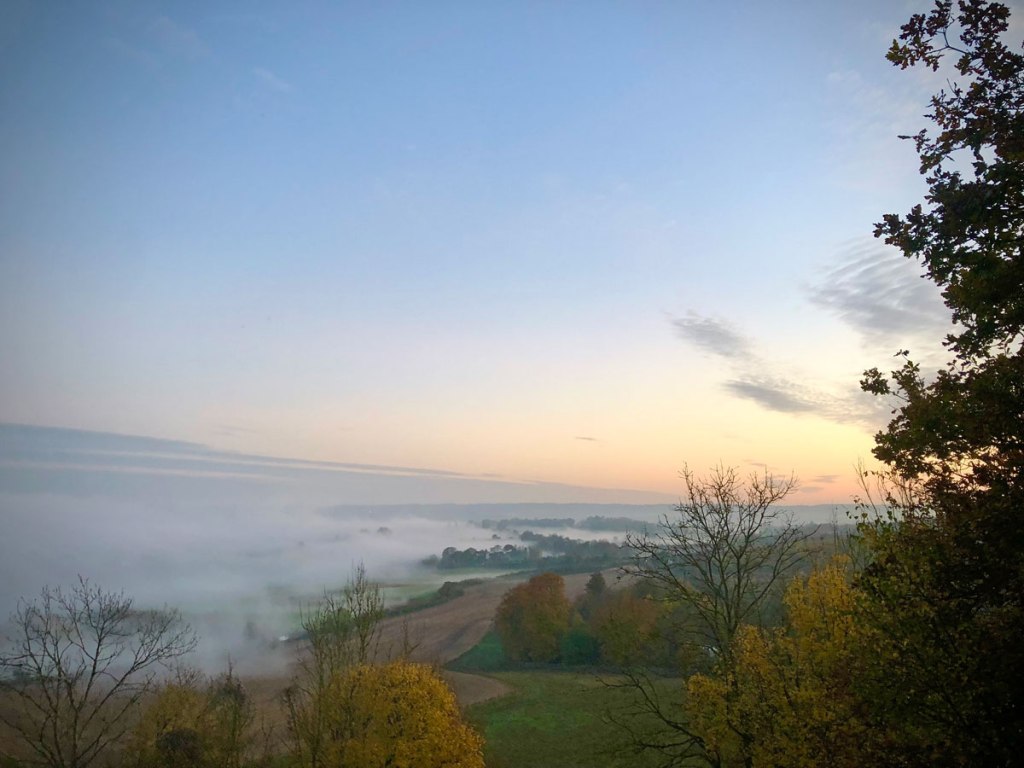
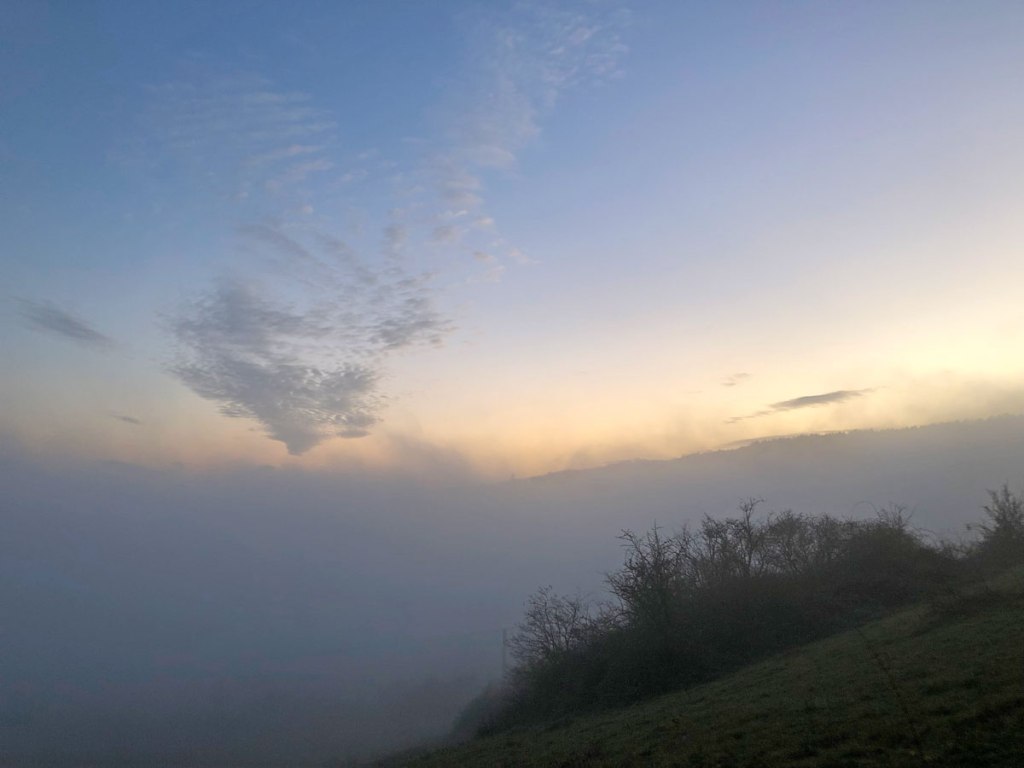
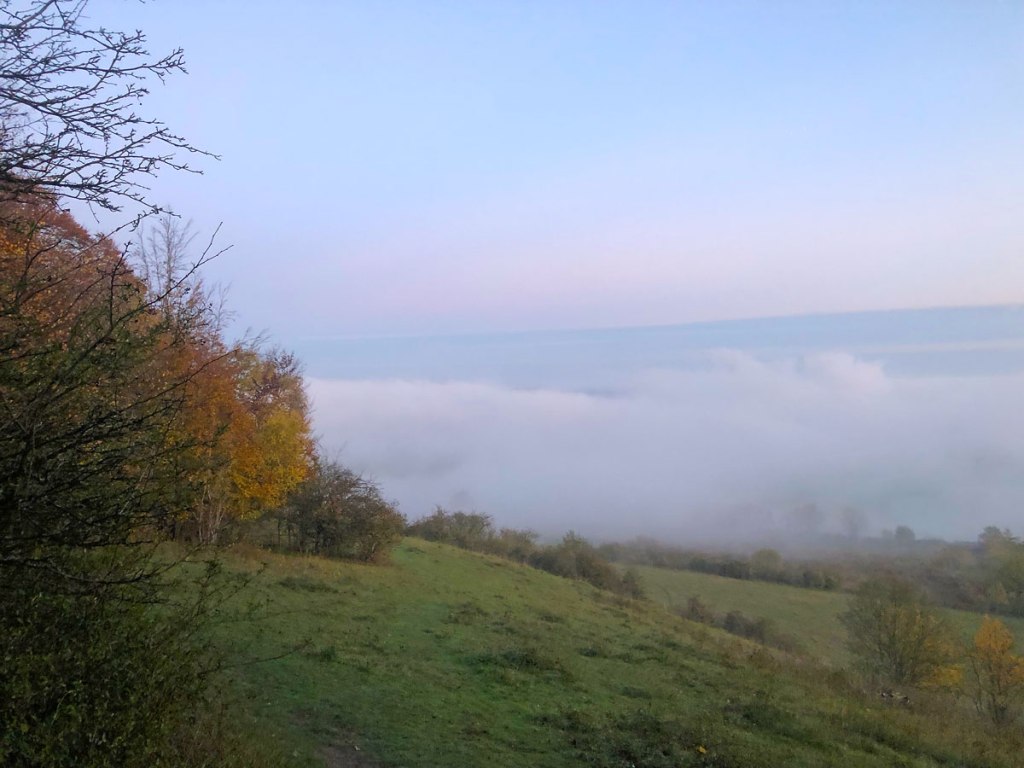
I’d thought we’d set off rather too late for a walk. Traffic was bad on the A21 slowing us further (the train is by far the best option for Shoreham walks) and low cloud had covered the sky. But by Locksbottom the skies cleared and we were bathed in a beautiful golden light. This was a false dawn: by the time we parked up by Meenfield Woods above Shoreham we were in quite dense fog. This magically cleared at Polhill, the walk’s halfway point, to give us unusual views before swirling back in as the sun set. With the mist below we had the feeling we were much higher above the valley than we were. I think this weather effect is called a temperature inversion, where warmer air passes over the relatively cold air on the valley floor, causing condensation.

By the time we finished the walk, visibility was down to about 50 metres and driving home the twisty, twiny country lanes needed total concentration if we were to avoid a close encounter with a hedgerow.

  • Mist obscures Sevenoaks
  • Mist at Polhill looking towards Otford, November 2022
  • Mist at Polhill looking towards Otford, November 2022