A sparrowhawk sits for me

A sparrowhawk sits for me

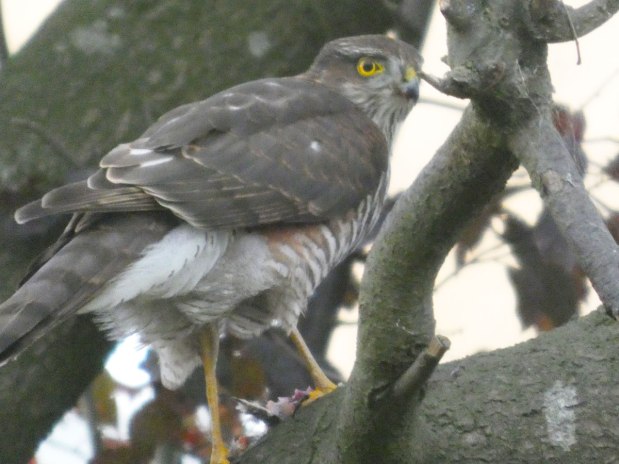
Working from home has its benefits. A glance out of the kitchen window one grey Thursday recently brought rich dividends. There in the cherry plum tree was a bird. Usually it would be a pigeon, a robin, a great tit or goldfinch. This was larger and was clearly eating something it had pinned to a branch. It was a sight I’ve never seen before – almost a bucketlist scenario in fact, a sparrowhawk in my garden. I’ve had the odd sparrowhawk encounter in my pocket of south-east London before – soaring over Cator park, racing down Perry Vale, zipping low through Mayow Park and most vividly nearly taking my ear off while chasing sparrows in Bell Green. Yes, Bell Green, that hitherto unnoticed wildlife haven. I’ve seen one try to eat a pigeon at Beckenham Cricket Club while out running. It was chased away by crows and the pigeon flew off unimpressed by its brief ordeal.

  • Male sparrowhawk

But this was new to me. A sparrowhawk having lunch (a poor little long-tailed tit I believe) for about 10 minutes, unhindered, just a few feet from me. I had to take photos through the kitchen window so as not to disturb him (it was def a male) so the quality isn’t great but beggars can’t be choosers. I’m still rather excited by the whole thing truth be told.

Autumnal tones on the Kent walks

Autumnal tones on the Kent walks

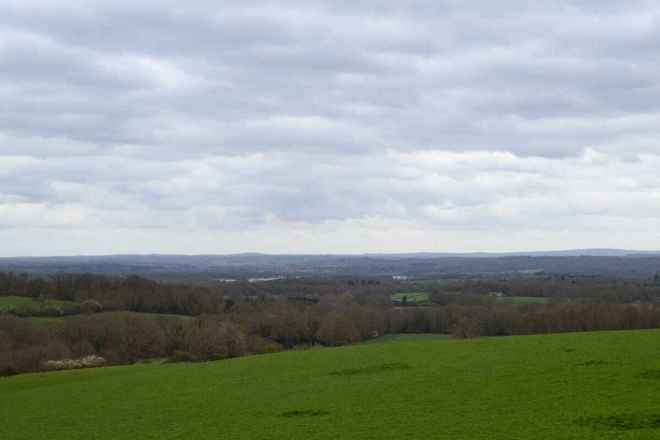
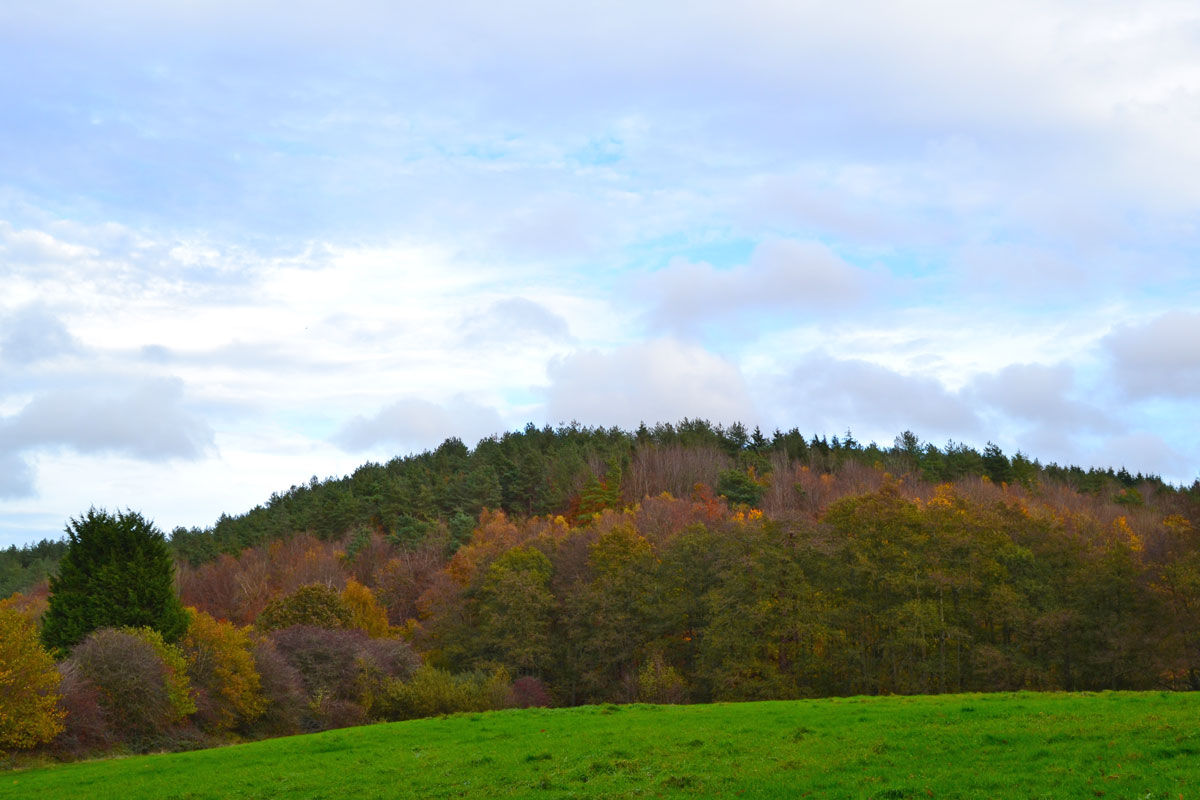
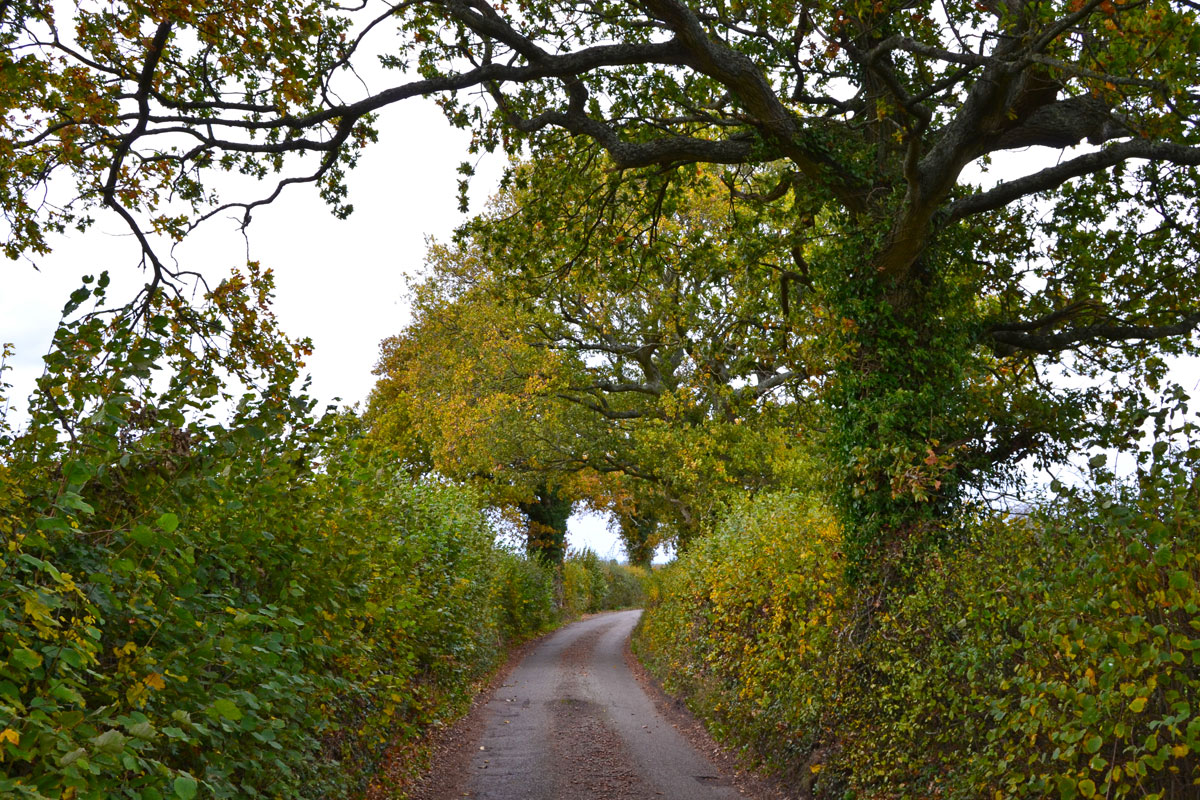
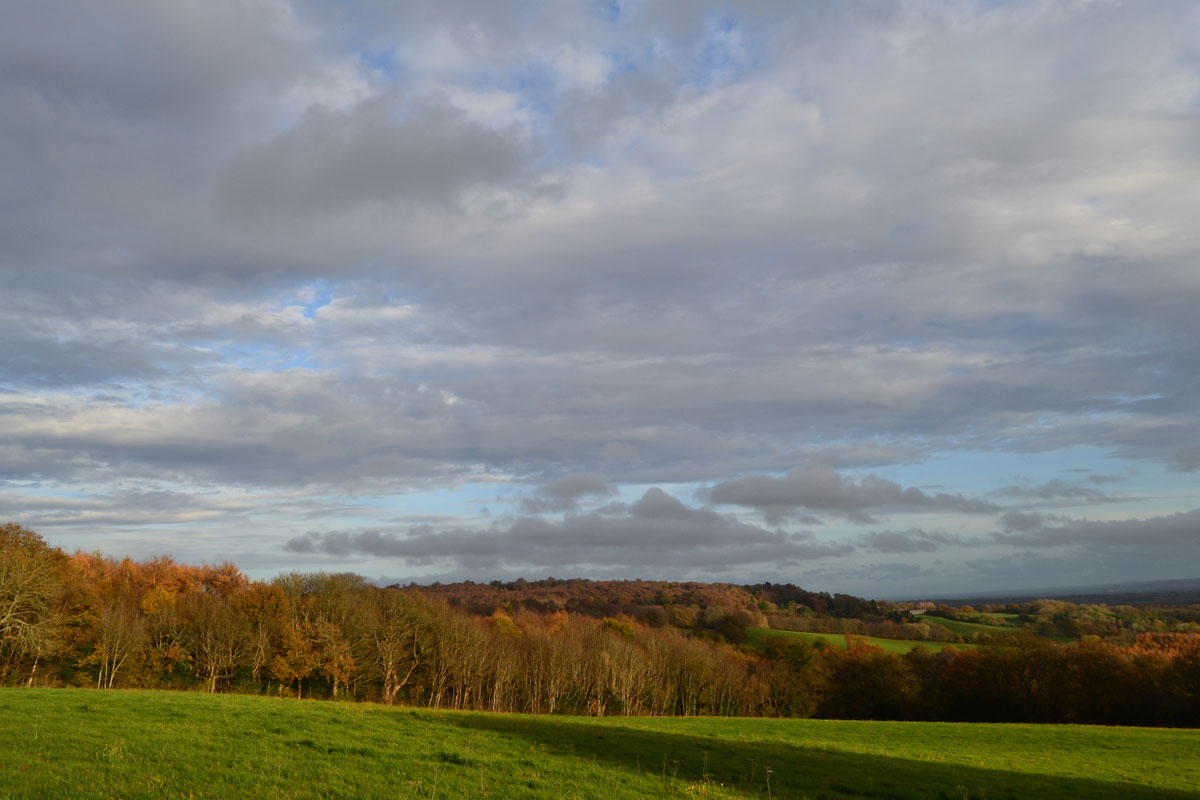
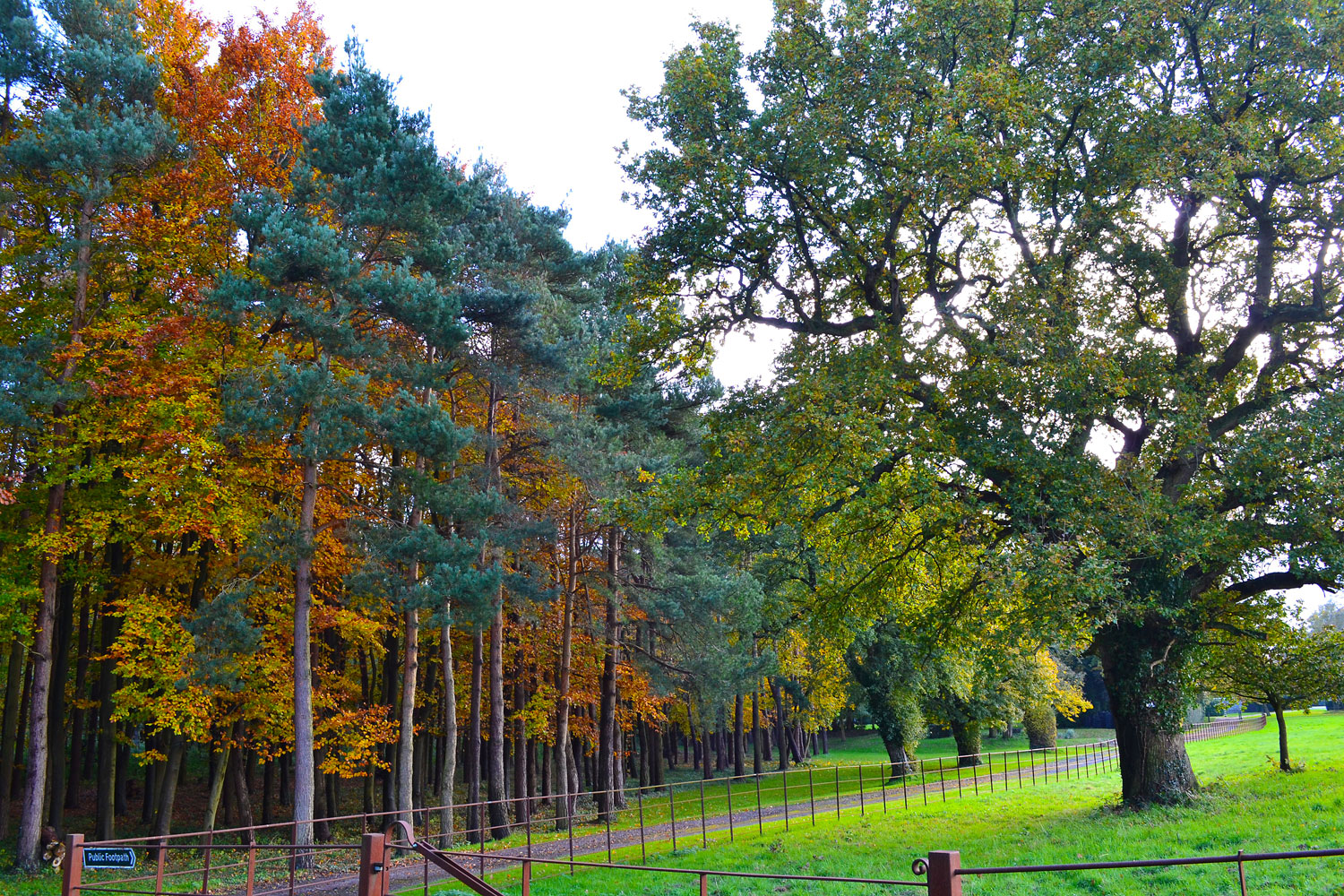
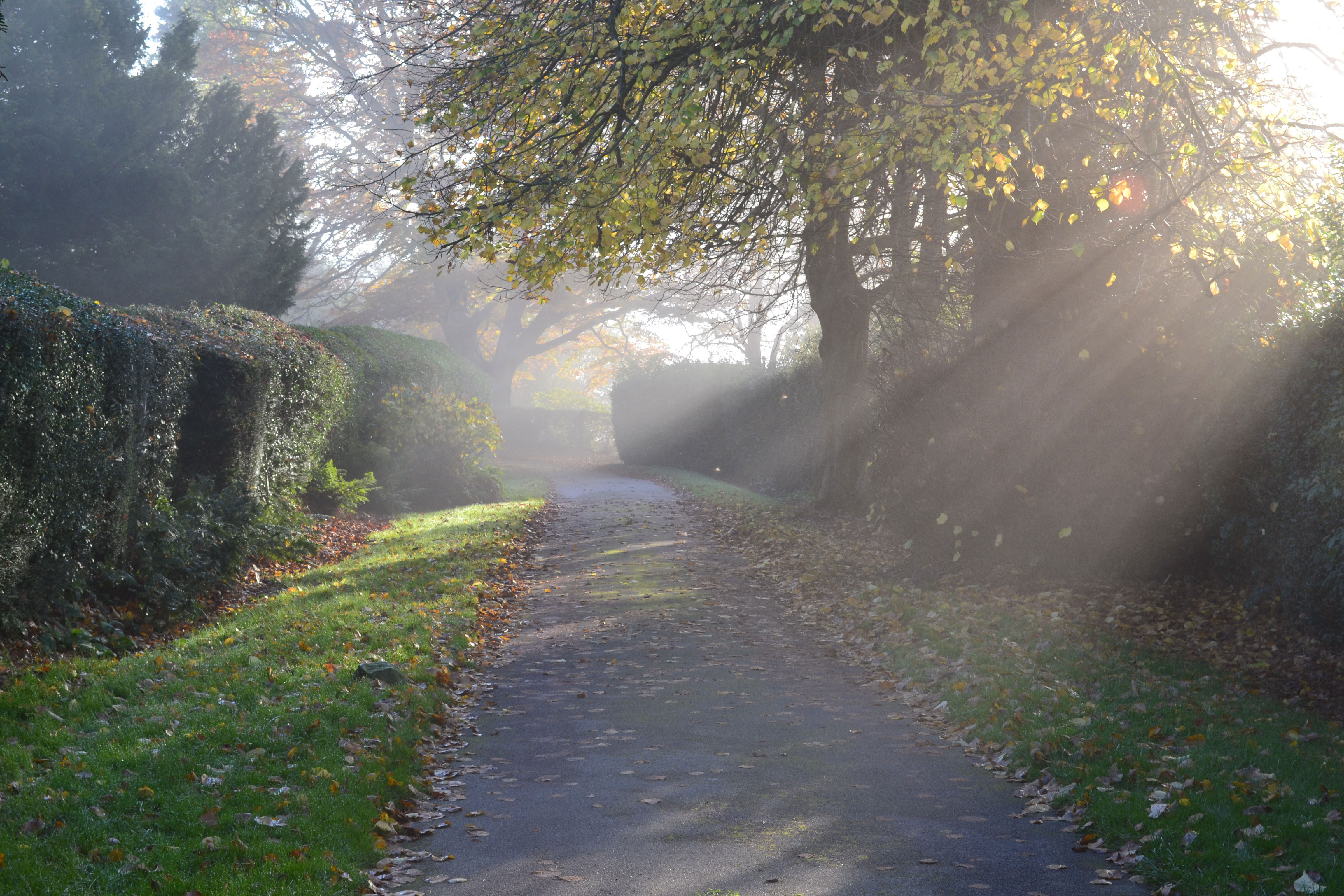
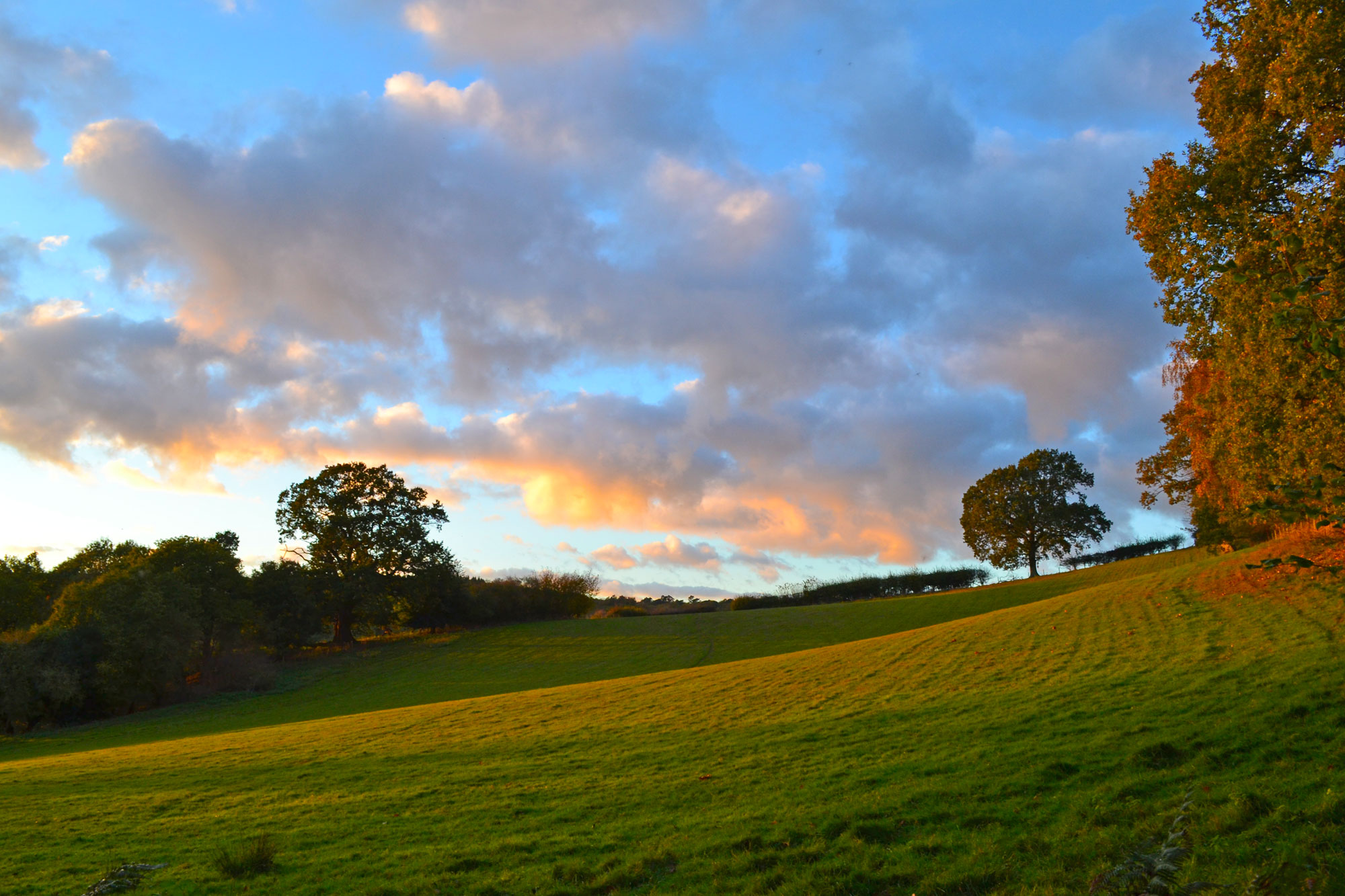
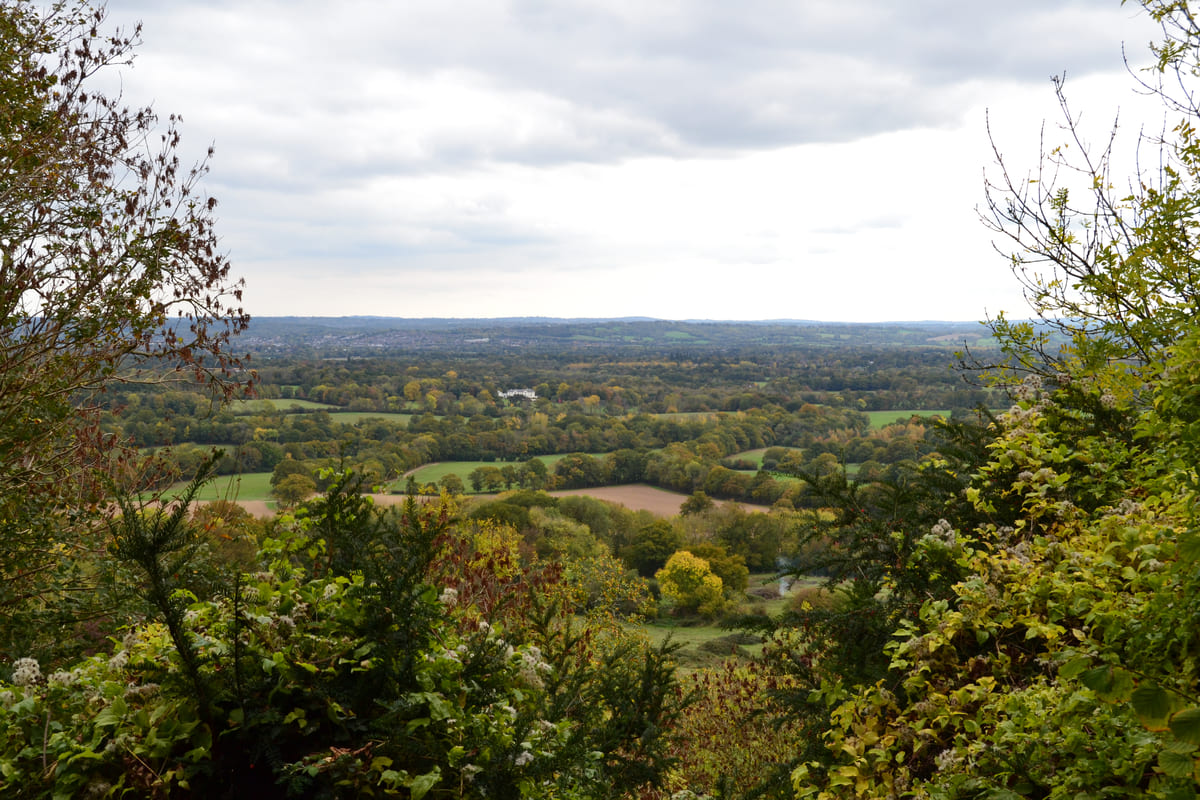
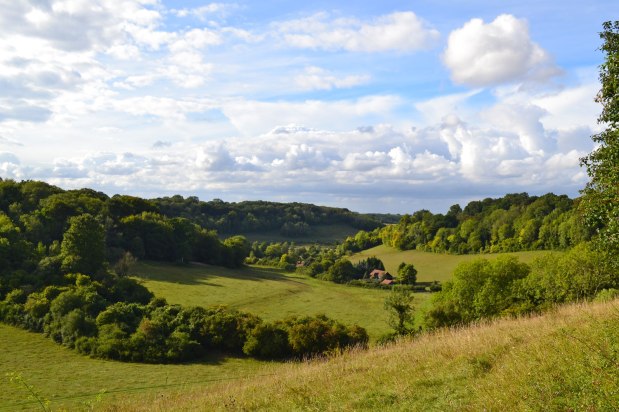
Autumn in these parts is spectacular. I know people talk in hushed tones about the colours of New England, Canada and Italy’s Apennines in the fall, but really the effect is pretty similar wherever there are trees! Once again, don’t overlook what’s on one’s doorstep in favour of an expensive and laborious trip. The November views of the Weald from Wilmot’s or Mariner’s Hill, or across the Darent Valley and the beech woods of Lullingstone are undeniably amazing. The ever-changing wide skies of Kent are a big factor in teasing out colours and optimising certain tones with the lower sun offering saturated reds, yellows and pinks. And greys, let’s not gloss over.
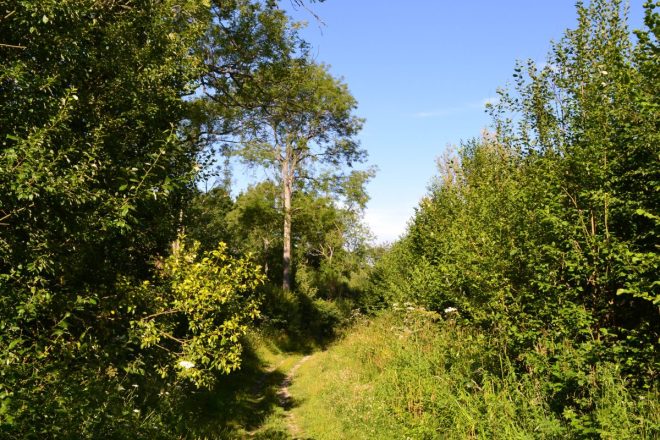
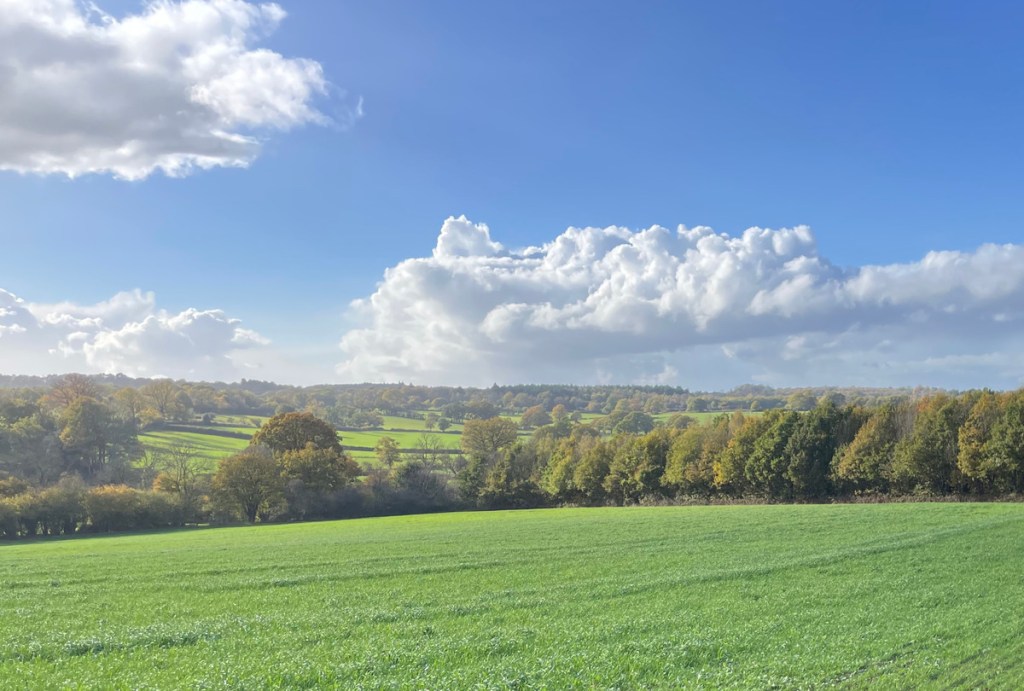
What’s surprising to me looking at the photos below is how green the countryside is in the Penshurst photo compared with those from elsewhere, yet it was taken on 1 November one week before this weekend’s Hosey walk, and a week after the trip to Shoreham represented here. Strange… could be sunshine and time of day I suppose.
I have lots of great autumn photos from over the past nine years of operating this website. But a selection from the past two weeks (mostly – the Downe and Ide Hill photos are from previous years) is enough to make the point – autumn is a terrific time for a hike on any of the routes at KWNL.

  • Mariners Hill view across the Weald
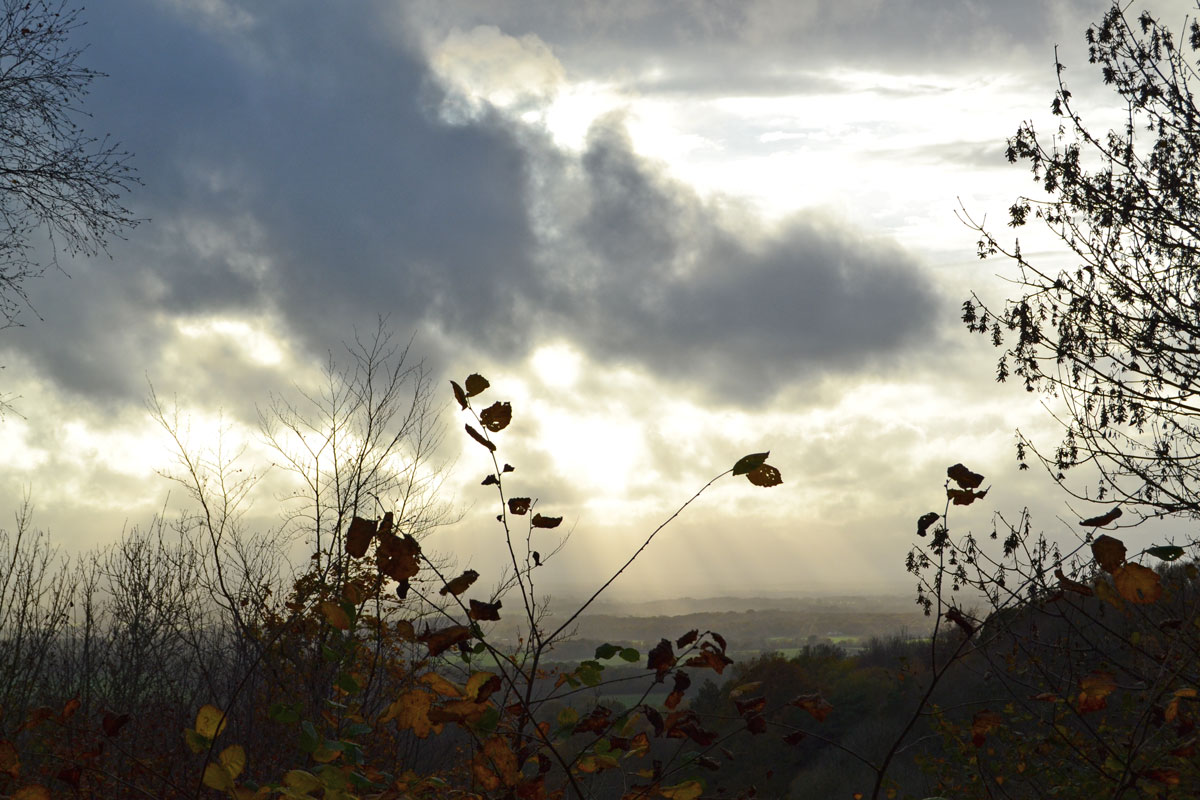
  • Sunbeams and silhouettes
  • trees and river
  • Wilmot's Hill
  • Start of Ide Hill walk in fog, autumn
  • Classic autumnal Kent view from Emmett's Garden
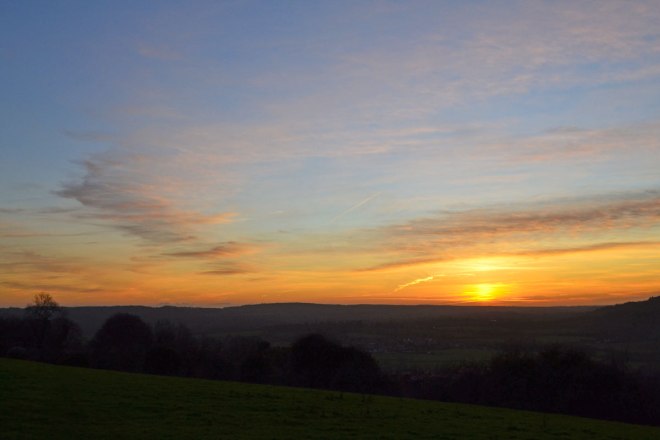
  • Ide Hill field, dusk, autumn
The autumn rush and a Tudor epic

The autumn rush and a Tudor epic

Despite recent heavyish bursts of rain the walks here are still relatively mud-free. With friends I wielded together two Kent Weald walks on Saturday, the Chiddingstone and Hever circulars, making a pleasing figure-of-8 route of about 11 miles throughout the heart of Tudor Boleyn country. We stopped at two pubs, the Leicester Arms in Penshurst, a really lovely place I hadn’t been to for ages, and the good ol’ Castle Inn in Chiddingstone. The original plan was to include the excellent Henry VIII too, at Hever, but we needed to make up time for a rendezvous in Penshurst. But we did manage to pop in to St Peters church for a look at the wonderful medieval effigy of Margaret Cheyne. Larkins beer was served at both pubs and we tucked into a superb chilli con carne at the Castle Inn. Autumn colours were exceptional and the paths still very solid, with a few decent puddles dotted around. Rain slashed down towards the end of the walk but there were still plenty of leaves still attached to branches to help keep us dry. There were a few buzzards and red kites around but we didn’t see any redwings which we had hoped had arrived from the near continent by now. And yes, I still can’t believe Penshurst Place hasn’t set up a footpath along its southern edge to meet the Eden Valley Path and so avoid hikers having to walk up/down that terrible road.

Hever church (St Peters)

Things will get muddier fairly quickly once we get to the end of the month so it will be wellies before long, or stout waterproof hiking shoes.

Here is the GPX map of the Hever/Chiddingstone/Penshurst figure of 8 – I’ll give it its own page soon.

GPX maps

I’ve updated all the URLs of the OS GPX maps listed for the walks for easier access (somehow the OS had sort of rerouted them or altered the hyperlinks). They should all work much better now.

Secret valleys on these NW Kent walks

Secret valleys on these NW Kent walks

Kent Walks Near London can offer several lovely, lonely little valleys with their own microclimates, special flora, shelter and that precious sense of seclusion. Here are four of the best on the walks here.

1 The Darent… but not as you know it

Tower Hill, Westerham viewed from the ‘secret‘ valley of the infant Darent stream

On the Hosey and Westerham walks I love the little south-north valley that winds its way from the sandstone ridge at Mariner’s Hill down to Westerham. It’s actually the valley of the River Darent just after it rises from a spring just behind the Greensand Ridge. I was delighted to realise this was where the Darent started, the stream is more associated with the chalk of the proper Darent Valley of Samuel Palmer fame – Shoreham, Otford and so on – not this obscure place near Chartwell.

Harebells
Harebells in the shadow of Tower Hill, Hosey walk

The river is bounded by beech and conifer (with Tower Hill a dark bump just to the east) and initially runs through a delightful meadow of wild grasses, unseen from the path. It suddenly broadens into large shallow pools as it heads to Westerham before turning east and making its way to its ‘proper’ valley. Autumn colours here are wonderful.

2 Magpie Bottom – great name, great valley

Magpie Bottom viewed from Austin Spring on the Fackenden walk

This stunning little rift in the landscape features on the Fackenden Down, Otford/Romney Street/Shoreham and the Eastern Valleys walk in different guises. It is so secluded that only walkers know of it. And the few residents of the curious hamlet I think called Upper Austin Lodge on the OS map.

Magpie Bottom is a classic steep-sided chalk dry valley (similar to but more dramatic than the ones on the Downe, Polhill and Cudham walks) running north to south from behind the escarpment. These are caused by glacial meltwater long departed. The valley’s head at Great Wood and Eastdown just behind the chalk escarpment of the North Downs to Rose Cottage farm is a series of wonderful spots unreachable by car, but really it’s gorgeous all the way down past Romney Street, Round Hill, Upper Austin Lodge and Eynsford where it meets the Darent Valley. Possibly my favourite place on all the walks, and all the better for no longer having a golf course in it!

3 A verdant vale on the way to Ightham Mote

Hidden valley behind Wilmots Hill, Ightam Mote
Broadhoath woods in the hidden valley behind Wilmots Hill, near Ightham Mote

My final Kent canyon (it’s not a canyon) features on the longer version of the Oldbury/Ightham Moat route and is mentioned as a route alternative on the One Tree Hill figure of eight walk (see the blue line on the Google map at the KWNL page). So on the One Tree Hill routes it’s a diversion, a short cut that you’ll have to check your maps to include. But on the longer Oldbury walk it’s part of the deal. What shall we call it? It’s round the back of Ightham Mote and passes through a wood called Broadhoath behind Wilmot Hill (which has some of the greatest views in Kent). It has a lively little stream that rises just behind the Greensand Ridge, a terrific pond with viewing platform and interesting flora as it descends west to east to Ightham Mote itself, passing a shed built to house early 20th century hop pickers (you’d think hop pickers were in fact horses judging by the design of the housing – the landowners obviously weren’t too bothered by other people’s comfort levels). Like the other little valleys it’s good for birds: marsh tit and bullfinch have been seen here. It’s another totally secret dip, accessible only to walkers, that’s like an entry to another realm; a world away, but its paths are only 55 minutes from Sydenham.

Bluebells in north-west Kent: where’s best?

Bluebells in north-west Kent: where’s best?

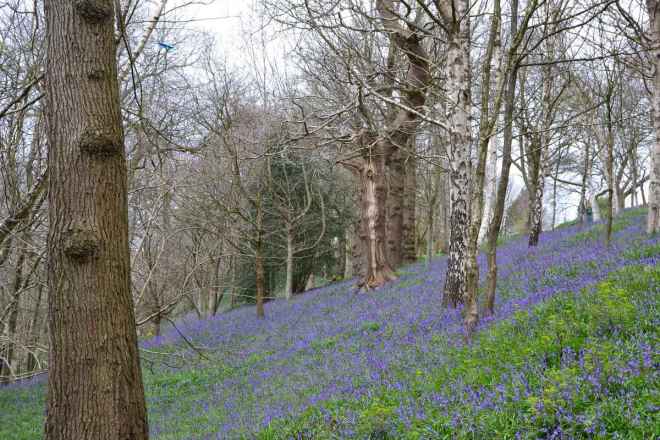
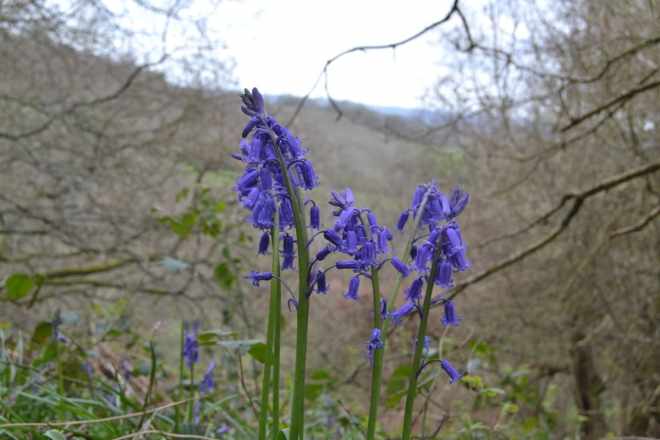
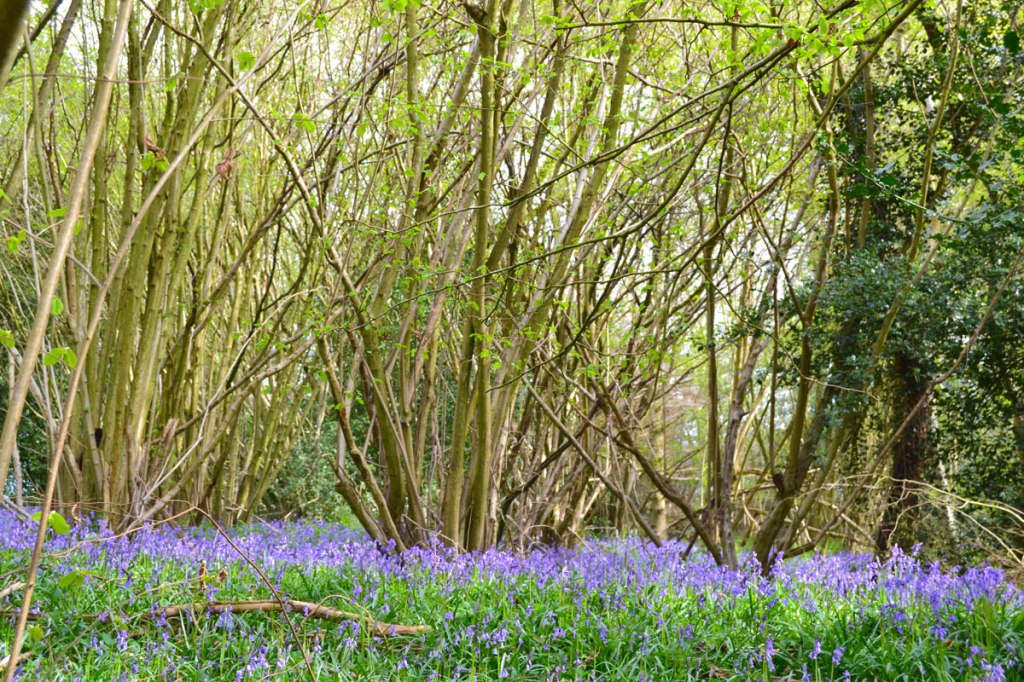
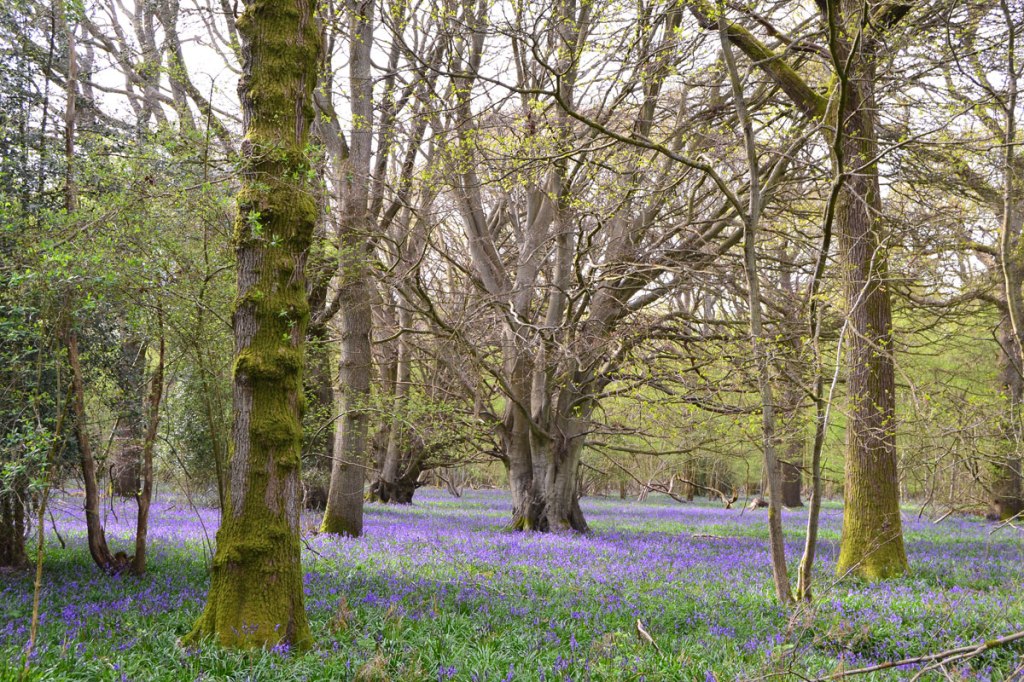
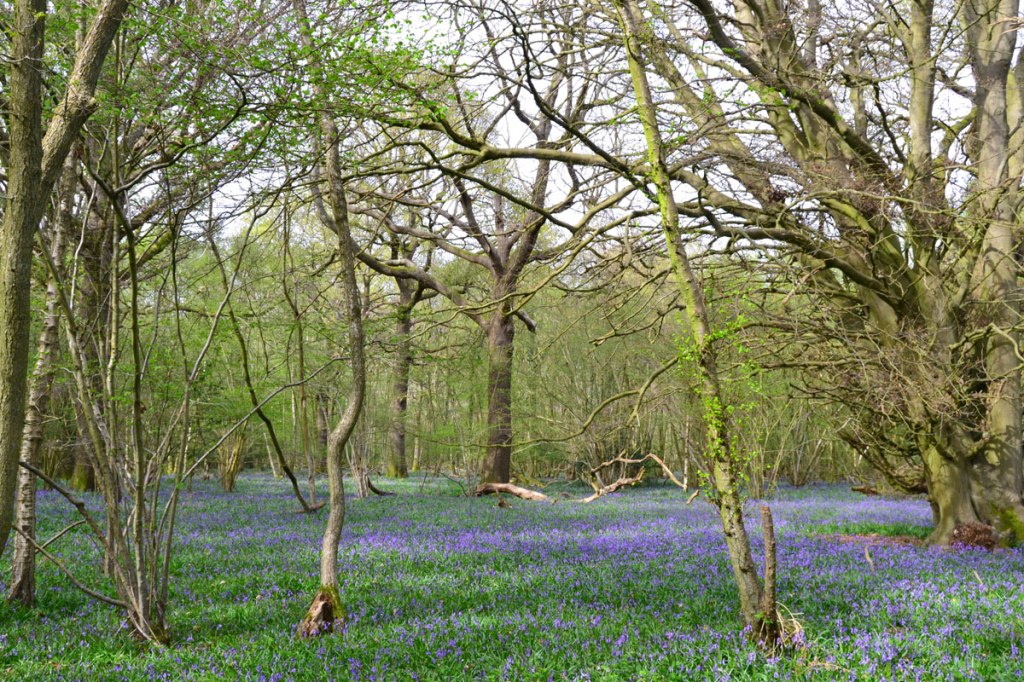
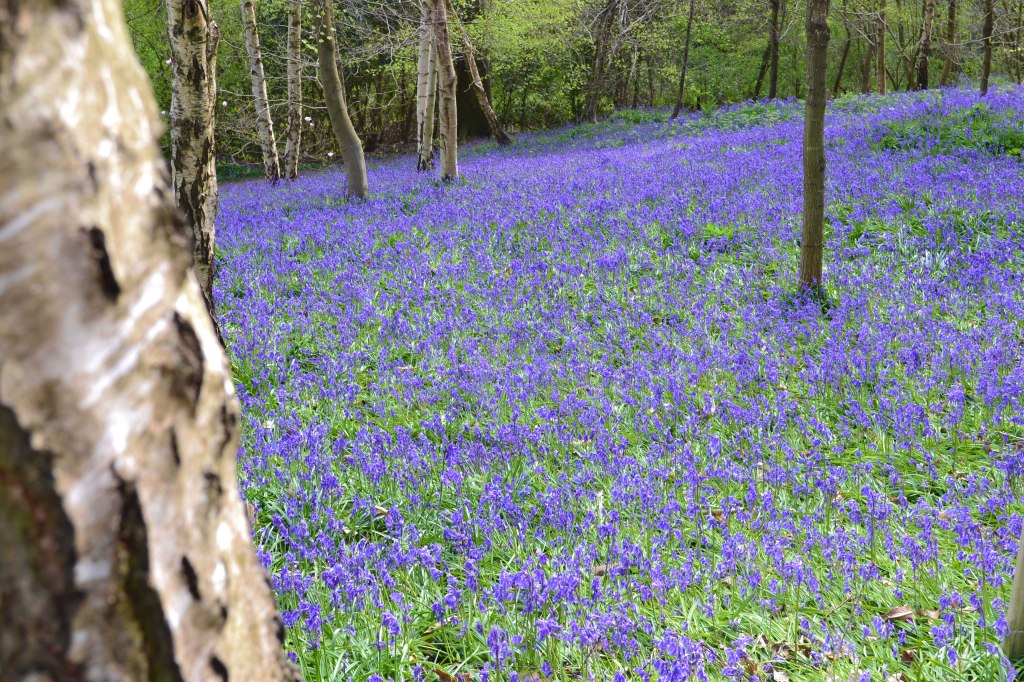
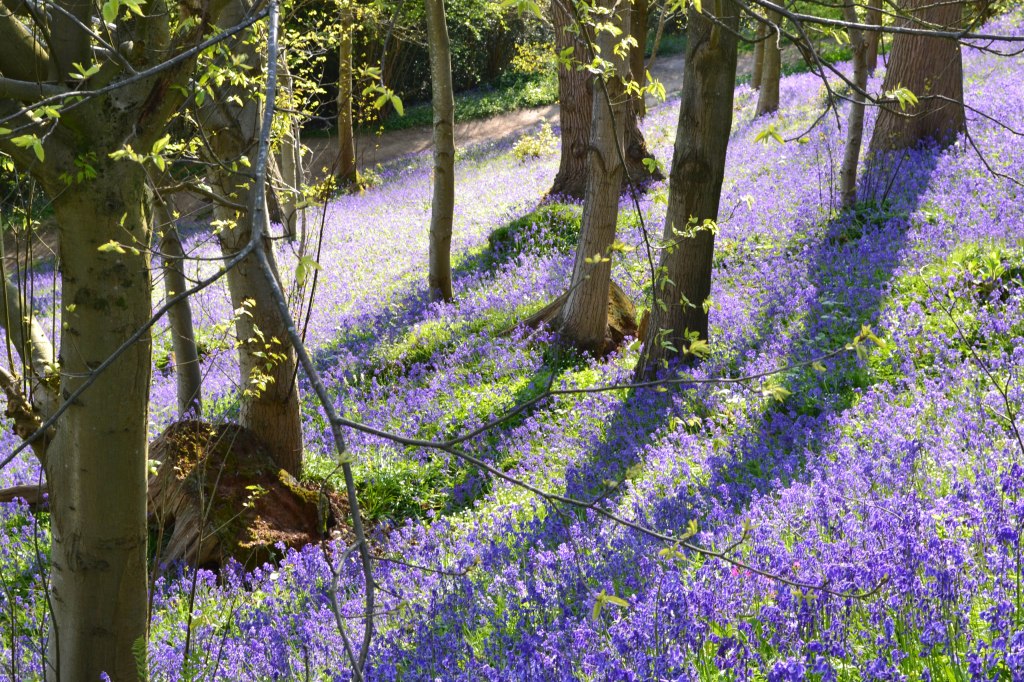
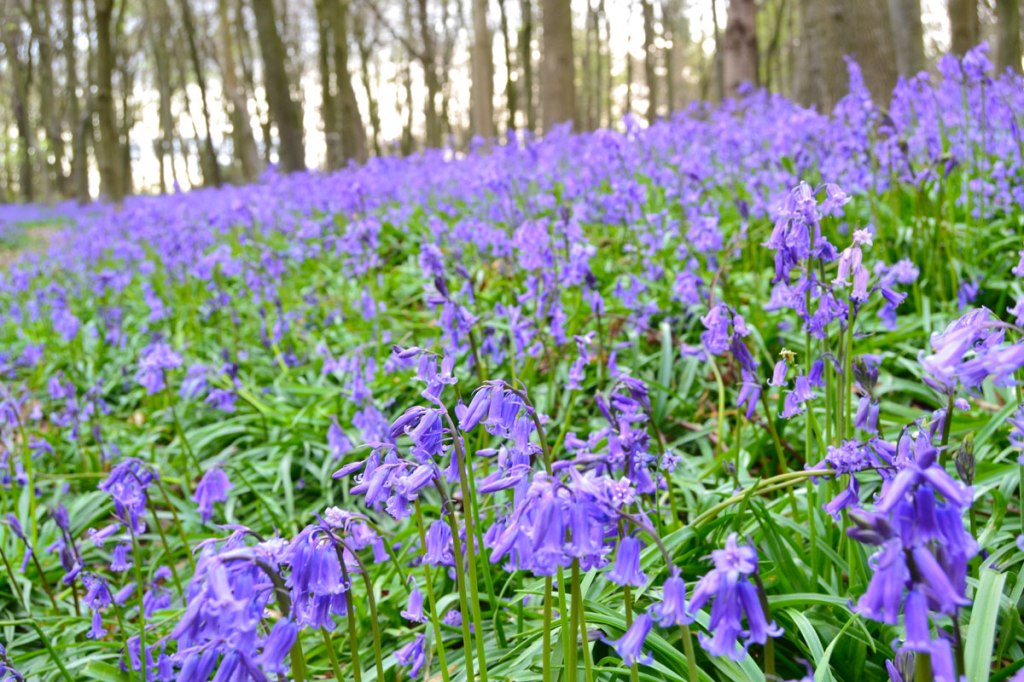
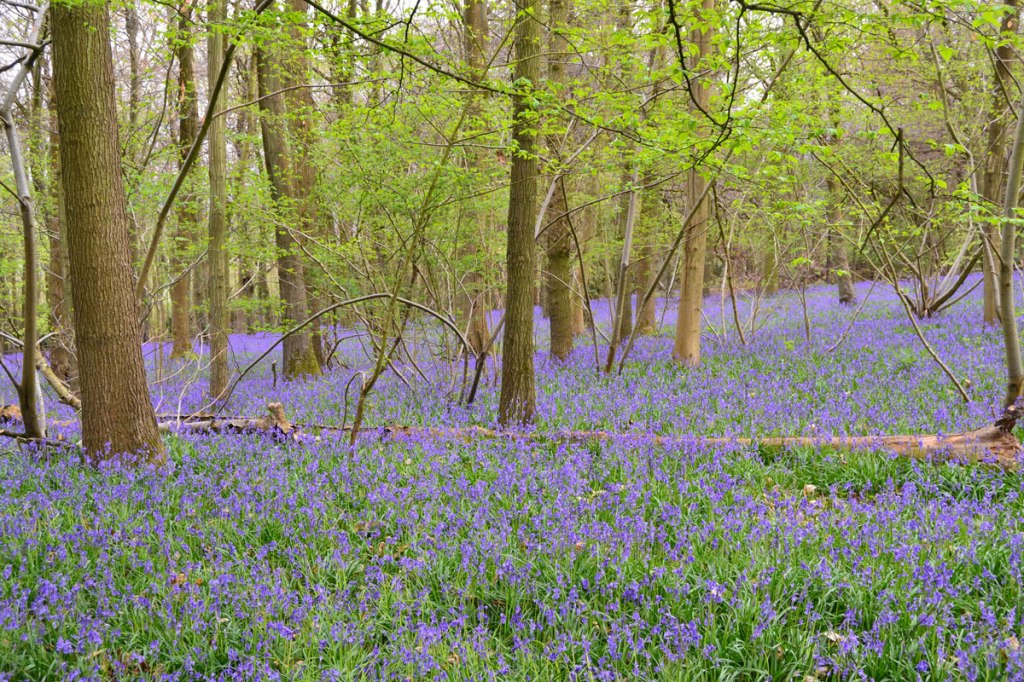
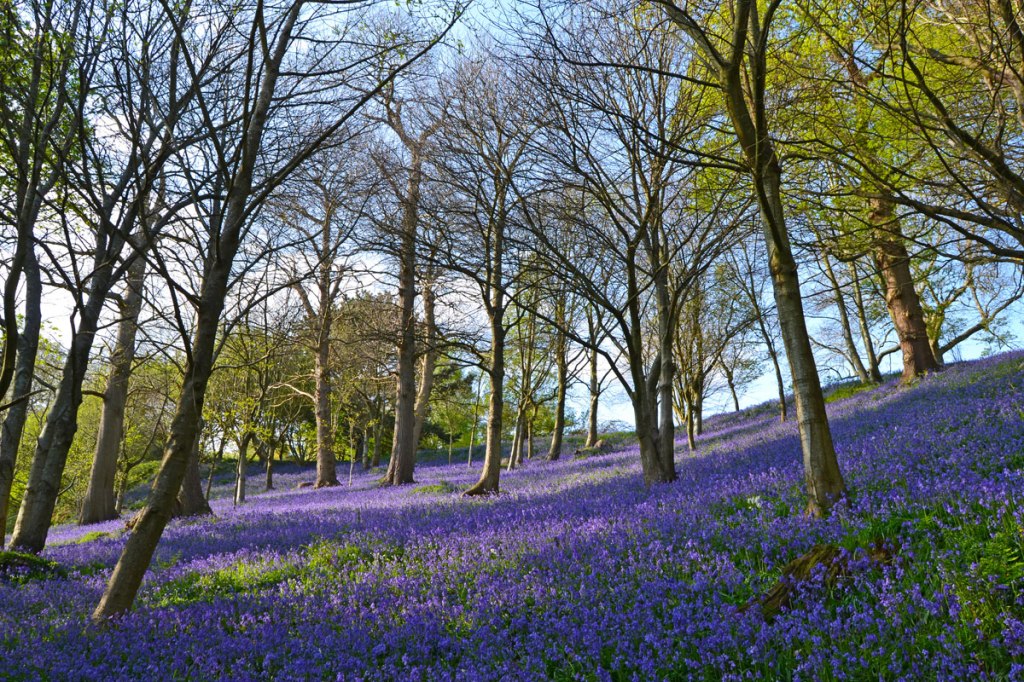
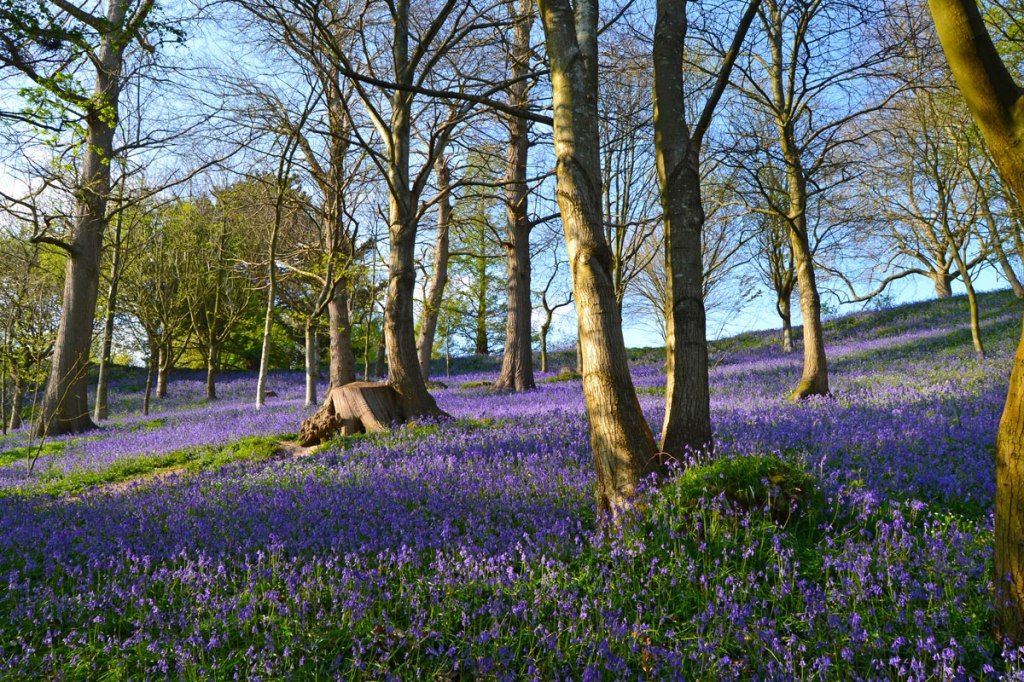
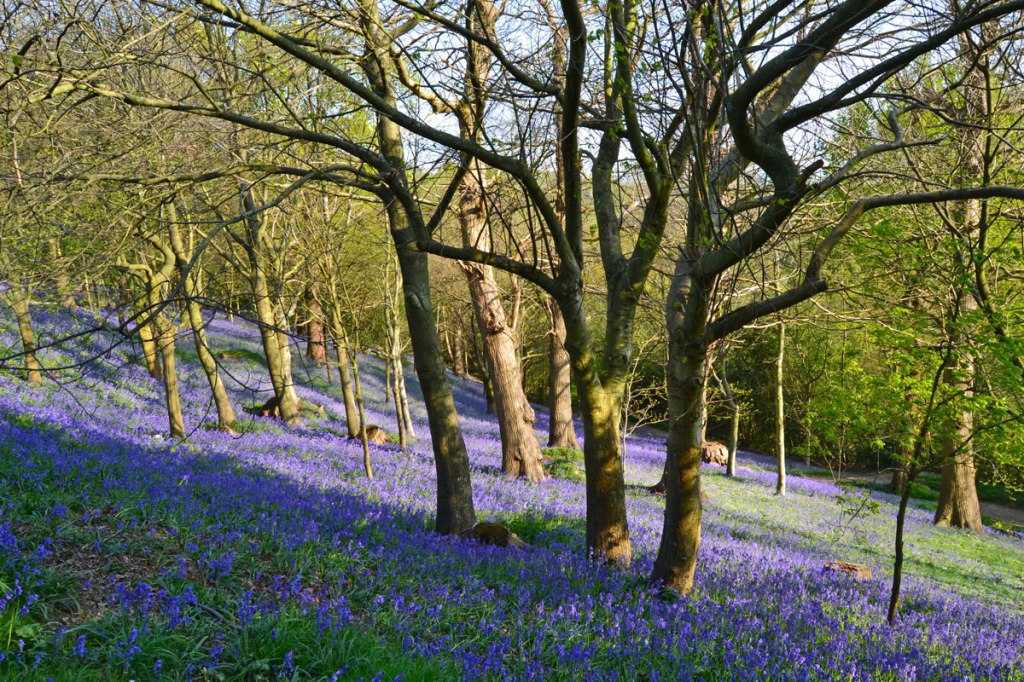
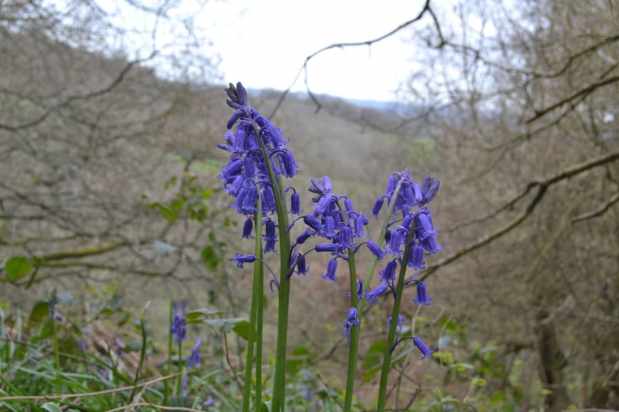
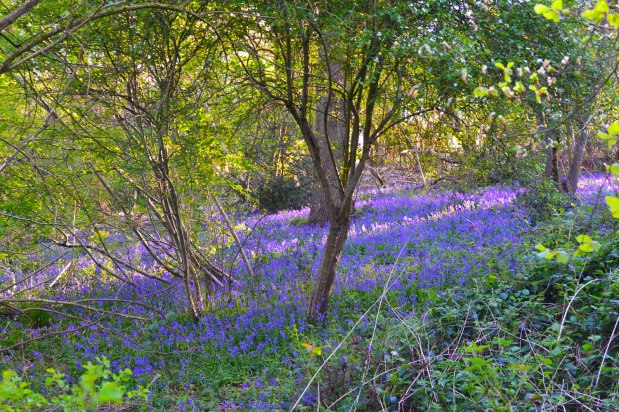
It’s fair to say the cobalt carpet has finally spread its magic in many of the woods covered in the KWNL area. Bluebells are now almost fully out on the North Downs chalk hills walks such as the Cudham stroll (in New Year’s Wood particularly), and the various Shoreham circular and Polhill routes. Alas, the timber work going on in Meenfield Wood above Shoreham (west side of valley) may hinder your enjoyment of bluebells there. Further south the Greensand Ridge walks at Underriver, One Tree Hill, Ide Hill (perhaps the best bluebells – so you won’t be alone), Oldbury and Hosey Common are awash with blue. Closest to south-east London, Beckenham Place Park, High Elms and Petts Wood-Hawkwood Estate (in the lower, damper parts) has several swathes too. The Downe walk mk1 doesn’t have a lot of bluebell action en route but a quick diversion down to Downe Bank (the west side of the Cudham valley) from point 3 or at the start of the walk should see you in the magical blue realm. Following the Downe Mk2 walk will be kind of blue too, particularly at Downe Bank and Blackbush and Twenty Acre Shaw woods. The Chiddingstone and Hever routes don’t have many bluebells I can confirm, not that this detracts from these superb strolls. (Pictured below: from 2022 and 2021 bluebells at New Year Wood on Cudham walk; Meenfield wood, Shoreham circular/Polhill routes; Ide Hill route)

  • New Year's Wood: early bluebells
  • New Year's Wood bluebells 2022
  • Bluebells on the Ide Hill walk, April 25, 2015
  • Bluebells, Emmetts/Scords wood, 2017
  • bluebells Meenfield wood
  • bluebells

Anyway, here are some bluebell factoids gleaned from an excellent article with far more detail called Bloomageddon: seven clever ways bluebells win the woodland turf war at The Conversation website.

  • They are uniquely adapted to suited the multispecies ancient woodlands of the UK
  • Low temperatures trigger their growth (but might delay their blooming if in April). Bluebell seeds germinate when the temperature drops below 10°C.
  • Bluebells predominantly convert sunlight into fructose allowing them to photosynthesise at low temperatures.
  • They are supreme competitors with other plants, allowing them to carpet woodland floors. But they get help in the form of mycorrhiza, a symbiotic fungi.
  • Almost half the world’s bluebells are found in the UK, they’re relatively rare in the rest of the world.

But please be careful never to tread on any; it takes bluebells years to recover from damage. Digging them up – surely no one visiting this site would consider such a thing – is illegal, and please don’t let dogs trample them either – keep them on the lead.

Cuckoo birds and flowers on the Bore Place/ Bough Beech route

Cuckoo birds and flowers on the Bore Place/ Bough Beech route

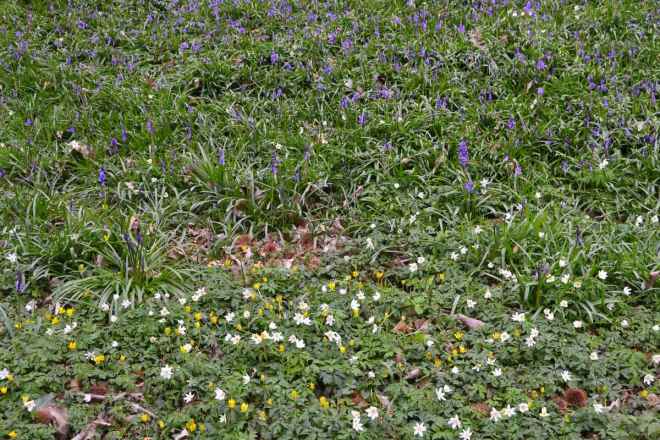
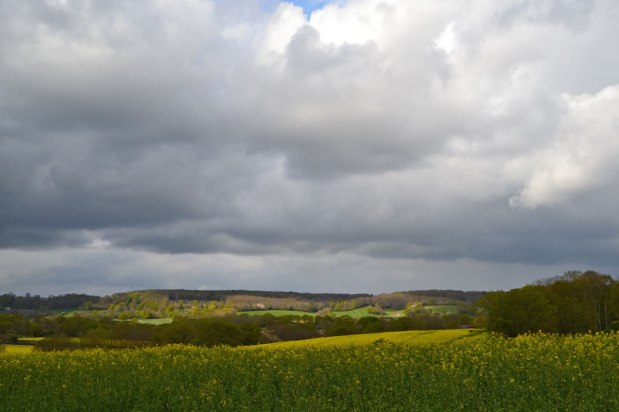
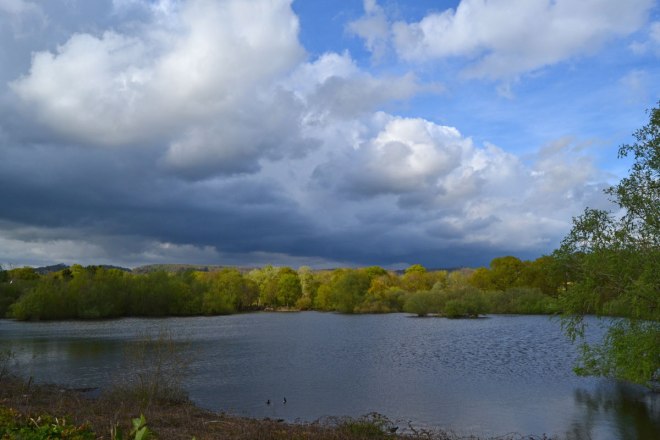
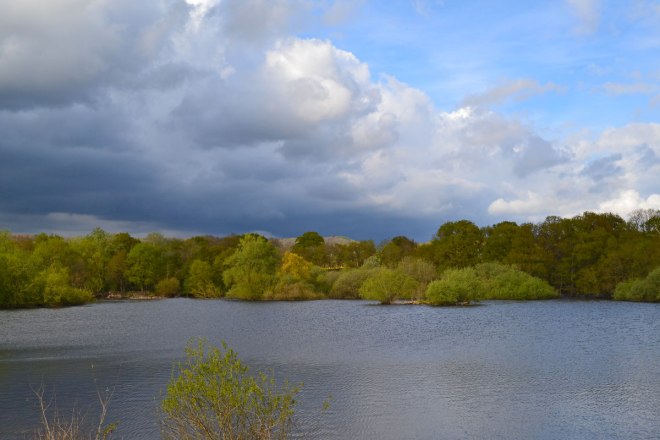
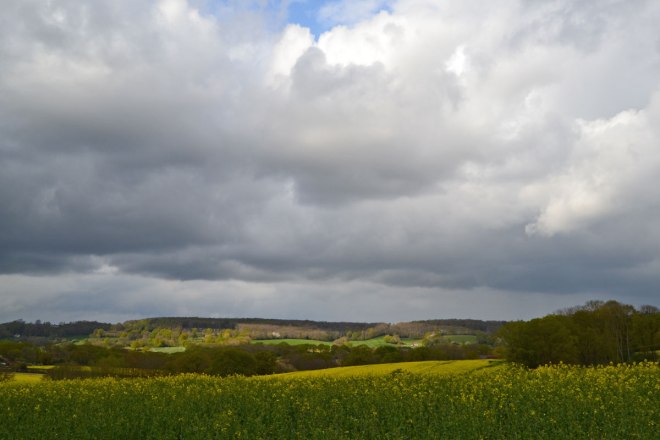
The little Bough Beech walk is one of those quiet ones: it doesn’t seem much but it creeps up on you and you realise you miss it if you haven’t done it for a while. The vast lake (described here) is a major spectacle at the beginning and end of the walk but doesn’t define the route; Bore Place, a delightfully hidden organic teaching farm and event venue, does. The walk is only two and a half miles (handy if you have a bad foot, as I do) to which you can add an hour‘s pop-in at the lovely nature reserve at the end, where there’s usually news of an interesting oiseaux or two keeping the friendly birders in the hide on their toes. Cuckoos (the star of this particular day), barn owls, kingfishers, migrating osprey are regularly seen here. On my recent walk here, as the fine pre-Easter weather started to break, interesting cloudscapes and shafts of sun reflected from the lake surface, while to the north the Greensand Ridge at Ide Hill and Goathurst Common were swept by very localised squalls. I was struck by how beautiful bluebells are when among cuckoo flowers; that was about as profound a thought I could muster while walking – which is how it should be. Back at home it was amazing to watch the simply incredible US Masters finale, though the football results did not bring me any comparable joy.

Circular walk sign confusion alert

Circular walk sign confusion alert

It’s great to bump into walkers using my instructions; I can usually spot the pdfs a mile off! But it’s not so great when those walkers are lost … while cycling on Sunday I bumped into two intrepid hikers on Sunday in Downe. Unfortunately, they were trying to follow the Cudham Chalk Paths walk but had gone rather off piste. They had thought that the green and yellow signs for the much longer Cudham Circular walk, as advertised by Bromley Council and Long Distance Walks Association, were route markers for the more modest walk at KWNL. I was able to explain the error and direct them (hopefully) back towards Cudham but the thought that people were using existing signs to follow my walks was terrifying. Please don’t do that! There are no KWNL walks that have specific signposts; the routes are only here on this website.

Hosey heights

Hosey heights

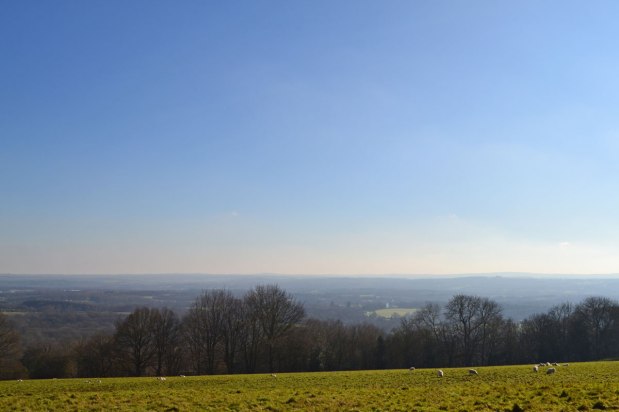
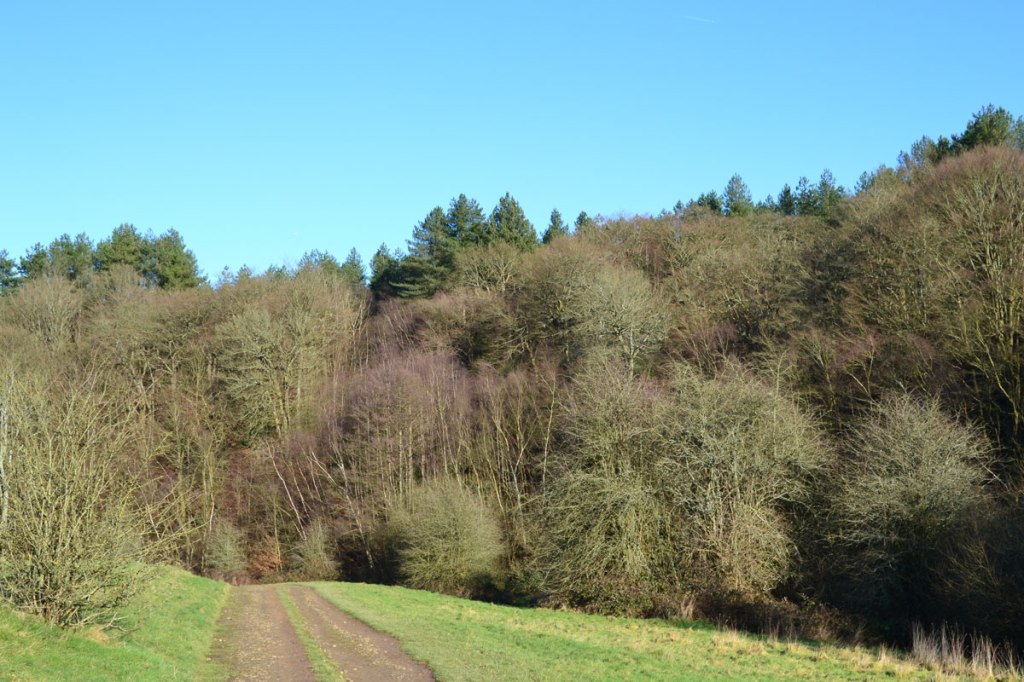
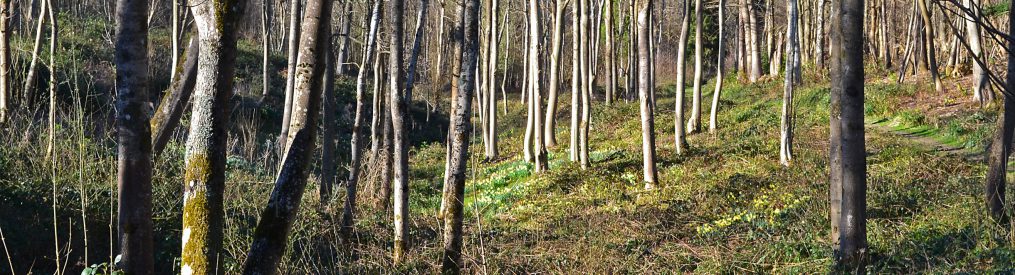
Three weeks after the previous perfect winter’s day – and another grey, wet interlude – another stupendous afternoon drew me out of SE London for a walk. I resisted the winter allure of Fackenden Down and chose Hosey Common for my pre-football walk. The early morning frost had gone, leaving the ground horrendously squelchy in places – many places – but the cloudless sky and sharp light were dazzling. The temperature was around 7C but somehow felt warmer; the lack of breeze meant you felt the sun and I reckoned a t-shirt was all I needed, though I had committed to a puffa jacket. As you can see from the photos, in this kind of light even the skeletal trees of February in England lose their bleakness; colour came back in to the countryside.

Using the OS Map app on my phone I came across OS Locate Me which displays a digital compass and an altitude reading. I’d never have guessed the Hosey walk reaches 715 feet above sea level (just after crossing Hosey Common Lane before the descent into Chartwell) making it probably the most lofty route at Kent Walks Near London (maybe the Ide Hill route near Emmett’s Garden pips it, as do routes starting from nearby Toys Hill). The OS site is great, not just for pinpointing your location but for lots of other stuff – if you pay, you get the 3-D ‘fly through’ feature, which is really great for getting a sense of the terrain and slopes you’ll encounter on the walk.

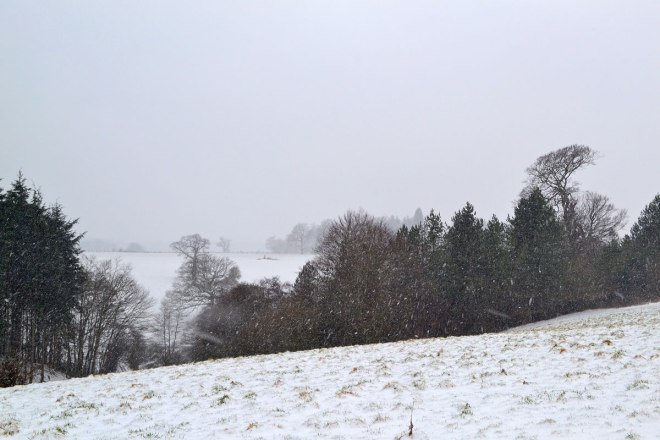
With my boys I once did the Hosey/Westerham walk in rather different winter weather. It was early 2018 and the Mini-Beast from the East was about to strike in earnest, but we didn’t realise this having not watched a weather forecast. The photo below reveals the conditions we faced near the end of the walk.

snow in Kent
Nearing the end of the Westerham walk in snow, 3 March 2018
Weald of wonder near Westerham

Weald of wonder near Westerham

An El Classico of an autumn day. And about time too. We decided that the Hosey walk on the Greensand ridge route at Westerham was the one for us, given the foliage, and views of the Weald from Mariner’s Hill. This time last year the Heaverham circular walk at Kemsing provided something very similar but the warmth of that late October 2023 day seemed freakish at the time. Today was more normal, just a lovely day – neither warm nor cool. The leaf colours, especially in the little valley of the infant River Darent, were superb as hopefully the photos below show, and the vista across the roof of Churchill’s Chartwell gaff as magnificent as ever. I was expecting to see redwings recently arrived from the Netherlands and generally more birds flocking together. But nothing much happened on that front, although mistle thrush were heard and a large buzzard lifted off close to us in one meadow. A pint at the Westerham Brewery place on the way back was an outstanding finale. However, the effect wore off as my football team lost.

Passing cows in fields

Passing cows in fields

Reading around this subject recently it seems to me that to be safe it’s best not to do this at all with dogs. Cows can charge at people with dogs. The advice is that people should let go of the dogs but recent stories suggest that even this isn’t enough to prevent an attack. On most of the walks you can divert around the edges of fields or spot an alternative path. You’re almost certain to be fine if the herd is far away on the other side of the field; the problems seem to come if they are grazing around the path. Of course 99% of the time they just ignore you, or glare impolitely. But I suggest stay well clear even if without dogs. If with a dog, divert. On the walks at KWNL paths only cross fields with cows in them on the Chiddingstone walk (often but usually very far away on the other side of the field), Underriver walk (sometimes), and very occasionally on the Fackenden Down walk at Magpie Bottom and the top of the Down.