A very summery type of autumn

A very summery type of autumn

High pressure is dominating the weather and the near-drought continues. There is no mud on any of the walks, which once would have been unheard of for mid-October. For the past week it’s felt as if summer’s lease has no intention of expiring anytime soon. Amid mild temperatures and cerulean skies we enjoy the spectacles of the season as the greens of September become more mottled and varied as they meld into the yellows, oranges and reds of November. Rosehips, elderberry and sloes decorate the hedgerows and fungi mystically appear in woodland and grassy fringes. I’m not one for foraging; I much prefer to look and leave well alone (apart from blackberries).

Birdlife still seems somnambulant: I’ve been hoping for migrations but in this still weather nothing much seems to stir. A week ago, in the wake of Storm Amy, hundreds of house martins passed overhead heading east with the wind, as a full moon rose in a purple sky. But this was in Lower Sydenham not on the Kent walks. My only notable sightings have been a kingfisher on River Eden on the Chiddingstone walk; red kites over Lullingstone and Downe; grey plover and lapwings on the ever-expanding shoreline at Bough Beech reservoir (I’ve never seen the water so low); and buzzards at Polhill.

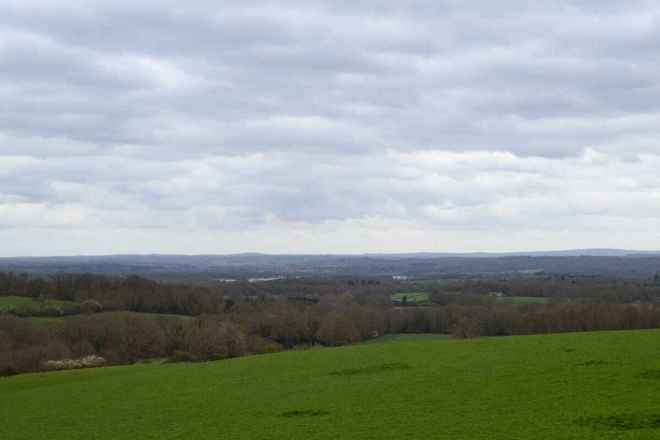
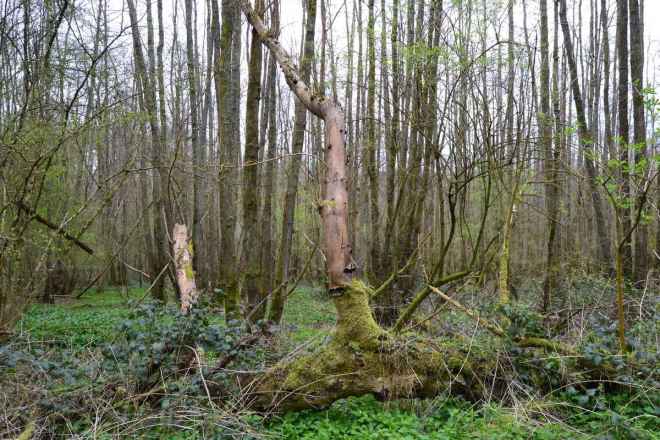
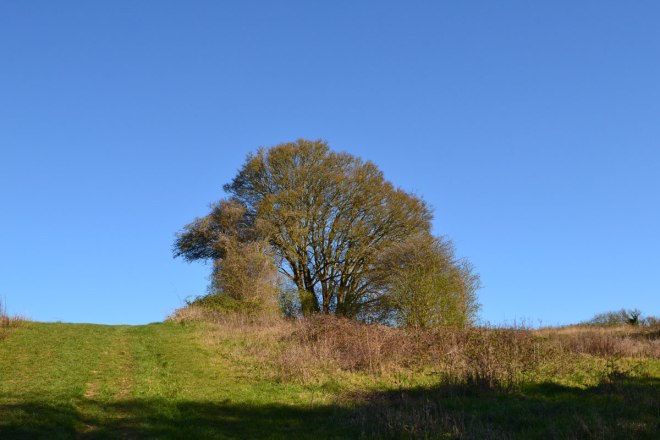
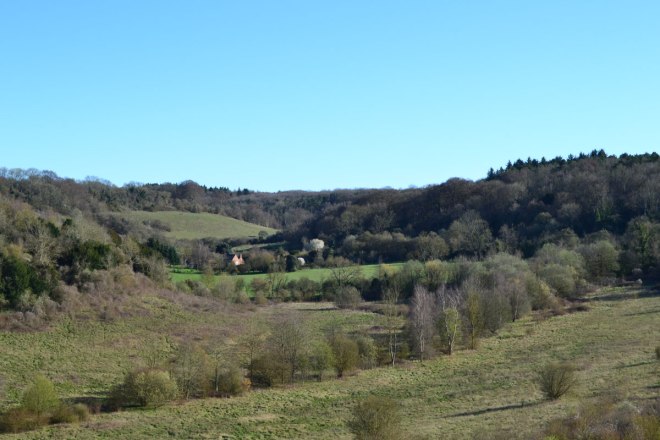
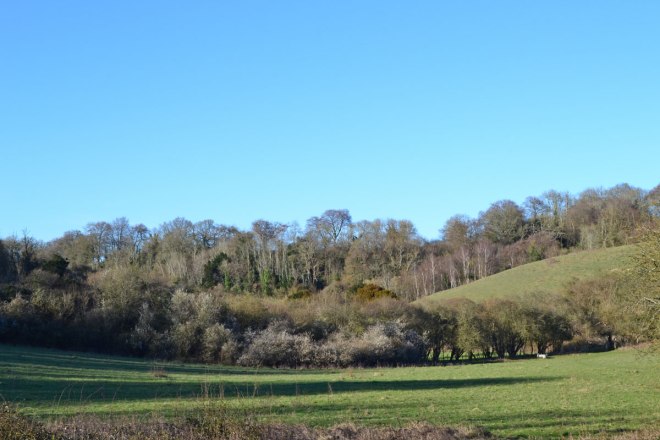
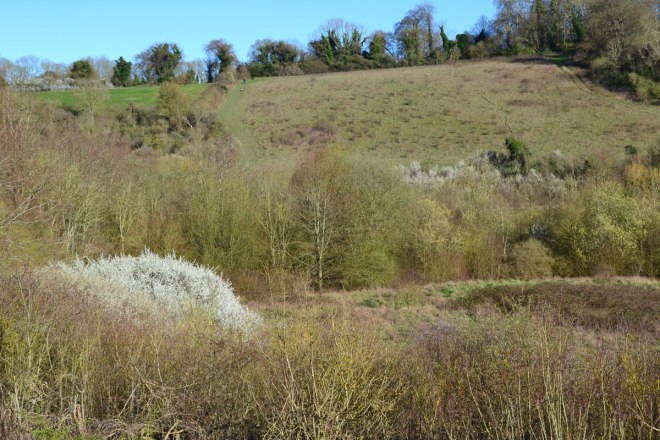
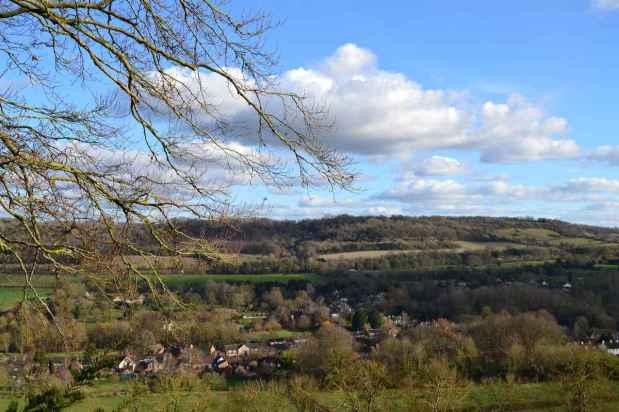
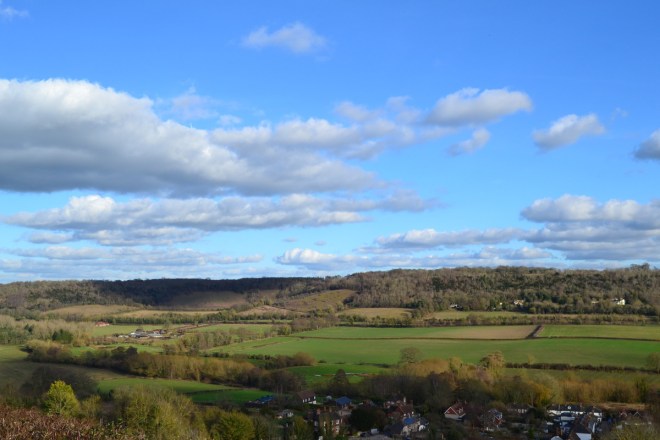
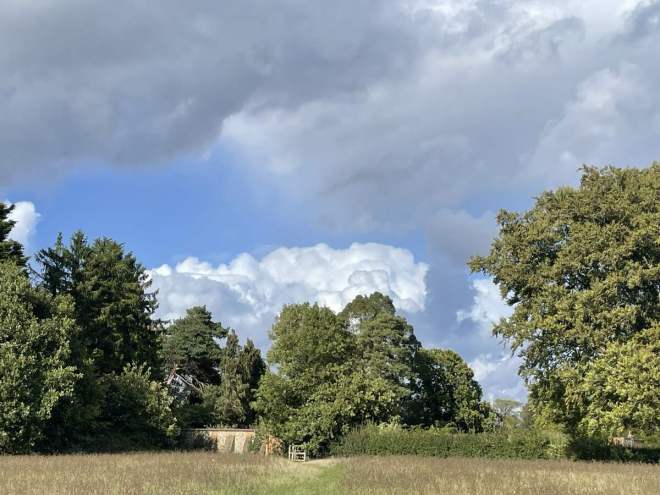
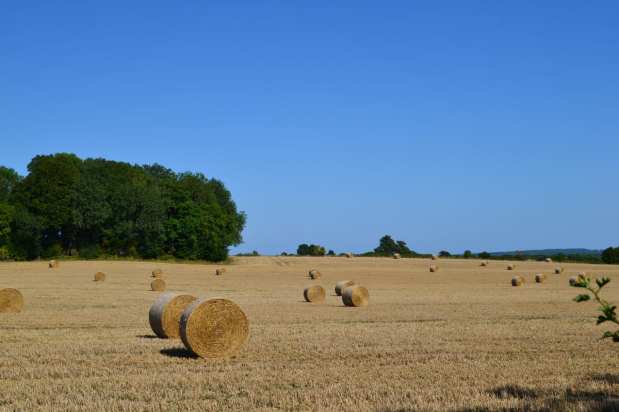
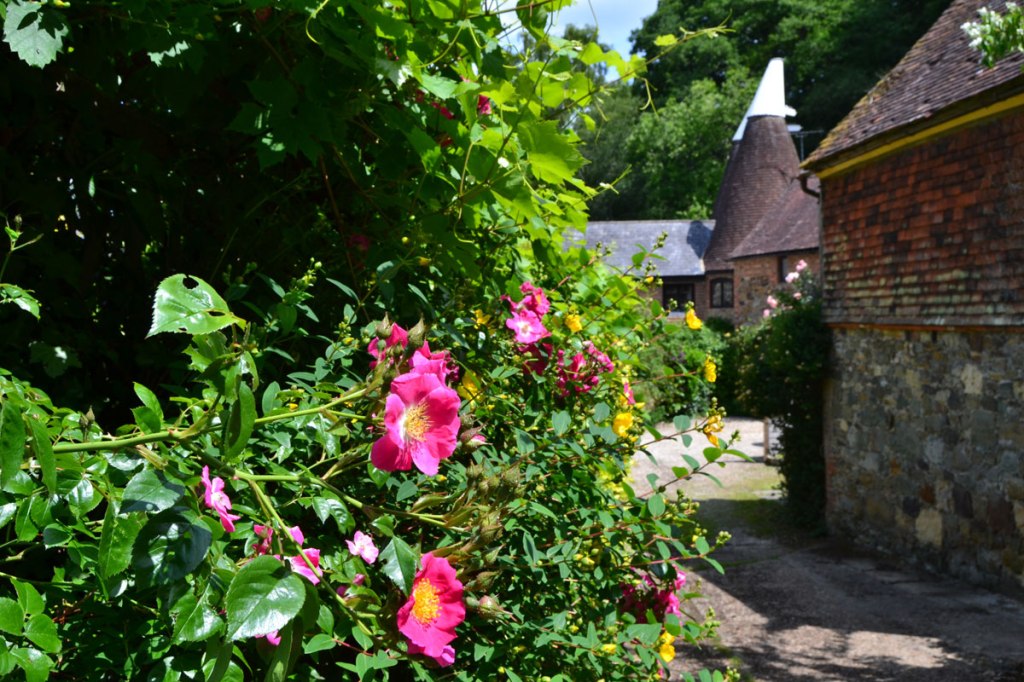
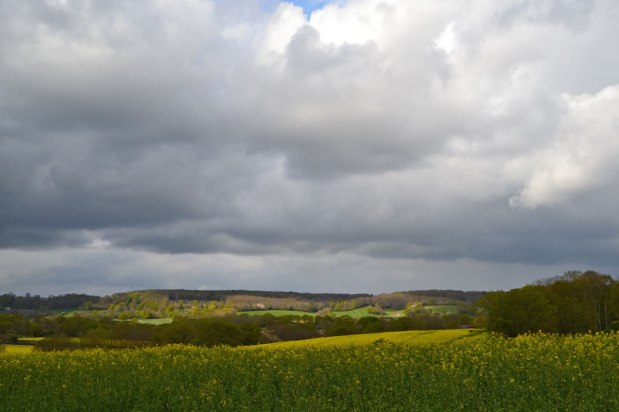
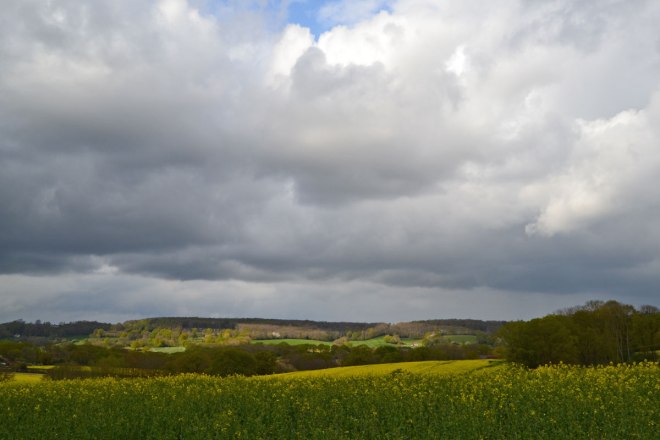
My walk at Fackenden Down today (pictured) was serene, colourful and wonderfully warm. But this isn’t autumn, surely. Lovely though it was, I would quite like to feel a fresher breeze, walk with the threat of a squall, squish through a puddle and ponder whether to wear wellies or trainers. That time will come I guess, I’ll enjoy summer’s lease while it lasts.

September walks

September walks

September and October are two of my favourite months for a stroll. Somehow the light seems sharper, the cloudscapes change more quickly, birds and other creatures are on the move and colourful, mysterious fungi appears. There may be mud to contend with of course so a comfortable pair of wellies may come into their own before too long. I wouldn’t rule out a return of summer yet though, just because it’s raining ferociously as I write. All of the walks sparkle at this time of year but I particularly enjoy the woody One Tree Hill routes, Oldbury and Petts Wood in September. Just an atmosphere thing really.

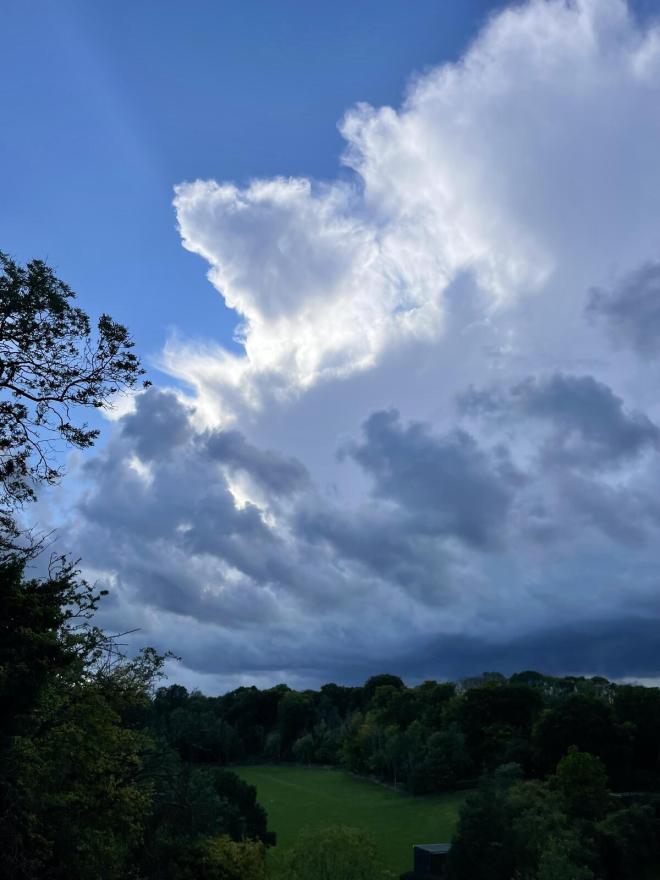
Talking of cloudscapes, my walk at Downe on Saturday was set to a backdrop of dramatic shower clouds. I was happy to see the worst of them pass to the north, only to discover with some alarm that it had grown a nasty looking limb that was heading my way. My alarm doubled on seeing three forks of lightning flicker to earth. Amid hailstones the size of… er… dried lentils, my swift walk turned into an undignified dash across the final field back to the car in fear of a big flash.

Quiet North Downs, busy South Downs; all good

Quiet North Downs, busy South Downs; all good

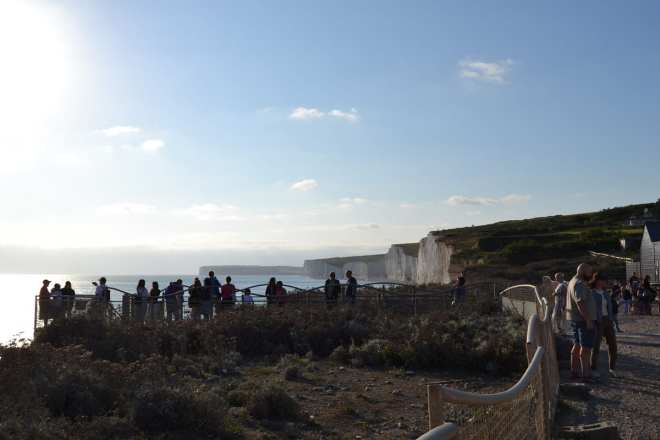
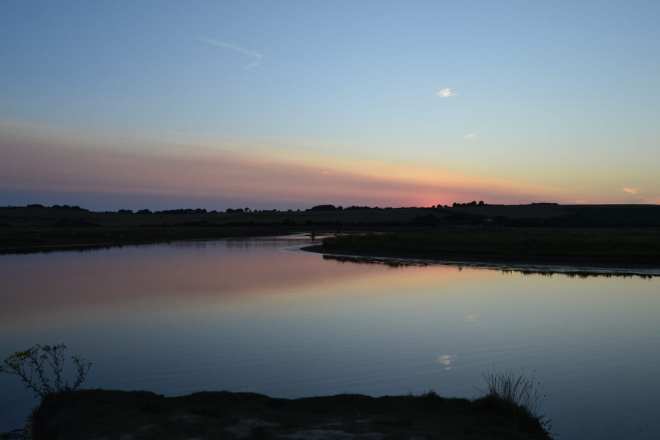
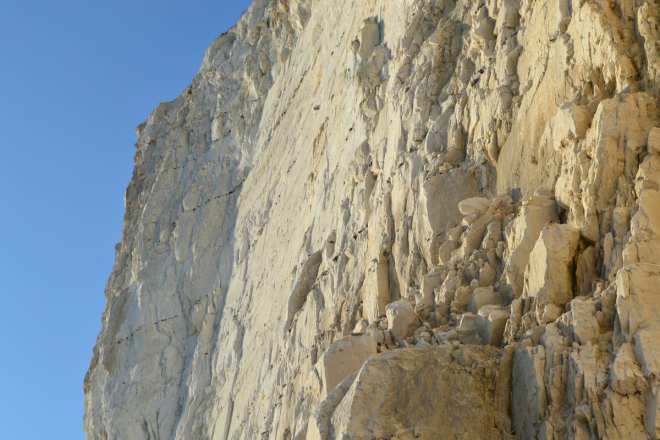
A walk around Birling Gap in East Sussex amid the famous Seven Sisters chalk cliffs was just the tonic for a dreamy August last afternoon. It’s a brilliant trip that we do fairly regularly. We started on the beach at Eastbourne with a picnic while enjoying the August airshow, before hitting Beachy Head and the Gap. After a pint at the superb Tiger Inn in ancient East Dean, we topped off the adventure with a 45-minute sunset stroll along the lower Cuckmere river from the Seven Sisters visitor centre to the sea. It was blissful but busy with tourists and folk down from London … which is just fine with me; it’s great to see everyone out enjoying the beautiful countryside, and the joy people were feeling in the sea air was kind of infectious. It felt a bit like going to the cinema – the pleasure of a shared experience of wonderful scenes is a great thing. Sussex by the Sea is a special place.

  • North Downs view
  • An egret at dusk in the Cuckmere river

The following day it was back to the North Downs for the Knockholt / Chevening route; the first time this year I reckon. As mentioned in my previous post I was tipped off by a helpful KWNL’er that there was a useful diversion at the Point 5 which means you don’t have to walk on Sundridge Road anymore. And so there was. It was great. Very sleepy, dry, Augusty, quiet. And so few people! I missed the crowds at Birling Gap. Well, I didn’t reeeeeally; I love solitude too. Without the waves, gleaming chalk, and sea breeze, the western North Downs don’t have quite the easy allure of their southern counterparts; but for quiet, great views, glimpses of the medieval past and atmosphere they are wonderful. But so few south-east Londoners seem to quite know what’s on the doorstep – which is the point of this website I suppose.

The orchids of Oldbury, Kent

The orchids of Oldbury, Kent

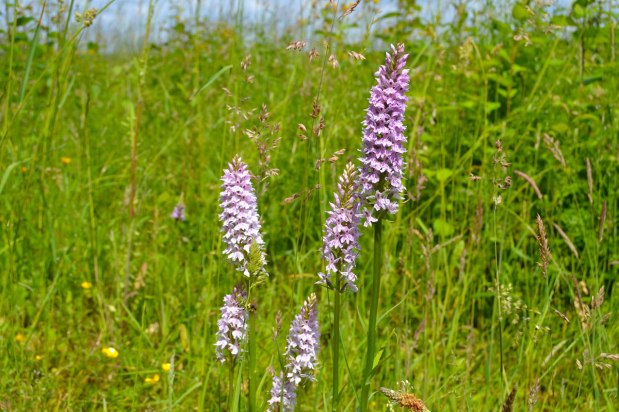
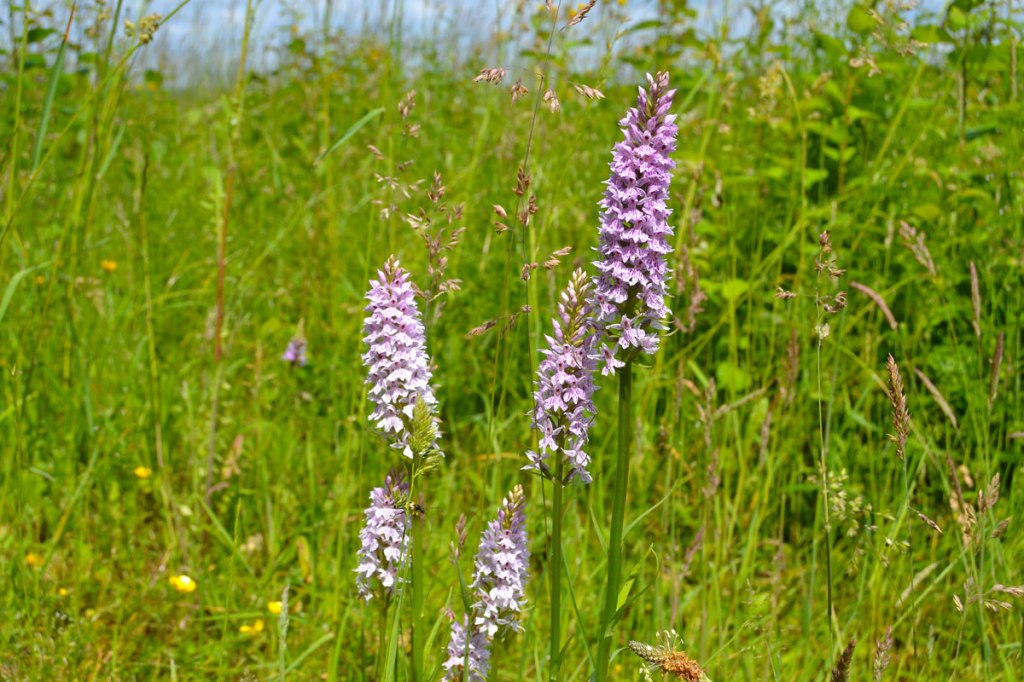
Orchids are in full flower across almost all the Kent Walks Near London. They particularly like the chalky North Downs routes, such as Heaverham, Chevening, Fackenden Down, Polhill, Lullingstone, Eastern Valleys etc (see list of walks above) but I’ve found great clusters at Hever and meadow fringes at Oldbury too, on the sandstone/clay of the weald and Holmesdale Vale. We unexpectedly came across the pictured common spotted orchids (the UK’s most often seen variety) on the Oldbury walk this week. This is one of the routes I’ve walked the least often; in fact I can count the times I’ve hiked the long and short versions on the fingers of one hand. I don’t know why, they are both brilliant strolls. The shorter version is mainly through woods and is one of the quietest walks on this website (apart from the bit near the A25). It takes in an enormous Iron Age fort, meadows facing the North Downs escarpment and a sandy trail past beautiful old fish ponds in rich woodland. I really recommend it – it’s got a special atmosphere, some might say even a bit spooky.

See the best places to see orchids on these routes.

How to use Kent Walks Near London

How to use Kent Walks Near London

It’s a great time of year for walking, as the visitor figures at Kent Walks Near London are showing. Wildflowers, birdsong, the sound of the breeze in the foliage, dry conditions and warmth are all balm for the soul – and how needed in these perplexing times.

It’s been great to bump into walkers using the website lately; generally all have been on the correct route and enjoying themselves! Only one couple were off piste, and this was because they had been following Bromley council’s signs for the Cudham circular rather than read the pdf they were holding of the Cudham Chalk Paths walk.

Ide Hill, Kent
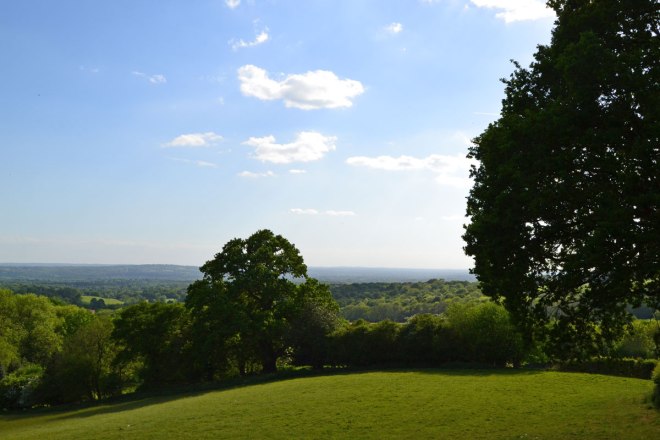
Looking south-west across the Weald from Ide Hill

A smartphone can help

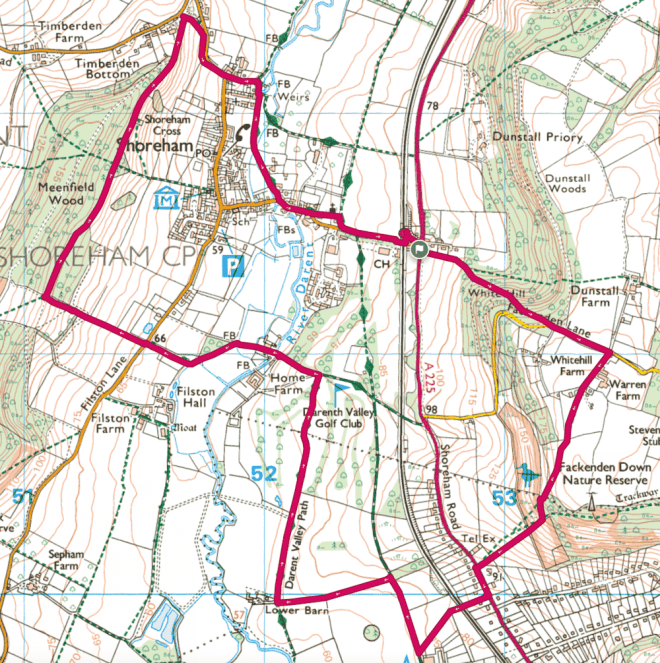
It’s been mentioned to me lately that it is still quite easy to take the wrong path at times. I really recommend using the GPX on the smartphone with takes you to my routes at Ordnance Survey or AllTrails. Here’s my Fackenden Down route at Ordnance Survey maps (actually done in reverse, but it doesn’t matter as the dot will show you where you are against the route whichever way round you’re doing the walk). If it all sounds a bit technical and you don’t want to be marching around peering at your phone, don’t worry – just take your time and read the instructions ahead so you’re not stopping every time there’s a side path and wondering if you should go down it. And if it does go wrong, enjoy that too… the countryside will still be lovely and all will come right in the end. It’s Kent, not the Amazon.

flax
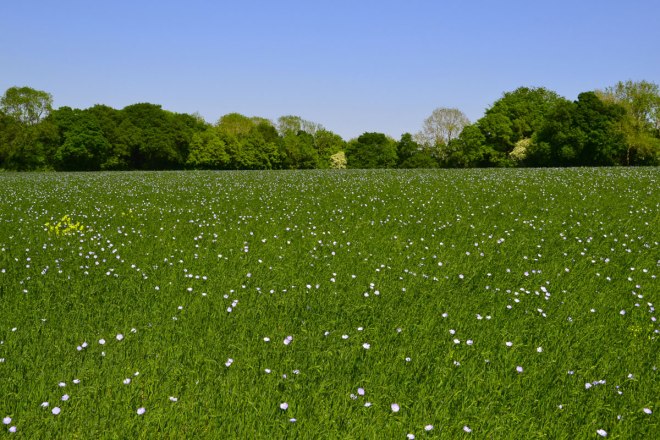
Flax (linum) in a field in May, on the Fackenden Down route (walk 19), May 2025

A lot of KWNL users print off the PDF and go from there, but be warned: the PDFs are space-limited so I have to abbreviate at times. I think it’s best to use a combination of GPX map, the website on your phone and the pdf or just use a paper OS map just to check out the route in advance. Perhaps one day I’ll invent a special talking SatNav for KWNL so I can say ‘turn right, climb over the stile’ in real time. Actually, no; who wants that?

Contact me with route complications/updates

I really would appreciate people telling me when I need to update information, however. I can’t cover all the walks all the time so when things change – as they did on the Downe and Cudham walks in the past couple of years – it’d be great to get a heads up! Also, please send in bird/wildlife or plant observations… all welcome.

My best email is ammcculloch49@gmail.com for comms. I don’t bother with Facebook or Instagram much anymore (maybe I should try harder with the latter) – there’s just too much of all that and I consider social media to be run by awful people determined to do bad things generally. I deleted Twitter and I’m now on Bluesky if that’s any good to anyone (amackentwalks.bsky.social) but please excuse any tangential rantings you come across – I have other interests apart from walking (saxophone, Tottenham Hotspur etc) so it all ends up in one place.

Cuckoo birds and flowers on the Bore Place/ Bough Beech route

Cuckoo birds and flowers on the Bore Place/ Bough Beech route

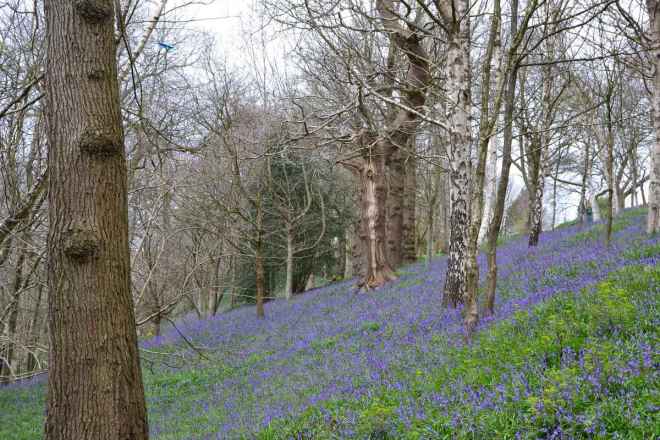
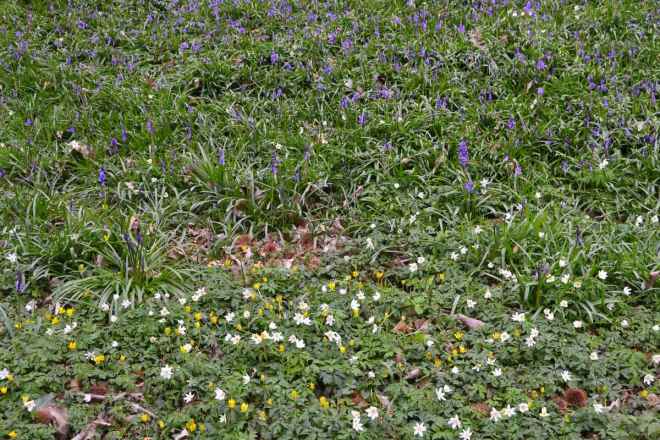
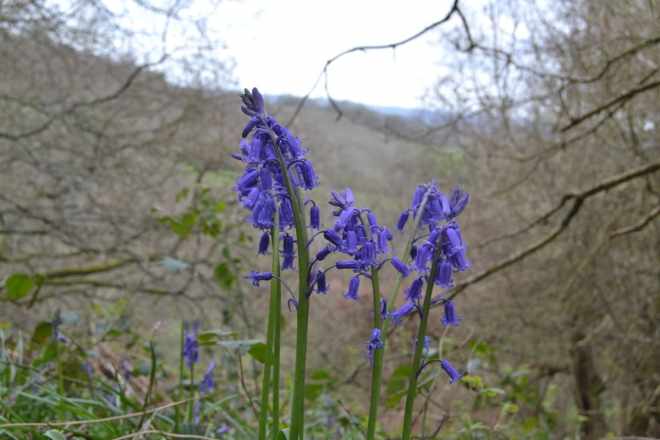
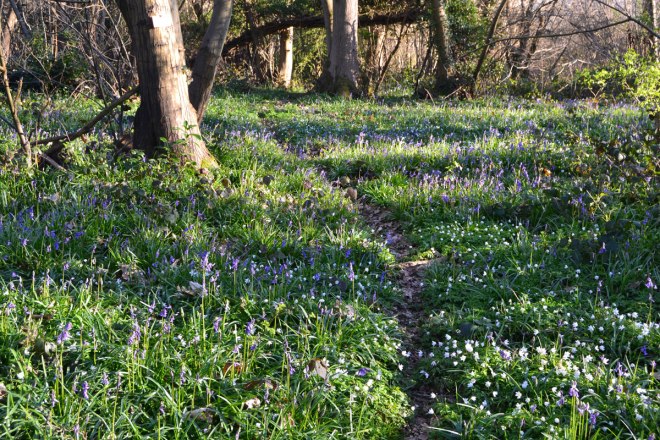
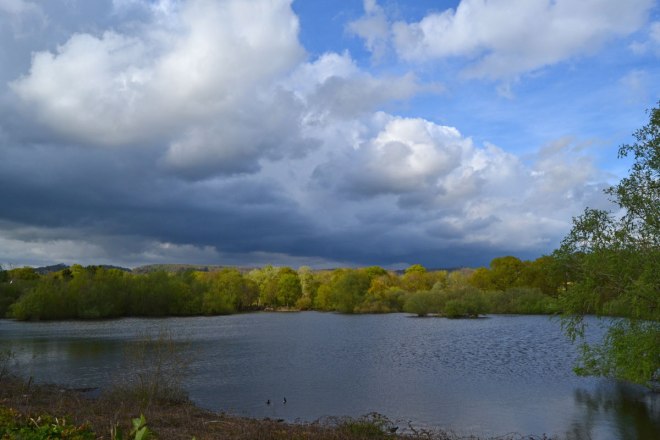
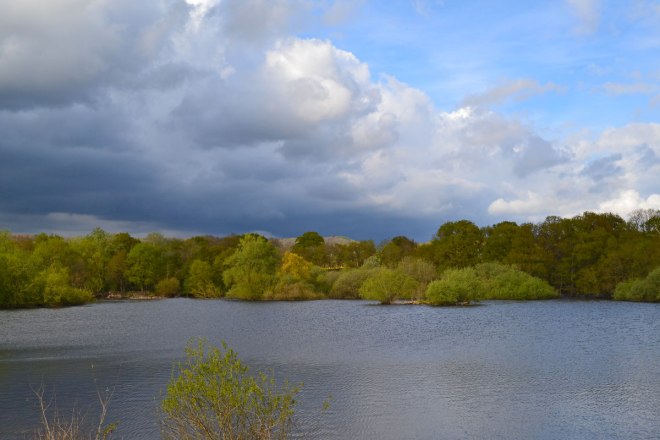
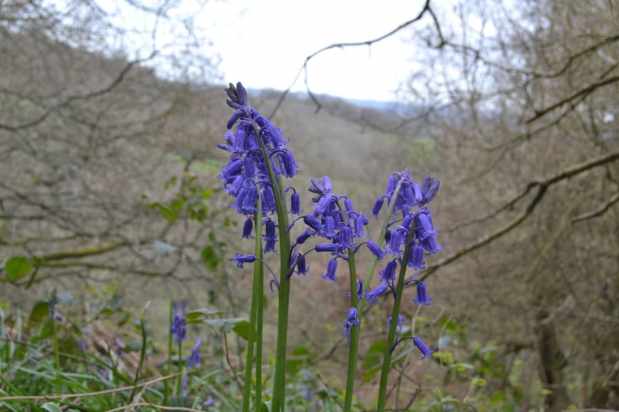
The little Bough Beech walk is one of those quiet ones: it doesn’t seem much but it creeps up on you and you realise you miss it if you haven’t done it for a while. The vast lake (described here) is a major spectacle at the beginning and end of the walk but doesn’t define the route; Bore Place, a delightfully hidden organic teaching farm and event venue, does. The walk is only two and a half miles (handy if you have a bad foot, as I do) to which you can add an hour‘s pop-in at the lovely nature reserve at the end, where there’s usually news of an interesting oiseaux or two keeping the friendly birders in the hide on their toes. Cuckoos (the star of this particular day), barn owls, kingfishers, migrating osprey are regularly seen here. On my recent walk here, as the fine pre-Easter weather started to break, interesting cloudscapes and shafts of sun reflected from the lake surface, while to the north the Greensand Ridge at Ide Hill and Goathurst Common were swept by very localised squalls. I was struck by how beautiful bluebells are when among cuckoo flowers; that was about as profound a thought I could muster while walking – which is how it should be. Back at home it was amazing to watch the simply incredible US Masters finale, though the football results did not bring me any comparable joy.

Change is afoot, it’s time to March

Change is afoot, it’s time to March

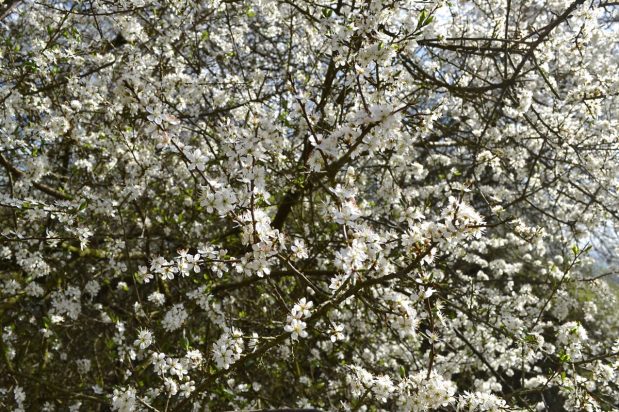
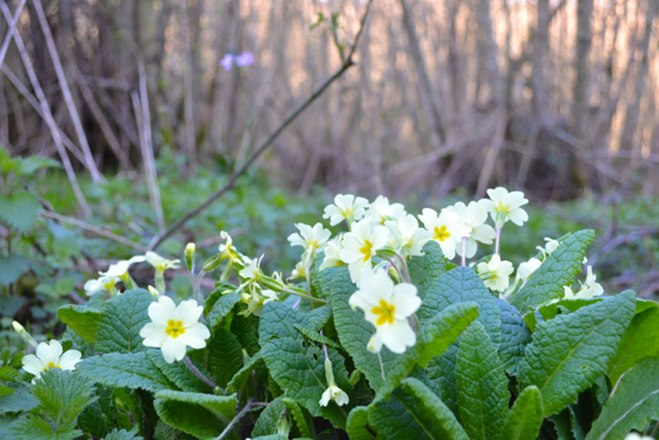
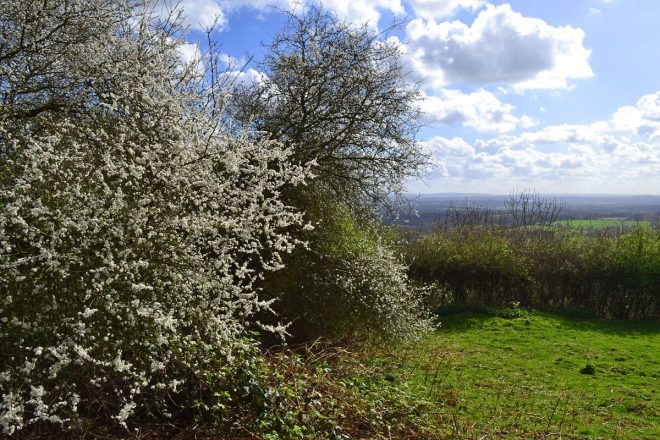
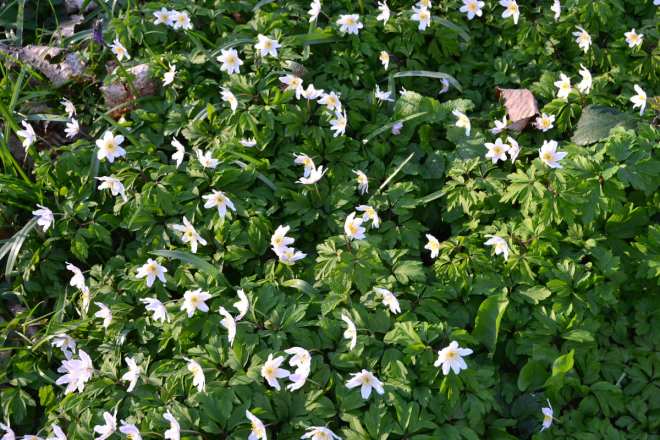
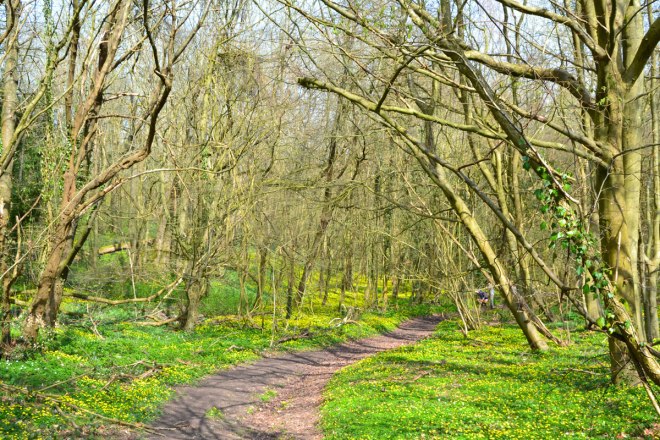
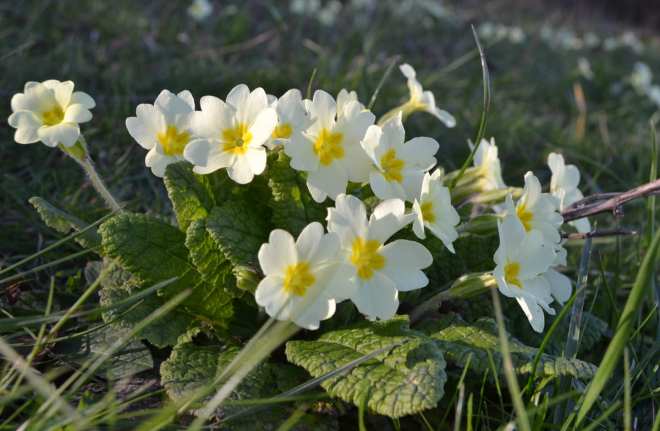
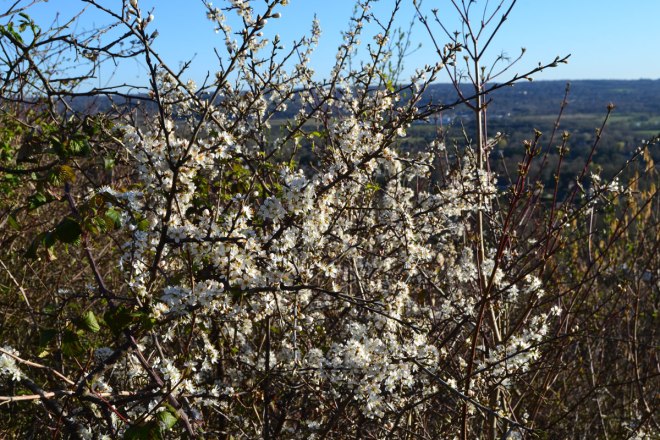
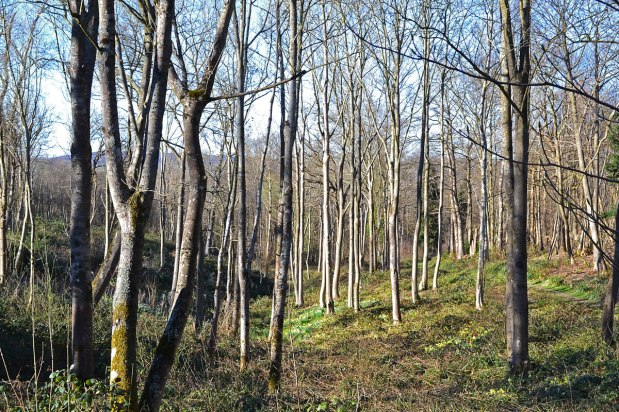
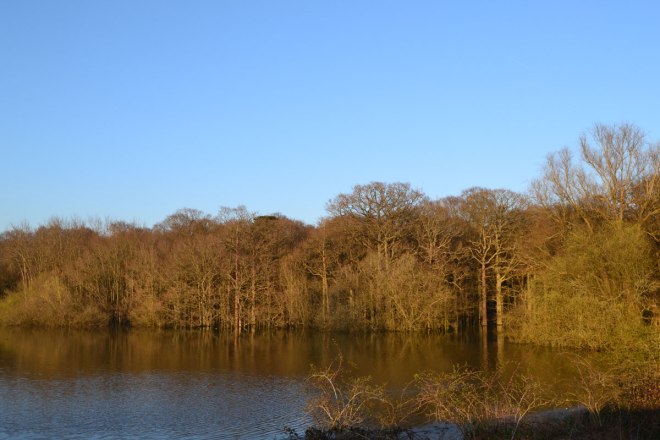
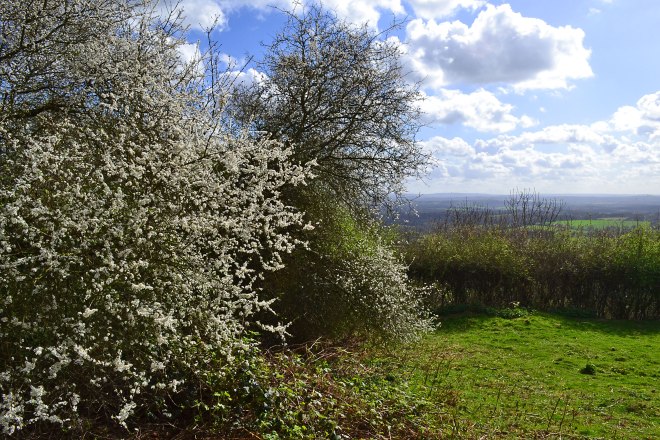
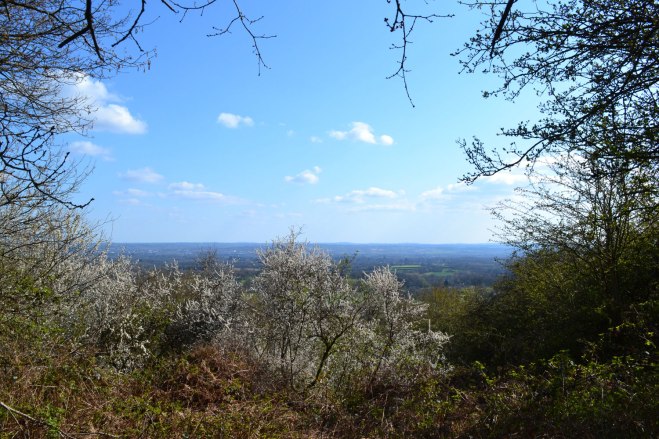
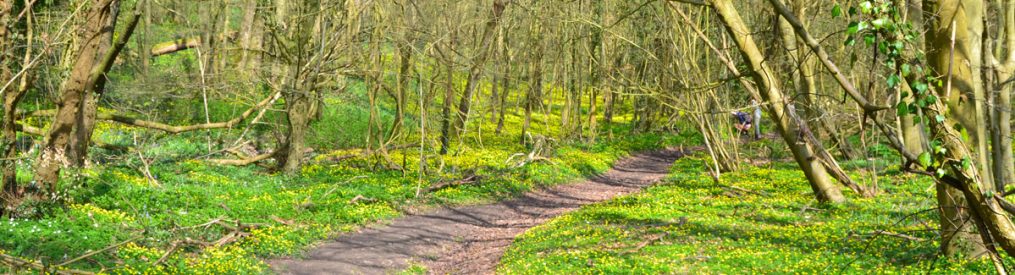
Now that there’s some prolonged sunshine, some of the humungous amounts of mud from February are beginning to dry up. ‘Some‘ being the operative word. Still, let’s welcome the bright weather, which is set to continue this weekend. Saturday could be a bumper day for Kent Walks near London but wellies are definitely still needed – because shaded mud patches will not have dried as yet, not even close. Early spring can be an odd time of year – the trees still appear brown and grey from a distance, though close-up you can see buds. Soon the blackthorn will flower – that’s when spring has sprung for me. Early March in good weather is a very particular time of year – it’s as if spring caught the natural world asleep, and it takes a little time to wake up. But already there’s more birdsong and a bumblebee or two getting busy. I particularly like the Ide Hill, One Tree Hill, Bough Beech and Hever walks at this time of year, the south-facing slope of the Greensand Ridge focuses the warmth and is protected from any cold easterly or northerly winds. You can’t help but feel a bit of optimism, despite you know, everything. The pictures below are from the Bough Beech, Petts Wood, Chevening, Ide Hill and One Tree Hill routes. I love the blackthorn. The featured picture for this post is the woods at Hever in late March. There’s a sheen of primrose and celandine on the woodland floor; I really like the photograph, I can remember every detail of that day.

  • Flooded woods, Bough Beech
  • Blackthorn blossom on One Tree Hill, Sevenoaks, Kent
Muddy and miserable

Muddy and miserable

A cursory glance at this website may suggest that the north-west Kent walks are permanently sunny. Or snowy. Or bright and breezy. My choice of photographs suggest the routes exist in a world rich in colour, and one must only stride out purposefully with map in hand and trainers on foot to have a great time. Alas, it is not so. Walkers are squelching through giant puddles, inching their way around horrific mud patches and sliding back down liquid hillsides. They are arriving back at home dishevelled, slightly disorientated and in need of a good soak. As I write in mid-February, during one of the cloudiest and wettest winters I can recall, the truth is that unless your need is great, it might be better to abandon the notion of walking in the countryside for the time being. One friend terminated his walk at Westerham after a few hundred yards last week, while another KWNL reader informs me that Polhill and Meenfield woods (west of Shoreham) are impassable. Polhill is simply too steep to bear most humans’ weight in these slippery conditions, while Meenfield woods’ tracks are seas of horrific mud made worse by bulldozers and diggers being used for forestry work there (thinning some of the trees).

Mud, frost and snow
Path turned to mud, amid snow and frost at One Tree Hill, February 2021. I’ve never seen anything like this scene before or after

Has anywhere survived the mud?

If you must walk, I suggest: Knole Park in Sevenoaks, where there are solid, firm stone and tarmac paths; Lullingstone, where the chalk downs spirit away a lot of the surface water into aquifers (but avoid the busy, ridiculously muddy path alongside the Darent river); and perhaps High Elms, but don’t blame me if that proves a morass too. Avoid the Greensand Way walks, such as One Tree Hill, Hosey Common, Ide Hill and Underriver. Even the trusty old Downe walk, which once was dependable in all conditions, is in an appalling state now, partly because the ‘new’, hemmed-in paths around the children’s farm compress the footfall.

Hosey heights

Hosey heights

Three weeks after the previous perfect winter’s day – and another grey, wet interlude – another stupendous afternoon drew me out of SE London for a walk. I resisted the winter allure of Fackenden Down and chose Hosey Common for my pre-football walk. The early morning frost had gone, leaving the ground horrendously squelchy in places – many places – but the cloudless sky and sharp light were dazzling. The temperature was around 7C but somehow felt warmer; the lack of breeze meant you felt the sun and I reckoned a t-shirt was all I needed, though I had committed to a puffa jacket. As you can see from the photos, in this kind of light even the skeletal trees of February in England lose their bleakness; colour came back in to the countryside.

Using the OS Map app on my phone I came across OS Locate Me which displays a digital compass and an altitude reading. I’d never have guessed the Hosey walk reaches 715 feet above sea level (just after crossing Hosey Common Lane before the descent into Chartwell) making it probably the most lofty route at Kent Walks Near London (maybe the Ide Hill route near Emmett’s Garden pips it, as do routes starting from nearby Toys Hill). The OS site is great, not just for pinpointing your location but for lots of other stuff – if you pay, you get the 3-D ‘fly through’ feature, which is really great for getting a sense of the terrain and slopes you’ll encounter on the walk.

With my boys I once did the Hosey/Westerham walk in rather different winter weather. It was early 2018 and the Mini-Beast from the East was about to strike in earnest, but we didn’t realise this having not watched a weather forecast. The photo below reveals the conditions we faced near the end of the walk.

snow in Kent
Nearing the end of the Westerham walk in snow, 3 March 2018
Weald of wonder near Westerham

Weald of wonder near Westerham

An El Classico of an autumn day. And about time too. We decided that the Hosey walk on the Greensand ridge route at Westerham was the one for us, given the foliage, and views of the Weald from Mariner’s Hill. This time last year the Heaverham circular walk at Kemsing provided something very similar but the warmth of that late October 2023 day seemed freakish at the time. Today was more normal, just a lovely day – neither warm nor cool. The leaf colours, especially in the little valley of the infant River Darent, were superb as hopefully the photos below show, and the vista across the roof of Churchill’s Chartwell gaff as magnificent as ever. I was expecting to see redwings recently arrived from the Netherlands and generally more birds flocking together. But nothing much happened on that front, although mistle thrush were heard and a large buzzard lifted off close to us in one meadow. A pint at the Westerham Brewery place on the way back was an outstanding finale. However, the effect wore off as my football team lost.