Wintry walking is upon us

Wintry walking is upon us

I kicked off my season of winter walking with a wonderful jaunt down at Laugharne in west Wales with a university friend. It was easy to see how Dylan Thomas found so much inspiration there, especially given that his writing shed has a view of the Taf estuary every bit as stunning as the town’s imposing Norman castle. It’s not exactly a day trip from SE London – although I once climbed Pen-y-Fan near Brecon on a day trip whim – but I’m sure there’s plenty of places to stay overnight. Apparently it’s best to avoid the place in high summer, though us SE Londoners are used to rubbing shoulders with the ‘tourist hordes’, so it’d be no big deal.


Best winter routes

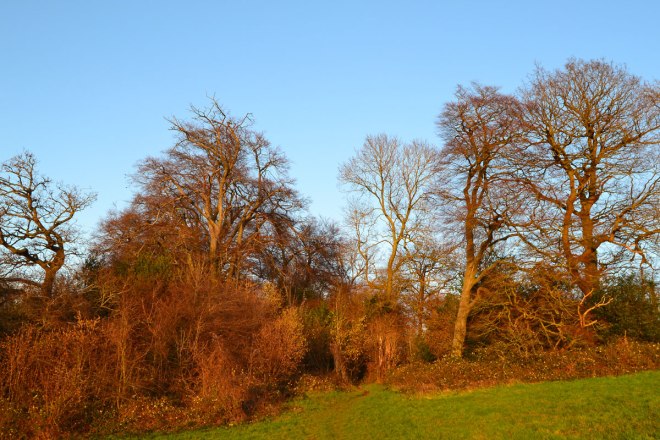
So, now winter is upon us. Some bemoan the dank days but they are probably doing too much shopping. Yes, Bromley or Croydon can be a bit dreary of December weekend. But not so the countryside. On cloudy, misty days the woods take on a mysterious atmosphere, while on clear days the sunsets and cloudscapes are remarkable. Birds are more active – look out for redwings, fieldfares and other thrushes – with goldcrests often turning up lower down in the tree canopy as their need for food becomes greater.
  • Lullingstone, 17 December, 2022
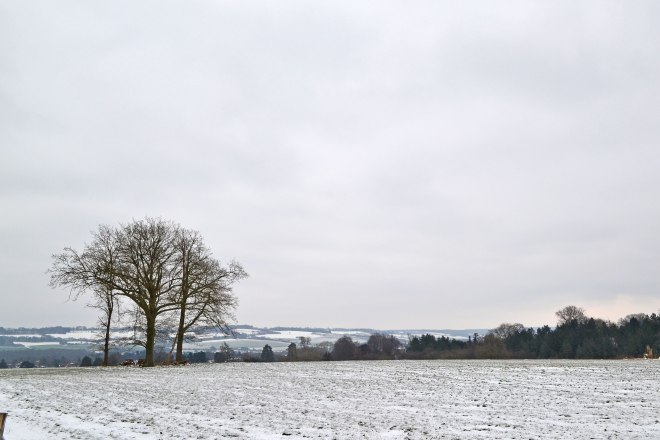
  • Downe walk in winter
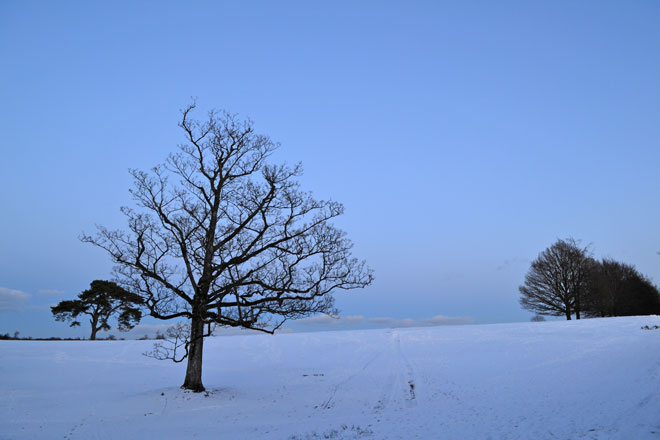
  • Lullingstone, December 27
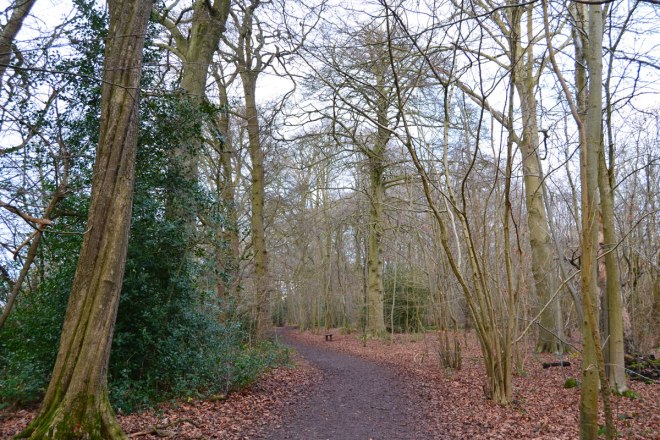
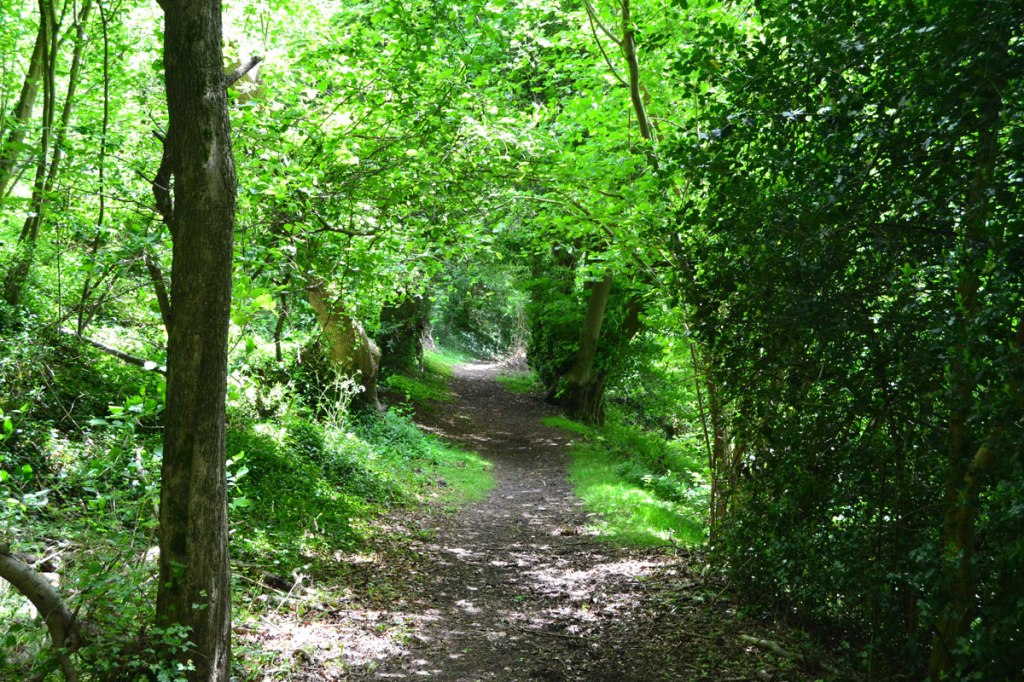
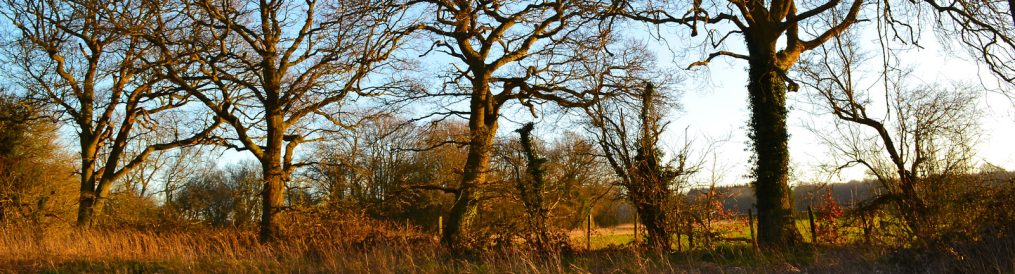
  • path, mid-winter

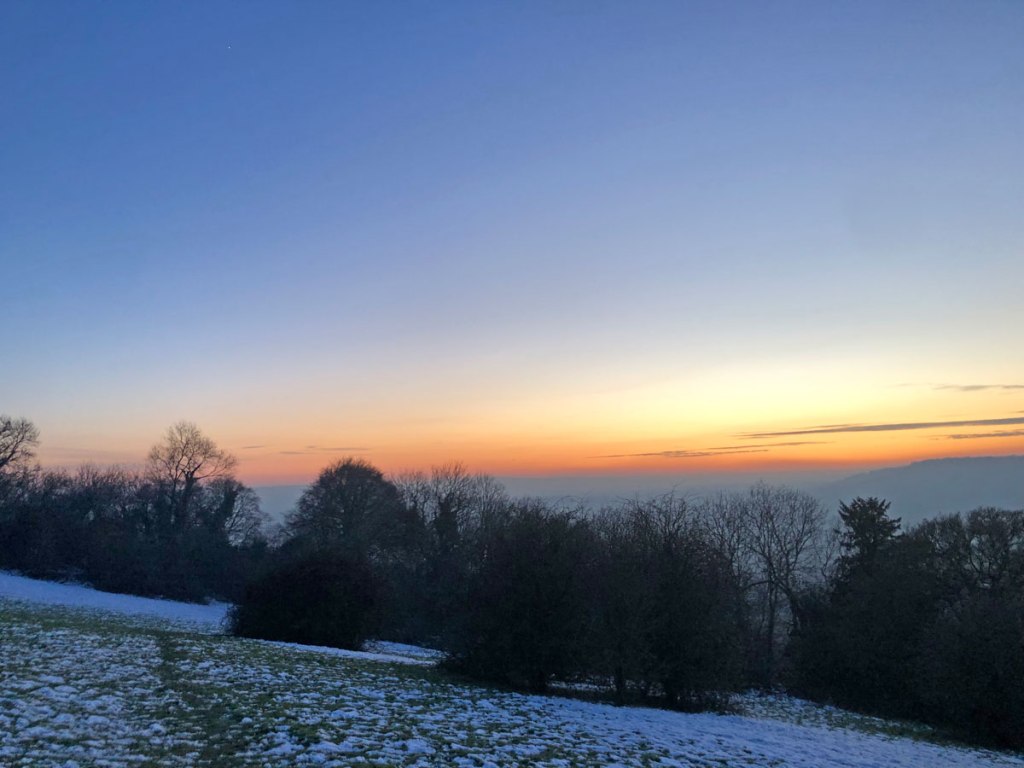
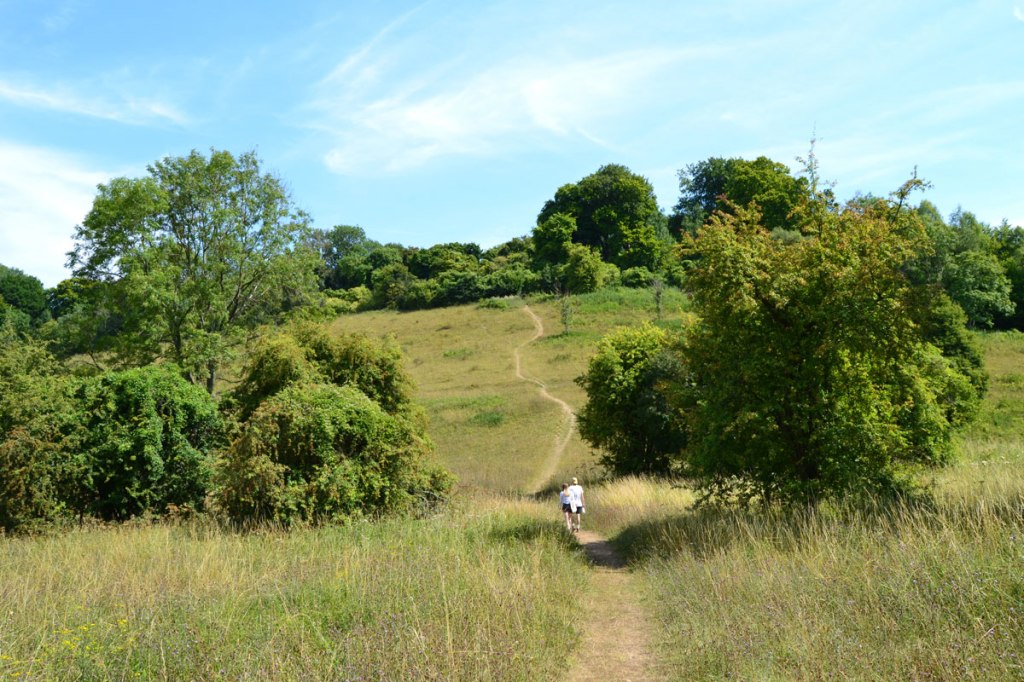
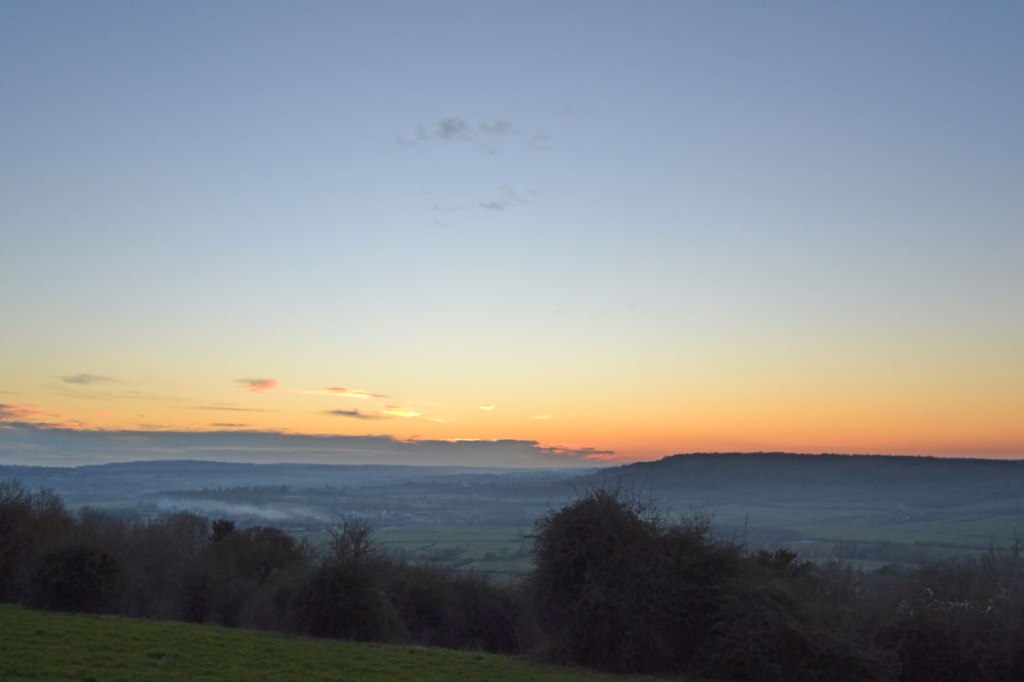
On a clear, cold afternoon the Fackenden Down walk can be a cracker. Its exposure to the east lends for frost and a brushing of snow while the view of the setting sun is fantastic, often accompanied by mist in the Darent valley just adding to the drama. The Shoreham circular mk2, taking in the high up views from Warren Farm (actually also on Fackenden Down) has some of the best views. Any variation of the Lullingstone walk (from Eysford or from the Lullingstone visitor centre or golf club car park) is terrific in winter. A particular winter favourite of mine is a little bit further out on the Hoo peninsular at Cliffe. The marshes, wildfowl, huge skies and the widening Thames here lend a Norfolk atmosphere to proceedings that’s almost otherworldly on a cold crisp day. I haven’t listed the walk as I have the others but you can find details of it here.

All the walks listed at KWNL are great in winter – the Greensand Ridge views from Ide Hill, Hosey, One Tree Hill; the skeletal woods of Petts Wood, Oldbury and Hever … all take on a special atmosphere. And Knole too, the huge medieval house looks terrific as the sun goes down in winter – perhaps it’s my favourite Christmas walk.

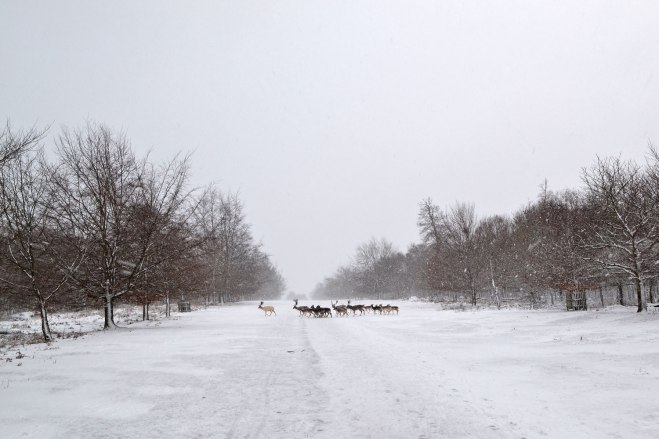
Photography of winter walks can be misleading – we tend to go heavy on the snow, frost and colourful dusks because they are the most photogenic. But of course, such spectacular conditions can be rare and most of the time actually the colours don’t go beyond brown and grey, with hopefully a bit of blue above. However, please indulge me showing off my winter wonderland photos above at this point – such conditions don’t come around so often and we have to make the best of them. And it’s worth noting that even if dank and dull in south-east London it can be sparkling on the higher downs where snow may have fallen.

I’ll bid you farewell for now until the New Year – enjoy the walks and come along to the big band gig on 5 January at the Sundridge Park club, 134 Burnt Ash Lane, Bromley, 8.30-10.30, £12 (cash only).

Happy Christmas.

A very summery type of autumn

A very summery type of autumn

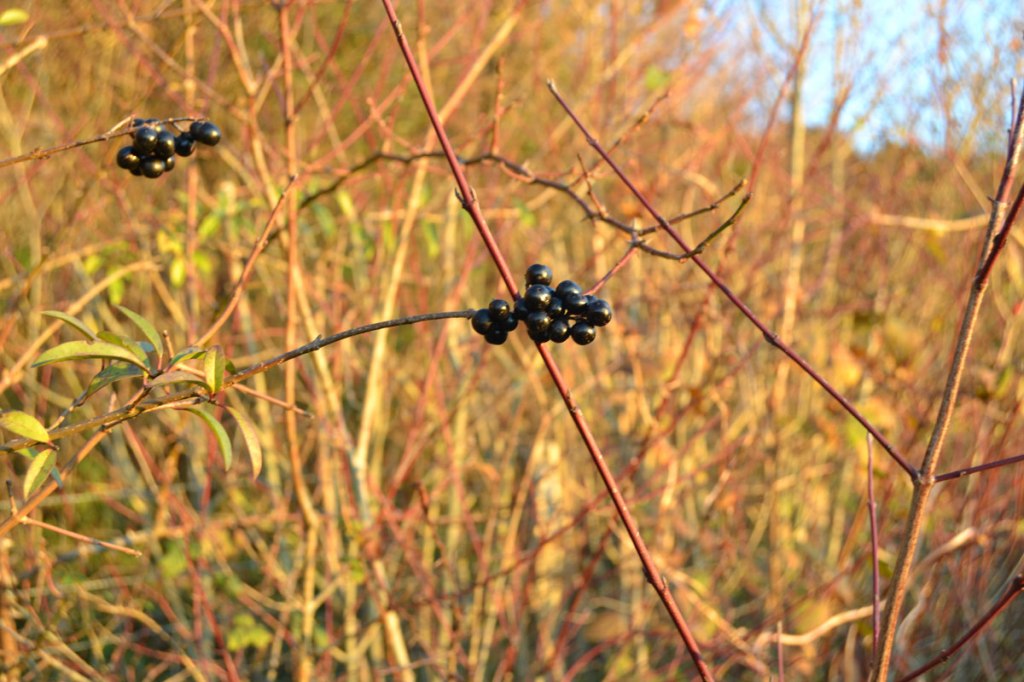
High pressure is dominating the weather and the near-drought continues. There is no mud on any of the walks, which once would have been unheard of for mid-October. For the past week it’s felt as if summer’s lease has no intention of expiring anytime soon. Amid mild temperatures and cerulean skies we enjoy the spectacles of the season as the greens of September become more mottled and varied as they meld into the yellows, oranges and reds of November. Rosehips, elderberry and sloes decorate the hedgerows and fungi mystically appear in woodland and grassy fringes. I’m not one for foraging; I much prefer to look and leave well alone (apart from blackberries).
Birdlife still seems somnambulant: I’ve been hoping for migrations but in this still weather nothing much seems to stir. A week ago, in the wake of Storm Amy, hundreds of house martins passed overhead heading east with the wind, as a full moon rose in a purple sky. But this was in Lower Sydenham not on the Kent walks. My only notable sightings have been a kingfisher on River Eden on the Chiddingstone walk; red kites over Lullingstone and Downe; grey plover and lapwings on the ever-expanding shoreline at Bough Beech reservoir (I’ve never seen the water so low); and buzzards at Polhill.

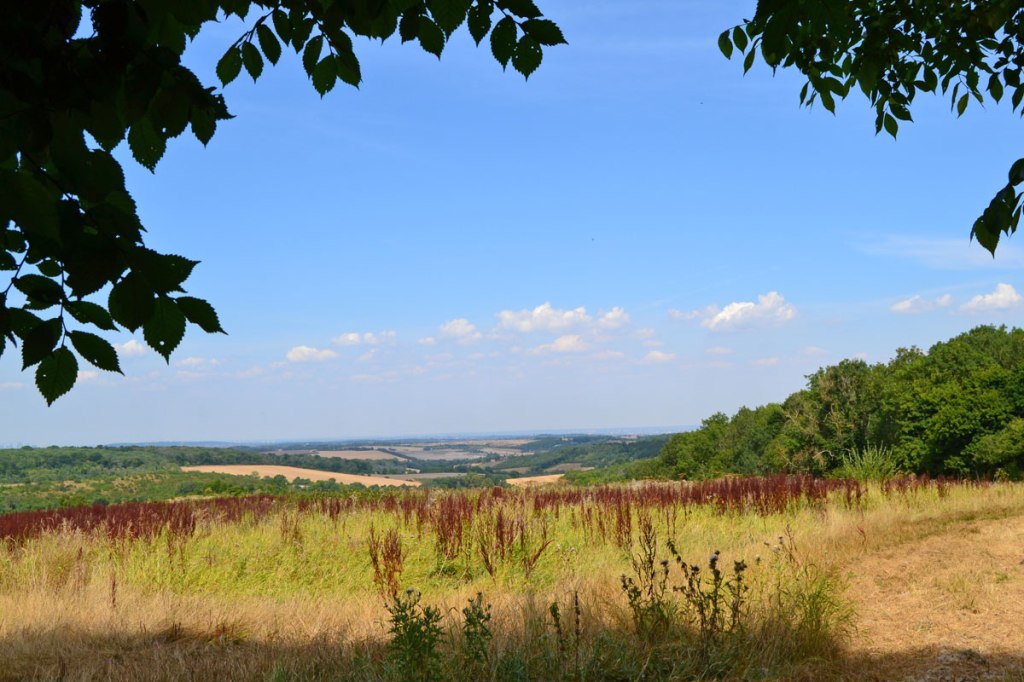
My walk at Fackenden Down today (pictured) was serene, colourful and wonderfully warm. But this isn’t autumn, surely. Lovely though it was, I would quite like to feel a fresher breeze, walk with the threat of a squall, squish through a puddle and ponder whether to wear wellies or trainers. That time will come I guess, I’ll enjoy summer’s lease while it lasts.

Wintry weekend in west Kent

Wintry weekend in west Kent

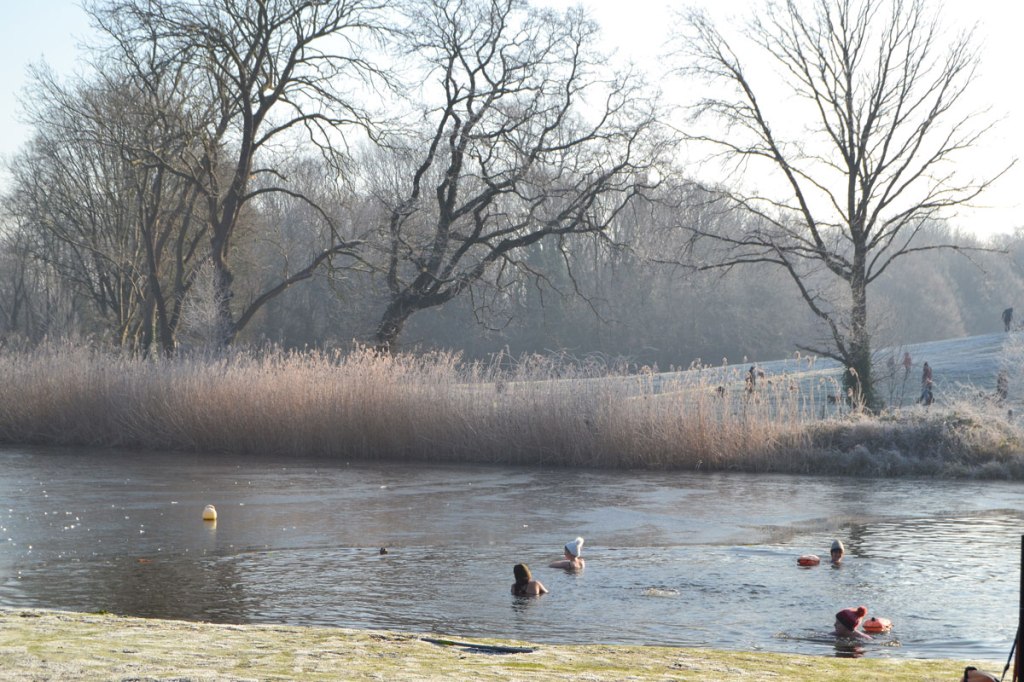
At last, sharp sunny days with frost. Walkers in the North Downs were rewarded at the weekend by a cobalt sky, heavy frost, colourful sunsets and perhaps the remnants of snow from the previous Wednesday night – it was hard to tell where the frost stopped and the snow started. I walked at Beckenham Place Park on Saturday morning before taking the Fackenden Down walk in the afternoon. As soon as we got a bit higher in the hills, the conditions became increasingly picturesque. Magpie Bottom, a hollow that faces north, was a picture, but unfortunately my camera battery had died and we resorted to phone camera images. The last time I saw similar conditions was in January 2022 but on that occasion the temperature must have been even lower because the frost remained glued to the trees even in mid afternoon whereas on Saturday there was some kind of thaw happening where the sun was felt. A sublime, memorable walk.

Please contact me at ammcculloch49@gmail.com with comments about the walks.

Pictured below: sunset from the top of Fackenden Down; moonshine at Fackendon Down; Adam (the author) and Bonny (Photo by S. Hart); looking east into Magpie Bottom; looking along the little valley north from Dunstall Farm; Dunstall Farm; ice on Beckenham Place Park’s lake; swimmers in the lake; looking east along the lake; the lake amid frosty reedbeds

It’s time for Fackenden Down

It’s time for Fackenden Down

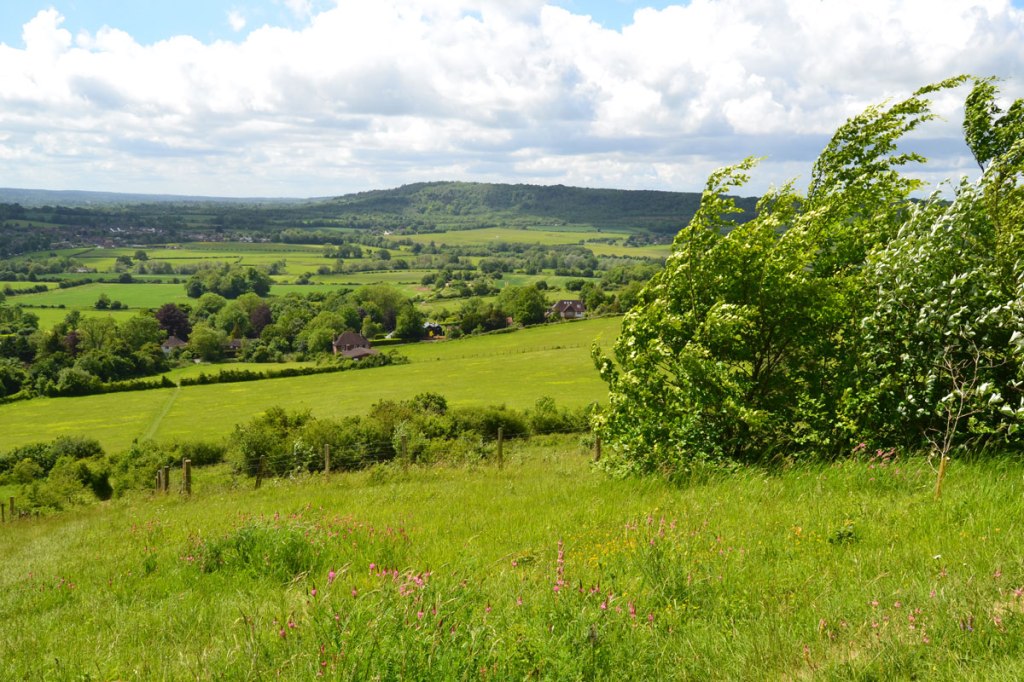
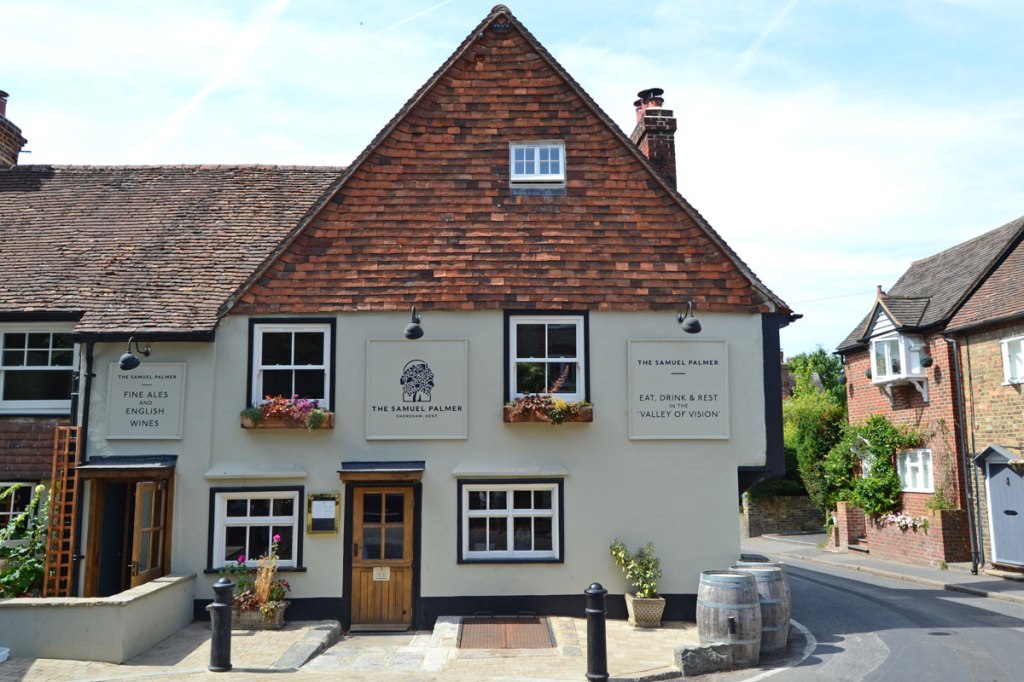
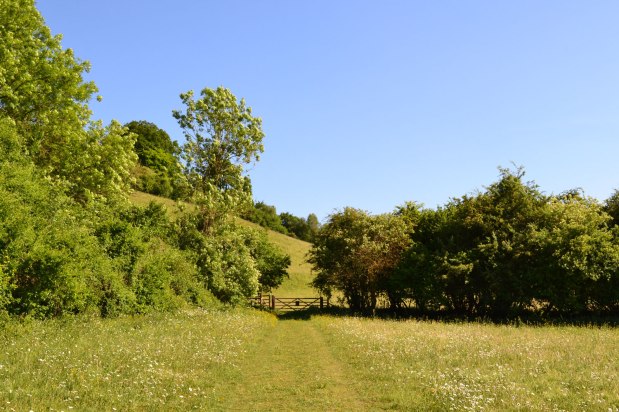
The Fackenden Down walk in late May on a breezy sunny day cannot be bettered. This is the walk on this site with most rewilding going on and plenty of Kent Wildlife Trust-maintained land. The results are a good variety of wildflowers, including several orchid species and sainfoin, lots of butterflies, burnet moths and birds such as buzzards (very common), whitethroat (from May to September) and yellowhammer (if you’re lucky). Some ancient species of livestock such as highland cattle are often used to graze the grasses in small numbers. My route is brilliant, if I do say so myself, and easily accessible by train. There’s a great pub at the end of the walk too – the Samuel Palmer.

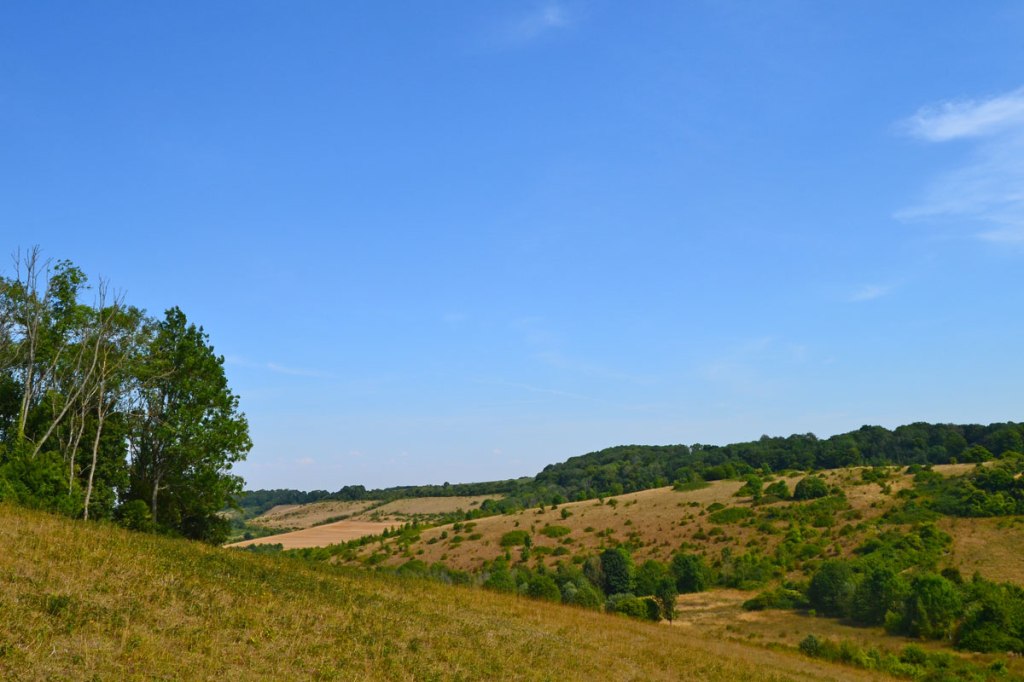
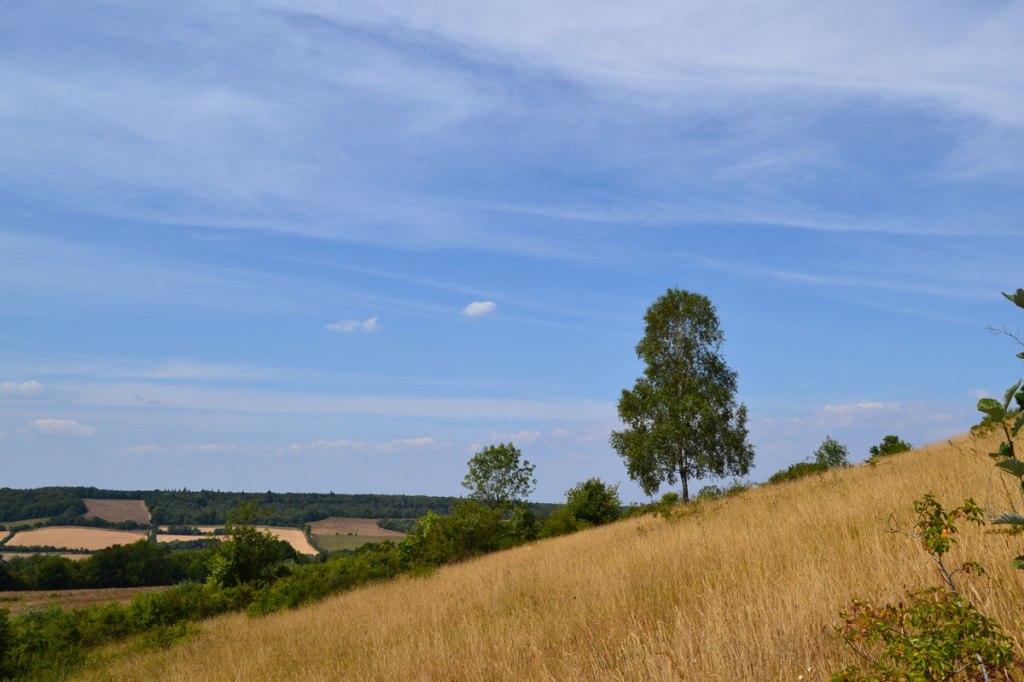
I love Magpie Bottom in particular, a sheltered secret feeling valley alive with flowers and great variety of tree foliage colours. Then there the views from Fackenden Down itself, the wild “garden“ along the foot of White Hill and the Down, the view of London and Essex from the high point at Romney Street … it’s terrific, and a good workout with a few steep sections. It comes in at around 12,500 steps.

The Kent Wildlife Trust is in need of volunteers to monitor its livestock. Also it’s looking for urgent donations to enable it to purchase more land at Polhill, across the valley from Fackenden, where it monitors and maintains similarly superb chalk hillside. I’ve diverted the donations to this site to the appeal, but please make sure you chip in.

A sultry stroll at Fackenden Down

A sultry stroll at Fackenden Down

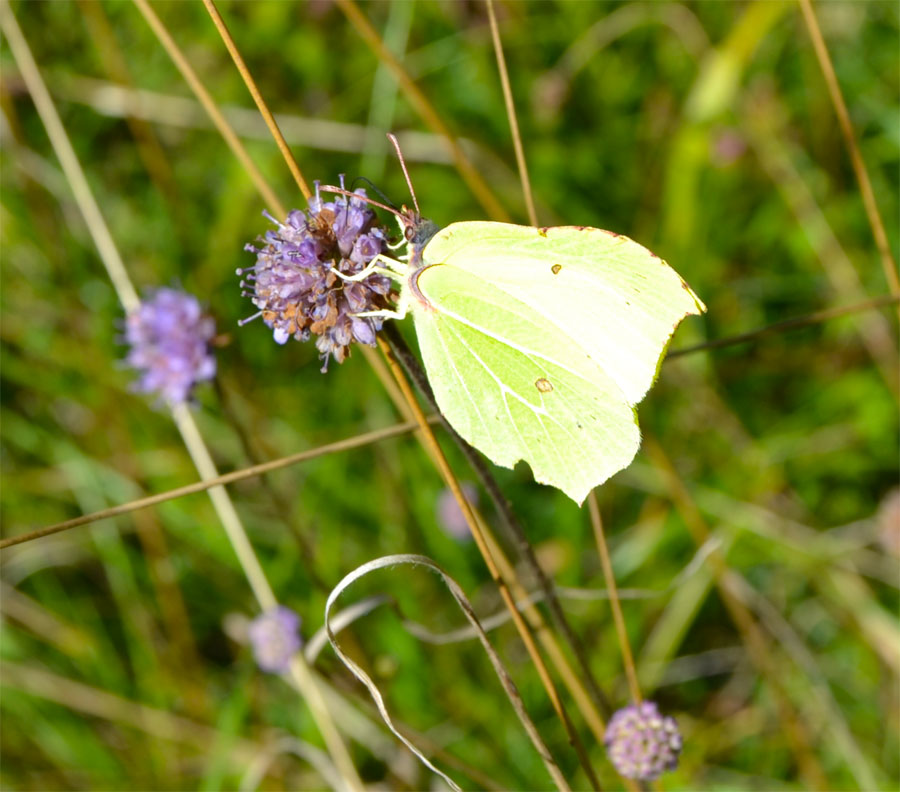
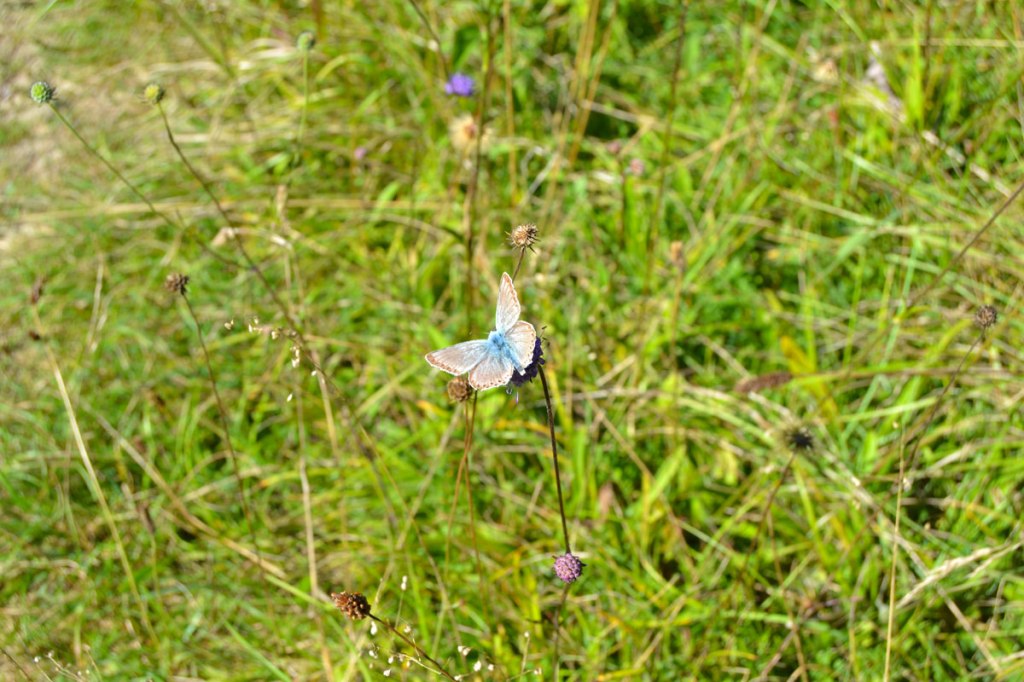
The hot sunny weather – this September has been pronounced already as one of the hottest on record in the UK – has been good news for butterflies. The Fackenden walk is particularly good for viewing them; the first few sections after the right turn on White Hill were awash with chalkhill blues, red admirals, large whites, meadow browns and gatekeepers this week. I was particularly intrigued by the numbers of brimstones flying during my sultry stroll there last Monday. These beauties are the offspring of the butterflies that emerged from hibernation in April and May. With so many scabious and devil’s-bit scabious still flowering along with the likes of fading marjoram, valerian, wild carrot and trefoil, there is plenty of foodstuff still around. That wonderful ‘garden’ running halfway up between White Hill and Fackenden Down is great for other creatures too: it’s clearly good habitat for reptiles and birds, though I’ve never personally seen much there, not even a whitethroat, blackcap or yellowhammer this summer – just a few goldfinches (a beautiful but common bird), red kite, buzzards and green woodpeckers after the many ants on these slopes. I did spot a rapidly disappearing common lizard though, after hearing a rustle in the leaf litter. Earlier in the walk, at Austin Spring I was delighted by a view of a hobby (a smallish, fast-flying falcon) hurtling straight towards me, presumably chasing dragonflies.

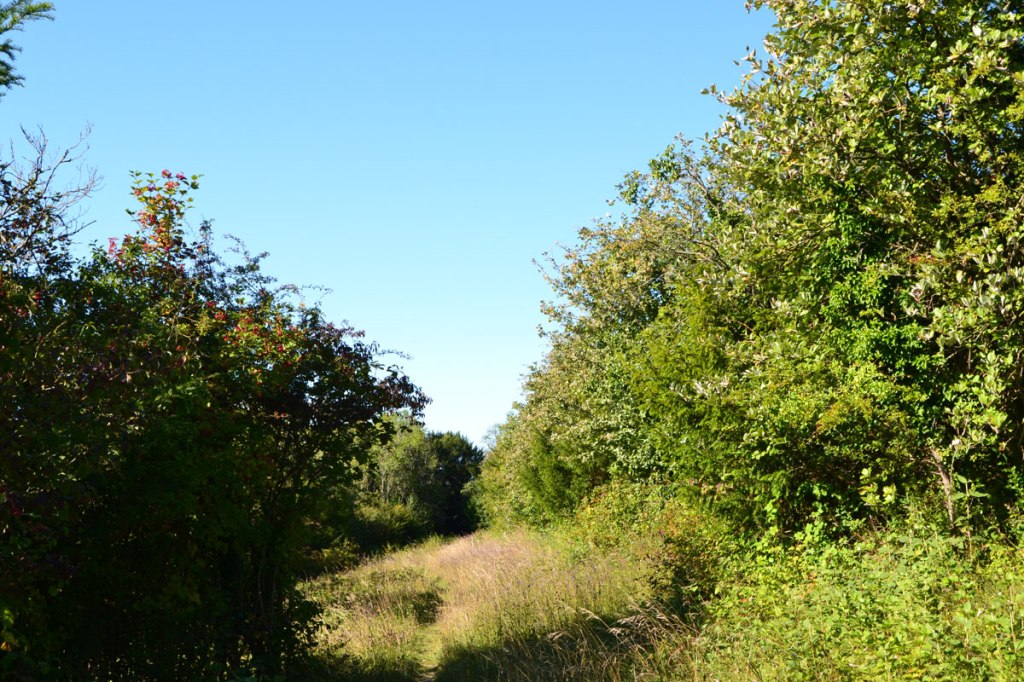
I’ve taken to doing the Fackenden route the ‘wrong’ way round these days: so I take the path on the left up White Hill that culminates in the steps, then across the Dunstall Farm fields to Austin Spring and Romney Street, Magpie Bottom (also great for flowers and insects) and eventually to Fackenden Down. Either way is great, I suppose I just want to save that ‘garden’ with its kaleidoscopic haze of grasses, scabious and insects until last. (Pictured: red admiral, brimstone, red admiral, the path linking White Hill and Fackenden Down looking north, a scabious flower and, below, a male chalkhill blue.)

Here’s something I’ve never seen before …

Here’s something I’ve never seen before …

Walking on the path through the scabious, ragwort, marjoram, yew trees and grasses on the chalky west-facing slopes of White Hill/Fackenden Down last Saturday I spotted a wasp spider – a creature I’d never seen personally. It’s a spectacular arachnid, one that has been increasing its numbers in the south-east over the past 15 years. I guess a powerful orb weaver like this will be snaffling up drowsy late summer insects in the coming weeks. The walk itself was as beautiful as ever but quite bereft of bird life, which isn’t unusual for late August just prior to the large migrations. Only a solitary buzzard and a charm of goldfinches being of note, though we weren’t being particularly observant. Oddly, not a single swallow was noted – unlike during the walk at Cudham the following day, where a red kite was also seen. My friend Teri took the spider photos.

A winter’s trail

A winter’s trail

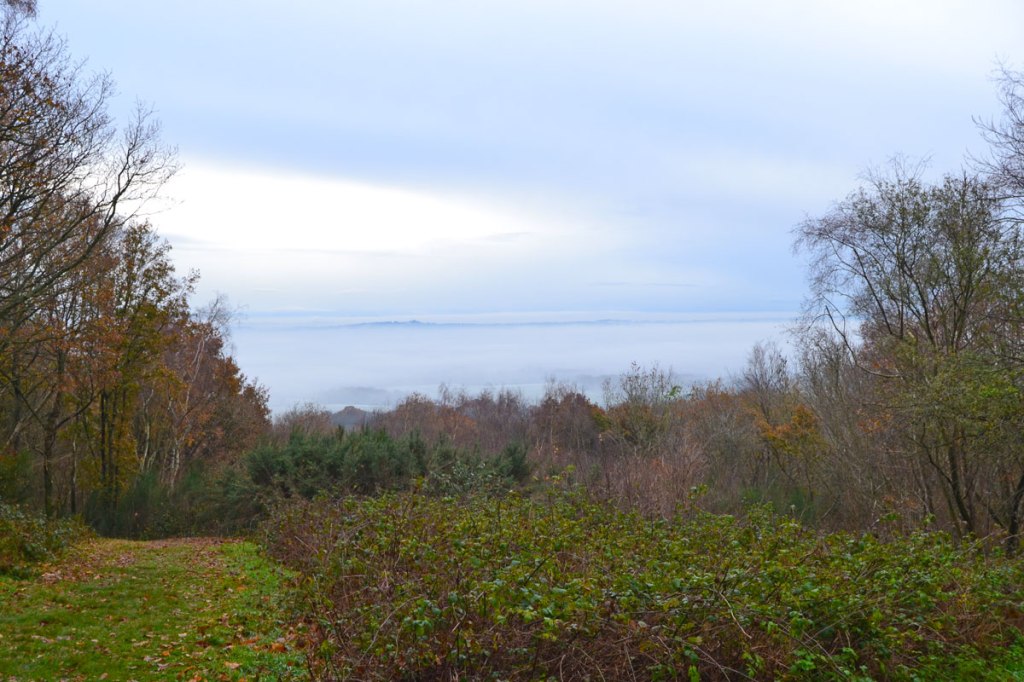
Two very cold but contrasting days at the weekend just gone. Bright sunshine and rich colour on Saturday, fog, frost and monochrome tones on Sunday after a largely clear night. We walked near Shoreham on the North Downs then, on Sunday, at Ide Hill near Sevenoaks on the Greensand Ridge. I tried to keep an eye open for birds and saw a yellowhammer flying away from along the line of hedgerows beneath Fackenden Down plus several fieldfare. At Ide Hill we saw a brambling among a mixed bunch of chaffinches and great and blue tits (there may have been a female bullfinch among them too) on the eastern edge of Emmett’s Garden and later some greenfinches popped out of a hedgerow. At Ide Hill, as we had hoped, we were ‘above the cloud’ with a layer of fog obscuring the low weald below and little pinnacles of ridges further south poking up through the murk. The best frost was seen en route around the woods and heaths of Hayes and Keston Common – very beautiful. And then came the snow …

Anyone with time free over the next couple of days should try to get out on the walks to experience the snow at places like Knole and on the hill tops at Fackenden and Polhill. It can be spectacular. (See photos from 2021.)

If you haven’t seen it, please check out my piece for The Guardian on a Darent Valley walk ending at the Samuel Palmer, one of Guardian Saturday’s pub walk series. And on 31 December the paper is running a piece I wrote about birding while walking – describing walks at Underriver and on Handa Island in NW Scotland.

Pictured: elderberry, rosehips and views in the winter sun on Fackenden Down; fog and murk on the Low Weald from Ide Hill

A sultry sortie to Fackenden Down

A sultry sortie to Fackenden Down

As an experiment I ventured out for the 5-mile Fackenden Down walk at 11.30am on Sunday to see just how unpleasant things could get while hiking in the hottest part of the day, with temperatures well over 30C. The answer was, not very unpleasant at all. I had a hat, plenty of water, and took it fairly slowly. The walk starts in cool beech woods but then, up on that eastern ridge of the Darent valley, a hesitant but welcome breeze from the south-east just about took the edge off the muggy swelt. I can honestly say I’ve felt much hotter just sitting around in the concrete dustbowl that is now south-east London; the fairly strenuous walk was not more taxing than normal, though I took the steps slowly.

  • View from Romney Street
  • Samuel Palmer pub
  • Kent walk
  • View across dry valley at Austin Spring
  • Parched grass, Dunstall Farm
  • View across the slope of Fackenden Down into the Darent Valley
  • Meadow Brown butterfly on scabious
  • Knapweed and wild carrot
  • Magpie Bottom in the August heat
  • steps in the woods
  • Thameslink train at Shoreham station

I accompanied part of my walk with Lyle Mays‘s bluesy but harmonically rich Lincoln Reviews on my headphones – the perfect tune for a drowsy, sultry day surrounded by beautiful, still countryside. Mays was an incredible pianist who performed in the Pat Metheny Group for many decades.

The walk was also accompanied aurally by the calls of buzzards and the rustlings of lizards and small mammals dashing off into the leaf litter by the side of the path ahead of me. As usual I did the walk in reverse so descended Fackenden Down rather than climb it. The bit along the side of the hill (Points 1 to 3 on the Google map) were alive with butterflies and bees enjoying the scabious and knapweed among other wildflowers. I capped the walk off with a visit to the new Samuel Palmer pub, which has replaced Ye Olde George opposite the church. What a superb renovation job has been done there and there were loads of staff to serve the many visitors. Quite the transformation, and it was great to see so many Palmer reproductions on the walls – it’s like an art gallery. But not fancying a pint or a soft drink I popped into the church, which was serving cream teas with a friendly welcome and a cool place to sit down. That might seem strange but that’s how I rolled on Sunday.

Joining up the Shoreham walks for an epic

Joining up the Shoreham walks for an epic

Windy, cold, grey, damp. Yep, this May is a shocker. We needed the rain yada yada (or yabba yabba, take your pick). I won’t go on leisure cycles in this kind of weather, but walking is still a possibility if the wind drops. I know, it’s hard to believe I’m talking like this – it’s May in south east England! My walking activities do mean I have some accurate memories of weather and there were a couple of days not dissimilar to this last May. But only a couple. Anyway, for once I had time last weekend to devise an epic by joining up group of routes. Some old friends were joining me from west London; so we wanted to stretch our legs and truly earn that pint at the end. So we took on the Shoreham eastern valleys walk joined it up with a section of the Fackenden Down route then slipped into Shoreham circular mk2 before segueing smoothly into half of Shoreham mk1, taking in the Meenfield wood bluebells.

Meenfield wood bluebells

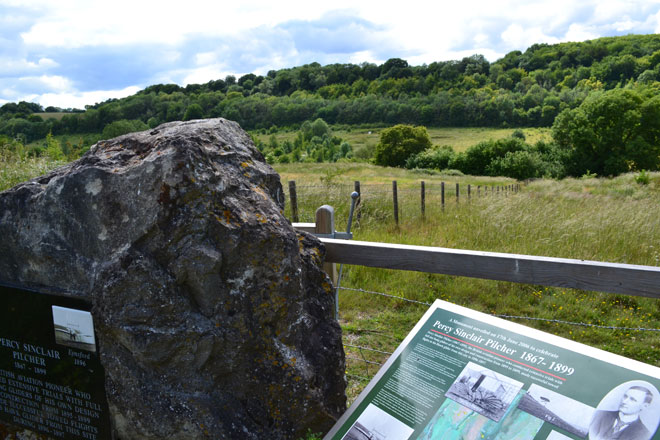
On the map it looked to be 8.5 to 9 miles but we reckoned it was about 11.5 miles with our inability to walk straight and a diversion to see the Percy Pilcher memorial. Back in the village the choice was between the Crown, the King’s Head or the Mount Vineyard for the aprés. We settled on the vineyard for its proximity to the station, though both the pubs were passed with regret. In the manner of a walk in the Highlands or west Wales we encountered a number of different weather conditions – beginning with a colourful combination of shades of grey at different levels punctuated by shards of blue sky and varying degrees of sun.

Percy Pilcher memorial

What with the multitude of greens and yellow tones in the woods and fields the effect was dazzling at times. But as we left Magpie Bottom a period of nimbo stratus with heavy rain fell upon us and we emerged at the top of Fackenden Down with that great view shrouded in mist and ragged low cloud. But by the time we’d left the hillside after sheltering we were in bright sunshine and what felt like a 10C rise in temperature. Finally, at the vineyard, we caught the edge of a thunderstorm somewhere around London bringing further rain. In the sunny bits buzzards soared, yellowhammers posed on the tops of hedgerows – with blackcaps, robins and whitethroats chirping away within – and Spitfires from Biggin Hill growled overhead. All part of the Kent wonderland.

Reverse the route

Reverse the route

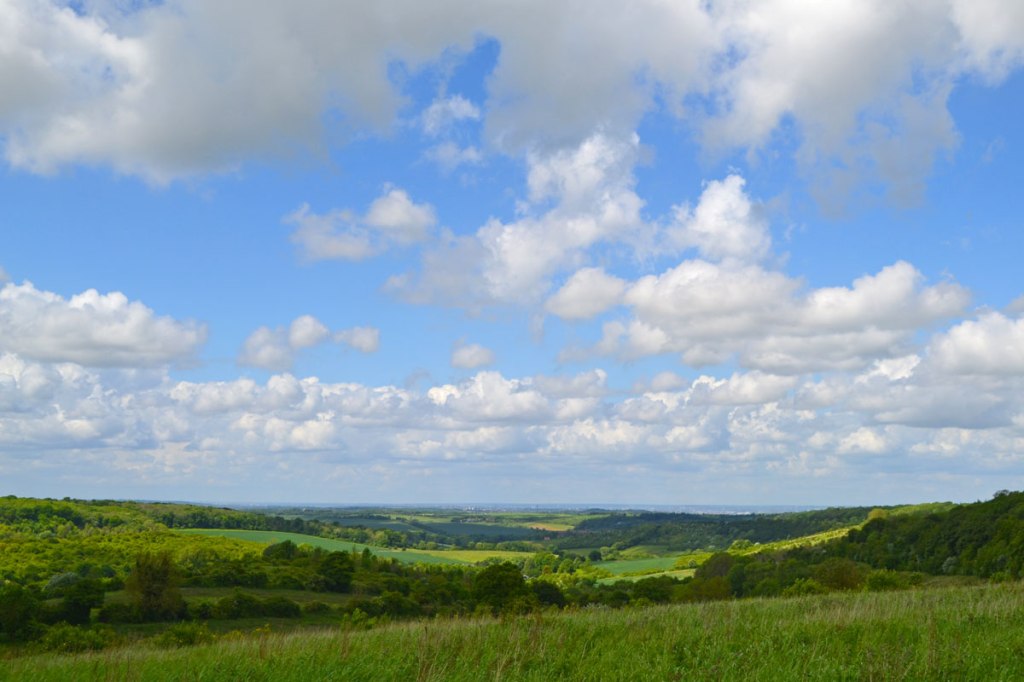
Doing the walks in reverse is almost as good as trying a new walk. Of course, you have to be familiar with the route the ‘right way round’ first because having to read instructions from the bottom up isn’t easy and would suck the joy from the experience. The Fackenden Down stroll (pictured above in May last year – spot the difference in conditions!), soon to be coming into its own what with orchids and various other wildflowers such as sainfoin, changes character considerably when walked clockwise; although you’ll have to look over your shoulder for that distant view of London from Romney Street the wonderful vista taking in the head of the Darent Valley and North Downs escarpment awaits you once you hit the down itself. I’ve taken to doing Hever the ‘wrong way round’ too. But some of the others it wouldn’t occur to me to try, which is a bit odd. Nonetheless, it’s a great way of breathing new life into familiar routes and the cause of some aimless fun banter in my family as to which way round walks should be done.

Hawthorn is now coming into flower, as pictured on the Downe walk

Bit of a parish notice here, but one worth mentioning: when parking for walks in the countryside, make sure there’s nothing of any value visible in the car. Recently there have been reports of car break-ins around Shoreham and I know Toy’s Hill car park has been the site of a few smashed car windows.

My KWNL bird list has come on a bit lately – a wheatear spotted at Emmett Gardens and a pair of whitethroats on the Polhill/Pluto walk among the highlights plus a brambling and tree creepers on the Ide Hill walk. But still no kingfisher or house/sand martin. It’s a distinctly non-birder’s list… just birds I come across while walking, usually without binoculars – real twitchers see these species before breakfast most days.

Check out Dave’s bird page for more on spring birds to look out for