The autumn rush and a Tudor epic

The autumn rush and a Tudor epic

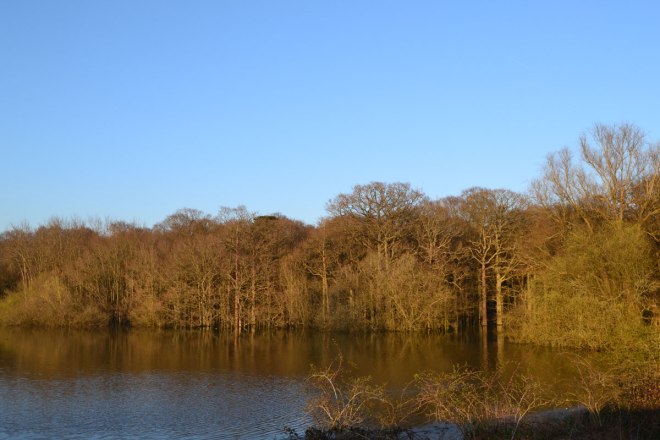
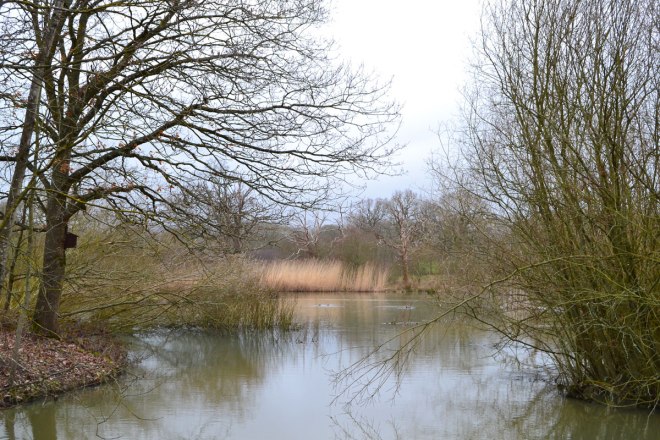
Despite recent heavyish bursts of rain the walks here are still relatively mud-free. With friends I wielded together two Kent Weald walks on Saturday, the Chiddingstone and Hever circulars, making a pleasing figure-of-8 route of about 11 miles throughout the heart of Tudor Boleyn country. We stopped at two pubs, the Leicester Arms in Penshurst, a really lovely place I hadn’t been to for ages, and the good ol’ Castle Inn in Chiddingstone. The original plan was to include the excellent Henry VIII too, at Hever, but we needed to make up time for a rendezvous in Penshurst. But we did manage to pop in to St Peters church for a look at the wonderful medieval effigy of Margaret Cheyne. Larkins beer was served at both pubs and we tucked into a superb chilli con carne at the Castle Inn. Autumn colours were exceptional and the paths still very solid, with a few decent puddles dotted around. Rain slashed down towards the end of the walk but there were still plenty of leaves still attached to branches to help keep us dry. There were a few buzzards and red kites around but we didn’t see any redwings which we had hoped had arrived from the near continent by now. And yes, I still can’t believe Penshurst Place hasn’t set up a footpath along its southern edge to meet the Eden Valley Path and so avoid hikers having to walk up/down that terrible road.

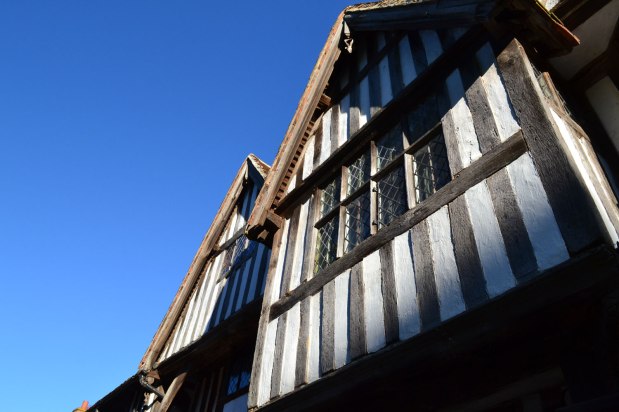
Hever church (St Peters)

Things will get muddier fairly quickly once we get to the end of the month so it will be wellies before long, or stout waterproof hiking shoes.

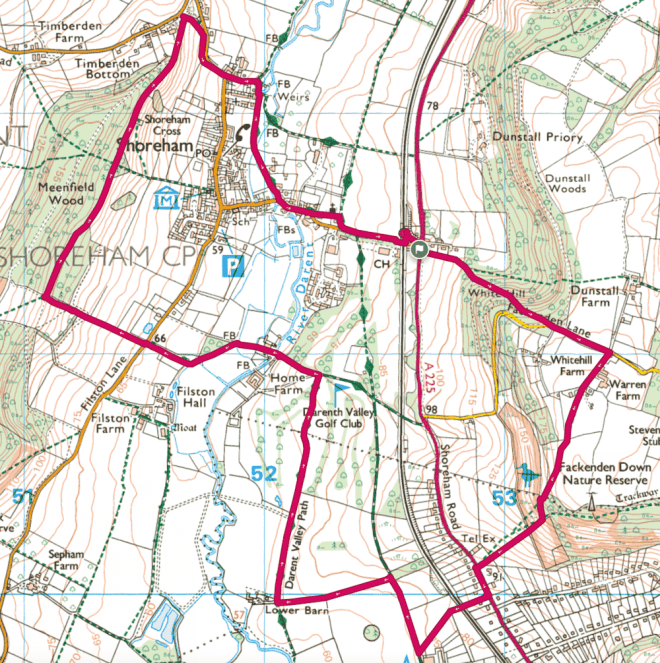
Here is the GPX map of the Hever/Chiddingstone/Penshurst figure of 8 – I’ll give it its own page soon.

GPX maps

I’ve updated all the URLs of the OS GPX maps listed for the walks for easier access (somehow the OS had sort of rerouted them or altered the hyperlinks). They should all work much better now.

A very summery type of autumn

A very summery type of autumn

High pressure is dominating the weather and the near-drought continues. There is no mud on any of the walks, which once would have been unheard of for mid-October. For the past week it’s felt as if summer’s lease has no intention of expiring anytime soon. Amid mild temperatures and cerulean skies we enjoy the spectacles of the season as the greens of September become more mottled and varied as they meld into the yellows, oranges and reds of November. Rosehips, elderberry and sloes decorate the hedgerows and fungi mystically appear in woodland and grassy fringes. I’m not one for foraging; I much prefer to look and leave well alone (apart from blackberries).

Birdlife still seems somnambulant: I’ve been hoping for migrations but in this still weather nothing much seems to stir. A week ago, in the wake of Storm Amy, hundreds of house martins passed overhead heading east with the wind, as a full moon rose in a purple sky. But this was in Lower Sydenham not on the Kent walks. My only notable sightings have been a kingfisher on River Eden on the Chiddingstone walk; red kites over Lullingstone and Downe; grey plover and lapwings on the ever-expanding shoreline at Bough Beech reservoir (I’ve never seen the water so low); and buzzards at Polhill.

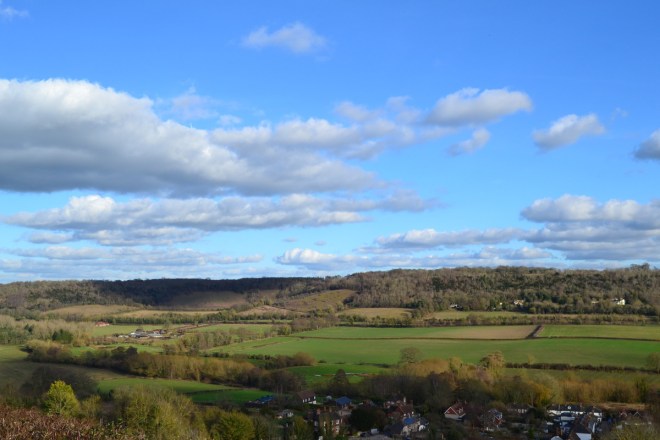
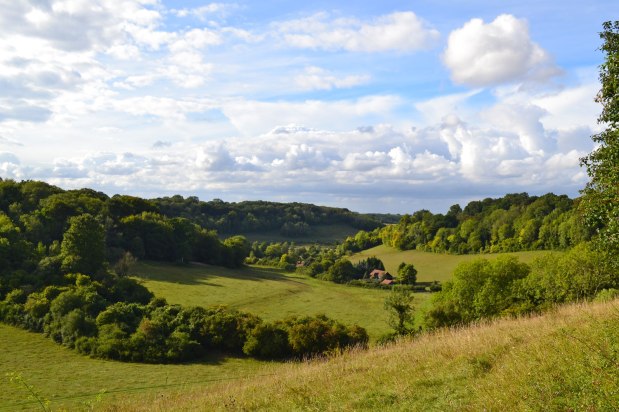
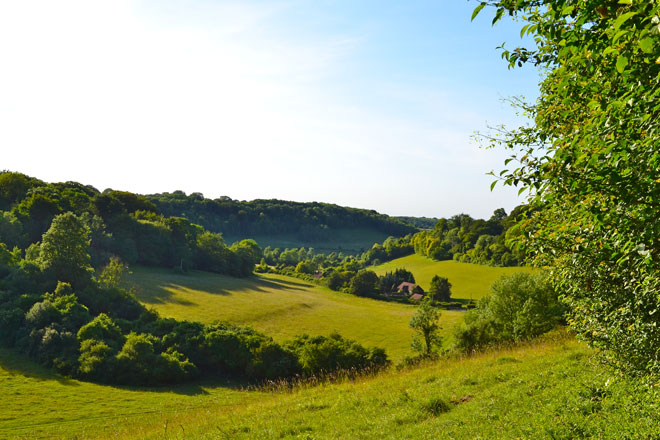
My walk at Fackenden Down today (pictured) was serene, colourful and wonderfully warm. But this isn’t autumn, surely. Lovely though it was, I would quite like to feel a fresher breeze, walk with the threat of a squall, squish through a puddle and ponder whether to wear wellies or trainers. That time will come I guess, I’ll enjoy summer’s lease while it lasts.

Secret valleys on these NW Kent walks

Secret valleys on these NW Kent walks

Kent Walks Near London can offer several lovely, lonely little valleys with their own microclimates, special flora, shelter and that precious sense of seclusion. Here are four of the best on the walks here.

1 The Darent… but not as you know it

Tower Hill, Westerham viewed from the ‘secret‘ valley of the infant Darent stream

On the Hosey and Westerham walks I love the little south-north valley that winds its way from the sandstone ridge at Mariner’s Hill down to Westerham. It’s actually the valley of the River Darent just after it rises from a spring just behind the Greensand Ridge. I was delighted to realise this was where the Darent started, the stream is more associated with the chalk of the proper Darent Valley of Samuel Palmer fame – Shoreham, Otford and so on – not this obscure place near Chartwell.

Harebells
Harebells in the shadow of Tower Hill, Hosey walk

The river is bounded by beech and conifer (with Tower Hill a dark bump just to the east) and initially runs through a delightful meadow of wild grasses, unseen from the path. It suddenly broadens into large shallow pools as it heads to Westerham before turning east and making its way to its ‘proper’ valley. Autumn colours here are wonderful.

2 Magpie Bottom – great name, great valley

Magpie Bottom viewed from Austin Spring on the Fackenden walk
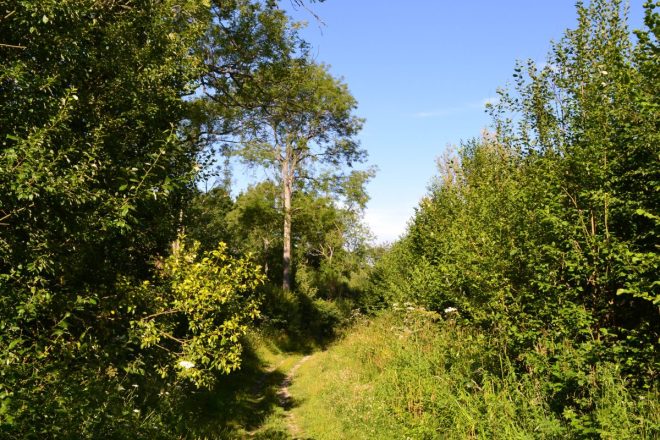
This stunning little rift in the landscape features on the Fackenden Down, Otford/Romney Street/Shoreham and the Eastern Valleys walk in different guises. It is so secluded that only walkers know of it. And the few residents of the curious hamlet I think called Upper Austin Lodge on the OS map.

Magpie Bottom is a classic steep-sided chalk dry valley (similar to but more dramatic than the ones on the Downe, Polhill and Cudham walks) running north to south from behind the escarpment. These are caused by glacial meltwater long departed. The valley’s head at Great Wood and Eastdown just behind the chalk escarpment of the North Downs to Rose Cottage farm is a series of wonderful spots unreachable by car, but really it’s gorgeous all the way down past Romney Street, Round Hill, Upper Austin Lodge and Eynsford where it meets the Darent Valley. Possibly my favourite place on all the walks, and all the better for no longer having a golf course in it!

3 A verdant vale on the way to Ightham Mote

Hidden valley behind Wilmots Hill, Ightam Mote
Broadhoath woods in the hidden valley behind Wilmots Hill, near Ightham Mote

My final Kent canyon (it’s not a canyon) features on the longer version of the Oldbury/Ightham Moat route and is mentioned as a route alternative on the One Tree Hill figure of eight walk (see the blue line on the Google map at the KWNL page). So on the One Tree Hill routes it’s a diversion, a short cut that you’ll have to check your maps to include. But on the longer Oldbury walk it’s part of the deal. What shall we call it? It’s round the back of Ightham Mote and passes through a wood called Broadhoath behind Wilmot Hill (which has some of the greatest views in Kent). It has a lively little stream that rises just behind the Greensand Ridge, a terrific pond with viewing platform and interesting flora as it descends west to east to Ightham Mote itself, passing a shed built to house early 20th century hop pickers (you’d think hop pickers were in fact horses judging by the design of the housing – the landowners obviously weren’t too bothered by other people’s comfort levels). Like the other little valleys it’s good for birds: marsh tit and bullfinch have been seen here. It’s another totally secret dip, accessible only to walkers, that’s like an entry to another realm; a world away, but its paths are only 55 minutes from Sydenham.

Not too hot to trot in Kent

Not too hot to trot in Kent

When the temperature hits 30C a lot of us prefer to sit in the shade, sip a drink, maybe head to the park cafe, try to keep cool. But Kent Walkers Near London are rather like mad dogs and Englishmen – they go out in the midday sun and hit the trails of the North Downs and Greensand Ridge and anything in between. My cut off is closer to 35C when it comes to walking – I once did a few miles in Joshua Tree national park in the Mojave desert (not a Kent walk near London) at about 38C. It was great! No problemo. Just bring water and don’t get too lost and you’ll be fine! In fact doing the Kent walks are a better way of keeping cool than hanging in SE London – there’s usually a breeze on the downs and trees for shade. Plus they’ll be butterflies and wildflowers to enjoy. And unlike Joshua Tree there’s a decent pub never much more than a mile away. In terms of distance, as long as you’re feeling good there’s no problem with doing a walk up to 6 miles in high temperatures. One little tip though: if you do the Eastern Valleys route (quite taxing on a hot day as the valley kind of magnifies the heat) take secateurs as one of the paths gets overgrown a bit at this time of year and you don’t want want those pristine bare legs to be ripped to shreds! Enough. Enjoy!!

  • Magpie Bottom in the August heat
The orchids of Oldbury, Kent

The orchids of Oldbury, Kent

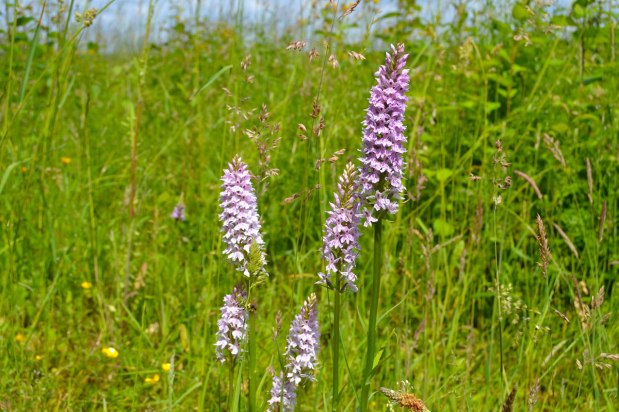
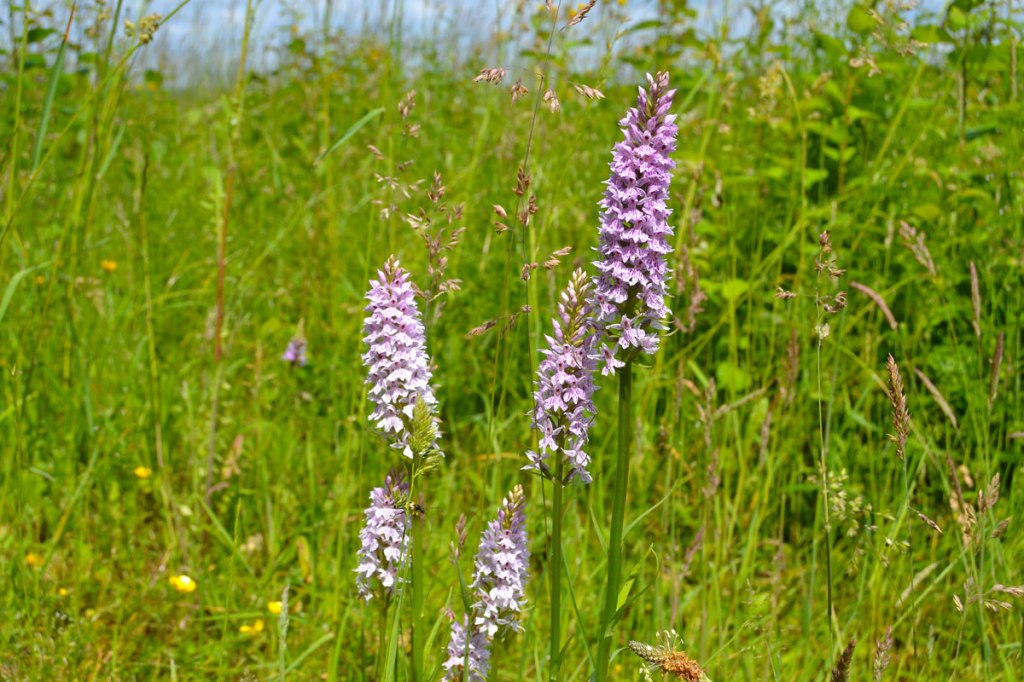
Orchids are in full flower across almost all the Kent Walks Near London. They particularly like the chalky North Downs routes, such as Heaverham, Chevening, Fackenden Down, Polhill, Lullingstone, Eastern Valleys etc (see list of walks above) but I’ve found great clusters at Hever and meadow fringes at Oldbury too, on the sandstone/clay of the weald and Holmesdale Vale. We unexpectedly came across the pictured common spotted orchids (the UK’s most often seen variety) on the Oldbury walk this week. This is one of the routes I’ve walked the least often; in fact I can count the times I’ve hiked the long and short versions on the fingers of one hand. I don’t know why, they are both brilliant strolls. The shorter version is mainly through woods and is one of the quietest walks on this website (apart from the bit near the A25). It takes in an enormous Iron Age fort, meadows facing the North Downs escarpment and a sandy trail past beautiful old fish ponds in rich woodland. I really recommend it – it’s got a special atmosphere, some might say even a bit spooky.

See the best places to see orchids on these routes.

Bluebells 2025 – the winner!

Bluebells 2025 – the winner!

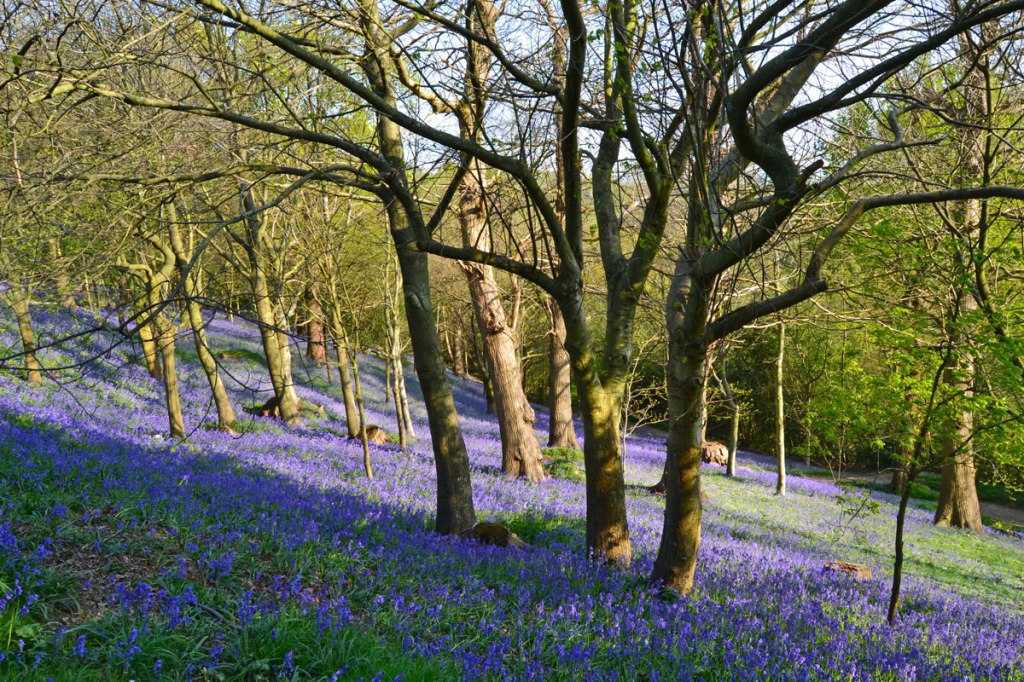
The season is now over. It was as beautiful as ever at its peak, but this year the dry weather and maybe the cold wind, were not conducive to the bloom’s longevity. Last weekend at Ide Hill and Emmetts Garden the bluebells were gorgeous but already well on the wane. In fact at Ide Hill, brambles have taken over some of the areas where once bluebells thrived. Some of my favourites this year were at the top of Wilmot’s Hill near Ightham Mote; but what has struck me in recent weeks is how pretty bluebells are when mingled with other flowers – notably cuckoo flowers, red campion and stitchwort – at the foot of hedgerows. The Bough Beech walk has some of my favourite examples, Underriver too. Oh yes, and below Polhill Bank on the path to Sepham Farm, where you are likely to be serenaded by yellowhammers (that’s a bird by the way, not a construction tool).

So, to the winner and runners-up of the annual Kent Walks Near London bluebell competition:

  1. New Year’s Wood, Cudham chalk paths walk
  2. Hedgerow bluebells, Bough Beech walk
  3. Top of Wilmot’s Hill, One Tree Hill figure of eight walk

Last year’s winner, the Blueberry Lane meadow, at Knockholt was obviously utterly stunning but the rules state that the same location can’t win the following year. I actually visited New Year’s Wood very early in the bluebell season, before they’d quite found their colour, but the seas of young flowers in the late afternoon sunlight were truly beguiling in that quiet, mysterious wood.

Please contact me with any omissions in my not particularly extensive bluebell research. The season only lasts a couple of weeks so it’s not always possible to get around all the walks to view them – I didn’t go to High Elms, Oldbury, Petts Wood, Meenfield Wood (recently scarred by timber work) or Lullingstone over the past month so no idea how good they were.

Bluebells in north-west Kent: where’s best?

Bluebells in north-west Kent: where’s best?

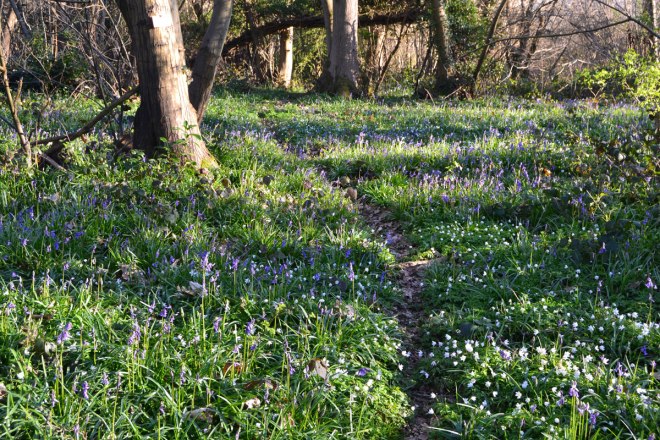
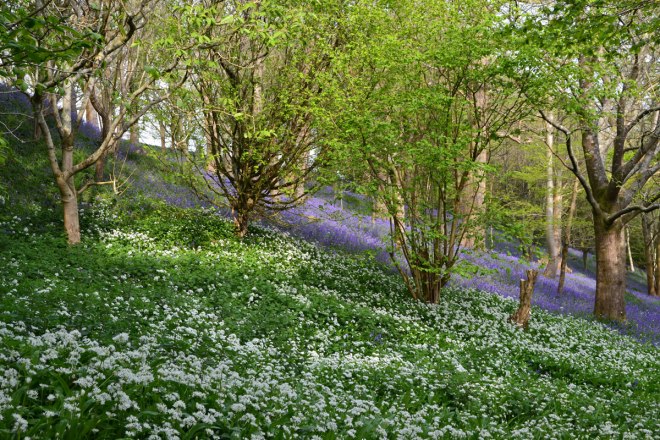
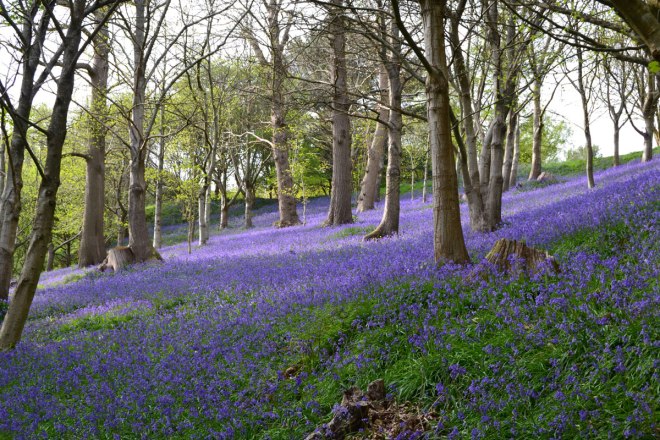
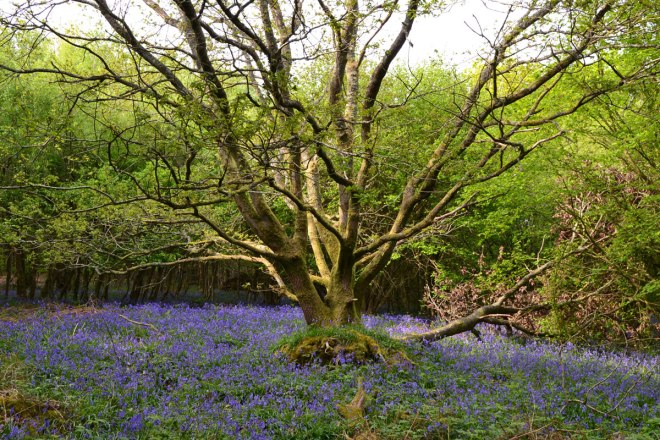
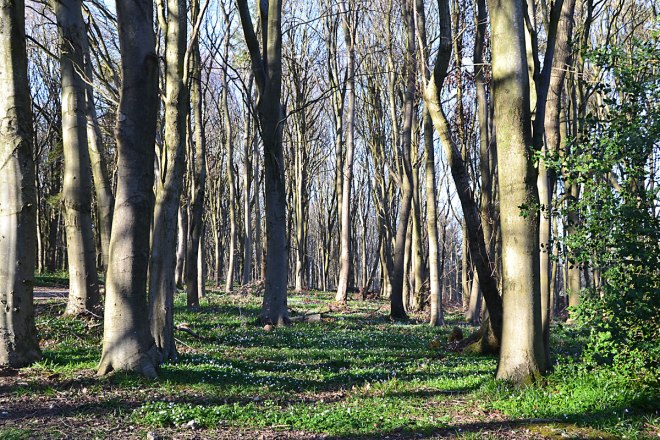
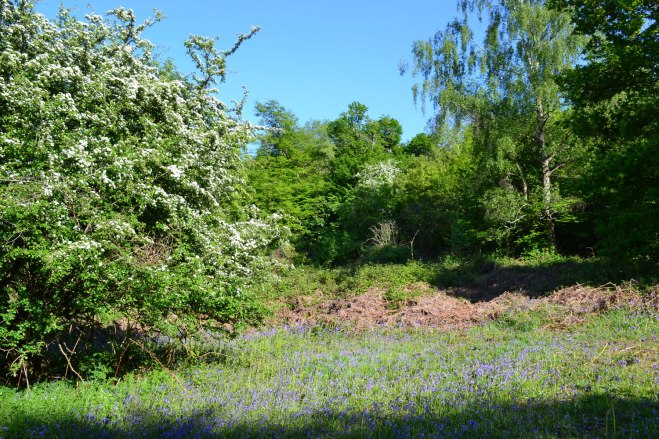
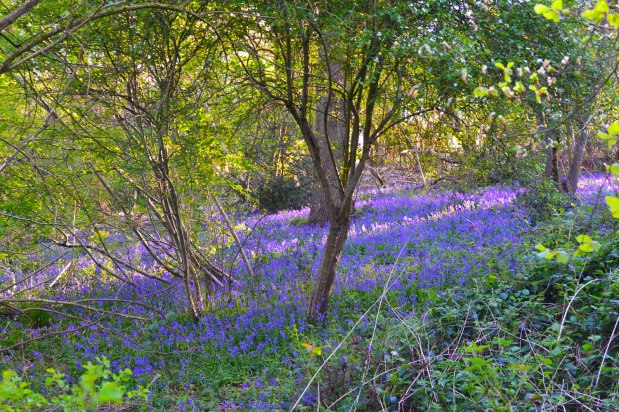
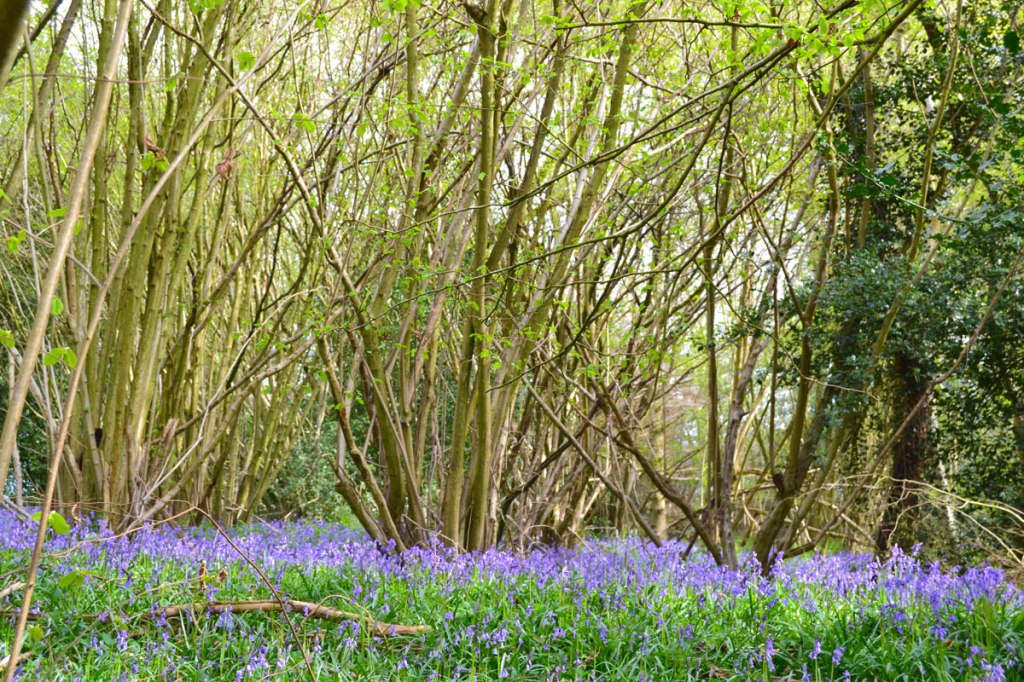
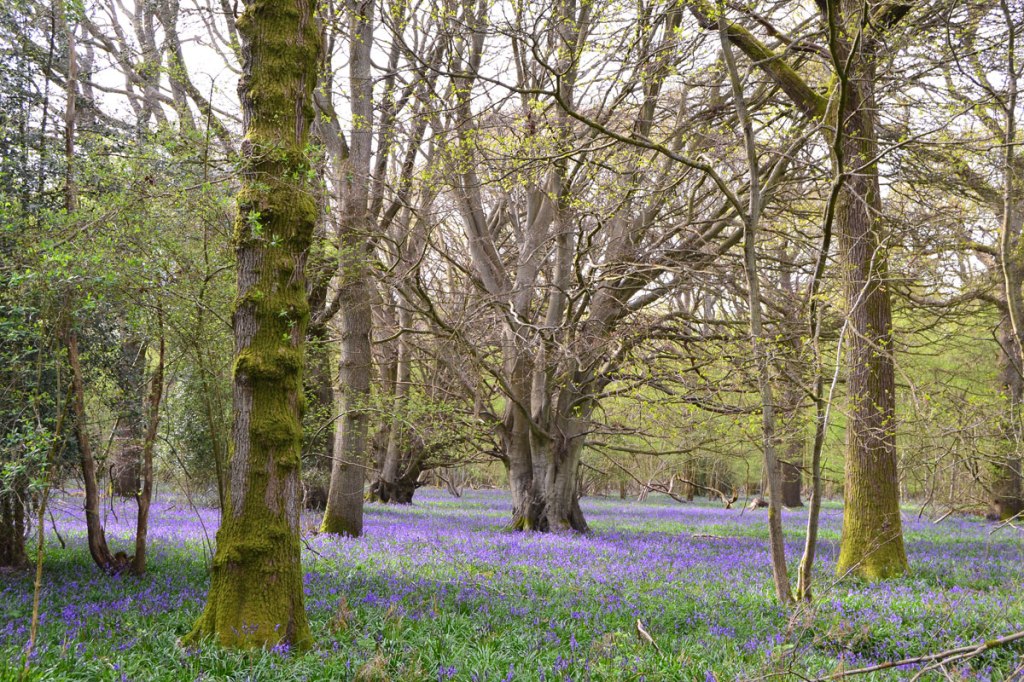
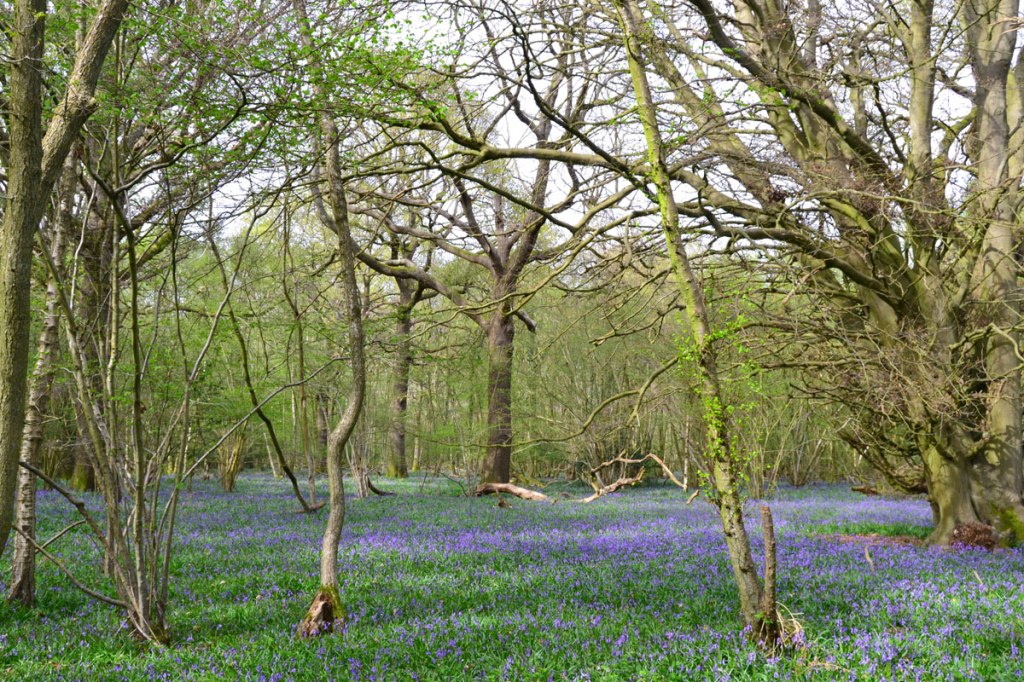
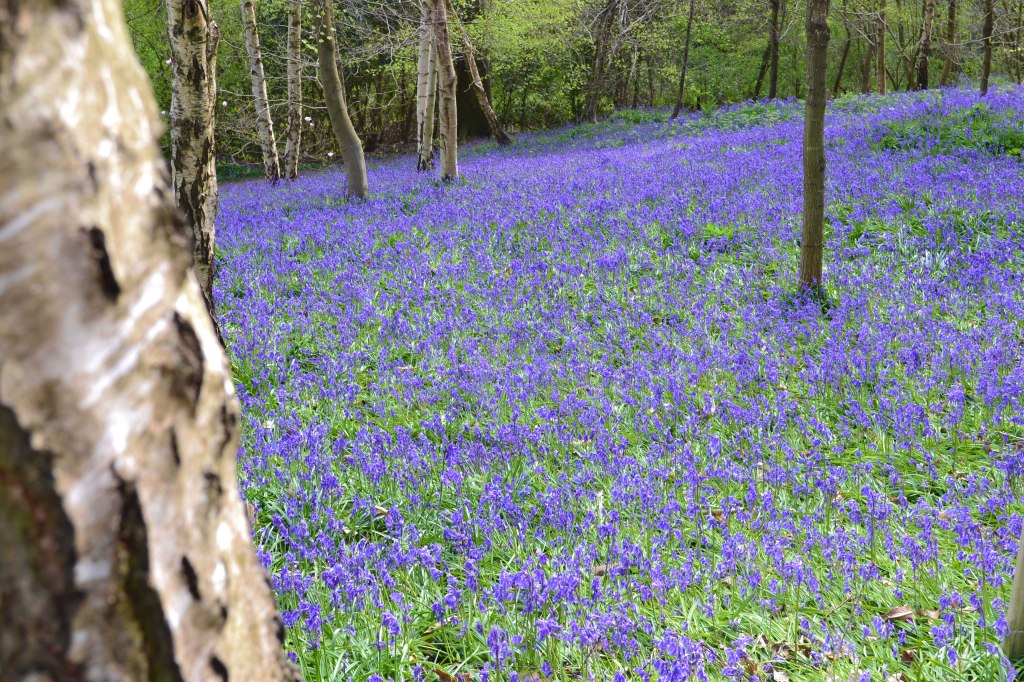
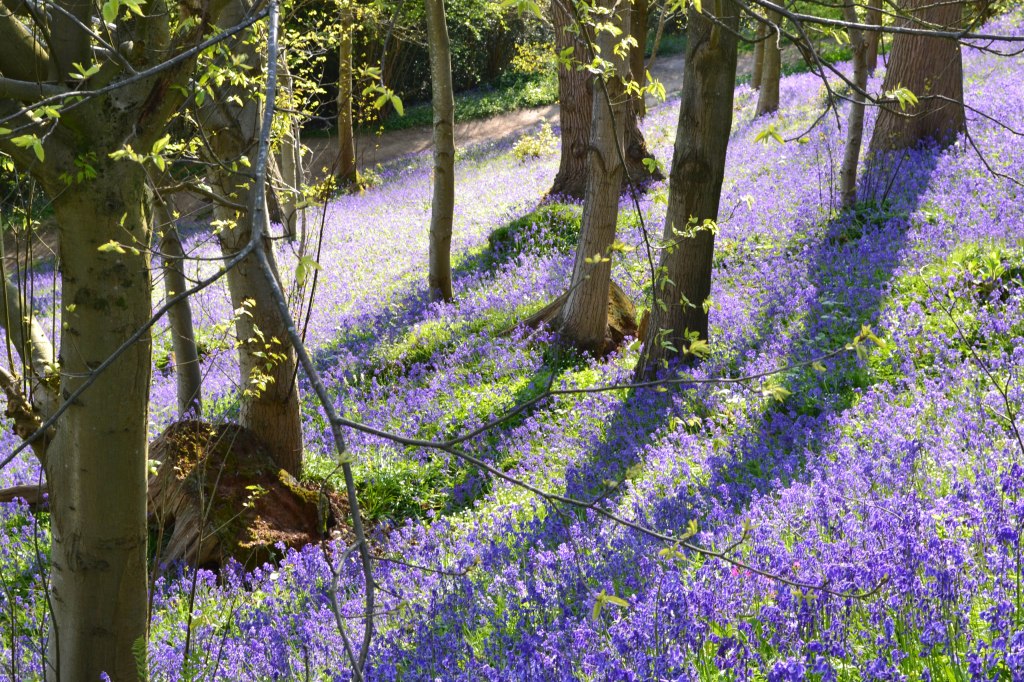
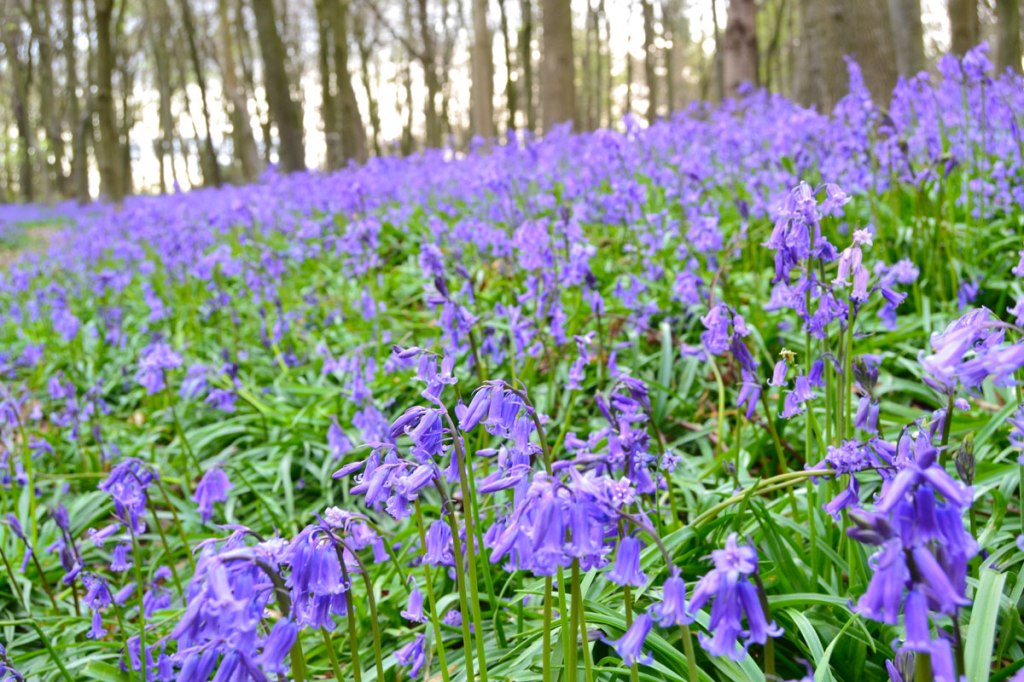
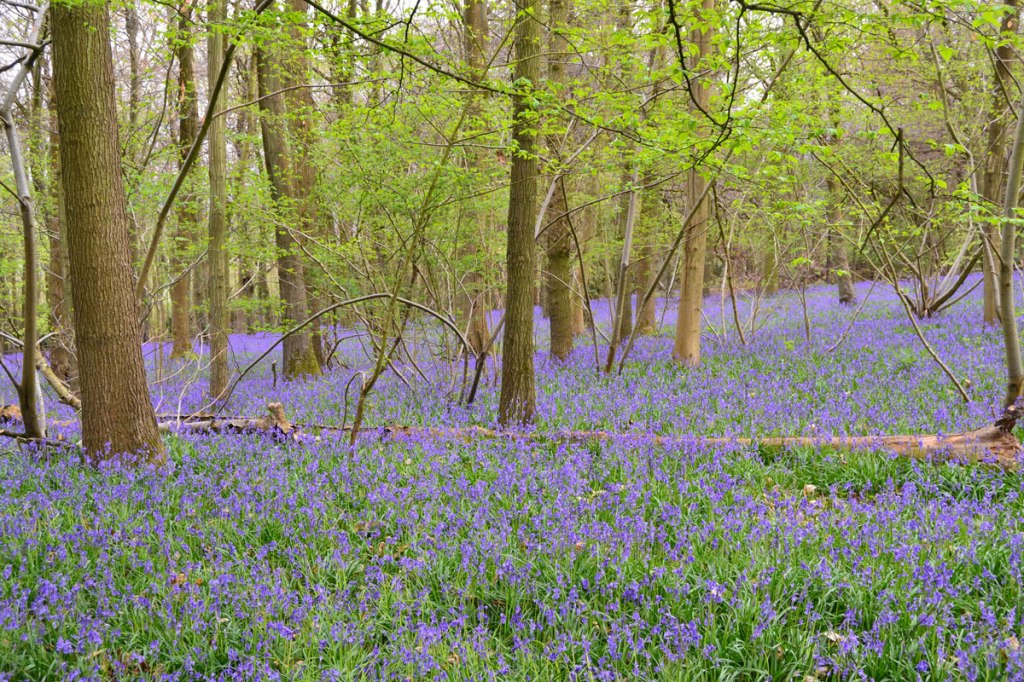
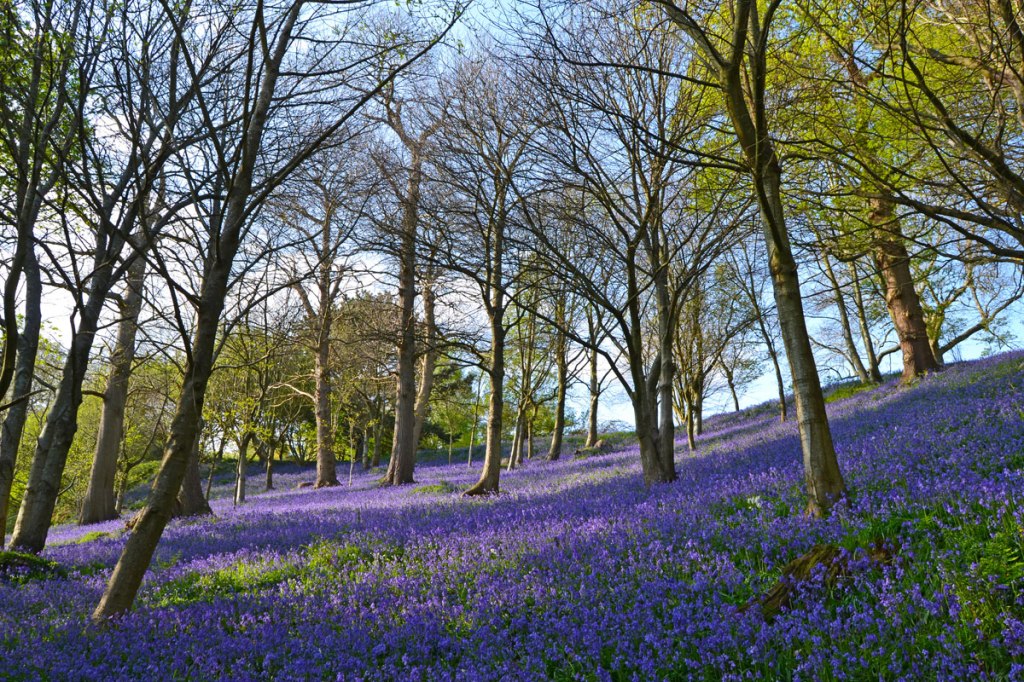
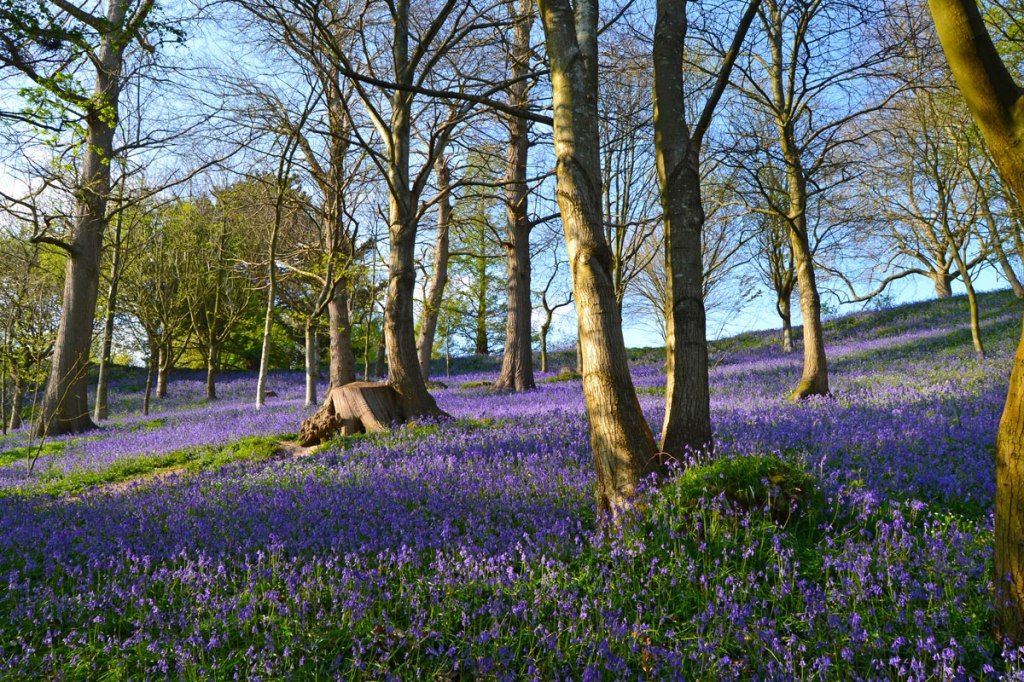
It’s fair to say the cobalt carpet has finally spread its magic in many of the woods covered in the KWNL area. Bluebells are now almost fully out on the North Downs chalk hills walks such as the Cudham stroll (in New Year’s Wood particularly), and the various Shoreham circular and Polhill routes. Alas, the timber work going on in Meenfield Wood above Shoreham (west side of valley) may hinder your enjoyment of bluebells there. Further south the Greensand Ridge walks at Underriver, One Tree Hill, Ide Hill (perhaps the best bluebells – so you won’t be alone), Oldbury and Hosey Common are awash with blue. Closest to south-east London, Beckenham Place Park, High Elms and Petts Wood-Hawkwood Estate (in the lower, damper parts) has several swathes too. The Downe walk mk1 doesn’t have a lot of bluebell action en route but a quick diversion down to Downe Bank (the west side of the Cudham valley) from point 3 or at the start of the walk should see you in the magical blue realm. Following the Downe Mk2 walk will be kind of blue too, particularly at Downe Bank and Blackbush and Twenty Acre Shaw woods. The Chiddingstone and Hever routes don’t have many bluebells I can confirm, not that this detracts from these superb strolls. (Pictured below: from 2022 and 2021 bluebells at New Year Wood on Cudham walk; Meenfield wood, Shoreham circular/Polhill routes; Ide Hill route)

  • New Year's Wood: early bluebells
  • New Year's Wood bluebells 2022
  • Bluebells on the Ide Hill walk, April 25, 2015
  • Bluebells, Emmetts/Scords wood, 2017
  • bluebells Meenfield wood
  • bluebells

Anyway, here are some bluebell factoids gleaned from an excellent article with far more detail called Bloomageddon: seven clever ways bluebells win the woodland turf war at The Conversation website.

  • They are uniquely adapted to suited the multispecies ancient woodlands of the UK
  • Low temperatures trigger their growth (but might delay their blooming if in April). Bluebell seeds germinate when the temperature drops below 10°C.
  • Bluebells predominantly convert sunlight into fructose allowing them to photosynthesise at low temperatures.
  • They are supreme competitors with other plants, allowing them to carpet woodland floors. But they get help in the form of mycorrhiza, a symbiotic fungi.
  • Almost half the world’s bluebells are found in the UK, they’re relatively rare in the rest of the world.

But please be careful never to tread on any; it takes bluebells years to recover from damage. Digging them up – surely no one visiting this site would consider such a thing – is illegal, and please don’t let dogs trample them either – keep them on the lead.

Circular walk sign confusion alert

Circular walk sign confusion alert

It’s great to bump into walkers using my instructions; I can usually spot the pdfs a mile off! But it’s not so great when those walkers are lost … while cycling on Sunday I bumped into two intrepid hikers on Sunday in Downe. Unfortunately, they were trying to follow the Cudham Chalk Paths walk but had gone rather off piste. They had thought that the green and yellow signs for the much longer Cudham Circular walk, as advertised by Bromley Council and Long Distance Walks Association, were route markers for the more modest walk at KWNL. I was able to explain the error and direct them (hopefully) back towards Cudham but the thought that people were using existing signs to follow my walks was terrifying. Please don’t do that! There are no KWNL walks that have specific signposts; the routes are only here on this website.

Wintry weekend in west Kent

Wintry weekend in west Kent

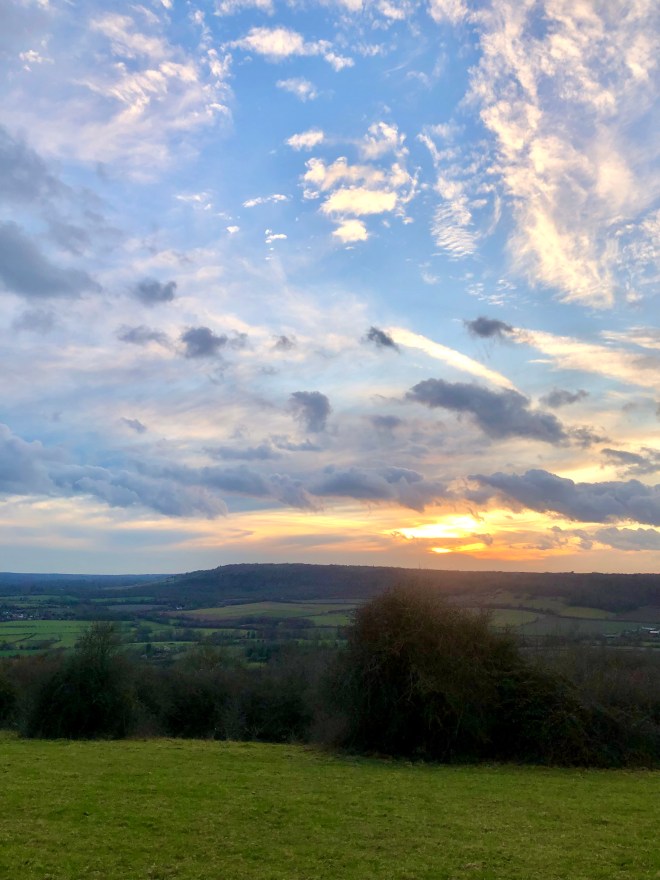
At last, sharp sunny days with frost. Walkers in the North Downs were rewarded at the weekend by a cobalt sky, heavy frost, colourful sunsets and perhaps the remnants of snow from the previous Wednesday night – it was hard to tell where the frost stopped and the snow started. I walked at Beckenham Place Park on Saturday morning before taking the Fackenden Down walk in the afternoon. As soon as we got a bit higher in the hills, the conditions became increasingly picturesque. Magpie Bottom, a hollow that faces north, was a picture, but unfortunately my camera battery had died and we resorted to phone camera images. The last time I saw similar conditions was in January 2022 but on that occasion the temperature must have been even lower because the frost remained glued to the trees even in mid afternoon whereas on Saturday there was some kind of thaw happening where the sun was felt. A sublime, memorable walk.

Please contact me at ammcculloch49@gmail.com with comments about the walks.

Pictured below: sunset from the top of Fackenden Down; moonshine at Fackendon Down; Adam (the author) and Bonny (Photo by S. Hart); looking east into Magpie Bottom; looking along the little valley north from Dunstall Farm; Dunstall Farm; ice on Beckenham Place Park’s lake; swimmers in the lake; looking east along the lake; the lake amid frosty reedbeds

Weald of wonder near Westerham

Weald of wonder near Westerham

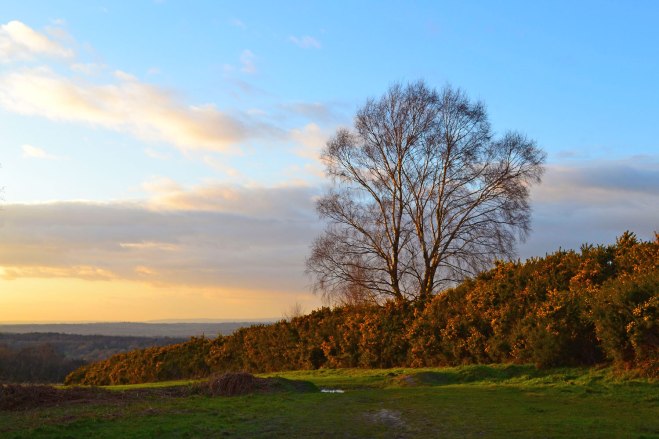
An El Classico of an autumn day. And about time too. We decided that the Hosey walk on the Greensand ridge route at Westerham was the one for us, given the foliage, and views of the Weald from Mariner’s Hill. This time last year the Heaverham circular walk at Kemsing provided something very similar but the warmth of that late October 2023 day seemed freakish at the time. Today was more normal, just a lovely day – neither warm nor cool. The leaf colours, especially in the little valley of the infant River Darent, were superb as hopefully the photos below show, and the vista across the roof of Churchill’s Chartwell gaff as magnificent as ever. I was expecting to see redwings recently arrived from the Netherlands and generally more birds flocking together. But nothing much happened on that front, although mistle thrush were heard and a large buzzard lifted off close to us in one meadow. A pint at the Westerham Brewery place on the way back was an outstanding finale. However, the effect wore off as my football team lost.