Here’s something I’ve never seen before …

Here’s something I’ve never seen before …

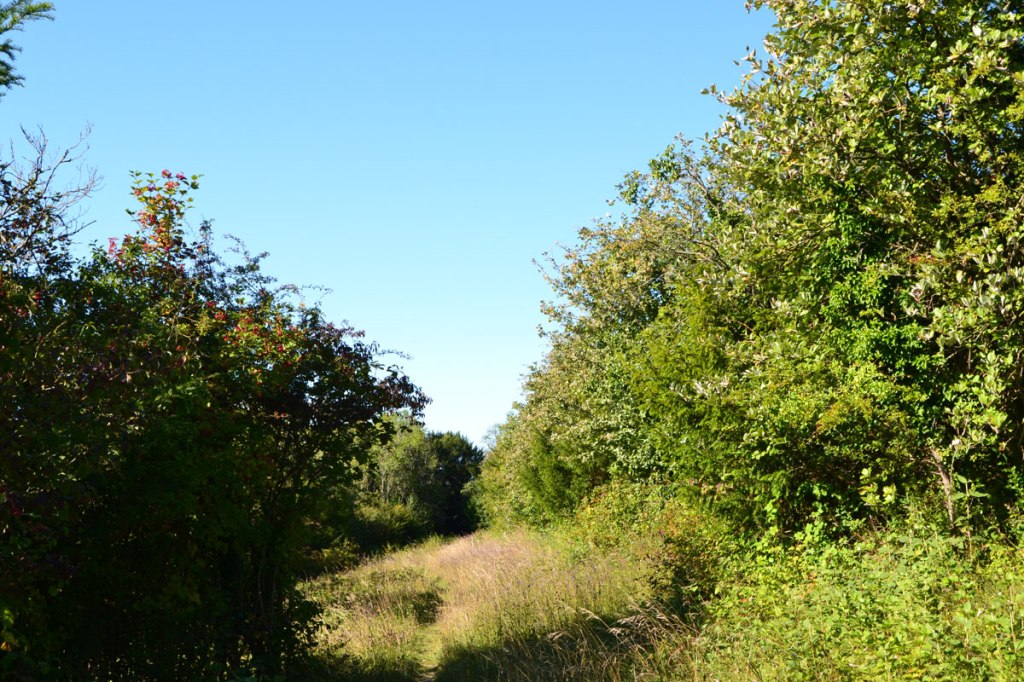
Walking on the path through the scabious, ragwort, marjoram, yew trees and grasses on the chalky west-facing slopes of White Hill/Fackenden Down last Saturday I spotted a wasp spider – a creature I’d never seen personally. It’s a spectacular arachnid, one that has been increasing its numbers in the south-east over the past 15 years. I guess a powerful orb weaver like this will be snaffling up drowsy late summer insects in the coming weeks. The walk itself was as beautiful as ever but quite bereft of bird life, which isn’t unusual for late August just prior to the large migrations. Only a solitary buzzard and a charm of goldfinches being of note, though we weren’t being particularly observant. Oddly, not a single swallow was noted – unlike during the walk at Cudham the following day, where a red kite was also seen. My friend Teri took the spider photos.

Pluto promenade

Pluto promenade

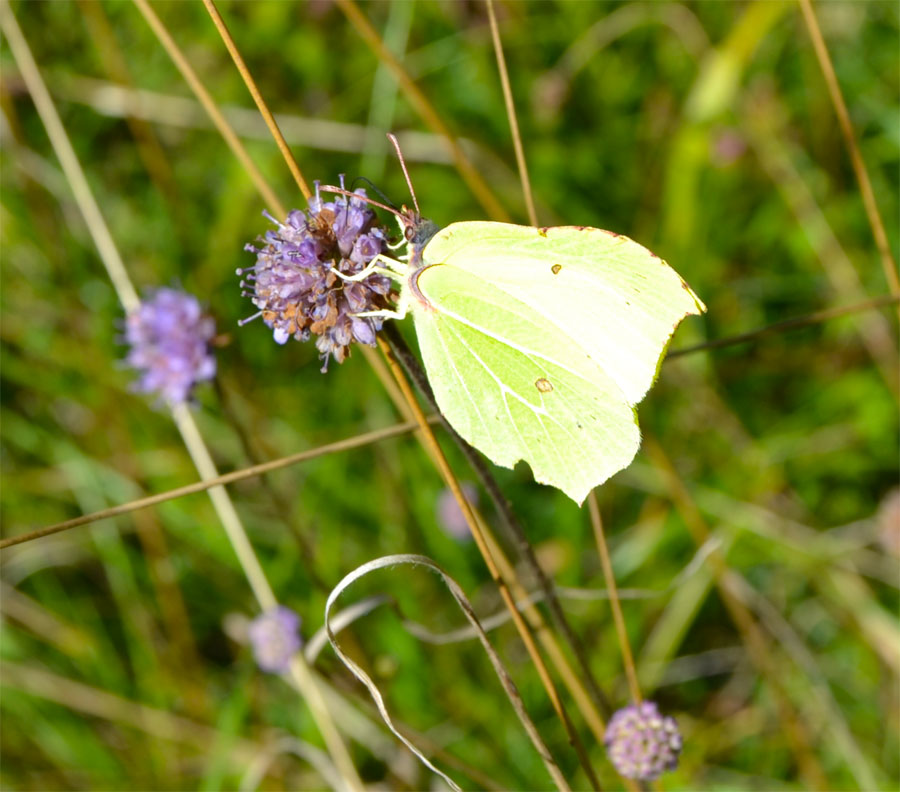
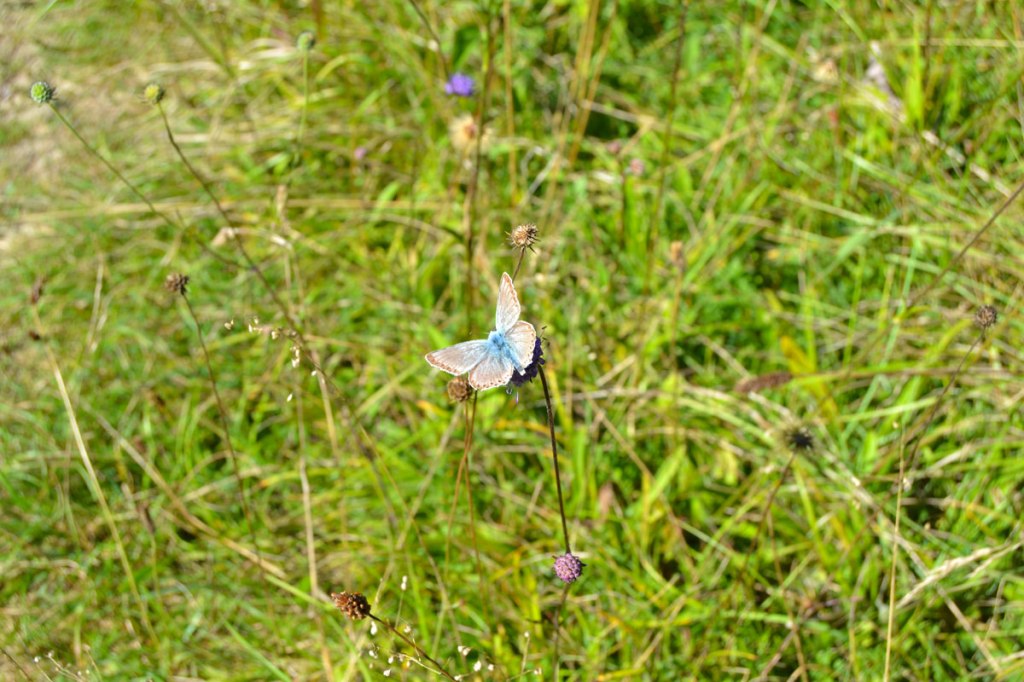
The Polhill/Pluto walk was a delight this week; a chance encounter with a brown argus butterfly (pictured below by sort-of-accident while focusing on scabious flowers) on the Polhill Kent Wildlife Trust patch a highlight. The Andrew’s Wood segment of Shoreham Woods was full of great willowherb, marjoram and wild parsnip – a colourful brew. On the Darent Valley floor itself the sunflowers at Filston Farm were a treat and there were still some wild verbascum flowers in bloom at Sepham Farm. Very few birds were seen which is quite normal for this time of year although a hobby, a buzzard and a suspected corn bunting at Filston Farm were notable spots, while swallows were beginning to gather for their big goodbye. Yellowhammer were heard but not seen at the foot of Polhill.

Grass and butterflies

Grass and butterflies

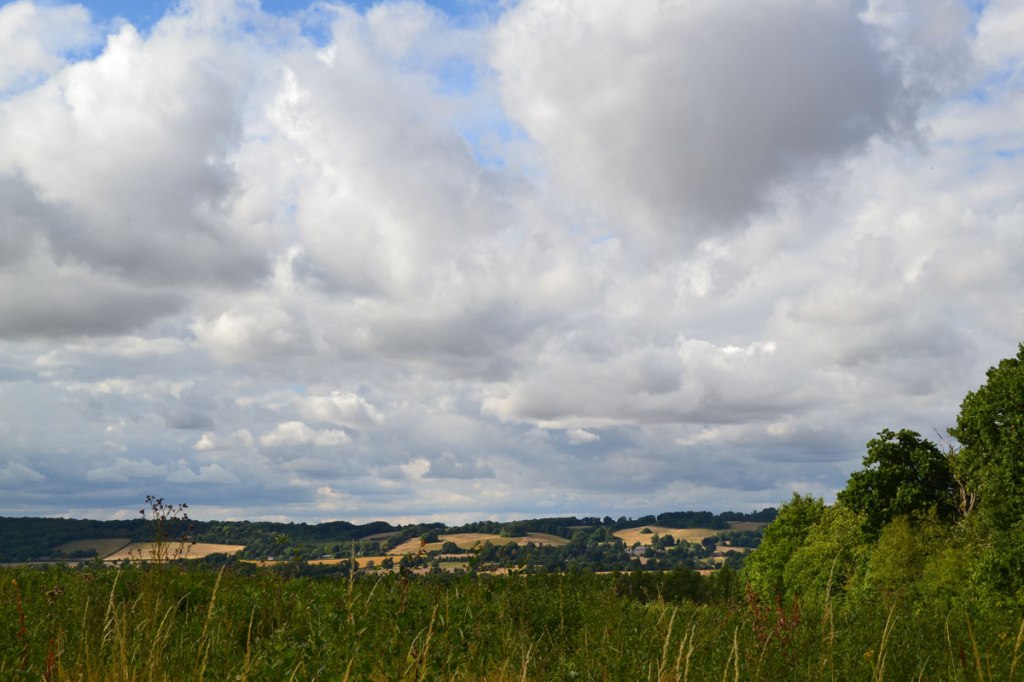
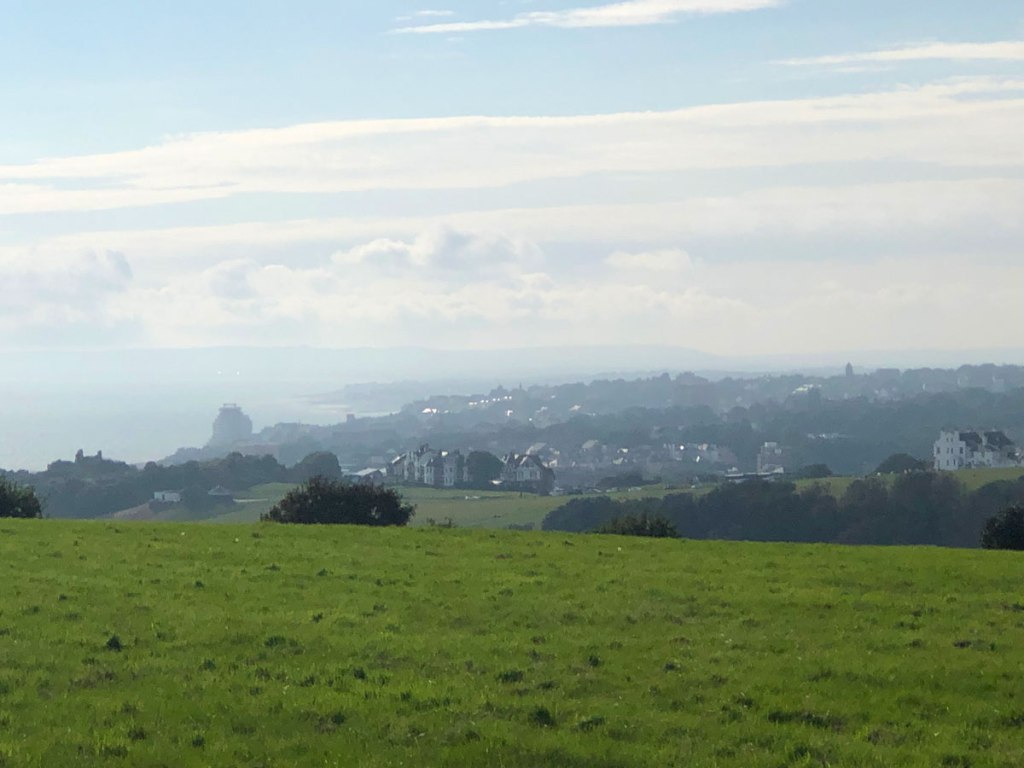
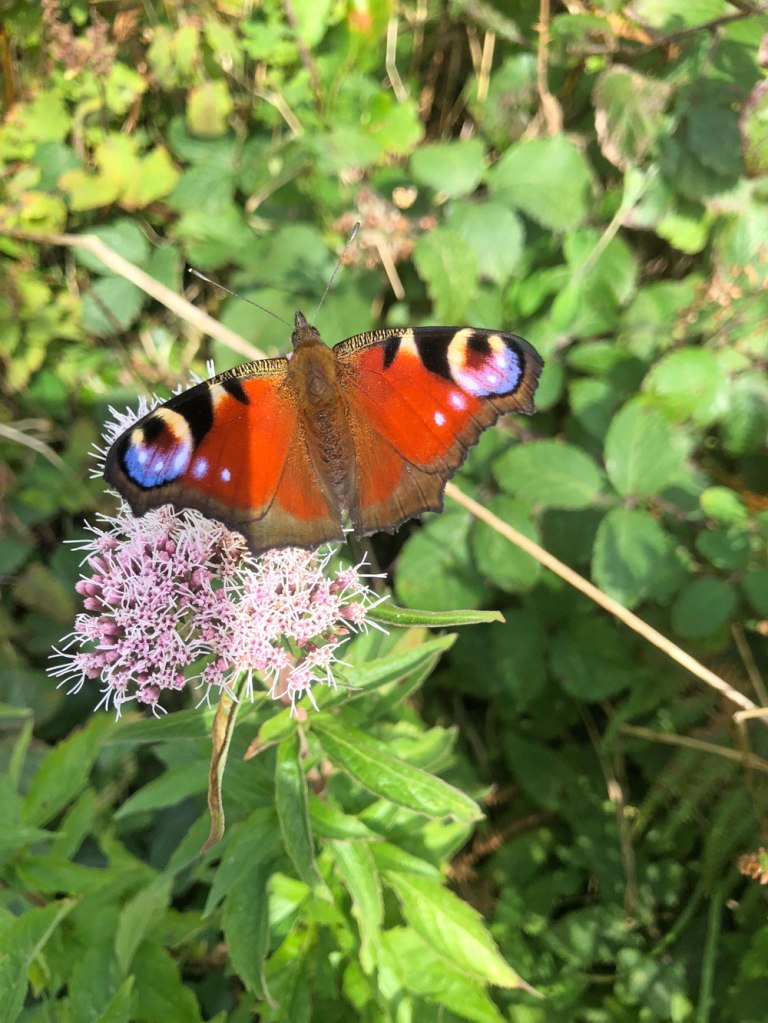
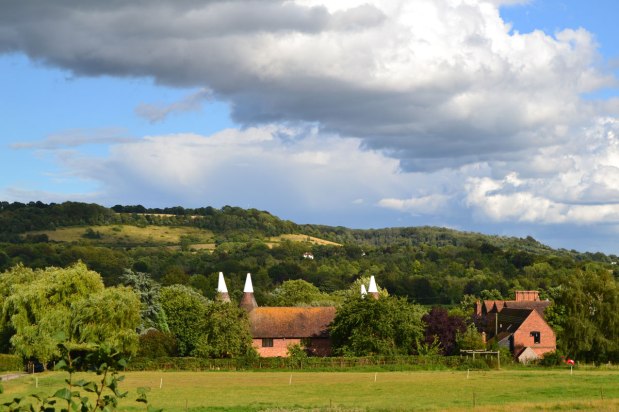
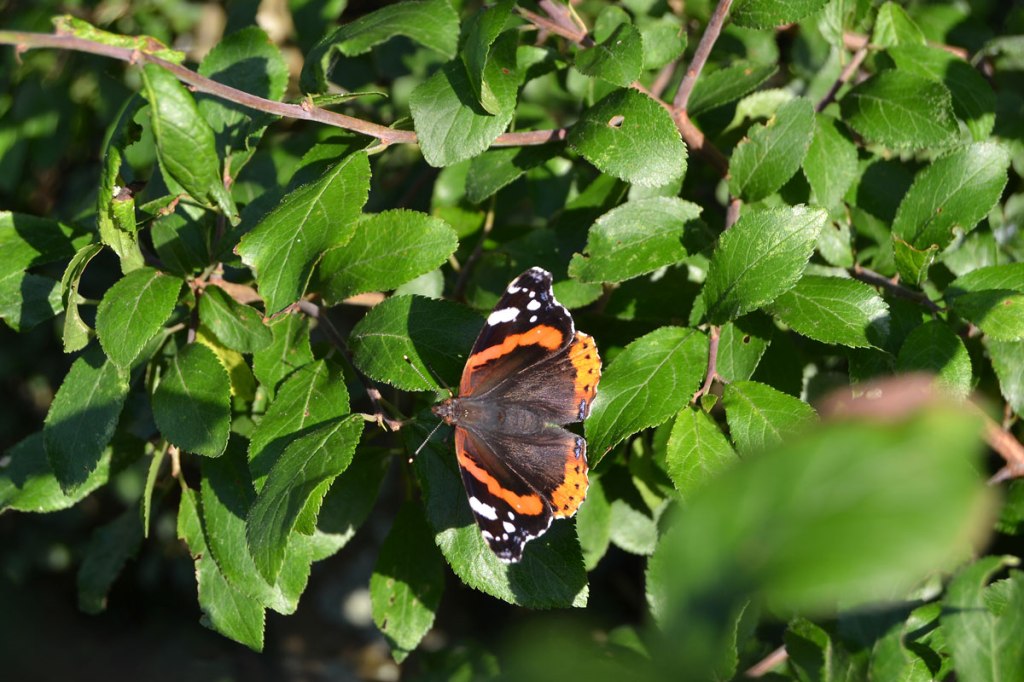
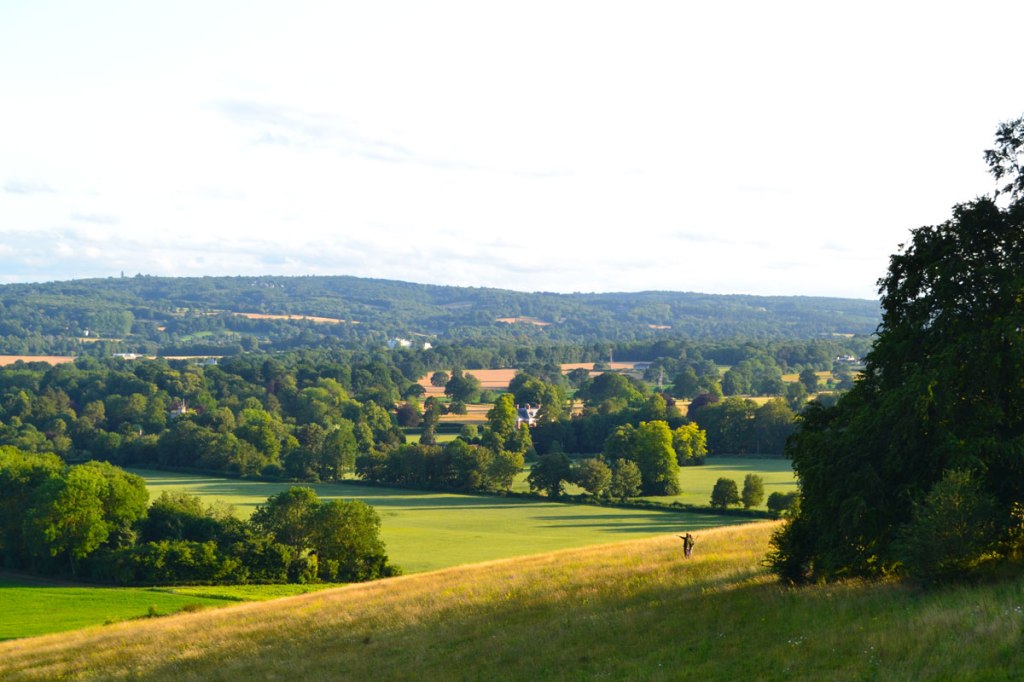
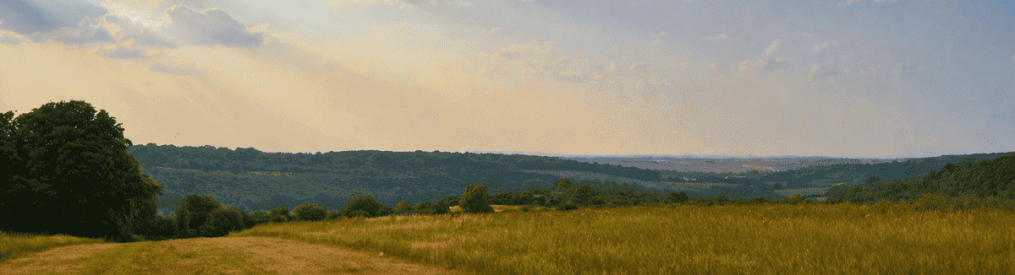
Late July, early August: it’s a slightly torporous time, and in most summers the countryside becomes gradually a bit tired and frazzled looking – rather like the Australian cricket team currently trying to play out the Ashes (now there’s a hostage to fortune). But this year, thanks to recent regular rain, there’s still a freshness about things. I particularly love the long grasses this year, so full of wildflowers – and such a contrast to last summer’s scorched earth. We’ve been lucky in 2023 in that respect, as other parts of Europe have literally burned. Nearly all the walks on this site feature beautiful grassy meadows at one point or another, the best being on the chalk North Downs at Downe, Shoreham (Eastern Valleys, Pluto, and Fackenden in particular, Knockholt and Cudham. Wild marjoram, wild carrot, ragwort, trefoil, knapweed, pyramidal orchids (still flowering) are among the common wildflowers all flourishing amid the grasses, creating a fetching spangle of purples, yellows, pinks, reds and creams among the greens. Anecdotally, butterflies have shown well this summer despite the mixed weather. At the moment it seems to me species such as comma, red admiral, marbled white and large white are the most commonly seen. In April and May, brimstones were a common sight, then peacock butterflies. I haven’t seen any silver fritillaries this year and hardly any orange tips or small tortoisehells, I’ve just been unlucky – others have seen them. Pictured below: red admiral butterfly, scarp view, knapweed in Chevening churchyard, a cleft in the North Downs scarp, a comma butterfly, the escarpment, a lonely path, all from Knockholt/Chevening short walk on a near-cloudless late July early evening.

Balmy evening saunters

Balmy evening saunters

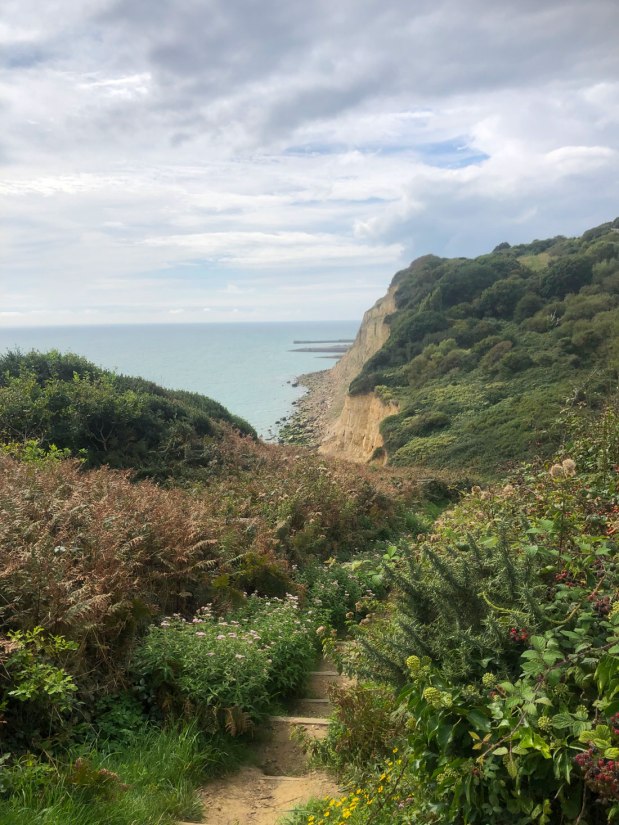
The longer days give us the opportunity to walk as the shadows lengthen and temperature dips – although in the warm spell that recently ended it hardly felt as though the evenings were cooler than the afternoons. Recently, a very tranquil saunter on the path between Shoreham and Eynsford – a route we’ve neglected a bit of late (pictured) – proved a real tonic, made even more fun by keeping with the tennis and cricket on the phone. Amid a limpid sky a solo Spitfire growled over a timeless pastoral scene of river, hedgerows and fields. As we neared the hops and spectacular lavender of Castle Farm we turned round and headed back to Shoreham where a pint of Larkins awaited us at the Samuel Palmer. We felt lucky. And so close to south-east London and even more relaxing when you use the train, direct between SE London and Shoreham in just 30 mins.

We nipped down to Knepp

We nipped down to Knepp

I’ve long wanted to visit the Knepp Estate in West Sussex, about a 90-minute drive from Sydenham, so welcomed an opportunity to join one of my brothers in a perusal.

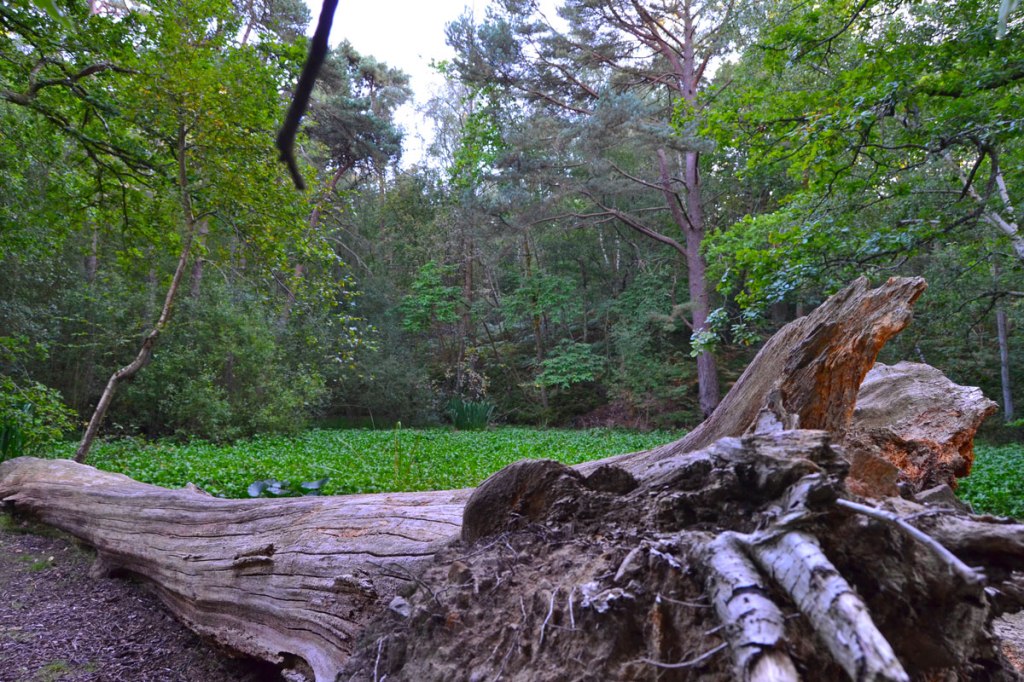
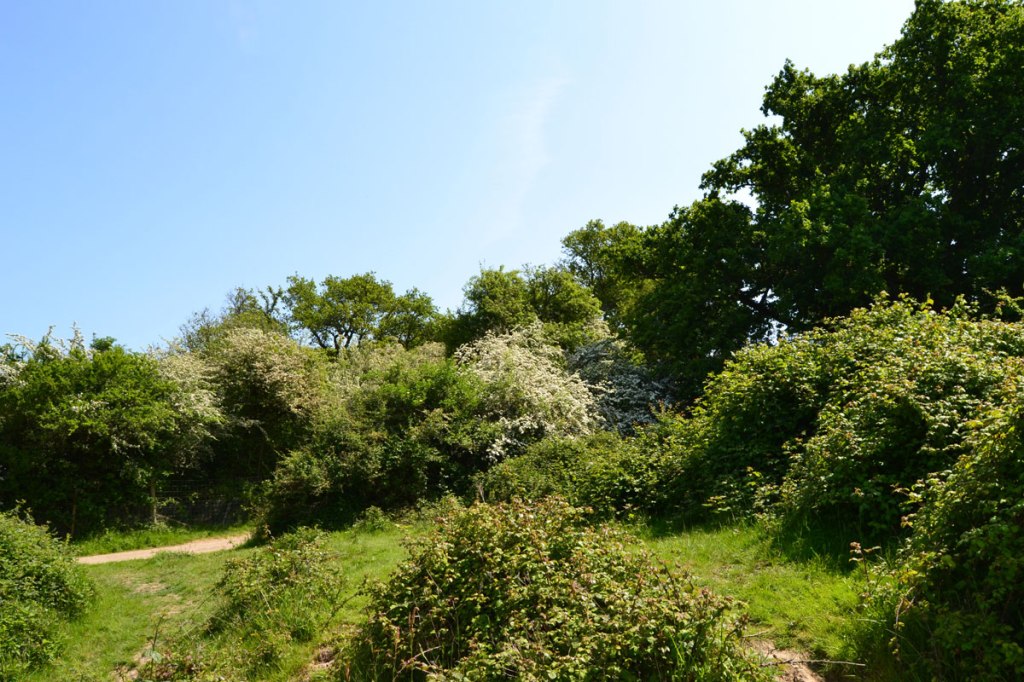
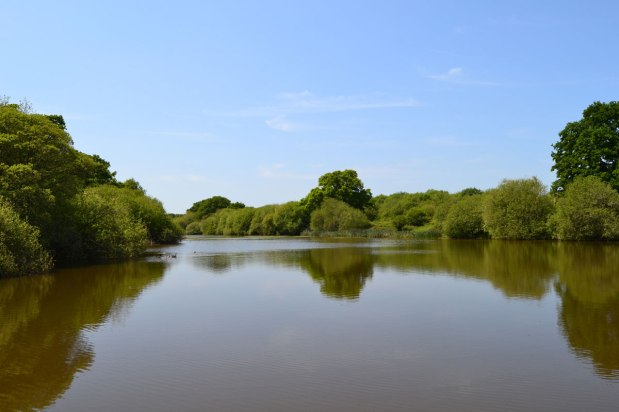
Knepp isn’t necessarily a photogenic place; there are no hills and valleys or stunning vistas. But its scrubby terrain, streams, ponds and pasture felt properly authentic and rural as if time had stood still for centuries. I was astonished by the abundance of hawthorn and blackthorn (pictured above) which underlined to me just how central these bushes and small trees are to our countryside. Soon after entering we came across several score whitethroats along with other warblers, heard a turtle dove, cuckoos, woodpeckers, yellowhammers and corn buntings. At a large pond (below) a kingfisher darted hither and thither. So the rewilding has clearly worked! We came across longhorn cattle, Tamworth pigs and red deer, each species of which contribute to keeping things in order and encouraging insects and birdlife. The pigs, an ancient species, are a substitute for wild boar. 

But there was one beef I had: the local dog walkers. Sorry guys, but letting your dogs off the lead in such a place as Knepp is absolutely not on. I know it’s within the rules technically (the signs only specify ‘keep dogs under control’) but we saw three dogs clearly not under any control. One dog briefly went after the Tamworth pig family, causing the huge sow to go into full attack mode. Luckily, the gormless owners were able to grab their hound before any harm was done (to the dog) but in doing so they’d put themselves in some danger. I was seething at their stupidity! What’s odd is that I’ve never seen dogs so poorly managed on any of the Kent walks – so how can it be that a famous rewilding estate with such rare nature can attract such behaviour? The equivalent would be seeing dogs chasing deer in Knole Park – something I’ve never seen.

Best walks for orchids

Best walks for orchids

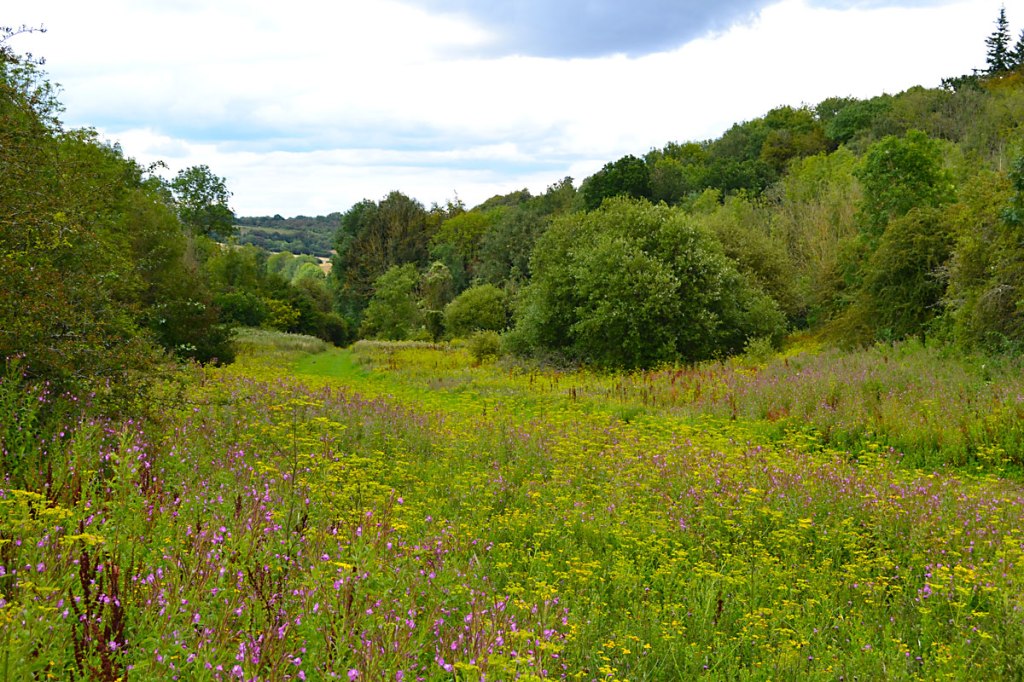
The bluebell spectacular has long ended (was it shorter than usual this year?) and the amazing flowering of hawthorns this year is now dropping off, but all of the Kent Walks Near London are great for wildflowers. Wild garlic (ransoms) is in full bloom in moist woods and orchids are now flowering on grassy slopes particularly on the chalk downs walks. I’d get the train to Eynsford or Shoreham and do the Darent Valley walks for the best orchid views. The Fackenden and Eastern Valleys walks are top of the list for me, followed by the LullingstonePolhill, and Cudham saunters. The glades created in the woods in High Elms country park also have excellent orchids. Downe has a few too, if the new sheep haven’t eaten them all (check out nearby Downe Bank too). Stick a good flower identification app on your phone to help you out with identification. And don’t let your dogs run amok!!

Bluebells finis

Bluebells finis

Yep, folks, they are over. The usual two and a half weeks of spectacle; now appearing dry and spindly. Wild garlic (ransoms) looks – and smells – great next to the blue remnants though, and speedwell and campion (pictured) are showing nicely on most of the walks along with all the lovely yellow and white stuff. It’s a very pleasant time of year and the next week or so is set fair: not blazing sun or anything but decent.

Woody wildflowers on display before the big blue

Woody wildflowers on display before the big blue

With a dry and potentially quite sunny week before us at long last it’s a great time for checking out emerging wildflowers on the walks. I must underline that I’m no expert and rely on apps to confirm by sightings in many cases. But below are a few species you’ll see in most of the woods encountered in woods and fringes on the KWNL routes in April.

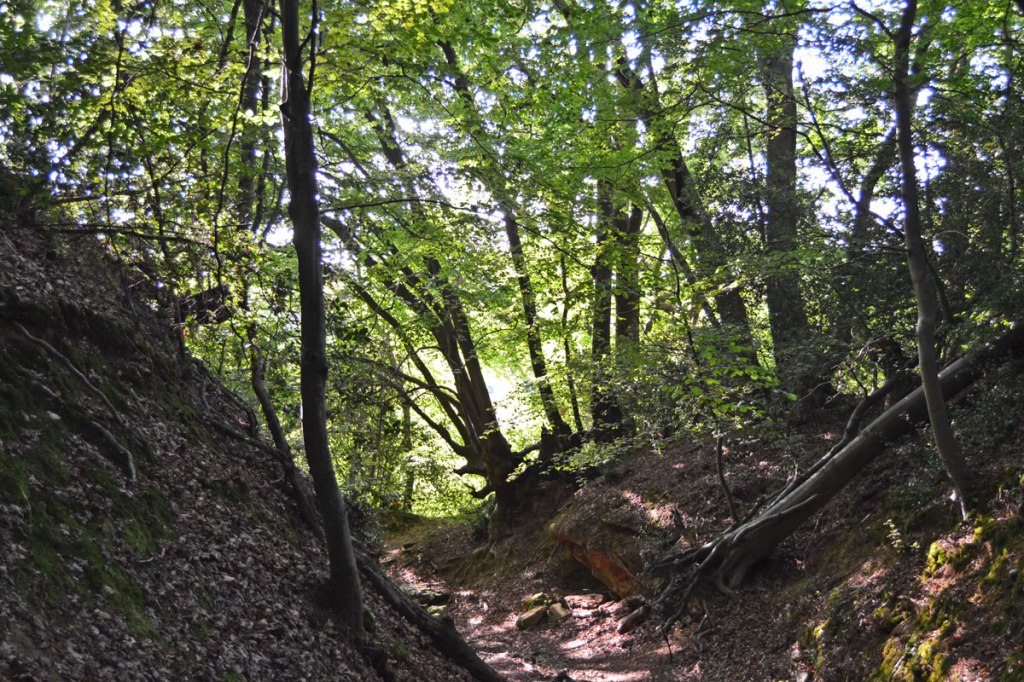
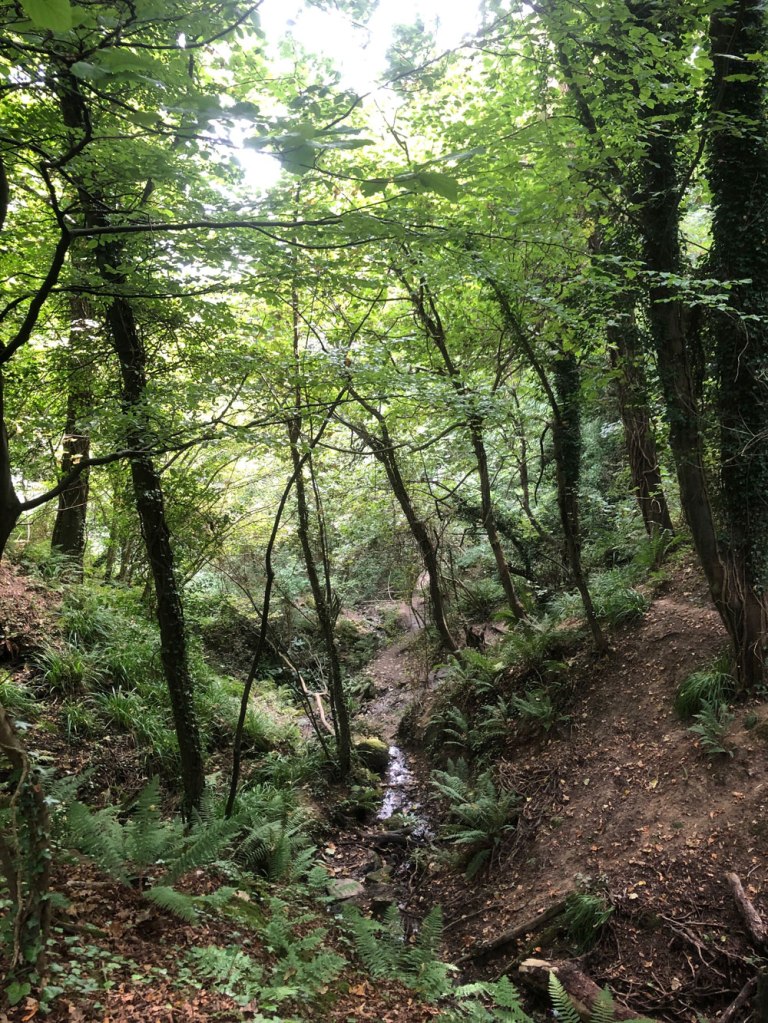
Within a couple of weeks bluebells will be taking over in the woods – the first are already in bloom – but until then there’s plenty to enjoy: cuckoo flower, celandine, wood anemone, primrose and cowslip in particular. There are early orchids too; at Polhill, Strawberry Bank (on the Cudham walk), High Elms country park in the glades within the woods and Downe Bank (a detour on the Downe walk). I particularly enjoy the first sightings of butterflies: I’ve seen brimstone (usually the first to emerge), small tortoiseshell and peacocks so far this year. At Fackenden last week, all three species were fluttering in Magpie’s Bottom. In the woods behind adjacent to Magpie Bottom (the OS map calls it Great Wood), the celandine carpeting the ground under the beech trees was spectacular. Things change fast at this time of year though and pretty soon, all will be blue.

A live jazz gig in deepest Sundridge Park, Bromley north

A live jazz gig in deepest Sundridge Park, Bromley north

Come along and enjoy top quality live jazz, Monday 10 April 8.20pm

If big band jazz is your thing, or even if it isn’t, come along to Sundridge Park WMC at 134 Burnt Ash Lane, BR1 5AF on Easter Monday. I will be playing in the saxophone section on alto sax. The band is called the Mick Collins Legacy Band, recognising its founder. It’s £10 to get in and the band starts at 8.30pm and finishes at 10.30 with a short break. There’s no need to book (you can’t anyway!) but there’s a bar at hand and lots of seating in a large room with good acoustics. The music we play is by arrangers and composers such as Thad Jones, Bob Florence, Gil Evans, Wayne Shorter, Kenny Wheeler and Mike Gibbs. What else can you do on a Monday night that’ll be as uplifting? Don’t answer that!
Lullingstone golf course closes

Lullingstone golf course closes

It seems that financial pressures brought on by the Covid lockdown and reduced footfall in winter has led to the closure of this beautiful, historic, and challenging public course and its owner Sencio’s other leisure facilities in Sevenoaks and Edenbridge. It’s very sad news not just because I’ve enjoyed the odd round at Lullingstone for many years, but because the course is a key component of the country park; the wild grasses, woods and scrub in between fairways is highly biodiverse and is home to a decent array of flora and fauna. I should know, I’ve tentatively had to search for my ball in these wild fringes often enough. Without the course you wonder what might happen to the rest of it what with the pressure for new housing. Let’s not worry about it too much for now; Sevenoaks District Council says it is confident that a new operator can be found for the course and the other Sencio facilities so let’s hope for the best. My main Lullingstone walk starts from Eynsford station but, if you’re driving, you can park just outside the golf course entrance (presumably shut now) and do a complete 5-mile orbit of the country park.

In the meantime it’d be good if people enjoying the new freedom in the park stay off the greens; I’m sure it’s fine to cross the fairways if you want but please leave the wildlife-rich rough well alone.

Skylarks nesting and wildflowers: put dogs on the lead

Skylarks provide us with the soundtrack of the countryside in southern England as they mark out their territories from around 100ft in the air. There are quite a few of them at Lullingstone, whereas birds that used to be seen in the park such as lapwings and yellowhammers have largely disappeared. I’m a bit worried that without the golf, people and their dogs will range all over the grassy slopes and will inadvertently destroy skylark nests. The birds nest in hollow scrapes in reasonably grass between 20 and 50cm high. I noticed last Sunday that quite a few dogs were bounding around in areas they wouldn’t normally be because of the golf closure. It’d be a shame to lose the skylarks and other flora and fauna that was protected by being in “islands” of grasses and meadow in between fairways.